

P0506 on 2011-2018 GMC Sierra 2500 6.0L: Low Idle Causes and Fixes
On a 2011-2018 GMC Sierra 2500 with the 6.0L V8, code P0506 is most often caused by a dirty electronic throttle body restricting airflow at idle. A thorough cleaning and an idle relearn procedure usually fix the issue for under $20. However, if the code appears with P0300 (misfire) or P0106 (MAP sensor), it can indicate a more serious internal engine problem like a broken valve spring, which is a known issue documented in GM Technical Service Bulletins.
- For a standalone P0506 code, the first and most likely fix is to clean the electronic throttle body.
- Always perform an idle relearn procedure after cleaning or replacing the throttle body.
- If P0506 appears with P0300 (misfire) or P0106 (MAP sensor), immediately suspect a more serious mechanical issue like a broken valve spring and investigate accordingly.
- Do not replace the expensive throttle body assembly unless you have definitively ruled out a dirty throttle plate and mechanical engine problems.
- Driving with this code can be a safety risk due to potential stalling in traffic.
What's Unique About the 2011-2018 GMC Sierra 2500
While a dirty throttle body is a common cause for P0506 on many vehicles, GM trucks from this era are particularly known for it. More importantly, on these specific V8 engines, P0506 can be an early symptom of a more severe mechanical failure. GM has issued Technical Service Bulletins (TSBs) that link this code, especially when paired with P0106 and P0300, to broken valve springs, a known weakness in the valvetrain of some GM V8s. This makes it critical to investigate accompanying codes before assuming it's just a simple cleaning fix.
Generation note: This guide covers two generations of the GMC Sierra 2500 HD: the GMT900 (2011-2014) and the K2XX (2015-2018). The L96 6.0L V8 engine was a consistent powertrain option across these years. The causes and repair procedures for code P0506 are broadly similar for both generations, as they both use an electronic throttle body and share similar engine architecture.
Symptoms You May Notice
- Low or rough idle
- Engine stalling when coming to a stop or at idle
- Hesitation or stumbling on light acceleration
- Illuminated Check Engine Light
- Replacing the throttle body assembly when it only needed cleaning.
- Replacing the Mass Airflow (MAF) sensor, which is unlikely to cause a P0506 code by itself.
- Ignoring P0106 and P0300 codes and focusing only on the throttle body, thereby missing a broken valve spring.
Most Likely Causes
- Dirty Throttle Body 🔴 High Probability The PCV (Positive Crankcase Ventilation) system routes oil vapors and combustion byproducts back into the intake, which can deposit carbon and sludge on the back of the throttle plate and in the throttle bore over time. This buildup restricts the small amount of air needed for a stable idle.
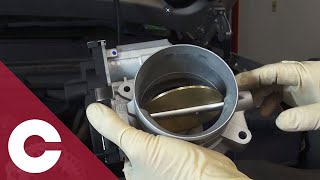
How to confirm: Remove the air intake duct from the throttle body and visually inspect for a black, sticky ring of carbon buildup around the throttle plate and bore. The back of the plate is often the dirtiest.
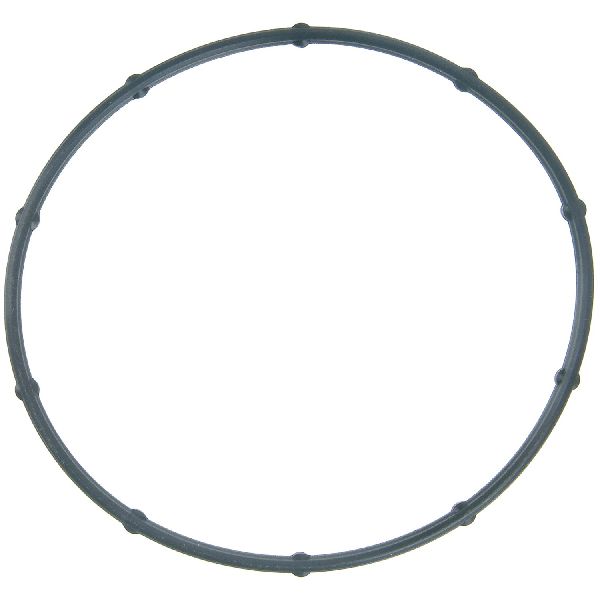
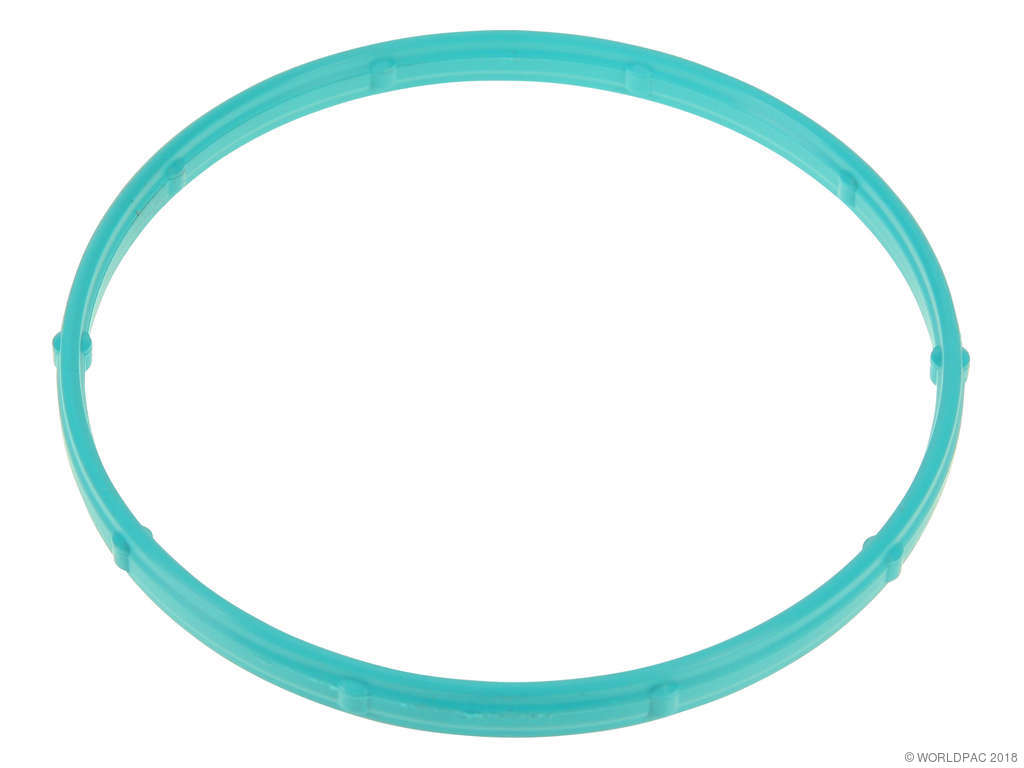
Typical fix: Thoroughly clean the throttle body using a dedicated throttle body cleaner and a soft cloth or brush. It is best practice to replace the throttle body gasket (OEM #12629992) at the same time. An idle relearn procedure must be performed afterward to allow the ECM to adapt to the clean throttle plate.
Est. part cost: $10-$20 - Broken Engine Valve Spring 🟡 Medium Probability Certain GM V8 engines of this era have a documented history of valve spring failures. A class-action lawsuit also cited issues with the valvetrain in these engines, alleging the use of sub-standard materials. This is a known mechanical weak point, addressed by multiple GM TSBs. For instance, TSB Bulletin #PIP5423 notes that technicians may find P0106 and P0506 and should inspect for a broken valve spring.
How to confirm: This is the likely cause if P0506 is accompanied by codes P0300 (Random Misfire) and/or P0106 (MAP Sensor Performance). A definitive diagnosis involves performing a cylinder compression test to find a weak cylinder, followed by removing the valve cover to visually inspect for a broken spring. The break is often a clean fracture.
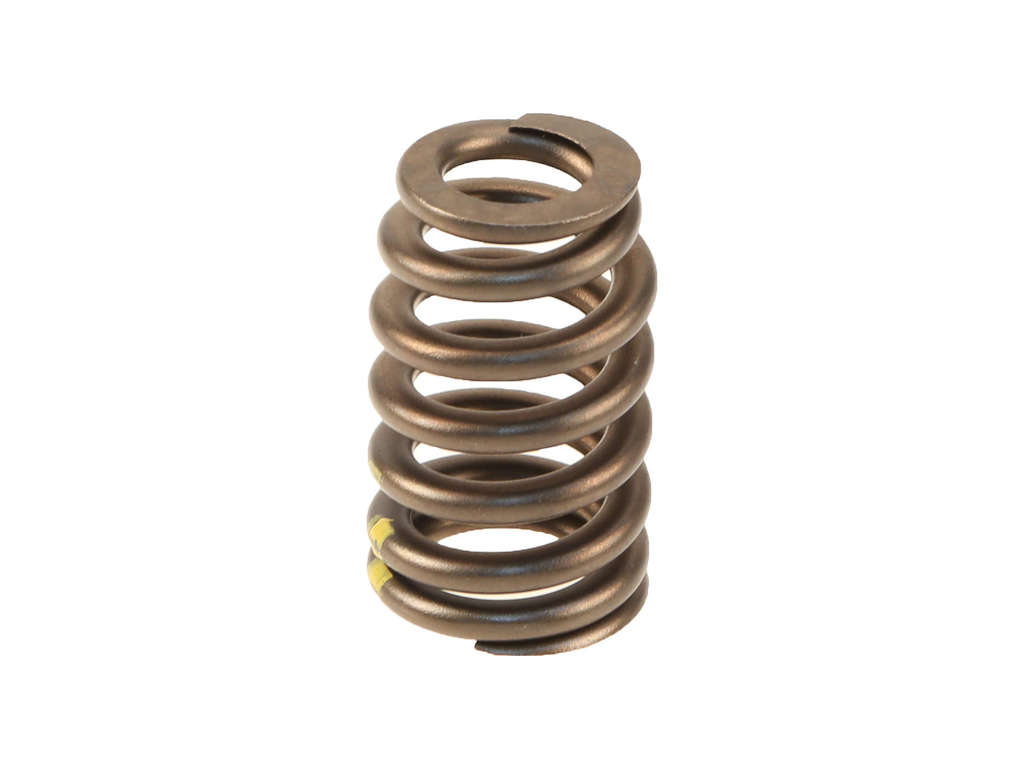
Typical fix: Replace the broken valve spring. The updated OEM part is #12706568, which supersedes the failure-prone original spring #12589774. It is highly recommended to replace all valve springs on the affected cylinder head, or all 16, as a preventative measure. This is a labor-intensive repair.
Est. part cost: $10-$25 per spring, $80-$180 for a full set - Vacuum Leak ⚪ Low Probability Hoses and gaskets become brittle with age and exposure to heat cycles. Common leak points include the PCV hoses, intake manifold gaskets, or the brake booster hose. While a vacuum leak more commonly causes a high idle (P0507), a significant leak can confuse the ECM and trigger P0506.
How to confirm: Listen for a hissing sound at idle. A professional mechanic will use a smoke machine to feed pressurized smoke into the intake system, which will visibly escape from any leak points. Pay close attention to the intake manifold gaskets and PCV hoses.
Typical fix: Replace the cracked hose or failed gasket.
Est. part cost: $20-$150
Rare But Worth Checking
- Failing Electronic Throttle Body: While less common than being dirty, the internal motor or position sensor in the throttle body can fail. This should only be considered after a thorough cleaning doesn't solve the problem and mechanical issues like valve springs are ruled out. A replacement often requires a scan tool for the idle relearn procedure.
- Failing Alternator: A failing alternator can cause low voltage at idle, which can affect the ECM's ability to control the throttle body and maintain idle speed. Check the alternator's output voltage at idle; it should be stable between 13.8-14.5V.
Diagnosis Steps
- Scan for any other trouble codes. The presence of P0106 or P0300 strongly points to a more serious mechanical issue.
- If only P0506 is present, start by inspecting the air intake system for restrictions or a dirty air filter.
- Remove the intake duct from the throttle body. Inspect the throttle plate and bore for carbon buildup, especially on the back side.
- If dirty, clean the throttle body thoroughly with a dedicated cleaner (e.g., ACDelco X66-P) and a soft rag. Do not spray directly on the electronics. Consider replacing the throttle body gasket (OEM #12629992).
- Reinstall the intake duct. Perform an idle relearn procedure. A common manual method is to start the engine and let it idle in Park for 3 minutes, turn the engine off for 60 seconds, then restart and idle for another 3 minutes. A scan tool provides a more reliable method.
- If the code returns, perform a smoke test to check for vacuum leaks in the intake manifold, PCV system, and other vacuum hoses.
- If P0106 or P0300 are present, or if other steps fail, proceed with a mechanical inspection. Perform a cylinder compression test. If a cylinder is low, remove the corresponding valve cover to visually inspect for a broken valve spring.
Parts You'll Likely Need
- Throttle Body Cleaner
(OEM #ACDelco 19379139 (X66-P))— This is the required material for the most common fix: cleaning carbon buildup from the throttle body.
Trusted brands: ACDelco, CRC, Berryman
OEM price range: $15-$25
Aftermarket price range: $10-$20 - Electronic Throttle Body Assembly
(OEM #12670839)— Replaced only if it has an internal electronic failure and cleaning does not resolve the code. This is an uncommon fix. Note that GM has superseded this part number multiple times from the original.
Trusted brands: ACDelco, Bosch, Hitachi
OEM price range: $250-$400
Aftermarket price range: $150-$250 - Engine Valve Spring
(OEM #12706568 (replaces 12589774))— A documented cause of P0506 on this platform, especially when other codes like P0300 or P0106 are present. The updated part number is for a revised, more durable spring.
Trusted brands: ACDelco, Melling, Elgin
OEM price range: $10-$25
Aftermarket price range: $5-$20 - Throttle Body Gasket
(OEM #12629992)— It is best practice to replace this gasket whenever the throttle body is removed for cleaning to prevent a future vacuum leak.
Trusted brands: ACDelco, Fel-Pro, Mahle
OEM price range: $10-$20
Aftermarket price range: $5-$15
Related Codes That Often Appear With This One
- P0106 — A broken valve spring causes erratic air pressure pulses in the intake manifold as the valve fails to close properly, which triggers the Manifold Absolute Pressure (MAP) sensor performance code. TSBs #PIP5423 and #PIP5752M specifically link these two codes to a valve spring issue.
- P0300 — A broken valve spring leads to a loss of compression in one or more cylinders, causing a random misfire that the ECM logs as P0300. TSB #PIP5752M explicitly mentions this code combination as a symptom of a broken valve spring.
Technical Service Bulletins (TSBs) & Recalls
- PIP5423A: Addresses codes P0106 and P0506, pointing to inspection for a broken valve spring.
- PIP5752M: Also links P0506, P0106, and P0300 to potential valve spring issues. Manufacturer bulletin #PIP5752M notes that a vehicle may have a concern of service engine light, misfire, and engine noise with these possible DTCs.
- 11-06-04-007B: Addresses DTC P2135 (Throttle Position Sensor Correlation) but is relevant as it details throttle body inspection and cautions against unnecessary replacement.
- Bulletin #PIP5423: Specifically alerts technicians that for vehicles with a service engine soon lamp and codes P0106 and P0506, they should inspect for a broken valve spring and replace as needed.
Platform-Specific Known Issues
- Technical Service Bulletin (TSB) #PIP5423A addresses codes P0106 and P0506, instructing technicians to inspect for broken valve springs on 2014-2017 trucks.
- TSB #PIP5752M also identifies a combination of codes including P0506, P0106, and P0300 as a potential valve spring issue across a wide range of GM vehicles with similar engines.
- A user on silveradosierra.com with a 2015 2500HD 6.0L reported codes P0506, P0106, and P0300. After initial misdiagnosis, the owner removed the valve cover and found a broken valve spring on cylinder #7, which fixed the issue when replaced.
Mechanic-Grade Diagnostic Values
- MAP Sensor Voltage (Key On, Engine Off) — expected: ~4.5V - 5.0V. Failure: Voltage is significantly lower than 4.5V or absent, suggesting a sensor or wiring issue.
- MAP Sensor Voltage (Engine Idling) — expected: 1.0V - 2.0V. Failure: Voltage is stuck high or does not change with engine load, which can be caused by a mechanical issue like a broken valve spring affecting manifold pressure.
- Fuel Pressure (L96 Engine) — expected: Constant 400 kPa (60 psi). Failure: Low or fluctuating fuel pressure can cause stalling and low idle, mimicking P0506 symptoms.
Scan Tool Commands That Help
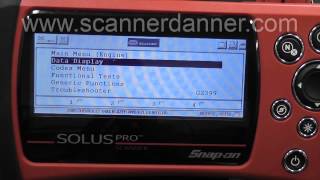
- GDS2 / Professional Scan Tool: Idle Learn Reset / Throttle/Idle Learn — This function, found in the 'Special Functions' or 'Module Setup' menu of the ECM, is required after cleaning or replacing the throttle body. It forces the ECM to find the new closed-throttle position, which is critical for restoring correct idle speed. Failure to perform this reset is a common reason for the code to return after a cleaning.
Wiring & Ground Locations
- G103 / G104 / G107 — These are primary engine and chassis ground points. G103 and G104 are typically located on the engine block or cylinder head, often near the front of the engine on the passenger's side. G107 is often found on the frame rail near the battery.. The ECM and electronic throttle body rely on clean, solid ground connections. A corroded or loose ground at G103, G104, or G107 can introduce electrical noise or voltage drops, disrupting the ECM's ability to accurately control the throttle motor, potentially causing idle control faults like P0506.
- Electronic Throttle Body Connector — The 8-pin electrical connector on the throttle body assembly.. The L96 engine uses an 8-pin connector for the throttle body. Damage to these wires or corrosion on the pins can cause intermittent loss of signal for the throttle actuator motor or the throttle position sensors, leading to codes P0506, P2101, or P1516. The pinout includes circuits for the motor, two separate throttle position sensors, a 5-volt reference, and a low reference (ground).
Real Owner Repair Stories
- silveradosierra.com forum user (2015 Chevrolet Silverado 2500HD 6.0L) — Rough running, Check Engine Light on.
❌ Tried (didn't work) Initial diagnosis focused on common tune-up items and sensor failures.
✅ What actually fixed it The owner removed the valve cover and discovered a broken valve spring on cylinder #7. After replacing the spring, all codes (P0506, P0106, P0300) were resolved and the rough idle was fixed.
OEM Part Supersession History
12589774→12706568— The original valve spring (12589774) was prone to premature failure and breaking. The updated part (12706568) is a revised design for improved durability.
Heads up: The new part is a direct replacement for the old one. It is highly recommended to use the updated part number for any valve spring replacement on this engine.12580760→12670839— GM periodically updates part numbers due to minor revisions in manufacturing or suppliers. The original throttle body for the L96 was 12580760.
Heads up: 12670839 is the common service replacement for the original part and is fully compatible. Always verify the latest part number with a GM dealer using your VIN.
Model Year Variations Within This Range
- 2011-2014 (GMT900) vs. 2015-2018 (K2XX): The vehicle platform changed from GMT900 to K2XX for the 2015 model year. While the L96 6.0L V8 engine and the fundamental causes of P0506 remained the same, the K2XX platform introduced updated electrical architecture and body modules. This can affect diagnostic procedures when using tools like GDS2, as module communication paths differ. However, the primary diagnostic steps for P0506 (throttle body, valve springs) are consistent across both generations.
Diagnostic Flowchart
Other Known Issues on This Vehicle
Issues unrelated to this code that are worth knowing about as an owner of this generation:
- AFM/DFM Lifter Failure 🔴 High — Common on higher mileage L96 engines, though the L96 itself does not have AFM, the valvetrain components are similar to AFM engines that are notorious for this. A class-action lawsuit was filed concerning this issue across many GM V8s. (Ref: PIP4568, 15-06-01-002H)
- Cracked Exhaust Manifold Bolts 🟠 Medium — Very common. The rear-most bolts on the exhaust manifolds are prone to breaking due to heat cycles, causing an exhaust leak and a ticking noise, especially when the engine is cold.
- Oil Consumption 🟠 Medium — Some owners report higher than normal oil consumption, sometimes linked to the PCV system or piston rings. This is a known issue on many GM V8s of this era.
- Torque Converter Failure / Shudder 🟠 Medium — Owners report shuddering during light acceleration, often traced to the torque converter in the 6L90 transmission. A fluid flush or replacement is sometimes a temporary fix.
Used vs. New Parts: Buying Guide for This Vehicle
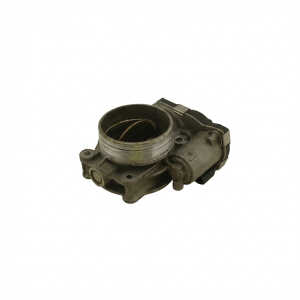
When a used part is the smart pick: A used throttle body assembly from a reputable salvage yard can be a cost-effective option, as outright electronic failure is less common than being dirty. This is a viable choice if your budget is tight and you've confirmed the issue is not just carbon buildup.
Donor-vehicle mileage cap: roughly under 80000 miles for the part to have meaningful remaining life.
What to inspect on the donor part:
- Look for a donor vehicle with lower mileage and no front-end collision damage.
- Inspect the throttle body connector for any broken tabs or signs of corrosion.
- Ask for a photo of the throttle bore; avoid any with deep scoring or visible damage to the throttle plate.
- Ensure it comes with a short warranty or return period in case of electronic failure.
OEM-only on this vehicle (don't cheap out):
- Engine Valve Springs: Given that the original springs are a known failure point, it is critical to use the updated OEM part (12706568) or a high-quality aftermarket equivalent from a reputable brand like Melling or Elgin. Never install used valve springs.
Aftermarket brands forum-validated for this vehicle:
- Throttle Body Gasket: Fel-Pro, Mahle
- Valve Springs: Melling, Elgin, Brian Tooley Racing (for performance upgrades)
Brands owners have reported issues with on this vehicle:
- Unbranded, no-name electronic throttle bodies from online marketplaces are a significant risk. They often have high failure rates, use inferior internal motors and sensors, and may not calibrate correctly during the relearn procedure.
Real Owner Stories
Aggregated from forums and TSBs cited above. Mileages and costs reflect what owners reported in those sources.
2015 Chevrolet Silverado 2500HD 6.0L L96
Symptoms: The vehicle was throwing codes P0506, P0106, and P0300. After an initial misdiagnosis, a mechanical inspection was performed.
What fixed it: Removed the valve cover and found a broken valve spring on cylinder #7; replacing the spring fixed the issue.
Source hint: silveradosierra.com forum post cited in vehicle_specific_issues and forum_citations
2011-2018 GMC Sierra 2500 6.0L V8
Symptoms: Rough idle issue where the owner attempted to bypass the problem by increasing idle speed via a software tune.
What fixed it: The tune was only a temporary fix for an underlying problem; the context recommends a manual idle relearn (3 minutes idle, 1 minute off, 3 minutes idle) or a scan tool relearn after addressing the root cause.
Source hint: gm-trucks.com thread cited in forum_citations
Related OBD-II Codes
Frequently Asked Questions
Does TSB PIP5423A apply to my 2015 GMC Sierra 2500 with the 6.0L engine?
What is the manual idle relearn procedure for the Sierra 2500 L96 after cleaning the throttle body?
I have P0506, P0106, and P0300 all at once on my 6.0L V8. What does TSB PIP5752M suggest?
Which specific part numbers should I use if I need to replace the valve springs on my L96 engine?
Is there a specific gasket I should replace when cleaning the throttle body on my Sierra?
Can a vacuum leak cause a P0506 code on the 6.0L V8 even though it usually causes a high idle?
Helpful Videos
Used OEM Parts in Stock


New Aftermarket Parts Available


The information in this article is provided for general reference and educational purposes only. Vehicle specifications, procedures, and part compatibility can vary by production date, trim level, and region. Always consult your vehicle's factory service manual and verify part numbers before purchasing or performing repairs. Safety-critical components such as airbags, seat belts, and braking systems should be installed by a qualified professional.
- GMC Sierra 2500:
- 🎬 Helpful Videos
- 🛍️ Shop This Part
- What's Unique About the 2011-2018 GMC Sierra 2500
- Symptoms You May Notice
- Most Likely Causes
- Rare But Worth Checking
- Diagnosis Steps
- Parts You'll Likely Need
- Related Codes That Often Appear With This One
- Technical Service Bulletins (TSBs) & Recalls
- Platform-Specific Known Issues
- Mechanic-Grade Diagnostic Values
- Scan Tool Commands That Help
- Wiring & Ground Locations
- Real Owner Repair Stories
- OEM Part Supersession History
- Model Year Variations Within This Range
- Diagnostic Flowchart
- Other Known Issues on This Vehicle
- Used vs. New Parts: Buying Guide for This Vehicle
- Real Owner Stories
- 2015 Chevrolet Silverado 2500HD 6.0L L96
- 2011-2018 GMC Sierra 2500 6.0L V8
- Related OBD-II Codes
- Frequently Asked Questions
- 🎟️ Get 5% Off