

P0457 on 2002-2008 Dodge Ram 1500 HEMI: EVAP Leak (Gas Cap) Causes and Fixes
This code is most often caused by a loose, worn, or incorrect gas cap. If a new OEM gas cap doesn't fix it, the next most likely culprit is a failed Leak Detection Pump (LDP) for 2002-2006 models or an Evaporative System Integrity Monitor (ESIM) for 2007-2008 models, both located near the fuel tank.
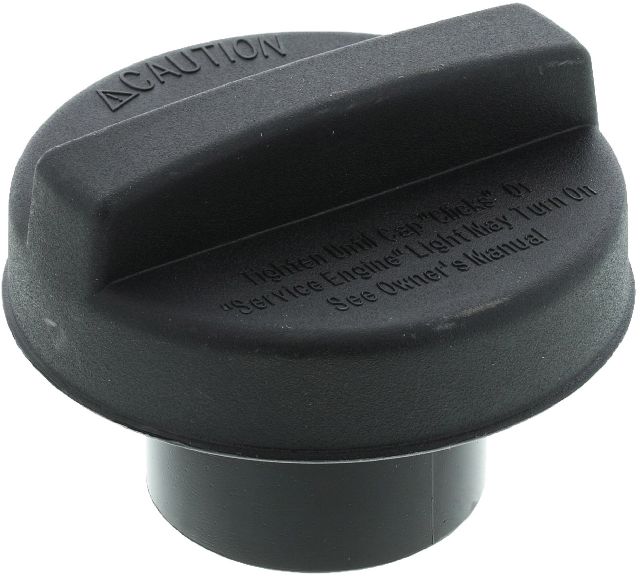
- Always check the gas cap first for code P0457. A new OEM Mopar cap is a cheap and easy first step.
- Be aware of the model year split: 2002-2006 models use a Leak Detection Pump (LDP), while 2007-2008 models use an Evaporative System Integrity Monitor (ESIM). They are not interchangeable.
- If a new gas cap doesn't fix the code, the LDP/ESIM module on the charcoal canister is the next most likely failure point.
- A smoke test is the most effective way to find the leak if it's not one of the common culprits.
- After a repair, the code must be cleared with a scanner. The 'GASCAP' message may take a few drive cycles to disappear even after the Check Engine Light is off.
What's Unique About the 2002-2008 Dodge Ram 1500

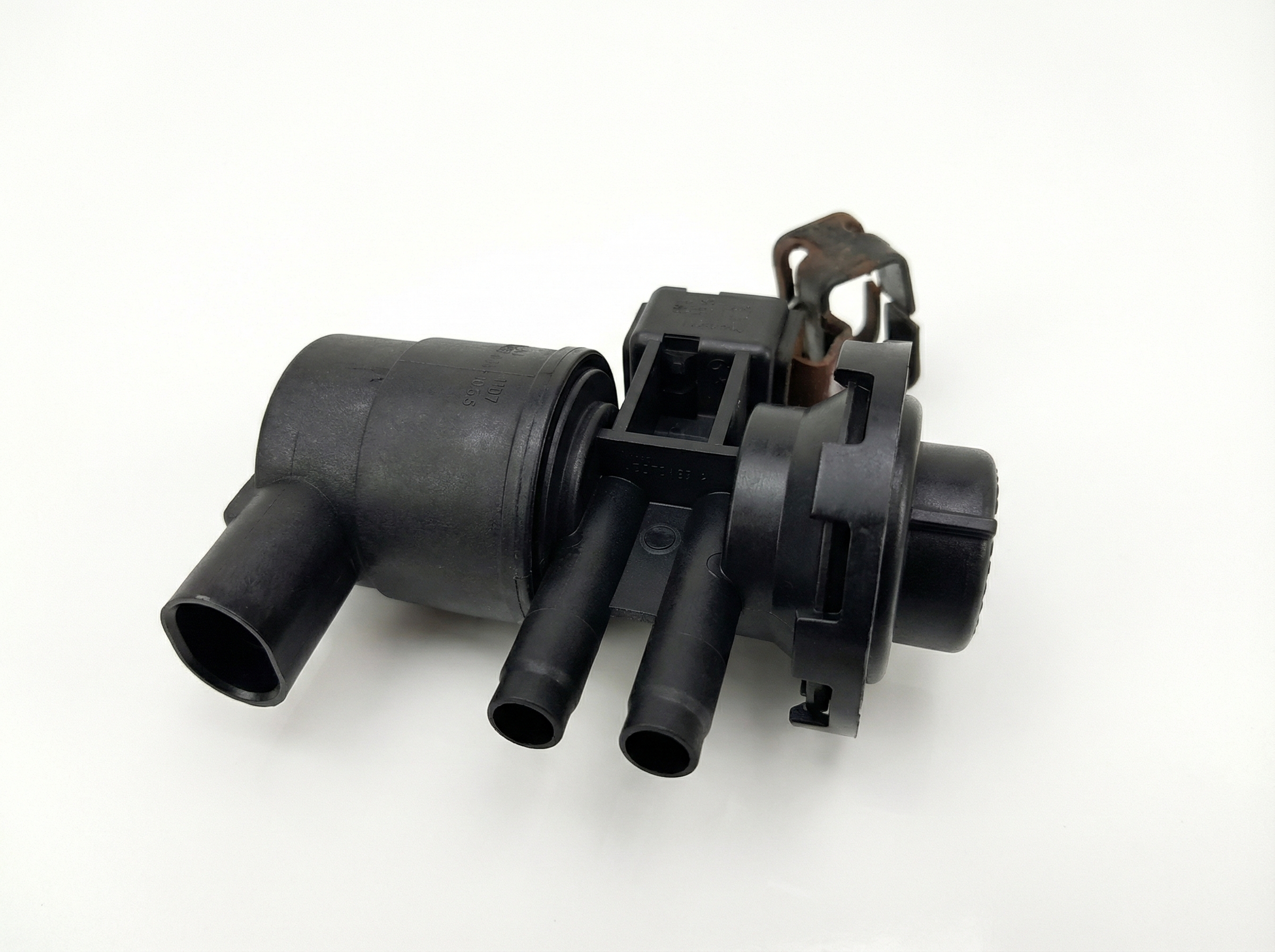
The 2002-2008 Dodge Ram 1500 (DR generation) has a known high failure rate for its EVAP leak detection components. However, the specific part used changed during this production run. Models from 2002-2006 use a Leak Detection Pump (LDP), a vacuum-based pump system. In contrast, 2007-2008 models use a simpler, switch-based Evaporative System Integrity Monitor (ESIM) which uses a weighted diaphragm to detect pressure changes. While both serve the same purpose, they are not interchangeable, making it crucial to identify the correct model year before purchasing parts.
Generation note: The 2002-2008 year range covers the third-generation (DR) Dodge Ram 1500. A key component of the EVAP system changed mid-generation. Models from approximately 2002-2006 use a Leak Detection Pump (LDP). Models from 2007-2008 use an Evaporative System Integrity Monitor (ESIM). The diagnostic and replacement process is similar, but the parts are different and not cross-compatible.
Symptoms You May Notice

- Check Engine Light is on
- A 'GASCAP' message may appear on the odometer display
- A faint smell of raw fuel, especially when the vehicle is parked or after refueling
- Failing an emissions test
- Replacing the charcoal canister when only the attached LDP/ESIM has failed. The pump/monitor can often be replaced separately.
- Replacing the purge solenoid in the engine bay when the leak is more commonly at the rear of the truck near the tank.
- Using a cheap aftermarket gas cap, which often fails to seal properly on Chrysler products, leading the owner to suspect a more complex issue.
Most Likely Causes

- Loose, Damaged, or Incorrect Gas Cap 🔴 High Probability The code is specifically designed to trigger from a loose cap after refueling. Rubber seals on the cap also degrade over time. Chrysler vehicles of this era are notoriously sensitive to non-OEM caps, which may not seal correctly and will continue to trigger the code.
How to confirm: Ensure the cap is tightened until it clicks several times. Inspect the rubber O-ring on the cap for cracks, stiffness, or damage. If in doubt, it's the cheapest part to replace first. A used OEM cap from a junkyard may have the same dried-out seal issue.
Typical fix: Replace the gas cap with a new, high-quality OEM (Mopar) part. Clear the codes and perform several drive cycles to see if the light returns.
Est. part cost: $15-$35 - Faulty Leak Detection Pump (LDP) or ESIM 🟡 Medium Probability These components are a very common failure point on Dodge trucks. The internal diaphragm or switch fails, causing a false leak report or an actual inability to seal the system for testing. A common sign of failure is a rattling sound from the unit when removed and shaken.
How to confirm: After ruling out the gas cap, this is the next logical part to inspect. It is located on or next to the charcoal canister near the fuel tank. Replacement is often done based on probability due to the high failure rate. A smoke test is the only definitive way to confirm if other parts aren't leaking first.
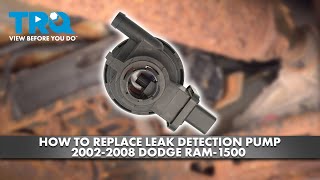
Typical fix: Replace the LDP (on 2002-2006 models) or the ESIM (on 2007-2008 models). The part twists into the charcoal canister with a quarter-turn lock. It is critical to ensure the new part is installed in the correct orientation. 🎬 See this walkthrough for replacing the leak detection pump.
Est. part cost: $40-$80 - Cracked or Disconnected EVAP Hoses ⚪ Low Probability Rubber hoses become brittle and crack with age and exposure to the elements under the truck. The short, formed hoses connected to the LDP/ESIM and charcoal canister are common culprits, especially at the connection points.
How to confirm: Visually inspect all accessible EVAP lines running from the fuel tank to the engine bay. Pay close attention to rubber elbows and connections. A smoke test will quickly reveal any cracks or disconnections that are not visible.
Typical fix: Replace the specific cracked hose section. Some are pre-formed from the dealer, while others can be replaced with appropriate-diameter vacuum hose.
Est. part cost: $10-$50 - Faulty Vapor Canister Purge Solenoid ⚪ Low Probability This solenoid, located in the engine bay near the battery, can get stuck open, creating a constant vacuum leak within the EVAP system that the LDP/ESIM will detect.
How to confirm: The solenoid can be removed and tested. When not energized, it should be closed, and you should not be able to blow air through it. If air passes through, it has failed and is stuck open.
Typical fix: Replace the purge solenoid.
Est. part cost: $25-$50
Rare But Worth Checking
- Cracked Charcoal Canister: The plastic body of the canister itself can develop hairline cracks over time, creating a leak. This is usually found with a smoke test after all other common components have been checked.
- Damaged Fuel Filler Neck: Rust or damage to the metal filler neck where the gas cap seals can prevent a proper seal, even with a new cap. Inspect the lip of the filler neck for corrosion 🎬 Watch: Troubleshooting gross EVAP leaks and gas cap issues. or deformities. Some owners have discovered small leaks in the filler neck itself after a smoke test.
- Incorrect ESIM Installation: On 2007-2008 models, the ESIM can be physically installed in four different rotational positions, but only one is correct. If installed incorrectly (e.g., with the electrical connector at the 6 o'clock instead of the 3 o'clock position), it will not function and will set codes.
Diagnosis Steps
- Read the code with an OBD-II scanner and check for a 'GASCAP' message on the dash.
- Inspect the gas cap. Ensure it is tight. Remove it and check the seal for cracks or wear. Clean the cap and filler neck sealing surfaces.
- If the cap is old or looks worn, replace it with a new OEM Mopar cap as the first step. Clear the code and drive for a few days (several start/stop cycles) to see if it returns.
- If the code comes back, safely raise the vehicle and visually inspect the EVAP system components located near the fuel tank, on the passenger side.
- Check all rubber hoses for cracks, especially the ones connected to the charcoal canister and the Leak Detection Pump (LDP) or ESIM.
- If hoses appear intact and the gas cap is new, the LDP (2002-2006) or ESIM (2007-2008) is the most likely cause. A common DIY test is to remove the unit and shake it; if it rattles, it has likely failed internally.
- For definitive diagnosis, perform a smoke test. This involves injecting smoke into the EVAP service port (often via the purge solenoid line under the hood) and looking for where it escapes. This will pinpoint the exact location of any leak.
- Check the purge solenoid under the hood. Disconnect it and try to blow through it. If air passes, it is stuck open and needs replacement.
Parts You'll Likely Need

- Fuel Tank Cap
(OEM #52100552AG)— This is the most common cause for P0457. The seal wears out or the cap is not tightened properly. OEM parts are strongly recommended as these trucks are sensitive to aftermarket caps.
Trusted brands: Mopar
OEM price range: $25-$35
Aftermarket price range: $15-$25 - Leak Detection Pump (LDP)
(OEM #4891561AA)— This is the primary leak testing component for 2002-2006 models and is a very common failure item. It is located on the charcoal canister.
Trusted brands: Mopar, Dorman (310-500), Standard Motor Products
OEM price range: $60-$100
Aftermarket price range: $40-$60 - Evaporative System Integrity Monitor (ESIM)
(OEM #4861962AB)— This is the leak testing component for 2007-2008 models and is a known high-failure part, just like the LDP it replaced. It is located on the charcoal canister. Superseding part numbers may include 4861962AC and 4861962AD.
Trusted brands: Mopar, Dorman
OEM price range: $40-$60
Aftermarket price range: $25-$40
Related Codes That Often Appear With This One
- P0455 — P0455 indicates a 'Gross EVAP Leak'. P0457 is a more specific version of P0455, often pointing to the gas cap as the cause because it's detected after refueling. They frequently appear together.
- P0456 — P0456 indicates a 'Small EVAP Leak'. It's possible for a failing component to initially cause a small leak code before it worsens and triggers the large leak codes P0455 or P0457.
- P0441 — P0441 indicates 'Incorrect Purge Flow'. This can be triggered if the purge solenoid is stuck open or if there's a blockage, sometimes appearing alongside leak codes as the system fails self-tests.
Platform-Specific Known Issues
- On 2007-2008 models, the ESIM must be installed with the electrical connector in the 3 o'clock position. Installing it in any other orientation will cause it to malfunction and set EVAP codes, even if the part is new.
Mechanic-Grade Diagnostic Values
- ESIM Switch State (2007-2008) — expected: With the engine off and the system at atmospheric pressure, the switch should read 'Open'. When a vacuum of ~1" H2O is applied (as during a system self-test), the switch should read 'Closed'.. Failure: If the switch fails to close when vacuum is applied, or is stuck closed at all times, the ESIM has failed.
- ESIM Signal Voltage (2007-2008) — expected: The PCM supplies a reference voltage (can be 5V or 12V depending on the specific PCM). When the ESIM switch is open, the scan tool should read this reference voltage. When the switch closes, the signal is pulled to ground and should read near 0V.. Failure: If the voltage does not drop to zero when vacuum is applied during a test, the switch is not closing.
- LDP Reed Switch (2002-2006) — expected: At key-on, the PCM expects to see the LDP reed switch as 'Closed' (diaphragm down). If there is residual pressure in the tank, the diaphragm may be up, holding the switch 'Open'.. Failure: A P1494 code can be set if the PCM sees the reed switch as 'Open' at key-on, indicating a potential LDP fault or a system that failed to vent.
Scan Tool Commands That Help
- DRB III / WiTech / high-end aftermarket scanners: ESIM Forced Test or LDP Monitor Test — This command forces the PCM to run the EVAP leak monitor test on demand. It allows a technician to see if the LDP/ESIM is functioning and if the system can seal. For an ESIM, the scan tool should show the switch state change from 'Open' to 'Closed' within about 45 seconds if the system is sealed and the ESIM is good.
Wiring & Ground Locations
- Main Body Ground — On the driver's side, on the frame, just in front of the front wheel.. A poor main body ground can cause a host of electrical issues, including erratic sensor readings. While not a direct cause, verifying major grounds is a good practice if multiple electrical faults are present.
- Battery to Body Ground — A 10-gauge wire from the negative battery terminal to the body, above the driver's side headlight assembly.. This is a primary grounding point for the front-end electrical system. The purge solenoid and other engine bay components rely on solid grounds to function correctly.
- LDP/ESIM Connector — A 2-pin connector directly on the LDP or ESIM unit, attached to the charcoal canister near the fuel tank.. This is the direct electrical connection for the component most likely to be tested or replaced. Corrosion or damage here will cause the test to fail. One pin receives a ground, and the other is the signal wire back to the PCM.
Real Owner Repair Stories
- RamForum.com user CaptOchs (2013 Ram 1500 Big Horn (Note: This is a 4th Gen, but the EVAP components and failure modes are highly similar to the late 3rd Gen)) — Persistent 'gas cap' message and EVAP leak CEL (P0457/P0456).
❌ Tried (didn't work) Replacing the gas cap with an aftermarket one., Sanding rust off the original filler neck (worked temporarily)., Having a mechanic clean the filler neck again.
✅ What actually fixed it The user ultimately replaced the entire fuel filler neck due to severe rust that prevented any gas cap from sealing properly. After replacing the neck, the CEL cleared, but the 'gas cap' message remained until several drive cycles were completed. - YouTube channel Gary mo Otto (2011 Dodge Ram 2500 5.7L HEMI (Note: HD model, but uses the same ESIM system as the 2007-2008 1500)) — P0457 'gas cap loose' code and 'check fuel cap' message on the dash.
❌ Tried (didn't work) Replacing the gas cap twice., Performing a smoke test four times from different locations, which showed no leaks.
✅ What actually fixed it After the smoke test repeatedly came back clean, the owner replaced the Leak Detection Pump (ESIM) on the charcoal canister based on its high failure rate. This resolved the code after approximately five start/drive cycles.
"I Checked Everything" — The Actual Cause
- In a case involving a 2011 Ram 2500 with a P0457 code, the owner performed a smoke test four separate times and could not find any visible leak in the system. After replacing the gas cap twice with no success, the problem was ultimately a faulty Leak Detection Pump (ESIM) itself. The internal switch was not operating correctly, causing the computer to believe there was a leak when the system was actually sealed. The fix was to replace the ESIM.
OEM Part Supersession History
4891561AA→68192068AC (Note: this is a complex chain, 04891994AA is also mentioned as a replacement in some catalogs)— Part revision and consolidation.
Heads up: Part number 4891561AA is listed as a filter for the LDP. It's critical to ensure the entire LDP assembly or the correct ESIM assembly is purchased for the specific model year, as individual components may not be the intended service part.
Model Year Variations Within This Range

- 2002-2006: Uses a Leak Detection Pump (LDP), a more complex, pump-based system. Diagnosis involves checking for pump operation and its ability to build pressure.
- 2007-2008: Uses an Evaporative System Integrity Monitor (ESIM), a simpler, gravity/weight-based switch. Diagnosis focuses on the switch's open/closed state in response to vacuum. The ESIM is known for incorrect installation causing codes.
Diagnostic Flowchart
Other Known Issues on This Vehicle
Issues unrelated to this code that are worth knowing about as an owner of this generation:
- 5.7L HEMI Camshaft/Lifter Failure ('HEMI Tick') 🔴 High — More common on 2009+ models but can occur in this generation, especially with high mileage or extended idling. Often manifests between 80,000-120,000 miles. Lack of lubrication to the lifter rollers during idle is a suspected cause.
- Broken HVAC Blend Door Actuators 🟠 Medium — Very common. Owners experience a clicking sound from the dashboard and an inability to change air temperature or vent position. The plastic gears inside the actuators strip out.
- Totally Integrated Power Module (TIPM) Failure 🔴 High — Affects 2006-2008 models in this range. The TIPM is a fuse/relay box that controls most of the truck's electronics. Failure causes bizarre electrical issues like wipers, lights, or the horn activating randomly, or a no-start condition.
- Broken Exhaust Manifold Bolts 🟡 Low — Extremely common. The steel bolts snap due to heat cycles, causing an exhaust leak that presents as a 'ticking' noise, especially when the engine is cold.
- Front Suspension and Steering Wear 🟠 Medium — Ball joints, tie rod ends, and control arm bushings wear out prematurely, leading to clunking noises, poor alignment, and loose steering feel. Common with higher mileage.
Used vs. New Parts: Buying Guide for This Vehicle
When a used part is the smart pick: For this specific repair, used parts are generally not recommended. The key components (gas cap, LDP/ESIM, hoses) all contain rubber or plastic elements that degrade with age and heat cycles. A used part from a junkyard is likely to have the same age-related issues as the part you are replacing.
Donor-vehicle mileage cap: roughly under 10000 miles for the part to have meaningful remaining life.
What to inspect on the donor part:
- Not applicable, as used parts are not advised for this repair.
OEM-only on this vehicle (don't cheap out):
- Fuel Tank Cap: Chrysler products from this era are notoriously sensitive to the precise seal of the gas cap. Many forum users and mechanics report that aftermarket caps fail to seal correctly, causing the P0457 code to persist. Using a genuine Mopar cap is the most reliable way to eliminate it as a variable.
Aftermarket brands forum-validated for this vehicle:
- Dorman: Dorman makes direct replacements for both the LDP (310-500) and ESIM (310-219) that are widely available and generally considered a viable alternative to OEM if cost is a primary concern.
- Standard Motor Products (SMP): SMP is another reputable aftermarket manufacturer that produces LDPs and other EVAP components.
Brands owners have reported issues with on this vehicle:
- No-name or store-brand gas caps: These are frequently cited as failing to provide a proper seal on Dodge trucks, leading to continued EVAP codes.
Real Owner Stories
Aggregated from forums and TSBs cited above. Mileages and costs reflect what owners reported in those sources.
2005 Ram
Symptoms: P0457 code was present.
What fixed it: The issue was resolved by replacing the gas cap with a new OEM Mopar part, as even used OEM caps can have dried-out seals.
Source hint: Reddit (r/Cartalk): In a thread about a 2005 Ram with P0457...
2007 Ram 1500 HEMI
Symptoms: The 'GASCAP' light was on and the truck had a P0457 code.
What fixed it: The owner fixed the issue by replacing the ESIM after ruling out the gas cap.
Source hint: RamForum.com: A user fixed their 'GASCAP' light and P0457 code by replacing the ESIM, following a popular YouTube tutorial.
2010 Ram
Symptoms: Owner was battling P0456 and P0457 codes after replacing the gas cap, LDP, and purge solenoid.
What fixed it: A mechanic performed a smoke test and found a small leak in the fuel filler neck, which was the actual cause.
Source hint: DodgeForum.com: A user with a 2010 Ram battling P0456/P0457 replaced the gas cap, LDP, and purge solenoid without success.
Related OBD-II Codes
Frequently Asked Questions
My 2005 Ram shows a 'GASCAP' message, but the cap is tight. What's the next most likely problem?
Are aftermarket gas caps okay to use on my 2006 Dodge Ram to fix a P0457 code?
I'm replacing the EVAP leak detector on my 2007 Ram. Is there a special installation procedure?
What's the difference between the LDP and the ESIM for this P0457 code?
I've replaced the gas cap and the LDP, but the Check Engine Light is still on. What's the best way to find the leak?
Where is the vapor canister purge solenoid located on my 2004 Ram 1500 HEMI?
Helpful Videos
Used OEM Parts in Stock
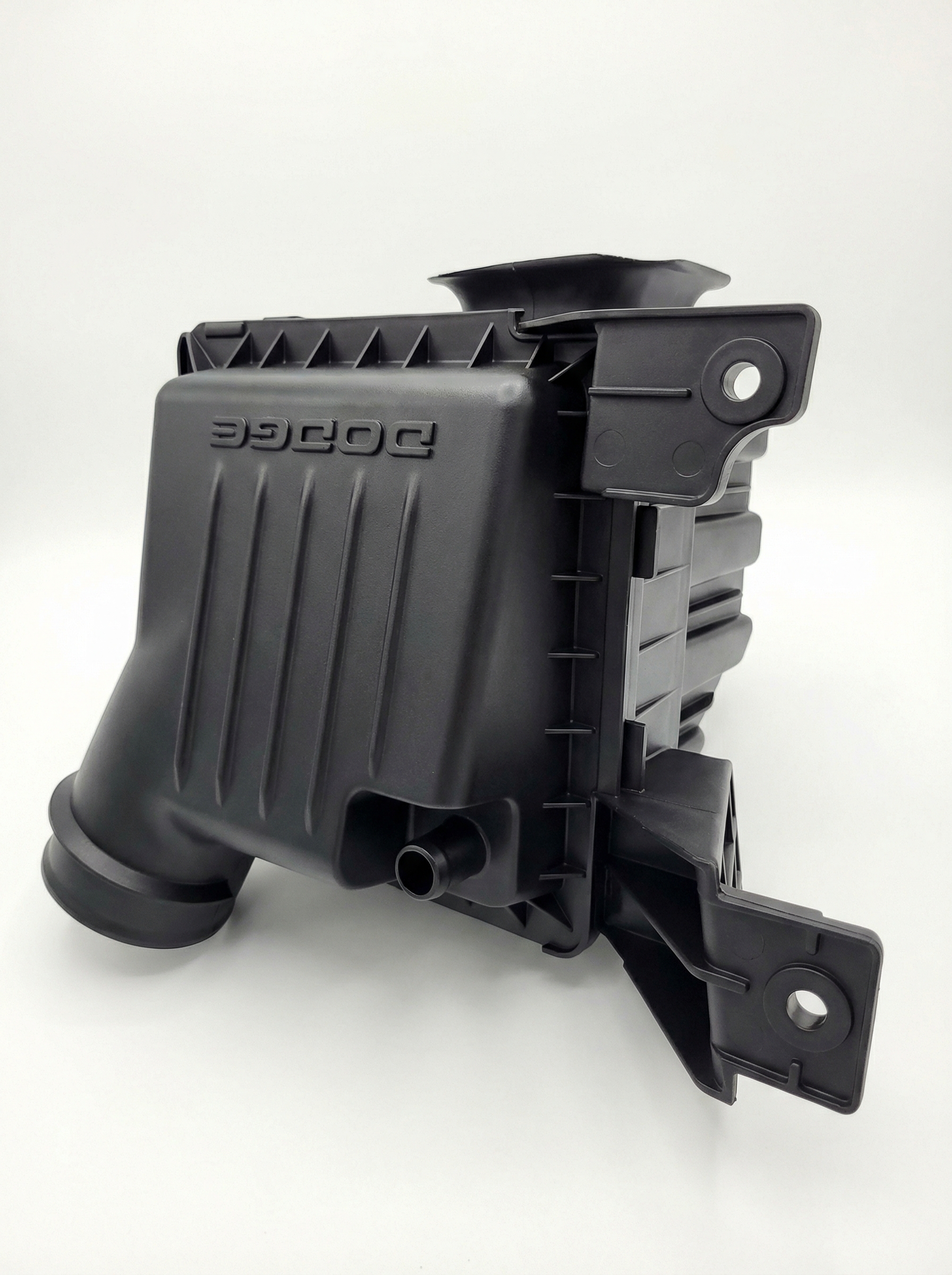

New Aftermarket Parts Available



The information in this article is provided for general reference and educational purposes only. Vehicle specifications, procedures, and part compatibility can vary by production date, trim level, and region. Always consult your vehicle's factory service manual and verify part numbers before purchasing or performing repairs. Safety-critical components such as airbags, seat belts, and braking systems should be installed by a qualified professional.
- Dodge Ram 1500:
- 🎬 Helpful Videos
- 🛍️ Shop This Part
- What's Unique About the 2002-2008 Dodge Ram 1500
- Symptoms You May Notice
- Most Likely Causes
- Rare But Worth Checking
- Diagnosis Steps
- Parts You'll Likely Need
- Related Codes That Often Appear With This One
- Platform-Specific Known Issues
- Mechanic-Grade Diagnostic Values
- Scan Tool Commands That Help
- Wiring & Ground Locations
- Real Owner Repair Stories
- "I Checked Everything" — The Actual Cause
- OEM Part Supersession History
- Model Year Variations Within This Range
- Diagnostic Flowchart
- Other Known Issues on This Vehicle
- Used vs. New Parts: Buying Guide for This Vehicle
- Real Owner Stories
- 2005 Ram
- 2007 Ram 1500 HEMI
- 2010 Ram
- Related OBD-II Codes
- Frequently Asked Questions
- 🎟️ Get 5% Off