

P0456 on 2007-2014 Mini Cooper: Causes and Fixes for a Very Small EVAP Leak
For a 2007-2014 Mini Cooper, code P0456 is most often caused by a faulty gas cap seal or a failing Leak Diagnosis Pump (DMTL). Start by inspecting and cleaning the fuel filler neck and replacing the gas cap's o-ring for a few dollars. If that fails, the DMTL pump is the next most likely culprit, a known failure item on this platform. Check its wiring harness for corrosion before replacing the pump itself.
- P0456 means your Mini has a very small leak in the fuel vapor system.
- Always start with the simplest fix: check that the gas cap is tight. If that doesn't work, replace the gas cap's rubber o-ring for under $15.
- If a new gas cap or seal doesn't solve the problem, the Leak Diagnosis Pump (DMTL) is the next most likely cause.
- The car is safe to drive with this code, but you won't pass an emissions test and the Check Engine Light could mask other problems.
- A professional smoke test is the fastest way to accurately find the leak if it's not the gas cap.
What's Unique About the 2007-2014 Mini Cooper

The 2007-2014 Mini Cooper (R56 generation and its variants) uses a specific component called a Leak Diagnosis Pump, or DMTL (Diagnostic Module for Tank Leakage), to pressurize and test the EVAP system for leaks. This Bosch-made pump is a known high-failure item and a very common cause for the P0456 code on this platform and related BMWs, more so than on many other vehicles. While the gas cap is always a primary suspect for any EVAP code, owners often find the DMTL pump is the ultimate source of the problem after initial, simpler fixes don't work. Additionally, the wiring harness leading to the DMTL pump is prone to rubbing through and corroding, which can also trigger a fault, especially in areas with road salt.
Generation note: The 2007-2014 model years cover the second generation of the modern Mini, which includes models like the R56 Hardtop, R55 Clubman, R57 Convertible, R58 Coupe, R59 Roadster, and R60 Countryman. The EVAP system architecture and common failure points, particularly the DMTL pump, are generally consistent across these models.
Symptoms You May Notice
- Check Engine Light is on
- A faint fuel smell (rare with a very small leak, but possible).
- Slightly rough idle or jerking when decelerating has been reported by some owners, though this is not a universally confirmed symptom.
- Difficulty starting or a long crank time immediately after refueling can be a symptom if the purge valve is stuck open.
- Replacing the fuel tank pressure sensor when it is not the cause. A faulty sensor would typically trigger a different code.
- Repeatedly replacing the gas cap with cheap aftermarket versions that also fail to seal properly.
- Replacing the DMTL pump when the actual fault is a corroded wiring harness leading to it.
Most Likely Causes


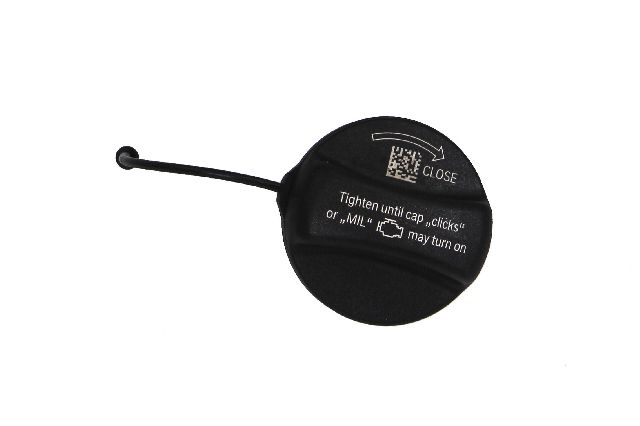
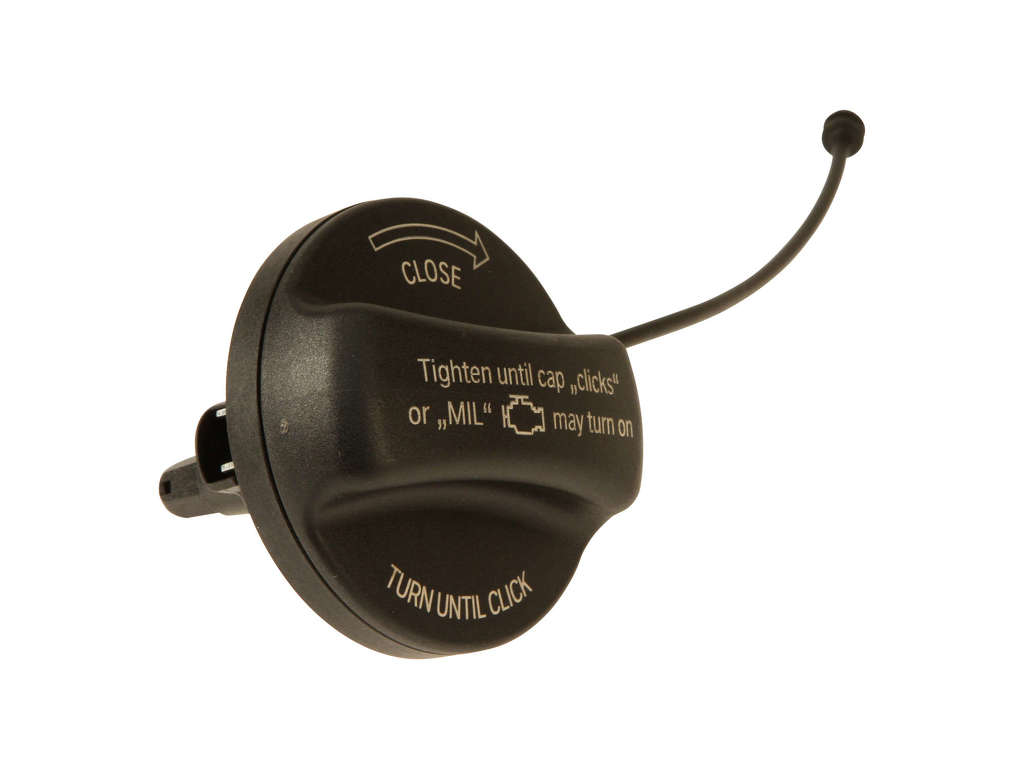
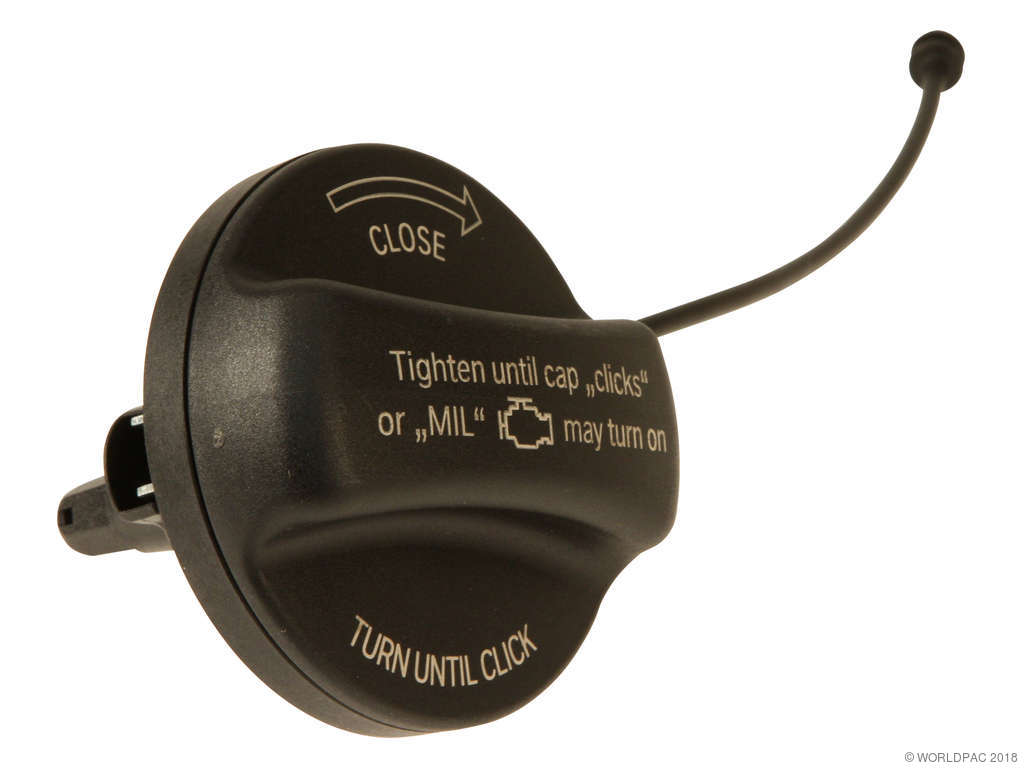
- Loose or Faulty Gas Cap / Seal 🔴 High Probability The rubber o-ring on the gas cap can dry out, crack, or lose its shape over time, preventing a proper seal. This is the most common starting point for a P0456 code. Aftermarket gas caps are also notorious for not sealing correctly and causing this code.
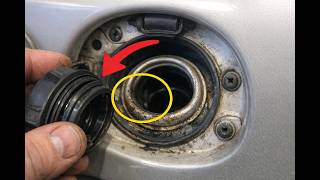
How to confirm: First, ensure the cap is tightened until it clicks at least three times. If the code returns, remove the cap and inspect the rubber gasket for any visible cracks, stiffness, or deformities. Also, inspect the metal rim of the fuel filler neck for dirt, rust, or grit and clean it with a mild abrasive pad. A temporary test can be done by placing a piece of plastic bag over the filler neck before tightening the cap to create a better seal, then clearing the code to see if it returns.
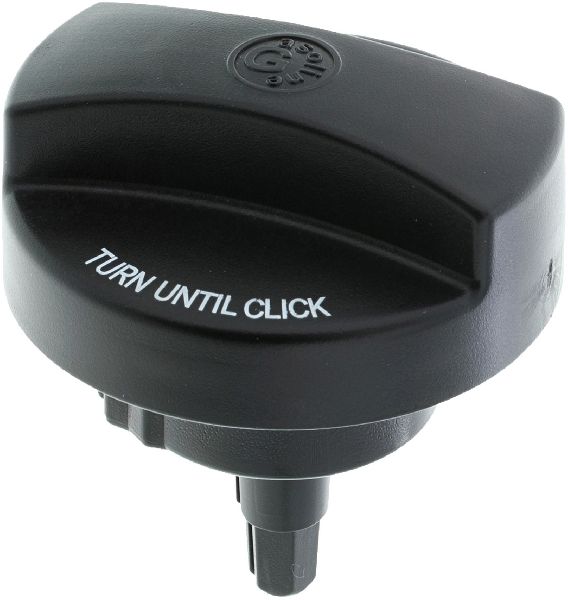
Typical fix: Replace the gas cap's rubber o-ring or the entire gas cap. It is highly recommended to use a Genuine OEM or high-quality OEM-spec cap, as poorly made ones often fail to seal correctly. An o-ring can be replaced separately using a pick tool.
Est. part cost: $8-$15 for an o-ring, $25-$50 for a new OEM gas cap. - Faulty Leak Diagnosis Pump (DMTL) 🔴 High Probability The Bosch DMTL pump is a very common failure point on this generation of Mini/BMW vehicles. The internal motor wears out or the housing develops leaks, causing it to fail the self-test or report a leak incorrectly. Forum consensus points to this as the '9 times out of 10' culprit after the gas cap is ruled out.
How to confirm: Confirmation requires a high-end scan tool like ISTA or Autologic's AssistPlus that can actuate the pump and run the EVAP 🎬 See how to test the DMTL pump on R56 models monitor test. A smoke test is the definitive method, as smoke will often be seen leaking from the pump body itself. Visually inspect the wiring harness connector for corrosion or chafed wires where it passes through the wheel well area.
Typical fix: Replace the Leak Diagnosis Pump. It is located behind the passenger-side rear wheel well liner, mounted to the charcoal canister. It is secured by three screws. It's recommended to check or repair the wiring harness first if damage is visible.
Est. part cost: $180-$350 - Faulty EVAP Purge Valve 🟡 Medium Probability The purge valve (or solenoid) can get stuck slightly open, creating a constant small leak path from the EVAP system to the engine intake. This is a common issue on BMW/Mini engines.
How to confirm: The valve is normally closed when unpowered. Disconnect the valve and try to blow or suck through it (in the direction of flow, indicated by an arrow). If any air passes through, it is stuck open and needs to be replaced. A faulty purge valve may also cause a long crank after refueling.
Typical fix: Replace the purge valve. It is an easily accessible part located in the engine bay. 🎬 Watch this walkthrough for replacing the canister purge valve
Est. part cost: $50-$150 - Cracked or Disconnected EVAP Hoses ⚪ Low Probability
How to confirm: A visual inspection may reveal cracked, brittle, or disconnected lines, particularly around the charcoal canister, purge valve, or along the underbody. The most effective method for finding a very small hose leak is a professional smoke test.
Typical fix: Replace the damaged section of hose or secure the connection.
Est. part cost: $10-$40
Rare But Worth Checking
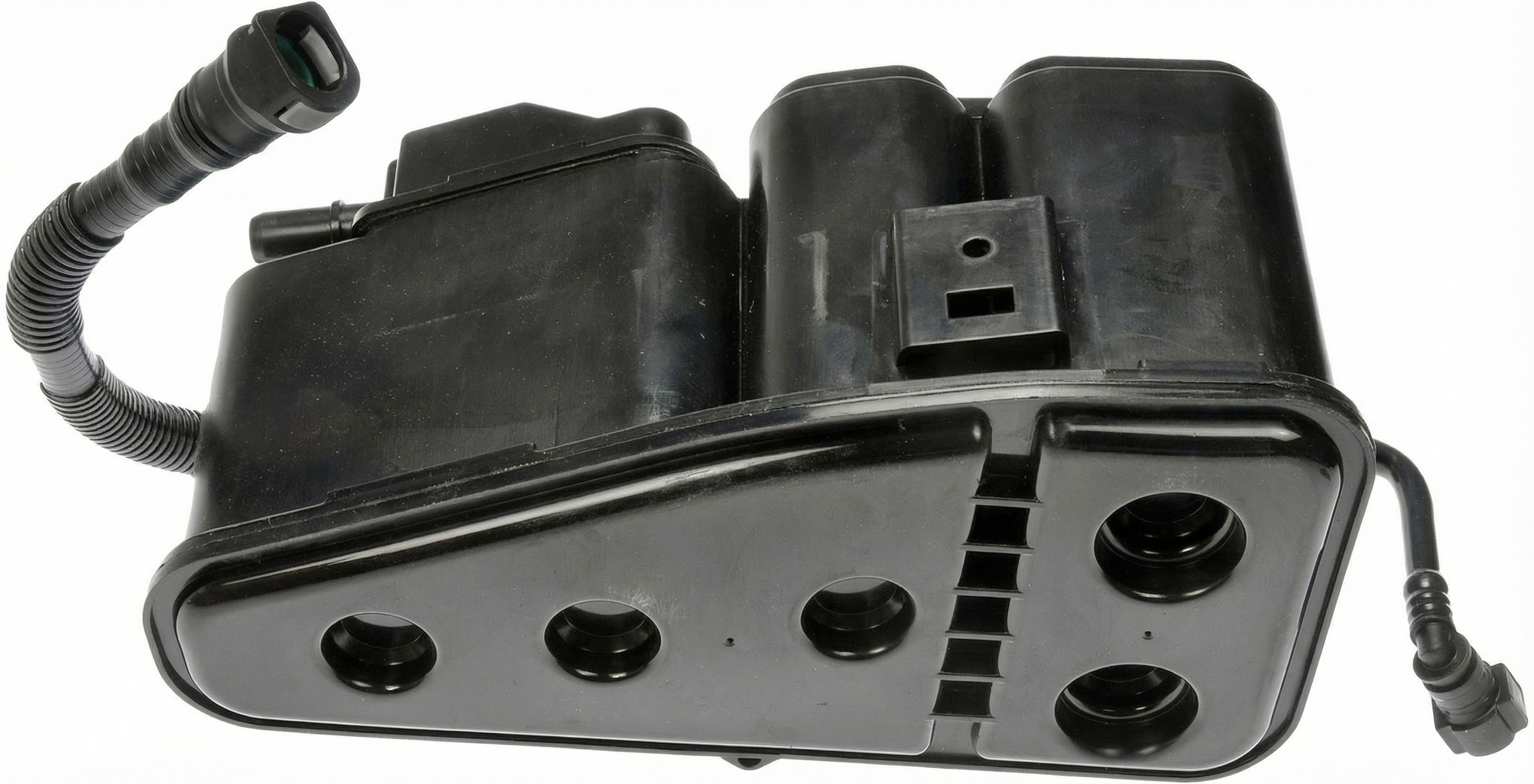
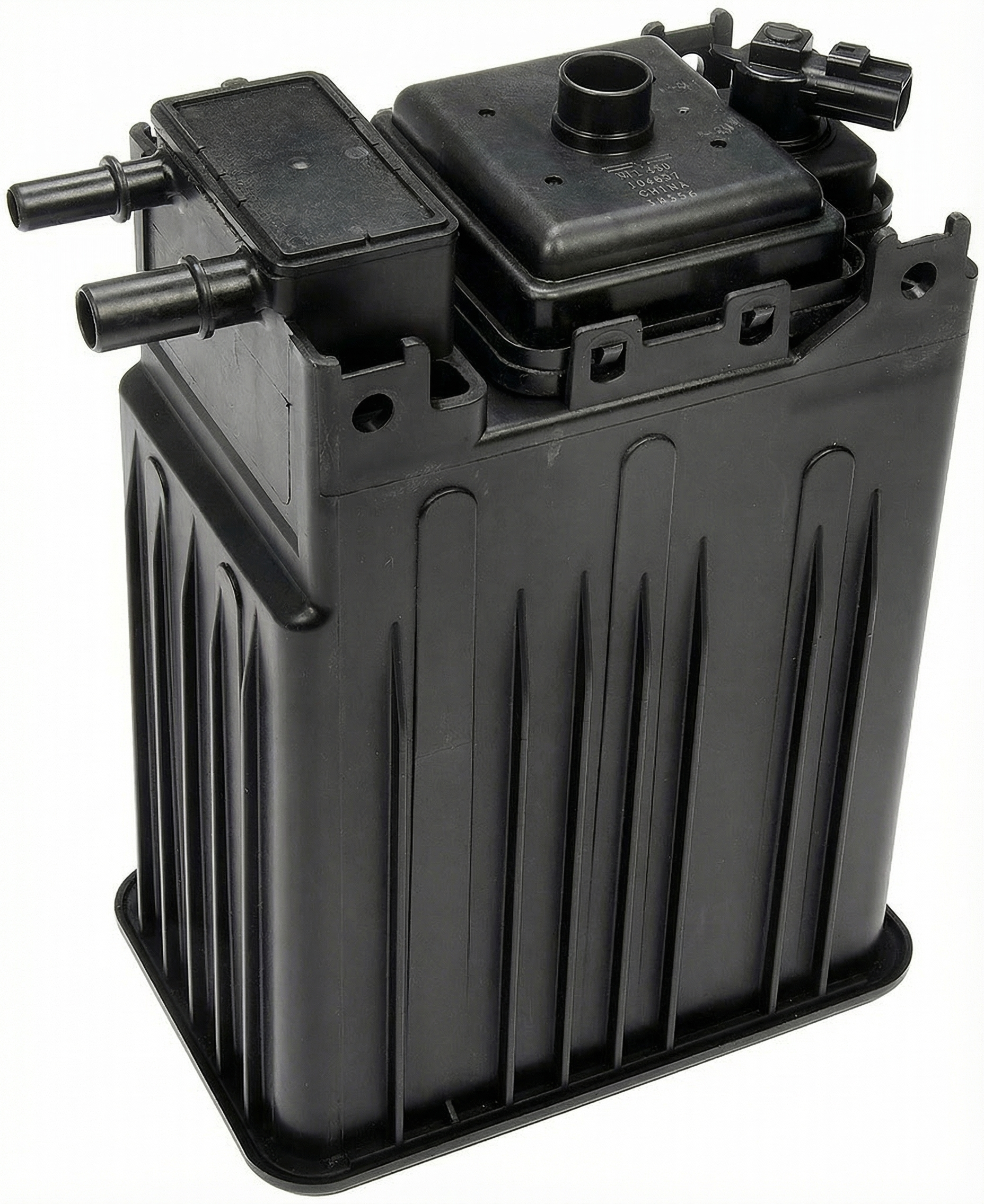
- Cracked Charcoal Canister: The plastic housing of the charcoal canister can develop hairline cracks over time, creating a small leak. This is usually found with a smoke test. The DMTL pump seal where it mounts to the canister can also fail.
- Leaking Fuel Tank or Filler Neck: Rust or physical damage can cause a small leak in the fuel tank or the pipe leading to it. This is less common but possible, especially in regions with heavy road salt use. The filler neck itself can also develop cracks and was the final fix in at least one documented case after a smoke test.
- Damaged DMTL Pump Wiring Harness: The wiring harness for the DMTL pump can rub against the chassis or wheel liner, causing wires to break or short out. This can prevent the pump from running its test correctly and set a fault. Some shops report this is more common than the pump failing itself, with one estimating harness issues account for 75% of DMTL-related faults.
Diagnosis Steps

- Read the code with an OBD-II scanner to confirm P0456 is present.
- Inspect the gas cap for tightness and click it at least three times. Clear the code.
- Inspect the metal rim of the fuel filler neck for any dirt, debris, or rust. Clean it thoroughly with a cloth or a light abrasive pad.
- If the code returns after a few drive cycles, remove the gas cap and carefully inspect the rubber seal for cracks, tears, or hardening.
- If the seal looks bad, replace the seal or the entire gas cap with a Genuine OEM part. Clear the code and re-test by driving for a few days.
- If the code persists, perform a thorough visual inspection of all accessible EVAP hoses in the engine bay and near the rear wheel wells for obvious cracks or disconnections.
- If no visual faults are found, the next most likely culprit is the DMTL pump or its wiring. Remove the rear passenger-side wheel and wheel liner to access the pump. Inspect the wiring harness for any signs of rubbing or corrosion.
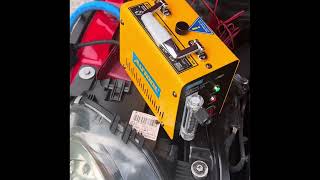
- If the wiring is intact, the most reliable next step is a professional smoke test. This is the best way to find the source of a very small leak. The smoke test will likely point to the DMTL pump, a cracked hose, a bad purge valve, or a leak in the charcoal canister.
- Based on the smoke test results, replace the identified faulty component. If a smoke test is not available, replacing the DMTL pump is a high-probability fix based on widespread owner experiences.
Parts You'll Likely Need
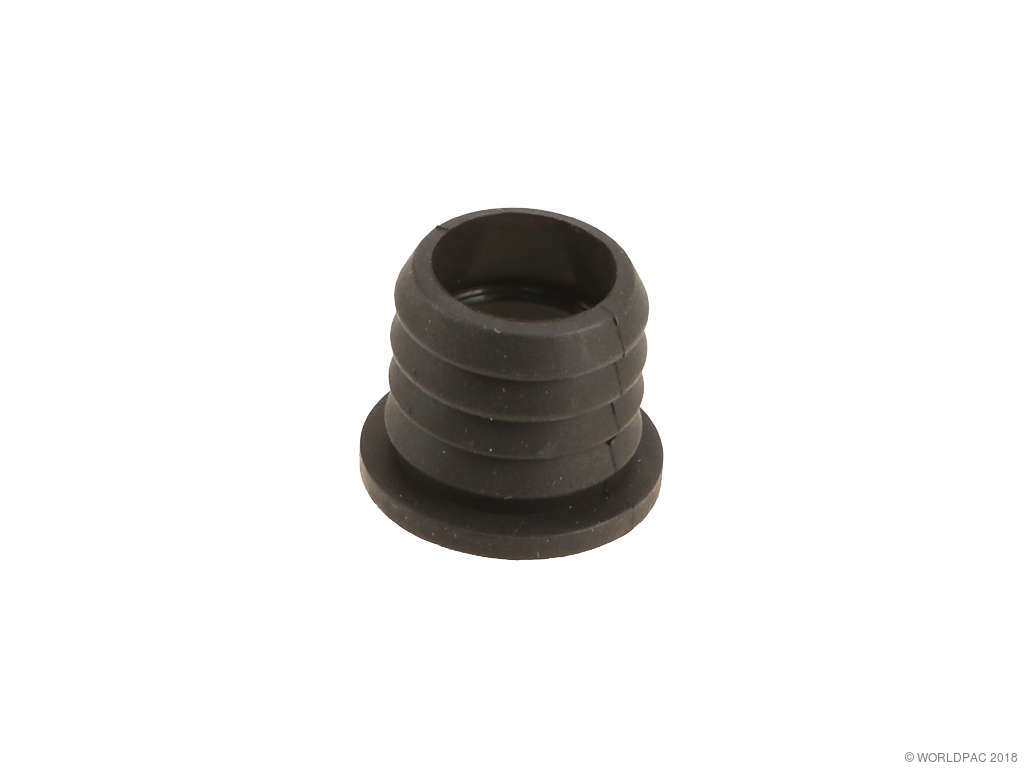
- Gas Cap Seal (O-Ring) — This is the cheapest and easiest first step, and the seal is a common wear item that fails and causes this code.
Trusted brands: Genuine Mini, RKX
OEM price range: $10-$20
Aftermarket price range: $8-$15 - Leak Diagnosis Pump (DMTL)
(OEM #16137193479)— This is a very common failure point on second-generation Minis and a frequent cause of P0456 after the gas cap has been ruled out. This part number supersedes 16136752551 and 16136764191.
Trusted brands: Bosch (OEM), Genuine Mini
OEM price range: $250-$350
Aftermarket price range: $180-$250 - EVAP System Purge Valve
(OEM #13907572086)— This valve can stick open, causing a persistent small leak. It's a common failure point on many modern engines, including the Mini's.
Related Codes That Often Appear With This One
- P0442 — This code indicates a 'small leak' which is slightly larger than the 'very small leak' of P0456. They can appear together if the leak size is on the borderline between the two thresholds.
- P0441 — This code for 'Incorrect Purge Flow' can sometimes accompany a leak code if the purge valve is malfunctioning.
Technical Service Bulletins (TSBs) & Recalls
- While no specific Mini TSB for P0456 was found, the diagnostic logic from other VAG TSBs (e.g., Audi TSB 2040924) for the same code is relevant. It outlines a procedure to pressurize the system and use soapy water to find small leaks on lines and connections after verifying the LDP (Leak Detection Pump) function, which is a valid diagnostic strategy for the Mini as well.
Platform-Specific Known Issues
- Frequent DMTL Pump Failure: Forum discussions on North American Motoring frequently cite the DMTL pump as the culprit for persistent P0456 codes after replacing the gas cap. One owner reported a dealer replaced the tank venting valve twice before finally replacing the DMTL pump, which solved the problem.
- DMTL Wiring Harness Corrosion: Some specialists note that the wiring harness for the DMTL pump is a frequent failure point, sometimes more so than the pump itself. It can rub through against the chassis behind the wheel liner, leading to corrosion and an open circuit.
- Owner Repair Story: DMTL Replacement: A user on Reddit (r/MechanicAdvice) with a 2014 Mini Cooper reported that after replacing the gas cap seal didn't work, an independent German auto shop diagnosed a bad leak detection pump. The total bill was $460, and the owner noted the car ran much smoother after the repair. The mechanic stated that after the gas cap, the DMTL pump is the cause '9 times out of 10'.
Mechanic-Grade Diagnostic Values
- Fuel Tank Pressure (FTP) Sensor Voltage — expected: 0.5V - 4.5V during self-test. Failure: Voltage outside of this range can indicate a faulty sensor or wiring issue, though it may set other codes.
- Low-Pressure Fuel System Static Test — expected: Pressure should drop no more than 0.5 bar over 15 minutes.. Failure: A drop greater than 0.5 bar indicates a leak in the system, which could be the source of the P0456 code.
Hidden / Shadow Codes Worth Checking
- 3225 / CF2D / E717: Indicates a DMTL short at pin B+. This is a more specific fault pointing directly at the DMTL pump or its wiring harness, often preceding the generic P0456 code. (see via A BMW/Mini specific scan tool like ISTA or a high-end professional scanner is required to read these manufacturer-specific codes.)
Scan Tool Commands That Help
- ISTA / Autologic AssistPlus: Diagnose module for tank leaks (DMTL function test) — This is a guided test to force the DMTL pump to run through its diagnostic cycle. It performs a reference leak, minor leak, and micro leak measurement, which can confirm if the pump itself is functioning correctly or if a leak is present. This should be used after checking the gas cap but before replacing the DMTL pump.
Wiring & Ground Locations

- DMTL Pump Harness — The wiring harness runs from the main loom to the DMTL pump, located behind the passenger-side rear wheel well liner. A common chafe point is where the harness passes through the chassis or rubs against the liner.. Corrosion or a break in this harness can cause the DMTL pump to fail its self-test, logging a P0456 or a more specific DMTL fault code. Shops report this wiring failure is extremely common, sometimes more so than the pump itself.
- Main Front Loom Ground — On the R56, a primary grounding point for the front wiring loom is on the bulkhead cross member, under the triangular stiffener plate (on RHD cars, this is below the master cylinders).. While not directly for the DMTL pump (which is in the rear), a poor main ground can cause a variety of difficult-to-diagnose electrical issues and is worth checking as part of preventative maintenance.
- Fuse Box Ground — There is a 10mm nut that holds the interior fuse box (in the passenger footwell) to the body, located at the bottom-right of the fuse box assembly. Access requires removing the kick panel trim.. This serves as a key ground point for many interior electronics and control modules. A poor connection here can lead to erratic behavior from various systems monitored by the DME.
Real Owner Repair Stories
- North American Motoring forum user (2011 Mini Cooper S) — Recurring Check Engine Light for P0456.
❌ Tried (didn't work) Replaced gas cap and gasket, Reprogrammed ECU, Tested fuel quality, Performed smoke test twice, Checked purge valve wiring, Replaced O2 sensor
✅ What actually fixed it The final fix was replacing the purge valve. - North American Motoring forum user (2011 Mini) — Persistent P0456 error.
❌ Tried (didn't work) Replaced the tank venting valve twice.
✅ What actually fixed it Replacing the DMTL pump finally resolved the issue. - Reddit user in r/MechanicAdvice (Mini Cooper (year not specified), NJ vehicle) — P0456 code, rough running.
❌ Tried (didn't work) Checked gas cap.
✅ What actually fixed it A German car specialist diagnosed and replaced the leak detection pump (DMTL). The mechanic stated that after the gas cap, the DMTL pump is the cause '9 times out of 10'. The total cost was $460. - North American Motoring forum user (2009 Mini with ~50k miles, driven in NY (salt belt)) — Check Engine Light.
✅ What actually fixed it The dealer found significant salt corrosion on the DMTL pump and its wiring harness. Both the pump and the harness had to be replaced.
"I Checked Everything" — The Actual Cause
- In one documented case, after multiple attempts including smoke tests, the final resolution was replacing the purge valve, indicating it may have been leaking intermittently or in a way not easily detected by a static smoke test.
- Some purge valves may only leak when actuated. A technician on YouTube noted that on some systems, you must cycle the purge valve with a scan tool multiple times to catch an intermittent sticking fault that a simple visual or single smoke test would miss.
OEM Part Supersession History
16136752551, 16136764191→16137193479— Updated design/revision by the manufacturer (Bosch/BMW).
Model Year Variations Within This Range
- 2007-2010 (N14 Engine) vs 2011-2014 (N18 Engine): The primary engine changed from the N14 to the more reliable N18 around 2011. While there were significant changes to the PCV system, timing chain, and VANOS, the core EVAP system architecture, including the failure-prone DMTL pump, remained largely the same. Therefore, the causes and fixes for P0456 are consistent across the entire 2007-2014 generation.
Diagnostic Flowchart
Real Owner Stories
Aggregated from forums and TSBs cited above. Mileages and costs reflect what owners reported in those sources.
2014 Mini Cooper
Symptoms: Persistent P0456 code after replacing the gas cap seal. The car was also not running as smoothly as it should.
What fixed it: An independent German auto shop diagnosed and replaced a bad leak detection pump (DMTL). The mechanic noted that after the gas cap, the DMTL pump is the cause '9 times out of 10'.
Cost: $460
Source hint: Reddit r/MechanicAdvice
R56 Mini Cooper
Symptoms: Persistent P0456 code that the dealership struggled to diagnose.
What fixed it: Replaced the DMTL pump. The dealer had previously replaced the tank venting valve twice without success before finally replacing the DMTL pump, which permanently solved the problem.
Source hint: North American Motoring forum thread
Related OBD-II Codes
Frequently Asked Questions
Is the DMTL pump a common cause for the P0456 code on my 2007-2014 Mini Cooper?
I replaced the gas cap on my R56 Mini but the P0456 code came back. What should I check next?
Can a bad EVAP purge valve cause starting issues on my Mini Cooper?
Where is the DMTL pump located on the 2007-2014 Mini Cooper?
Why does the wiring harness for the DMTL pump fail on these Minis?
Are there any specific TSBs for the P0456 code on the 2007-2014 Mini Cooper?
Helpful Videos
![How to Fix P0456 Engine Code in 7 Minutes [7 DIY Methods / Only $3.44]](https://img.youtube.com/vi/njt81AALI3U/mqdefault.jpg)
Used OEM Parts in Stock



New Aftermarket Parts Available


The information in this article is provided for general reference and educational purposes only. Vehicle specifications, procedures, and part compatibility can vary by production date, trim level, and region. Always consult your vehicle's factory service manual and verify part numbers before purchasing or performing repairs. Safety-critical components such as airbags, seat belts, and braking systems should be installed by a qualified professional.
- Mini Cooper:
- 🎬 Helpful Videos
- 🛍️ Shop This Part
- What's Unique About the 2007-2014 Mini Cooper
- Symptoms You May Notice
- Most Likely Causes
- Rare But Worth Checking
- Diagnosis Steps
- Parts You'll Likely Need
- Related Codes That Often Appear With This One
- Technical Service Bulletins (TSBs) & Recalls
- Platform-Specific Known Issues
- Mechanic-Grade Diagnostic Values
- Hidden / Shadow Codes Worth Checking
- Scan Tool Commands That Help
- Wiring & Ground Locations
- Real Owner Repair Stories
- "I Checked Everything" — The Actual Cause
- OEM Part Supersession History
- Model Year Variations Within This Range
- Diagnostic Flowchart
- Real Owner Stories
- 2014 Mini Cooper
- R56 Mini Cooper
- Related OBD-II Codes
- Frequently Asked Questions
- 🎟️ Get 5% Off