

P0456 on 2014-2019 GMC Sierra: EVAP Small Leak Causes and Fixes
For a 2014-2019 GMC Sierra, code P0456 is most often caused by a loose or faulty gas cap or a failing EVAP vent valve solenoid located near the spare tire. Always check the gas cap first, ensuring it clicks multiple times and the filler neck is clean. If the code persists, the vent valve (ACDelco 23481275) is the next most likely culprit due to its exposure to road debris.
- P0456 means your truck has a very small leak in the fuel vapor system.
- Always start by checking the gas cap. Make sure it's tight and the seal isn't cracked. This is the most common and cheapest fix.
- If the gas cap isn't the problem, the next most likely culprit on a GMC Sierra is the EVAP vent valve solenoid, located near the spare tire, which gets clogged with dirt.
- The truck is safe to drive with this code, but you won't be able to pass an emissions test until it's fixed.
- Finding the leak without a professional smoke machine can be difficult, but checking the gas cap, purge valve, and vent valve are good DIY starting points.
What's Unique About the 2014-2019 GMC Sierra
On GM trucks like the Sierra, the EVAP canister vent valve is a particularly common failure point for this code. It is typically mounted near the charcoal canister at the rear of the vehicle, where it is exposed to road spray, dirt, and debris. This contamination can cause the valve to stick partially open, creating the small leak that triggers the P0456 code. GM has issued a Technical Service Bulletin (TSB 23-NA-073) for newer models that acknowledges issues with dust intrusion clogging the EVAP system, recommending the installation of an auxiliary filter kit. Additionally, some 2018+ models feature a capless fuel filler system; while convenient, the sealing flap can be a source of leaks if debris prevents it from closing fully. In rust-prone areas, corrosion on the fuel tank sending unit lock ring can also cause a small leak at the top of the tank, which can be difficult to diagnose without a smoke test.
Generation note: The 2014-2019 year range covers two generations of the GMC Sierra 1500: the third generation (K2XX, 2014-2019) and the fourth generation (T1XX, introduced in 2019). The K2XX models from 2019 were often sold as the 'Sierra 1500 Limited'. While the EVAP system principles are the same, part locations and designs, such as the move to some capless fuel systems on later models, can vary slightly between these generations.
Symptoms You May Notice
- Illuminated Check Engine Light is the most common and often only symptom.
- A faint fuel smell may be noticeable, particularly after refueling or when the truck is parked.
- The vehicle will automatically fail an emissions or smog inspection.
- On rare occasions, difficulty starting immediately after refueling if the purge valve is stuck open (more common with code P0496).
- Immediately replacing the purge valve or charcoal canister without first checking the gas cap and cleaning the filler neck.
- Replacing the fuel tank pressure sensor when the issue is a physical leak elsewhere in the system.
- Using a cheap aftermarket gas cap, which fails to seal properly and causes the code to return.
Most Likely Causes
- Loose or Worn Gas Cap 🔴 High Probability This is the most frequent cause for P0456 on any vehicle due to user error (not tightening it) or simple wear of the cap's rubber seal. Aftermarket caps are a notorious source of this code as their seals may not match the OEM design.
How to confirm: Remove the gas cap and inspect the rubber O-ring for cracks, stiffness, or damage. Clean the filler neck sealing surface with a cloth or light abrasive pad to remove any grit or corrosion. Reinstall the cap and ensure you turn it until it clicks several times.
Typical fix: Tighten the cap correctly. If the seal is bad or you have an aftermarket cap, replace it with a genuine OEM (ACDelco) cap for a proper seal. Part number for many models is ACDelco GT376.
Est. part cost: $15-$40 - Faulty EVAP Vent Valve Solenoid 🔴 High Probability On GM trucks, this valve is mounted near the spare tire, where it's exposed to road debris and moisture, causing it to fail or stick open. TSB 23-NA-073 confirms dust intrusion is a known issue in this area on newer models.
How to confirm: The valve can be commanded closed with a capable scan tool to see if it seals the system. A smoke test is the most definitive method and will show smoke exiting the valve if it's stuck open. Visually inspect for heavy contamination or cracks.
Typical fix: Replacement of the vent valve solenoid. The common OEM part number is ACDelco 23481275 (this part supersedes many older numbers). On some models, a filter relocation kit is available per TSB 23-NA-073.
Est. part cost: $30-$80 - Faulty EVAP Purge Valve Solenoid 🟡 Medium Probability This valve cycles frequently and can wear out, sticking open and creating a constant leak path from the canister to the engine intake.
How to confirm: The purge valve is located in the engine bay. When unplugged (de-energized), it should be closed. Remove the valve and try to blow through it; if air passes, it's stuck open and faulty. This failure often triggers code P0496 as well.
Typical fix: Replace the purge valve solenoid. A common OEM part number is ACDelco 12690512.
Est. part cost: $25-$60 - Cracked or Disconnected EVAP Hoses ⚪ Low Probability Rubber and plastic lines become brittle over time with exposure to heat and elements, leading to hairline cracks, especially at connection points near the canister or purge valve.
How to confirm: Visually inspect all accessible EVAP lines, especially at connection points to the canister, purge valve, and filler neck. A smoke test is the most effective way to find a very small hose leak, as a visual inspection may miss a hairline crack.
Typical fix: Replace the cracked section of hose or the entire line assembly.
Est. part cost: $10-$50
Rare But Worth Checking
- Cracked Fuel Filler Neck: The metal or rubber pipe leading to the gas tank can develop small cracks from rust or dry rot, causing a leak that can be hard to spot without a smoke test.
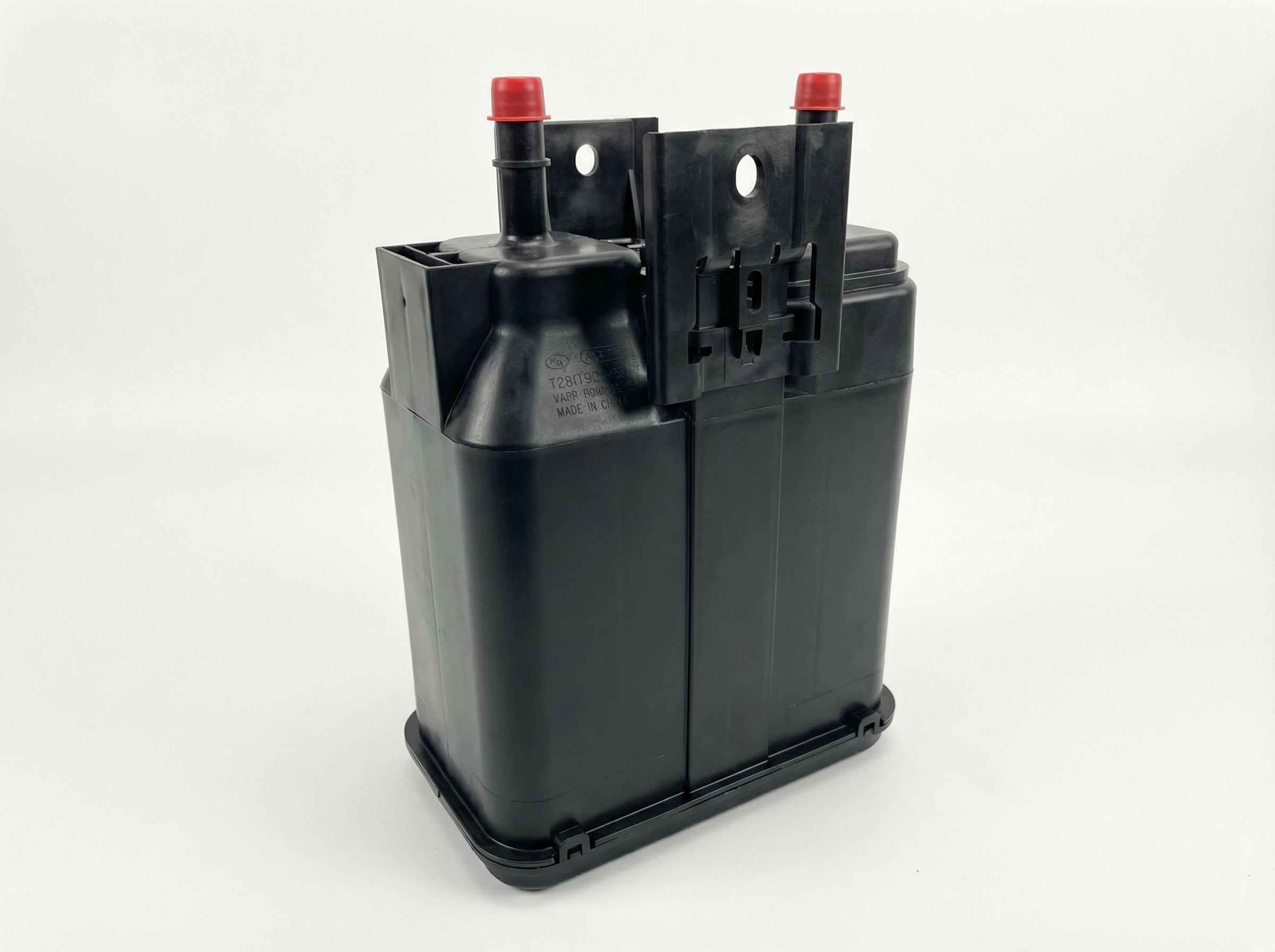
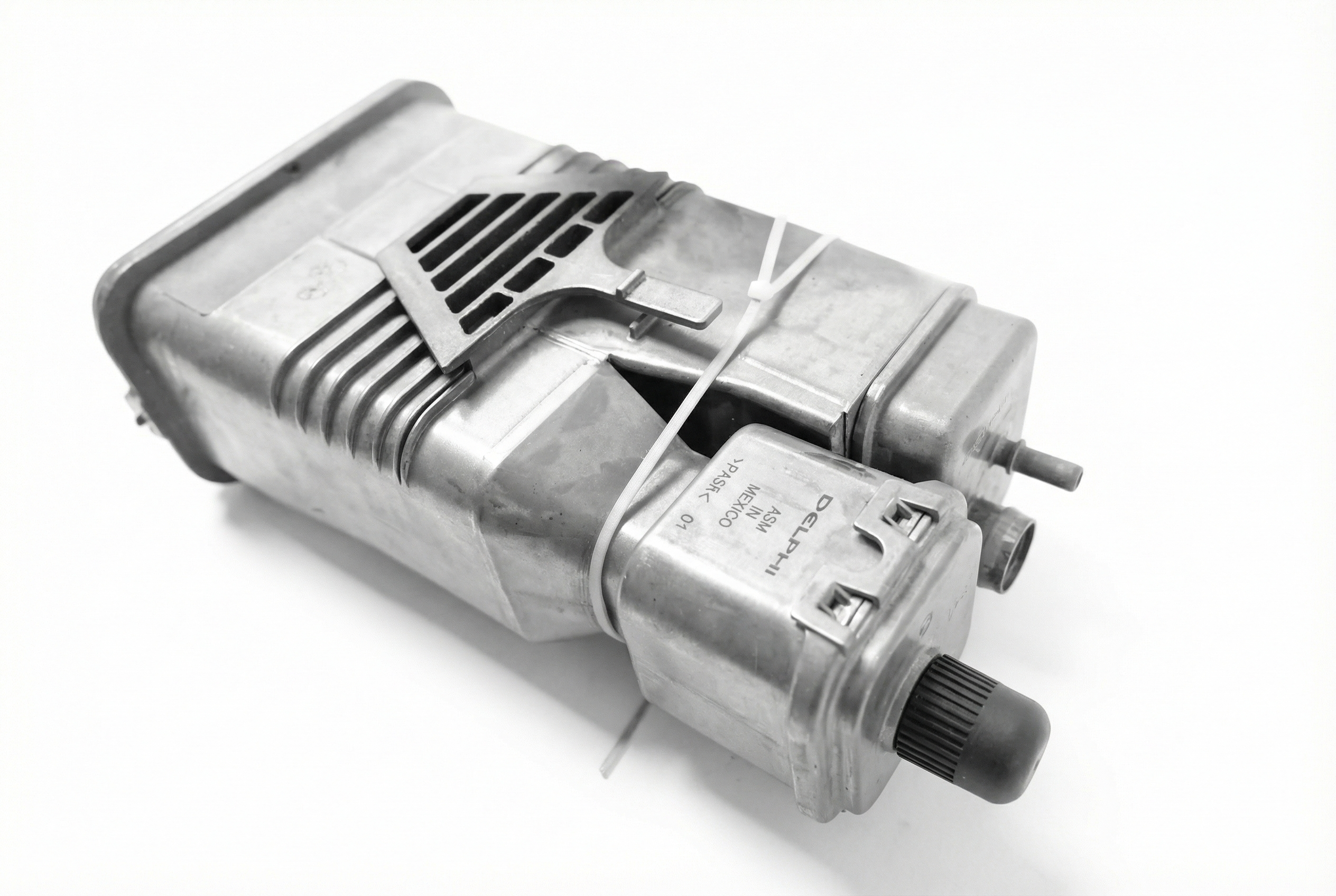
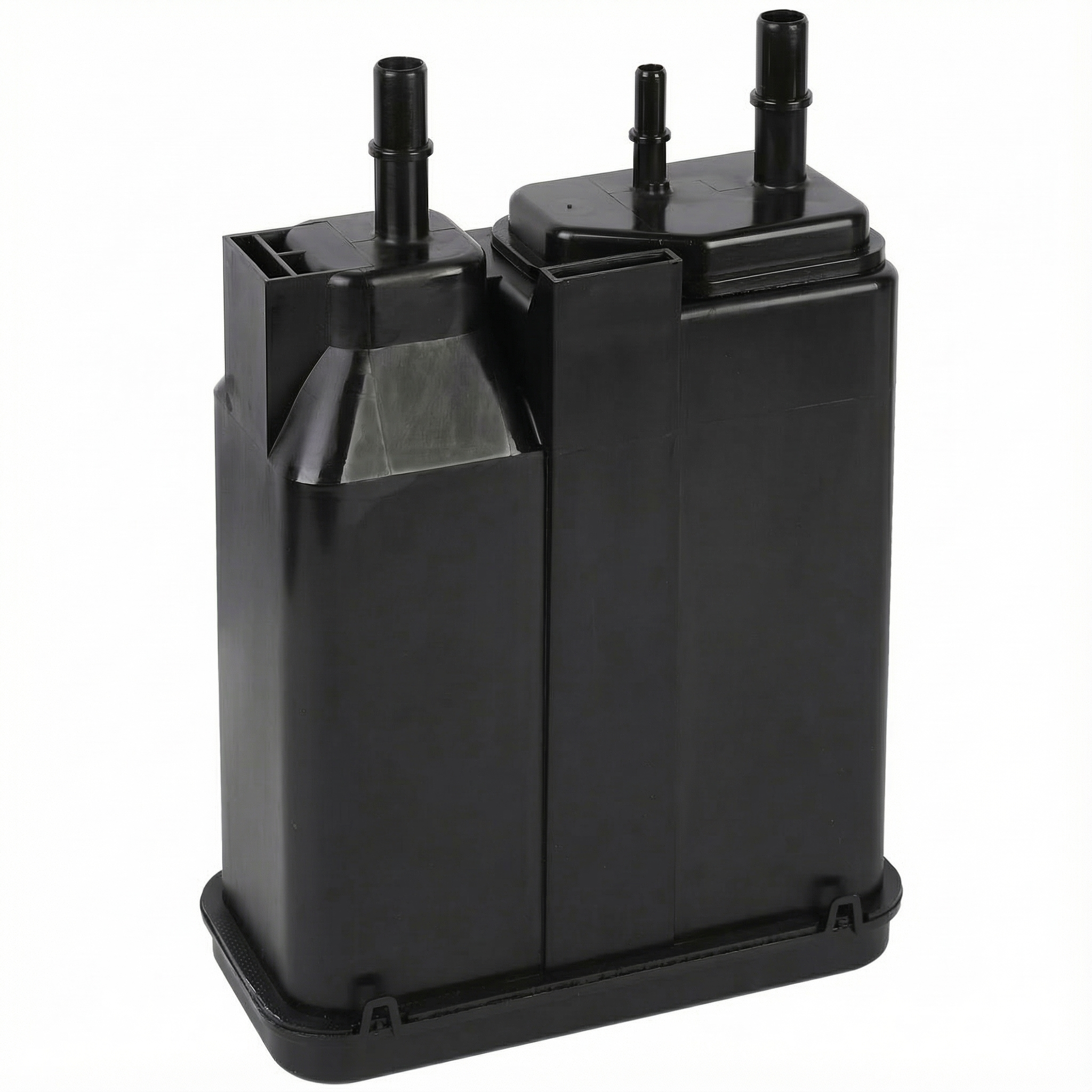
- Leaking Charcoal Canister: The plastic housing of the canister itself can develop hairline cracks from age or impact, causing a leak.
- Faulty Fuel Tank Pressure Sensor: Though less common for this specific code, the sensor that detects the leak can fail and give a false reading. This often sets other codes as well, such as P0452 or P0453.
- Leaking Fuel Tank Sending Unit Seal: In areas with heavy road salt use, the metal lock ring holding the fuel pump/sending unit into the top of the tank can corrode, compromising the seal and causing a small EVAP leak. This is often found with a smoke test showing vapor from the top of the tank.
Diagnosis Steps
- Check the Gas Cap: Ensure it is tight and clicks multiple times. Remove it and inspect the seal for any cracks or damage. Clean the filler neck sealing surface. If in doubt, replace it with an OEM cap (e.g., ACDelco GT376).
- Clear the Code and Drive: Use a scanner to clear the P0456 code. Drive the truck for several days. The EVAP monitor runs only under specific conditions (often with 15-85% fuel level after the vehicle sits overnight), so the light may not return immediately.
- Visual Inspection: If the light returns, visually inspect the EVAP system. Check the purge valve under the hood (ACDelco 12690512) and all visible hoses for obvious cracks or disconnections. Look under the truck near the spare tire for the vent solenoid (ACDelco 23481275) and charcoal canister, checking for damage or loose lines.
- Test the Purge Valve: With the engine off, disconnect the purge valve. Try to blow through it. If air passes, the valve is stuck open and needs replacement.
- Inspect the Vent Valve: Check the vent valve (near the canister) for dirt, debris, or cracks. This is a very common failure point on these trucks.
- Perform a Smoke Test: If the leak isn't obvious, the most reliable method is to perform a smoke test. This involves injecting low-pressure smoke into the EVAP service port and watching where it escapes. This can pinpoint 🎬 See how to use a smoke machine to find leaks. hairline cracks in hoses, a bad canister, or a leak at the fuel tank sending unit seal.
Parts You'll Likely Need
- Fuel Cap
(OEM #ACDelco GT376)— This is the most common cause of a P0456 code due to a worn seal or not being tightened properly. Using an OEM cap is highly recommended as aftermarket versions often fail to seal correctly.
Trusted brands: ACDelco (OEM)
OEM price range: $25-$40
Aftermarket price range: $15-$25 - EVAP Vent Valve Solenoid
(OEM #ACDelco 23481275)— Highly prone to failure on GM trucks due to its location, where it gets clogged with dirt and debris. This part number is a common replacement for many 2014-2018 models.
Trusted brands: ACDelco (OEM), Delphi, Standard Motor Products (SMP)
OEM price range: $40-$80
Aftermarket price range: $30-$60 - EVAP Purge Valve Solenoid
(OEM #ACDelco 12690512)— This valve, located in the engine bay, can stick open, creating a leak. It's a common failure point and often triggers a P0496 code as well.
Trusted brands: ACDelco (OEM), Bosch, Standard Motor Products (SMP)
OEM price range: $30-$60
Aftermarket price range: $25-$50
Related Codes That Often Appear With This One
- P0442 — This code indicates a 'medium' EVAP leak. If the source of the P0456 leak worsens over time, it can trigger a P0442.
- P0455 — This indicates a 'large' EVAP leak. It's common to see this if the gas cap is left off entirely, or if a major component like the vent valve is completely stuck open.
- P0449 — This code points to a fault in the EVAP vent valve control circuit. It often appears alongside leak codes if the vent valve solenoid has failed electrically, not just mechanically.
- P0496 — Indicates 'EVAP Flow During a Non-Purge Condition,' almost always caused by a purge valve that is stuck open. Since a stuck-open purge valve is a leak, it can sometimes appear with P0456.
Technical Service Bulletins (TSBs) & Recalls
- 23-NA-073: Evaporative DTCs P0442, P0446, P0455 or P0449, Caused by Dust Intrusion into the Evaporative Canister and Canister Vent Solenoid.
Platform-Specific Known Issues
- TSB 23-NA-073 describes a condition on 2019-2023 models where operation in dusty environments can cause dust to enter and plug the EVAP canister and vent solenoid, setting various EVAP codes. The fix involves installing an auxiliary filter kit by splicing it into the existing vent hose. While P0456 is not explicitly listed, the root cause of a contaminated vent system is directly applicable to small leaks.
- Corrosion of the fuel tank sending unit lock ring can cause a leak at the top of the fuel tank, which may present as a P0456. This is more common in regions that use road salt and is best diagnosed with a smoke test.
Mechanic-Grade Diagnostic Values
- Fuel Tank Pressure (FTP) Sensor Voltage — expected: 1.3V to 1.7V with key on, engine off (atmospheric pressure).. Failure: A reading fixed at 0V or 5V suggests a wiring issue or a failed sensor. A reading outside the normal range indicates a potential sensor fault.
- EVAP Canister Purge Valve Resistance — expected: Generally between 15 and 38 ohms, depending on the specific part.. Failure: A reading of 0 ohms (short circuit) or infinite resistance (open circuit) indicates a failed solenoid coil.
- EVAP Canister Vent Valve Solenoid Resistance — expected: Should be between 48 and 65 ohms.. Failure: A reading outside this specific range indicates a faulty solenoid coil.
- EVAP Purge/Vent Solenoid Voltage Supply — expected: Should be equal to battery/system voltage (typically 9-14V) at the connector with the key on.. Failure: A reading of 0V indicates a blown fuse or a break in the power supply wire.
Scan Tool Commands That Help
- GDS2 / Tech2: EVAP Service Bay Test — This is a comprehensive, automated test that commands the purge and vent valves to seal the system, then monitors pressure decay to confirm if a leak of a specific size (large, small, very small) is present. It's the first step a dealer tech would take after a visual inspection.
- GDS2 / Tech2: Vent Valve Solenoid Control — This bidirectional command allows the technician to manually open and close the EVAP vent valve. It is used during a smoke test to seal the system; if smoke still escapes from the vent valve when commanded closed, the valve is confirmed to be faulty.
- GDS2 / Tech2: Purge Valve Solenoid Control — Allows the technician to command the purge valve open and closed to check its mechanical function. When commanded closed, no vacuum should be present on the canister side of the valve.
Wiring & Ground Locations
- G401 — On the spare tire hoist bracket at the rear of the vehicle.. This is a primary ground point for rear-mounted components. Corrosion or a loose connection at G401 can cause intermittent or faulty operation of the nearby EVAP vent valve solenoid, leading to circuit codes (like P0449) or failure to seal the system properly.
- Fuel Tank Pressure (FTP) Sensor Connector — On top of the fuel tank, typically part of the fuel pump module assembly.. The connector provides the 5V reference, ground, and signal return for the FTP sensor. The wires are typically Gray (5V reference), Dark Green (signal), and Tan (ground). Testing at this connector can quickly determine if the sensor is bad or if there is a wiring issue back to the ECM.
Real Owner Repair Stories
- Reddit user in r/mechanicadvice (Unspecified GM vehicle, likely similar platform) — Check Engine Light with code P0456.
❌ Tried (didn't work) Initial diagnosis was unclear.
✅ What actually fixed it The EVAP purge valve was the confirmed cause. After replacing the purge valve, the check engine light turned off on its own after a few drive cycles and did not return. - GM-Trucks.com forum user (2014 GMC Sierra SLT CC 4x4) — Check Engine Light with code P0454 (intermittent sensor fault), which can be related to P0456 leak detection issues. Remote start was disabled by the CEL.
❌ Tried (didn't work) Clearing the code.
✅ What actually fixed it The issue was identified as a faulty Fuel Tank Pressure (FTP) sensor located on top of the fuel tank. The fix required dropping the tank to replace the sensor.
OEM Part Supersession History
10382080, 15844701, 20995472, 25932566, and others→ACDelco 23481275— GM consolidated over a dozen older part numbers for the EVAP vent valve into this single, updated part number for service replacements across many model years and platforms.
Model Year Variations Within This Range
- 2018-2019: Some later models in this range introduced a capless fuel filler system. For these vehicles, a common cause of P0456 is not a bad cap, but debris preventing the internal sealing flap of the filler neck from closing properly.
- 2014-2019 (especially in dusty environments): TSB 23-NA-073, while written for slightly newer models, addresses a known issue of dust intrusion into the EVAP canister vent system that is also relevant to this generation. The fix involves installing an auxiliary filter kit and relocating the vent hose to a cleaner area, a procedure that can proactively prevent repeat vent valve failures.
Diagnostic Flowchart
Real Owner Stories
Aggregated from forums and TSBs cited above. Mileages and costs reflect what owners reported in those sources.
2015 Sierra
Symptoms: Check engine light with code P0456.
What fixed it: No final fix reported. The problem persisted after replacing the purge valve, charcoal canister, and an intake hose.
Source hint: Reddit r/MechanicAdvice thread titled 'Is the mechanic liable for this?'
Related OBD-II Codes
Frequently Asked Questions
Does TSB 23-NA-073 apply to my 2014-2019 GMC Sierra for code P0456?
What is the recommended replacement gas cap for my Sierra to fix a P0456?
Where is the EVAP vent valve solenoid located on my GMC Sierra?
Why does my Sierra have a hard time starting after getting gas along with the P0456 code?
I live in a snowy area; could road salt cause a P0456 on my Sierra?
How do I test the purge valve on my 2014-2019 Sierra?
Helpful Videos

Used OEM Parts in Stock


New Aftermarket Parts Available


The information in this article is provided for general reference and educational purposes only. Vehicle specifications, procedures, and part compatibility can vary by production date, trim level, and region. Always consult your vehicle's factory service manual and verify part numbers before purchasing or performing repairs. Safety-critical components such as airbags, seat belts, and braking systems should be installed by a qualified professional.
- GMC Sierra:
- 🎬 Helpful Videos
- 🛍️ Shop This Part
- What's Unique About the 2014-2019 GMC Sierra
- Symptoms You May Notice
- Most Likely Causes
- Rare But Worth Checking
- Diagnosis Steps
- Parts You'll Likely Need
- Related Codes That Often Appear With This One
- Technical Service Bulletins (TSBs) & Recalls
- Platform-Specific Known Issues
- Mechanic-Grade Diagnostic Values
- Scan Tool Commands That Help
- Wiring & Ground Locations
- Real Owner Repair Stories
- OEM Part Supersession History
- Model Year Variations Within This Range
- Diagnostic Flowchart
- Real Owner Stories
- 2015 Sierra
- Related OBD-II Codes
- Frequently Asked Questions
- 🎟️ Get 5% Off