

P0455 on 2009-2013 Toyota Corolla: EVAP Large Leak Causes and Fixes
On a 2009-2013 Toyota Corolla, P0455 is most often caused by a loose or worn-out gas cap. Before buying any parts, ensure the cap is tight and the seal is not cracked. A new OEM gas cap is an inexpensive first step, costing around $25-$40. If the gas cap doesn't solve the issue, the next most likely culprits are the purge valve in the engine bay or the charcoal canister assembly near the fuel tank.
- P0455 means your Corolla has a large leak in the emissions system, but it's usually not a serious mechanical issue.
- Always check your gas cap first. Make sure it's tight and the seal is intact. Replacing it with a genuine Toyota cap is the cheapest and most likely fix.
- If a new gas cap doesn't solve the problem, the next most likely culprits are the purge valve in the engine bay or a cracked hose.
- A professional smoke test is the fastest way to find the leak if it's not obvious from a visual inspection.
- You can continue to drive the car with this code, but you will not pass an emissions test until it is repaired.
What's Unique About the 2009-2013 Toyota Corolla

For the tenth-generation Corolla (E140 platform, 2009-2013), the EVAP system uses a canister pump module (also known as a Leak Detection Pump or LDP) located on the charcoal canister near the fuel tank to perform its leak checks. This test often runs about five hours after the engine is turned off. This means you might hear a faint buzzing from the rear of the car long after it's been parked, which is a normal function of the LDP pressurizing the system. While the most common cause is a simple gas cap issue, these models are also known for failures of the purge valve (in the engine bay) and cracks in the charcoal canister itself.
Symptoms You May Notice
- Check Engine Light is on.
- A faint smell of gasoline, particularly around the gas cap area or rear of the vehicle.
- The VSC (Vehicle Stability Control) or TRAC light may also illuminate on the dashboard along with the Check Engine Light. This is a common Toyota behavior where certain engine-related codes will also trigger the stability control warning lights.
- Replacing the charcoal canister when the actual problem is a small, hard-to-see cracked hose connected to it.
- Replacing the purge valve when the gas cap seal is the real issue. Always start with the simplest and most common fix.
- Using a cheap aftermarket gas cap which fails to create a proper seal, leading to the belief that the gas cap was not the problem.
Most Likely Causes

- Loose, Incorrect, or Worn Gas Cap 🔴 High Probability This is the most common cause for a P0455 code on virtually all vehicles, including the Corolla. The rubber seal on the cap can dry out, crack, or become hard over time, preventing a proper seal. Many owners report that using a cheap, aftermarket cap failed to solve the problem, while an OEM cap did.
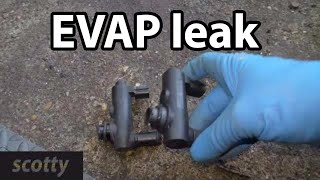
How to confirm: First, ensure the gas cap is tightened until it clicks at least once. Remove the cap and inspect the rubber O-ring for any cracks, stiffness, or damage. 🎬 Watch this complete guide to fixing Toyota EVAP codes If it looks worn, it's suspect. A video demonstrates that this is the first and easiest step.
Typical fix: Replace the gas cap. It is highly recommended to use an OEM (Original Equipment Manufacturer) cap from Toyota, as some aftermarket caps do not seal correctly and will not fix the code.
Est. part cost: $25-$40 - Faulty Vapor Canister Purge Valve (VSV) 🟡 Medium Probability The purge valve, located in the engine bay on the 1.8L engine, can get stuck open, creating a constant vacuum leak that the system interprets as a large leak. It's a relatively common failure point after the gas cap has been ruled out.
How to confirm: With the engine off, disconnect the valve and try to blow through it. A normally closed valve should not allow air to pass. If you can blow through it, it's stuck open and faulty. A scan tool can also be used to command the valve open and closed to check for a click.
Typical fix: Replace the vapor canister purge valve/solenoid. This is typically a simple repair involving disconnecting two hoses and an electrical connector.
Est. part cost: $30-$70 - Cracked or Damaged Charcoal Canister ⚪ Low Probability The canister, located near the fuel tank, is made of plastic and can develop cracks from age, road debris, or physical impact. The hoses connected to it can also become brittle and crack. On this model, the canister assembly also houses the vent valve and leak detection pump, making it a more complex component.
How to confirm: Visually inspect the charcoal canister and all connected hoses for visible cracks or damage. A smoke test is the most effective way to find a crack in the canister or a connected hose if a visual inspection is inconclusive.
Typical fix: Replace the charcoal canister assembly. One owner on a forum replaced the canister themselves but still had the codes, highlighting the importance of proper diagnosis.
Est. part cost: $200-$400 - Leaking EVAP Hoses or Lines ⚪ Low Probability Rubber hoses can become dry, brittle, and crack over time, especially in the engine bay due to heat or under the vehicle from exposure to the elements.
How to confirm: Visually inspect all accessible EVAP hoses between the engine, fuel tank, and charcoal canister. A smoke test is the definitive method to locate a small crack or loose connection in a hose.
Typical fix: Replace the specific cracked or leaking hose.
Est. part cost: $10-$50
Rare But Worth Checking
- Faulty Canister Vent Valve / Leak Detection Pump (LDP): This valve is integrated into the charcoal canister assembly on this Corolla. If it gets stuck open or the pump fails, it will prevent the system from sealing for its self-test, causing a P0455. Replacement requires changing the entire canister assembly.
- Cracked Fuel Filler Neck: Rust or damage to the metal tube leading to the gas tank can prevent the gas cap from sealing properly. This is more common in areas with heavy road salt usage and can be a tricky leak to spot without a smoke test.
- Spider Webs in Vent Hose: A known, albeit strange, issue on many Toyota models. Spiders can build webs inside the EVAP canister's fresh air vent hose/box, causing a blockage. This can lead to a variety of EVAP codes, including P0455, as the system cannot vent properly during its self-test. TSB T-SB-0064-11 addresses this for other models, but the principle applies here.
Diagnosis Steps

- Read the code with an OBD-II scanner to confirm P0455 is present. Note any other codes like P0441.
- Inspect the gas cap. Ensure it is tight. Remove it and check the rubber seal for cracks or damage. If in doubt, replace it with an OEM part.
- Clear the code and drive for a few days to see if it returns. The EVAP monitor runs under specific conditions, often hours after the car is shut off, so it may take time.
- If the code returns, visually inspect the engine bay for the purge valve (VSV). It's located on the engine for the 1.8L model. Check its connected hoses for cracks or loose fittings.
- Visually inspect the charcoal canister and all associated hoses under the rear of the vehicle (driver's side) for any obvious cracks, damage, or loose connections.
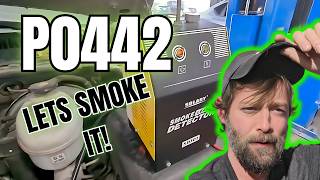
- If no obvious issues are found, the most effective next step is to have a smoke test performed. This involves injecting harmless, vaporous smoke into the EVAP system to quickly and accurately pinpoint the source of the leak. 🎬 See how to perform a smoke test for leaks
- Based on the smoke test results, replace the identified faulty component, whether it's a hose, the purge valve, or the charcoal canister assembly.
Parts You'll Likely Need

- Fuel Tank Cap
(OEM #77300-52030 (superseded by 77300-52040))— This is the most frequent cause of a P0455 code. The seal fails over time, and it's an easy and inexpensive part to replace as a first step. Using an OEM part is critical.
Trusted brands: Toyota (OEM)
OEM price range: $25-$40
Aftermarket price range: $10-$25 - Vapor Canister Purge Valve / Solenoid
(OEM #90910-12276 (for 1.8L engine))— This valve can get stuck open, causing a large leak. It's a common failure point after the gas cap and is located in the engine bay for easy access.
Trusted brands: Toyota (OEM), Denso, Dorman
OEM price range: $60-$90
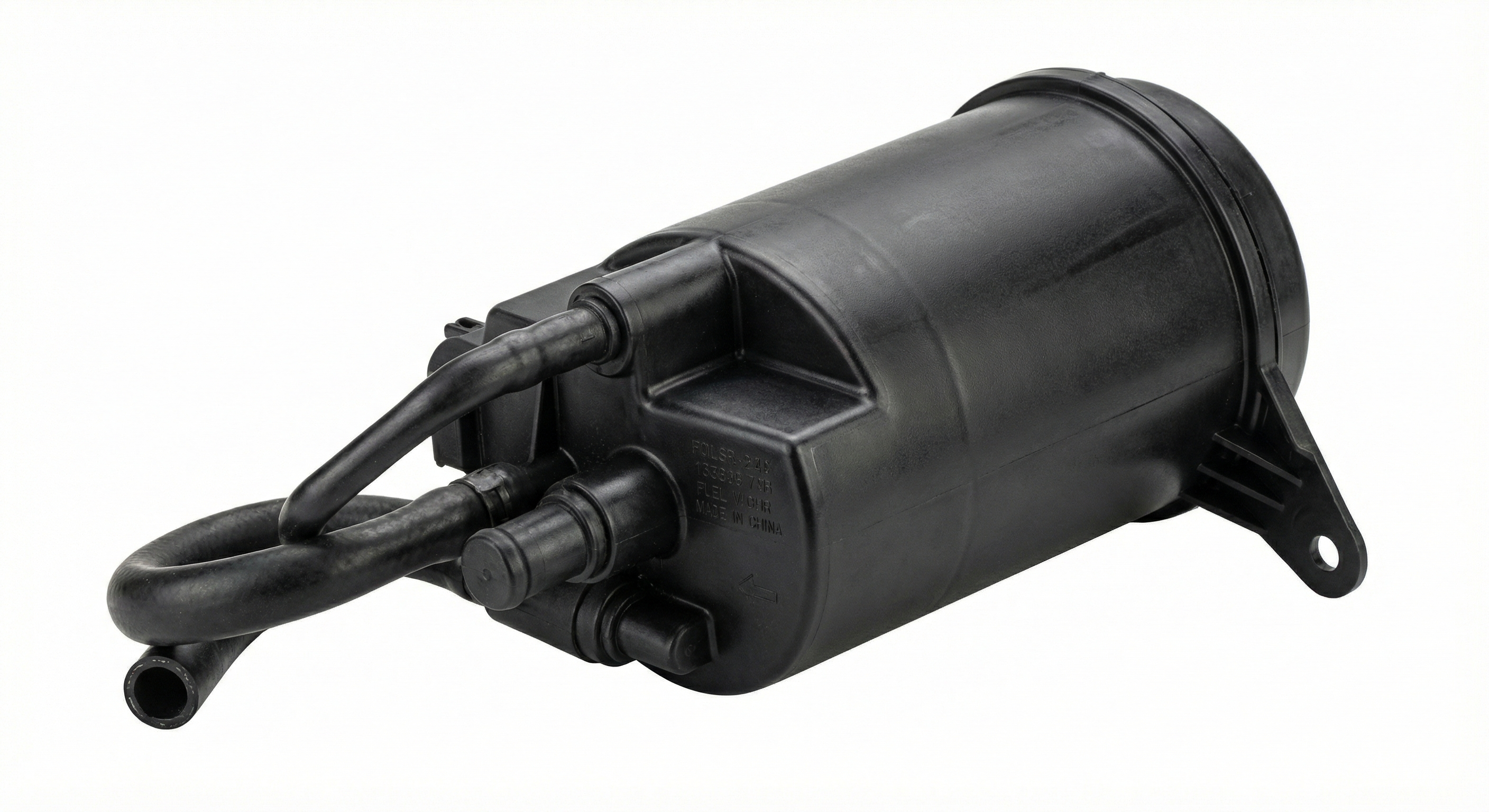
Aftermarket price range: $30-$70 - Charcoal Canister Assembly
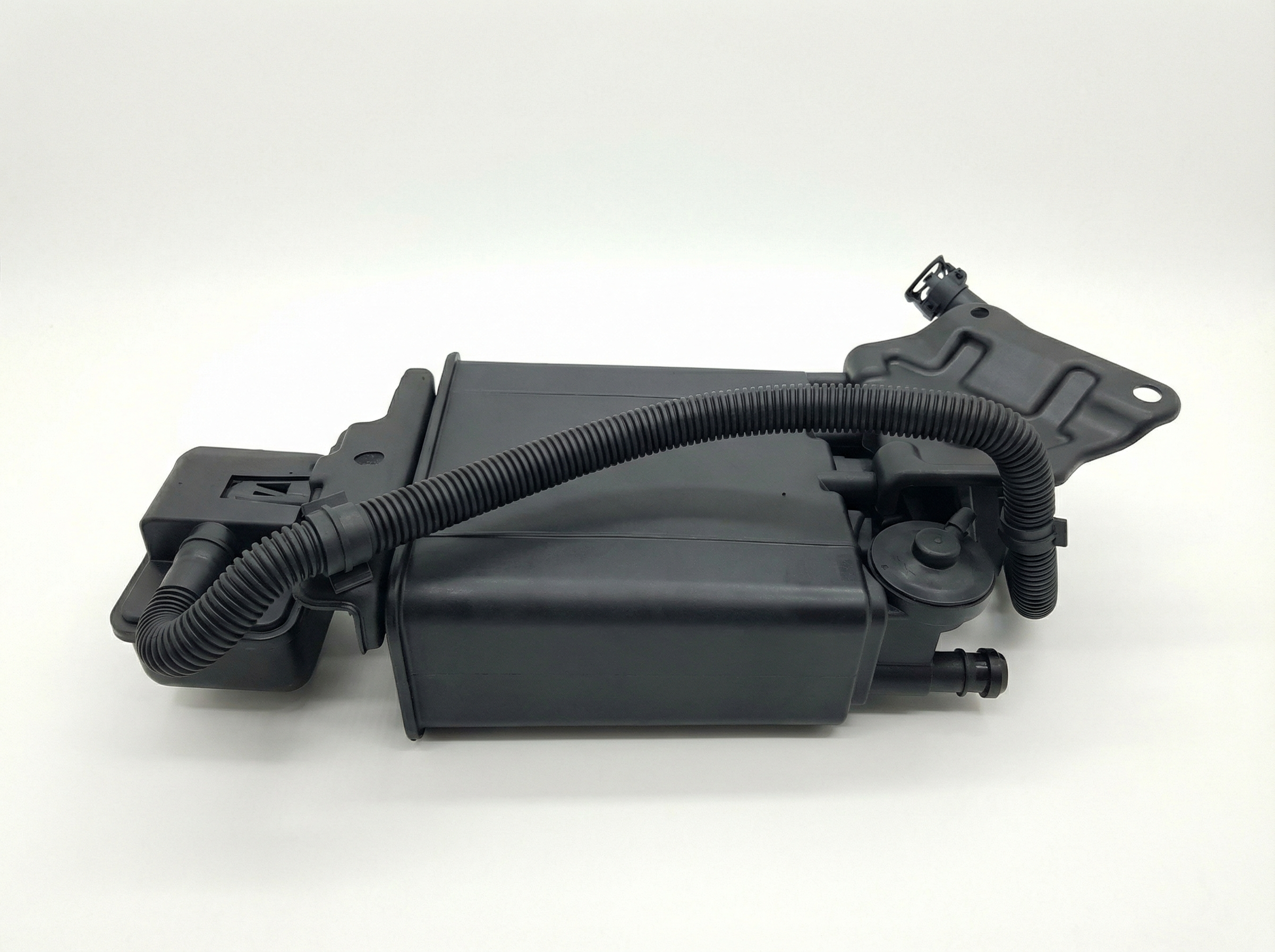
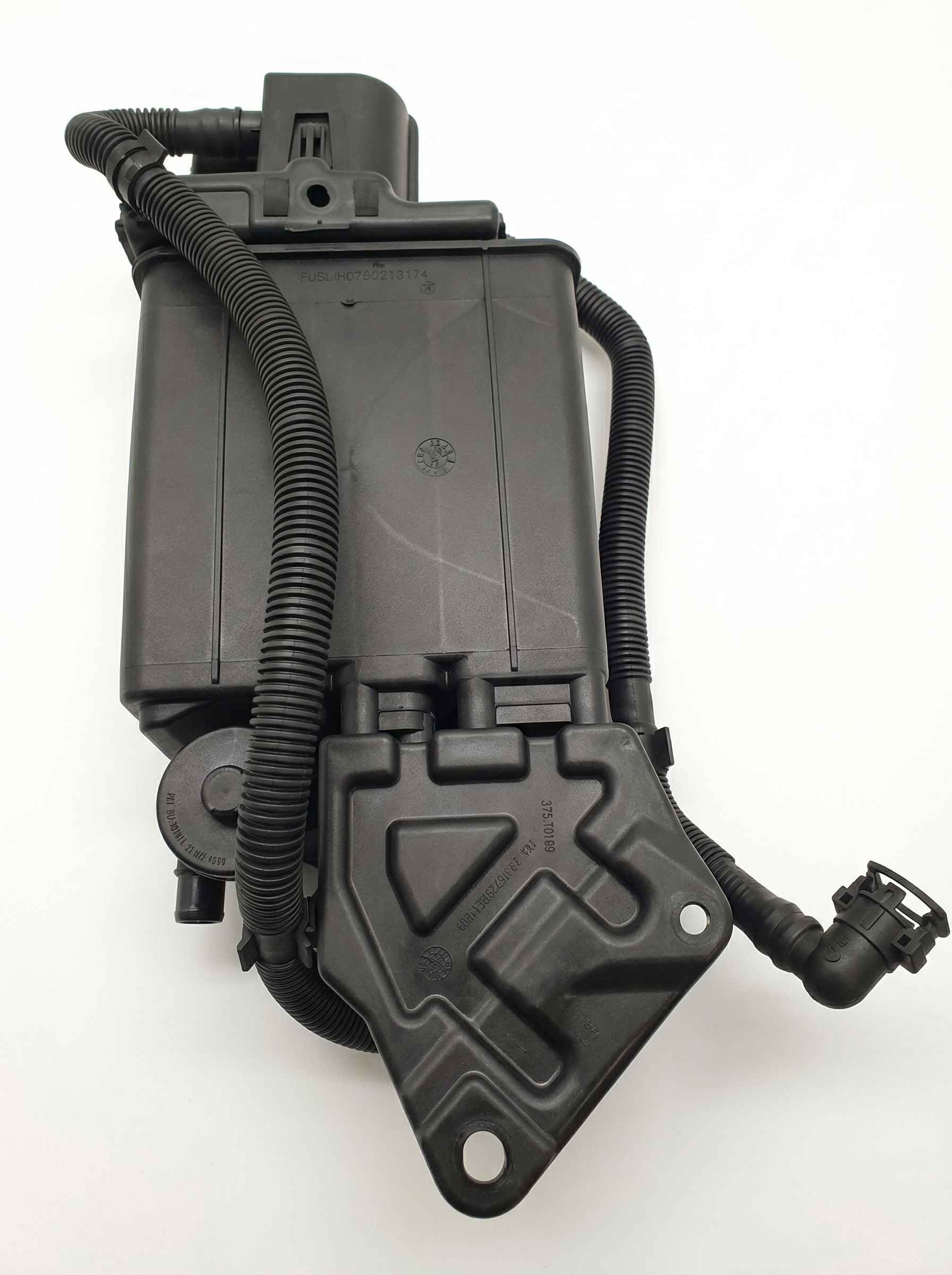
(OEM #77740-02130 (or 77740-12990))— The plastic housing can crack due to age or impact, creating a large leak. This assembly includes the canister, vent valve, and leak detection pump, making it a more expensive repair.
Trusted brands: Toyota (OEM)
OEM price range: $250-$400
Aftermarket price range: $180-$280
Related Codes That Often Appear With This One
- P0441 — P0441 (Incorrect Purge Flow) often appears with P0455. A component that is stuck open or closed, like a purge valve, can cause both a large leak detection and a purge flow error. Forum users frequently report seeing both codes together.
- P0456 — P0456 (EVAP Small Leak) can sometimes precede or be related to a P0455. A deteriorating component might start as a small leak before worsening into a large one.
Technical Service Bulletins (TSBs) & Recalls
- TSB-0200-11: While not for P0455, this TSB for 2009-2011 Corollas addresses water intrusion into the charcoal canister, indicating a potential weak point in the EVAP system design of these models.
Platform-Specific Known Issues
- Water Intrusion into Charcoal Canister: Toyota issued TSB-0200-11 for 2009-2011 Corollas regarding water entering the charcoal canister, which can cause a specific set of five EVAP codes (P043E, P043F, P2401, P2402, & P2419). While not directly P0455, it shows a known vulnerability of the canister area on these models that could potentially contribute to other failures.
Mechanic-Grade Diagnostic Values
- Purge Valve (VSV) Coil Resistance — expected: 15 to 30 Ohms (general value for most vehicles). Failure: A reading far outside this range, especially infinite resistance (open circuit), indicates a faulty valve coil.
- Purge Valve (VSV) Connector Voltage — expected: One pin should have battery voltage (approx. 12V) with the ignition ON. The other pin is the control side, which the ECM switches to ground with a duty cycle signal when commanding the valve to open.. Failure: No voltage on the power supply pin indicates a wiring or fuse issue (check EFI NO. 2 fuse). No signal on the control wire during an active test points to a wiring or ECM problem.
Hidden / Shadow Codes Worth Checking
- P043E, P043F, P2401, P2402, P2419: This cluster of codes relates specifically to the Canister Pump Module / Leak Detection Pump (LDP). They indicate issues like a clogged reference orifice (P043E), high flow (P043F), or electrical circuit faults in the pump (P2401, P2402). While P0455 indicates a large leak, these codes point directly to a failure of the pump assembly itself, which is responsible for running the test. (see via A standard OBD-II scanner should display these codes if the failure is specific to the LDP module.)
Scan Tool Commands That Help
- Toyota Techstream: Evaporative System Check (Utility) — This is a powerful bidirectional control used to force the EVAP system to perform a self-test without waiting the usual 5 hours after engine shutoff. It allows a technician to manually activate the vent valve and leak detection pump to check for pressure changes, confirm a repair, or set a pending code if a fault still exists.
- Toyota Techstream: Active Test: Activate the Purge VSV Control — This command manually opens and closes the purge valve in the engine bay. It's used to verify the valve is responding to the ECM's command. A technician can listen for a click and feel for vacuum at the hose port to confirm it's functioning mechanically and electrically.
Wiring & Ground Locations
- Purge Valve (VSV) Connector — On the engine, part of the intake assembly. It has a two-wire connector.. This is where voltage and resistance tests are performed. One wire is the 12V power supply, and the other is the ground-side control wire from the ECM. A failure here can prevent the valve from operating, potentially causing it to remain stuck open and trigger a P0455.
- EFI NO. 2 Fuse — In the under-hood fuse box.. This fuse supplies power to the Purge Valve (VSV). If this fuse is blown, the valve will have no power and will not operate, which could lead to EVAP system codes.
Real Owner Repair Stories
- Darkstar_Overland on YouTube (Toyota FJ Cruiser) (2007 Toyota FJ Cruiser (similar EVAP system architecture)) — Persistent P0441 and P0455 codes.
❌ Tried (didn't work) Visual inspection of charcoal canister showed nothing., Replacing cracked EVAP hoses in the engine bay., Replacing the engine-bay purge valve with a cheap aftermarket (Amazon) part, which caused new P0171/P0174 lean codes. Reinstalling the OEM valve fixed the lean codes but not the EVAP codes.
✅ What actually fixed it The final fix was replacing the entire charcoal canister assembly. The owner concluded that the vent valve/solenoid integrated into the canister assembly was the true source of the failure.
"I Checked Everything" — The Actual Cause
- A smoke test may show no leaks, but the code persists. This can happen if the Leak Detection Pump (LDP) on the charcoal canister has an internal fault, such as a clogged reference orifice. The system is physically sealed, so no smoke escapes, but the LDP is unable to correctly measure pressure and falsely reports a leak. This scenario may set other codes like P043E.
- On some vehicles, a check ball in the fuel filler neck is designed to seal under pressure. When performing a smoke test from the engine bay, this ball can close and prevent smoke from ever reaching the filler neck and gas cap area. This gives a false 'no leak found' result, while the actual leak is at the gas cap or filler neck. A pro tip is to remove the gas cap after starting the smoke test to confirm smoke is traveling through the entire system.
When the Usual Fixes Don't Work
- While the gas cap is the most common fix, many owners chase this code after replacing the cap. In one documented case on a similar Toyota platform, the issue persisted after replacing engine bay hoses and the purge valve. The ultimate fix was a complete charcoal canister assembly, as the integrated vent solenoid had failed. This highlights that if the simple fixes don't work, the more complex and expensive canister assembly is a strong possibility.
OEM Part Supersession History
90910-12276→90910-TC001— Standard part update/revision.
Heads up: The new part number should be a direct replacement, but always verify with a dealer using the vehicle's VIN.77740-02130→77740-12990 (potentially)— Possible mid-generation update or variation for different manufacturing locations (US vs. Japan built).
Heads up: Parts catalogs show conflicting application ranges for the charcoal canister.77740-02130is listed for 2010 models, but other sources suggest it's for earlier years. It is critical to verify the correct part number with a Toyota dealer using the VIN before ordering.
Model Year Variations Within This Range
- 2009-2011: These model years are specifically mentioned in TSB-0200-11 for a design vulnerability allowing water intrusion into the charcoal canister, which can cause a specific set of LDP-related codes. This suggests a potential design difference compared to 2012-2013 models.
Diagnostic Flowchart
Real Owner Stories
Aggregated from forums and TSBs cited above. Mileages and costs reflect what owners reported in those sources.
2013 Toyota Corolla
Symptoms: Check engine light with codes P0441 and P0455. Checked lines and hoses for cracks, found nothing.
What fixed it: Replaced the gas cap and purge valve with no success. Another user suggested replacing the entire charcoal canister assembly, as it is a common failure point on these models.
Source hint: Reddit r/MechanicAdvice
2012 Toyota Corolla
Symptoms: Getting P0455 and P0441 codes after replacing the fuel pump.
What fixed it: Replaced the gas cap with an OEM one and the purge valve with a cheap Amazon one, which then led to a misfire code, highlighting the potential pitfalls of using non-OEM parts.
Source hint: Reddit r/AskMechanics - Thread 'Corolla evap p0441, p0455 and then a misfire'
2007 Toyota Corolla
Symptoms: Troubleshooting P0441 and P0455 codes.
What fixed it: Replaced the purge solenoid and gas cap with no success, eventually tracing the leak to the tank side of the system after replacing the charcoal canister.
Source hint: BobIsTheOilGuy.com - Thread '2007 Corolla - P0441 and P0455 codes'
Toyota Matrix
Symptoms: P0441/P0455 Code on Toyota Matrix.
What fixed it: Consensus pointed towards the gas cap or purge solenoid as the most likely culprits, reinforcing the shared nature of this problem on the platform.
Source hint: Reddit r/Cartalk - Thread 'P0441/P0455 Code on Toyota Matrix'
Related OBD-II Codes
Frequently Asked Questions
Why did my VSC and TRAC lights come on along with the Check Engine Light for a P0455 code?
Does TSB-0200-11 apply to my P0455 code on my 2009-2011 Corolla?
I replaced my gas cap but the P0455 code came back. What should I do next?
Where is the purge valve (VSV) located on my 1.8L Corolla?
Are the Toyota Matrix and Pontiac Vibe prone to this same P0455 issue?
Where is the charcoal canister located on the 2009-2013 Corolla?
Helpful Videos
Used OEM Parts in Stock
New Aftermarket Parts Available


The information in this article is provided for general reference and educational purposes only. Vehicle specifications, procedures, and part compatibility can vary by production date, trim level, and region. Always consult your vehicle's factory service manual and verify part numbers before purchasing or performing repairs. Safety-critical components such as airbags, seat belts, and braking systems should be installed by a qualified professional.
- Toyota Corolla:
- 🎬 Helpful Videos
- 🛍️ Shop This Part
- What's Unique About the 2009-2013 Toyota Corolla
- Symptoms You May Notice
- Most Likely Causes
- Rare But Worth Checking
- Diagnosis Steps
- Parts You'll Likely Need
- Related Codes That Often Appear With This One
- Technical Service Bulletins (TSBs) & Recalls
- Platform-Specific Known Issues
- Mechanic-Grade Diagnostic Values
- Hidden / Shadow Codes Worth Checking
- Scan Tool Commands That Help
- Wiring & Ground Locations
- Real Owner Repair Stories
- "I Checked Everything" — The Actual Cause
- When the Usual Fixes Don't Work
- OEM Part Supersession History
- Model Year Variations Within This Range
- Diagnostic Flowchart
- Real Owner Stories
- 2013 Toyota Corolla
- 2012 Toyota Corolla
- 2007 Toyota Corolla
- Toyota Matrix
- Related OBD-II Codes
- Frequently Asked Questions
- 🎟️ Get 5% Off