

P0455 on 2002-2009 Hummer H2: EVAP Large Leak Causes and Fixes
For a P0455 code on a Hummer H2, the most likely cause is a loose, faulty, or missing gas cap. If the cap is secure, the next most common failures are the EVAP vent solenoid near the fuel tank or the purge solenoid on the engine. A new gas cap costs $15-$30, while solenoids are typically $30-$80 each.
- Always check your gas cap first. Make sure it's tight and the seal is intact before attempting any other repairs.
- The P0455 code will not cause driving issues but will prevent your vehicle from passing an emissions test.
- The two most likely parts to fail (after the gas cap) are the EVAP vent solenoid (under the truck) and the purge solenoid (on the engine). Both are common GM failures and are DIY-friendly on the H2.
- A smoke test is the fastest and most accurate way to diagnose a leak if the cause is not immediately obvious.
What's Unique About the 2002-2009 Hummer H2

The Hummer H2 is built on GM's GMT820 truck platform, sharing its core EVAP system design with vehicles like the Tahoe, Suburban, and Escalade of the same era. This means it's prone to the same common GM failures: a faulty gas cap, a bad EVAP vent solenoid located under the truck by the tank, or a bad EVAP purge solenoid on top of the engine. A Hummer H2 owner on a forum noted they had the same P0455 issue on their wife's Escalade, pointing to the vent solenoid as the cause on both. Due to the H2's design for off-road use, components under the vehicle like the vent solenoid and charcoal canister are more susceptible to damage from mud and debris. Fortunately, on the H2, all of these common failure points are relatively easy to access and replace without specialized tools.
Symptoms You May Notice
- Check Engine Light is on
- A message on the driver information center (DIC) that reads "TIGHTEN GAS CAP".
- A faint fuel odor may be noticeable around the vehicle.
- A whooshing sound when opening the gas cap
- Difficulty refueling (gas pump nozzle clicks off repeatedly) if the vent solenoid is stuck closed or a line is clogged with charcoal pellets from a failed canister.
- Replacing the Purge Solenoid (on the engine) when the Vent Solenoid (under the truck) is the actual problem, or vice-versa. It's important to distinguish between the two components and test them.
- Repeatedly replacing the gas cap when the issue is a different component like a solenoid or a cracked hose. Many owners replace the cap first, but if the code returns, the problem lies elsewhere.
Most Likely Causes


- Loose, Faulty, or Missing Gas Cap 🔴 High Probability This is the most common cause for a large EVAP leak on any vehicle. The cap seal can degrade over time, or it may simply not have been tightened correctly after refueling. One owner reported the code appeared after his wife borrowed the truck and the gas cap was discovered to be completely missing, likely stolen.
How to confirm: Ensure the gas cap is present and clicks at least three times when tightened. Inspect the rubber O-ring on the cap for cracks or damage. A missing gas cap is an obvious cause.
Typical fix: Tighten or replace the gas cap. Many forum users report starting with a new gas cap before moving to other diagnostics.
Est. part cost: $15-$40 - Faulty EVAP Vent Solenoid 🟡 Medium Probability This solenoid is located under the truck near the fuel tank, where it's exposed to road debris and moisture, causing it to fail. It can get stuck open, preventing the system from sealing for its self-test. The mounting bracket is also known to rust severely.
How to confirm: The solenoid is located on the driver's side frame rail near the charcoal canister. A common failure is a disconnected hose due to a broken plastic clip. A scan tool can command the valve closed; if it doesn't seal, it's faulty. A smoke test will show smoke exiting the valve if it's stuck open. You can also test it with a 12v source; if it doesn't activate or has an open circuit when tested with an ohmmeter, it has failed.
Typical fix: Replace the EVAP vent solenoid. A forum user found the hose clip broken and the hose completely disconnected, which was the true source of the leak. 🎬 Watch: A Hummer H2 vent solenoid replacement walkthrough. Consider the ACDelco kit that relocates the air filter for better longevity.
Est. part cost: $30-$80 - Faulty EVAP Purge Solenoid (Purge Valve) 🟡 Medium Probability This valve is mounted on the engine's intake manifold and controls the flow of vapors to the engine. It can become stuck open, creating a constant vacuum leak that the ECM detects during testing.
How to confirm: The valve is located on top of the engine and is easy to access. Remove the valve and try to blow through it; if air passes through, it is stuck open and has failed. One owner noted that after replacing it with an aftermarket part that failed, switching to an AC Delco part solved the issue.
Typical fix: Replace the purge solenoid. This is a simple repair requiring only an 8mm socket to remove 🎬 Watch: How to replace the purge solenoid on GM trucks. the engine cover and the valve itself.
Est. part cost: $30-$75 - Cracked or Disconnected EVAP Hoses ⚪ Low Probability Over time, the plastic and rubber hoses in the EVAP system can become brittle and crack, or clips can break causing them to disconnect. This is especially true for the hose connected to the vent solenoid.
How to confirm: Visually inspect all accessible EVAP lines, from the engine bay to the charcoal canister and fuel tank. A smoke test is the most effective way to find a cracked hose that isn't obvious visually.
Typical fix: Replace the damaged section of hose or the entire hose assembly. One owner documented a DIY repair using 5/8" rubber fuel hose and hose clamps to fix a cracked line.
Est. part cost: $20-$100
Rare But Worth Checking
- Faulty Fuel Tank Pressure (FTP) Sensor: This sensor tells the computer the pressure in the EVAP system. If it provides an incorrect reading, the computer may falsely believe there is a leak. This will often set other codes like P0451, P0452, or P0453. On the H2, it's accessible by removing the driver's side rear wheel well liner.
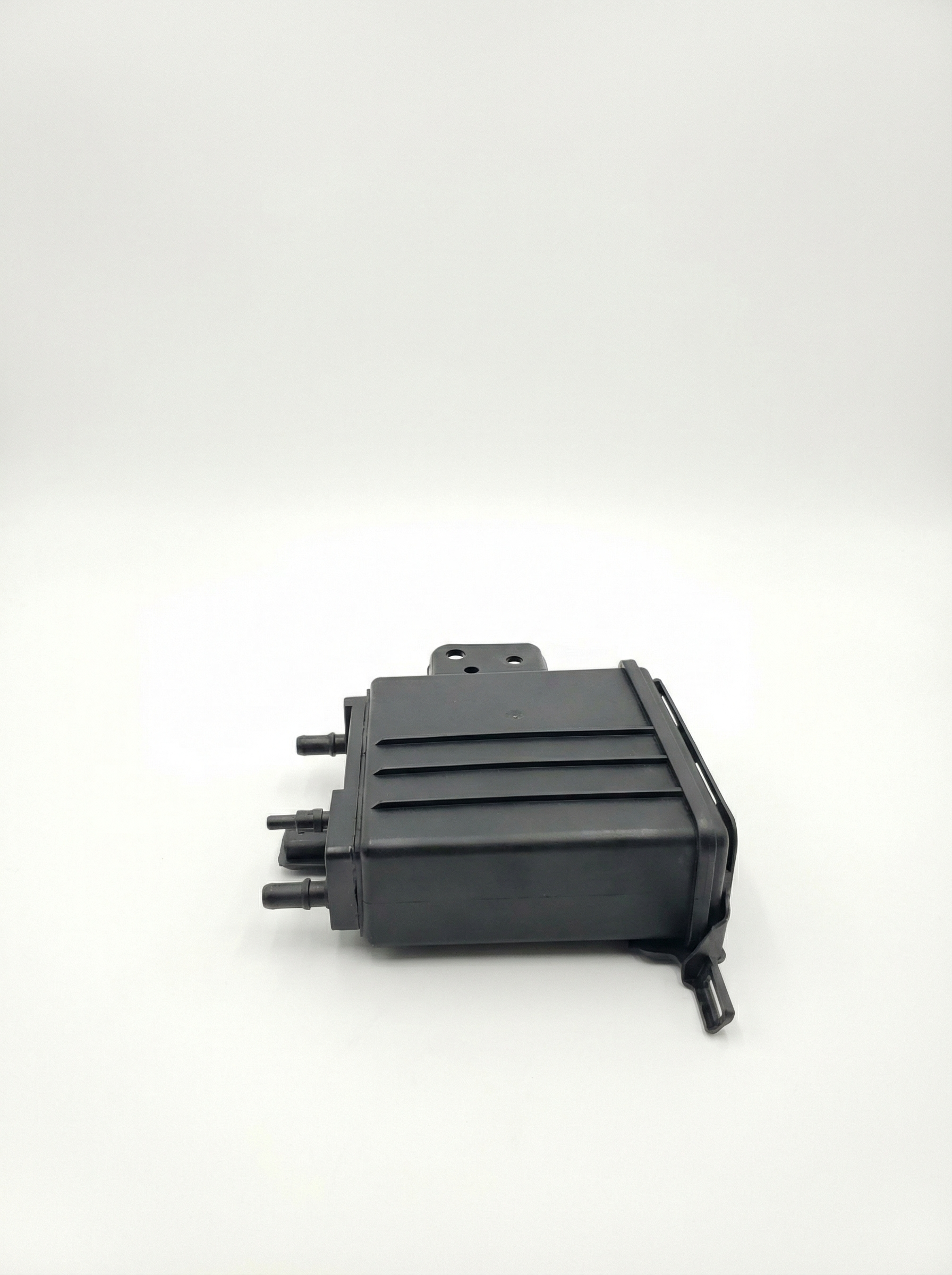
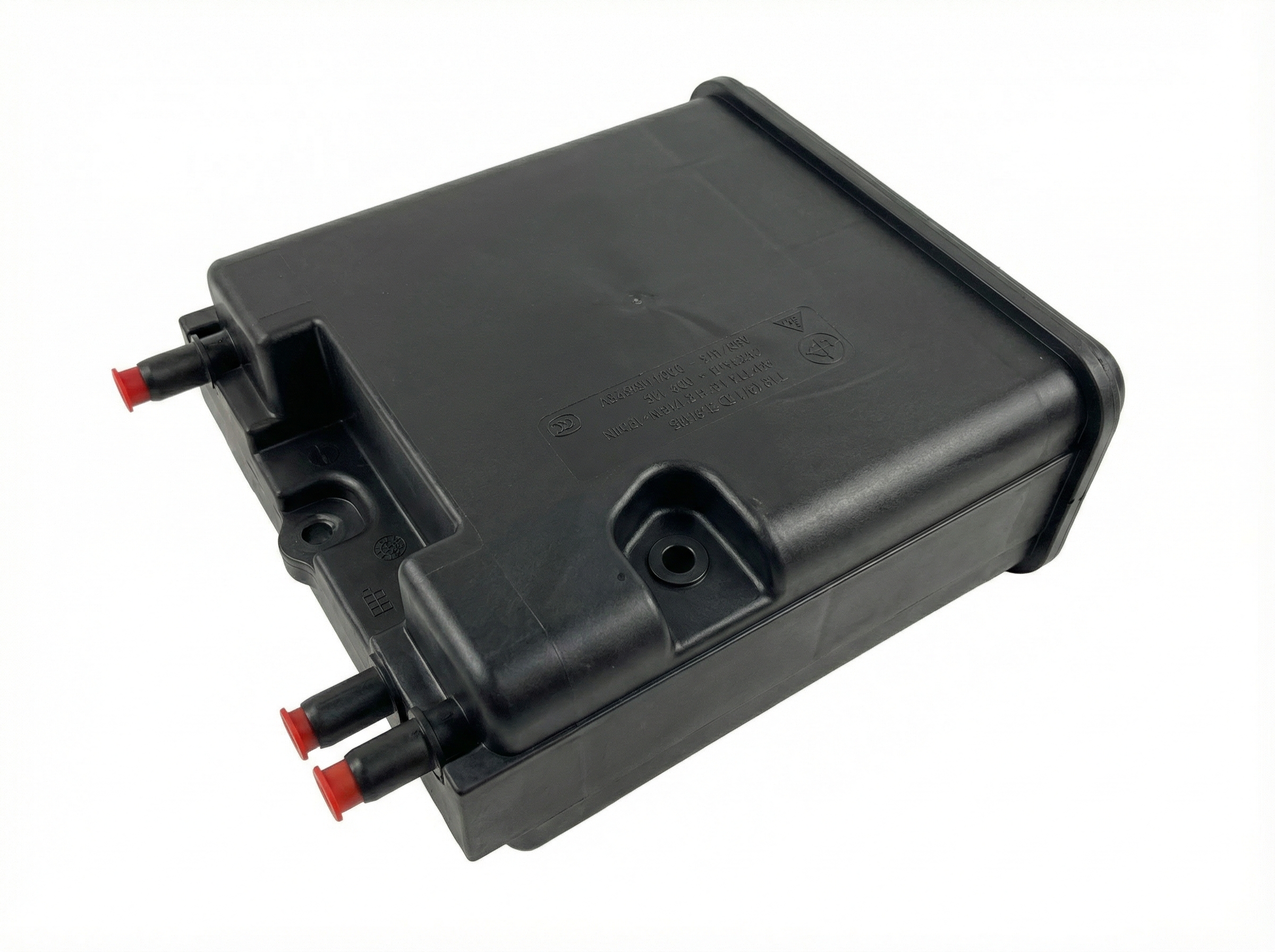
- Cracked EVAP Charcoal Canister: The plastic housing of the charcoal canister can be damaged by road debris or impact, causing a large leak. More commonly, the canister can fail internally, sending charcoal pellets into the EVAP lines, causing blockages and other codes. This is usually found during a smoke test or when other components are replaced.
- Leaking Fuel Filler Neck: The metal pipe leading from the gas cap to the fuel tank can rust or crack, creating a leak. This is more common in areas with heavy road salt use. One owner chased the P0455 code for a while, replacing other parts before discovering a rusted-through fuel filler neck.
- Rusted Fuel Pump Module / Sending Unit: The top of the fuel pump module, which seals against the gas tank, can rust through, creating a significant leak. A forum user reported this as the ultimate cause of their P0455 after replacing many other parts, noting they could smell fuel underneath the vehicle.
Diagnosis Steps

- Check the Gas Cap: Ensure it is present, tight (at least three clicks), and the seal is not cracked or worn. This is the most common and easiest fix.
- Visual Inspection: Look over the EVAP system components. Check the purge solenoid on the engine and the vent solenoid under the truck for any obviously disconnected or cracked hoses. A forum user reported a disconnected hose at the vent solenoid was the culprit due to a broken clip.
- Test the Purge Solenoid: Locate the purge solenoid on the intake manifold. Disconnect it and attempt to blow through it. If air passes, it is stuck open and needs to be replaced.
- Perform a Smoke Test: If the issue isn't obvious, the most reliable diagnostic method is to use an automotive smoke machine. Introduce smoke into the EVAP service port and look for smoke leaking from any component, hose, or the fuel tank itself. 🎬 See how to perform a professional EVAP smoke test. This will pinpoint the exact location of the leak.
- Test the Vent Solenoid: Using a capable scan tool, command the vent solenoid to close. If the system still won't hold pressure or vacuum during a smoke test, the vent solenoid is likely faulty and stuck open. Alternatively, apply 12V to the solenoid's pins; it should click closed. If it doesn't, or an ohmmeter shows an open circuit, it's bad.
- Inspect Fuel Tank Pressure (FTP) Sensor: If no leaks are found, the FTP sensor may be providing faulty data. Check its readings with a scan tool. On the H2, this sensor is on top of the fuel tank but can be accessed by removing the driver's side rear inner fender liner.
Parts You'll Likely Need
- Gas Cap
(OEM #GT261 (ACDelco))— This is the most frequent cause of a P0455 code due to being lost, loose, or having a worn-out seal.
Trusted brands: ACDelco, Stant
OEM price range: $25-$40
Aftermarket price range: $15-$30 - EVAP Canister Vent Solenoid
(OEM #25932571 (Also cross-references to ACDelco 214-2149))— This part is exposed to the elements under the truck and frequently fails by getting stuck open, causing a large leak. It's a very common failure on this GM platform.
Trusted brands: ACDelco, Dorman (p/n 911-238)
OEM price range: $45-$70
Aftermarket price range: $30-$50 - EVAP Canister Purge Solenoid
(OEM #12597567 (Also cross-references to ACDelco 214-1680))— This valve, located on the engine, can get stuck open or closed, causing the EVAP system to fail its leak test. It is a frequent failure point on GM trucks of this era.
Trusted brands: ACDelco, Dorman
OEM price range: $40-$65
Aftermarket price range: $25-$50
Related Codes That Often Appear With This One
- P0442 — Indicates a small EVAP leak. Sometimes a large leak can initially be detected as a small one, or you may have multiple leaks of different sizes.
- P0449 — This code specifically points to a malfunction in the EVAP vent solenoid circuit, making it a primary suspect if seen alongside P0455.
- P0496 — Indicates high purge flow, which is often caused by a purge valve that is stuck open—a common cause for P0455 as well.
Technical Service Bulletins (TSBs) & Recalls
- GM TSB 08-06-04-027 - This TSB addresses inaccurate fuel level readings, particularly after refueling, which can be related to the EVAP system and fuel tank pressure. While not directly for P0455, it deals with the same system components.
- PIT3046F - A preliminary information bulletin from GM regarding inaccurate fuel gauges on a wide range of vehicles including the 2003-2009 Hummer H2. This can sometimes be related to EVAP system issues affecting tank pressure.
Platform-Specific Known Issues
- Broken Vent Solenoid Hose Clip: A user on hummerforums.com reported their P0455 was caused by a broken plastic clip on the hose connecting to the vent solenoid. This allowed the hose to become completely disconnected, creating a large leak. The fix was as simple as replacing the hose or securing it with a zip tie temporarily.
- Rusted Vent Solenoid Bracket: The metal bracket holding the vent solenoid is prone to severe rust. When replacing the solenoid, owners often find the bracket crumbled. It's recommended to sand and paint the bracket or replace it during the repair.
- Charcoal Canister Contamination: A failed charcoal canister can release activated charcoal pellets into the EVAP lines. One owner on hummerforums.com reported replacing multiple EVAP components with no luck, only to find the lines were clogged with charcoal. They had to blow out the lines with compressed air to fix the issue, which also caused problems when refueling.
Mechanic-Grade Diagnostic Values
- EVAP Canister Purge Solenoid Resistance — expected: 30 - 38 Ohms. Failure: A reading outside this range indicates a faulty solenoid coil.
- EVAP Canister Vent Solenoid Resistance — expected: 48 - 65 Ohms. Failure: A reading outside this range suggests a bad solenoid coil.
- Fuel Tank Pressure (FTP) Sensor Voltage (Key On, Engine Off) — expected: Approximately 1.5 Volts. Failure: A voltage significantly skewed high or low, or one that is stuck and doesn't change, can indicate a faulty sensor.
Scan Tool Commands That Help
- Tech2 / High-End Scan Tool: EVAP Purge/Seal Test — This function commands the vent solenoid closed and the purge solenoid open to actively pull a vacuum on the tank. It's used to verify the function of both solenoids and the integrity of the system after a repair.
- Tech2 / High-End Scan Tool: EVAP Canister Vent Solenoid ON/OFF — This command allows a technician to manually open and close the vent solenoid to check its operation. It's used during a smoke test to seal the system or to verify the solenoid clicks and responds to commands.
- Tech2 / High-End Scan Tool: EVAP Canister Purge Solenoid Control (Percentage) — Allows the technician to command the purge solenoid to a specific duty cycle (e.g., 50%) to check for response. A test light connected to the control circuit should flicker, confirming the ECM is sending the command.
Wiring & Ground Locations
- G104 — Top left rear of the engine, on the cylinder head.. This is a primary engine and powertrain control module (PCM) ground. A poor connection here can cause erratic behavior in various engine sensors and actuators, including the EVAP purge solenoid controlled by the PCM.
- Vent Solenoid Connector — Under the truck, on the driver's side frame rail, connected to the vent solenoid.. The connector has two pins: Terminal A is the 12V supply circuit, and Terminal B is the control circuit (ground side) from the ECM. Technicians test for 12V at Terminal A with the ignition on to verify power supply before condemning the solenoid.
- Underhood Fuse Block — Left side of the engine compartment, near the battery.. Contains the fuse that supplies power to the EVAP vent solenoid (Fuse 31 on some models). If there is no power at the vent solenoid connector, this fuse is the first place to check.
Real Owner Repair Stories
- HummerForums.com user (2005 Hummer H2) — Persistent P0455 code.
❌ Tried (didn't work) Replaced fuel pump assembly, Replaced fuel filler tube (neck), Replaced OEM fuel cap, Replaced fuel canister purge valve (on engine), Replaced evaporator valve (vent solenoid)
✅ What actually fixed it The user was still diagnosing after replacing all common components, suspecting a plugged line or a faulty charcoal canister. The final resolution was not posted, but the extensive list of failed fixes highlights how the issue can sometimes be more complex than the common solenoids or gas cap.
"I Checked Everything" — The Actual Cause
- A stuck-closed EVAP purge solenoid can trigger a P0455. The ECM commands the purge valve to open to pull a vacuum on the tank for the test. If the valve fails to open (but has no electrical fault), the fuel tank pressure sensor will not see the expected drop in pressure. The ECM misinterprets this lack of pressure change as a massive leak in the system, setting a P0455 code even though the system is perfectly sealed.
OEM Part Supersession History
25932571 (Vent Solenoid)→ACDelco 214-2149 (often part of a kit)— The original design was prone to failure from debris and moisture. Later kits often include a relocation hose to move the filter to a cleaner, more protected area.
Heads up: Some replacement vent solenoids may use a different connector than the original harness. A jumper harness, GM part number 19257603, is sometimes required to adapt the new solenoid to the existing vehicle wiring.
Model Year Variations Within This Range
- 2008-2009: In 2008, the H2's engine was updated from the 6.0L LQ4 V8 to the 6.2L L92 V8. This resulted in a different intake manifold design, which changes the physical location and potentially the part number for the engine-mounted EVAP Purge Solenoid compared to the 2002-2007 models. The chassis-mounted components, like the vent solenoid and charcoal canister, remained largely the same across the years.
Diagnostic Flowchart
Real Owner Stories
Aggregated from forums and TSBs cited above. Mileages and costs reflect what owners reported in those sources.
Hummer H2
Symptoms: P0455 large leak code triggered by a completely disconnected hose.
What fixed it: Found a broken plastic clip on the hose connecting to the vent solenoid. Replaced the hose or secured it with a zip tie temporarily.
Source hint: hummerforums.com - P0455 large leak
Hummer H2
Symptoms: Persistent P0455 code that remained after replacing multiple EVAP components.
What fixed it: Replaced the fuel pump, filler tube, gas cap, and purge valve before suspecting a rusted fuel pump module was the actual cause of the leak.
Source hint: hummerforums.com - Charcoal Canister Testing P0455
Hummer H2
Symptoms: P0455 code accompanied by severe difficulty refueling the truck.
What fixed it: Discovered a failed charcoal canister had released activated charcoal pellets into the EVAP lines, clogging them. Blew out the lines with compressed air to fix the issue.
Source hint: hummerforums.com - Bad evap canister
Hummer H2
Symptoms: Check Engine Light with code P0455.
What fixed it: Correctly diagnosed a stuck-open purge valve by testing for vacuum at the port while the engine was running.
Source hint: elcova.net (Hummer Forums) - Code P0455 and the Gas Cap
2008 Hummer H2
Symptoms: Check Engine Light with an EVAP-related code.
What fixed it: Accessed and tested the vent solenoid by removing the driver's side rear wheel well liner to pinpoint the failure.
Source hint: hummerforums.com - 2008 H2 Check Engine Light Fix EVAP Related
Related OBD-II Codes
Frequently Asked Questions
Why does my Hummer H2 display a 'TIGHTEN GAS CAP' message on the DIC with code P0455?
I have a P0455 code and my H2 is very difficult to refuel because the gas pump keeps clicking off. What causes this?
Where is the EVAP vent solenoid located on my 2002-2009 Hummer H2?
Are there any TSBs related to the EVAP system or fuel tank pressure on the Hummer H2?
How can I quickly test the EVAP purge solenoid on my H2's engine?
I'm replacing the vent solenoid on my H2. Is there anything else I should check in that area?
Helpful Videos
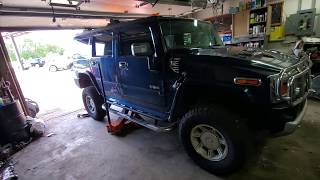
We Have This Part in Stock
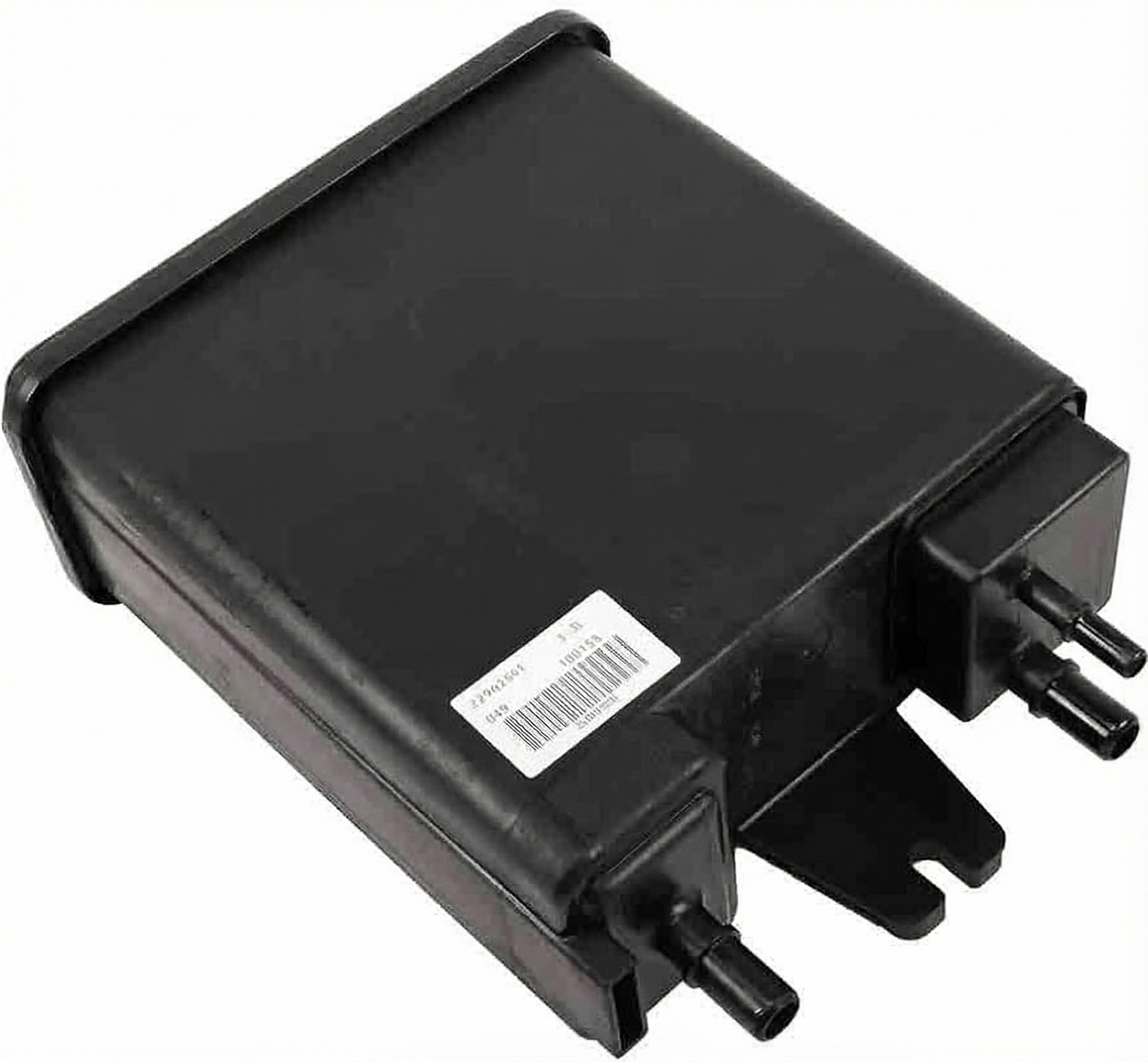
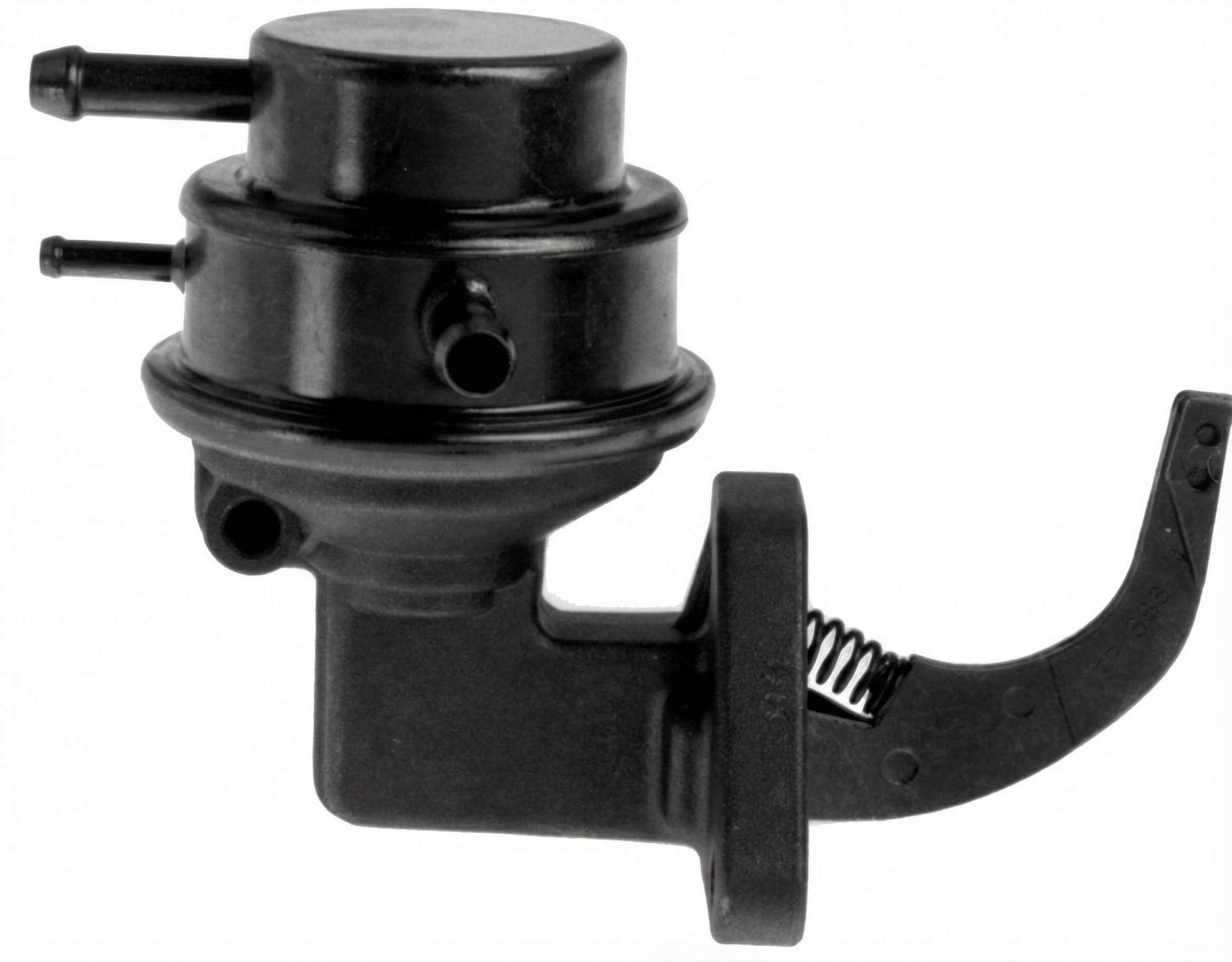
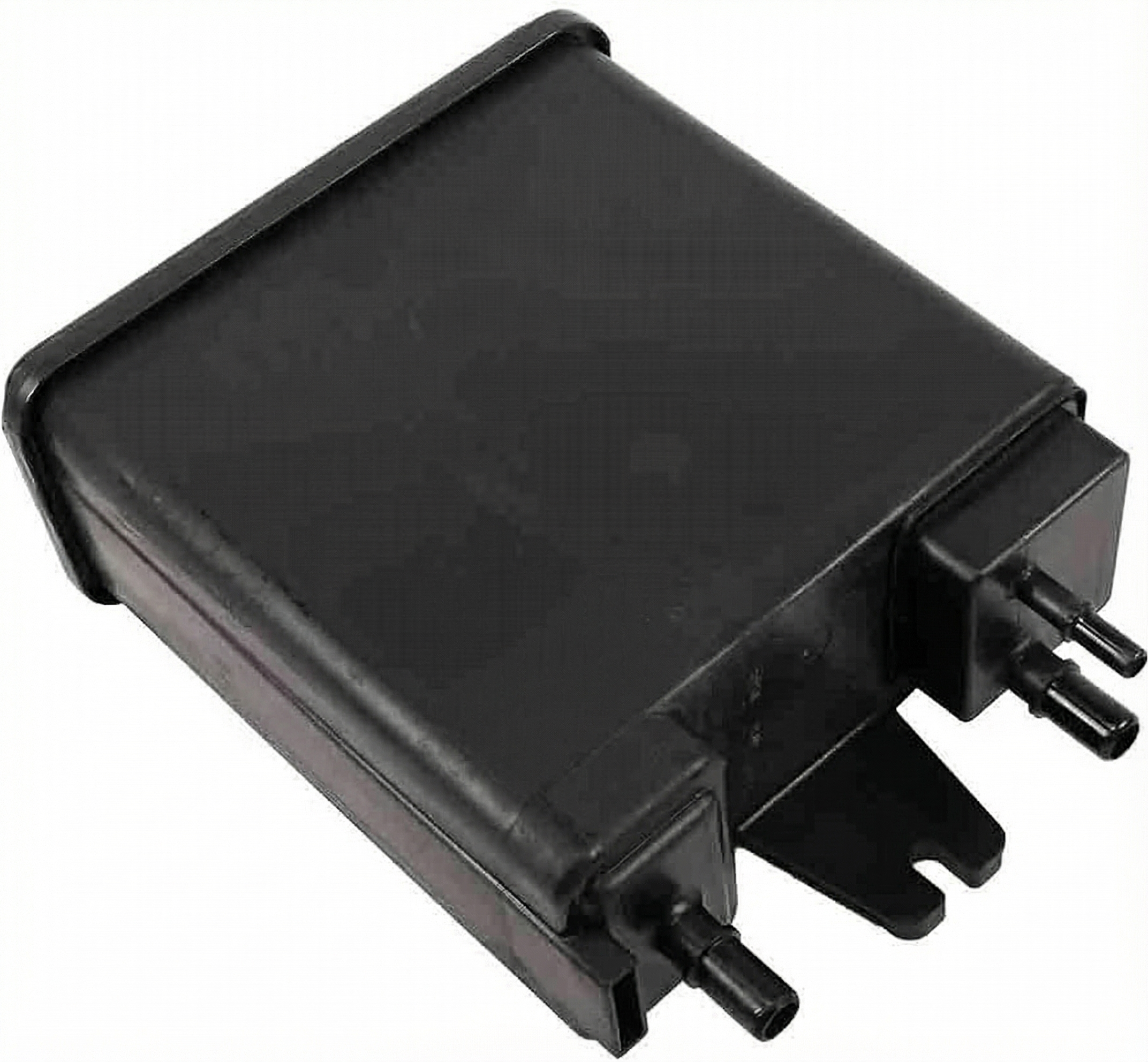

The information in this article is provided for general reference and educational purposes only. Vehicle specifications, procedures, and part compatibility can vary by production date, trim level, and region. Always consult your vehicle's factory service manual and verify part numbers before purchasing or performing repairs. Safety-critical components such as airbags, seat belts, and braking systems should be installed by a qualified professional.
- Hummer H2:
- 🎬 Helpful Videos
- 🛍️ Shop This Part
- What's Unique About the 2002-2009 Hummer H2
- Symptoms You May Notice
- Most Likely Causes
- Rare But Worth Checking
- Diagnosis Steps
- Parts You'll Likely Need
- Related Codes That Often Appear With This One
- Technical Service Bulletins (TSBs) & Recalls
- Platform-Specific Known Issues
- Mechanic-Grade Diagnostic Values
- Scan Tool Commands That Help
- Wiring & Ground Locations
- Real Owner Repair Stories
- "I Checked Everything" — The Actual Cause
- OEM Part Supersession History
- Model Year Variations Within This Range
- Diagnostic Flowchart
- Real Owner Stories
- Hummer H2
- Hummer H2
- Hummer H2
- Hummer H2
- 2008 Hummer H2
- Related OBD-II Codes
- Frequently Asked Questions
- 🎟️ Get 5% Off