

P0449 on 2011-2015 Kia Optima 2.4L: EVAP Vent Valve Circuit Malfunction Causes and Fixes
P0449 on a 2011-2015 Kia Optima indicates an electrical fault in the EVAP system's vent valve circuit. The most common cause is a failed canister close valve (also called a vent valve/solenoid), located near the charcoal canister at the rear of the car. This is a very common failure on this platform and its Hyundai Sonata counterpart. Expect the part to cost between $40 and $100.
- P0449 is an electrical circuit code, not a leak code. Do not start by replacing the gas cap.
- The most likely culprit is the canister close valve (vent solenoid) located at the rear of the car near the fuel tank.
- Before replacing the valve, always inspect its electrical connector and wiring for corrosion or damage, as this is also a common cause.
- The repair is considered DIY-friendly and requires basic hand tools.
- A common symptom of a failing vent valve is the fuel pump nozzle shutting off repeatedly when trying to fill the gas tank.
What's Unique About the 2011-2015 Kia Optima
For this generation of Kia Optima, like many other Hyundai/Kia vehicles of the era, the EVAP system components are known weak points. The canister close valve (vent valve) is located at the rear of the vehicle, mounted to or near the charcoal canister, where it is exposed to moisture and road debris. This exposure often leads to corrosion of the valve's solenoid or its electrical connector, causing the P0449 circuit code. While other EVAP codes might point to a loose gas cap, P0449 on this platform is almost always an electrical issue with the vent valve itself or its wiring. The issue is also extremely common on its platform-mate, the Hyundai Sonata. Additionally, Kia conducted a Voluntary Emissions Service Campaign (SC189) for 2011-2015 Optimas with the 2.4L engine to install an auxiliary canister kit to improve the evaporative system's performance, indicating known issues with the system's capacity or design.
Generation note: The 2011-2015 Kia Optima belongs to the third generation (TF). The information provided is specific to this generation with the 2.4L engine, but the same issue is common on the 2.0L Turbo engine and platform mates.
Symptoms You May Notice
- Check Engine Light is on
- Difficulty filling the fuel tank (gas pump nozzle clicks off repeatedly).
- Slight decrease in fuel efficiency
- Possible faint fuel odor.
- Replacing the gas cap. A faulty gas cap typically causes leak-related codes (like P0455 or P0456), not a circuit malfunction code like P0449.
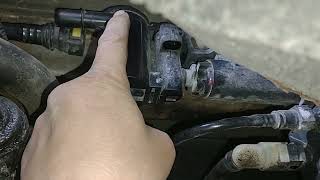
- Replacing the purge valve. The purge valve is a different component 🎬 Watch: Identify the vent valve versus the purge valve located in the engine bay. P0449 specifically points to the vent valve circuit at the rear of the vehicle.
Most Likely Causes
- Failed Canister Close Valve (Vent Valve/Solenoid) 🔴 High Probability The valve is located at the rear of the vehicle, making it susceptible to corrosion and damage from road debris and moisture. It is a very common failure item on this platform and its Hyundai/Kia siblings.
How to confirm: Locate the valve near the charcoal canister at the rear of the vehicle. Check for 12V power at the connector with the key on. You can also apply power and ground directly to the valve's pins to see if the solenoid clicks. If it doesn't click, it has failed. A bidirectional scan tool can also be used to command the valve to cycle, allowing you to listen for the click.
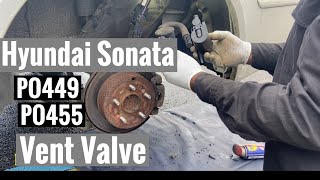
Typical fix: Replace the canister close valve. It typically twists into the charcoal canister assembly. On some models, the entire charcoal canister assembly is replaced 🎬 See this walkthrough for replacing the vent valve solenoid if the valve is integrated and not sold separately.
Est. part cost: $40-$100 - Damaged Wiring or Corroded Connector 🟡 Medium Probability The wiring to the vent valve is routed underneath the vehicle and can be damaged by road debris or suffer from corrosion, especially at the connector pins. This is the next logical item to check after confirming the valve itself is functional.
How to confirm: Visually inspect the wiring harness leading to the canister close valve for any breaks, chafing, or signs of damage. Unplug the connector and check for green or white corrosion on the pins. Use a multimeter to check for continuity from the connector back to the PCM if a break is suspected.
Typical fix: Repair the broken wire(s) or clean the connector terminals with an electrical contact cleaner. If the connector is badly damaged, it may need to be replaced with a pigtail connector.
Est. part cost: $5-$30 - Blown Fuse ⚪ Low Probability
How to confirm: Check the vehicle's fuse boxes (both in the engine bay and inside the cabin) for any blown fuses related to the emissions or EVAP system. A wiring diagram can help identify the specific fuse, which is often labeled 'EMIS' or 'EVAP'. On related models, the 'SENSOR 2' 10A fuse in the engine bay fuse box powers the CCV.
Typical fix: Replace the blown fuse. If the fuse blows again immediately, it indicates a short circuit in the system that must be traced.
Est. part cost: $1-$5
Rare But Worth Checking
- Faulty Powertrain Control Module (PCM): This is extremely rare. All other possibilities, including wiring and the valve itself, should be exhaustively tested before considering PCM replacement. One forum user with a platform-mate Hyundai Sonata reported a bad PCM circuit was the ultimate cause after replacing all other components.
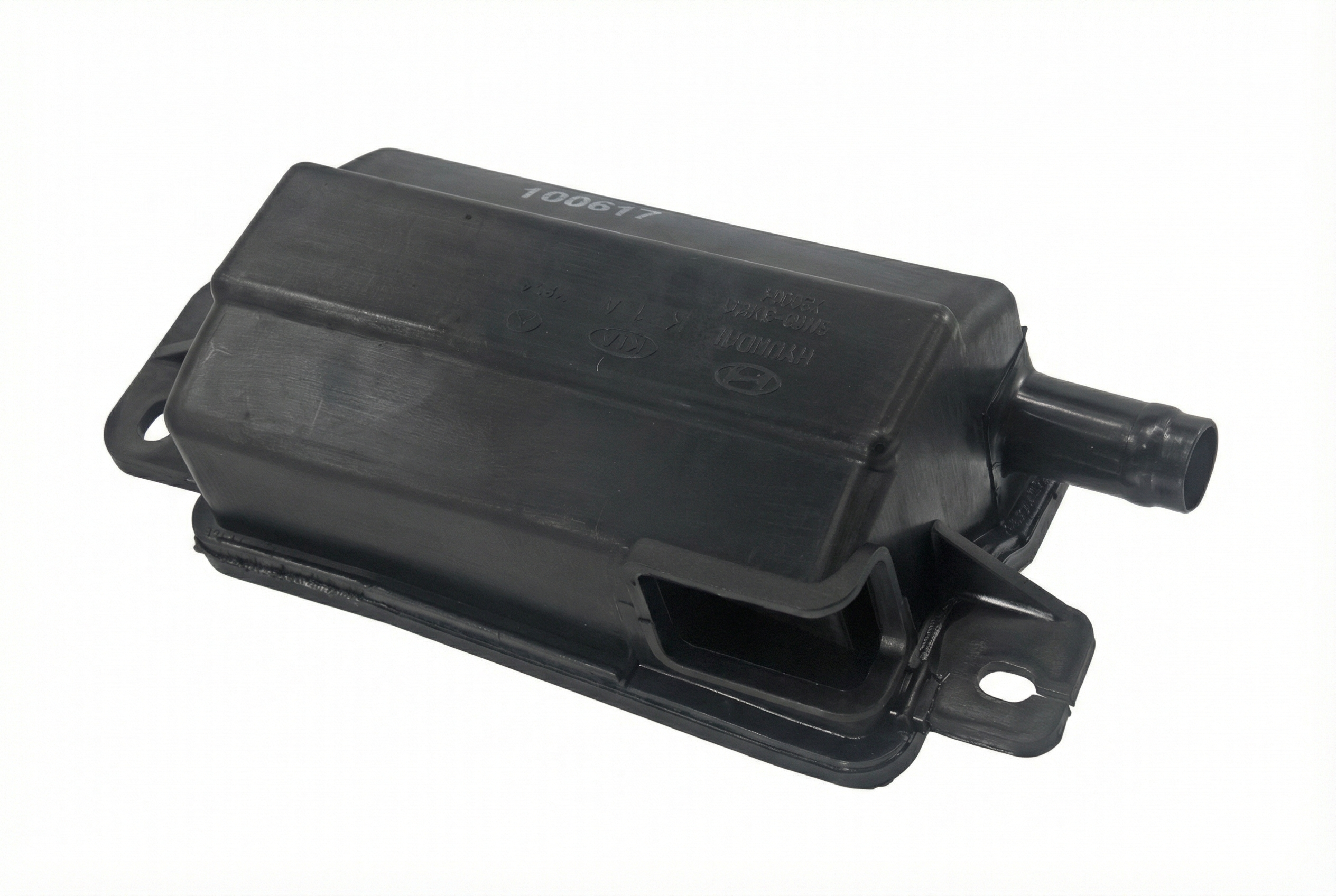
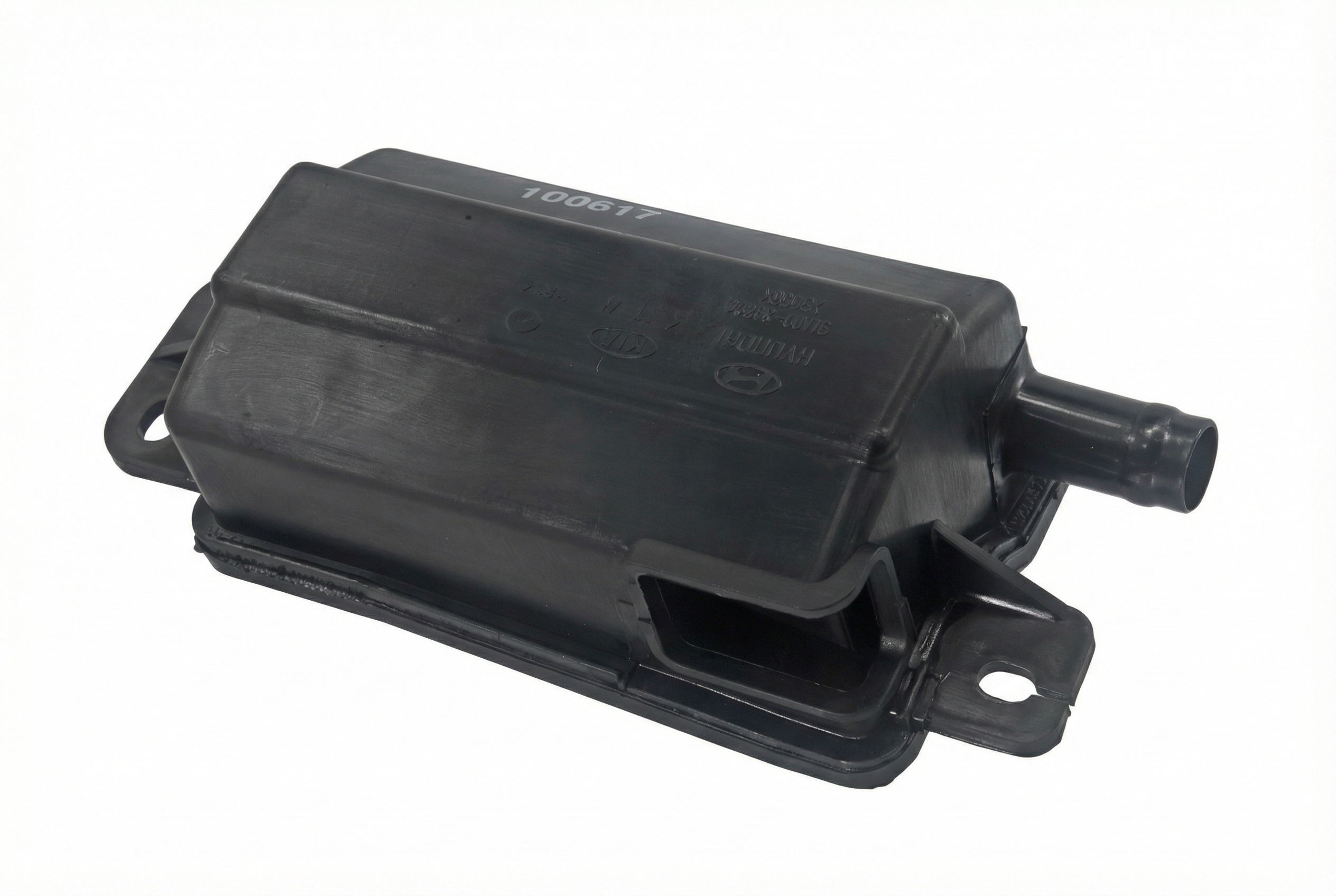
- Environmental Obstructions: A manufacturer service bulletin for related models, TSB Bulletin #PS162R1, notes that P0449 can sometimes be caused by spider webs in and around the evaporative emissions vent.
Diagnosis Steps
- Retrieve the trouble code with an OBD-II scanner to confirm P0449 is the only code present.
- Visually inspect the gas cap to ensure it is tight, but do not replace it as a primary fix for this code.
- Locate the canister close valve (vent valve) and charcoal canister at the rear of the vehicle, near the fuel tank. It is typically mounted directly to the canister.
- Inspect the electrical connector and wiring going to the canister close valve for any visible damage, corrosion, or loose connections.
- Using a multimeter, check for battery voltage at the power wire on the valve's connector with the ignition key in the 'ON' position.
- If power is present, command the valve to close using a capable bidirectional scan tool and listen for an audible click. Alternatively, remove the valve and apply 12V power and ground directly 🎬 Watch: How to diagnose and fix the P0449 circuit code to its terminals to test for operation.
- If the valve does not operate, it is faulty and needs to be replaced.
- If the valve operates but the code persists, check for continuity on the ground/control wire between the valve connector and the PCM. A wiring diagram is essential for this step.
- Check for a blown fuse in the engine bay or interior fuse panels related to the emissions system.
- If all wiring and the valve itself test good, the issue may be with the PCM, but this is highly unlikely and should be professionally diagnosed.
Parts You'll Likely Need
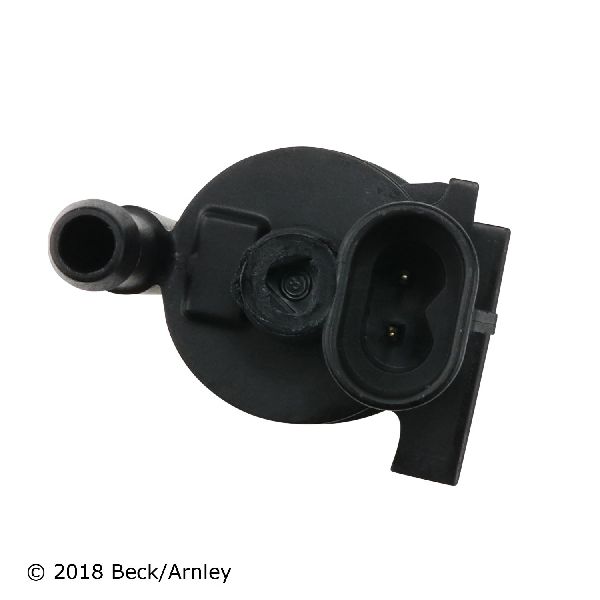
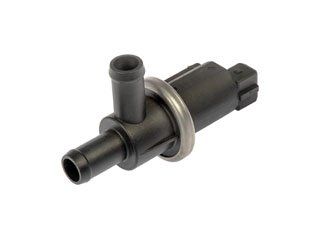
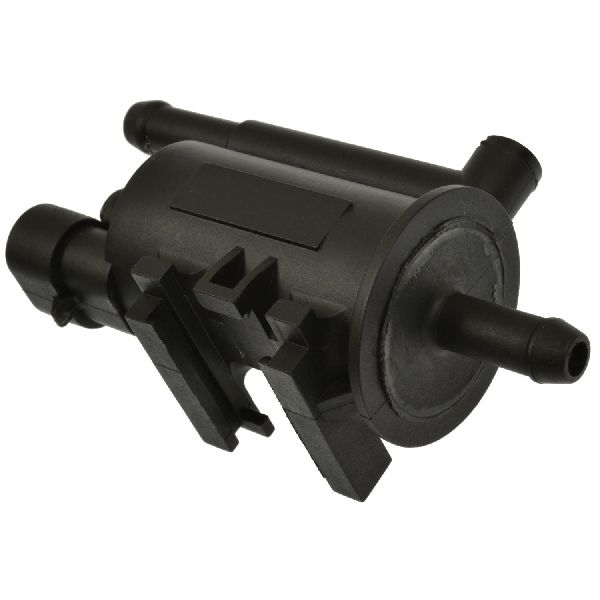
- Canister Close Valve / Vent Valve Solenoid
(OEM #31453-3Q500)— This is the most common failure point for the P0449 code on this vehicle due to its location and electrical nature.
Trusted brands: Kia (OEM), Hyundai (OEM), Bosch, Standard Motor Products (SMP), Dorman
OEM price range: $60-$100
Aftermarket price range: $40-$75
Technical Service Bulletins (TSBs) & Recalls
- TSB FUE038 (Rev 1): While this TSB for the Rio, Soul, and Forte addresses P0449, it points to a different part (Air Drain Case) and not the CCV, highlighting that diagnosis can be complex. It does not apply directly to the Optima but shows a history of EVAP issues in Kia vehicles.
- TSB Bulletin #PS532_R1: This revised bulletin provides guidance for technicians when addressing concerns related to the P0449 vent valve/solenoid circuit.
- TSB Bulletin #PS532: An earlier manufacturer "Pitstop" bulletin specifically addressing the P0449 vent valve/solenoid circuit diagnostic process.
- TSB Bulletin #TSBFUE038: A bulletin noting that vehicles may experience an early shut-off during fuel refill and/or a malfunction indicator lamp (MIL) illumination with DTC P0449.
- TSB Bulletin #TSBFUE038_R1: A revised bulletin confirming that P0449 may be associated with early gas pump shut-off during refueling.
Platform-Specific Known Issues
- TSB for Related Models: While not directly for the Optima, Kia issued TSB FUE038 for other models like the Rio, Soul, and Forte for P0449, indicating a pattern of EVAP component issues across the brand. In that case, the issue was a related 'Air Drain Case' and the TSB specifically advises *not* to replace the Canister Close Valve, showing the complexity of EVAP diagnostics.
- Voluntary Emissions Service Campaign SC189: Kia initiated a voluntary service campaign for 2011-2015 Optimas with the 2.4L engine to address evaporative canisters that might cause the vehicle to exceed emissions standards. The fix involves installing an auxiliary evaporative canister kit. While not directly for code P0449, it shows a known weakness in the factory EVAP system design for this specific vehicle and engine.
Mechanic-Grade Diagnostic Values
- Canister Close Valve (CCV) Solenoid Resistance — expected: 15 - 40 Ohms. Failure: A reading of 0 Ohms (short circuit) or OL/infinity (open circuit) indicates a failed solenoid coil.
- Voltage at CCV Connector (Power Pin) — expected: 12V (Battery Voltage) with Key On, Engine Off. Failure: Significantly less than 12V or no voltage indicates a problem with the power supply wire or a blown fuse.
Scan Tool Commands That Help
- Kia GDS (Global Diagnostic System): EVAP Leakage Test — This function is used to force the EVAP system self-test to run. A technician can use this to command the Canister Close Valve to actuate (close) while monitoring voltage and ground at the valve's connector to confirm if the PCM command is being sent and if the valve is responding.
- Kia GDS (Global Diagnostic System): Active Test / Actuation Test — Allows for individual component control. A technician can specifically command the 'Canister Close Valve' ON and OFF to listen for the audible click of the solenoid, confirming mechanical operation without running the full system test.
Wiring & Ground Locations
- Canister Close Valve Connector — At the rear of the vehicle, plugged into the Canister Close Valve which is mounted on or near the charcoal canister, just forward of the rear bumper assembly.. This is the primary point of failure due to corrosion from road spray and debris. The pins inside the connector and the wires leading to it should be the first place to inspect for damage after confirming the fuse is good.
- Rear Bumper Area Harness — The wiring harness for rear components runs along the chassis, often tucked behind the rear bumper cover and wheel well liners.. This harness is susceptible to chafing or damage from minor impacts or improper repairs. A short to ground or an open in the CCV control wire within this harness can cause a P0449 code even if the valve and its connector are perfect.
- Chassis Ground — There are multiple chassis ground points in the rear of the vehicle, typically a bolt with several wires attached to the metal frame or body, often under trim panels or behind the bumper.. While the CCV is controlled by the PCM via a ground signal, the entire circuit relies on a solid main chassis ground. A corroded or loose ground point in the rear of the car can cause intermittent and difficult-to-diagnose electrical issues for multiple components, including the EVAP system.
Real Owner Repair Stories
- Kia-Forums.com user (2012 Kia Optima) — Check Engine Light with code P0449.
❌ Tried (didn't work) Replaced the Canister Close Valve (CCV) twice with new parts., Checked the fuse, which was okay.
✅ What actually fixed it Found a broken wire in the harness that runs near the rear bumper. The wire had chafed against the chassis and broken internally. Splicing the broken wire and protecting the harness with loom and tape resolved the code permanently.
Model Year Variations Within This Range
- 2011-2015: The vehicle's build location, indicated by the first digit of the VIN ('5' for USA, 'K' for Korea), can affect which specific part numbers are used for body and chassis components, including bumper reinforcements and potentially the EVAP canister assembly. While the CCV valve itself (31453-3Q500) appears to be consistent, it's a good practice to verify fitment using the VIN, especially if replacing the entire canister assembly.
Diagnostic Flowchart
Other Known Issues on This Vehicle
Issues unrelated to this code that are worth knowing about as an owner of this generation:
- Theta II Engine Failure (Rod Bearing Wear) 🔴 High — Widespread across 2.4L GDI and 2.0L Turbo engines, often occurring under 100,000 miles. Led to multiple class-action lawsuits and recalls. (Ref: NHTSA Recall 17V-224 (SC147). A settlement extended the warranty and provided a Knock Sensor Detection System (KSDS) software update.)
- Degrading Steering Coupler 🟠 Medium — Very common; owners report a clicking or 'notchy' feeling in the steering wheel, especially on low-speed turns. The rubber coupler disintegrates over time. (Ref: Kia Customer Satisfaction Program CS1604 extended the warranty for this part to 10 years/unlimited mileage. The part itself is inexpensive, but labor can be a few hours.)
- HECU Electrical Short (Fire Risk) 🔴 High — Affects a wide range of Kia/Hyundai models, including the 2011-2015 Optima. Can cause an engine compartment fire while parked or driving. (Ref: NHTSA Recall 23V-652 (Kia SC284). The remedy involves replacing a fuse in the HECU. Owners are advised to park outside until the repair is performed.)
- Engine Seizing and Fires 🔴 High — The 2011-2015 model years are noted as particularly problematic, with numerous complaints of engines seizing on the highway and some instances of fires. (Ref: Related to the main Theta II engine recalls and lawsuits.)
Used vs. New Parts: Buying Guide for This Vehicle
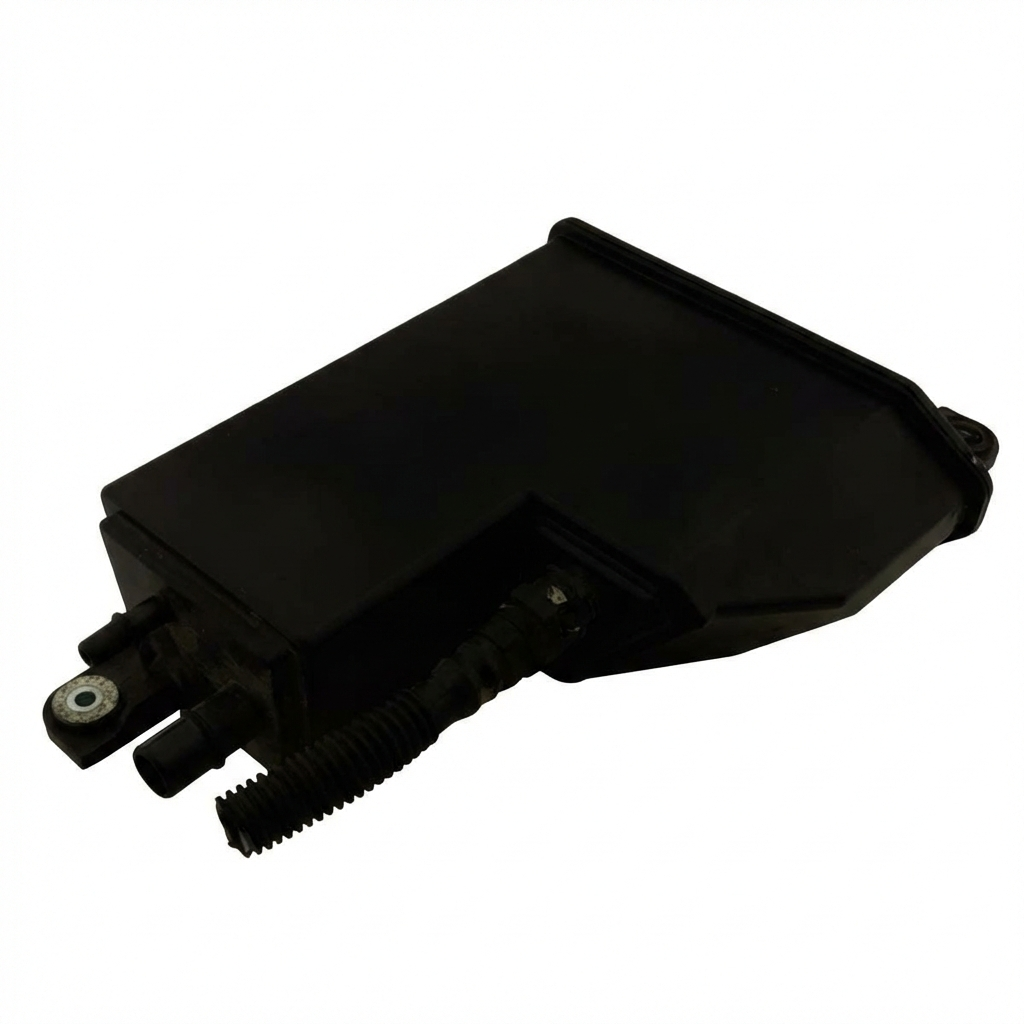
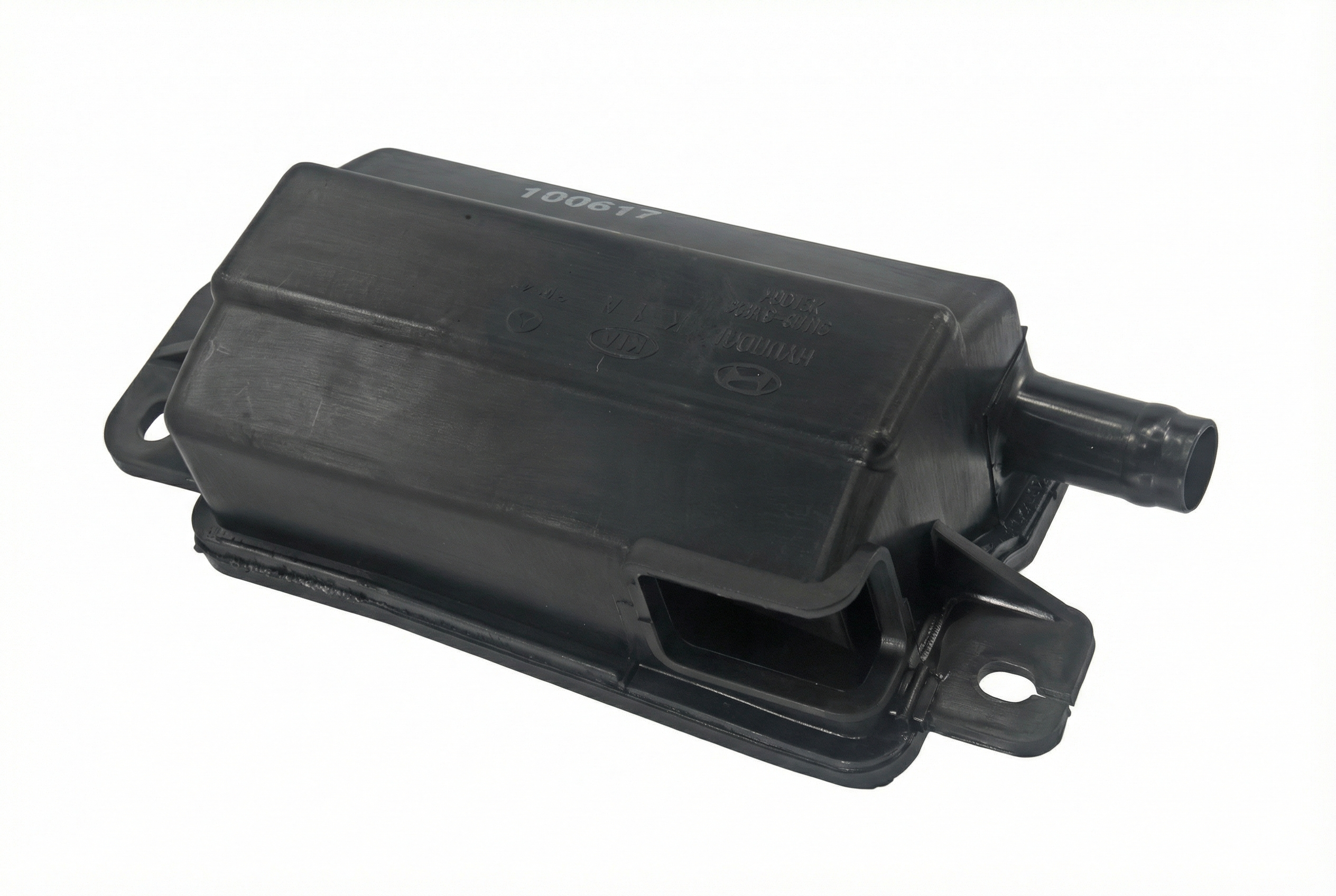
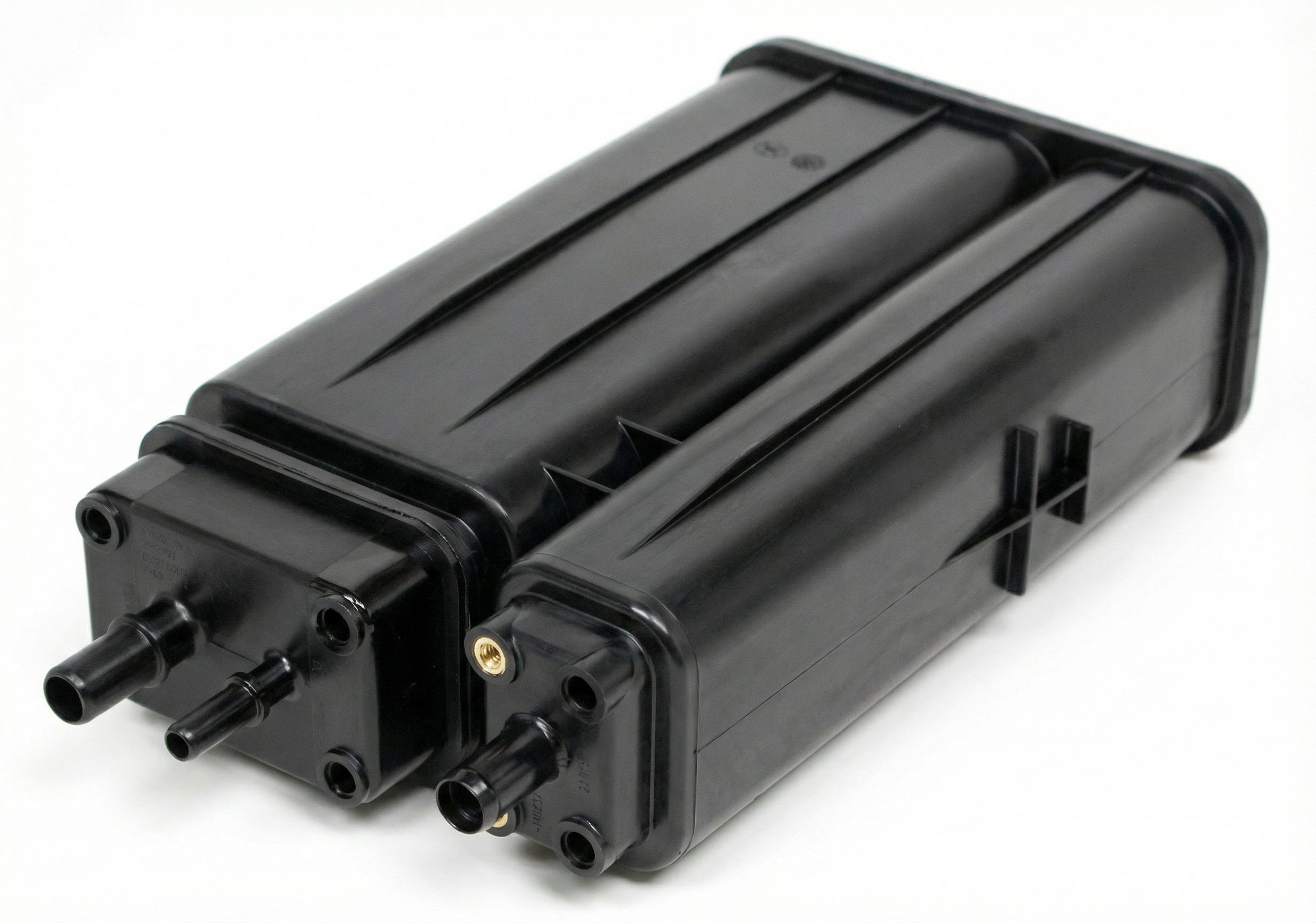
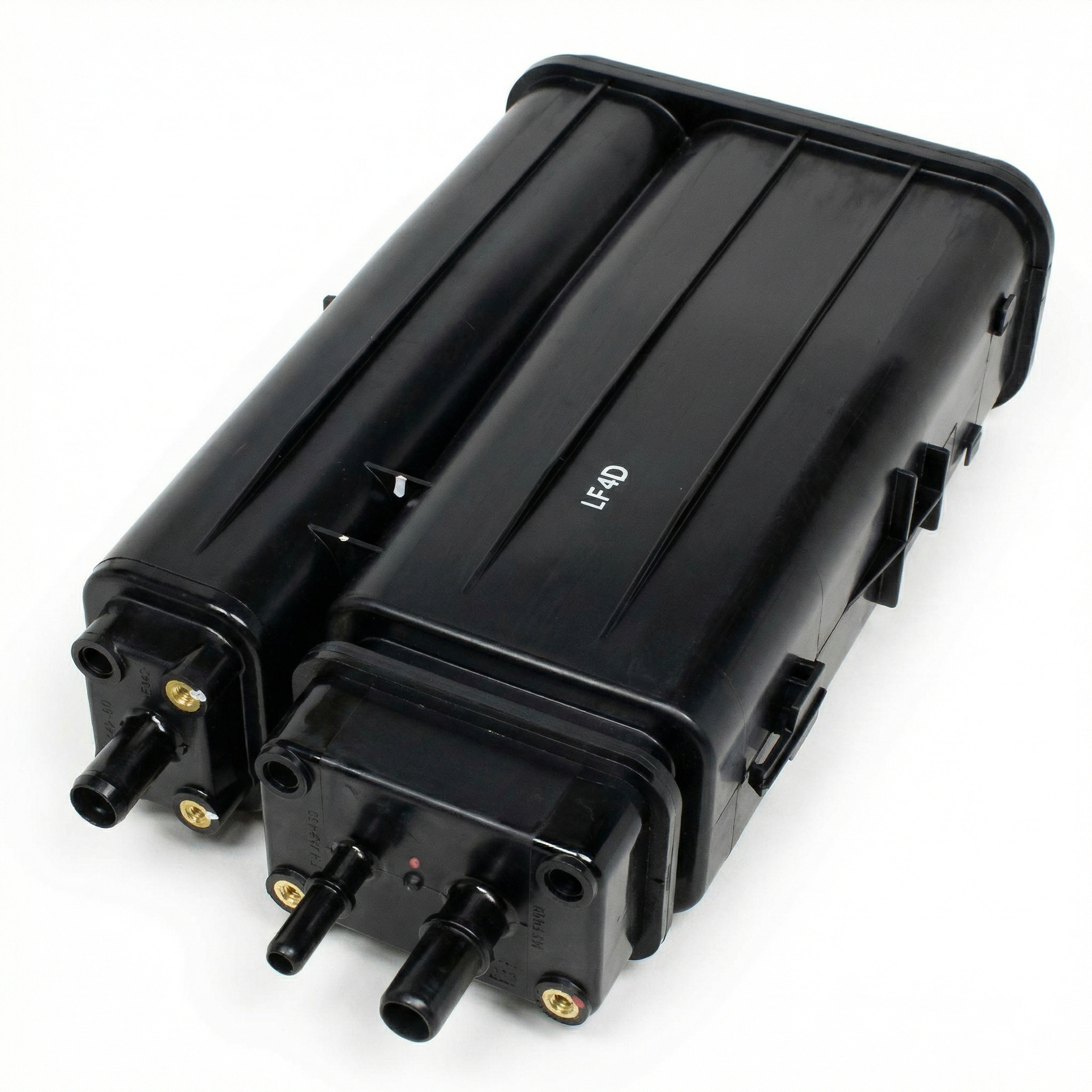
When a used part is the smart pick: A used part makes sense for the entire charcoal canister assembly if it's significantly cheaper than new and the Canister Close Valve (CCV) is integrated and not sold separately. Since the CCV is the primary failure point, a used valve alone is not recommended.
Donor-vehicle mileage cap: roughly under 80000 miles for the part to have meaningful remaining life.
What to inspect on the donor part:
- Inspect the plastic body of the charcoal canister for any hairline cracks, especially around the mounting tabs.
- Check the electrical connector port on the CCV for any signs of green or white corrosion or broken plastic.
- Ensure all hose connection nipples are intact and not cracked or brittle.
- If possible, test the resistance of the used CCV before purchase; it should be between 15-40 ohms.
Aftermarket brands forum-validated for this vehicle:
- Standard Motor Products (SMP)
- Dorman
Brands owners have reported issues with on this vehicle:
- No-name, ultra-low-cost parts from online marketplaces without warranties or brand reputation.
Real Owner Stories
Aggregated from forums and TSBs cited above. Mileages and costs reflect what owners reported in those sources.
2011 Hyundai Sonata 2.4L
Symptoms: A persistent P0449 code issue after all EVAP components had already been replaced.
What fixed it: The final cause was determined to be a bad circuit within the Powertrain Control Module (PCM).
Source hint: Reddit r/AskMechanics thread 'p0449_code_issue'
2011-2015 Kia Optima 2.4L
Symptoms: Check Engine Light on with code P0449.
What fixed it: Replacing the canister close valve (vent valve) solved the problem, which is the most common fix reported by owners.
Source hint: optimaforums.com
Related OBD-II Codes
Frequently Asked Questions
Is there a recall for the P0449 code on my 2013 Kia Optima?
My mechanic wants to replace the canister close valve for P0449. Is this the most common fix for this car?
I saw a TSB for P0449 on other Kia models. Does TSB FUE038 apply to my Optima?
Besides the check engine light, what other symptoms might I notice with a P0449 code on my Optima?
The vent valve on my Optima seems to be working. What's the next most likely cause for P0449?
Could a simple blown fuse cause the P0449 code?
I have a 2012 Hyundai Sonata with a P0449 code. Is the repair similar to the Kia Optima?
Helpful Videos

Used OEM Parts in Stock
New Aftermarket Parts Available


The information in this article is provided for general reference and educational purposes only. Vehicle specifications, procedures, and part compatibility can vary by production date, trim level, and region. Always consult your vehicle's factory service manual and verify part numbers before purchasing or performing repairs. Safety-critical components such as airbags, seat belts, and braking systems should be installed by a qualified professional.
- Kia Optima:
- 🎬 Helpful Videos
- 🛍️ Shop This Part
- What's Unique About the 2011-2015 Kia Optima
- Symptoms You May Notice
- Most Likely Causes
- Rare But Worth Checking
- Diagnosis Steps
- Parts You'll Likely Need
- Technical Service Bulletins (TSBs) & Recalls
- Platform-Specific Known Issues
- Mechanic-Grade Diagnostic Values
- Scan Tool Commands That Help
- Wiring & Ground Locations
- Real Owner Repair Stories
- Model Year Variations Within This Range
- Diagnostic Flowchart
- Other Known Issues on This Vehicle
- Used vs. New Parts: Buying Guide for This Vehicle
- Real Owner Stories
- 2011 Hyundai Sonata 2.4L
- 2011-2015 Kia Optima 2.4L
- Related OBD-II Codes
- Frequently Asked Questions
- 🎟️ Get 5% Off