

P0442 on 2015-2018 Volvo V60: EVAP Small Leak Causes and Fixes
For a 2015-2018 Volvo V60, a P0442 code is most often caused by a loose or faulty gas cap. Always check that it's tight and the seal is intact before inspecting other parts. A genuine Volvo replacement cap (Part No. 31392044) is inexpensive and a very common fix. If the cap doesn't solve it, a smoke test is the next step.
- Always start by checking that the gas cap is tight and its seal is not cracked; this is the most common and cheapest fix.
- If a new OEM gas cap doesn't solve the problem, a smoke test is the most efficient way to find the leak.
- The canister purge valve is the next most likely component to fail after the gas cap.
- Be aware of a rare but possible leak from a corroded fuel vent pipe near the filler neck if the code persists after replacing common parts.
- Driving with this code is safe, but you will fail an emissions test.
What's Unique About the 2015-2018 Volvo V60
The first-generation Volvo V60 (P3 platform) has a reliable but sensitive EVAP system. While the gas cap is a frequent culprit, these vehicles can also suffer from less obvious leaks. A notable issue found by owners is corrosion on the aluminum fuel vent pipe near the filler neck, which can cause a persistent P0442 code even after common parts are replaced. Diagnosis requires a smoke test to find these hard-to-see leaks, as the leak can be a tiny pinhole under the pipe's coating.
Symptoms You May Notice
- Check Engine Light is on
- A faint fuel smell may be noticeable, particularly around the rear of the car.
- No impact on drivability or engine performance.
- Replacing the purge valve or other expensive components before thoroughly checking or replacing the gas cap.
- Using a cheap, non-OEM gas cap which fails to seal properly and does not resolve the code.
- Overlooking a software issue. On some older platforms, Volvo issued software updates to change the sensitivity of the EVAP monitor, though this is less common for a P0442 than for other codes.
Most Likely Causes
- Loose or Faulty Gas Cap 🔴 High Probability The rubber gasket on the gas cap degrades over time, leading to a poor seal. Aftermarket caps are also known to cause sealing issues, so an OEM cap is highly recommended.
How to confirm: First, ensure the cap is tightened until it clicks. Remove the cap and inspect the rubber seal for cracks, stiffness, or damage. Check the fuel filler neck for rust or debris. A cracked seal is a definitive sign for replacement.
Typical fix: Replace the gas cap with a new, genuine OEM part (Volvo P/N 31392044).
Est. part cost: $25-$50 - Cracked or Disconnected EVAP Hose 🟡 Medium Probability Rubber hoses and plastic lines become brittle with age and exposure to heat cycles, leading to small cracks, especially at connection points or where they bend. The 'J-hose' near the charcoal canister is a common spot for this.
How to confirm: Visually inspect all accessible EVAP system hoses, from the engine bay to the charcoal canister near the fuel tank. A smoke test is the most effective way to find a small hose leak, as smoke will visibly escape from the crack.
Typical fix: Replace the cracked section of hose or secure the loose connection. Sometimes entire hose assemblies need to be replaced.
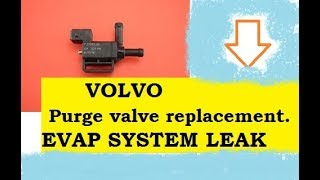
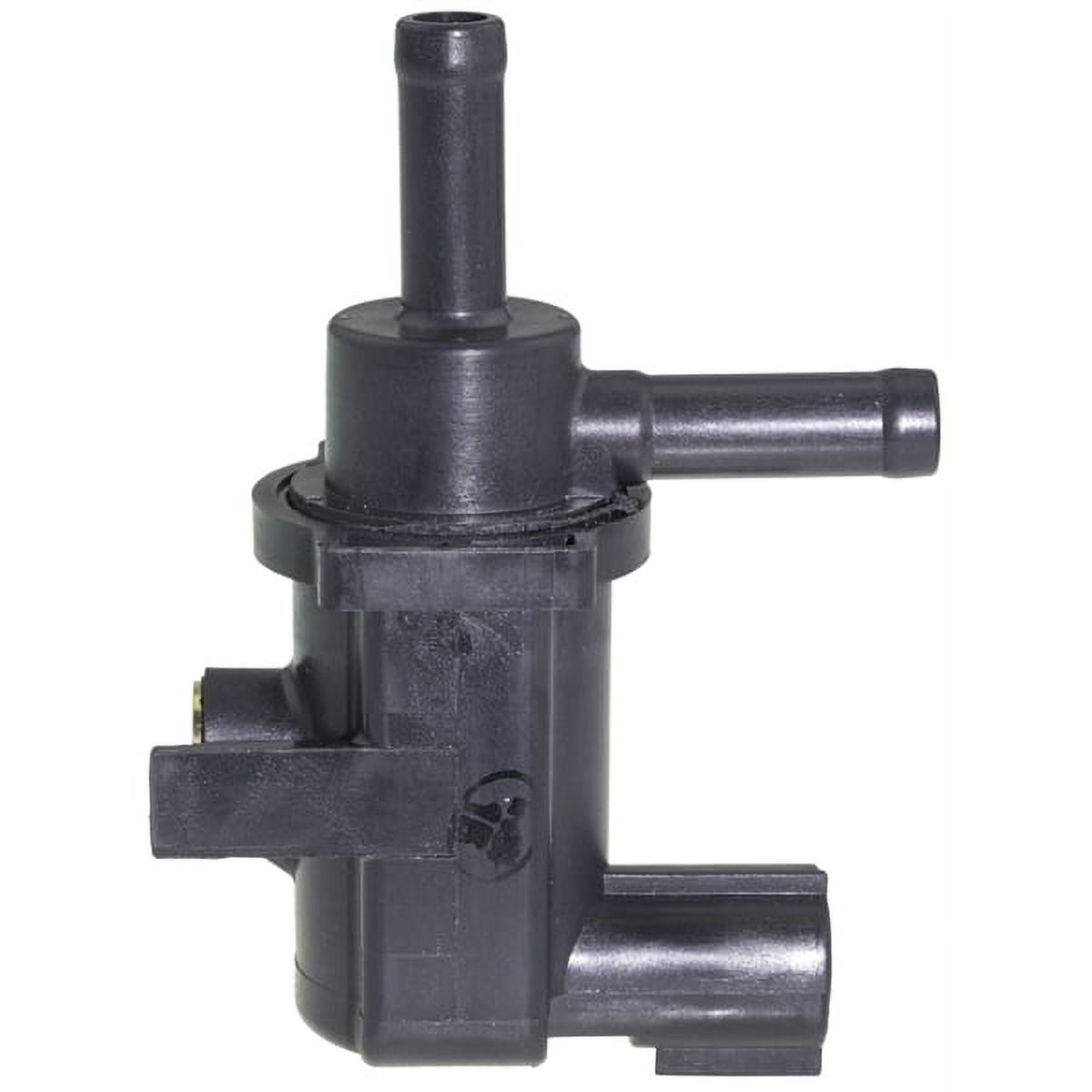
Est. part cost: $10-$60 - Faulty EVAP Canister Purge Valve/Solenoid 🟡 Medium Probability The purge valve can become stuck partially open or fail to close completely, creating a constant small leak that the system detects during its self-test.
How to confirm: With the engine off, remove the valve and try to blow through it; it should be closed and not allow air to pass. A professional can also command it open and closed with a scan tool to test its function. A leaking valve may also cause a slightly rough idle.
Typical fix: Replace the purge valve assembly. 🎬 See how to test and replace the purge solenoid valve
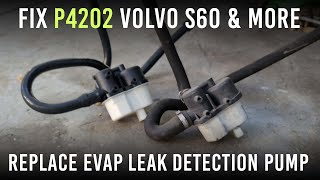
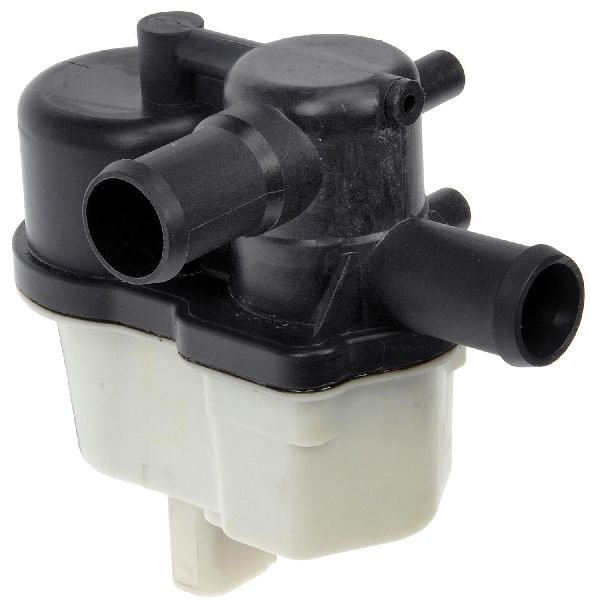
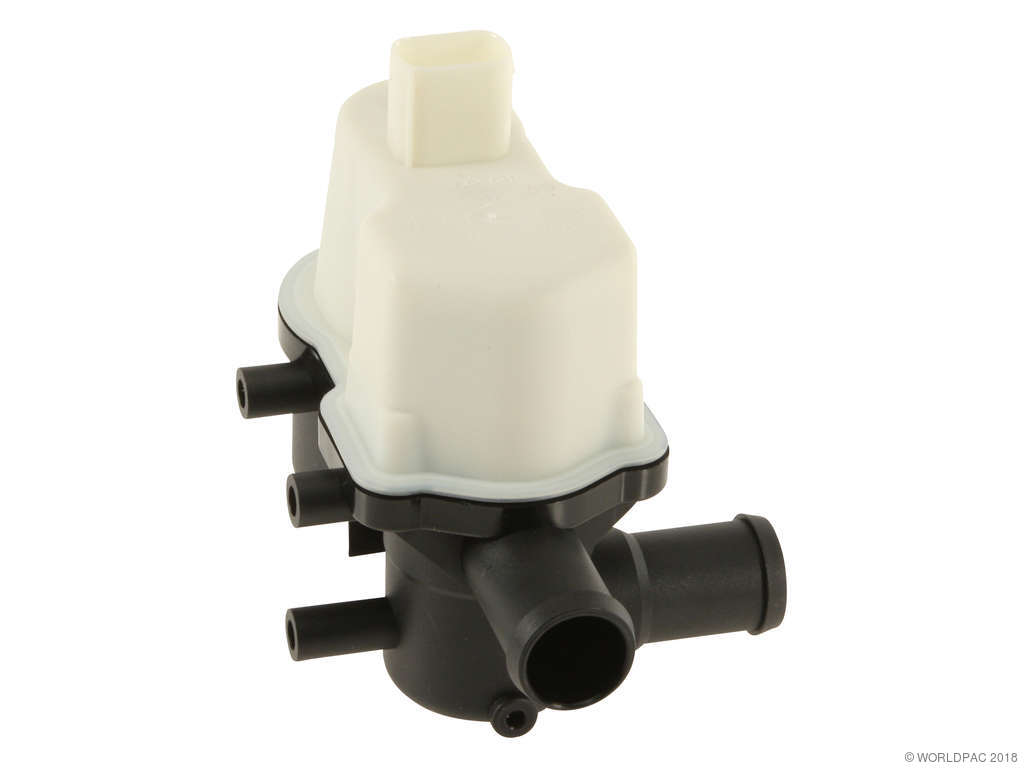
Est. part cost: $60-$150 - Failed Leak Detection Pump (LDP) or Vent Valve ⚪ Low Probability The LDP is the component that pressurizes the system for the leak test. It contains seals, a heating element, and a valve that can fail, creating a leak path. This is a known failure point on many Volvo platforms.
How to confirm: This component is difficult to test without a specialized bidirectional scan tool (like Volvo's VIDA) that can activate the EVAP system test. A smoke test may show smoke exiting the LDP/vent valve area if it is faulty.
Typical fix: Replace the leak detection pump, which is often located near the charcoal canister in the rear wheel well area. 🎬 Watch: Step-by-step guide to replacing the leak detection pump
Est. part cost: $150-$250
Rare But Worth Checking
- Corroded Fuel Filler Vent Pipe: A documented case on a 2015 V60 🎬 Watch: Finding a hidden pinhole leak in the vent pipe Cross Country showed a pinhole leak in the aluminum fuel vent pipe near the rear passenger wheel well. This was caused by corrosion under the pipe's protective coating and was only found after a very thorough smoke test when other common fixes failed. The owner heard a faint hiss and saw a wet spot on the fender liner during the smoke test. This should be investigated if the code persists.
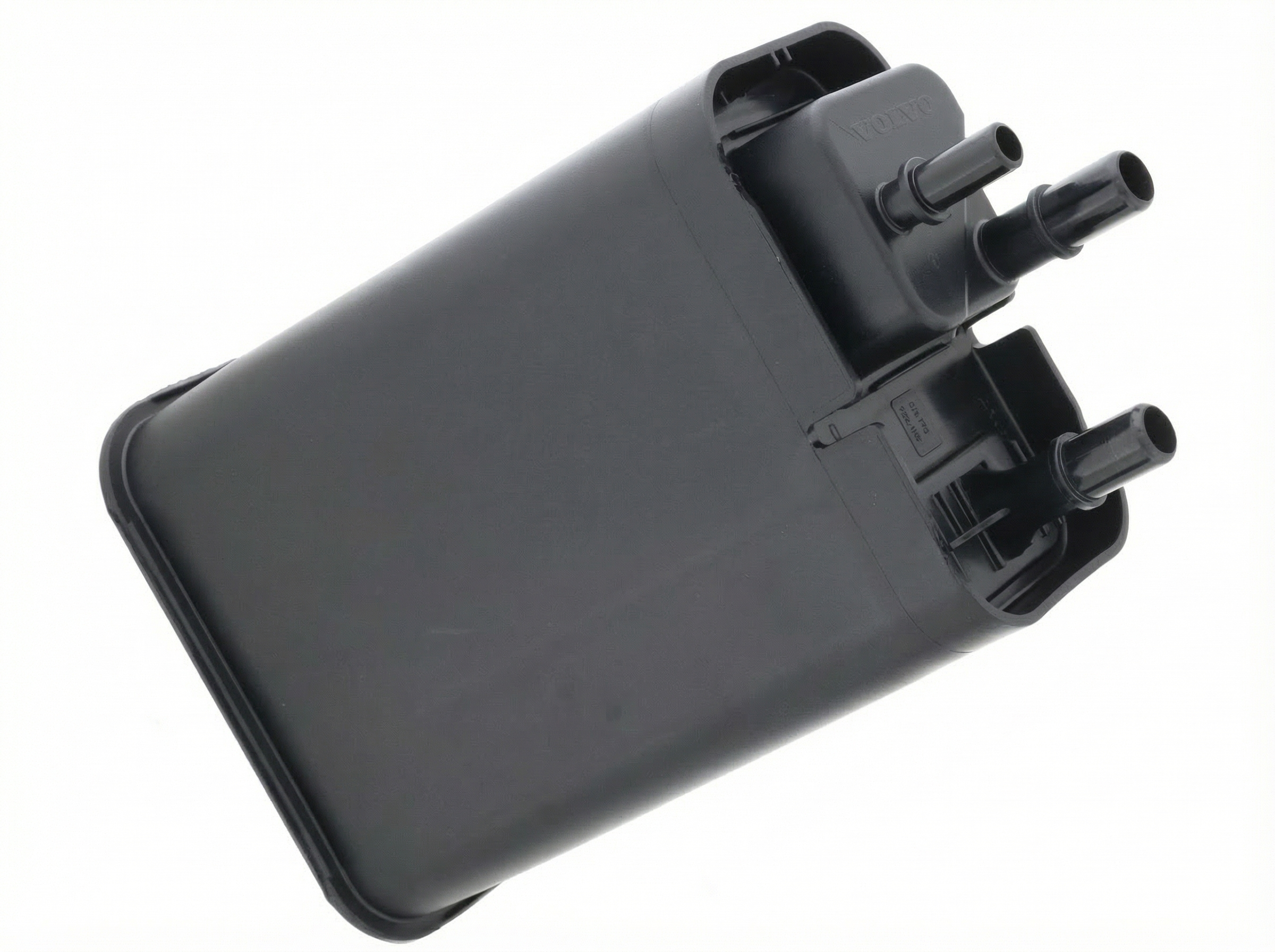
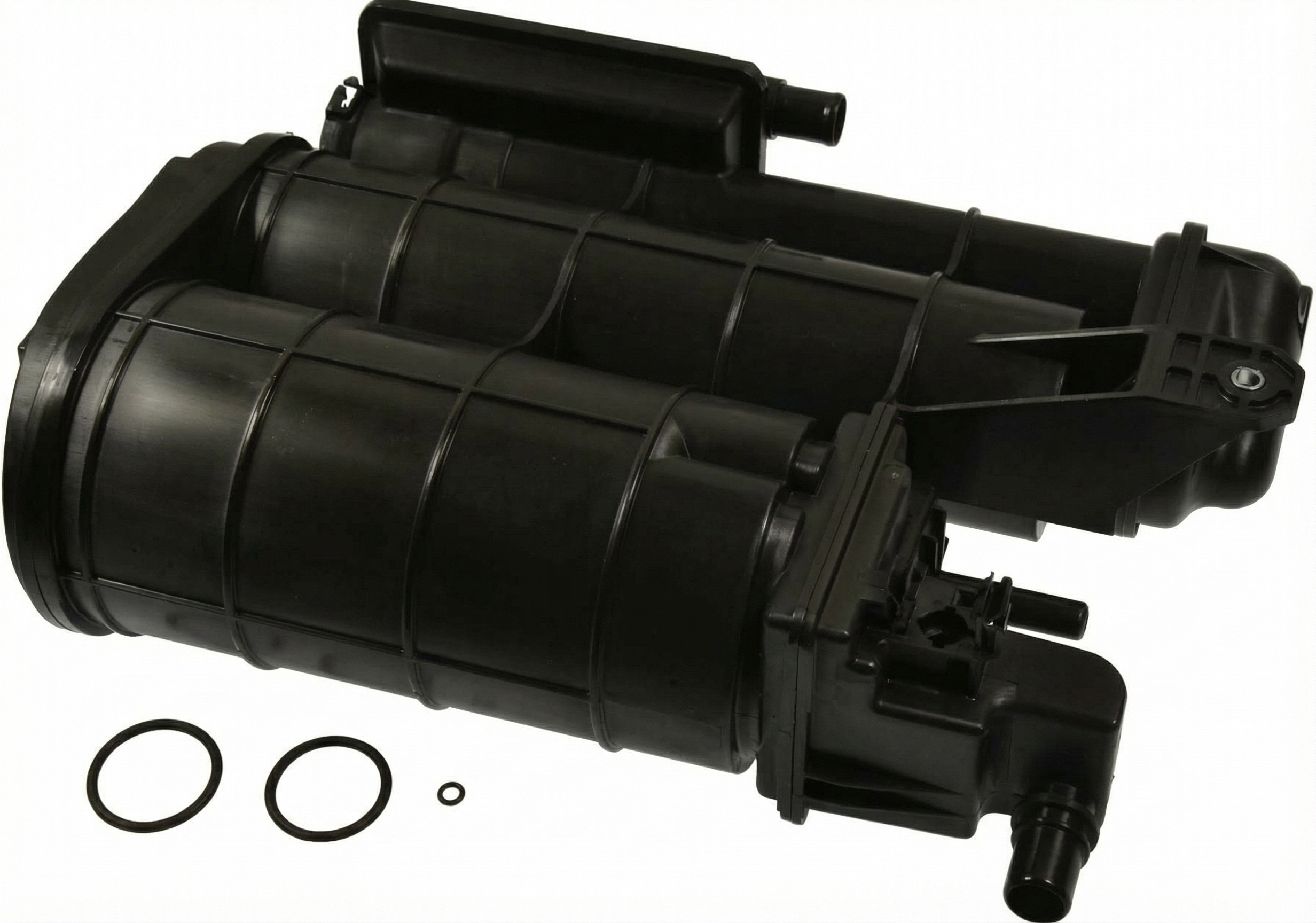
- Cracked Charcoal Canister: The plastic housing of the charcoal canister can be cracked by road debris or impact, creating a leak. This is usually obvious during a visual inspection or a smoke test where smoke will pour out of the canister body.
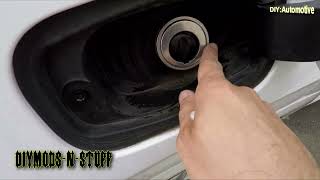
- Dirty or Faulty Capless Fuel Filler Neck Seal: Some later models may have a capless system. The spring-loaded door has a seal that can accumulate dirt or fail, preventing a proper seal after refueling. Cleaning the seal with a rag and a small amount of silicone lubricant can sometimes resolve the issue. If the seal is damaged, the filler neck may need replacement.
Diagnosis Steps
- Check the Gas Cap: Remove and reinstall the gas cap, ensuring it clicks several times. Inspect the cap's rubber seal for any cracks or signs of wear. If the seal is damaged, replace the cap with an OEM part (Volvo P/N 31392044).
- Clear Code and Drive: After checking the cap, clear the code with an OBD-II scanner and drive the vehicle for a few days to see if the Check Engine Light returns. The EVAP monitor runs under specific conditions (fuel level, temperature), so it may take several drive cycles.
- Visual Inspection: If the light returns, perform a thorough visual inspection of all visible EVAP hoses and lines in the engine bay and around the fuel tank/charcoal canister area for obvious cracks or disconnections.
- Perform a Smoke Test: The most reliable way to find a small leak is to have the EVAP system professionally smoke tested. A machine injects low-pressure, non-harmful smoke into the system via a service port. The leak will be revealed by smoke exiting the faulty component (hose, valve, canister, etc.).
- Test Components: If no smoke is visible, suspect components like the purge valve or leak detection pump may be leaking internally. The purge valve can be bench-tested by applying voltage and checking if it holds vacuum. The LDP is best tested with a high-end scan tool.
- Investigate Rare Causes: If common parts are replaced and the code still returns, perform another, more detailed smoke test. Remove the rear passenger wheel and fender liner to closely inspect the fuel filler neck and associated vent pipes for corrosion-related pinhole leaks, as documented by other owners.
Parts You'll Likely Need
- Fuel Tank Cap
(OEM #31392044 (supercedes 31261716, 30769237, 30636587))— This is the most common failure point. The seal wears out, preventing the system from holding pressure. Using a genuine Volvo part is critical for a proper seal.
Trusted brands: Genuine Volvo
OEM price range: $25-$50
Aftermarket price range: $15-$30 - Vapor Canister Purge Valve
(OEM #31478982)— This valve can stick open, causing a persistent small leak that is detected by the ECM.
Trusted brands: Genuine Volvo, Bosch, Pierburg
OEM price range: $90-$150
Aftermarket price range: $60-$100 - Fuel Vapor Canister / Leak Detection Pump Assembly
(OEM #31405829)— Though less common, the canister can be cracked by road debris or the integrated vent valve/LDP can fail internally, causing a leak that is not visible externally.
Trusted brands: Genuine Volvo
OEM price range: $320-$400
Aftermarket price range: $200-$300
Related Codes That Often Appear With This One
- P0455 — Indicates a large EVAP leak. If a small leak (P0442) worsens, or if a component fails catastrophically, it may eventually trigger the P0455 code.
- P0456 — Indicates a very small EVAP leak. These codes share the exact same causes, just with different leak size thresholds detected by the ECM.
Platform-Specific Known Issues
- A known, but rare, issue is corrosion causing a pinhole leak on the aluminum fuel filler vent pipe, located in the rear passenger wheel well. This can be very difficult to find without a smoke test and may persist after replacing more common parts like the gas cap and purge valve.
Mechanic-Grade Diagnostic Values
- Leak Detection Pump (LDP) Bench Test — expected: When 12V is cycled to the pump with a constant vacuum source applied, an attached balloon should inflate and hold the air indefinitely.. Failure: If the balloon fails to inflate, or inflates and then slowly deflates, the LDP's internal diaphragm or valve is leaking and the pump is faulty.
- EVAP Purge Valve Coil Resistance — expected: Specific resistance (Ohm) values for the Volvo P/N 31478982 are not published in public-facing service literature. A generic test is to check for continuity; a reading of infinite resistance indicates a failed coil.. Failure: An open circuit (infinite ohms) across the two pins of the valve's electrical connector.
Hidden / Shadow Codes Worth Checking
- ECM-430D: This is the Volvo-specific Diagnostic Trouble Code (DTC) that corresponds to the generic OBD-II code P0442, indicating a small leak in the fuel system. (see via A Volvo-specific scan tool like VIDA is required to read this proprietary code.)
Scan Tool Commands That Help
- Volvo VIDA: Quick test of fuel tank system — This is a powerful bidirectional command used after a visual inspection and smoke test find no obvious leaks. Navigate to Vehicle Communications -> Advanced -> 'Quick test of fuel tank'. The tool commands the LDP to pressurize the system and provides a definitive result of 'Major leakage', 'Minor leakage', or 'System fine', which can confirm an internally leaking component like the LDP or purge valve without guesswork.
- Professional Bidirectional Scan Tool (e.g., Foxwell, Autel): EVAP System Vent Valve/Solenoid - Close — This command is essential for performing a smoke test. The EVAP vent valve is normally open. To seal the system so it can be filled with smoke, a scan tool is used to command the vent valve closed. If smoke immediately exits the vent valve area, the valve itself has failed and is not closing.
Wiring & Ground Locations
- EVAP Purge Valve Connector — In the engine bay, typically mounted on or near the intake manifold. It will have one electrical connector and two vacuum/vapor hoses attached.. This connector provides power to the purge valve solenoid. Corrosion or damage at this connector can prevent the valve from operating correctly, potentially causing it to stick open and create a leak.
- Leak Detection Pump (LDP) Connector — Near the charcoal canister, typically located in the rear driver's or passenger's side wheel well area, behind the fender liner.. This connector powers the LDP. A poor connection can prevent the LDP from running its test cycle, leading to fault codes. The location is exposed to road spray, making it susceptible to corrosion.
- General Ground Points — While specific EVAP ground points are not detailed in public diagrams, Volvo P3 platform vehicles have major ground connection points on the strut towers in the engine bay.. A faulty ground can cause erratic behavior in any electrical component, including EVAP solenoids and pumps. While not a primary suspect for P0442, checking that main chassis grounds are clean and tight is a good practice during complex electrical diagnosis.
Real Owner Repair Stories
- Reddit user on r/Volvo (2015 Volvo V60 Cross Country (P3 Platform)) — Persistent P0442 Check Engine Light
❌ Tried (didn't work) Replaced gas cap with new OEM part, Replaced purge valve assembly, Replaced Leak Detection Pump (LDP)
✅ What actually fixed it After multiple smoke tests failed to find a leak, a very thorough inspection during another smoke test revealed the true cause. A faint hiss was heard near the rear passenger wheel. After removing the inner fender liner, a pinhole leak was discovered on the aluminum fuel vent pipe, caused by corrosion that had formed under the pipe's protective coating. The pipe was replaced to fix the code. - YouTube user DIYMODS NSTUFF (Later model Volvo with capless fuel filler) — P0442 code appeared after refueling.
❌ Tried (didn't work) Initial diagnosis pointed towards common EVAP components like purge valves or canisters.
✅ What actually fixed it The problem was a dirty seal on the capless fuel filler neck. Debris was preventing the spring-loaded flap from sealing correctly. The fix was to thoroughly clean the white rubber seal inside the filler neck with a degreaser on a rag, followed by a light application of a silicone-based lubricant. After several drive cycles, the code cleared.
"I Checked Everything" — The Actual Cause
- The most notable example for this vehicle is a corrosion-induced pinhole leak in the fuel filler vent pipe. A standard smoke test may not reveal it because the leak can be extremely small and hidden behind the rear wheel fender liner and under the pipe's own coating. A technician must be specifically looking for it, often in a quiet environment, to hear the faint hiss.
- An internally failed Leak Detection Pump (LDP) or Purge Valve will not produce a visible leak during a smoke test. The system will appear sealed, but the component itself is leaking, allowing pressure to escape when the system self-tests. This is confirmed by running the 'Quick test of fuel tank system' in Volvo's VIDA software, which will report a leak despite a 'clean' smoke test.
OEM Part Supersession History
31261716, 30769237, 30636587→31392044— Standard design updates and supplier changes for the fuel cap over the vehicle's lifecycle.31299059, 31319683→31405829— Updated design for the Fuel Vapor Canister / Leak Detection Pump assembly.
Heads up: While some aftermarket listings may show older part numbers as compatible, 31405829 is the correct, updated OEM part for most 2.0L P3 platform vehicles in this year range. Using an incorrect or older version may lead to system incompatibility.
Model Year Variations Within This Range
- 2015-2018: Within this range, Volvo used both traditional twist-on gas caps and capless fuel filler systems, depending on the specific engine and market. This is a critical first diagnostic check. A P0442 on a cap-style system points to the cap's rubber seal. On a capless system, the cause is often dirt/debris on the spring-loaded filler neck seal, requiring cleaning rather than part replacement.
Diagnostic Flowchart
Other Known Issues on This Vehicle
Issues unrelated to this code that are worth knowing about as an owner of this generation:
- Excessive Oil Consumption 🔴 High — A known issue on some 2015-2016 models with the 2.0L Drive-E engines. Can be caused by faulty piston rings. Often requires significant engine work or replacement to resolve. (Ref: Volvo issued technical journals related to this, but no widespread recall.)
- Automatic Transmission Issues 🟠 Medium — Owners report rough shifting, hesitation, or jerky gear changes, particularly between 60,000-100,000 miles. Often attributed to the valve body or solenoids.
- Leaking Windscreen Seals 🟡 Low — A known P3 platform issue where improper bonding of the windscreen from the factory can lead to water leaks into the cabin, often noticeable near the A-pillars during heavy rain.
- Cracked Rear Coil Springs 🟠 Medium — The rear coil springs on P3 platform vehicles are known to fracture, typically on the lowest coil. This can cause a change in ride height and handling.
- Worn Rear Trailing Arm Bushings 🟠 Medium — The large bushings on the rear trailing arms can wear out, causing a distinct squeaking or groaning noise over bumps. Replacement is labor-intensive.
Used vs. New Parts: Buying Guide for This Vehicle
When a used part is the smart pick: For this repair, used parts are generally not recommended for electronic components or seals. However, a used fuel filler neck assembly or vapor lines from a low-mileage, non-corroded donor vehicle (from a dry climate) could be a cost-effective option if they are physically damaged on your car.
Donor-vehicle mileage cap: roughly under 60000 miles for the part to have meaningful remaining life.
What to inspect on the donor part:
- For hoses/lines: Ensure they are still pliable and show no signs of cracking or brittleness.
- For filler necks: Inspect for any rust or corrosion, especially around the sealing surfaces.
- Verify the donor vehicle is from a salt-free region to minimize corrosion risk.
OEM-only on this vehicle (don't cheap out):
- Fuel Tank Cap: Aftermarket caps are a notorious cause of P0442 codes on Volvos due to improper sealing pressure. Always use a Genuine Volvo cap.
- Leak Detection Pump (LDP): This is a sensitive electronic and mechanical part. To ensure compatibility with the ECM's diagnostic routines, a Genuine Volvo part is strongly advised.
Aftermarket brands forum-validated for this vehicle:
- For the Vapor Canister Purge Valve, brands like Bosch and Pierburg are often the original equipment manufacturers for Volvo and are considered reliable alternatives to the Genuine Volvo branded part.
Brands owners have reported issues with on this vehicle:
- Avoid generic, unbranded 'white box' gas caps and electronic sensors (purge valves, LDPs). They frequently fail to meet the precise tolerances required by the Volvo EVAP system, leading to the code returning.
Real Owner Stories
Aggregated from forums and TSBs cited above. Mileages and costs reflect what owners reported in those sources.
2015 Volvo V60 CC
Symptoms: Persistent P0442 code (small EVAP system leak) that remained after standard troubleshooting.
What fixed it: Replacement of a corroded aluminum fuel filler vent pipe located in the rear passenger wheel well.
Source hint: r/Volvo: A user with a 2015 V60 CC documented a persistent P0442 chase (reddit.com/r/Volvo/comments/15g8j3j/2015_v60_cc_p3_p0442_code_small_evap_system_leak/)
2015-2018 Volvo V60 (P3 Platform)
Symptoms: Check Engine Light on with code P0442; no impact on drivability.
What fixed it: Replacing the gas cap with a genuine OEM part (P/N 31392044) after finding the rubber gasket had degraded.
Source hint: Swedespeed & VolvoForums: Numerous threads discuss P0442 on P3 platform cars, consistently pointing to the OEM gas cap as the first and most likely fix.
Related OBD-II Codes
Frequently Asked Questions
What is the specific Volvo part number for a replacement gas cap for my V60?
I've replaced my gas cap and purge valve, but P0442 keeps returning. Is there a hidden leak point on the V60?
Can I use a standard OBD-II scanner to test the Leak Detection Pump (LDP)?
Is there a specific hose I should check first for cracks?
Could my V60's rough idle be related to the P0442 code?
Does the 2015-2016 V60 have any other major engine concerns I should be aware of while fixing this leak?
Helpful Videos
Used OEM Parts in Stock
New Aftermarket Parts Available


The information in this article is provided for general reference and educational purposes only. Vehicle specifications, procedures, and part compatibility can vary by production date, trim level, and region. Always consult your vehicle's factory service manual and verify part numbers before purchasing or performing repairs. Safety-critical components such as airbags, seat belts, and braking systems should be installed by a qualified professional.
- Volvo V60:
- 🎬 Helpful Videos
- 🛍️ Shop This Part
- What's Unique About the 2015-2018 Volvo V60
- Symptoms You May Notice
- Most Likely Causes
- Rare But Worth Checking
- Diagnosis Steps
- Parts You'll Likely Need
- Related Codes That Often Appear With This One
- Platform-Specific Known Issues
- Mechanic-Grade Diagnostic Values
- Hidden / Shadow Codes Worth Checking
- Scan Tool Commands That Help
- Wiring & Ground Locations
- Real Owner Repair Stories
- "I Checked Everything" — The Actual Cause
- OEM Part Supersession History
- Model Year Variations Within This Range
- Diagnostic Flowchart
- Other Known Issues on This Vehicle
- Used vs. New Parts: Buying Guide for This Vehicle
- Real Owner Stories
- 2015 Volvo V60 CC
- 2015-2018 Volvo V60 (P3 Platform)
- Related OBD-II Codes
- Frequently Asked Questions
- 🎟️ Get 5% Off