

P0442 on 1999-2006 Volvo S80: EVAP Small Leak Causes and Fixes
On a 1999-2006 Volvo S80, code P0442 is most often caused by a cracked rubber 'J-hose' near the charcoal canister at the rear of the car. If it's not a loose gas cap, this hose is the next place to look. The part is cheap, but access can be difficult, often requiring lowering the rear exhaust and a heat shield.
- Start with the simplest fix: check that your gas cap is tight and the seal is not cracked. Replace it if there is any doubt.
- If the gas cap is not the issue, the most likely cause on your S80 is a cracked 'J-hose' at the rear of the car by the charcoal canister.
- A smoke test is the most reliable way to find the exact source of an EVAP leak if it is not visually obvious.
- The problem is almost always a leak in a rubber or plastic component, not a failure of the expensive engine computer.
What's Unique About the 1999-2006 Volvo S80
While P0442 is a universal code, the first-generation Volvo S80 and its P2 platform mates have a well-documented weak point that frequently causes it: a small, J-shaped rubber hose connected to the charcoal canister. This hose becomes brittle and cracks over time, creating the exact type of small leak the system is designed to detect. Many owners have successfully resolved this code by replacing this specific hose after ruling out the gas cap.
Symptoms You May Notice
- Check Engine Light is on.
- A faint fuel smell may be noticeable, especially around the rear of the car or in a garage.
- In some cases, owners have reported an oscillating idle (bouncing between ~500 and 1000 RPM) accompanied by dimming and brightening interior lights.
- Difficulty filling the fuel tank, if the leak is related to a blocked vent valve or hose.
- Replacing the charcoal canister when only a simple, inexpensive hose connected to it has failed.
- Replacing parts without confirming the leak location with a smoke test, leading to unnecessary expense.
Most Likely Causes
- Loose or Faulty Gas Cap 🔴 High Probability The gas cap seal is a rubber component that degrades over time, leading to an improper seal. This is the most common cause for this code on any vehicle and the easiest to check.
How to confirm: Ensure the cap is tightened until it clicks several times. Inspect the rubber gasket on the cap for cracks, stiffness, or damage. A new OEM cap is an inexpensive and reliable test.
Typical fix: Tighten or replace the gas cap with an OEM part to ensure a proper seal.
Est. part cost: $25-$50 - Cracked EVAP 'J-Hose' 🔴 High Probability This specific rubber hose, located at the rear by the charcoal canister, is a known failure point on the P2 platform (which includes this S80). It is exposed to the elements and becomes brittle with age.
How to confirm: Visually inspect the J-shaped hose connected between the charcoal canister and the canister vent valve. Look for visible cracks or brittleness, especially near the connection points. Access is difficult and may require lowering the rear exhaust and removing a heat shield.
Typical fix: Replace the J-hose. Due to difficult access, this can be a frustrating job for a DIYer, but many have documented the process. 🎬 Watch: A step-by-step walkthrough of the J-hose replacement process.
Est. part cost: $15-$40 - Faulty EVAP Purge Valve / Solenoid 🟡 Medium Probability This solenoid, located in the engine bay near the radiator shroud, can fail by sticking open or not sealing correctly, creating a leak path.
How to confirm: With the engine off, the valve should be closed. A handheld vacuum tester can be used to see if it holds a vacuum. A smoke test will also reveal if it is leaking internally. Applying power to the terminals should make it click open.
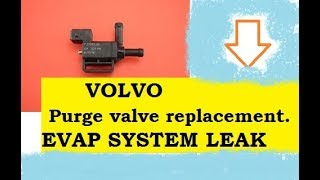
Typical fix: Replace the EVAP purge valve and any connected brittle vacuum lines. 🎬 See how to test and replace the EVAP purge valve.
Est. part cost: $50-$100 - Cracked or Disconnected EVAP Hoses 🟡 Medium Probability The vehicle's EVAP system uses various rubber and plastic hoses that can crack or become disconnected over time, especially at connection points and elbows. Hoses near the engine are exposed to heat, while those in the rear are exposed to road debris.
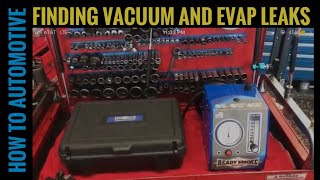
How to confirm: A thorough visual inspection of all EVAP lines from the engine bay to the rear canister is the first step. The definitive method is to use a smoke machine, which will force smoke through the system and make any leak visible. 🎬 Watch: How to use a smoke machine to find leaks.
Typical fix: Replace the specific section of cracked hose or reconnect it. Use of correctly sized vacuum-rated hose is important.
Est. part cost: $5-$50 - Faulty Canister Vent Valve / Solenoid ⚪ Low Probability This valve, located near the charcoal canister (and connected to the J-hose), is normally open and closes to seal the system for testing. It can get stuck or fail, preventing the system from sealing.
How to confirm: This is best diagnosed with a bi-directional scan tool that can command the valve to close, followed by a smoke test to see if it leaks. It can also be removed and tested for function.
Typical fix: Replace the canister vent valve.
Est. part cost: $40-$80 - Faulty Leak Detection Pump (LDP) ⚪ Low Probability The LDP is responsible for pressurizing the EVAP system to test for leaks. The pump itself can develop a leak or fail internally, triggering a P0442 code before setting a specific LDP-related code.
How to confirm: A smoke test is the most effective way to confirm a leak from the LDP housing. Access is difficult, requiring the removal of the rear wheel, exhaust heat shield, and sometimes lowering the rear subframe. It can also be bench-tested with a vacuum source and a 12v power supply.
Typical fix: Replace the Leak Detection Pump.
Est. part cost: $100-$200
Rare But Worth Checking
- Cracked Charcoal Canister: While the canister itself is durable, it can develop cracks from physical damage or age. Overfilling the fuel tank repeatedly can also saturate the canister with liquid fuel, causing it to fail and potentially trigger various EVAP codes.
- Corroded Fuel Filler Neck: In areas with road salt, the fuel filler neck where the gas cap seals can rust. This rough surface can prevent a good seal, even with a new cap. Cleaning the surface with a wire brush may help.
Diagnosis Steps
- Scan the computer for any other accompanying codes. Address those first if they are present.
- Inspect the gas cap for a tight fit and check its rubber seal for cracks. If in doubt, replace it with an OEM part. Clear the code and drive for a few days.
- If the code returns, perform a visual inspection of the EVAP purge valve and its vacuum lines in the engine bay, typically located on the fan shroud.
- Safely raise the vehicle. Locate the charcoal canister near the fuel tank, in the rear passenger side area.
- To gain access, you will likely need to lower the exhaust from its rear hangers and remove the large metal heat shield above the muffler.
- Carefully inspect the rubber 'J-hose' that connects the canister to the vent valve. Bend and squeeze it to reveal any hidden cracks. This is the most likely culprit.
- While under the car, inspect all other nearby EVAP hoses and connections for obvious damage.
- If no leak is visually apparent, the most effective next step is to perform a smoke test. Introduce smoke into the EVAP service port (or a disconnected line) and watch for where it escapes. This will definitively identify the leak's location.
- Once the leaking component (hose, valve, LDP, or canister) is identified, replace it.
- Clear the code and perform a complete drive cycle to allow the EVAP monitor to run and confirm the repair.
Parts You'll Likely Need
- EVAP System 'J-Hose'
(OEM #9155998)— This specific hose is a well-documented failure item on 1999-2006 S80s and other P2 platform cars that directly causes the P0442 code.
Trusted brands: Volvo OE, URO Parts
OEM price range: $20-$40
Aftermarket price range: $10-$30 - Fuel Cap
(OEM #31392044)— A worn gas cap seal is a primary cause of small EVAP leaks on all vehicles. Using an OEM cap is highly recommended for a proper seal.
Trusted brands: Volvo OE, Stant
OEM price range: $30-$50
Aftermarket price range: $15-$25 - EVAP Canister Purge Valve
(OEM #8653908)— This valve controls the flow of vapors to the engine and can stick, causing a leak. It's located in the engine bay for easier access.
Trusted brands: Bosch, Volvo OE
OEM price range: $80-$120
Aftermarket price range: $40-$70
Related Codes That Often Appear With This One
- P0455 — This code indicates a large EVAP leak. Seeing it with P0442 might suggest an intermittent or worsening leak, or a problem with the leak detection system itself. Often, a cracked J-hose can start as a P0442 and grow into a P0455.
- P0456 — This indicates a very small leak. If seen with P0442, it points to a leak that is on the borderline between two detection thresholds, or multiple leaks of different sizes.
Platform-Specific Known Issues
- The 'J-hose' near the charcoal canister is notoriously prone to cracking and is a top cause for P0442 on this platform.
- Accessing the J-hose and charcoal canister area is difficult, often requiring the heat shield to be removed and the exhaust to be partially lowered for adequate room to work.
- The Leak Detection Pump (LDP) is another potential failure point, though less common than the hoses. It is located in the same difficult-to-access area near the charcoal canister.
Mechanic-Grade Diagnostic Values
- EVAP Canister Purge Valve Solenoid Resistance — expected: 15 to 30 Ohms, with many Volvo-specific examples around 21 Ohms.. Failure: A reading far outside this range (open or shorted) indicates a failed solenoid winding.
- EVAP Canister Vent Valve Solenoid Resistance — expected: 20 to 30 Ohms.. Failure: A reading outside this range indicates a damaged solenoid winding. The valve should also be tested for being stuck open or closed by applying 12V and checking airflow.
Scan Tool Commands That Help
- Volvo VIDA: Quick test of fuel tank (under Vehicle Communication > ECM > Advanced) — This function actively commands the EVAP system to seal and pressurize, then reports back 'System fine', 'Minor leak', or 'Major leak'. It is the dealer-level method for confirming a leak exists after a repair or during diagnosis, without needing a full drive cycle.
- Professional Bi-Directional Scan Tool: EVAP Vent Valve/Solenoid - Activate/Close — This command is essential for performing a smoke test. The vent valve is normally open, so it must be commanded closed to seal the system and allow smoke to build pressure and reveal leaks.
Wiring & Ground Locations
- Main Engine Ground Strap — A large, braided strap running from the transaxle to the vehicle's frame/subframe.. While not directly part of the EVAP system, a corroded or loose main ground on the P2 platform is known to cause a host of bizarre, inconsistent electrical issues and DTCs. If P0442 is accompanied by other seemingly unrelated electrical faults (like DSTC errors or weird idle), inspecting this ground is critical.
- Upper Engine Ground Strap — A smaller ground strap from the valve cover to the firewall/bulkhead.. This ground point is susceptible to corrosion on the valve cover side. Poor grounding here can affect sensor readings and cause erratic ECU behavior, potentially contributing to incorrect diagnoses.
Real Owner Repair Stories
- Volvo Forums user 'Michael1952' (2001 Volvo S80 2.9) — P0442 code, oscillating idle (500-1000 RPM), dimming/brightening lights with idle bounce.
❌ Tried (didn't work) New spark plugs, Tested ignition coils
✅ What actually fixed it Another user in the same thread confirmed the 'J-hose' was the problem. A different user suggested a temporary fix by coating the cracked area of the hose with black RTV silicone, which reportedly lasted over a year. - YouTube channel 'DIYMODS NSTUFF' (Later model Volvo (capless fuel filler, but principle applies to filler neck sealing)) — P0442 code appeared after refueling.
❌ Tried (didn't work) Initial diagnosis pointed towards common EVAP parts like purge valve or canister.
✅ What actually fixed it The sealing surface of the fuel filler neck was dirty. The user cleaned the entire sealing area where the cap (or capless door) makes contact using a rag with degreaser, followed by a light application of silicone lubricant. The code cleared itself after a few drive cycles.
"I Checked Everything" — The Actual Cause
- A common scenario is a faulty EVAP purge valve located in the engine bay. A smoke test performed from a rear EVAP port may not reveal the leak if the purge valve is stuck closed during the test but leaks intermittently during operation. The valve itself can leak internally, which is best diagnosed by removing it and attempting to blow through it (it should be closed with no power applied) or by testing its resistance.
When the Usual Fixes Don't Work
- While the 'J-hose' is the most cited cause, many owners on forums have replaced it only to have the P0442 code return. In a significant number of these cases, the next most common culprit is the EVAP purge valve in the engine bay. One owner on Reddit replaced the gas cap with no success, but replacing the EVAP purge valve ultimately solved the code. This highlights the importance of not stopping diagnosis at the most common cause if the code persists.
Model Year Variations Within This Range
- 2003-2006: The S80 received a facelift for the 2003/2004 model year which included interior and exterior changes. While the core P2 platform and EVAP system layout remained very similar, some connector types and control module software versions may differ from the earlier 1999-2002 models. When ordering electrical components like valves or pumps, it is crucial to verify the part number for the exact model year, as Ford-era parts bin sharing became more common.
Diagnostic Flowchart
Real Owner Stories
Aggregated from forums and TSBs cited above. Mileages and costs reflect what owners reported in those sources.
2001 Volvo S80 2.9
Symptoms: When the car is idle the RPM needle will start to oscillate, dropping below 500rpm and choking, then spiking above 1,000 RPM repeatedly. Interior lights and headlights dim as RPM drops and brighten when it spikes.
What fixed it: Owner was seeking diagnosis for the P0442 code; fix not specified in the initial report.
Source hint: VolvoForums
Volvo S80
Symptoms: Check Engine Light on with code P0442.
What fixed it: Changed the J-hose and the problem code disappeared.
Source hint: volvoforums.com: A thread titled 'Check Engine Code P0442' from 2012
Related OBD-II Codes
Frequently Asked Questions
Why is the P0442 code so common on my 1999-2006 Volvo S80?
Where is the EVAP J-hose located on the Volvo S80?
Can a P0442 code cause my S80's idle to bounce and lights to dim?
Besides the gas cap and J-hose, what else commonly fails on the S80's EVAP system?
Do other Volvos share this exact P0442 issue?
How much does it cost to replace the J-hose on my S80?
Helpful Videos
![How to Fix P0442 Engine Code in 7 Minutes [6 DIY Methods / Under $3.67]](https://img.youtube.com/vi/KISPTedKJmQ/mqdefault.jpg)
We Have This Part in Stock


The information in this article is provided for general reference and educational purposes only. Vehicle specifications, procedures, and part compatibility can vary by production date, trim level, and region. Always consult your vehicle's factory service manual and verify part numbers before purchasing or performing repairs. Safety-critical components such as airbags, seat belts, and braking systems should be installed by a qualified professional.
- Volvo S80:
- 🎬 Helpful Videos
- 🛍️ Shop This Part
- What's Unique About the 1999-2006 Volvo S80
- Symptoms You May Notice
- Most Likely Causes
- Rare But Worth Checking
- Diagnosis Steps
- Parts You'll Likely Need
- Related Codes That Often Appear With This One
- Platform-Specific Known Issues
- Mechanic-Grade Diagnostic Values
- Scan Tool Commands That Help
- Wiring & Ground Locations
- Real Owner Repair Stories
- "I Checked Everything" — The Actual Cause
- When the Usual Fixes Don't Work
- Model Year Variations Within This Range
- Diagnostic Flowchart
- Real Owner Stories
- 2001 Volvo S80 2.9
- Volvo S80
- Related OBD-II Codes
- Frequently Asked Questions
- 🎟️ Get 5% Off