

P0442 on 1999-2004 Porsche 911: EVAP Small Leak Causes and Fixes
For a 1999-2004 Porsche 911 (996), code P0442 is most often caused by a worn-out gas cap seal. Start by replacing the gas cap with a genuine Porsche part (PN 996-201-241-03) for about $30-$50. If that doesn't work, the fuel line vent valve (PN 996-201-143-01) near the filler neck is the next most likely culprit, often causing refueling issues as well. The third most common cause is the purge valve in the engine bay.
- Always start with the gas cap. It's the cheapest, easiest, and most likely fix. Use a genuine Porsche cap.
- If a new gas cap doesn't solve the code, the next most likely parts to fail are the fuel line vent valve (by the filler neck) and the purge valve (in the engine bay).
- A smoke test is the best way to definitively find the leak without guessing or replacing unnecessary parts.
- Difficulty filling up with gas is a strong symptom pointing directly to a faulty fuel line vent valve.
What's Unique About the 1999-2004 Porsche 911
The 1999-2004 Porsche 911, known as the 996 generation, has a few well-documented weak points in its EVAP system. While a loose gas cap is a universal cause for this code, 996 owners frequently find the issue lies with one of two specific valves: the fuel line vent valve located in the passenger-side front wheel well, or the purge valve in the engine bay. These components are more common failure points on this platform than on many other vehicles, often leading owners who have already replaced the gas cap to investigate these two parts next. The fuel filler vent valve is so notorious that multiple detailed DIY guides and forum discussions are dedicated to its replacement.
Generation note: This guide covers the Porsche 911 '996' generation, which includes the 1999-2001 (996.1) and 2002-2004 (996.2) model years. The common causes and locations of EVAP components are consistent across this generation, and also apply to the contemporary Porsche Boxster (986).
🎬 Watch: Changing the fuel filler vent valve on a Boxster.Symptoms You May Notice
- Check Engine Light is on.
- A faint smell of fuel, particularly when the car is stopped or in a garage.
- Difficulty filling the fuel tank (the pump nozzle clicks off repeatedly) can indicate a problem with the fuel line vent valve.
- A 'whooshing' or 'howling' sound like someone blowing over a bottle, which may be heard near the fuel filler area.
- Replacing the charcoal canister first. While it can fail, the gas cap and various EVAP valves are far more likely culprits for a P0442 code and should be checked first.
- Assuming an aftermarket gas cap is sufficient. Forum users repeatedly stress that only a genuine Porsche OEM gas cap reliably solves the issue when the cap is the cause.
Most Likely Causes
- Loose or Faulty Gas Cap 🔴 High Probability The rubber O-ring on the gas cap dries out, cracks, and fails to create a proper seal over time. This is a common wear-and-tear item. Visual inspection often reveals visible cracks on the seal.
How to confirm: Visually inspect the rubber seal on the cap for cracks, brittleness, or damage. Ensure the cap clicks at least once when tightened. Many owners report that only a genuine OEM Porsche cap will solve the issue, as aftermarket caps may not seal correctly. One owner noted that after losing his original cap and using an aftermarket one, the P0442 code appeared; it was only resolved by switching back to a genuine Porsche cap.
Typical fix: Replace the gas cap. This is the cheapest and easiest first step. The OEM part number is 996-201-241-03.
Est. part cost: $30-$50 - Faulty Fuel Line Vent Valve 🟡 Medium Probability This valve, located near the fuel filler neck, is a very common failure point on the 996 platform. It can get stuck or fail internally, creating a leak in the system or preventing the tank from venting during refueling.
How to confirm: The valve is located in the front passenger-side wheel well, attached to the fuel filler neck. Diagnosis often occurs after a new gas cap fails to resolve the code. A smoke test is the most reliable way to confirm the leak is at this valve. Difficulty refueling is another strong indicator of its failure. One owner noted that even though the valve still made an audible click, it was faulty and replacing it solved the problem. Another owner noted that measuring the coil resistance is not a good indicator of functionality.
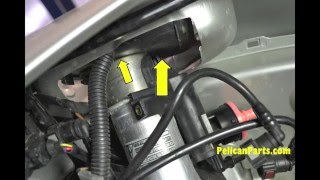
Typical fix: Replace the fuel line vent valve. This requires removing the passenger front wheel and wheel well liner for access. Pelican Parts provides a detailed DIY video and guide for this specific repair. 🎬 Watch: Step-by-step guide to replacing the fuel line vent valve. The OEM part number is 996-201-143-01, which supersedes 996-201-143-00.
Est. part cost: $150-$250 - Faulty EVAP Purge Valve (Regeneration Valve) 🟡 Medium Probability This solenoid valve is located in the engine compartment and is subjected to significant heat, causing it to fail over time. It can get stuck open or closed, or develop a leak.
How to confirm: The valve is located in the engine bay, typically near the throttle body. It can be tested by applying 9V or 12V power to see if it actuates. When unpowered, it should be closed and hold a vacuum. If it leaks when closed, it has failed. A user on RennTech.org noted that his purge valve was very faint when activated with a Durametric tool, leading him to replace it. The resistance should be 26 ± 4 ohms at 20°C.
Typical fix: Replace the purge valve. There appear to be a few different part numbers depending on the specific model year and location, including 996-605-201-01, 996-605-213-01, and 996-110-129-53. It is crucial to verify the correct part for your specific vehicle.
Est. part cost: $70-$120 - Cracked or Disconnected EVAP Hoses ⚪ Low Probability Rubber and plastic hoses become brittle with age and exposure to engine heat, leading to small cracks.
How to confirm: A visual inspection of all accessible EVAP lines in the engine bay and around the charcoal canister may reveal obvious cracks. A smoke test is the most effective method to find a small hose leak that isn't easily visible. The proper procedure for a smoke test on a 996 is to introduce the smoke through the purge valve line in the engine bay, preferably using an inert gas like nitrogen instead of compressed air for safety.
Typical fix: Replace the specific cracked hose section.
Est. part cost: $20-$100
Rare But Worth Checking
- Cracked Charcoal Canister: The canister itself, located in the front passenger wheel well, can develop a hairline crack. This is less common than valve failures but is a possible leak source.
- Leaking Fuel Tank Filler Neck: Though uncommon, the metal or plastic filler neck that the gas cap screws onto can develop cracks or corrosion, preventing a good seal. Cleaning the sealing surface with a wire brush can sometimes help.
- Leaking Fuel Pump Sealing Ring: The large O-ring that seals the fuel pump/sending unit assembly to the top of the fuel tank can leak if it was not installed correctly during a fuel pump replacement.
- Cracked Fuel Sending Unit Nipple: On the related 986 Boxster platform, a common failure point is a cracked plastic nipple on the fuel sending unit, located on top of the fuel tank. This would be discovered during a smoke test, with smoke seen exiting from under the battery tray area. A similar failure can occur on the 996, where the plastic 'lid' on the gas tank develops a crack.
Diagnosis Steps
- Check the Gas Cap: Remove the gas cap, inspect the rubber seal for any cracks or signs of aging, and make sure it's an OEM part (PN 996-201-241-03). Clean the sealing surface on the filler neck. Replace the cap if it's old or damaged. Clear the code and drive for a few days to see if it returns.
- Visual Inspection: Inspect all visible EVAP hoses in the engine compartment and around the front passenger wheel well for obvious cracks, loose connections, or damage.
- Test the Purge Valve: Locate the purge valve in the engine bay near the throttle body. With the engine off, disconnect it and try to blow through it. It should be closed and not allow air to pass. You can also test its function by applying a 9V battery to its electrical connector to hear it click. Check resistance across the pins; it should be 26 ± 4 ohms.
- Perform a Smoke Test: If the above steps do not reveal the issue, a smoke test is the definitive diagnostic method. This involves injecting low-pressure, inert gas smoke into the EVAP system through the purge valve line. Watch for where smoke escapes. This will pinpoint the exact location of the small leak, whether it's a hose, the vent valve, the canister, or the filler neck. It is not recommended to use compressed air, as introducing oxygen into the fuel system is a safety hazard. 🎬 See how to diagnose and repair common Porsche EVAP trouble codes.
- Inspect the Fuel Line Vent Valve: During the smoke test, pay close attention to the fuel line vent valve (PN 996-201-143-01) located behind the passenger front wheel well liner, as this is a very common failure point. Also check for refueling difficulty, which is a strong symptom of a failed vent valve.
Parts You'll Likely Need
- Fuel Tank Cap
(OEM #99620124103)— This is the most common and easiest fix. The seal degrades over time, causing a small leak. Using an OEM cap is highly recommended, as aftermarket versions are a known cause of persistent codes.
Trusted brands: Porsche (OEM)
OEM price range: $30-$50
Aftermarket price range: $15-$30 - Fuel Line Vent Valve
(OEM #99620114301)— A very frequent point of failure on the 996 platform, located by the fuel filler neck. It gets stuck or fails internally, causing both P0442 and issues with filling the fuel tank.
Trusted brands: Bosch, Porsche (OEM)
OEM price range: $200-$250
Aftermarket price range: $150-$200 - EVAP Canister Purge Valve (Regeneration Valve)
(OEM #99660520101)— Located in the engine bay, this valve controls the flow of stored vapors to the engine. It's prone to failure from heat and can get stuck open or closed.
Trusted brands: Bosch, Porsche (OEM)
OEM price range: $70-$120
Aftermarket price range: $50-$90
Related Codes That Often Appear With This One
- P0455 — This indicates a 'Large EVAP Leak'. If a small leak (P0442) worsens, or if a component fails more significantly, the system may log it as a large leak instead.
- P0446 — This code relates to the 'EVAP Vent Control Circuit'. A problem with the vent valve's electrical circuit or the valve itself can sometimes accompany a leak code.
Platform-Specific Known Issues
- Owner Experience: Chasing P0442: A user on Rennlist documented their journey with P0442. They first replaced the gas cap, then the purge valve near the throttle body. When the code persisted, they moved to inspect the components in the front wheel well. This highlights the common diagnostic path owners take: starting with the easiest and cheapest parts before moving to more involved components like the fuel line vent valve.
- Refueling Problems are a Telltale Sign: Multiple owners on Rennlist and Pelican Parts forums confirm that difficulty filling the gas tank (pump clicking off) is a hallmark symptom of a failing fuel line vent valve. One user noted that after replacing the valve, the refueling issue was immediately resolved, though they had to clear the old P0442 code from the DME manually before it stayed off.
- DIY Savings on Purge Valve: A RennTech user in 2014 discovered that the expensive Porsche-branded purge valve (PN 996-110-129-53) was internally a Bosch part. They found a visually similar Bosch valve for VW/Audi applications (PN 0280142308) for a fraction of the price. By reusing the original hose connector, they successfully fitted the cheaper valve and resolved their issue, saving over $200.
Mechanic-Grade Diagnostic Values
- EVAP Canister Purge Valve (Regeneration Valve) Resistance — expected: 26 ± 4 ohms (at 20°C). Failure: A reading significantly outside this range indicates an electrical failure within the valve's solenoid.
- Fuel Line Vent Valve Coil Resistance — expected: While a resistance value can be measured, it is not a reliable indicator of functionality.. Failure: A forum member reported that a new, working valve had the same coil resistance as the dead one it replaced. The valve can fail mechanically (stuck) while appearing fine electrically.
Scan Tool Commands That Help
- Durametric: Fuel Evaporative Valve Activation — This command, found in the engine module activations, directly cycles the purge valve in the engine bay. With the engine off, you should hear a faint click about once every two seconds from the valve, confirming the solenoid is actuating.
- Durametric: Carbon Canister Valve Activation — This command cycles the fuel line vent valve located in the front wheel well. It can be used to confirm if the valve is receiving an electrical signal, though mechanical failure can still occur even if a click is heard.
- Porsche System Tester 2 (PST2): Fuel Tank Ventilation Diagnosis (in 'Short test' menu) — This dealer-level tool function initiates the EVAP system self-test on command, reducing the required wait time after engine start-up from over 16 minutes (990 seconds) to just 30 seconds. This allows a technician to quickly verify if a repair has been successful without a long drive cycle.
Wiring & Ground Locations
- DME Connector Pin — On the main DME (engine computer) connector, located in the rear luggage compartment.. Pin 7 is the control signal for the 'EVAP canister shutoff valve' on DME 5.2.2 systems. This is a key point for electrical diagnosis if the valve is not activating.
- Ground Point 9 — Located on the rear wall in the rear luggage compartment, between the DME control module and Tiptronic control module.. This is a primary ground point for the DME. A poor connection here could cause erratic behavior of various engine management systems, including EVAP components.
- Fuel Line Vent Valve Ground Wire — A ground wire is attached with one of the 10mm nuts holding the vent valve bracket to the fuel filler neck in the passenger front wheel well.. It is common for this ground wire to be missed or forgotten during reinstallation, which will cause the new valve to not function and the code to persist.
Real Owner Repair Stories
- Reddit user 'mikeblas' (2001 Porsche 911) — P0442 Check Engine Light.
❌ Tried (didn't work) Replacing the gas cap, even though the old one's O-ring was visibly cracked and worn.
✅ What actually fixed it Replacing the EVAP purge valve located in the engine compartment above the throttle body. - Rennlist user 'TexSquirrel' (Porsche 996 (model year not specified)) — Persistent P0442 code.
❌ Tried (didn't work) Driving with a new, but aftermarket (Stant brand), gas cap.
✅ What actually fixed it After getting the code every ~100 miles with the aftermarket cap, the owner replaced it with a genuine Porsche OEM gas cap, which resolved the code permanently. - Rennlist user 'BAD.TAG' (2002 Porsche 911 Turbo, 54,000 miles) — P0442 code, fuel smell when stopped, and extreme difficulty refueling (pump clicks off constantly).
❌ Tried (didn't work) Cleaning and checking the gas cap seal.
✅ What actually fixed it Replacing the fuel filler vent valve in the passenger front wheel well solved the refueling issue and the code. Another user in the thread noted that his was also faulty despite still making an audible click. - Rennlist user (2000 Porsche 996) — Persistent tank venting code and fuel burping back out during refueling.
❌ Tried (didn't work) Replacing the fuel line vent valve once.
✅ What actually fixed it The owner had the issue even after replacing the vent valve. A technician's experience with a similar car suggested the replacement valve itself could be faulty. The owner replaced the vent valve a *second* time, which finally solved the problem.
"I Checked Everything" — The Actual Cause
- While no specific stories of a 'clean smoke test' were found, there are common scenarios that mimic this. A valve, like the fuel line vent valve, can be intermittently faulty. It might hold pressure during a test but fail under different temperature or driving conditions. One owner confirmed his faulty valve still made an audible 'click' when tested, which could easily mislead a technician into thinking it was functional. The actual fix was replacing this seemingly-working valve.
When the Usual Fixes Don't Work
- A common assumption is that once the gas cap is replaced, it can be ruled out. However, one owner's story provides strong counter-evidence: after replacing the purge valve and filler neck valve, the P0442 code persisted. The problem was only solved when he replaced his new, but aftermarket, gas cap with a genuine Porsche OEM part. This highlights that even a new cap can be the culprit if it is not the correct OEM version.
- Another misleading diagnostic path can occur when a replacement part is assumed to be good. One owner replaced the common fuel line vent valve, but the refueling and code issues continued. After having a shop also replace it, the problem was still not fixed. The issue was only resolved after the owner replaced the vent valve a second time himself, suggesting the first replacement part was faulty from the factory.
OEM Part Supersession History
996-201-143-00→996-201-143-01— Standard part revision by Porsche/Bosch. The failure of this valve is a very common issue across all 996 models.
Model Year Variations Within This Range
- 1999-2001 (996.1) vs 2002-2004 (996.2): The 996 underwent a significant facelift for the 2002 model year. While the general EVAP system layout is similar, the underlying vehicle electronics and engine management changed. 996.1 cars use a cable-actuated throttle and DME 5.2.2 or 7.2, while 996.2 cars have an electronic throttle ('drive-by-wire') and a more advanced DME 7.8. The engine also changed from 3.4L to 3.6L with VarioCam Plus. These differences can affect diagnostic procedures and which specific scan tool functions are available.
Diagnostic Flowchart
Real Owner Stories
Aggregated from forums and TSBs cited above. Mileages and costs reflect what owners reported in those sources.
1999-2004 Porsche 911
Symptoms: Persistent P0442 code that required a multi-step diagnostic process.
What fixed it: Replaced the gas cap first, then the purge valve near the throttle body, and finally had to inspect and replace components in the front wheel well (fuel line vent valve).
Source hint: Rennlist.com: Owner Experience: Chasing P0442
1999-2004 Porsche 911
Symptoms: Difficulty filling the gas tank, with the pump nozzle clicking off repeatedly during refueling.
What fixed it: Replaced the fuel line vent valve. The refueling issue was immediately resolved, though the old P0442 code had to be manually cleared from the DME.
Source hint: Rennlist and Pelican Parts forums: Refueling Problems are a Telltale Sign
1999-2004 Porsche 911
Symptoms: P0442 code present; the purge valve sounded very faint when activated with a Durametric diagnostic tool.
What fixed it: Replaced the failing Porsche purge valve with a cheaper VW/Audi Bosch valve (PN 0280142308) by reusing the original hose connector, saving over $200.
Source hint: RennTech.org (2014): DIY Savings on Purge Valve
1999-2004 Porsche 911
Symptoms: Check engine light illuminated with a P0442 code.
What fixed it: Replaced the fuel cap as the first diagnostic step, following standard forum advice.
Source hint: Reddit r/996 (2022 thread)
Related OBD-II Codes
Frequently Asked Questions
I have a P0442 code and my gas pump keeps clicking off when I try to refuel my 996. What does this mean?
Can I use an aftermarket gas cap to fix the P0442 code on my 1999-2004 Porsche 911?
Is there a cheaper alternative to the expensive Porsche EVAP purge valve (PN 996-110-129-53)?
How should I perform a smoke test on my 996 to find an EVAP leak?
What is the correct resistance for testing the EVAP purge valve on a 996?
Does the P0442 code on my 911 mean my Boxster might have the same issue?
Helpful Videos
Used OEM Parts in Stock
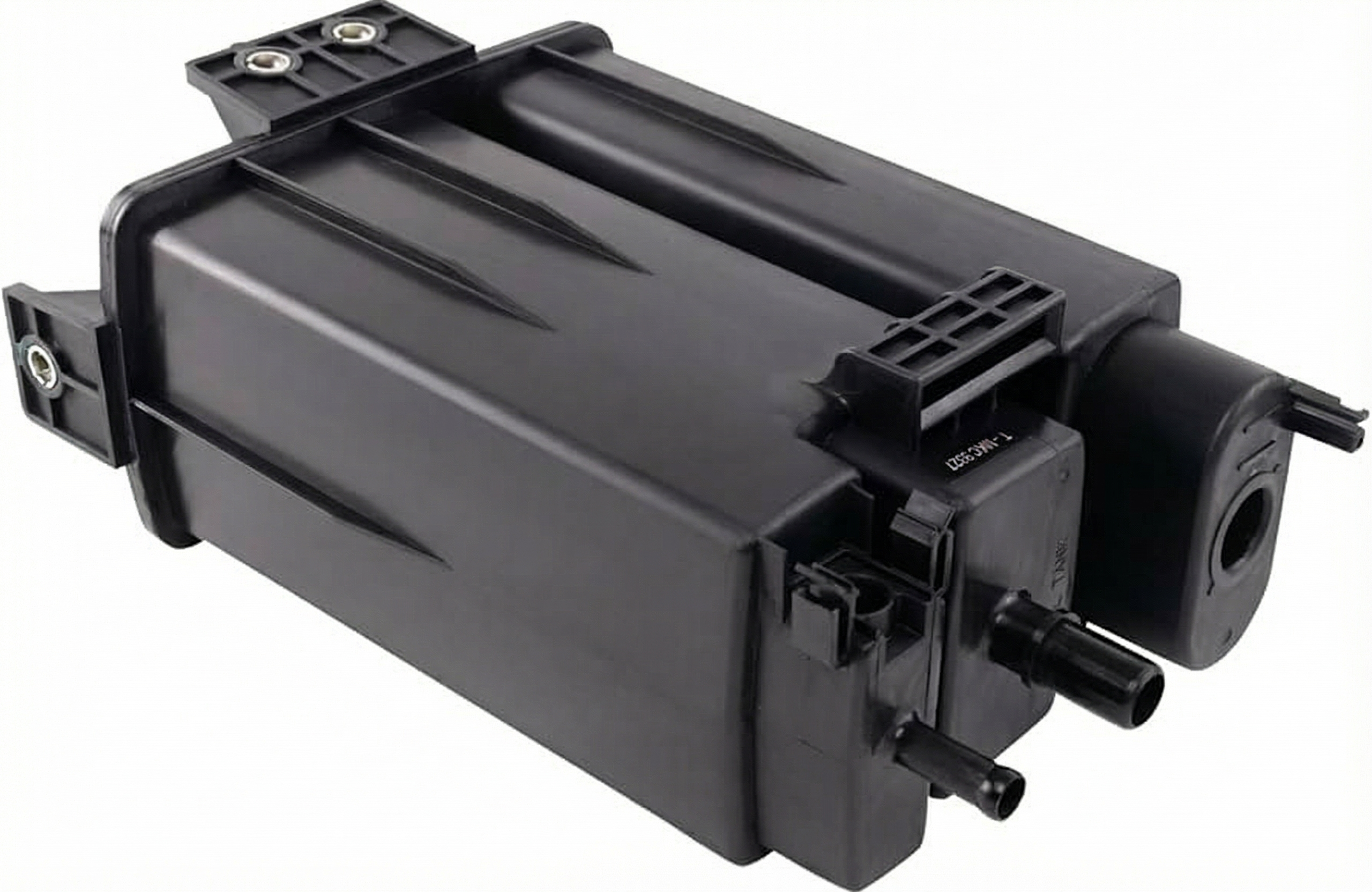
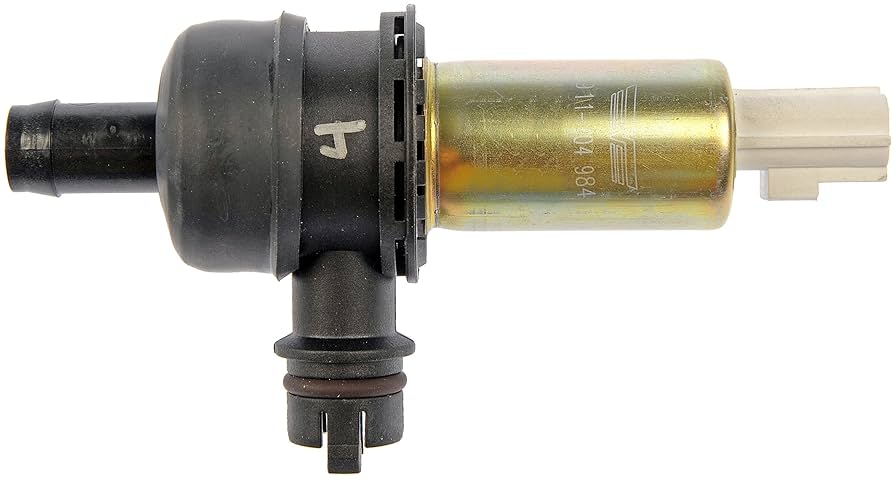
New Aftermarket Parts Available
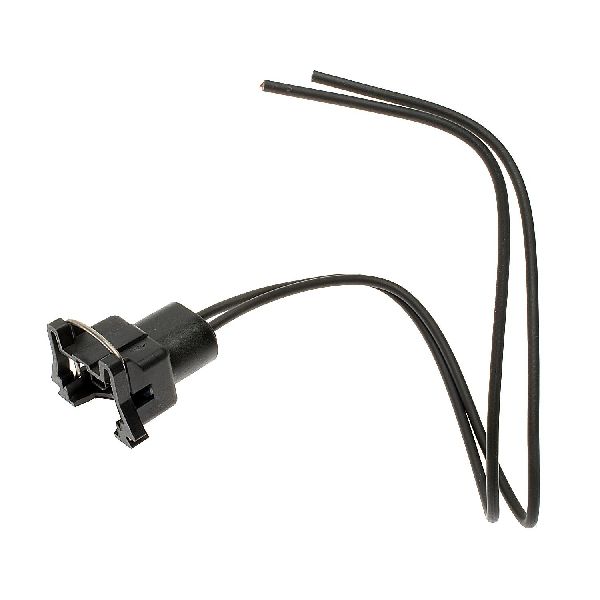

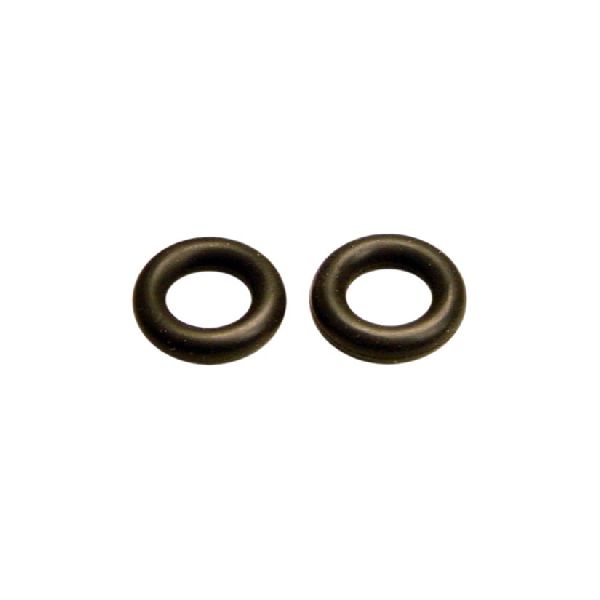

The information in this article is provided for general reference and educational purposes only. Vehicle specifications, procedures, and part compatibility can vary by production date, trim level, and region. Always consult your vehicle's factory service manual and verify part numbers before purchasing or performing repairs. Safety-critical components such as airbags, seat belts, and braking systems should be installed by a qualified professional.
- Porsche 911:
- 🎬 Helpful Videos
- 🛍️ Shop This Part
- What's Unique About the 1999-2004 Porsche 911
- Symptoms You May Notice
- Most Likely Causes
- Rare But Worth Checking
- Diagnosis Steps
- Parts You'll Likely Need
- Related Codes That Often Appear With This One
- Platform-Specific Known Issues
- Mechanic-Grade Diagnostic Values
- Scan Tool Commands That Help
- Wiring & Ground Locations
- Real Owner Repair Stories
- "I Checked Everything" — The Actual Cause
- When the Usual Fixes Don't Work
- OEM Part Supersession History
- Model Year Variations Within This Range
- Diagnostic Flowchart
- Real Owner Stories
- 1999-2004 Porsche 911
- 1999-2004 Porsche 911
- 1999-2004 Porsche 911
- 1999-2004 Porsche 911
- Related OBD-II Codes
- Frequently Asked Questions
- 🎟️ Get 5% Off