

P0390 on 2013-2016 Scion FR-S: Camshaft Position Sensor 'B' Circuit Causes and Fixes
On the 2013-2016 Scion FR-S, P0390 almost always indicates a fault with the exhaust camshaft position sensor on the driver's side (Bank 2). For early 2013 models, this is often due to incorrect sensor clearance, a known issue fixed with a simple shim as per TSB S-SB-0013-14. Otherwise, the sensor itself has likely failed. A common diagnostic is to swap the driver's and passenger's side exhaust cam sensors to see if the code follows. Expect to pay $40-$130 for a new sensor.
- P0390 on a Scion FR-S refers to the exhaust camshaft position sensor on the driver's side (Bank 2).
- If you have an early 2013 model, the cause is very likely incorrect sensor clearance, which is fixed with an inexpensive shim kit per a factory TSB.
- For other model years, the sensor itself has likely failed. A reliable way to confirm this is to swap it with the passenger side sensor and see if the code follows.
- Fix this code first before addressing any accompanying misfire codes (like P0302)
What's Unique About the 2013-2016 Scion FR-S
The Scion FR-S (and its Subaru BRZ twin) has a known issue on early 2013 models where the air gap between the camshaft sensor and the timing cover is incorrect from the factory. This incorrect clearance causes a poor signal and triggers codes like P0390. Toyota/Scion issued a Technical Service Bulletin (TSB S-SB-0013-14) to address this specific problem, which often doesn't require replacing the sensor but rather adding a small shim to correct the gap.
Symptoms You May Notice
- Check Engine Light is on
- Rough or unstable idle
- Engine hesitates or stumbles during acceleration
- Reduced engine power
- Engine may be hard to start or take longer to crank
- Potential for the engine to stall at low speeds or when stopped
- Replacing spark plugs or ignition coils for misfires that are actually symptoms of the P0390 code. The misfires (e.g., P0302, P0304) are a result of incorrect timing information from the bad sensor, not a separate ignition problem.
Most Likely Causes
- Incorrect Camshaft Position Sensor Clearance 🔴 High Probability A known manufacturing issue on early 2013 models (before VIN JF1ZNAA1#D#721474) where the air gap is out of spec, as documented in TSB S-SB-0013-14.
How to confirm: Check your vehicle's VIN. If it's an early 2013 model, this is the most likely cause. A technician can measure the clearance, but the TSB procedure involves adding shims until the code is resolved.
Typical fix: Install the correct thickness shim between the sensor and the timing chain cover to achieve the proper air gap. The TSB provides a kit for this purpose.
Est. part cost: $15-$25 - Failed Camshaft Position Sensor 🟡 Medium Probability This is the most common cause on models not covered by the TSB, or if the shimming procedure does not resolve the issue. The sensor is an electronic part that can fail over time. All four cam sensors on the FA20 engine are the same part number, making swaps for diagnosis easy.
How to confirm: A simple and effective diagnostic step is to swap the driver's side exhaust cam sensor with the passenger's side exhaust cam sensor. Clear the codes and drive the car. If the code changes to P0365 (Camshaft Position Sensor 'B' Circuit Bank 1), the sensor is confirmed bad.
Typical fix: Replace the faulty camshaft position sensor. It is located on the front of the engine on the lower corner of the driver's side timing cover.
Est. part cost: $40-$130 - Wiring Harness or Connector Damage ⚪ Low Probability The sensor is located low on the front of the engine, where its wiring can be exposed to oil leaks, heat, or physical damage. Corrosion on the connector pins has also been reported.
How to confirm: Visually inspect the wiring and the connector leading to the Bank 2 exhaust camshaft sensor. Look for frayed wires, cracked insulation, oil contamination, or bent/corroded pins inside the connector. One owner on ft86club.com reported the code appeared after doing other wiring work nearby, and even after swapping sensors the code remained, pointing to a wiring fault.
Typical fix: Repair the damaged section of wiring or replace the connector pigtail. Ensure the connection is clean and secure.
Est. part cost: $10-$30
Rare But Worth Checking
- Faulty Engine Control Module (ECM): This is very rare. The ECM should only be considered after all other possibilities (sensor, wiring, and clearance) have been exhaustively ruled out.
- Timing Chain Issue: If the timing chain has stretched or a tensioner has failed, it could cause the camshaft position to be out of sync with the crankshaft, but this would typically trigger additional codes related to timing correlation (like P0018) and more severe symptoms.
Diagnosis Steps
- Read the code with an OBD-II scanner and confirm it is P0390. Note any other codes present, like P0391 or misfire codes.
- Check your vehicle's VIN. If it is an early 2013 model (before VIN JF1ZNAA1#D#721474), suspect the sensor clearance issue per TSB S-SB-0013-14.
- Visually inspect the wiring and connector for the Bank 2 (driver's side) exhaust camshaft position sensor. Look for any signs of damage, oil contamination, or loose connections.
- If the wiring looks good, perform a sensor swap. Disconnect and remove the driver's side exhaust cam sensor and the passenger's side exhaust cam sensor. Swap their positions, as they are identical parts.
- Clear the trouble codes and drive the vehicle. If the code returns as P0365 (Camshaft Position Sensor 'B' Circuit Bank 1), the sensor you moved to the passenger side is faulty and needs to be replaced.
- If the P0390 code returns after the swap, the problem is not the sensor. The fault lies in the wiring to the Bank 2 sensor, the connector, or the sensor clearance (on applicable 2013 models).
- If you have an early 2013 model and suspect clearance, proceed with the TSB fix by adding a shim. Start with the thinnest shim and re-test.
- If the issue persists, use a multimeter to test for proper voltage and ground at the sensor connector to rule out a wiring fault.
Parts You'll Likely Need
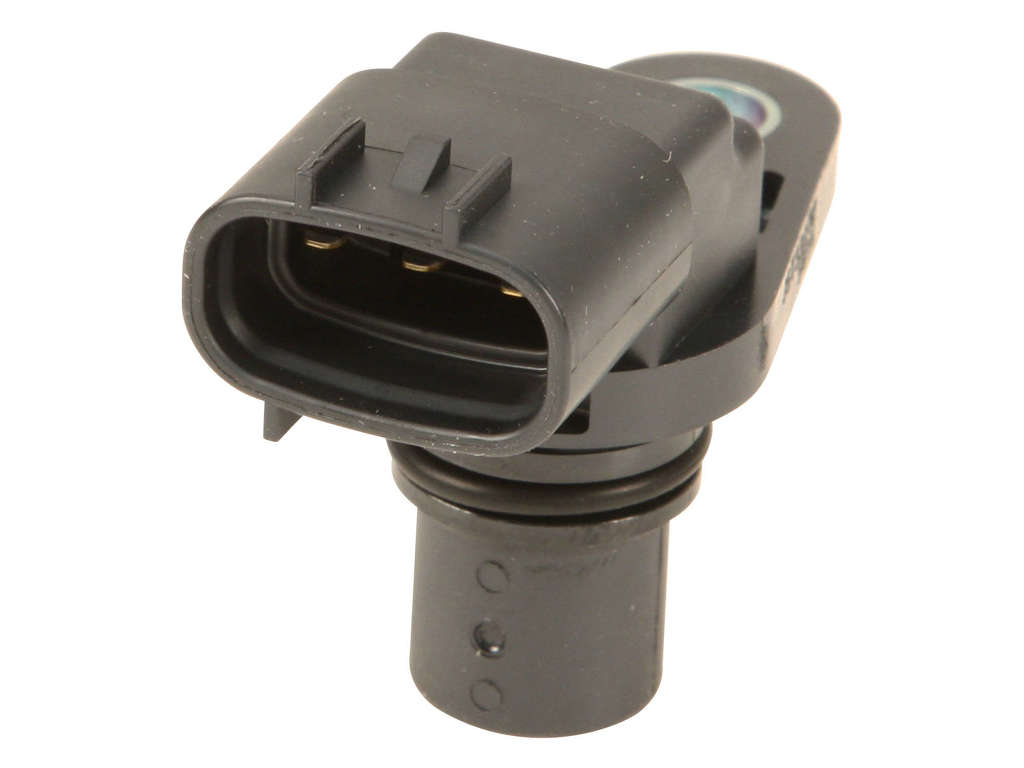
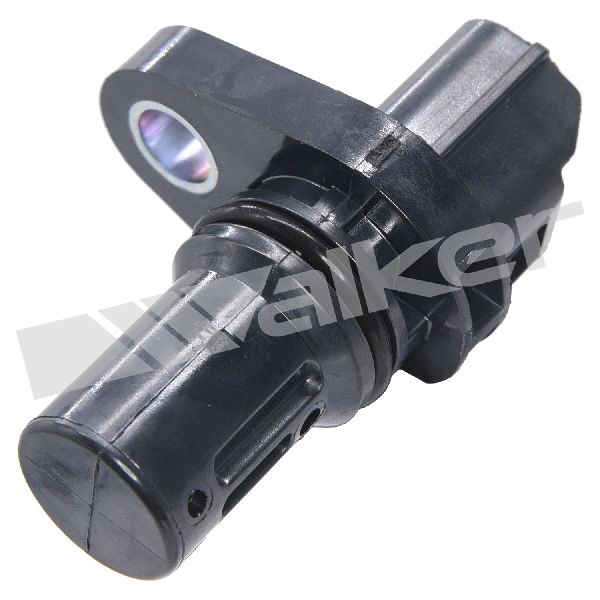
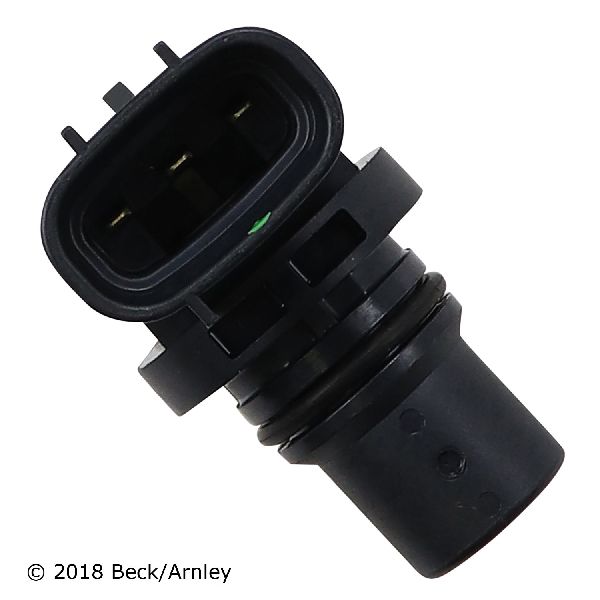
- Camshaft Position Sensor
(OEM #SU003-00414 (Toyota), 22056AA250 (Subaru))— This sensor is the most common part to fail, especially on models made after the TSB for sensor clearance was implemented. All four sensors on the engine are the same part.
Trusted brands: Denso (OEM supplier), Hitachi, NTK, Genuine Toyota/Subaru
OEM price range: $95-$130
Aftermarket price range: $40-$80 - Camshaft Position Sensor Shim Kit
(OEM #SU003-04600)— This is required to fix the known sensor clearance issue on early 2013 models as specified in TSB S-SB-0013-14.
Trusted brands: Toyota/Subaru (OEM)
OEM price range: $15-$25
Related Codes That Often Appear With This One
- P0391 — This code indicates a 'Range/Performance' issue with the same sensor, often appearing alongside the general circuit fault P0390.
- P0302, P0304 — These are misfire codes for the cylinders on Bank 2 (the driver's side). A faulty signal from the Bank 2 cam sensor disrupts timing for that bank, leading to misfires.
Technical Service Bulletins (TSBs) & Recalls
- S-SB-0013-14 (also listed as Toyota T-SB-0063-14): Addresses rough idle, hard starting, and camshaft sensor DTCs (P0340, P0341, P0345, P0346, P0365, P0366, P0390, P0391) due to incorrect sensor clearance on early 2013 models.
Platform-Specific Known Issues
- A Technical Service Bulletin (S-SB-0013-14) was issued for early 2013 FR-S models (before VIN JF1ZNAA1#D#721474) to address incorrect camshaft position sensor clearance, which directly causes P0390 and related codes.
Mechanic-Grade Diagnostic Values
- Camshaft Position Sensor Air Gap (early 2013 models) — expected: 1.25 mm - 1.35 mm (1.3 +/- 0.05 mm). Failure: A measured clearance outside this range requires a shim to correct, as per TSB S-SB-0033-13.
- Sensor Connector Voltage (Key On, Engine Off) — expected: Approximately 5.0V on the reference wire and a good ground on the ground wire.. Failure: No voltage or low voltage points to a wiring or ECM issue, not a sensor failure.
- Sensor Signal Voltage (Hall Effect Test) — expected: The signal wire voltage should toggle between approximately 5.0V and 0V as a ferrous metal object is passed over the sensor tip.. Failure: Voltage that is stuck high or low, or does not change, indicates a failed sensor.
Scan Tool Commands That Help
- Toyota Techstream: Utility -> All Readiness -> Input DTC P0390 — After a repair, this function can be used to run the onboard monitor for the camshaft sensor circuit and confirm the malfunction is gone. The result should change from 'ABNORMAL' or 'INCOMPLETE' to 'NORMAL'.
Wiring & Ground Locations
- Bank 2 Exhaust Camshaft Position Sensor Connector — Front of the engine, on the lower corner of the driver's side (Bank 2) timing cover.. This is the 3-pin connector where all electrical testing for the P0390 circuit begins. Pin 1 is typically the 5V reference from the ECM, Pin 2 is the signal wire, and Pin 3 is the ground. Verifying power, ground, and signal at this connector is critical.
- Engine Ground Points — Multiple points on the FA20 engine block and cylinder heads where the main harness grounds are attached.. A poor engine ground can cause floating or incorrect voltage readings for various sensors, including the camshaft position sensor. While not a direct cause of a single sensor code typically, it should be checked if multiple, seemingly unrelated sensor codes appear.
Real Owner Repair Stories
- Just Commodores Forum User (Vehicle with FA20-family engine) — Check Engine Light with codes P0390 and P0365 immediately after a timing chain replacement.
❌ Tried (didn't work) Testing sensors and actuators (all tested good), Swapping sensors with known-good spares
✅ What actually fixed it The consensus from other technicians was that the timing chain was installed incorrectly (off by a tooth), causing the camshafts to be out of sync with the crankshaft from the start. The fix required taking it back to the installer to re-time the engine correctly.
OEM Part Supersession History
22056AA250 (Subaru)→22056AA250— No supersession found. This part number has remained consistent.
Heads up: This sensor is used across various Subaru engines (e.g., 3.6L in Tribeca/Legacy), but is confirmed to be the correct part for the 2.0L FA20.SU003-00414 (Toyota)→SU003-00414— No supersession found. This is the Toyota-branded equivalent of the Subaru part.
Model Year Variations Within This Range
- 2013 (early production): Vehicles produced before VIN JF1ZNAA1#D#721474 are subject to TSB S-SB-0013-14 for incorrect sensor-to-timing cover clearance. Later 2013-2016 models do not have this specific manufacturing issue, making a failed sensor more likely than a clearance problem.
Diagnostic Flowchart
Other Known Issues on This Vehicle
Issues unrelated to this code that are worth knowing about as an owner of this generation:
- Valve Spring Fracture (J02/WTY-84 Recall) 🔴 High — Affects 2013 models. The valve springs can fracture, potentially causing engine stall or catastrophic failure. The recall repair itself became controversial, with some owners reporting engine failure *after* the fix was performed, allegedly due to improper application of sealant by technicians. (Ref: NHTSA 18V772000)
- Throwout Bearing Failure 🟠 Medium — Common on manual transmission models, especially earlier years. Owners report a chirping or grinding noise when the clutch pedal is depressed, particularly in cold weather. If left unaddressed, it can damage the transmission housing and pressure plate.
- Direct Injector Seal Leaks / Chirping Noise 🟡 Low — A very common "crickets" or chirping sound from the high-pressure fuel pump is often heard at idle. While usually benign, it can sometimes be a precursor to fuel pump or injector seal issues.
- Rough Idle / Misfires due to ECU Programming 🟡 Low — Some 2013 models exhibited rough idling and misfires that were traced back to the ECU programming for variable valve timing. This is distinct from the P0390 sensor clearance issue but can present similar symptoms. (Ref: A related TSB addresses this with a potential ECU reprogram.)
Used vs. New Parts: Buying Guide for This Vehicle
When a used part is the smart pick: A used OEM sensor is a reasonable choice for this repair, as the part is generally reliable outside of the specific TSB issue. It is a simple electronic component without mechanical wear parts.
Donor-vehicle mileage cap: roughly under 60000 miles for the part to have meaningful remaining life.
What to inspect on the donor part:
- Source from a vehicle with verifiable low mileage.
- Inspect the plastic connector housing for cracks or brittleness.
- Ensure the electrical pins are straight, clean, and free of any green or white corrosion.
- Avoid sensors from engines that show signs of severe oil leaks or overheating.
Aftermarket brands forum-validated for this vehicle:
- Denso (OEM supplier)
- NTK
Brands owners have reported issues with on this vehicle:
- Unbranded, generic sensors from online marketplaces (e.g., eBay, Amazon) are a gamble; they may have a high rate of being dead-on-arrival or failing prematurely.
Real Owner Stories
Aggregated from forums and TSBs cited above. Mileages and costs reflect what owners reported in those sources.
2013 Scion FR-S
Symptoms: The first check engine light came on, showing code P0390.
What fixed it: The owner was in the diagnostic phase and had not yet performed a repair.
Source hint: ft86club.com - Camshaft Position Sensor code.
Scion FR-S / Subaru BRZ
Symptoms: Owner encountered codes P0390 & P0391 after performing unrelated wiring work near the sensor.
What fixed it: A sensor swap did not move the code, which confirmed the fault was in the wiring harness or connector. The owner then repaired the wiring to resolve the issue.
Source hint: ft86club.com Thread 'Camshaft'
Related OBD-II Codes
Frequently Asked Questions
My 2013 Scion FR-S has a P0390 code. Does the TSB for sensor clearance apply to my car?
Which sensor is the 'Bank 2, Sensor B' on my FR-S's FA20 engine?
How can I test the camshaft position sensor myself without special tools?
What if I swap the sensors and the P0390 code comes back?
Is this P0390 issue also common on the Subaru BRZ?
Could the P0390 code be related to the valve spring recall on my 2013 FR-S?
We Have This Part in Stock


The information in this article is provided for general reference and educational purposes only. Vehicle specifications, procedures, and part compatibility can vary by production date, trim level, and region. Always consult your vehicle's factory service manual and verify part numbers before purchasing or performing repairs. Safety-critical components such as airbags, seat belts, and braking systems should be installed by a qualified professional.
- Scion FR-S:
- 🛍️ Shop This Part
- What's Unique About the 2013-2016 Scion FR-S
- Symptoms You May Notice
- Most Likely Causes
- Rare But Worth Checking
- Diagnosis Steps
- Parts You'll Likely Need
- Related Codes That Often Appear With This One
- Technical Service Bulletins (TSBs) & Recalls
- Platform-Specific Known Issues
- Mechanic-Grade Diagnostic Values
- Scan Tool Commands That Help
- Wiring & Ground Locations
- Real Owner Repair Stories
- OEM Part Supersession History
- Model Year Variations Within This Range
- Diagnostic Flowchart
- Other Known Issues on This Vehicle
- Used vs. New Parts: Buying Guide for This Vehicle
- Real Owner Stories
- 2013 Scion FR-S
- Scion FR-S / Subaru BRZ
- Related OBD-II Codes
- Frequently Asked Questions
- 🎟️ Get 5% Off