

P0369 on 2015-2019 Ford Transit 3.5L EcoBoost: Intermittent Cam Sensor Causes and Fixes
On a 2015-2019 Ford Transit with the 3.5L EcoBoost, code P0369 is most often caused by a faulty camshaft position sensor or a simple wiring issue. However, it can also be a symptom of low engine oil or a failing timing chain/VCT phaser, a known issue with this engine. Always check your oil level first, as low oil is a primary trigger for this code on EcoBoost engines.
- Always check your engine oil level first when you see code P0369 on a 3.5L EcoBoost. Low oil is a common and serious cause.
- The most likely fix is replacing the passenger-side exhaust camshaft position sensor, which is an affordable and accessible DIY job.
- If a new sensor doesn't fix the code, especially if you hear a rattling noise on startup, the problem is likely the timing chain and/or VCT phasers, which is a major repair.
- Inspect the wiring and connector for the sensor carefully, as intermittent faults are often caused by poor electrical connections.
What's Unique About the 2015-2019 Ford Transit
While on many vehicles P0369 points to a simple sensor or wiring fault, on the 3.5L EcoBoost it can be an early warning for more serious mechanical issues. This engine family is known for problems with timing chain stretch and failing Variable Camshaft Timing (VCT) phasers. These mechanical timing issues can cause the camshaft's position to be erratic, which the sensor correctly reports as an intermittent signal, triggering the P0369 code. Ford has issued service bulletins (like SSM 47961 and TSB 20-2423) directly linking this code to low oil levels and worn VCT units. Manufacturer bulletin SSM 47983 further notes that on some 3.5L EcoBoost engines, this code may appear alongside excessive oil consumption, necessitating the replacement of both valve covers if no external leaks are found.
Symptoms You May Notice
- Check Engine Light is on
- Engine stalls, especially at low speeds or when stopping
- Rough or unstable idle
- Hesitation or lack of power during acceleration
- Hard starting or extended cranking time, sometimes requiring a second attempt to start
- A brief 'chain rattle' noise from the front of the engine on a cold startup (if related to timing components)
- Replacing the VCT solenoids. While VCT solenoids can fail, for code P0369 the sensor, wiring, or base mechanical timing are more common culprits. The solenoids are more often associated with performance-related cam-over-retarded/advanced codes.
Most Likely Causes
- Faulty Camshaft Position Sensor 🔴 High Probability The sensor operates in a high-heat environment and can fail over time from thermal stress or internal oil contamination. In some cases, fine metallic debris can accumulate on the magnetic tip of the sensor, disrupting its reading.
How to confirm: Inspect the sensor for oil contamination or metallic debris. A common diagnostic trick is to swap the exhaust sensor ('B') with the intake sensor ('A') on the same bank. If the code changes to P0344, the sensor is confirmed bad.
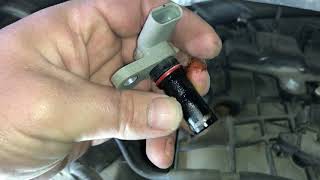
Typical fix: Replace the Bank 1 exhaust camshaft position sensor. 🎬 Watch: How to replace the camshaft position sensor It is held by a single 8mm bolt on the rear of the passenger-side valve cover. Cleaning metallic debris off the original sensor may provide a temporary fix.
Est. part cost: $30-$60 - Wiring or Connector Issue 🟡 Medium Probability The sensor connector is exposed to engine vibration and heat, which can cause wires to fray or the connector pins to become loose, corroded, or contaminated with oil. Wiring faults are estimated to cause up to 70% of P0369 codes. In some Ford platforms, as described in SSM 50116, a wiring harness may come into contact with the steering shaft u-joint, potentially blowing fuses and setting DTC P0369.
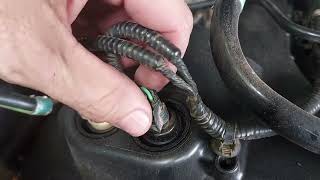
How to confirm: Visually inspect the wiring harness and connector leading to the sensor. Wiggle the connector with the engine running (a 'wiggle test') while monitoring live data on a scan tool to see if the signal drops out.
Typical fix: Clean the connector with electrical contact cleaner and ensure it is securely latched.
Est. part cost: $15-$40 for a new pigtail - Low or Dirty Engine Oil 🟡 Medium Probability The VCT system, which adjusts camshaft timing, is hydraulically operated by engine oil. The 3.5L EcoBoost can be prone to oil consumption. Low or dirty oil can starve the VCT phasers, causing them to operate erratically and trigger timing-related codes. This is often the first thing a technician will check.
How to confirm: Check the engine oil level on a level surface after letting the engine sit for at least 15 minutes for accurate drain-back. If the oil is low or past its service interval, this is a likely contributor.
Typical fix: Perform an oil and filter change using the correct grade of full synthetic oil. Top off oil if low and monitor for consumption.
Est. part cost: $50-$100 for oil and filter - Worn VCT Phasers / Stretched Timing Chain ⚪ Low Probability This is a well-documented weakness of the 3.5L EcoBoost engine, particularly on the first generation. Over time, the timing chain can stretch and the VCT phasers can wear out, leading to incorrect camshaft timing.
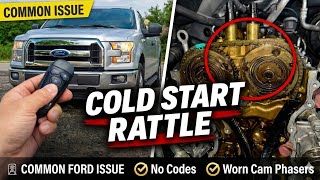
How to confirm: The most common symptom is a distinct rattling noise from the front of the engine for 2-5 seconds on a cold start. 🎬 See: What a stretched timing chain rattle sounds like A mechanic can confirm with advanced diagnostics by comparing cam/crank correlation data, but a visual inspection is often required, which can be costly.
Typical fix: This is a major repair that involves replacing the timing chain, tensioners, guides, and VCT phasers. The cost can be significant, with some owner estimates ranging from $2,500 to over $7,000 at a dealership.
Est. part cost: $500-$1200 for a full timing kit
Rare But Worth Checking
- Slipped Camshaft Tone Ring: The reluctor ring that the sensor reads is pressed onto the camshaft. In rare instances, it can break loose and spin independently, causing an incorrect signal even with a good sensor and proper timing. This requires replacing the entire exhaust camshaft.
- Powertrain Control Module (PCM) Fault: A software glitch or internal hardware failure in the PCM can cause it to misinterpret a good sensor signal. TSB 20-2423 mentions a PCM reprogram as a potential step for this code, especially if oil consumption is also a problem on high-output versions of this engine.
- Poor Ground Path: A compromised ground strap or corroded connection for the sensor circuit can introduce electrical resistance, causing the sensor's voltage signal to drop intermittently and trigger the P0369 code.
- Broken Oil Pump Belt: While rare for the Transit's 3.5L, a report for a different Ford model (NHTSA ODI #11592638) noted that codes P0365 and P0369 were found in conjunction with a broken oil pump belt, which necessitated an engine replacement.
Diagnosis Steps
- Check the engine oil level and condition. Ensure it is full and clean. This is the first and most critical step for any timing-related code on this engine.
- Scan for any other accompanying trouble codes. Codes like P0017 are a strong clue for mechanical issues.
- Locate the Bank 1 (passenger side) exhaust camshaft position sensor on the rear of the valve cover.
- Thoroughly inspect the sensor's electrical connector and wiring for any signs of damage, corrosion, or oil saturation. Reseat the connector.
- Remove the sensor (one 8mm bolt) and inspect its magnetic tip for any metallic shavings or debris. Clean if necessary.
- If the wiring looks good, consider swapping the exhaust (B) sensor with the intake (A) sensor on the same bank. Clear the codes and drive the vehicle. If the code returns as P0344 (for the intake sensor), the original sensor is faulty and should be replaced.
- If the code persists, listen carefully for a rattling noise from the front of the engine during a cold start. If a rattle is present, a stretched timing chain or failing VCT phasers are the most likely cause.
- If no rattle is present and the sensor/wiring are good, advanced diagnosis with an oscilloscope may be needed to check the sensor's waveform for dropouts, which could indicate a failing sensor or a more subtle wiring issue.
Parts You'll Likely Need
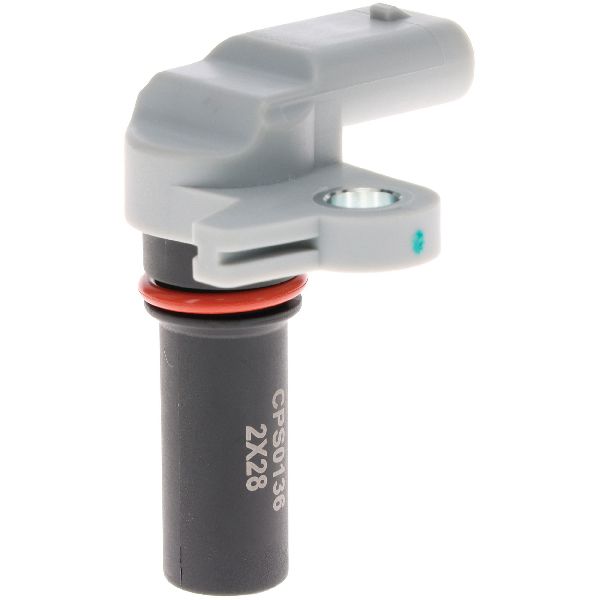
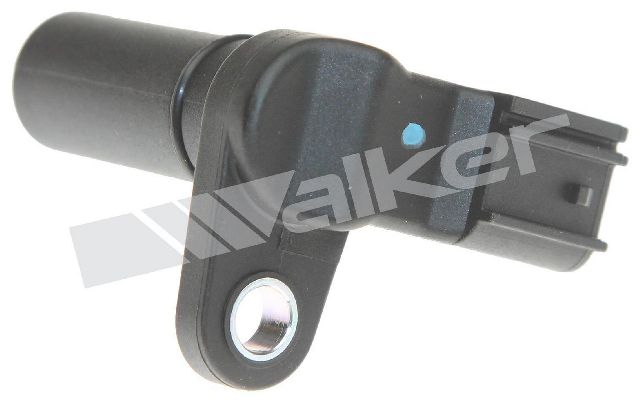
- Engine Camshaft Position Sensor
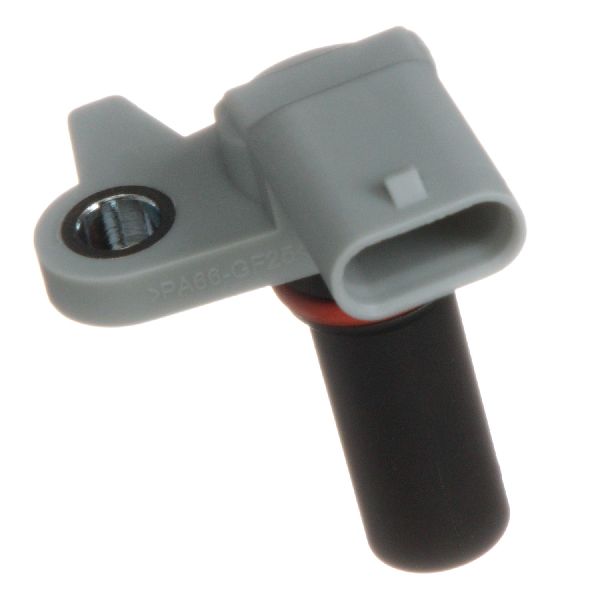
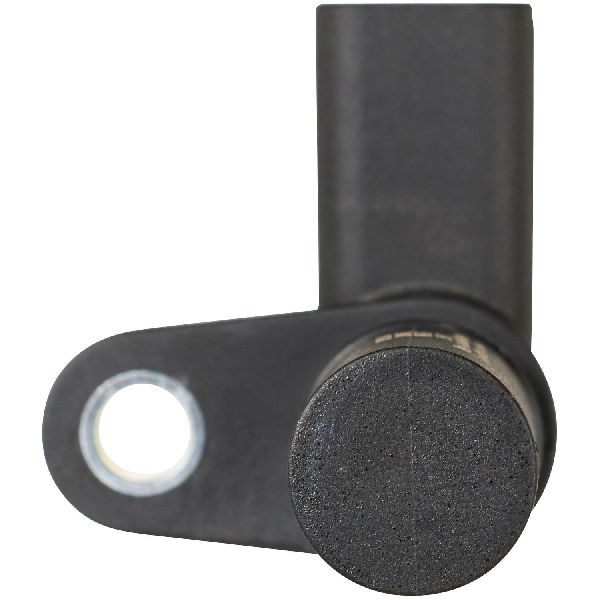
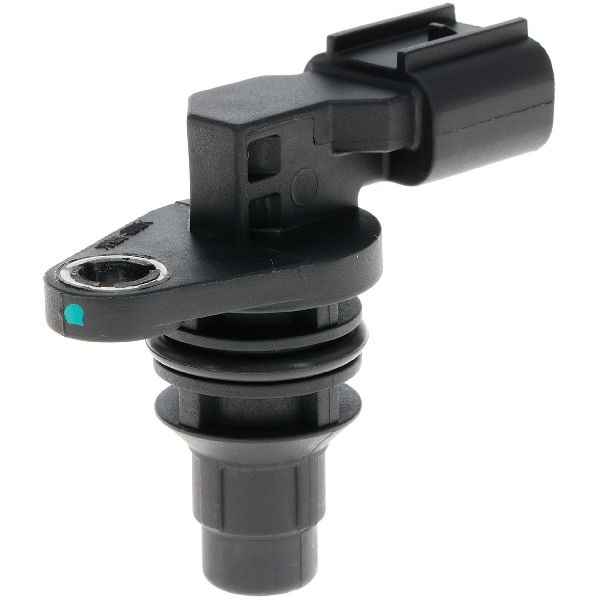
(OEM #DU-90 (Motorcraft))— This is the most common part to fail, causing an intermittent signal. It's a relatively simple and inexpensive replacement. Note: Verify the mounting tab orientation matches your original part, as similar sensors like DU-100 exist with different orientations.
Trusted brands: Motorcraft, Bosch, Denso, NTK/NGK
OEM price range: $35-$60
Aftermarket price range: $25-$45
Related Codes That Often Appear With This One
- P0365 — P0365 is 'Camshaft Position Sensor 'B' Circuit (Bank 1)'. It's the non-intermittent (hard fault) version of P0369. Seeing them together indicates the circuit has both hard faults and intermittent dropouts, often pointing to the same root causes. 🎬 Watch: Diagnosing and solving P0369 and P0365 codes
- P0017 — 'Crankshaft Position - Camshaft Position Correlation (Bank 1, Sensor B)'. If you see this code with P0369, it strongly points towards a mechanical timing issue like a stretched chain or bad phaser, as the PCM is seeing a discrepancy between the two sensors.
Technical Service Bulletins (TSBs) & Recalls
- SSM 47961: Links P0365/P0369 to low oil level, low oil pressure, or worn/damaged VCT units on 2018-2019 3.5L EcoBoost engines.
- TSB 20-2423: Addresses excessive oil consumption with or without DTC P0365/P0369 on some 3.5L EcoBoost High-Output engines, recommending a PCM reprogram and possible valve cover replacement.
- SSM 47983: Notes that 3.5L EcoBoost engines built on or before April 1, 2019, may exhibit excessive oil consumption with or without DTC P0365 and/or P0369, recommending replacement of both valve covers if no external leaks are found.
- SSM 50116: Describes a condition where the 14290 wiring harness may contact the steering shaft u-joint, potentially setting DTC P0369 among other codes.
Platform-Specific Known Issues
- Ford issued Technical Service Bulletin (TSB) SSM 47961 for 2018-2019 models with the 3.5L EcoBoost, explicitly stating that codes P0365 and P0369 can be caused by low engine oil, low oil pressure, or worn/damaged VCT units.
- TSB 20-2423 also links P0369 to excessive oil consumption on some 3.5L EcoBoost High-Output engines (found in F-150 Raptor/Limited and Navigator), requiring a PCM reprogram and potentially new valve covers to fix.
Mechanic-Grade Diagnostic Values
- Camshaft Position Sensor internal resistance — expected: 500 - 1500 Ω. Failure: A reading outside this range indicates an internal sensor failure.
- Sensor power supply voltage at connector — expected: ~5V DC (with key on, engine off). Failure: 0V or significantly low voltage points to a problem in the wiring harness or PCM, not the sensor itself.
- Sensor ground circuit resistance to battery negative — expected: Less than 0.2 Ω. Failure: A reading above 0.2 Ω indicates excessive resistance in the ground path, which can cause intermittent signal drops.
- Scan Tool Live Data: VCT_EXH_ERR1 PID — expected: 0 degrees at idle. Failure: A persistent deviation from 0 degrees indicates a mechanical timing correlation error, likely from a stretched chain or bad phaser.
Scan Tool Commands That Help
- Ford IDS / FORScan: KOEO (Key On, Engine Off) and KOER (Key On, Engine Running) Self-Tests — Use these built-in diagnostic routines to check for related circuit faults that may not have set a check engine light but can help pinpoint the origin of the intermittent P0369 code.
- High-end OBD-II Scanner: Live Data Graphing - CMP B1 PID — Graph the camshaft position sensor's signal while idling and revving the engine. This allows you to visually identify the intermittent signal dropouts or erratic spikes that are triggering the code, which helps confirm if the issue is electrical (sensor/wiring) or mechanical.
Wiring & Ground Locations
- CMP Sensor Connector (C139) — On the back of the passenger side (Bank 1) cylinder head, connecting to the exhaust camshaft position sensor.. This 3-pin connector is a primary failure point. It is prone to heat damage, oil contamination, and becoming unseated, causing the intermittent signal loss that defines P0369.
- G104 — On the rear of the right (passenger side) cylinder head.. This is a primary engine ground point. A loose or corroded connection here can create an unstable ground reference for the camshaft position sensor, leading to erratic voltage readings and triggering a false code.
Real Owner Repair Stories
- YouTube user 'Cobra Strikes Back' (2013 Ford F-150 3.5L EcoBoost with 218,000 miles) — Check engine light with codes P0369, P0365, and P0299 (turbo underboost). Engine had no power on acceleration but idled smoothly.
❌ Tried (didn't work) Initial diagnosis pointed towards a major mechanical issue or turbo failure due to the combination of codes.
✅ What actually fixed it The Bank 1 exhaust cam sensor ('B' sensor) electrical connector was not fully seated and was contaminated with dirt and metallic debris. After cleaning both sides of the connector with electronics cleaner and securely plugging it in, all codes were cleared and did not return, restoring full engine power. - NHTSA ODI #11466062 — An owner reported that their engine would quit after applying gas, and an OBD2 reader showed codes P0365 or P0369. Despite having the vehicle in the shop numerous times to replace the cam sensor, the stalling issue persisted.
"I Checked Everything" — The Actual Cause
- In cases where multiple codes are present (e.g., P0369 and a P0299 underboost code), a technician might suspect a vacuum leak or mechanical turbo issue. However, the root cause can be purely electrical. A dirty or loose camshaft position sensor connector can cause such erratic engine behavior that the PCM also flags a performance code like underboost, even though the turbo and intake system are perfectly sealed.
OEM Part Supersession History
AT4Z6B288A (Ford)→DU-90 (Motorcraft)— Standard part number update and branding change from Ford to Motorcraft.
Heads up: The Bank 1 exhaust sensor is DU-90. The intake sensor is a different part, DU-102. They are not interchangeable. Using the wrong sensor will cause immediate codes.N/A→ML3Z-6256-A (Intake Phaser), ML3Z-6C525-A (Exhaust Phaser)— Updated VCT cam phaser design to address cold start rattle and premature failure issues.
Heads up: When performing a timing job on these engines, it is critical to use the latest revised phaser part numbers to prevent a recurrence of the problem.
Model Year Variations Within This Range
- 2017-2019: The Ford Transit received an updated version of the Gen 1 3.5L EcoBoost starting in the 2017 model year which incorporated 'revised timing components'. While still a Gen 1 architecture, these later models may have different original timing chain and tensioner parts than the 2015-2016 models, though replacement parts are typically superseded to the latest design for all years.
Diagnostic Flowchart
Other Known Issues on This Vehicle
Issues unrelated to this code that are worth knowing about as an owner of this generation:
- Driveshaft Flex Disc (Guibo) Failure 🔴 High — Common failure item, especially on higher mileage vehicles. Ford has offered replacements at 30k intervals for some owners. (Ref: Ford has replaced them under warranty and issued service programs, but no single universal recall covers all years.)
- Turbocharger Coolant Line Leaks 🟠 Medium — A very common leak point on the 3.5L EcoBoost engine due to failure of the OEM 'jiffy' connector O-rings. Often occurs on the passenger side turbo. (Ref: No specific recall, but it is a widely recognized repair. Aftermarket AN fitting kits are a popular permanent solution.)
- Water Intrusion at A-Pillar / Roof 🟠 Medium — Frequently reported by owners, especially in van conversions. Leaks occur through poorly sealed factory roof holes or down the A-pillars, causing wet footwells and potential rust.
- Premature Rear Brake Wear 🟡 Low — Owners frequently report that rear brake pads wear out unusually fast.
- Harsh Shifting (10R80 Transmission) 🟡 Low — Affects some 2018 and newer models, causing harsh or bumpy shifts. (Ref: TSB 18-2274 addresses this with a PCM reprogram for vehicles built on or before May 15, 2018.)
Used vs. New Parts: Buying Guide for This Vehicle
When a used part is the smart pick: For this specific code, using used parts is generally not recommended. The primary failure components are a low-cost electronic sensor or high-wear mechanical timing parts. A used valve cover would be acceptable if needed for a related TSB repair, as its function is purely mechanical sealing.
Donor-vehicle mileage cap: roughly under 150000 miles for the part to have meaningful remaining life.
What to inspect on the donor part:
- For a valve cover, inspect thoroughly for any hairline cracks, especially around bolt holes.
- Ensure the gasket mating surface is flat and not warped.
- Confirm all baffles and integrated PCV components are intact and not broken.
OEM-only on this vehicle (don't cheap out):
- Camshaft Position Sensor: Strongly recommend using OEM (Motorcraft) or a direct OEM supplier like Bosch or NTK. These engines can be sensitive to the signal quality of aftermarket sensors.
- Timing Chain Kit (Chain, Phasers, Tensioners, Guides): It is critical to use OEM Ford/Motorcraft parts. Aftermarket timing kits for this engine have a documented history of premature failure, sometimes in as little as a year.
Aftermarket brands forum-validated for this vehicle:
- Bosch (for sensors)
- NTK/NGK (for sensors)
Brands owners have reported issues with on this vehicle:
- Cloyes (for timing chains): One owner reported a Cloyes timing chain stretching and causing codes again only one year and 8,000 miles after installation.
Real Owner Stories
Aggregated from forums and TSBs cited above. Mileages and costs reflect what owners reported in those sources.
2014 Ford F-150 3.5L EcoBoost — 90000 miles
Symptoms: The owner reported P0365 and P0369 codes. A mechanic noted the codes were ambiguous but pointed toward potential timing chain stretch.
What fixed it: The source mentions a quote for a full timing chain replacement, though the codes are often linked to TSBs regarding chain stretch on this engine family.
Cost: $7,000-$7,000
Source hint: f150forum.com - 'Po365/po369'
Related OBD-II Codes
Frequently Asked Questions
Does SSM 47961 apply to my 2018 Ford Transit with the 3.5L EcoBoost?
I have a 3.5L EcoBoost High-Output engine; is there a specific TSB for oil consumption and P0369?
Can I just clean the Bank 1 exhaust camshaft sensor instead of replacing it?
Where is the Bank 1 exhaust camshaft position sensor located on the Transit 3.5L?
How can I tell if my P0369 code is a simple sensor failure or a major timing chain issue?
Is it true that wiring issues cause most P0369 codes on this platform?
Helpful Videos

Used OEM Parts in Stock

New Aftermarket Parts Available


The information in this article is provided for general reference and educational purposes only. Vehicle specifications, procedures, and part compatibility can vary by production date, trim level, and region. Always consult your vehicle's factory service manual and verify part numbers before purchasing or performing repairs. Safety-critical components such as airbags, seat belts, and braking systems should be installed by a qualified professional.
- Ford Transit:
- 🎬 Helpful Videos
- 🛍️ Shop This Part
- What's Unique About the 2015-2019 Ford Transit
- Symptoms You May Notice
- Most Likely Causes
- Rare But Worth Checking
- Diagnosis Steps
- Parts You'll Likely Need
- Related Codes That Often Appear With This One
- Technical Service Bulletins (TSBs) & Recalls
- Platform-Specific Known Issues
- Mechanic-Grade Diagnostic Values
- Scan Tool Commands That Help
- Wiring & Ground Locations
- Real Owner Repair Stories
- "I Checked Everything" — The Actual Cause
- OEM Part Supersession History
- Model Year Variations Within This Range
- Diagnostic Flowchart
- Other Known Issues on This Vehicle
- Used vs. New Parts: Buying Guide for This Vehicle
- Real Owner Stories
- 2014 Ford F-150 3.5L EcoBoost — 90000 miles
- Related OBD-II Codes
- Frequently Asked Questions
- 🎟️ Get 5% Off