

P0353 on 2007-2016 Dodge Charger: Ignition Coil 'C' Circuit Malfunction Causes and Fixes
P0353 on a Dodge Charger indicates a fault with the ignition coil circuit for cylinder #3. The most common cause is a failed ignition coil, followed by a worn spark plug. A simple coil swap is the easiest way to diagnose the problem. Parts are inexpensive, typically under $75.
- P0353 specifically points to an electrical issue in the ignition system for cylinder #3.
- The most likely fix is replacing the ignition coil for cylinder #3.
- A 'coil swap' is the definitive, no-cost diagnostic step to confirm a bad coil.
- Always inspect the spark plug and the coil's electrical connector for the corresponding cylinder, as a bad plug can destroy a new coil and a loose connector can mimic a bad coil.
- Do not drive if the check engine light is flashing to avoid expensive catalytic converter damage.
What's Unique About the 2007-2016 Dodge Charger
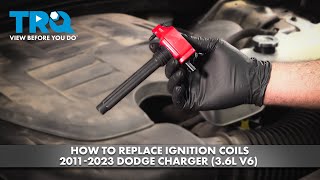
On the Dodge Charger, this code is common across its V6 and V8 engines. For the 3.6L Pentastar V6, cylinder #3 is the middle cylinder on the driver's side (Bank 2), and its coil and plug are easily accessible without removing the intake manifold. 🎬 Watch: How to replace ignition coils on the 3.6L V6 Conversely, on the older 3.5L V6 (2007-2010), accessing cylinder #3 requires removing the entire upper intake manifold, making the job significantly more involved. On the 5.7L and 6.4L HEMI V8 engines, cylinder #3 is the second cylinder back on the driver's side (Bank 1). While the cause is usually a simple coil or plug, it's important to be aware that HEMI engines have a known issue with camshaft/lifter failure that can begin as a misfire on a single cylinder, often accompanied by a ticking sound.
Generation note: The 2007-2016 range covers two generations of the Dodge Charger. The LX generation (2007-2010) and the LD generation (2011-2016). The diagnostic process is similar, but the specific engines (2.7L V6, 3.5L V6, 3.6L V6, 5.7L HEMI, 6.1L HEMI, 6.4L HEMI) have different cylinder layouts and varying accessibility for cylinder #3.
Symptoms You May Notice
- Check Engine Light is on
- Engine misfire, which may feel like a shake or stumble, especially at idle
- Rough idle
- Hesitation or loss of power during acceleration
- Reduced fuel economy
- Flashing Check Engine Light (in cases of severe misfire)
- Replacing the PCM before thoroughly testing the coil, spark plug, and wiring circuit.
- Replacing fuel injectors when the code specifically points to an ignition circuit fault. A P0203 (Injector Circuit Malfunction) would typically be present if the injector were the electrical cause.
Most Likely Causes
- Failed Ignition Coil 🔴 High Probability Ignition coils are wear-and-tear components that operate under high heat and voltage. After 60,000-100,000 miles, internal windings can break down, leading to failure. This is the most common cause for a P035x series code.
How to confirm: The easiest way to confirm a bad coil is to swap the ignition coil from cylinder #3 with another cylinder (e.g., cylinder #1 on a HEMI or cylinder #5 on a V6). Clear the codes and drive the vehicle. If the code changes to P0351 or P0355 respectively, the coil is faulty.
Typical fix: Replace the failed ignition coil for cylinder #3. It is often recommended to replace the corresponding spark plug at the same time.
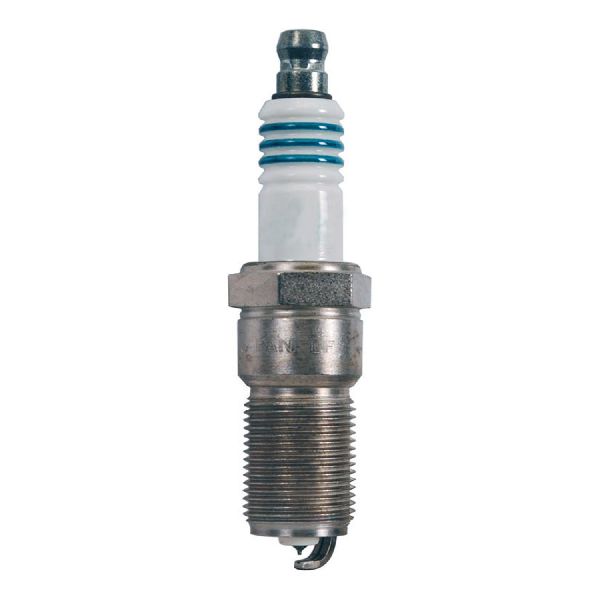
Est. part cost: $30-$75 - Worn or Fouled Spark Plug 🟡 Medium Probability Spark plugs have a finite lifespan, typically 30,000 miles for copper plugs in older V8s and up to 100,000 miles for iridium/platinum plugs in the Pentastar V6. A worn electrode, incorrect gap, or carbon/oil fouling increases the electrical resistance, which overloads the ignition coil and can cause it to fail. A cracked porcelain insulator is also a common failure point.
How to confirm: After confirming the coil is good, remove the spark plug from cylinder #3. Inspect it for excessive wear on the electrode, heavy carbon deposits, oil fouling, or cracks in the white porcelain insulator.
Typical fix: Replace the spark plug for cylinder #3. It is best practice to replace all spark plugs as a set to ensure even performance, especially if they are near the end of their service life.
Est. part cost: $10-$25 - Damaged Wiring or Connector ⚪ Low Probability Engine bay heat and vibrations can make wires brittle and cause the plastic locking tabs on connectors to break. This can lead to a poor or intermittent connection at the ignition coil. Owners have reported the small red locking tab on the connector breaking, preventing a secure connection.
How to confirm: Visually inspect the wiring harness and electrical connector for cylinder #3. Look for any signs of melted plastic, chafed or broken wires, or corrosion on the connector pins. Wiggle the connector with the engine running to see if it induces a misfire. Ensure the connector 'clicks' into place and the red locking tab engages.
Typical fix: Repair the damaged section of wire or replace the ignition coil pigtail connector. Dielectric grease can be applied to the new connector to protect it from moisture.
Est. part cost: $15-$40
Rare But Worth Checking
- Powertrain Control Module (PCM) Failure: This is a rare cause. The internal driver circuit for the #3 coil within the PCM can fail. This should only be considered after all other possibilities (coil, plug, wiring) have been definitively ruled out. This failure is more documented on slightly older Dodge truck platforms but can happen. A definitive diagnosis often requires an oscilloscope to see if the PCM is sending the square wave signal to the coil.
- Camshaft/Lifter Failure (HEMI V8 Engines): On 5.7L and 6.4L HEMI engines, a single-cylinder misfire (P0303) accompanied by the P0353 code can be an early symptom of a failing lifter, which can damage the camshaft. This is often accompanied by a distinct ticking sound ('Hemi tick'). If a new coil and plug do not resolve the misfire, this more serious mechanical issue should be investigated.
Diagnosis Steps
- Read the trouble codes with an OBD-II scanner to confirm P0353 and likely P0303 are present.
- Identify the location of cylinder #3. On 3.6L V6 engines, it's the middle cylinder on the driver's side. On HEMI V8s, it's the second cylinder from the front on the driver's side.
- Swap the ignition coil from cylinder #3 with an adjacent, easily accessible cylinder (like cylinder #1 on a V8 or #5 on a V6).
- Clear the codes with the scanner, start the engine, and let it run for a few minutes or take a short drive.
- Re-scan for codes. If the code has moved to the cylinder you swapped with (e.g., P0351), the ignition coil is the problem.
- If code P0353 returns, the coil is likely good. The next step is to inspect the spark plug for cylinder #3. Replace it if it is worn, fouled, or damaged.
- If the plug and coil are good, carefully inspect the electrical connector and wiring going to the coil. Check for a broken locking tab, corrosion, or pushed-out pins. Wiggle the harness while the engine is running to check for changes.
- If no visible issues are found, use a multimeter to check for 12V power at the coil connector (typically a Dark Green/Dark Blue wire) with the key on and engine off. Further testing of the ground and signal wire continuity back to the PCM may be required, which may necessitate a wiring diagram.
Parts You'll Likely Need
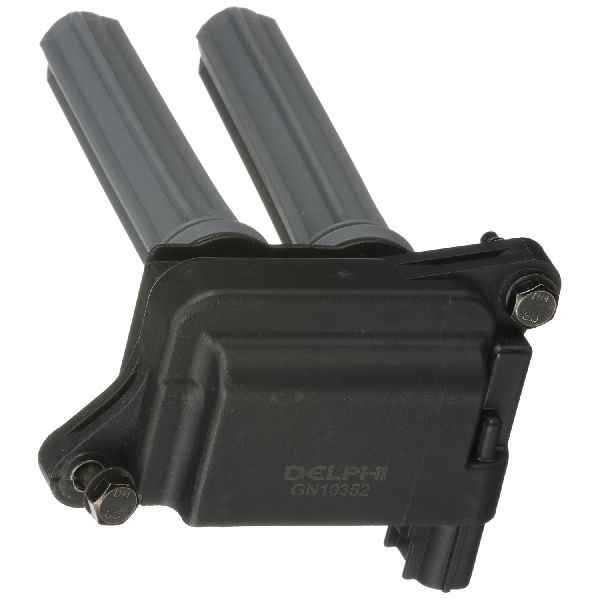
- Ignition Coil
(OEM #68238603AA (supersedes 56029129AA, 56029129AF, 68060346AA for HEMI V8s))— This is the most frequent point of failure for a P0353 code. It is a high-wear item responsible for generating the spark.
Trusted brands: Mopar, NGK, Denso, Delphi
OEM price range: $50-$90
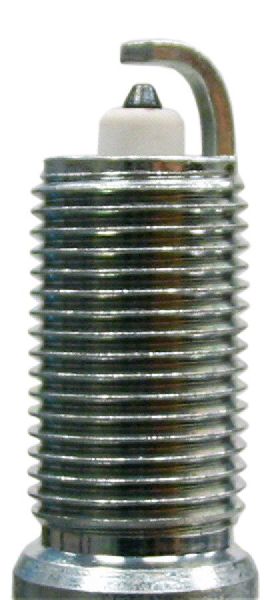
Aftermarket price range: $30-$60 - Spark Plug
(OEM #SP149125AF (3.6L V6), SPLZTR5A13 (5.7L HEMI))— A worn or fouled spark plug is the second most likely cause, either by failing itself or by overloading and destroying the ignition coil. It is always recommended to inspect and often replace when servicing a coil.
Trusted brands: NGK, Champion
OEM price range: $15-$30
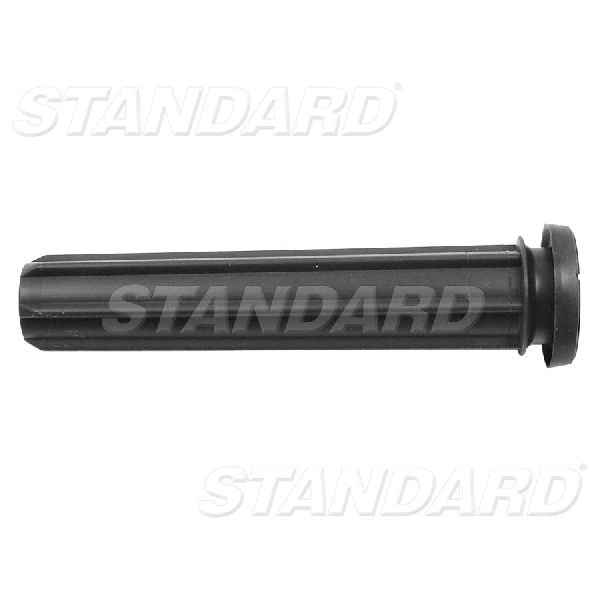
Aftermarket price range: $8-$20 - Ignition Coil Connector Pigtail — The plastic connector can become brittle from heat cycles, causing the locking tab to break. This results in a loose connection that can trigger the P0353 code intermittently.
Trusted brands: Mopar, Dorman
OEM price range: $25-$45
Aftermarket price range: $15-$30
Related Codes That Often Appear With This One
- P0303 — This code means 'Cylinder 3 Misfire Detected.' P0353 indicates the electrical fault in the coil circuit, and P0303 confirms the resulting lack of combustion. They almost always appear together.
- P2308 — This code means 'Ignition Coil C Secondary Circuit'. While P0353 is a general coil circuit fault, P2308 points specifically to the high-voltage secondary side. Seeing both together strongly suggests a bad ignition coil.
Platform-Specific Known Issues
- Accessibility Varies by Engine: On the 3.6L Pentastar V6, cylinder #3 is easily accessed on the driver's side bank. However, on the older 3.5L V6 (used until 2010), the intake manifold must be removed to access the coils, making the repair much more labor-intensive.
Mechanic-Grade Diagnostic Values
- Ignition Coil Primary Resistance — expected: 0.5 to 2.0 Ohms. Failure: A reading outside this range, or infinite (OL), indicates a faulty coil.
- Ignition Coil Secondary Resistance — expected: 8,000 to 15,000 Ohms (8k-15k Ω). Failure: A reading outside this range, especially infinite (OL) or zero, points to a failed secondary winding.
- Ignition Coil Connector Power Supply Voltage — expected: 12.0 - 12.6 Volts (Battery Voltage). Failure: Significantly lower voltage or no voltage indicates a problem in the power supply circuit from the ASD relay.
- Ignition Coil Control Circuit Signal (Hertz) — expected: 5 to 20 Hertz while cranking. Failure: A lack of a Hertz signal when testing with a multimeter or a non-flashing noid light points towards a wiring or PCM driver issue.
Scan Tool Commands That Help
- Chrysler/Dodge Scan Tool (e.g., Witech): Actuate ASD Relay — When testing for power at the ignition coil connector. Actuating the Auto Shutdown (ASD) relay with the scan tool should send battery voltage to the power wire of the coil connector, confirming the relay and fuse are good.
- Advanced OBD-II Scanner: Live Data - Misfire Counter — To confirm the misfire is actively occurring on cylinder #3. Watching the 'Cylinder 3 Misfire Count' PID will show if the count is increasing, verifying the misfire before swapping parts.
Wiring & Ground Locations
- Cylinder 3 Ignition Coil Control Circuit — Wire running from the PCM harness connector to the cylinder 3 ignition coil connector.. This is the signal wire the PCM uses to command the coil to fire. For a 2008 5.7L HEMI, this circuit is designated K18 and is often a Dark Blue/Light Green wire. A break or short in this wire will cause P0353.
- ASD Relay Output Circuit — Wire running from the ASD relay (in the underhood fuse box/TIPM) to all ignition coil connectors.. This circuit provides the 12V power supply to the ignition coils. For a 2008 model, this may be designated as circuit K343. A fault here would likely cause multiple coil codes (P035x), but a localized short or high resistance near coil #3 could isolate the fault.
- G911 — Located on the left side of the dash, behind the instrument cluster area.. This is a major ground point for various interior modules and can be related to the Powertrain Control Module's ground circuit. A poor ground here can cause erratic behavior from the PCM, including false codes.
Real Owner Repair Stories
- Dodge Ram SRT-10 Forum (Dodge Ram with 8.3L (Similar Chrysler ignition logic)) — P0353 code present.
❌ Tried (didn't work) Swapping ignition coil.
✅ What actually fixed it The diagnostic procedure pointed to testing the continuity of the control wire (K18 circuit) back to the PCM. The final step if the wire is good is to replace the PCM, indicating a failed coil driver in the module.
Model Year Variations Within This Range
- 2006-2010 (LX Platform): These models used a Totally Integrated Power Module (TIPM) which housed the ASD relay and fuses. Wiring colors and circuit identifiers (e.g., K18 for coil control) are specific to this generation.
- 2011-2016 (LD Platform): The electrical architecture was updated. While the principles are the same, wire colors, connector pinouts, and the physical location of grounds (like G911) and modules may differ from the earlier generation.
Diagnostic Flowchart
Other Known Issues on This Vehicle
Issues unrelated to this code that are worth knowing about as an owner of this generation:
- HEMI Camshaft/Lifter Failure ('Hemi Tick') 🔴 High — Common on 5.7L and 6.4L HEMI engines, especially those with MDS (Multi-Displacement System), often appearing after 80,000 miles. Can be exacerbated by long oil change intervals.
- Alternator Failure 🟠 Medium — Premature alternator failure is a widely reported issue, particularly on police-package vehicles but also on civilian models. The 160-amp and 180-amp units are known to fail, sometimes causing electrical issues or a no-start condition. (Ref: Recall K08 (NHTSA 11V-528) for some 2011 models, but the issue is more widespread.)
- Electronic Shifter Issues ('Service Shifter' Message) 🟠 Medium — Applies to 2012-2014 models with the electronic T-handle shifter. Internal faults in the shifter module can cause a 'Service Shifter' message, prevent the car from starting, or get it stuck in a gear. (Ref: TSB 21-006-14)
- 3.6L Pentastar Oil Cooler/Filter Housing Leak 🟠 Medium — Common on the 3.6L V6. The plastic oil filter housing, located in the engine valley, can crack and leak oil. This often happens after 60,000-100,000 miles.
- Water Pump Failure (3.6L Pentastar) 🟠 Medium — The water pump on the 3.6L V6 is a common failure item, often requiring replacement between 70,000 and 120,000 miles. Symptoms include coolant leaks and overheating.
Used vs. New Parts: Buying Guide for This Vehicle
When a used part is the smart pick: A used ignition coil connector pigtail from a junkyard is a perfectly acceptable and cost-effective repair if your original connector is broken. It's a simple component, and a visual inspection is sufficient to determine its quality.
Donor-vehicle mileage cap: roughly under 80000 miles for the part to have meaningful remaining life.
What to inspect on the donor part:
- For a connector pigtail, ensure the plastic isn't brittle and the locking tab is intact.
- Check that the wires have sufficient length for splicing.
- Verify there is no corrosion (green or white powder) on the metal pins inside the connector.
OEM-only on this vehicle (don't cheap out):
- Powertrain Control Module (PCM) - While used PCMs are available, they require vehicle-specific programming (VIN flashing) to function. This often makes a pre-programmed unit from a specialized vendor or a new OEM unit a more reliable, albeit more expensive, choice.
Aftermarket brands forum-validated for this vehicle:
- Ignition Coils: NGK, Denso, Delphi
- Spark Plugs: NGK, Champion
- Connectors: Dorman
Brands owners have reported issues with on this vehicle:
- Unbranded, no-name ignition coils from online marketplaces. These often have a high failure rate and may not perform to OEM specifications, causing persistent or intermittent misfires.
Real Owner Stories
Aggregated from forums and TSBs cited above. Mileages and costs reflect what owners reported in those sources.
2012 Dodge Charger 5.7L
Symptoms: Vehicle was showing a P0303 misfire code.
What fixed it: Replacing the spark plug and ignition coil did not resolve the issue. The problem was suspected to be a wiring issue or a more serious mechanical fault like a lifter failure.
Source hint: ChargerForums - 'P0303 Misfire'
Related OBD-II Codes
Frequently Asked Questions
Where is cylinder #3 located on my Dodge Charger's engine?
Is it difficult to access the ignition coil for cylinder #3 on my Charger?
I have a P0353 code. What's the recommended first diagnostic step for a Dodge Charger?
The red locking tab on my ignition coil connector broke. Is this a known issue on these cars?
I have a HEMI and already replaced the coil and spark plug for cylinder #3, but P0353 returned. What's next?
Is the diagnosis for P0353 the same on a Chrysler 300 or Dodge Challenger of the same era?
Helpful Videos
Used OEM Parts in Stock


New Aftermarket Parts Available


The information in this article is provided for general reference and educational purposes only. Vehicle specifications, procedures, and part compatibility can vary by production date, trim level, and region. Always consult your vehicle's factory service manual and verify part numbers before purchasing or performing repairs. Safety-critical components such as airbags, seat belts, and braking systems should be installed by a qualified professional.
- Dodge Charger:
- 🎬 Helpful Videos
- 🛍️ Shop This Part
- What's Unique About the 2007-2016 Dodge Charger
- Symptoms You May Notice
- Most Likely Causes
- Rare But Worth Checking
- Diagnosis Steps
- Parts You'll Likely Need
- Related Codes That Often Appear With This One
- Platform-Specific Known Issues
- Mechanic-Grade Diagnostic Values
- Scan Tool Commands That Help
- Wiring & Ground Locations
- Real Owner Repair Stories
- Model Year Variations Within This Range
- Diagnostic Flowchart
- Other Known Issues on This Vehicle
- Used vs. New Parts: Buying Guide for This Vehicle
- Real Owner Stories
- 2012 Dodge Charger 5.7L
- Related OBD-II Codes
- Frequently Asked Questions
- 🎟️ Get 5% Off