

OBD-II Code P0351: Ignition Coil 'A' Primary/Secondary Circuit Malfunction
The Ultimate Strategist's Guide to Diagnosing and Fixing P0351
- Swap the ignition coil from cylinder #1 to cylinder #2 to instantly confirm if the coil is the culprit; if the code changes to P0352, the coil is dead.
- Stop driving immediately if the check engine light flashes, as raw fuel from the misfiring cylinder destroys a $1,500 catalytic converter in under 10 minutes.
- Replace the cylinder #1 spark plug alongside the new ignition coil, because a worn plug gap forces the new coil to overwork and fail prematurely.
- Perform a 'wiggle test' on the wiring harness while the engine idles to expose hidden electrical shorts before spending $800+ on a replacement Powertrain Control Module (PCM).
What Does P0351 Mean?

P0351 means the Powertrain Control Module (PCM) detected an electrical fault in the primary or secondary circuit of the ignition coil for cylinder #1. The letter 'A' corresponds to the first cylinder in the engine's firing order. The ignition coil transforms 12-volt battery power into the 40,000+ volts required to create a spark. The PCM continuously monitors this circuit; when it commands the coil to fire but does not receive the expected electrical feedback signal, it logs P0351 and illuminates the check engine light.
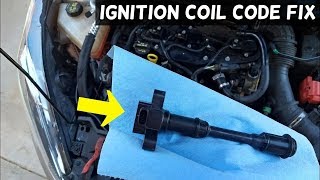
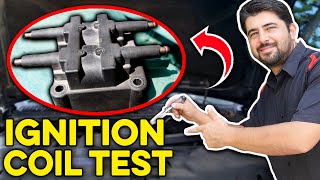
Technical definition: The official SAE/OBD-II definition for P0351 is "Ignition Coil 'A' Primary/Secondary Circuit Malfunction." 🎬 Watch: A complete walkthrough on fixing the P0351 circuit fault. This indicates the PCM detected an open or short in the electrical circuit for the cylinder #1 ignition coil. The PCM sends a timed trigger signal (IGT) to the coil's primary winding and expects a valid ignition confirmation (IGF) signal in return. When the PCM misses the IGF signal or detects an abnormal voltage spike on the primary circuit, it sets P0351. To prevent catalytic converter damage, the PCM often disables the fuel injector to that cylinder, triggering a concurrent P0201 code.
Can I Drive With P0351?
yes_but_not_recommended. Driving with P0351 is strongly discouraged. A solid check engine light means you can drive a short distance (under 50 miles) to a repair shop, but the engine will misfire, causing rough running, poor power, and terrible fuel economy. A FLASHING check engine light signifies a severe misfire dumping unburned fuel into the exhaust. Pull over and shut off the engine immediately. Continuing to drive destroys the catalytic converter in minutes, a repair costing between $800 and $3,500.
Common Causes

- Defective Ignition Coil (Very Common) — The ignition coil for cylinder #1 is the most frequent point of failure. Constant exposure to extreme heat and vibration breaks down the internal windings or cracks the epoxy housing, leading to a weak or nonexistent spark.
- Worn or Fouled Spark Plug (Common) — A spark plug in cylinder #1 with an excessive gap or carbon fouling increases electrical resistance in the secondary circuit. This forces the ignition coil to work harder, causing overheating and premature failure.
- Damaged Wiring or Connectors (Common) — The wiring harness leading to the ignition coil becomes brittle, frayed, shorted to ground, or chewed by rodents. The plastic connector also breaks, suffers bent pins, or loses its locking tab, causing a poor connection.
- Oil or Water Contamination (Less Common) — A leaking valve cover gasket allows engine oil to pool in the spark plug well, shorting out the coil. Similarly, water from engine washing or heavy rain intrudes and causes a direct circuit fault.
- Blown Fuse or Faulty Power Relay (Rare) — Ignition coils receive power from a shared fuse or relay. If this component fails, it cuts power to one or more coils, triggering a P0351 code.
- Faulty Camshaft or Crankshaft Sensor (Rare) — A failing camshaft or crankshaft position sensor provides erratic signals to the PCM. This disrupts ignition timing and causes the PCM to incorrectly flag a coil circuit fault, always accompanied by other sensor codes.
- Intake Manifold Vacuum Leak (Rare) — A significant vacuum leak near cylinder #1 introduces unmetered air, leading to a lean misfire. The PCM sometimes misinterprets this persistent misfire as a coil circuit problem.
- PCM Software Glitch (Very Rare) — The PCM's software occasionally contains bugs leading to false P0351 codes. Manufacturers issue Technical Service Bulletins (TSBs) with software updates to correct this.
- Faulty Powertrain Control Module (PCM) (Very Rare) — The internal driver circuit within the PCM that controls the cylinder #1 ignition coil fails. This is a last-resort diagnosis considered only after exhaustively ruling out wiring and coil issues.
Symptoms

- Rough Idle and Engine Misfire — The engine shakes, stumbles, or runs unevenly because cylinder #1 produces no power. This vibration is highly noticeable at a stop or during low-speed acceleration.
- Loss of Power and Hesitation — The vehicle feels sluggish and unresponsive. Acceleration is weak, and the engine hesitates when placed under load, such as climbing a hill or merging onto a highway.
- Reduced Fuel Economy — With a dead cylinder, engine efficiency plummets. The PCM enriches the fuel mixture to compensate, causing a 10-25% drop in MPG.
- Fuel Smell from Exhaust — If the PCM fails to cut the fuel injector to the misfiring cylinder, raw gasoline dumps into the exhaust, creating a distinct fuel odor from the tailpipe.
- Check Engine Light (MIL) On or Flashing (also visible on scanner) — A solid MIL is standard. A flashing MIL indicates a severe, catalyst-damaging misfire is actively occurring, serving as a critical warning to stop driving immediately.
Diagnostic Flowchart
Tap your situation to follow the diagnostic path that matches what you're seeing on this code.
Common Fixes & Costs
- Replace Ignition Coil 'A' (Cylinder #1) — Parts: $40-$250, Labor: $75-$150, ~0.5 hr book time (DIY)
- Replace Spark Plugs — Parts: $10-$50 per plug, Labor: $75-$200, ~1.0 hr book time (DIY)
- Repair Wiring or Replace Connector Pigtail — Parts: $15-$60, Labor: $120-$350, ~1.5 hr book time (Intermediate)
- Replace Valve Cover Gasket & Spark Plug Tube Seals — Parts: $50-$200, Labor: $250-$600, ~2.5 hr book time (Intermediate)
- Replace Powertrain Control Module (PCM) — Parts: $600-$1200, Labor: $200-$400, ~2.0 hr book time (Professional)
DIY vs Professional
- Replace Ignition Coil / Spark Plug — Beginner: Yes
Tools: Socket set, ratchet with extensions, spark plug socket, torque wrench, dielectric grease. - Repair Wiring or Replace Connector Pigtail — Beginner: No (Intermediate skill recommended)
Tools: Wire cutters/strippers, butt connectors or soldering iron, heat shrink tubing, multimeter. - Replace Valve Cover Gasket — Beginner: No (Intermediate skill recommended)
Tools: Comprehensive socket set, torque wrench, gasket scraper, RTV sealant, shop towels. - Replace Powertrain Control Module (PCM) — Beginner: No
Tools: Socket set, specialized programming tools.
Used vs. New Parts: Buying Guide
When a used part is worth it: A used OEM coil from a low-mileage vehicle is a temporary, budget-friendly fix to get the car running, but is not recommended as a long-term solution.
Donor-vehicle mileage cap: roughly under 60000 miles for the part to have meaningful remaining life.
Donor quality checklist:
- Verify the donor vehicle was not scrapped for engine-related issues.
- Inspect the used coil for cracks, corrosion, or signs of oil leaks.
- Match the part number exactly; visual appearance alone is insufficient.
Decision logic:
- If Vehicle is a daily driver and reliability is critical → Buy a new OEM or reputable aftermarket coil (e.g., Denso, NGK, Bosch).
- If Budget is the primary concern and you accept the risk → A used OEM coil is acceptable, but understand it fails sooner than a new part.
- If One coil fails on a high-mileage vehicle (>100k miles) → Replace all coils with new ones preventatively, as others are near the end of their service life.
Warranty tradeoff: Used parts typically have a 30-90 day warranty. New aftermarket parts offer 1-year to limited lifetime warranties. New OEM parts carry a 12-24 month manufacturer's warranty.
Worst-case if a used part fails: $150-$300 if a used coil fails shortly after installation, requiring repeat labor and a new part.
What Happens If You Wait — Timeline
- 0-2 weeks: Check Engine Light illuminates with code P0351. Engine has a slightly rough idle. Power loss and fuel economy drop are minimal. (MPG impact: 3-5%% · Added cost: $0)
- 2 weeks - 2 months: Engine misfire becomes consistent, causing noticeable shaking at idle and hesitation during acceleration. The PCM enriches the fuel mixture. (MPG impact: 10-15%% · Added cost: $50-$150 in wasted fuel)
- 2-6 months: Constant misfires dump unburned fuel into the exhaust, overheating the catalytic converter. The internal ceramic substrate cracks and degrades. A P0420 code appears. (MPG impact: 15-25%% · Added cost: $800-$2,500 (catalytic converter replacement required))
- 6+ months: Catastrophic failure of the catalytic converter causes severe power loss or a no-start condition. Extreme heat damages downstream oxygen sensors. A shorted coil permanently damages the PCM driver circuit. (MPG impact: >25%% · Added cost: $1,500-$4,000+)
Cost of Not Fixing It
- Immediate: Failed emissions test, rough idle, poor acceleration, and a 10-25% drop in fuel economy. (Added cost: Negligible)
- 1-3 months: Unburned fuel overheats and permanently damages the catalytic converter and oxygen sensors. (Added cost: $800-$3500)
- 6+ months: Catastrophic catalytic converter failure, potential engine damage from running rich, and damage to the PCM driver circuit from a shorted coil. (Added cost: $1500-$4000+)
Diagnosis Steps

- Scan for Codes & Review Freeze Frame Data
Connect an OBD-II scanner. Confirm P0351 is active and look for P0301 (Cylinder 1 Misfire) or P0201 (Injector 1 Circuit). Analyze freeze frame data to see engine conditions when the fault occurred.
Tools: OBD-II Scanner (Beginner) - Perform the 'Coil Swap' Test
This is the definitive test for a bad coil. Swap the ignition coil from cylinder #1 with cylinder #2. Clear the codes and drive. If the code returns as P0352, the coil is faulty. If P0351 returns, the coil is good, and the problem is in the wiring or PCM.
Tools: Basic Socket Set, OBD-II Scanner (Beginner) - Visually Inspect the Coil, Connector, and Wiring
Inspect coil #1 for cracks, burn marks, or oil saturation. Check the electrical connector for corrosion, pushed-out pins, or a broken locking tab. Follow the harness, looking for melted, chafed, or chewed wires.
Tools: Flashlight (Beginner) - Inspect the Spark Plug
Remove the spark plug from cylinder #1. Check for excessive wear, cracks in the porcelain, or oil contamination. A bad spark plug causes P0351 by putting too much stress on the coil.
Tools: Spark Plug Socket, Ratchet, Extension (Intermediate) - Check for Technical Service Bulletins (TSBs)
Search for TSBs related to P0351 for your specific vehicle. Manufacturers frequently release bulletins for known wiring harness flaws or PCM software updates that save hours of diagnostic time.
Tools: Online Repair Database or Google Search (Beginner) - PRO TIP: Perform a Wiring 'Wiggle Test'
With the engine idling, carefully wiggle the wiring harness connector at the ignition coil and work back toward the PCM. If the engine's idle changes or stumbles, you have located an intermittent wiring break.
Tools: None (Engine running) (Intermediate) - Check for Power and Ground at the Connector
Disconnect the coil connector. With the key on (engine off), use a multimeter to verify battery voltage (12V) on the power supply wire. Check for good continuity to ground on the ground wire (less than 1 Ohm).
Tools: Multimeter, Vehicle-Specific Wiring Diagram (Advanced) - PRO TIP: Test the PCM Driver Signal (Hertz Test)
Set your multimeter to Hz (Frequency). Connect the positive lead to the signal wire pin and the negative lead to ground. Start the engine. You should see 5 Hz to 20 Hz at idle. A stable frequency means the PCM and wiring are good. 0 Hz means the PCM driver or wiring is dead.
Tools: Multimeter with Hz setting, Wiring Diagram (Advanced) - Advanced: Test Coil Primary/Secondary Resistance
Use a multimeter set to Ohms (Ω) to measure the resistance of the primary and secondary windings. Primary resistance is typically 0.4 to 2.0 Ohms. Secondary resistance is 6,000 to 15,000 Ohms. An infinite reading (OL) indicates an open winding.
Tools: Multimeter, Vehicle-Specific Service Manual (Advanced) - Advanced: Monitor Live Misfire Data
Using an advanced scanner, monitor 'Cylinder 1 Misfire Count'. Start the engine and gently increase RPM. If the misfire count for cylinder 1 increases while others stay at zero, it confirms the fault is isolated to that cylinder.
Tools: Advanced OBD-II Scanner (Intermediate) - Professional: Test the IGT/IGF Waveform with an Oscilloscope
Probe the IGT (trigger) and IGF (confirmation) signal wires with a lab scope. Both should display clean square waves. A missing or erratic waveform points directly to the PCM or a severe wiring fault.
Tools: Oscilloscope, Wiring Diagram (Professional)
When This Code Triggers (Freeze-Frame Conditions)
- Engine Coolant Temp: 180-210°F (Fully warmed up)
- RPM: 1500-3000 (Light to moderate acceleration or steady cruise)
- Engine Load: 25-60% (Vehicle under load, such as climbing an incline)
- Vehicle Speed: 20-60 mph (City or highway driving)
Related Codes
- P0301 — P0351 is the electrical cause, and P0301 (Cylinder 1 Misfire Detected) is the mechanical effect. They almost always appear together.
- P0352, P0353, P0354 — These codes are identical to P0351 but point to different cylinders. Multiple coil codes indicate a systemic problem like a shared bad ground, a failing power relay, or a failing PCM.
- P0300 — This 'Random/Multiple Cylinder Misfire' code indicates misfires on multiple cylinders. If it appears with P0351, other coils are failing or a larger issue like a vacuum leak exists.
- P0201 — To protect the catalytic converter, PCMs intentionally shut down the fuel injector to a misfiring cylinder, triggering P0201. This is a protective action, not a separate injector problem.
Climate & Environmental Factors
- High Ambient Heat / Heat Soak: High under-hood temperatures accelerate the breakdown of the coil's internal epoxy insulation and copper windings. This increases resistance and leads to failure, making P0351 common in hot climates.
- Extreme Cold Weather: Cold temperatures increase electrical resistance and thicken engine oil. A weak coil fails to produce a strong enough spark in the cold, leading to hard starts and misfires that trigger P0351.
- High Humidity / Moisture Intrusion: Moisture from rain or engine washing penetrates worn coil boots or cracked connectors. This causes corrosion on terminals or creates a path for the spark to arc to the cylinder head, causing a misfire.
- High Altitude: Less dense air at higher altitudes requires higher voltage to initiate a spark. This increased demand puts additional stress on a marginal ignition coil, causing it to fail and trigger P0351.
How to Talk to a Mechanic About This Code
Say this: "I have a P0351 code and a misfire on cylinder 1. I'd like to schedule a diagnostic to confirm if the issue is the coil, the wiring, or the PCM. Please start by testing the coil and its connector."
This signals you have done your research and points the mechanic to the most likely cause. It prevents a 'shotgun' approach of replacing unrelated parts and focuses the diagnostic effort.
Avoid saying:
- 'My check engine light is on, can you look at it?' (Too vague, leads to unnecessary diagnostics.)
- 'Just fix whatever is wrong.' (Gives the shop a blank check.)
- 'I think it's the spark plug.' (P0351 is a circuit code, making the coil or wiring the primary suspect.)
Questions to ask before authorizing the repair:
- Did you confirm the coil failed by swapping it with another cylinder?
- If the coil is good, did you test the connector for power, ground, and the trigger signal?
- Can you provide me with the old parts when the repair is complete?
- What is the warranty on the parts and labor for this repair?
Where to Take It: Dealer vs Independent vs Chain
- Dealer:
Recommended if the vehicle is under warranty or has a known TSB. Otherwise, an independent shop is more cost-effective.
Best for: Vehicles still under a powertrain or emissions warranty., Known manufacturer-specific issues covered by a TSB., Complex electrical issues where a PCM replacement is suspected.
Downsides: Typically charges $150-$250 per hour for labor., Recommends replacing all coils and plugs as a package, increasing cost. (Typical cost: +50% vs. baseline) - Independent Shop:
Best fit for most scenarios. P0351 is a common code that any competent independent shop diagnoses and repairs effectively.
Best for: Most out-of-warranty vehicles., Straightforward coil, plug, or wiring repairs., Vehicle owners with a trusted local mechanic.
Downsides: Diagnostic capabilities vary; look for ASE certifications., Lacks access to the latest manufacturer-specific software updates. (Typical cost: +0% vs. baseline) - Chain Shop:
Acceptable if you diagnosed a bad coil yourself and need it replaced. AVOID for initial diagnosis, as they misdiagnose wiring issues and sell unneeded parts.
Best for: Simple part replacements where the diagnosis is already certain.
Downsides: Technician skill varies dramatically., High pressure to upsell unrelated services like fuel system cleanings. (Typical cost: -10% vs. baseline)
When to Walk Away From the Repair
If the total estimated repair cost exceeds 40-50% of your car's private-party value, consider selling or trading it in.
- Car worth $4000, fix is $2000: Borderline. The repair cost is 50% of the car's value. Get a second opinion before proceeding.
- Car worth $12000, fix is $1800: Fix it. The repair cost is only 15% of the vehicle's value and is a worthwhile investment.
- Car worth $2500, fix is $1500: Walk away. The repair cost is 60% of the car's value. It is not financially sensible to proceed.
What Scan Tool You Need for This Code

Minimum: A basic OBD-II code reader that reads and clears diagnostic trouble codes (DTCs).
A basic $30 reader confirms the P0351 code, but lacks live data (like misfire counts per cylinder) needed to confirm the fix is working. For P0351, a basic reader is sufficient for a DIYer performing the 'coil swap test'.
Budget: BlueDriver Pro or Ancel BD310 (~$60) — Connects to your smartphone via Bluetooth. It reads/clears codes, provides freeze-frame data, and displays live data to monitor misfire counts on cylinder #1 before and after the repair.
Mid-range: Foxwell NT510 Elite or Innova 5610 (~$150) — Graphs live data, accesses manufacturer-specific codes, and offers bidirectional controls to test components, providing deeper diagnostics if the problem isn't a simple coil failure.
Professional: Autel MaxiCOM MK808 or XTOOL D7 (~$450) — Provides full bidirectional control, allowing you to command the PCM to fire the coil. Offers advanced ECU programming functions necessary if the PCM itself is replaced.
Rent vs buy: For a one-time diagnosis, AutoZone offers a loan-a-tool program to borrow a basic OBD-II scanner for free with a refundable deposit. If you perform regular maintenance, buying a budget-pick scanner is a worthwhile investment.
How to Clear the Code After You Fix It
- Use an OBD-II scan tool to clear active and pending codes.
- Ensure the fuel tank is between 1/4 and 3/4 full.
- Perform a complete OBD-II drive cycle to allow readiness monitors to run.
Drive cycle (~30 minutes): Cold start (sit for 8+ hours). Idle for 2-3 minutes with A/C on. Drive for 10-15 minutes at a steady 55-60 mph. Drive for 15-20 minutes in stop-and-go city traffic.
Readiness monitors affected: Misfire Monitor, Catalyst Monitor, Evaporative System Monitor, Oxygen Sensor Monitor
Before emissions retest: drive at least 100 miles to fully set monitors.
Watch out for:
- Disconnecting the battery clears the code but resets all readiness monitors, guaranteeing an immediate emissions test failure.
- The code returns immediately if the root cause (bad coil, wiring) was not correctly repaired.
- Permanent DTCs cannot be cleared with a scanner and disappear only after the computer confirms the fault is gone over several drive cycles.
Will This Fail Emissions / State Inspection?
Yes — this code typically fails an OBD-II emissions inspection.
- California: P0351 is an automatic failure. After repair, a full OBD-II drive cycle must be completed to set all readiness monitors to 'Ready' before a re-test.
- New York: The NYS DMV inspection includes an OBD-II scan. An active P0351 code causes an immediate test failure.
- Texas: In the 17 counties requiring emissions testing, P0351 results in a failed inspection. The Check Engine Light must be off and readiness monitors set.
Most Commonly Affected Vehicles
- Ford F-150, Mustang, Explorer (1997-2010) — Extremely common on Triton V8 engines. Caused by simple coil failure, moisture intrusion past the coil boot, and known PCM driver failures.
- Hyundai / Kia Sonata, Optima, Santa Fe, Sorento (2009-2017) — Models with 2.0L and 2.4L GDI engines suffer ignition coil failures due to high thermal stress. Failures occur in sets, making replacement of all coils a wise preventative measure.
- Toyota / Lexus Camry, Avalon, ES350, RX350 (2005-2014) — Toyota issued TSB T-SB-0047-10 for 2GR-FE engines due to coil insulation breakdown. The updated replacement coil part number is 90919-A2007.
- Chevrolet / GMC Silverado, Sierra, Tahoe, Yukon (2007-2013) — The wiring harness routing over the valve covers becomes brittle from heat, causing internal wire breaks near the coil connector. A 'wiggle test' easily finds this.
- Subaru / Toyota BRZ / 86 (FR-S) (2013-2016) — High engine temperatures lead to premature coil pack failure. A TSB (Campaign # WQE-48) requires an updated wiring harness and new coils with a different connector.
- Honda Civic, Fit, Accord (2006-2015) — Standard ignition coil failure is common. Honda service procedures emphasize checking for poor terminal connections at both the ignition coil and ECM connectors.
- Dodge / Chrysler / Jeep Charger, 300, Grand Cherokee, Wrangler (2011-2018) — Vehicles with the 3.6L Pentastar V6 experience P0351 related to standard coil failure or cylinder head issues causing misfires misdiagnosed as coil faults.
- BMW 325i, 328i, 528i (E90, E60) (2006-2011) — Prone to ignition coil failures leading to P0351. Replacing all six coils at once is highly recommended due to high failure rates.
Manufacturer-Specific Notes
- Ford: On 4.6L and 5.4L Triton engines, water pools in spark plug wells after washing the engine, shorting the coils. PCM driver failure is also a widely recognized issue, sometimes triggered by running the A/C.
- Toyota: Toyota issued TSB T-SB-0047-10 for the 2GR-FE V6 engine due to poor coil insulation. A failing coil unexpectedly triggers the Vehicle Stability Control (VSC) warning light alongside the Check Engine Light.
- Subaru: On the BRZ, P0351 is caused by high heat degrading the coil and wiring harness. Service campaign WQE-48 involves replacing the harness section with an updated design and replacing all four coils.
- Hyundai / Kia: The 2.0L/2.4L GDI engines operate at high temperatures that cause premature ignition coil failure. The plastic housings become brittle and crack, requiring replacement of all coils.
Real Owner Stories
2008 Ford F-150 with 200k miles
Truck developed a rough idle. The owner scanned the computer and got code P0351.
What they tried:
- Replaced spark plugs, plug wires, fuel filter, air filter, and the ignition coil pack.
- Exchanged the new coil pack for another one, assuming the first replacement was defective.
Outcome: The owner inspected the wiring harness and discovered a leaking valve cover gasket saturated a portion of the wiring with oil, causing a short. Fixing the leak and cleaning the harness resolved the code.
Lesson: If replacing the coil fails, perform a thorough visual inspection of the wiring harness for oil contamination or physical damage before suspecting a bad PCM.
2004-2009 Lexus RX with P0351
The car idled roughly and threw a P0351 code, indicating a fault in the difficult-to-access cylinder 1 ignition coil.
What they tried:
- Replaced the ignition coil on cylinder #1.
- The P0351 code returned instantly.
Outcome: The actual problem was a faulty ignition coil on cylinder #2. This failing coil shorted the Ignition Feedback (IGF) signal for all coils, but the ECU only reported P0351. Replacing coil #2 fixed the car.
Lesson: A fault in one coil's circuit misleads the PCM into flagging a different cylinder. If a new coil doesn't fix the problem, another component is causing a circuit-wide issue.
2013+ Subaru BRZ / Scion FR-S
Owner experienced a P0351 check engine light at 63,000 miles with no noticeable drivability symptoms.
What they tried:
- Researched forum discussions and discovered this is a known issue related to high engine heat degrading the coil and harness.
Outcome: The owner found a Technical Service Bulletin (TSB) for an updated wiring harness design. Replacing the coil and upgrading the harness to the new heat-resistant design permanently fixed the issue.
Lesson: Always search for model-specific TSBs. A known design flaw in the wiring harness requires an updated part, not just a standard replacement.
How to Prevent This Code From Triggering
- Replace spark plugs at recommended intervals (Every 60,000 to 100,000 miles for iridium/platinum plugs) — Worn spark plugs have a wider gap, forcing the ignition coil to generate higher voltage. This increased workload causes the coil to overheat and fail prematurely.
- Use high-quality OEM or reputable aftermarket ignition coils (When replacement is needed) — Premium coils use better internal insulation that resists heat and vibration. An OEM coil lasts over 80,000 miles, while a cheap alternative fails in under 20,000 miles.
- Address engine oil and coolant leaks promptly (During any visual inspection) — A leaking valve cover gasket fills spark plug wells with oil, destroying the coil's rubber boot and shorting the electrical connection.
- Apply dielectric grease to coil boots and connectors (When replacing coils or spark plugs) — Dielectric grease seals out moisture, prevents corrosion on electrical pins, and stops high-voltage spark from arcing to the cylinder head.
Frequently Asked Questions
Why does the code say 'Circuit Malfunction' instead of just 'Bad Coil'?
The PCM is an electrical module and can only see electrical problems. It sets a 'Circuit Malfunction' code because it detected an abnormal voltage, open, or short in the coil's control circuit. While a bad coil is the most common cause, the fault also exists in the wiring, connector, or PCM driver.
I replaced the ignition coil but P0351 came back. What now?
If a new coil doesn't fix it, the coil was not the problem. Shift your focus to the wiring and PCM. Inspect the electrical connector for loose pins, perform a 'wiggle test' on the harness, and test the PCM's driver signal.
Can I just replace the one bad ignition coil?
Yes, you can replace only the single failed coil to fix the immediate problem. However, ignition coils are wear items subjected to the same heat and vibration. Replacing all of them as a set prevents future failures on high-mileage vehicles.
Should I replace my spark plugs with the ignition coil?
Absolutely. A worn spark plug with a large gap requires much higher voltage to create a spark, putting immense strain on the ignition coil. Installing a brand new coil on an old, worn-out spark plug causes the new coil to fail prematurely.
My check engine light is flashing, what does that mean?
A flashing check engine light signals a severe, active misfire dumping raw fuel into the exhaust. This overheats the catalytic converter to its melting point within minutes, causing permanent damage costing thousands to repair. Pull over safely and turn off the engine immediately.
What is the difference between P0351 and P0301?
P0351 is an electrical code identifying a fault in the ignition coil circuit for cylinder 1. P0301 is a mechanical code identifying the result: a misfire in cylinder 1, detected by crankshaft speed variation. P0351 is the cause; P0301 is the effect.
Will P0351 clear itself?
No, P0351 is a hard fault code that will not clear on its own. You must diagnose and repair the underlying electrical issue in the ignition circuit. Once repaired, clear the code from the PCM using an OBD-II scanner.
Will my car fail an emissions test with a P0351 code?
Yes, absolutely. Any active check engine light, especially an ignition system code like P0351, results in an automatic failure of a state emissions or smog inspection.
How long do ignition coils typically last?
The lifespan of an ignition coil is generally between 100,000 and 150,000 miles. However, they fail much earlier due to excessive engine heat, vibration, oil leaks, or stress from worn spark plugs.
Key Takeaways
- Swap the ignition coil from cylinder #1 to cylinder #2 to instantly confirm if the coil is the culprit; if the code changes to P0352, the coil is dead.
- Stop driving immediately if the check engine light flashes, as raw fuel from the misfiring cylinder destroys a $1,500 catalytic converter in under 10 minutes.
- Replace the cylinder #1 spark plug alongside the new ignition coil, because a worn plug gap forces the new coil to overwork and fail prematurely.
- Perform a 'wiggle test' on the wiring harness while the engine idles to expose hidden electrical shorts before spending $800+ on a replacement Powertrain Control Module (PCM).
Helpful Videos

The information in this article is provided for general reference and educational purposes only. Vehicle specifications, procedures, and part compatibility can vary by production date, trim level, and region. Always consult your vehicle's factory service manual and verify part numbers before purchasing or performing repairs. Safety-critical components such as airbags, seat belts, and braking systems should be installed by a qualified professional.
- 🎬 Helpful Videos
- What Does P0351 Mean?
- Can I Drive With P0351?
- Common Causes
- Symptoms
- Diagnostic Flowchart
- Common Fixes & Costs
- DIY vs Professional
- Used vs. New Parts: Buying Guide
- What Happens If You Wait — Timeline
- Cost of Not Fixing It
- Diagnosis Steps
- When This Code Triggers (Freeze-Frame Conditions)
- Related Codes
- Climate & Environmental Factors
- How to Talk to a Mechanic About This Code
- Where to Take It: Dealer vs Independent vs Chain
- When to Walk Away From the Repair
- What Scan Tool You Need for This Code
- How to Clear the Code After You Fix It
- Will This Fail Emissions / State Inspection?
- Most Commonly Affected Vehicles
- Manufacturer-Specific Notes
- Real Owner Stories
- 2008 Ford F-150 with 200k miles
- 2004-2009 Lexus RX with P0351
- 2013+ Subaru BRZ / Scion FR-S
- How to Prevent This Code From Triggering
- Frequently Asked Questions
- Why does the code say 'Circuit Malfunction' instead of just 'Bad Coil'?
- I replaced the ignition coil but P0351 came back. What now?
- Can I just replace the one bad ignition coil?
- Should I replace my spark plugs with the ignition coil?
- My check engine light is flashing, what does that mean?
- What is the difference between P0351 and P0301?
- Will P0351 clear itself?
- Will my car fail an emissions test with a P0351 code?
- How long do ignition coils typically last?
- Key Takeaways
- 🎟️ Get 5% Off