

P0352 on 2010-2015 Hyundai Sonata: Ignition Coil 'B' Circuit Malfunction Causes and Fixes
On a 2010-2015 Hyundai Sonata, code P0352 is almost always caused by a failed ignition coil for cylinder 2. A new coil costs between $40 and $100 and is a simple DIY fix that takes less than 30 minutes. Swapping the coil from cylinder 2 to another cylinder to see if the code follows (e.g., to P0351) is the definitive diagnostic test.
- P0352 means a fault in the ignition coil circuit for cylinder 2.
- The most likely cause is a bad ignition coil, which is a simple and inexpensive DIY replacement.
- The easiest way to confirm a bad coil is to swap it with another cylinder's coil and see if the fault code 'moves' to that new cylinder.
- If the check engine light is flashing, stop driving to prevent expensive damage to the catalytic converter.
- When replacing the coil, inspect the spark plug well for oil, as a leaking valve cover gasket is a common underlying problem that must be fixed to prevent repeat failures.
What's Unique About the 2010-2015 Hyundai Sonata
While P0352 is a generic code, Sonatas from this era, particularly those with the 2.4L GDI engine, are known for ignition coil failures being a common maintenance item due to high engine bay temperatures. The issue is straightforward and rarely points to the deeper engine problems (like the Theta II bearing wear recall which triggers code P1326) that these models are also known for. The diagnosis is very simple and typically does not require special tools, making it a common DIY repair for Sonata owners. A leaking valve cover gasket is also a frequent underlying cause, as oil pools in the spark plug wells and damages the coil boots.
Generation note: The 2010-2015 model years span three Sonata generations: NF (2010), YF (2011-2014), and the start of the LF (2015). However, the primary 2.4L and 2.0T engines used have a similar coil-on-plug ignition setup, making the causes, symptoms, and repair process for P0352 nearly identical across these years. The issue is also common on the Sonata Hybrid models of this era.
Symptoms You May Notice
- Check Engine Light is on (solid or flashing)
- Engine misfires, which can feel like shaking, sputtering, or jerking
- Rough or unstable idle
- Hesitation or significant loss of power during acceleration
- Reduced fuel economy
- Engine stalling, especially at idle
- Smell of gasoline from the exhaust due to unburned fuel
- Replacing the PCM before thoroughly testing the coil, spark plug, and wiring.
- Replacing only the spark plug without testing the ignition coil first.
- Replacing a failed ignition coil without addressing an underlying valve cover gasket leak, leading to a repeat failure.
Most Likely Causes
- Failed Ignition Coil on Cylinder 2 🔴 High Probability Ignition coils are a common wear-and-tear item. Constant heat cycles in the engine bay of the 2.4L GDI engine cause the internal windings and epoxy to break down over time, leading to failure.
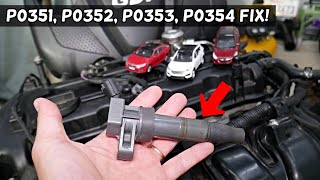
How to confirm: Swap the ignition coil from cylinder 2 with the coil from another cylinder (e.g., cylinder 1). Clear the codes and run the engine. If the code changes to P0351 (for cylinder 1), the coil is faulty.
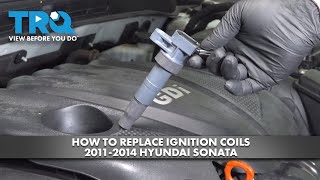
Typical fix: Replace the faulty ignition coil. It is held down by a single 10mm bolt. 🎬 Watch this quick guide to fixing ignition coil circuit codes. Applying a small amount of dielectric grease to the inside of the new coil boot is recommended to protect against moisture and ease future removal.
Est. part cost: $40-$100 - Worn or Fouled Spark Plug in Cylinder 2 🟡 Medium Probability A worn spark plug with a large gap or one fouled by carbon/oil increases the electrical resistance. This puts extra strain on the ignition coil, causing it to work harder, which can lead to a circuit fault code or premature coil failure.
How to confirm: After ruling out the coil, remove the spark plug from cylinder 2. Inspect it for wear (worn electrode), carbon or oil fouling, or cracks in the porcelain. Compare it to the other spark plugs.
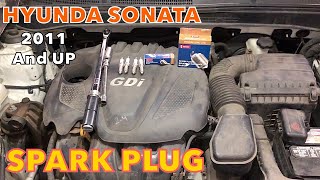
Typical fix: Replace the spark plug. It is recommended to replace all four spark plugs at the same time 🎬 See a full spark plug replacement with torque specs. to ensure consistent performance, especially if they are near their service interval.
Est. part cost: $20-$60 for a set of four - Damaged Wiring or Loose Connector ⚪ Low Probability Engine vibration and heat can cause wiring to become brittle and crack over time. The locking tab on the coil's electrical connector can also break, leading to a loose connection that causes an intermittent circuit fault.
How to confirm: Visually inspect the wiring harness and connector for cylinder 2's ignition coil. Look for any signs of melting, corrosion, or frayed wires. Wiggle the connector with the engine running to see if it induces a misfire. Ensure the connector is securely plugged in and the locking tab is engaged.
Typical fix: Repair the damaged section of wire or replace the ignition coil pigtail connector. Hyundai provides guidance for harness repairs in TSB 17-BE-006.
Est. part cost: $15-$30 for a new pigtail connector
Rare But Worth Checking
- Faulty Powertrain Control Module (PCM): This is very rare. The PCM's internal driver for the cylinder 2 coil can fail. This should only be considered after all other possibilities (coil, plug, wiring) have been exhaustively ruled out. Some owners have replaced the PCM only to have the problem return, indicating the root cause was elsewhere.
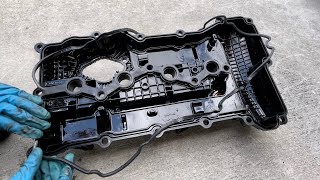
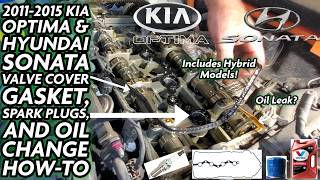
- Leaking Valve Cover Gasket: This is a very common issue on these engines. If the valve cover gasket or the integrated spark plug tube seals fail, oil can leak into the spark plug tubes. This oil saturates the ignition coil boot, causing it to swell, degrade, and fail, leading to a misfire and the P0352 code. When you pull the coil, check for oil on the boot or down in the spark plug well. If oil is present, the valve cover gasket must be replaced to prevent repeat failure of the new coil. 🎬 Follow this DIY walkthrough to replace a leaking valve cover gasket.
Diagnosis Steps
- Read the codes with an OBD-II scanner to confirm P0352 and check for any other codes like P0302.
- Locate cylinder 2. On the 4-cylinder engines, cylinders are numbered 1-2-3-4 from the front (accessory belt side) of the engine to the back (transmission side).
- Swap the ignition coil from cylinder 2 with the coil from cylinder 1.
- Clear the trouble codes with the scanner.
- Start the engine and let it run for a minute or take a short drive. Re-scan for codes.
- If code P0351 appears, the ignition coil is bad and needs to be replaced.
- If code P0352 returns, the coil is likely good. The problem is with the spark plug, wiring, or connector for cylinder 2.
- Pull the coil from cylinder 2 again and inspect the spark plug well for any oil. If oil is present, the valve cover gasket is leaking and must be replaced.
- Inspect the spark plug in cylinder 2. Replace if it is worn, fouled, or damaged. It is best practice to replace all plugs at once.
- If the plug is good and no oil is present, carefully inspect the wiring and electrical connector for cylinder 2. Check for damage, corrosion, or a loose fit. Check for power and ground at the connector with a multimeter if possible.
- If all of the above check out, the issue may be a rare PCM failure.
Parts You'll Likely Need
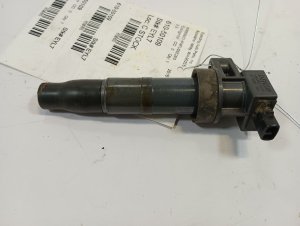
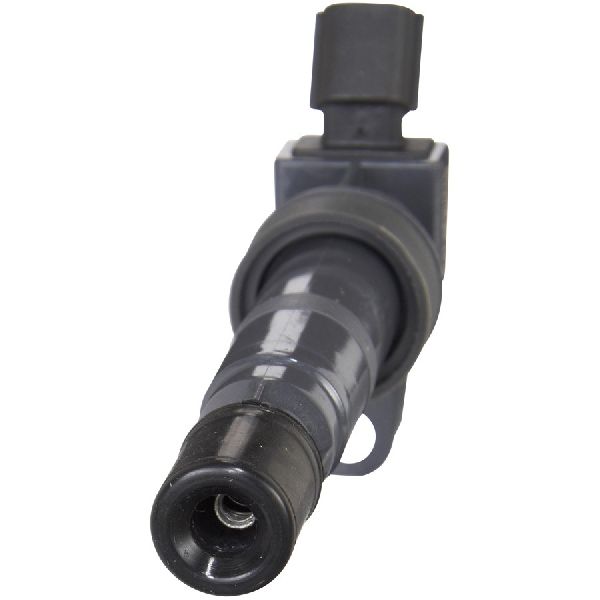
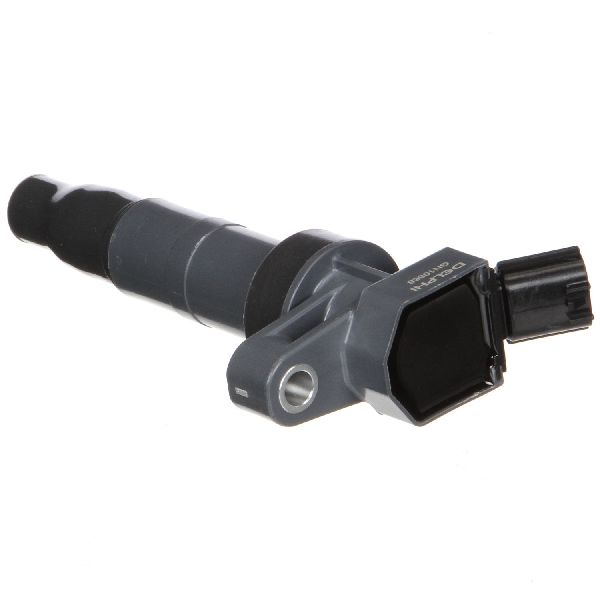
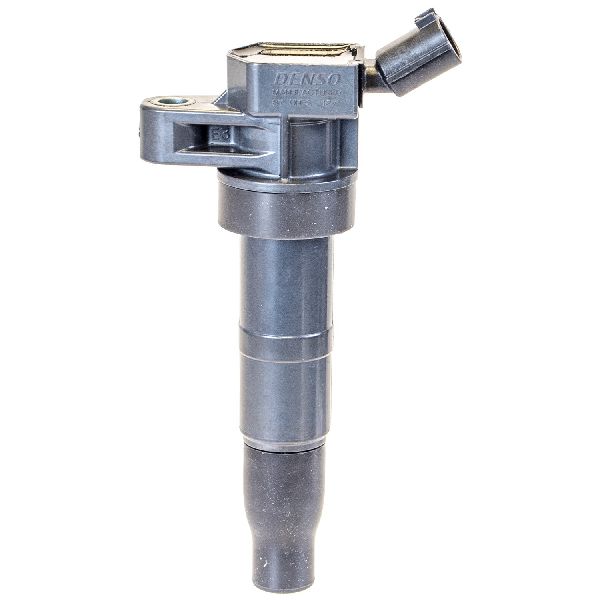
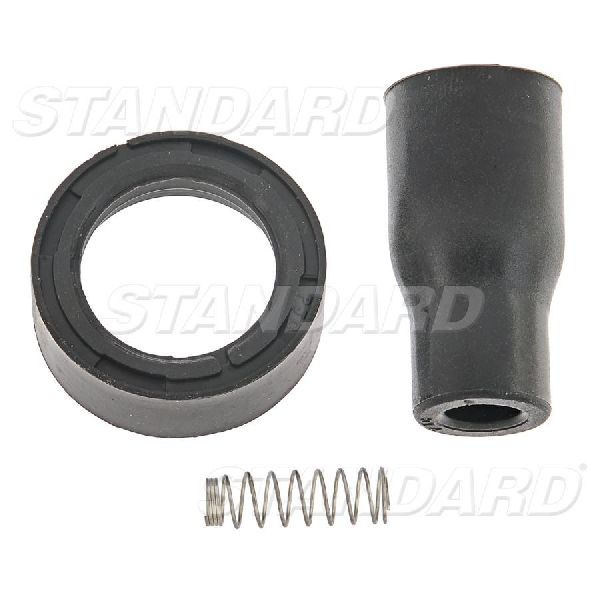
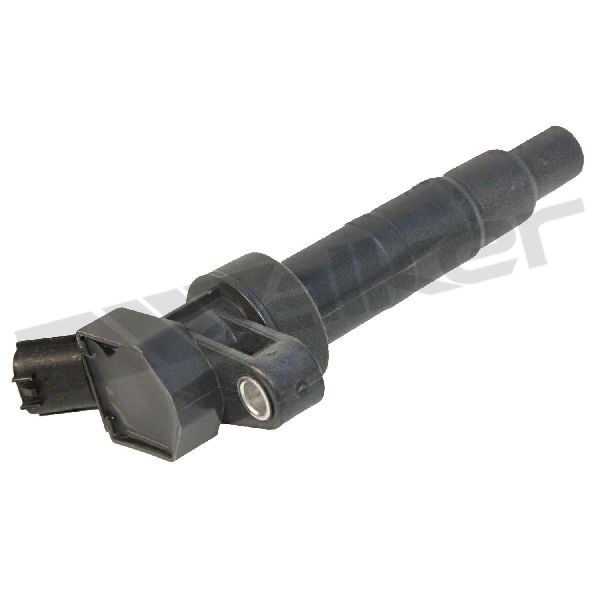
- Ignition Coil
(OEM #27300-2G000, 27300-3F100)— This is the most common failure part for a P0352 code. The original part 27300-2G000 was superseded by 27300-3F100 for many applications. This part is shared across many Hyundai/Kia 4-cylinder and V8 engines.
Trusted brands: NGK, Denso, Delphi, Bosch
OEM price range: $80-$120
Aftermarket price range: $40-$90 - Spark Plugs
(OEM #18846-11070 (NGK SILZKR7B11 - for 2.4L GDI))— A worn spark plug can cause this code or be discovered as a contributing factor during the repair. It's best practice to replace them when replacing coils if they are near the end of their service life.
Trusted brands: NGK, Denso
OEM price range: $15-$25 per plug
Aftermarket price range: $8-$15 per plug - Valve Cover Gasket Kit
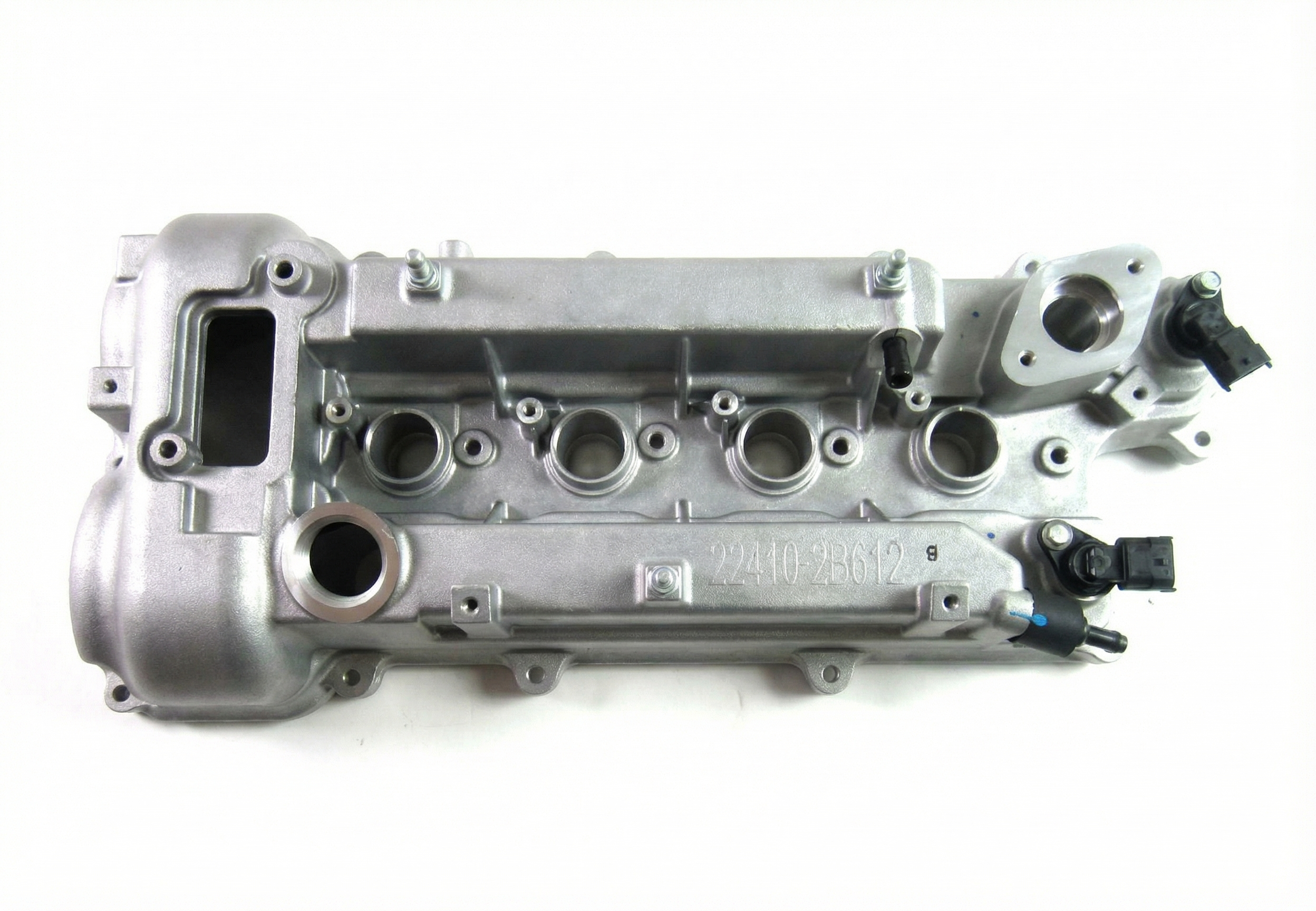
(OEM #22441-2GGB0)— Frequently required if the root cause of the coil failure is oil leaking into the spark plug tubes. The kit typically includes the main gasket and the spark plug tube seals.
Trusted brands: Mahle, Fel-Pro, Genuine Hyundai
OEM price range: $50-$80
Aftermarket price range: $25-$50
Related Codes That Often Appear With This One
- P0302 — P0302 means 'Cylinder 2 Misfire Detected.' Since P0352 indicates a fault in the ignition circuit for cylinder 2, the cylinder will not fire correctly, directly causing a P0302 code to be stored alongside it.
- P0300 — P0300 means 'Random/Multiple Cylinder Misfire.' This may appear if the P0352 fault is intermittent or if other ignition components are also failing, causing misfires on other cylinders.
Technical Service Bulletins (TSBs) & Recalls
- Service Campaign TZ4 (TSB #16-01-003): While not for the 2010-2015 models, Hyundai issued this service campaign for certain 2016 Sonata Hybrids to replace all four ignition coils due to an internal circuit fault that could cause misfires (DTC P0301-P0304) on a cold start. This acknowledges a history of premature coil failure on Sonata models.
Platform-Specific Known Issues
- Oil Leaks from Valve Cover Gasket: A very common failure on the 2.4L Theta II engine is the valve cover gasket and spark plug tube seals becoming hard and brittle, allowing oil to leak into the spark plug wells. This oil contamination directly causes the ignition coil boot to swell and fail, triggering misfires and codes like P0352. Many owners on forums like Reddit report having to replace the gasket to permanently solve recurring coil failures.
Mechanic-Grade Diagnostic Values
- Ignition Coil Primary Winding Resistance — expected: 0.62 Ω ± 10% (approx. 0.56 - 0.68 Ω). Some general sources state a range of 0.4 - 2.0 Ω is acceptable.. Failure: A reading of infinity (OL) indicates an open circuit. A reading of zero indicates a short. Either requires coil replacement.
- Ignition Coil Secondary Winding Resistance — expected: 7.0 kΩ ± 15% (approx. 5.95 - 8.05 kΩ). Some sources cite up to 12.1 kΩ as normal.. Failure: A reading significantly outside the expected range or infinity (OL) indicates a failed secondary winding and the coil must be replaced.
- Ignition Coil Connector Power Supply Voltage (2-wire connector) — expected: With the connector unplugged and ignition key in the 'ON' position, one pin (often Pink wire) should have battery voltage (approx. 12V).. Failure: No voltage indicates a problem upstream, likely the 15A ignition fuse in the interior junction box or a break in the power wire.
- Ignition Coil Connector Control Signal (2-wire connector) — expected: The second pin (often White wire) is the control line from the PCM. It is pulled to ground by the PCM to charge the coil. This is best tested with an oscilloscope to see the square wave pattern while the engine is running, or with a noid light.. Failure: No signal from the PCM could indicate a broken wire between the coil connector and PCM pin 40, or a rare failure of the PCM's internal driver circuit.
Scan Tool Commands That Help
- Hyundai GDS (Global Diagnostic System): Actuation Test — Allows a technician to command the ignition coil to fire, helping to isolate the fault between the coil, wiring, and PCM without swapping parts.
- Hyundai GDS Mobile (VCI-2): Wiggle Test — This function graphs sensor data and makes it highly sensitive to changes, allowing a technician to wiggle the wiring harness and connector for the ignition coil to see if an intermittent open or short circuit can be visually identified on the graph.
- Hyundai GDS: Reset Adaptive Values — After replacing components like ignition coils or spark plugs that affect combustion, resetting the engine's learned fuel trims and other adaptive values can help the PCM adjust to the new parts more quickly.
Wiring & Ground Locations
- Ignition Coil Fuse — Located in the interior fuse panel (I/P Junction Box), often labeled 'IGN COIL' with a 15A rating.. This fuse supplies the 12V power to all ignition coils. If it is blown, none of the coils will have power, and you will likely see codes for multiple coil circuits (P0351, P0352, etc.).
- PCM Connector Pin 40 — This is the specific pin on the Powertrain Control Module (PCM) connector that sends the trigger signal to the ignition coil for cylinder #2.. If the coil and power supply are good but the code persists, a continuity test between this pin and the signal wire at the coil connector can confirm if the wiring harness is intact or broken.
- Engine Ground (GE01 / GE02) — Primary engine ground points are typically located on the left (driver's side) front of the engine compartment, bolted to the frame rail or inner fender.. While the coil itself may be grounded through the PCM, a poor main engine ground can cause a wide range of electrical issues and erratic signals, potentially contributing to ignition system fault codes.
Real Owner Repair Stories
- General consensus from multiple YouTube repair videos and forum discussions. (2011-2014 Hyundai Sonata with 2.4L engine) — Rough idle, hesitation on acceleration, and a solid or flashing Check Engine Light with codes P0352 and P0302.
❌ Tried (didn't work) In many documented cases, owners initially only replace the spark plug, but the misfire and code return, indicating the problem was not the plug.
✅ What actually fixed it The definitive fix in the vast majority of documented cases is replacing the ignition coil on cylinder #2. Often, the spark plug is replaced at the same time as good practice. In cases of repeat failure, the underlying cause was found to be a leaking valve cover gasket filling the spark plug well with oil, which required replacing the gasket to permanently solve the problem.
OEM Part Supersession History
27300-2G000→27300-3F100— Standard part revision and consolidation. The 27300-3F100 is used across a wide range of Hyundai/Kia engines.27300-2GGA0→N/A— This is another valid OEM part number for ignition coils on this platform, particularly for the 2015+ LF generation Sonata.
Heads up: Always verify the correct part number by VIN, as there can be variations between the YF and LF generation Sonatas.
Model Year Variations Within This Range
- 2011-2014 (YF) vs 2015 (LF): The 2015 model year marks the beginning of the LF generation. While the 2.4L GDI engine is fundamentally similar, part numbers for components like ignition coils may differ (e.g., 27300-2G000/3F100 vs 27300-2GGA0). The diagnostic systems also evolved, with the GDS VCI-1 being optimal for earlier models and the VCI-2 for later ones.
Diagnostic Flowchart
Used vs. New Parts: Buying Guide for This Vehicle
When a used part is the smart pick: For this specific repair, a used ignition coil from a junkyard is generally not recommended. The failure rate is high due to heat and age, making a used part a significant gamble. It should only be considered as a temporary, emergency measure to get the vehicle running while waiting for a new part.
Donor-vehicle mileage cap: roughly under 40000 miles for the part to have meaningful remaining life.
What to inspect on the donor part:
- Check the plastic housing for any cracks, melting, or signs of heat stress.
- Inspect the electrical connector for corrosion or broken locking tabs.
- Examine the rubber boot for swelling, tearing, or oil contamination.
- If possible, choose a donor vehicle that appears to have been well-maintained and has lower mileage.
OEM-only on this vehicle (don't cheap out):
- Powertrain Control Module (PCM) - Due to programming requirements, a new or professionally refurbished and VIN-programmed unit is essential if this rare failure occurs.
Aftermarket brands forum-validated for this vehicle:
- NGK
- Denso
- Delphi
- Mando (often the Original Equipment supplier)
Brands owners have reported issues with on this vehicle:
- No-name or unbranded coils sold on marketplaces like Amazon or eBay are frequently reported by mechanics to have a high premature failure rate. While cheap, they often do not last.
Real Owner Stories
Aggregated from forums and TSBs cited above. Mileages and costs reflect what owners reported in those sources.
2015 Hyundai Sonata 2.0T
Symptoms: A recurring valve cover gasket leak that caused significant oil loss.
What fixed it: The owner's report highlights the commonality of a leaking valve cover gasket, which is a known root cause for repeated ignition coil failures and would require gasket replacement for a permanent solution.
Source hint: Reddit r/Hyundai
2013 Hyundai Sonata 2.4L
Symptoms: An intermittent issue that occurred most often on a 'luke warm' start, triggering code P0352.
What fixed it: The owner reported the issue persisted even after replacing the coil, spark plugs, and ECU, highlighting that the problem was likely a difficult-to-diagnose wiring or connector issue that can mimic component failure.
Source hint: Reddit r/MechanicAdvice
2014 Hyundai Sonata 2.4L
Symptoms: Recurring ignition coil failures and misfires on the same cylinder.
What fixed it: Many owners on forums report that the permanent solution to recurring coil failures was to replace the valve cover gasket, which had been leaking oil into the spark plug wells and destroying the coils.
Source hint: vehicle_specific_issues section, citing forum reports
Related OBD-II Codes
Frequently Asked Questions
What is the most likely cause of a P0352 code on my 2010-2015 Sonata?
How can I test the ignition coil on my Sonata without special tools?
I replaced the ignition coil but the P0352 code came back. What's the next step?
Where is cylinder 2 located on my Sonata's 4-cylinder engine?
Are there any recommended aftermarket ignition coils for this car?
Is it okay to use a used ignition coil from a junkyard?
My scanner shows both P0352 and P0302. Are these related?
Helpful Videos
Used OEM Parts in Stock



New Aftermarket Parts Available

The information in this article is provided for general reference and educational purposes only. Vehicle specifications, procedures, and part compatibility can vary by production date, trim level, and region. Always consult your vehicle's factory service manual and verify part numbers before purchasing or performing repairs. Safety-critical components such as airbags, seat belts, and braking systems should be installed by a qualified professional.
- Hyundai Sonata:
- 🎬 Helpful Videos
- 🛍️ Shop This Part
- What's Unique About the 2010-2015 Hyundai Sonata
- Symptoms You May Notice
- Most Likely Causes
- Rare But Worth Checking
- Diagnosis Steps
- Parts You'll Likely Need
- Related Codes That Often Appear With This One
- Technical Service Bulletins (TSBs) & Recalls
- Platform-Specific Known Issues
- Mechanic-Grade Diagnostic Values
- Scan Tool Commands That Help
- Wiring & Ground Locations
- Real Owner Repair Stories
- OEM Part Supersession History
- Model Year Variations Within This Range
- Diagnostic Flowchart
- Used vs. New Parts: Buying Guide for This Vehicle
- Real Owner Stories
- 2015 Hyundai Sonata 2.0T
- 2013 Hyundai Sonata 2.4L
- 2014 Hyundai Sonata 2.4L
- Related OBD-II Codes
- Frequently Asked Questions
- 🎟️ Get 5% Off