

P0304 on 2019-2023 Genesis G70 3.3T: Cylinder 4 Misfire Causes and Fixes
P0304 on a Genesis G70 3.3T indicates a misfire in cylinder #4. The most common causes are a failed ignition coil or a worn/fouled spark plug. Swapping the coil and plug from cylinder 4 to another cylinder is a quick way to diagnose the issue. This is a common issue shared with its platform-mate, the Kia Stinger GT.
- P0304 means your Genesis G70 has a misfire in cylinder #4, the middle cylinder on the driver's side.
- The most likely cause is a bad ignition coil or a worn-out spark plug.
- A simple DIY diagnostic is to swap the ignition coil from cylinder #4 with another cylinder to see if the misfire code follows the coil.
- Driving with a misfire can damage your catalytic converter, leading to a much more expensive repair.
- When replacing spark plugs, use high-quality iridium plugs and ensure they are gapped correctly for the 3.3T engine.
What's Unique About the 2019-2023 Genesis G70
The Lambda II 3.3L twin-turbo V6 is a high-performance, direct-injection engine shared with the Kia Stinger GT and Genesis G80/G90. While generally reliable, these engines are sensitive to spark plug condition and gap, especially when tuned. Misfires are a frequently discussed topic in owner forums, often appearing around 30,000-40,000 miles. A bad ignition coil pack was the cause of a P0304 misfire in one documented owner experience. Unlike some other Hyundai/Genesis engines (like the 2.5T), there are no widespread TSBs for the 3.3T V6 that point to software updates as a primary fix for isolated misfires like P0304. Diagnosis typically follows a traditional path focusing on ignition, fuel, or mechanical issues specific to cylinder 4.
Symptoms You May Notice
- Check Engine Light is on (may be flashing)
- Rough or shaky idle
- Noticeable loss of engine power and poor acceleration
- Hesitation or stumbling during acceleration
- Increased fuel consumption
- Smell of raw fuel from the exhaust
- Vehicle stalling
- Replacing oxygen sensors. O2 sensors report on the state of combustion but do not typically cause a single-cylinder misfire.
- Replacing the mass airflow (MAF) sensor. A faulty MAF sensor would likely cause random misfires (P0300) or affect multiple cylinders, not just one.
- Replacing the catalytic converter. A clogged catalytic converter is usually a result of long-term misfiring dumping unburned fuel, not the initial cause.
Most Likely Causes
- Faulty Ignition Coil 🔴 High Probability Coil-on-plug systems are a common failure point on many modern engines, including the 3.3T. Heat and vibration can cause the coil's internal windings to fail over time, and owner forums frequently cite coil failure as a cause for misfires. One owner of a 2019 G70 3.3T reported a bad ignition coil pack was replaced under warranty to fix a misfire code.
How to confirm: Swap the ignition coil from cylinder #4 with another cylinder (e.g., cylinder #2). Clear the codes and drive the vehicle. If the code changes to P0302, the ignition coil is faulty. This is the most common DIY diagnostic step recommended by owners.
Typical fix: Replace the faulty ignition coil. Many owners choose to replace all six coils at the same time as a preventative measure, especially if the vehicle is near or over 40,000 miles.
Est. part cost: $40-$90 per coil - Worn or Fouled Spark Plug 🔴 High Probability The 3.3T is a direct-injection, turbocharged engine, which can be harder on spark plugs. Owners of both the G70 and Kia Stinger report misfires starting around 30,000 miles due to worn factory plugs. Incorrect spark plug gap is also a known issue, particularly on tuned vehicles which may require a tighter gap around 0.022".
How to confirm: Remove the spark plug from cylinder #4. Inspect it for wear, carbon fouling, oil, or damage to the electrode or ceramic. Check the gap with a feeler gauge. The recommended gap for stock applications is typically around 0.028 inches. Even new plugs should be checked before installation.
Typical fix: Replace the spark plug. It is best practice to replace all six spark plugs at the same time with high-quality Iridium plugs (e.g., NGK, Denso, or HKS for tuned applications) gapped correctly.
Est. part cost: $70-$150 for a set of six - Clogged or Faulty Fuel Injector 🟡 Medium Probability Gasoline Direct Injection (GDI) systems operate under very high pressure, and injectors can become clogged or fail electronically. While less common than ignition issues for a single-cylinder misfire, injector problems are a known issue on some Hyundai/Genesis platforms. Using a quality fuel system cleaner like Techron periodically is recommended by some owners to help maintain injector health.
How to confirm: This is more complex. A professional can perform a fuel injector balance test or use a scope to analyze the injector's waveform. A bidirectional scan tool can perform an 'Injector Activation Test'. A DIY method is to listen to the injector with a mechanic's stethoscope to ensure it's clicking. Swapping injectors between cylinders is possible but is labor-intensive as it requires removing the intake manifold.
Typical fix: Replace the faulty fuel injector for cylinder #4. Some technicians recommend replacing all injectors on the affected bank if one fails.
Est. part cost: $100-$200 per injector
Rare But Worth Checking
- Carbon Buildup on Intake Valves: Direct injection (GDI) engines can suffer from carbon buildup on the back of the intake valves over time, as fuel is no longer sprayed over them to keep them clean. This can disrupt airflow into the cylinder and cause misfires, often affecting multiple cylinders (P0300) but can start with one. At higher mileage (e.g., 80,000 miles), walnut blasting is the most effective cleaning method.
- Vacuum Leak: A vacuum leak near the intake manifold runner for cylinder #4 could lean out the air/fuel mixture and cause a misfire. This is less common for an isolated cylinder misfire but possible.
- Low Cylinder Compression: A mechanical engine issue, such as a burnt valve, worn piston rings, or a leaking head gasket, can cause a loss of compression in cylinder #4. This is a serious issue and the least likely cause on a well-maintained, low-mileage engine.
- Oil in Spark Plug Well: A leaking valve cover gasket can allow oil to seep into the spark plug tube, shorting out the spark and causing a misfire. When removing the ignition coil, check for oil residue on the coil boot and in the well.
Diagnosis Steps
- Read the code with an OBD-II scanner to confirm P0304 is the primary code present.
- Locate cylinder #4. On the longitudinally mounted 3.3L V6, the cylinders are numbered 1-3-5 on the passenger side (right bank, front to back) and 2-4-6 on the driver's side (left bank, front to back). Cylinder #4 is the middle cylinder on the driver's side.
- Swap the ignition coil from cylinder #4 with the coil from cylinder #2 (front cylinder, driver's side). This is an easy swap.
- Clear the DTCs with the scanner and test drive the vehicle until the Check Engine Light returns.
- Re-scan the codes. If the code is now P0302, the ignition coil is the faulty part and needs replacement.
- If the code remains P0304, the coil is likely good. Before proceeding, inspect the spark plug well for any oil, which would indicate a leaking valve cover gasket.
- Move the spark plug from cylinder #4 to cylinder #2. Clear codes and re-test.
- If the code changes to P0302, the spark plug is faulty. It's strongly recommended to replace all six plugs with correctly gapped Iridium units.
- If the code remains P0304 after swapping both the coil and plug, the issue is more likely a fuel injector, a wiring problem, or a mechanical issue with the cylinder. At this point, professional diagnosis with tools like a fuel pressure gauge, noid light, or compression tester is recommended.
Parts You'll Likely Need
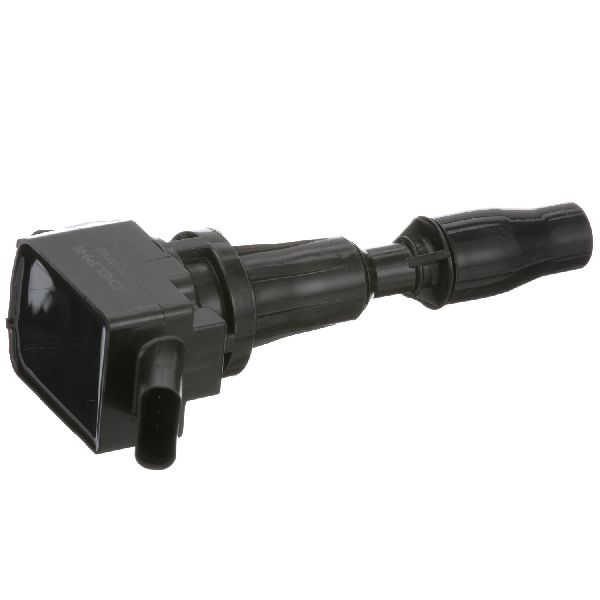
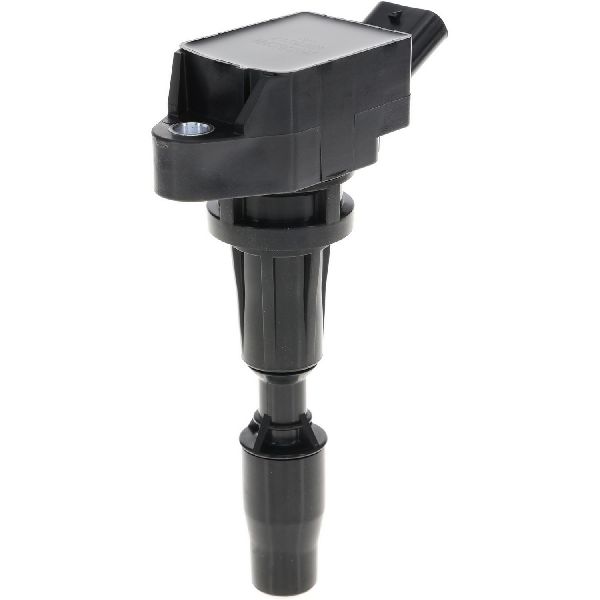
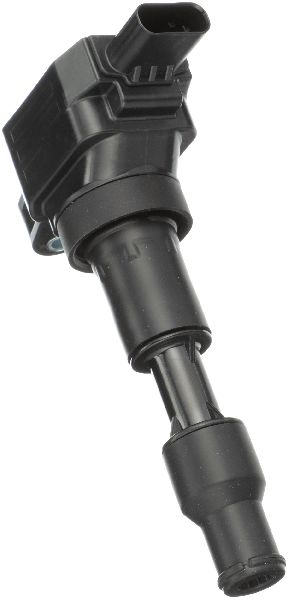
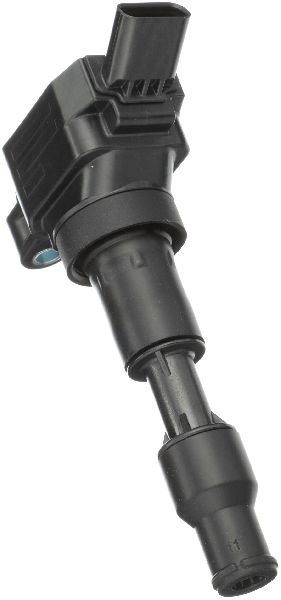
- Ignition Coil
(OEM #27310-3L000, 27315-3L005)— This is one of the most frequent causes of a single-cylinder misfire on the G70 3.3T, often failing between 30k-60k miles.
Trusted brands: Genuine Hyundai/Genesis, NGK, Delphi, Worms Racing (Performance)
OEM price range: $60-$90
Aftermarket price range: $40-$70 - Iridium Spark Plug
(OEM #18852-09070)— Spark plugs are a regular maintenance item and a common cause of misfires. Using the correct, properly gapped plug is critical for this engine. Factory plugs are known to cause issues as early as 30,000 miles.
Trusted brands: NGK (SILZKR8E8G), Denso, HKS M45iL (popular upgrade)
OEM price range: $25-$35 per plug
Aftermarket price range: $12-$20 per plug
Related Codes That Often Appear With This One
- P0300 — If the misfire is intermittent, caused by a systemic issue like a vacuum leak or fuel delivery problem, or begins to affect other cylinders, a P0300 (Random/Multiple Cylinder Misfire) code may appear alongside P0304.
- P0354 — This code specifically indicates a malfunction in the ignition coil primary or secondary circuit for cylinder #4, pointing directly to an electrical issue with the coil or its wiring.
- P0302, P0306 — Since cylinders 2, 4, and 6 are on the same bank (driver's side), an issue affecting that entire bank, like a localized vacuum leak or fuel pressure issue, could cause multiple misfire codes on that side.
Technical Service Bulletins (TSBs) & Recalls
- No specific TSBs for P0304 on the 2019-2023 G70 3.3T were found. The TSBs mentioned in the NHTSA data (25-01-051G) apply to the 2.5L T-GDI engine, not the 3.3L V6.
Platform-Specific Known Issues
- Early Spark Plug Wear: Owners on forums for both the G70 and its platform-mate, the Kia Stinger, report replacing spark plugs as early as 30,000-40,000 miles to resolve misfire issues, well before the official service interval.
- Tuning Sensitivity: The 3.3T engine is popular in the tuning community. However, increasing boost without using colder spark plugs (like HKS M45iL) and ensuring the gap is correct (often a tighter gap like 0.022"-0.024") is a very common cause of misfires.
Mechanic-Grade Diagnostic Values
- Low-Pressure Fuel Pump (in-tank) — expected: 40 to 60 psi. Failure: Pressure below this range can indicate a failing low-pressure fuel pump, which can starve the high-pressure fuel pump (HPFP) and cause misfires under load.
- High-Pressure Fuel Pump (HPFP) — expected: Can exceed 2,000+ psi (Specific values not found in searches, but this is typical for GDI).. Failure: Requires a specialized scan tool to monitor. Significant pressure drops under acceleration that correlate with misfire events point to a failing HPFP.
Hidden / Shadow Codes Worth Checking
- Misfire Counter Data: While not a 'shadow code,' the Genesis GDS (Global Diagnostic System) and some advanced aftermarket scanners can display live misfire counts for each individual cylinder. This allows a technician to see if other cylinders are experiencing minor, non-code-triggering misfires, which might point to a systemic issue (like fuel delivery) rather than a component specific to cylinder 4. (see via Genesis GDS, Autel, Xtool, or other professional-grade scan tools with manufacturer-specific live data support.)
Scan Tool Commands That Help
- Genesis GDS / Professional Aftermarket Scanner: Power Balance Test — Used to identify which cylinder is contributing the least power. The tool sequentially disables the fuel injector or ignition coil for each cylinder and measures the corresponding drop in RPM. A cylinder with a smaller RPM drop is the underperforming one. This can confirm the misfire is on cylinder 4 without disassembly.
- Genesis GDS / Professional Aftermarket Scanner: Fuel Injector Activation Test / Kill — After confirming the misfire is on cylinder 4 and ruling out ignition components, this bidirectional command allows the technician to manually turn the cylinder 4 injector on and off. Listening for a 'click' with a stethoscope during activation confirms the injector's solenoid is working electronically.
Wiring & Ground Locations
- Driver's Side Valve Cover Harness — The main engine wiring harness that runs over the driver's side valve cover.. This harness contains the wiring for the ignition coils on bank 2 (cylinders 2, 4, 6). A documented chafe point in this area on similar engine layouts can cause an intermittent short or open in the circuit for the cylinder 4 ignition coil, leading to a P0304 code. A visual and physical inspection for rubbing or damage is a wise step if electrical issues are suspected.
Real Owner Repair Stories
- Reddit user in r/cars (2019 Genesis G70 3.3T AWD) — Check Engine Light with a misfire code. The owner had also noticed the engine vibrating more than usual during cold starts prior to the CEL.
❌ Tried (didn't work) The user took the car directly to the dealer for diagnosis.
✅ What actually fixed it The dealership diagnosed and replaced a bad ignition coil pack under warranty. The issue did not recur after the replacement.
When the Usual Fixes Don't Work
- While the most common fixes for P0304 are the ignition coil and spark plug, a notable number of owners of the 3.3T platform have experienced issues with the high-pressure fuel pump (HPFP), leading to recalls and warranty extensions. Symptoms include sudden power loss or a 'dead pedal' sensation. If a P0304 code appears alongside these symptoms, and swapping the coil and plug does not resolve the issue, the HPFP should be investigated as a potential root cause before assuming a more complex mechanical engine problem.
Diagnostic Flowchart
Other Known Issues on This Vehicle
Issues unrelated to this code that are worth knowing about as an owner of this generation:
- Warped Brake Rotors / Brake Vibration 🟠 Medium — Very common issue, especially on 2019-2021 models. Owners report vibration under braking, sometimes as early as 15,000-20,000 miles.
- Left-Hand Turbo Oil Feed Pipe Leak 🔴 High — Subject to a recall (NHTSA Campaign Number: 23V-652). The pipe can crack due to heat, leaking oil onto the hot exhaust manifold and creating a fire risk. (Ref: Recall 23V-652)
- Interior Rattles (Sunroof/Trunk) 🟡 Low — Common complaint among owners, particularly regarding the sunroof assembly and trunk area. Often requires dealer intervention with foam or felt tape.
- Transmission Hard Downshifts 🟡 Low — Some owners report occasional harsh downshifts from the 8-speed automatic, particularly in Sport mode. It's often considered a characteristic of the transmission's adaptive learning rather than a true failure.
- Flickering or Failing Infotainment Screen 🟠 Medium — More prevalent on earlier 2019-2020 models, the center display can flicker, delaminate, or fail entirely. Often replaced under warranty.
Used vs. New Parts: Buying Guide for This Vehicle
When a used part is the smart pick: For this repair, a used ignition coil from a reputable auto recycler can be a cost-effective option, especially if it comes from a low-mileage donor vehicle. It is a simple electronic component that either works or doesn't.
Donor-vehicle mileage cap: roughly under 50000 miles for the part to have meaningful remaining life.
What to inspect on the donor part:
- Check for a clean donor car without signs of major impact or fire.
- Inspect the coil's plastic housing for cracks or heat damage.
- Ensure the electrical connector pins are clean and free of corrosion.
- Ask for the donor vehicle's VIN to check its mileage and history if possible.
OEM-only on this vehicle (don't cheap out):
- Fuel Injectors: Due to the high pressures and fine tolerances of GDI systems, used injectors are a gamble. They can be clogged internally or have worn seals, making a new OEM or top-tier aftermarket part a much safer investment.
Aftermarket brands forum-validated for this vehicle:
- Spark Plugs: HKS M-series (M45iL) are a widely-praised performance upgrade, especially for tuned cars. NGK and Denso are also trusted OEM-quality brands.
- Fuel System Cleaner: Techron Complete Fuel System Cleaner is frequently recommended by owners to help keep GDI injectors clean.
Brands owners have reported issues with on this vehicle:
- Unbranded, no-name ignition coils and spark plugs from online marketplaces. These often have high failure rates and may not meet the performance demands of the turbocharged engine.
Real Owner Stories
Aggregated from forums and TSBs cited above. Mileages and costs reflect what owners reported in those sources.
2019 Genesis G70 3.3T
Symptoms: Misfire code present.
What fixed it: Replacement of a bad ignition coil pack under warranty.
Source hint: common_causes section citing owner report
2019-2023 Genesis G70 3.3T — ~21748 miles
Symptoms: Numerous cylinders misfiring (specifically cylinders 4 and 6).
What fixed it: Replacement of the ignition coil packs.
Source hint: r/GenesisG70 - 'Getting my car towed due to numerous cylinders misfiring'
2018-2023 Kia Stinger GT 3.3T — 30000 miles
Symptoms: Cylinder 3 and 4 misfire.
What fixed it: Replacing factory spark plugs which had caused misfires at 30k miles.
Source hint: r/kiastinger - 'Cylinder 3 & 4 misfire?'
Related OBD-II Codes
Frequently Asked Questions
Does TSB 25-01-051G apply to my 3.3L V6 G70 if I have a P0304 code?
I have a tuned G70 3.3T; what spark plug gap should I use to prevent misfires?
Where is cylinder #4 located on the Genesis G70 3.3L V6?
Is it true that I might need to replace spark plugs as early as 30,000 miles?
Should I replace all ignition coils if only cylinder #4 is misfiring?
Can a leaking valve cover gasket cause a P0304 code?
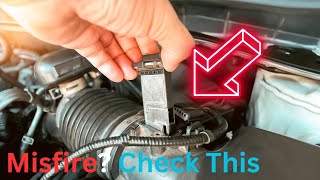
Helpful Videos


Used OEM Parts in Stock



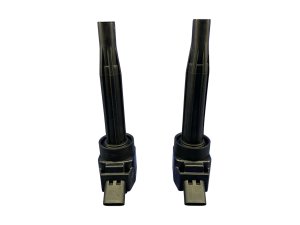
New Aftermarket Parts Available


The information in this article is provided for general reference and educational purposes only. Vehicle specifications, procedures, and part compatibility can vary by production date, trim level, and region. Always consult your vehicle's factory service manual and verify part numbers before purchasing or performing repairs. Safety-critical components such as airbags, seat belts, and braking systems should be installed by a qualified professional.
- Genesis G70:
- 🎬 Helpful Videos
- 🛍️ Shop This Part
- What's Unique About the 2019-2023 Genesis G70
- Symptoms You May Notice
- Most Likely Causes
- Rare But Worth Checking
- Diagnosis Steps
- Parts You'll Likely Need
- Related Codes That Often Appear With This One
- Technical Service Bulletins (TSBs) & Recalls
- Platform-Specific Known Issues
- Mechanic-Grade Diagnostic Values
- Hidden / Shadow Codes Worth Checking
- Scan Tool Commands That Help
- Wiring & Ground Locations
- Real Owner Repair Stories
- When the Usual Fixes Don't Work
- Diagnostic Flowchart
- Other Known Issues on This Vehicle
- Used vs. New Parts: Buying Guide for This Vehicle
- Real Owner Stories
- 2019 Genesis G70 3.3T
- 2019-2023 Genesis G70 3.3T — ~21748 miles
- 2018-2023 Kia Stinger GT 3.3T — 30000 miles
- Related OBD-II Codes
- Frequently Asked Questions
- 🎟️ Get 5% Off