

P0301 on 2014-2019 Toyota Corolla 1.8L: Cylinder 1 Misfire Causes and Fixes
Code P0301 on a 2014-2019 Toyota Corolla most often indicates a faulty ignition coil on cylinder 1. A quick DIY diagnosis involves swapping the coil with another cylinder to see if the misfire code follows. If so, a new ignition coil costs around $30-$70 for an aftermarket part or $90-$120 for an OEM Denso part. Worn spark plugs are the next most likely cause.
- P0301 on your Corolla means cylinder 1 is misfiring.
- The most likely cause is a bad ignition coil, which is a simple and relatively inexpensive DIY fix.
- Diagnose the problem for free by swapping the cylinder 1 ignition coil with the cylinder 2 coil and seeing if the trouble code moves to P0302.
- Do not drive for extended periods with a flashing check engine light, as you risk damaging your catalytic converter.
- If the coil isn't the problem, check the spark plug next. Use only high-quality Iridium plugs from Denso or NGK.
What's Unique About the 2014-2019 Toyota Corolla

The 2ZR-FE engine in the 11th generation Corolla is known for its reliability, and a P0301 code is typically a straightforward ignition system issue rather than a major mechanical failure. While ignition coil failure is the most common culprit, it's not considered a widespread defect but a common wear item as the vehicle ages. The coil-on-plug design makes diagnosis simple, as owners can easily swap coils between cylinders to isolate the faulty component without special tools. Unlike its predecessor (1ZZ-FE) and some other Toyota engines, the 2ZR-FE in this generation is less prone to systemic issues like excessive oil consumption that could lead to misfires.
Symptoms You May Notice
- Rough or shaky idle
- Engine hesitation or stumbling during acceleration
- Noticeable loss of power
- Flashing Check Engine Light (indicates a severe misfire that can damage the catalytic converter)
- Solid Check Engine Light
- Reduced fuel economy
- Smell of unburned gasoline from the exhaust
- Difficulty starting the engine
- Replacing the fuel pump when only a single cylinder is misfiring. A fuel pump issue would typically affect all cylinders, likely triggering a P0300 (Random Misfire) code.
- Assuming the ignition coil is good because the code didn't change after a swap, without considering the possibility of a faulty OBD-II scanner that isn't refreshing codes properly.
Most Likely Causes

- Faulty Ignition Coil 🔴 High Probability Coil-on-plug ignition systems are common failure points on most modern vehicles as they age due to constant heat cycles and vibration. It is the most cited fix for P0301 on the 2ZR-FE engine.
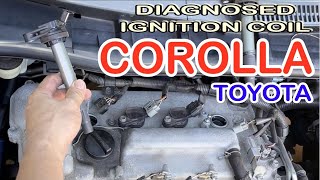
How to confirm: Swap the ignition coil from cylinder 1 with the coil from cylinder 2. Clear the codes and drive the vehicle. If the code changes to P0302 (Cylinder 2 Misfire), the ignition coil is confirmed to be faulty. Be aware that a faulty OBD-II scanner might fail to show the updated code, leading to misdiagnosis.
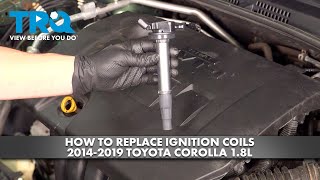
Typical fix: Replace the faulty ignition coil. It is held in by a single 10mm bolt. 🎬 Watch: Step-by-step guide to replacing your ignition coils. While only one needs to be replaced, some mechanics recommend replacing all four if they are original and high-mileage.
Est. part cost: $30-$120 - Worn or Fouled Spark Plug 🟡 Medium Probability Spark plugs are a routine maintenance item. The original Denso Iridium plugs have a service interval of 120,000 miles, but can fail earlier. A worn plug can also overwork and cause an ignition coil to fail.
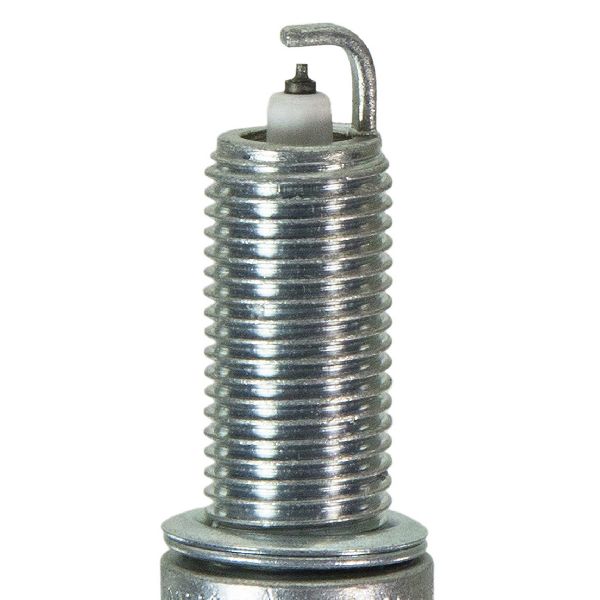
How to confirm: After ruling out the ignition coil, remove the spark plug from cylinder 1. Inspect for wear (worn electrode), damage (cracked porcelain), or fouling from oil or carbon. The electrode gap should be correct (1.0 to 1.1 mm or 0.039 to 0.043 inches).
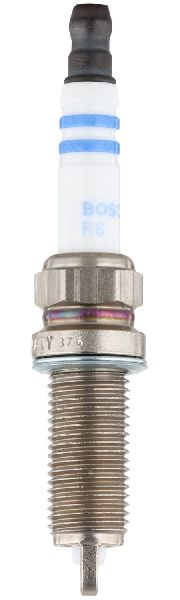
Typical fix: Replace the spark plug. It is strongly recommended to replace all four spark plugs at the same time with high-quality Iridium plugs (Denso or NGK) for even performance and to prevent future misfires.
Est. part cost: $8-$20 per plug - Clogged or Faulty Fuel Injector ⚪ Low Probability
How to confirm: If the coil and plug are good, the injector is the next suspect. A DIY method is to swap the fuel injector from cylinder 1 to another cylinder (e.g., cylinder 3) and see if the misfire code follows (to P0303). This is more involved than a coil swap. A mechanic can perform a fuel injector balance test or listen to the injector with a stethoscope for a consistent clicking sound.
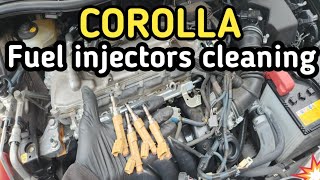
Typical fix: Replace the faulty fuel injector for cylinder 1. Sometimes running a high-quality fuel system cleaner can resolve a minor clog. 🎬 Watch this video to learn how to clean your injectors.
Est. part cost: $50-$150
Rare But Worth Checking
- Intake Manifold Gasket Leak: A vacuum leak near the cylinder 1 intake runner can lean out the air/fuel mixture, causing a misfire. This is sometimes mentioned as a possibility on forums for the 2ZR-FE engine. A professional smoke test is the most effective way to diagnose this.
- Low Engine Compression: This is a serious mechanical issue (e.g., bad piston rings, leaking valve, or head gasket failure). A compression test is needed to confirm. A Reddit user with a 2014 Corolla reported P0301 with white smoke and milky residue on the oil dipstick, pointing towards a possible head gasket leak allowing coolant into the cylinder. However, this is very rare on a well-maintained 2ZR-FE engine.
- Faulty Wiring or Connector: An intermittent issue could be caused by a loose pin or damaged wire in the harness connecting to the cylinder 1 ignition coil. Visually inspect the connector and wiring for any signs of damage or looseness.
Diagnosis Steps

- Read the trouble codes with an OBD-II scanner to confirm P0301 and check for any other codes. Note the freeze frame data, which shows engine conditions when the code was set.
- Identify Cylinder 1: It is the cylinder on the far passenger side of the engine, with cylinders numbered 1-2-3-4 towards the driver's side.
- Perform the 'Coil Swap Test': Swap the ignition coil from cylinder 1 with the coil from cylinder 2. Use a 10mm socket to remove the retaining bolts. Ensure the electrical connectors are securely re-fastened.
- Clear the codes using the scanner, then start the engine and let it run or drive it briefly until the Check Engine Light returns.
- Re-scan for codes. If P0302 appears, the ignition coil from cylinder 1 is bad and needs replacement.
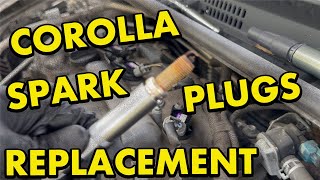
- If the code remains P0301, the coil is likely good. Proceed to inspect the spark plug in cylinder 1. You will need a 14mm spark plug socket. 🎬 See how to properly remove and replace your spark plugs. Check for wear, fouling, or an incorrect gap (should be 1.0-1.1mm). Replace if necessary, preferably as a set of four.
- If the coil and plug are good, the issue may be with the fuel injector. For a more advanced DIY test, you can swap the cylinder 1 and cylinder 3 fuel injectors to see if the code moves to P0303.
- Check the electrical connector for the cylinder 1 ignition coil for any damage, corrosion, or loose pins.
- If all else fails, a mechanical compression test should be performed on all cylinders to rule out internal engine problems like a bad valve or head gasket leak.
Parts You'll Likely Need

- Ignition Coil
(OEM #90919-02258 (supersedes 90919-02252))— This is the most frequent cause of a single-cylinder misfire on this engine. The OEM manufacturer is Denso.
Trusted brands: Denso (OEM), NGK, Delphi
OEM price range: $90-$120
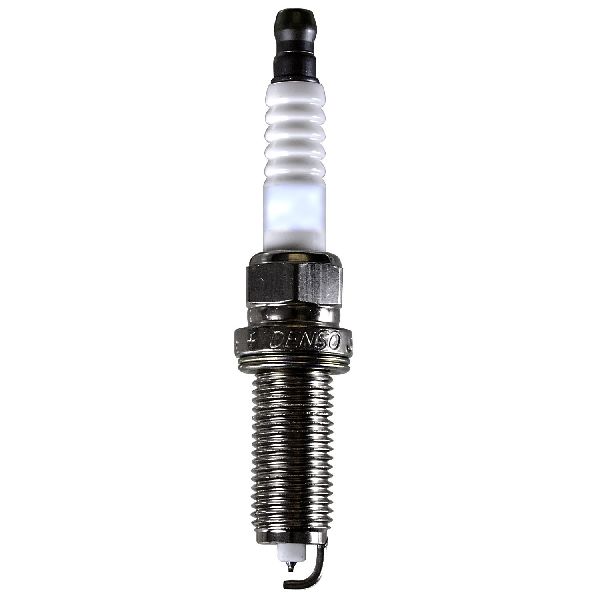
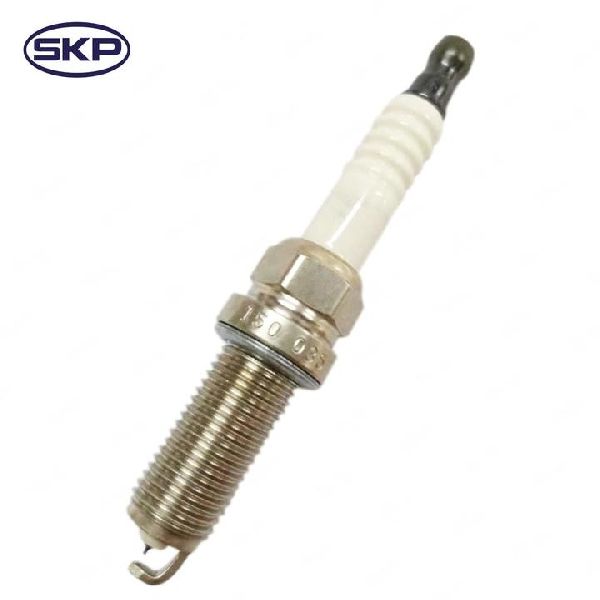
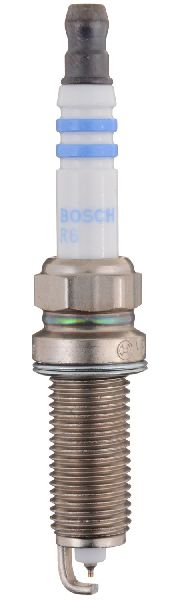
Aftermarket price range: $30-$70 - Iridium Spark Plug
(OEM #Toyota: 90919-01253 / Denso: SC16HR11)— A worn spark plug is the second most likely cause after the ignition coil. A bad plug can also cause the coil to fail.
Trusted brands: Denso SC16HR11 (OEM), NGK ILKAR7B11 (Equivalent)
OEM price range: $15-$25
Aftermarket price range: $8-$15
Related Codes That Often Appear With This One
- P0300 — If the misfire is intermittent or begins to affect other cylinders, a P0300 (Random/Multiple Cylinder Misfire Detected) may be stored alongside P0301.
- P0302, P0303, P0304 — If other single-cylinder misfire codes are present, it could point to a common cause like bad fuel, a vacuum leak affecting multiple cylinders, or multiple worn ignition components.
Mechanic-Grade Diagnostic Values
- Ignition Coil Connector Voltage (Key On, Engine Off) — expected: 11 to 14 V (Battery Voltage). Failure: Low or no voltage indicates a problem with the power supply wiring or fuse.
- Fuel Pressure — expected: 304 to 343 kPa (44.1 to 49.7 psi). Failure: Pressure above the standard may indicate a faulty fuel pressure regulator; pressure below may indicate issues with the fuel pump, filter, or lines.
- Injector Pulse Width (at idle) — expected: Typically 2-4 milliseconds (ms). Failure: A significantly higher or lower pulse width for cylinder 1 compared to others could indicate an ECM compensation for a mechanical issue or a failing injector.
Hidden / Shadow Codes Worth Checking
- Mode $06, Test ID $80-$83, Component ID $0A-$0D: Provides raw misfire counts for each cylinder (Cylinder 1 is typically $0A) during the current and last 10 driving cycles. This allows a technician to see if Cylinder 1 is accumulating misfire counts even if they are not yet high enough to trigger a P0301 code. (see via A professional scan tool or an advanced consumer OBD-II scanner with Mode $06 capability (e.g., BlueDriver, Autel, etc.).)
Scan Tool Commands That Help
- Toyota Techstream: Active Test: Control the Fuel Pump / Speed — This command allows the technician to manually activate the fuel pump without the engine running. It is used to verify fuel pump operation and to safely build pressure in the system before performing a fuel pressure test.
- Toyota Techstream: Active Test: Fuel Cut (for specific cylinders) — This function allows a technician to disable the fuel injector for a specific cylinder (e.g., cylinder 1). If the engine's idle changes when cutting other cylinders but does not change when cutting cylinder 1, it helps confirm that cylinder 1 was not contributing, reinforcing the misfire diagnosis.
Wiring & Ground Locations
- Engine Harness Ground (Point BA) — On the side of the cylinder head, below the throttle body. It is a cluster of ground wires on a single ring terminal bolted to the head.. A loose or corroded main engine harness ground can cause erratic behavior in sensors and actuators, including the ignition coils and fuel injectors, potentially leading to an intermittent misfire code like P0301.
- Engine Harness Ground (Point BB) — On the top of the valve cover, near the front of the engine (passenger side).. Similar to other grounds, this point is critical for the proper operation of the ignition system. A poor connection here can cause a weak spark or inconsistent coil operation.
- Ignition Coil Connector — 4-pin connector on top of each ignition coil.. The pins within this connector can become loose or corroded, or the wiring leading to it can fray, causing an intermittent connection to the cylinder 1 ignition coil. This can lead to a P0301 that comes and goes, especially after hitting bumps.
Real Owner Repair Stories
- Reddit user Traditional_Ad_4471 (2014 Toyota Corolla S, 175k miles) — Persistent P0301 code.
❌ Tried (didn't work) Replaced ignition coils, Replaced spark plugs, Took to two different mechanics who checked for leaks and did a compression test, finding no issues.
✅ What actually fixed it The final resolution was not posted by the original author, but the top-voted community suggestion was to investigate an intermittent electrical issue, such as a loose pin in the coil connector or a short in the wiring harness leading to the cylinder 1 coil, as mechanical and common ignition parts had been ruled out.
OEM Part Supersession History
90919-02252→90919-02258— Standard part revision by the manufacturer for improved reliability or a change in supplier.
Heads up: The parts are interchangeable. 90919-02258 is the current replacement for vehicles that originally used 90919-02252.
Model Year Variations Within This Range
- 2017-2019: The Corolla received a facelift for the 2017 model year, which included revised front-end styling and the standardization of the Toyota Safety Sense-P (TSS-P) package. However, the primary 1.8L 2ZR-FE engine and ignition system related to a P0301 code remained fundamentally the same as the 2014-2016 models.
- 2014-2019 (LE Eco Trim): The LE Eco trim uses a slightly different engine, the 2ZR-FAE, which includes Toyota's Valvematic technology for continuously variable valve lift. While the fundamental ignition system is the same, diagnostics could theoretically involve the Valvematic system if other causes are ruled out, though this is not a common failure point leading to a single-cylinder misfire.
Diagnostic Flowchart
Other Known Issues on This Vehicle
Issues unrelated to this code that are worth knowing about as an owner of this generation:
- Infotainment System Glitches/Rebooting 🟡 Low — Commonly reported on 2014-2017 models. The touchscreen may become unresponsive or the unit may restart randomly. (Ref: No specific recall, but dealer software updates sometimes resolve it. Out of warranty, a replacement module can be costly.)
- CVT Transmission Jerking/Hesitation 🟠 Medium — More prevalent in earlier 2014-2016 models. Owners report jerking during acceleration or a feeling of power loss. (Ref: Toyota released software updates (TSBs) to improve CVT behavior. Regular CVT fluid changes are critical.)
- Water Pump Failure 🟠 Medium — Can fail prematurely, sometimes becoming noisy or developing coolant leaks. It's a known but not extremely widespread issue.
- Premature Front Suspension Bushing Wear 🟡 Low — Some owners report clunking noises over bumps at relatively low mileage (under 60,000 miles) due to worn control arm bushings or tie rod ends.
- EVAP System Codes (P0441, P0455) 🟡 Low — Often caused by a loose or failing gas cap seal, which is a simple and inexpensive fix.
Used vs. New Parts: Buying Guide for This Vehicle
When a used part is the smart pick: An ignition coil is a reasonable part to purchase used from a reputable auto recycler. It is a durable electronic component, and a low-mileage donor car can provide a genuine OEM part for significantly less than a new one. Other components like fuel injectors can also be considered if from a low-mileage vehicle.
Donor-vehicle mileage cap: roughly under 70000 miles for the part to have meaningful remaining life.
What to inspect on the donor part:
- For an ignition coil, inspect the plastic housing for any cracks, melting, or signs of arcing (white or black marks).
- Ensure the electrical connector pins are clean and not corroded.
- Check the rubber boot for tears, swelling, or a brittle texture.
- Ask for the VIN or mileage of the donor vehicle to verify it's a low-mileage part.
OEM-only on this vehicle (don't cheap out):
- Spark Plugs (Always buy new)
- Engine Control Module (ECM) - While a used one can work, it often requires professional programming to match the vehicle's VIN and options, making it a complex purchase.
Aftermarket brands forum-validated for this vehicle:
- Denso (OEM for Toyota)
- NGK
Brands owners have reported issues with on this vehicle:
- Unbranded, generic ignition coils from online marketplaces. While very cheap, they have a high failure rate and may not perform to OEM specifications, potentially causing further issues.
Real Owner Stories
Aggregated from forums and TSBs cited above. Mileages and costs reflect what owners reported in those sources.
2017 Toyota Corolla 1.8L — 100000 miles
Symptoms: Check engine light came on while driving to work.
What fixed it: The owner sought a diagnostic scan at an auto parts store as a first step to identify the code.
Source hint: Reddit r/MechanicAdvice
2014 Toyota Corolla 1.8L
Symptoms: Persistent P0301 after replacing plugs and coils.
What fixed it: The community suggested swapping the fuel injector and checking the coil wiring harness for intermittent shorts.
Source hint: Reddit r/AutoMechanics - 'P0301 on Toyota Corolla I cannot figure out'
2008 Scion xD 1.8L (2ZR-FE)
Symptoms: Owner performed a coil, plug, and injector swap but was confused because the code did not appear to change.
What fixed it: The ignition coil was the culprit; the confusion was caused by a cheap scan tool that failed to show the updated P0302 code after the swap.
Source hint: Reddit r/autorepair - '08 Scion XD 1.8 - P0301 - Cyl 1 misfire'
2014-2019 Toyota Corolla 1.8L
Symptoms: Shaking and slow acceleration.
What fixed it: Owner planned to replace coils and plugs as the standard first step for these symptoms.
Source hint: Reddit r/COROLLA - 'P0301'
Related OBD-II Codes
Frequently Asked Questions
Where is Cylinder 1 located on my 2014-2019 Toyota Corolla 1.8L engine?
What are the recommended replacement spark plugs for the 2ZR-FE engine?
My Corolla is shaking and the Check Engine Light is flashing; is it safe to drive?
What is the correct spark plug gap for the 1.8L Corolla engine?
Could my Corolla's CVT transmission issues be related to the P0301 code?
Is there a TSB for the infotainment or CVT issues mentioned in my repair research?
Helpful Videos
Used OEM Parts in Stock


New Aftermarket Parts Available


The information in this article is provided for general reference and educational purposes only. Vehicle specifications, procedures, and part compatibility can vary by production date, trim level, and region. Always consult your vehicle's factory service manual and verify part numbers before purchasing or performing repairs. Safety-critical components such as airbags, seat belts, and braking systems should be installed by a qualified professional.
- Toyota Corolla:
- 🎬 Helpful Videos
- 🛍️ Shop This Part
- What's Unique About the 2014-2019 Toyota Corolla
- Symptoms You May Notice
- Most Likely Causes
- Rare But Worth Checking
- Diagnosis Steps
- Parts You'll Likely Need
- Related Codes That Often Appear With This One
- Mechanic-Grade Diagnostic Values
- Hidden / Shadow Codes Worth Checking
- Scan Tool Commands That Help
- Wiring & Ground Locations
- Real Owner Repair Stories
- OEM Part Supersession History
- Model Year Variations Within This Range
- Diagnostic Flowchart
- Other Known Issues on This Vehicle
- Used vs. New Parts: Buying Guide for This Vehicle
- Real Owner Stories
- 2017 Toyota Corolla 1.8L — 100000 miles
- 2014 Toyota Corolla 1.8L
- 2008 Scion xD 1.8L (2ZR-FE)
- 2014-2019 Toyota Corolla 1.8L
- Related OBD-II Codes
- Frequently Asked Questions
- 🎟️ Get 5% Off