

P0301 on 2005-2008 Audi A4 2.0T: Cylinder 1 Misfire Causes and Fixes
P0301 means cylinder 1 is misfiring. On the 2005-2008 Audi A4 2.0T, this is most often caused by a failed ignition coil or a worn spark plug. Swapping the coil from cylinder 1 to another cylinder is a quick way to confirm if the coil is the problem. If that doesn't solve it, look to the PCV system, carbon buildup, or the high-pressure fuel pump's cam follower.
- P0301 on a B7 Audi A4 2.0T is a misfire on cylinder 1, most commonly due to a bad ignition coil or spark plug.
- Always start diagnosis by swapping the cylinder 1 ignition coil with another cylinder to see if the fault code follows; this is a fast, no-cost test.
- This engine has three well-known weak points that cause misfires: ignition coils, the PCV valve, and carbon buildup on the intake valves.
- The high-pressure fuel pump's cam follower is a critical wear item. Inspect it to prevent misfires and potential catastrophic engine damage.
- If the Check Engine Light is flashing, stop driving immediately to prevent destroying your catalytic converter.
What's Unique About the 2005-2008 Audi A4

The B7 generation Audi A4 with the 2.0T FSI engine is known for a few specific issues that directly cause misfires like P0301. Beyond typical ignition component failures, this engine is highly susceptible to carbon buildup on intake valves due to its direct injection design. It also has a well-documented history of failures with the PCV valve and the high-pressure fuel pump's cam follower, both of which can lead to misfires.
Symptoms You May Notice
- Rough or vibrating idle, especially on cold starts.
- Flashing or solid Check Engine Light.
- Hesitation or stumbling during acceleration.
- Noticeable loss of engine power.
- Reduced fuel economy.
- Smell of unburnt fuel from the exhaust.
- Engine shaking that may lessen as it warms up.
- Replacing only the spark plug without testing the ignition coil first.
- Assuming a fuel pump failure without checking the specific high-pressure fuel pump cam follower, which is a much more common failure point on the FSI engine.
- Replacing the mass airflow sensor, which is less likely to cause a single-cylinder misfire compared to a vacuum leak or ignition fault.
Most Likely Causes

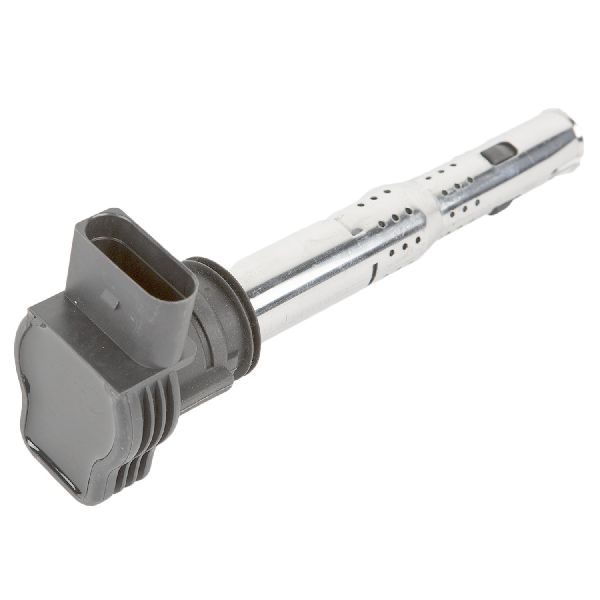
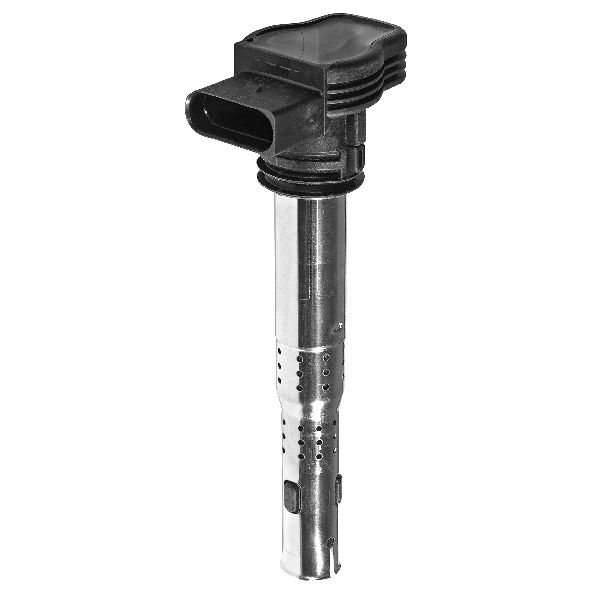
- Faulty Ignition Coil 🔴 High Probability Ignition coils are a very common failure point on this generation of VW/Audi engines, leading to a lack of spark.
How to confirm: Swap the ignition coil from cylinder 1 with another cylinder (e.g., cylinder 2). Clear the codes and drive the car. If the code changes to P0302, the ignition coil is faulty. This is the standard first diagnostic step recommended on owner forums.
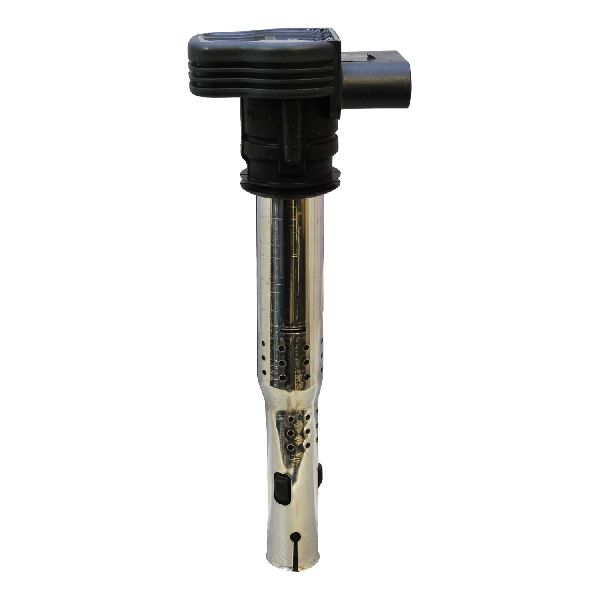
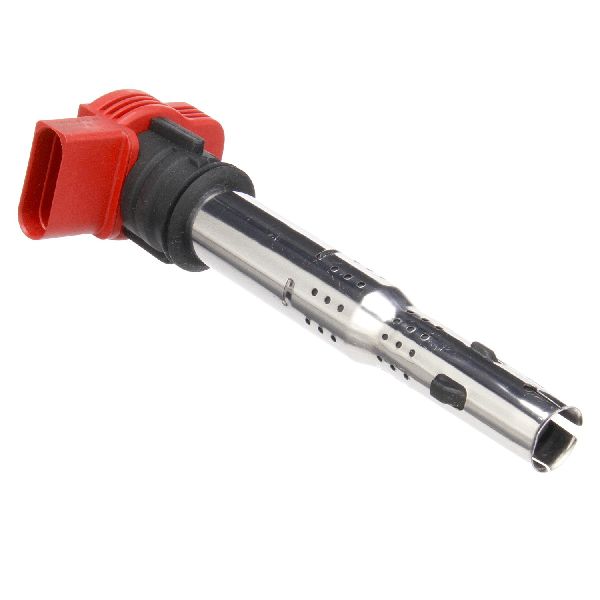
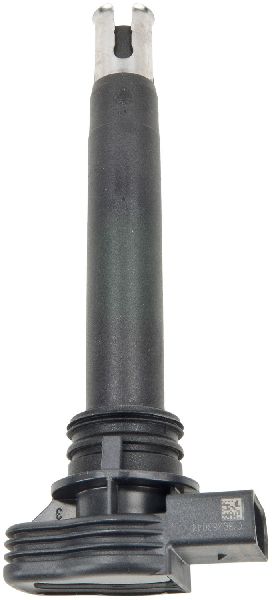
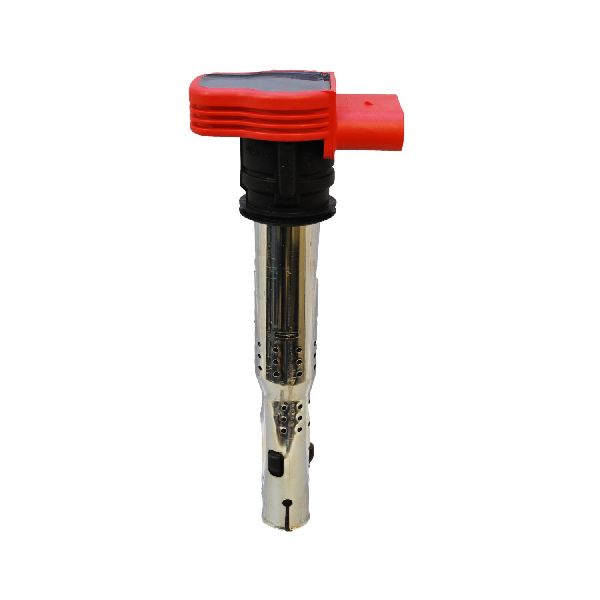
Typical fix: Replace the faulty ignition coil. It is often recommended to replace all four coils at the same time with the latest revision part, as they tend to fail around the same time.
Est. part cost: $25-$50 per coil - Worn or Fouled Spark Plug 🔴 High Probability
How to confirm: After ruling out the ignition coil, remove the spark plug from cylinder 1. Inspect it for wear (worn electrode), carbon fouling, or oil contamination. Compare it to the other plugs. A heavily fouled plug can indicate other engine issues.
Typical fix: Replace the spark plug(s). It is best practice to replace all four spark plugs as a set to ensure consistent performance. Use the correct OEM-spec plugs (e.g., NGK PFR7S8EG).
Est. part cost: $10-$20 per plug - Failed PCV Valve 🟡 Medium Probability The diaphragm inside the PCV (Positive Crankcase Ventilation) valve is known to tear on the 2.0T FSI engine, causing a significant unmetered vacuum leak that leads to lean conditions and misfires.
How to confirm: With the engine running, try to remove the oil filler cap. If there is extreme suction making the cap difficult to remove, the PCV valve has likely failed. A loud whistling or squealing noise from the engine bay at idle is another common symptom. This often throws lean codes (P2187) or intake leak codes (P2279) along with P0301.
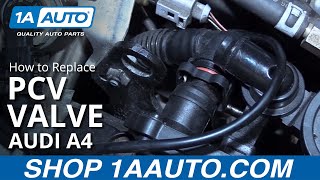
Typical fix: Replace the entire PCV valve assembly and gasket. 🎬 Watch this step-by-step guide to replacing your PCV valve. Use the latest OEM revision to prevent premature failure.
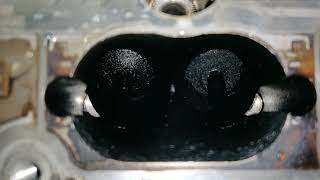
Est. part cost: $40-$150 - Carbon Buildup on Intake Valves 🟡 Medium Probability As a direct-injection (FSI) engine, fuel is sprayed directly into the cylinder, not over the intake valves. This means there is no fuel to wash away carbon deposits, which inevitably build up over time, restricting airflow and causing misfires, especially on cold starts when the fuel mixture is richer.
How to confirm: This requires visual inspection by removing the intake manifold and looking into the intake ports with a borescope or camera. This is typically diagnosed after ruling out ignition and fuel system components. Misfires that occur only when cold and improve as the engine warms are a classic symptom.
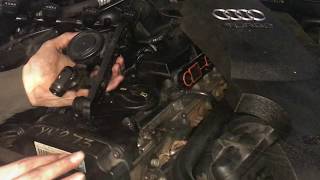
Typical fix: The intake valves must be manually cleaned. This is a labor-intensive process that involves scraping the deposits or using media blasting (walnut shells) 🎬 Watch a professional demonstration of the intake valve cleaning process. with the intake manifold removed. This service is often needed every 60,000-80,000 miles.
Est. part cost: $20-$50 in gaskets and seals - Worn Camshaft Follower ⚪ Low Probability The cam follower for the high-pressure fuel pump (HPFP) is a known weak point on the BPG engine. It can wear down, causing inadequate fuel pressure and leading to misfires, especially under load. If it fails completely, it can destroy the camshaft and HPFP, leading to costly repairs.
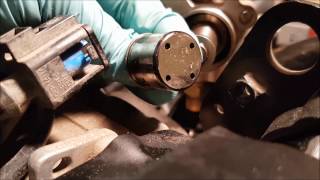
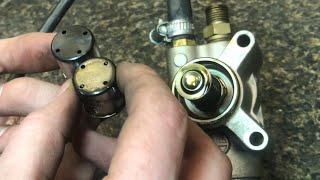
How to confirm: Remove the high-pressure fuel pump from the cylinder head (held by three T30 Torx bolts) to visually inspect the cam follower for wear or perforation. A healthy follower is flat and black; a worn one will be concave or have a hole. This should be checked preventatively every 20,000-30,000 miles. 🎬 See how to inspect and replace the cam follower.
Typical fix: Replace the cam follower (OEM Part No. 06D109309C). If the follower is worn through, inspect the camshaft lobe and HPFP plunger for damage and replace if necessary. An oil change is recommended to remove any metal shavings.
Est. part cost: $20-$50 - Faulty Fuel Injector ⚪ Low Probability
How to confirm: After ruling out ignition issues, a faulty fuel injector could be the cause. A common forum suggestion is to swap the injectors between cylinders, but this is labor-intensive as it requires removing the intake manifold. A more practical step is to listen to the injector with a mechanic's stethoscope to ensure it's clicking. If the misfire persists after all other common causes are ruled out, the injector is a strong suspect.
Typical fix: Replace the faulty fuel injector. It's recommended to replace the Teflon seals on all injectors if one is removed.
Est. part cost: $50-$150 per injector
Rare But Worth Checking
- Low Engine Compression: Although less common, internal engine issues like a burnt valve, damaged piston, or worn piston rings can cause a persistent misfire that does not respond to ignition or fuel system repairs. A compression test is needed to diagnose this. One owner on a forum reported a misfire that was worse when cold was due to a worn exhaust valve found via a leak-down test.
- Damaged Ignition Coil Wiring Harness: The plastic connectors and wiring for the ignition coils can become brittle with age and heat, leading to intermittent connections and misfires. Check for cracked or broken connector tabs and damaged wires.
- Failed Rocker Arm / Lifter: In a documented case on an Audi forum, a persistent P0301 that wasn't solved by plugs, coils, or PCV was ultimately traced to failed needle bearings in the rocker arms for cylinder 1. This is a mechanical failure requiring removal of the valve cover and camshafts to inspect.
Diagnosis Steps

- Read the fault codes with an OBD-II scanner to confirm P0301 and note any other codes (e.g., P0300, P2187).
- Perform an 'ignition coil swap test': Move the ignition coil from cylinder 1 to cylinder 2. Clear the codes and run the engine. If the fault code changes to P0302, the coil is bad and needs replacement.
- If the code remains P0301, swap the spark plug from cylinder 1 to cylinder 2. If the code then moves to P0302, the spark plug is the issue. Inspect the old plug for fouling.
- If the misfire is still on cylinder 1, inspect the PCV system. With the engine running, check for a strong vacuum at the oil filler cap or a loud whistling sound, which indicates a torn PCV diaphragm.
- Inspect the wiring harness and connector for the cylinder 1 ignition coil and fuel injector for any signs of damage or corrosion.
- Check the high-pressure fuel pump's cam follower for wear. This is a critical and common failure point on the 2.0T FSI engine that must be inspected.
- If misfires are worse on cold starts, suspect carbon buildup. This requires removing the intake manifold for a visual inspection with a borescope.
- If all else fails, perform a compression test to check for mechanical engine problems, followed by a leak-down test to pinpoint the source of compression loss (valves, piston rings).
Parts You'll Likely Need

- Ignition Coil
Related Codes That Often Appear With This One
- P0300 — If the misfire is intermittent or affects multiple cylinders, a P0300 (Random/Multiple Misfire) code may appear alongside P0301.
- P2279 — This code indicates an Intake Air System Leak and is commonly triggered by a failed PCV valve, which is a frequent cause of misfires on this engine.
- P2187 — This code for 'System Too Lean at Idle' often accompanies a failed PCV valve or other vacuum leaks that can also cause misfires.
- P1297 — A VW/Audi specific code for 'Turbocharger to Throttle Valve Pressure Drop', indicating a boost leak. This is often caused by a bad PCV valve or cracked breather hoses, which can also cause misfires.
- P0087 — This code for 'Fuel Rail/System Pressure - Too Low' can appear if the HPFP cam follower has significantly worn down, leading to fuel starvation and misfires.
Technical Service Bulletins (TSBs) & Recalls
- While no specific TSB directly addresses P0301 for the 2005-2008 A4 2.0T BPG engine, several TSBs for related VW/Audi engines highlight known issues. For example, Audi TSB 2013147 and VW TSB 2015153 discuss inspection for worn camshafts resulting from cam follower failure, a known cause of misfires and low fuel pressure codes. Another TSB, [01 13 73], notes the need to reset misfire adaptations in the ECU on some 2.0T engines after repairs, which can be relevant.
- Manufacturer service bulletins such as Bulletin #A0124212069038_5 and Bulletin #A0123912069038_5 provide technical information for cases where the MIL is illuminated with cylinder misfire codes P0300 through P0306.
Platform-Specific Known Issues
- Carbon Buildup: The FSI direct injection design leads to heavy carbon deposits on intake valves, a primary cause of cold-start misfires that requires manual cleaning every 60,000-80,000 miles.
- Cam Follower Wear: The follower for the high-pressure fuel pump wears out and must be inspected/replaced regularly (every 30,000-40,000 miles is recommended) to prevent fuel cuts and damage to the camshaft.
- PCV Valve Failure: The factory PCV valve is known to fail, causing a loud whistle, high idle, and lean/misfire codes.
Mechanic-Grade Diagnostic Values
- High-Pressure Fuel Rail Pressure (Actual) — expected: 25.0 to 110.0 bar (363 to 1595 PSI). Pressure must rise with engine RPM.. Failure: Pressure is significantly below the specified range or does not increase under load.
- Low-Pressure Fuel System Pressure (G410 Sensor) — expected: 2800 to 7200 mbar (40 to 104 PSI).. Failure: Pressure is below 2800 mbar, which can starve the high-pressure pump.
- In-Tank Fuel Pump Duty Cycle — expected: Should be below 70% at idle.. Failure: A value consistently above 70% indicates the low-pressure pump is working too hard to supply the HPFP, suggesting a failing pump or a restriction.
- Misfire Counter (Cylinder 1) — expected: 0 at idle and under normal driving.. Failure: Any count that increments indicates a misfire event. Watching this live can show if the misfire happens under specific conditions (cold, warm, load, idle).
Scan Tool Commands That Help
- VCDS (VAG-COM): Read Measuring Blocks (MVB) or Advanced Measuring Values — This is not a command, but a live data reading function essential for diagnosing misfires. It allows a technician to see what the ECU is detecting in real-time, beyond just the stored fault code.
- VCDS (VAG-COM): MVB Groups 014, 015, 016 - Misfire Recognition — Use these specific groups to view the live misfire counters for each individual cylinder. This is critical to confirm the misfire is isolated to cylinder 1 and to see the conditions under which it occurs (e.g., only when cold, under load, etc.).
- VCDS (VAG-COM): MVB Groups 103, 140, 230 - Fuel Pressure — Use these groups to monitor the low and high-pressure fuel systems. This helps differentiate between a failing in-tank pump, a worn HPFP cam follower, or a bad rail pressure sensor, all of which can cause misfires.
Wiring & Ground Locations
- Ignition Coil Connector — On top of the valve cover, plugging into each of the four ignition coils.. The plastic housing and locking tabs become extremely brittle from engine heat cycles. A broken connector tab can lead to a loose connection, causing an intermittent misfire on that cylinder. The housing (Part No. 8K0973724) can be replaced separately from the harness.
- G12 - ECM Ground — Located at the center of the firewall in the engine bay.. This is a primary ground point for the Engine Control Module. A poor connection here can cause a wide range of erratic engine behavior, including phantom misfire codes, as it affects the reference voltage for many sensors.
- G78 - Fuel Pump Motor Ground — At the bottom of the passenger side (right-hand) B-pillar, behind the carpet and trim.. This grounds the in-tank fuel pump motor. A corroded or loose ground here can cause intermittent low fuel pressure, leading to lean conditions and misfires that might not immediately point to a fuel supply issue.
- Engine Block Ground Strap — A primary ground strap runs from the chassis to the engine block, often located near the turbocharger or alternator.. This main ground is essential for the entire engine's electrical system, including the ignition coils' return path. If this strap is frayed, corroded, or loose, it can create resistance and lead to a weak spark and persistent, hard-to-diagnose misfires.
Real Owner Repair Stories
- Ross-Tech Forum User (2006 Audi A4 2.0T FWD CVT, 131,000 miles) — P0301 and P0300. Rough shaking on cold start, running on 3 cylinders. Flashing CEL when cold, solid CEL when warm. Misfire improves as engine warms but hesitation remains.
❌ Tried (didn't work) Swapped ignition coil from cylinder 1 to 4; code remained P0301., Inspected spark plugs (Autolite); all looked similar with light brown color.
✅ What actually fixed it The user's diagnostic journey was ongoing, but after ruling out coils and plugs, the next steps identified by the forum were to check the coil wiring, perform a cold compression test, and inspect the intake valves for carbon buildup and the fuel injector, indicating the problem was deeper than the most common parts. - Reddit user u/school_night (2006 Audi A4 2.0T, 118,000 miles) — P0301 on cold starts. Restarting the car clears the code temporarily, but it still runs rough. RPMs fluctuate slightly even when warm and under constant load.
❌ Tried (didn't work) Replaced spark plugs., Moved ignition coil from cylinder 1 to another cylinder; misfire stayed on cylinder 1.
✅ What actually fixed it The community diagnosed the likely cause as either significant carbon buildup on the intake valves (common for cold-start misfires) or a failing fuel injector, as the primary ignition components had been ruled out. - AudiForums user 'theunknownprince' (2006 Audi A4 2.0T Quattro) — P0301 occurs during acceleration between 2,600-3,400 RPM, but only once the engine is fully warmed up. Flashing CEL during the event.
❌ Tried (didn't work) Swapped ignition coils., Swapped spark plugs., Unplugged MAF sensor to test for changes.
✅ What actually fixed it The problem was not resolved in the thread, but the diagnosis, after ruling out coils and plugs, pointed directly to a faulty fuel injector on cylinder 1. This case is valuable because the symptoms (misfire only when warm and under load) are the opposite of the classic cold-start carbon buildup issue. - NHTSA ODI #11402605 — An owner reported experiencing multiple cylinder misfires (P0300, P0301, and P0302) while driving on the highway and city roads, accompanied by a blinking engine light.
- NHTSA ODI #11708802 — A report describes a catastrophic engine failure while driving on a highway where the system displayed error codes DTC P054A, DTC P0301, and DTC P0017, rendering the vehicle undrivable despite regular maintenance.
"I Checked Everything" — The Actual Cause
- While not specific to P0301, a known failure on VW/Audi 2.0T engines that can cause lean conditions and misfires is a failed rear main seal. This allows unmetered air to be sucked into the crankcase and then into the intake manifold via the PCV system. This type of vacuum leak will NOT be found with a standard smoke test of the intake and charge pipes, as the leak is on the engine block itself.
When the Usual Fixes Don't Work
- While the most common causes for P0301 on this engine are ignition coils, spark plugs, the PCV valve, and carbon buildup, multiple owner accounts show these fixes are not always sufficient. In cases where the misfire persists after these items are addressed, the issue often becomes more complex. For example, a misfire that only occurs when the engine is fully warm and under acceleration is less likely to be carbon buildup (which is worse when cold) and more likely to be a failing fuel injector or an intermittent electrical connection in the coil harness that is affected by heat. This requires deeper diagnosis, such as checking fuel trims, monitoring live misfire data with VCDS, and potentially performing compression/leak-down tests.
OEM Part Supersession History
06E-905-115-E (and earlier revisions)→06E-905-115-F, 06E-905-115-G, 07K-905-715-G (latest common revision)— The original black-top ignition coils were prone to premature failure. Audi released multiple revisions, often identified by a red top, to improve durability and performance.
Heads up: It is highly recommended to replace all four coils with the same, latest revision part to ensure consistent performance. Mixing old and new revisions can sometimes cause issues.06F129101C, 06F129101F, 06F129101K→06F129101R (and others)— The diaphragm in the PCV valve assembly is a known failure point, prone to tearing. Later revisions feature a more durable diaphragm design to prevent the massive vacuum leak that causes lean codes and misfires.
Heads up: Always use the latest available OEM revision. Aftermarket PCV valves are notorious for having incorrect spring rates or diaphragm materials, causing issues right out of the box.
Model Year Variations Within This Range
- 2005.5-2008: The B7 platform with the 2.0T FSI (BPG) engine is largely consistent. The primary causes and fixes for P0301 do not vary significantly between these model years. The major engine technology change occurred from the B6 to the B7 (1.8T to 2.0T FSI) and from the B7 to the B8 (FSI to TSI).
Diagnostic Flowchart
Real Owner Stories
Aggregated from forums and TSBs cited above. Mileages and costs reflect what owners reported in those sources.
Audi A4 B7
Symptoms: Experienced a P0301 misfire code alongside a P0507 code (Idle Air Control System RPM Higher Than Expected).
What fixed it: Swapping coil packs and spark plugs did not solve the issue. The presence of the P0507 code pointed towards a vacuum leak, likely requiring a fix to the PCV system.
Source hint: AudiWorld Forums: CEL P0301/P0507
B7 A4 2.0T
Symptoms: Persistent cylinder misfire at idle that did not resolve after replacing plugs, coils, injectors, PCV, and performing a carbon clean.
What fixed it: The thread highlights the diagnostic challenge when common fixes fail, with compression testing identified as the necessary next step to find the mechanical engine fault.
Source hint: Audizine Forums: B7 A4 2.0T misfire
Related OBD-II Codes
Frequently Asked Questions
How often should I check the cam follower on my 2005-2008 A4 2.0T to prevent misfires?
Why does my A4 2.0T misfire mostly on cold starts?
Can a bad PCV valve cause a P0301 code on this engine?
Are there any TSBs related to misfires on the BPG engine?
What is the recommended first step to diagnose a cylinder 1 misfire on the Audi A4?
What spark plugs should I use if I need to replace them?
Helpful Videos
Used OEM Parts in Stock


New Aftermarket Parts Available

The information in this article is provided for general reference and educational purposes only. Vehicle specifications, procedures, and part compatibility can vary by production date, trim level, and region. Always consult your vehicle's factory service manual and verify part numbers before purchasing or performing repairs. Safety-critical components such as airbags, seat belts, and braking systems should be installed by a qualified professional.
- Audi A4:
- 🎬 Helpful Videos
- 🛍️ Shop This Part
- What's Unique About the 2005-2008 Audi A4
- Symptoms You May Notice
- Most Likely Causes
- Rare But Worth Checking
- Diagnosis Steps
- Parts You'll Likely Need
- Related Codes That Often Appear With This One
- Technical Service Bulletins (TSBs) & Recalls
- Platform-Specific Known Issues
- Mechanic-Grade Diagnostic Values
- Scan Tool Commands That Help
- Wiring & Ground Locations
- Real Owner Repair Stories
- "I Checked Everything" — The Actual Cause
- When the Usual Fixes Don't Work
- OEM Part Supersession History
- Model Year Variations Within This Range
- Diagnostic Flowchart
- Real Owner Stories
- Audi A4 B7
- B7 A4 2.0T
- Related OBD-II Codes
- Frequently Asked Questions
- 🎟️ Get 5% Off