

P0300 on 2000-2005 Mitsubishi Eclipse 2.4L: Random Misfire Causes & Fixes
On a 2000-2005 Eclipse with the 2.4L 4G64 engine, P0300 is most often caused by oil leaking from failed spark plug tube seals into the spark plug wells. This shorts out the ignition. Replacing the valve cover gasket and tube seals (OEM Part No. MD342281) costs about $30-$50 in parts and is a common DIY fix that resolves the issue for many owners.
- Before buying any parts, pull the spark plug wires and check for oil in the spark plug tubes. This is the most likely cause of P0300 on this specific car.
- If you find oil, you must replace the valve cover gasket, spark plug tube seals, spark plugs, and the oil-soaked spark plug wires all at once.
- If the spark plug tubes are dry, your next most likely culprits are old spark plugs/wires or a vacuum leak from a cracked hose.
- A flashing Check Engine Light is a serious warning that you can damage your catalytic converter. Do not drive the vehicle if the light is flashing.
- P0300 indicates a problem affecting multiple cylinders, so think about systems that supply all cylinders, like ignition, fuel delivery, and air intake.
What's Unique About the 2000-2005 Mitsubishi Eclipse
While many issues can cause a P0300 code, the 3rd generation Eclipse with the 4G64 engine has a very common and specific weak point. The spark plug tube seals, which are integrated into the valve cover gasket, are known to become hard and brittle over time. This allows engine oil to leak into the spark plug tubes, flooding the spark plugs and wires, which causes a short in the ignition system and leads to random misfires. This exact failure mode is also commonly reported on platform mates like the Mitsubishi Galant.
Symptoms You May Notice
- Check Engine Light is on (solid or flashing)
- Rough, unstable idle
- Vehicle shaking or vibrating, especially at a stop
- Hesitation or stumbling during acceleration
- Noticeable loss of engine power
- Reduced fuel economy
- Difficulty starting the engine
- Engine stalling at stops
- Replacing oxygen (O2) sensors. O2 sensors report the results of combustion; they don't typically cause a misfire unless they fail in a way that causes an extreme air/fuel imbalance.
- Replacing the Mass Airflow (MAF) sensor without testing it first. While a faulty MAF can cause P0300, it's less common than ignition faults or vacuum leaks on this engine.
Most Likely Causes
- Leaking Spark Plug Tube Seals 🔴 High Probability The rubber seals integrated into the valve cover gasket become hard and brittle from age and heat cycles, losing their ability to seal. This is a widely documented failure point on the 4G64 engine and its platform mates.
How to confirm: Remove the spark plug wires. Visually inspect the inside of the spark plug tubes for liquid oil. If oil is present, the seals have failed. This is the most common cause.
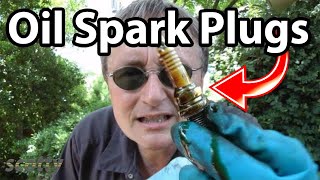
Typical fix: Replace the valve cover gasket and the spark plug tube seals as a set. The OEM part number for the gasket is MD342281. 🎬 See this walkthrough on fixing oil in spark plug tubes While the cover is off, clean all oil from the plug tubes and replace the oil-soaked spark plug wires and spark plugs.
Est. part cost: $30-$50 - Worn Spark Plugs and/or Wires 🔴 High Probability These are standard maintenance items. If they are original or have high mileage, their performance will be degraded. Oil from leaking tube seals will also ruin them, making their replacement essential when fixing the gasket.
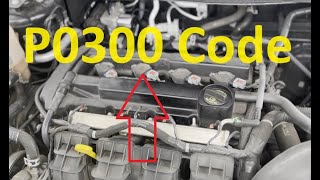
How to confirm: Inspect spark plugs for wear (worn electrode, incorrect gap) or fouling (black, oily, or white deposits). Inspect wires for cracks, corrosion on the terminals, 🎬 Watch: How to fix misfire codes with basic hand tools or swelling (especially if oil-soaked).
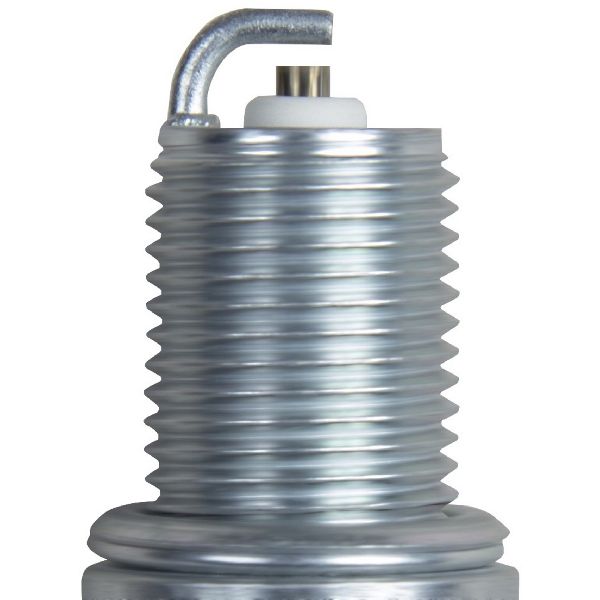
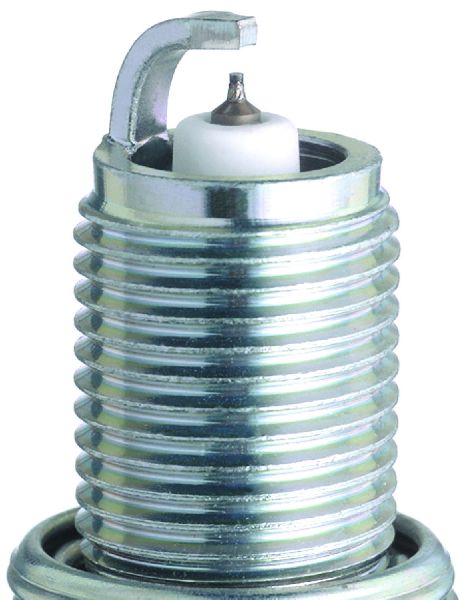
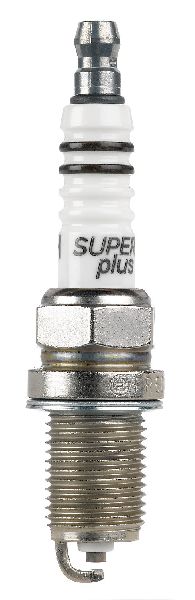
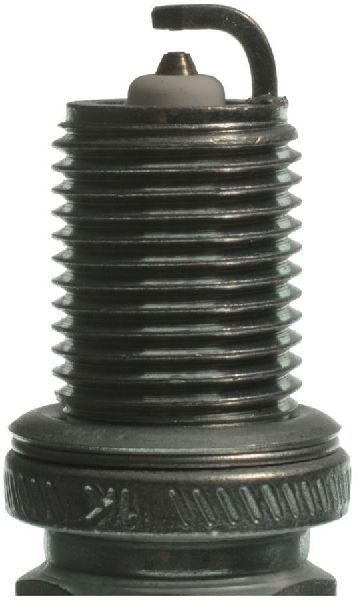
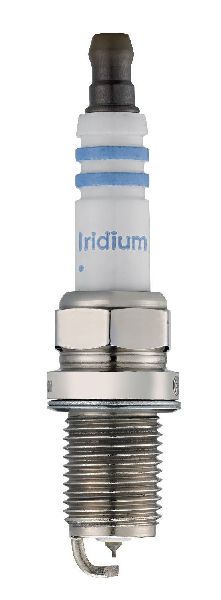
Typical fix: Replace spark plugs and spark plug wires as a set. A commonly used OEM spark plug is part number MD372422, which corresponds to an NGK BKR6EKUC.
Est. part cost: $50-$100 - Vacuum Leak 🟡 Medium Probability Rubber vacuum hoses become brittle and crack with age. Gaskets for the intake manifold and throttle body can also fail, creating a leak that introduces unmetered air and leans out the air/fuel mixture.
How to confirm: With the engine running, listen for a hissing sound. You can also spray a fine mist of water or a dedicated vacuum leak detector fluid around vacuum lines and gaskets; a change in engine idle indicates a leak. A smoke test is the most definitive way to find a leak.
Typical fix: Replace the cracked hose or failed gasket.
Est. part cost: $5-$40 - Faulty Ignition Coil(s) 🟡 Medium Probability The 4G64 uses two coil packs in a waste-spark system. While durable, they can fail with age and heat, producing a weak or inconsistent spark affecting two cylinders at once.
How to confirm: Test the resistance of the primary and secondary windings with a multimeter against factory specifications. A more practical test is to swap the coil suspected of being faulty with the other one and see if the misfire pattern changes (if specific cylinder codes are present).
Typical fix: Replace the faulty ignition coil pack. It is often recommended to replace them in pairs.
Est. part cost: $50-$100 - Faulty Crankshaft Position Sensor (CKP) ⚪ Low Probability The sensor itself can fail electronically over time. The ECM relies on this sensor's signal to detect misfires, so an erratic signal can cause a false P0300 or contribute to a real one. On some related vehicles, a CKP replacement requires a 'relearn' procedure to be performed with a scan tool.
How to confirm: This is difficult to diagnose without an oscilloscope to check the sensor's waveform. A failing sensor may also cause stalling or no-start conditions. A basic voltage check can be performed at the harness connector.
Typical fix: Replace the crankshaft position sensor.
Est. part cost: $40-$80
Rare But Worth Checking
- Low Fuel Pressure: A weak fuel pump or clogged fuel filter can affect all cylinders, leading to a lean condition and random misfires. On the related Galant, a failing fuel pump relay getting excessively hot was a symptom. The fuel filter is located inside the fuel tank with the pump.
- Skipped Timing Belt Tooth: If the timing belt has stretched or a tensioner has failed, the cam and crank timing can be off, causing widespread misfires. This is an interference engine, so this issue can lead to catastrophic engine damage if not addressed immediately. The service interval is every 60,000 miles.
- Clogged or Dirty Fuel Injectors: If multiple injectors are not delivering fuel properly, it can cause a random misfire. This is less common than a single injector failing but can happen over time due to fuel contaminants.
- Faulty Idle Air Control (IAC) Valve: A dirty or failing IAC valve can cause a rough, surging, or unstable idle and stalling. While it may not always set a P0300 code directly, the erratic idle can be perceived by the ECU as a misfire. This is a known issue on these engines.
- Faulty EGR Valve: A stuck-open Exhaust Gas Recirculation (EGR) valve can lean out the air-fuel mixture at idle, causing a rough run condition and misfires. This is listed as a potential cause in Mitsubishi's own diagnostic literature.
Diagnosis Steps
- Scan for trouble codes. Note if the Check Engine Light is flashing and if any other codes are present.
- Pull the spark plug wires and inspect the spark plug tubes for oil. This is the most important vehicle-specific step and the most likely cause.
- If oil is present, replace the valve cover gasket (OEM# MD342281), spark plug tube seals, spark plugs (e.g., NGK BKR6EKUC), and oil-soaked wires. This will likely fix the issue.
- If no oil is found, inspect the spark plugs and wires for age and wear. Check for correct spark plug gap and any signs of carbon tracking or corrosion. Replace if necessary.
- Inspect all vacuum hoses for cracks or disconnections. Pay special attention to the hoses connected to the intake manifold, throttle body, and brake booster.
- Perform a vacuum leak test using a smoke machine or by carefully spraying starter fluid around potential leak points while monitoring engine RPM for changes.
- Test the ignition coils by checking their resistance or swapping their positions to see if the misfire follows (if cylinder-specific codes are also present).
- Test fuel pressure at the fuel rail to rule out a weak fuel pump or clogged filter. Check the fuel pump relay for overheating.
- Check EGR valve function. Ensure it is not stuck open at idle.
- If all else fails, consider more advanced diagnostics like checking timing belt alignment or performing an engine compression test to rule out mechanical engine problems.
Parts You'll Likely Need
- Valve Cover Gasket Kit (with Spark Plug Tube Seals)
(OEM #MD342281)— This is the most common failure point leading to P0300 on the 4G64 engine due to oil leaking into the spark plug wells.
Trusted brands: Fel-Pro, Victor Reinz, Mitsubishi Genuine
OEM price range: $50-$70
Aftermarket price range: $30-$50 - Spark Plugs
(OEM #MD372422 (NGK BKR6EKUC))— These are a primary ignition component and are often fouled by the oil from leaking tube seals, requiring replacement.
Trusted brands: NGK, Denso
OEM price range: $30-$50
Aftermarket price range: $15-$40 - Spark Plug Wires — The boots become saturated with oil from leaking tube seals, which degrades the material and causes ignition shorts.
Trusted brands: NGK, Denso, Standard Motor Products
OEM price range: $60-$90
Aftermarket price range: $40-$70
Related Codes That Often Appear With This One
- P0301, P0302, P0303, P0304 — If the random misfire begins to occur more frequently in a specific cylinder, the ECM will log a cylinder-specific code alongside the P0300.
- P0421 — This code ('Warm Up Catalyst Efficiency Below Threshold') indicates the catalytic converter is failing. A long-term misfire from P0300 allows unburned fuel to enter the exhaust and damage the converter.
Technical Service Bulletins (TSBs) & Recalls
- Mitsubishi Diagnostic Document DTC P0300 - While not a formal TSB, this technical document outlines potential causes including ignition failure, skipped timing belt teeth, low compression, and EGR valve failure.
- Dodge TSB #1801405 - Issued for platform mates (Dodge Stratus), this TSB addresses cold start misfires (P0300-P0306), which can be related to fuel delivery issues.
Platform-Specific Known Issues
- The valve cover gasket and integrated spark plug tube seals on the 4G64 engine are known to harden and fail, allowing engine oil to leak directly into the spark plug wells. This saturates the spark plug wires and causes ignition shorts that are a primary cause of random misfires (P0300) on this platform.
Mechanic-Grade Diagnostic Values
- Ignition Coil Primary Resistance — expected: 1.08 - 1.32 Ω. Failure: A reading outside this range indicates a faulty primary winding in the coil.
- Ignition Coil Secondary Resistance — expected: 22.1 - 29.9 kΩ (Note: manual likely has a typo and should be kΩ, not Ω). Failure: A reading outside this range indicates a faulty secondary winding in the coil.
- Long-Term Fuel Trim (at 2,500 RPM, warm engine) — expected: -12.5% to +12.5%. Failure: Values consistently outside this range suggest a vacuum leak (high positive trim) or a fuel delivery issue (high negative trim) that the ECU is trying to compensate for, which can lead to misfires.
- Crankshaft Position Sensor (CAS) Harness Voltage (Key On, Engine Off) — expected: Pin 3 (Red wire): 12V+, Pin 2 (Blue/Red wire): 4.8-5.2V, Pin 1 (Black wire): ~0Ω continuity to ground.. Failure: Incorrect voltage or lack of ground points to a wiring issue or a problem with the ECU's 5V reference circuit.
- Crankshaft Position Sensor (CAS) Harness Voltage (during engine cranking) — expected: Pin 2 (Blue/Red wire): 0.4 - 3.0V (fluctuating). Failure: A steady voltage or no voltage during cranking indicates the sensor is not generating a signal.
- Engine Compression Pressure (Standard) — expected: 1128 kPa or 163.5 psi. Failure: Significantly lower pressure in one or more cylinders indicates a mechanical engine problem (e.g., bad rings, valves, or head gasket) that can cause misfires.
Hidden / Shadow Codes Worth Checking
- Mode 6, Test ID $0A, Component ID $01-$04: This is not a 'shadow code' but is manufacturer-specific data within the generic OBD-II system. It tracks misfire counts per cylinder for the current and last 10 driving cycles. High counts on multiple cylinders can confirm the P0300 before the Check Engine Light becomes steady. (see via A professional scan tool or an advanced consumer OBD-II scanner with Mode 6 capability. The Mitsubishi M.U.T.-III tool can access this data directly.)
Scan Tool Commands That Help
- Mitsubishi M.U.T.-III (MB991958): Actuator Test - Ignition System — This function allows a technician to command the ignition coils to fire individually. It's used to verify the functionality of the ignition coil and its wiring from the ECM without the engine running. If a coil fails to produce a spark during the test, it confirms a fault in that part of the circuit.
- Mitsubishi M.U.T.-III (MB991958): Data List Item 2: Crankshaft Position Sensor — This allows for live monitoring of the crankshaft position sensor's output as seen by the ECM. An erratic or missing signal while the engine is cranking or running can be diagnosed here, confirming a faulty sensor or wiring.
Wiring & Ground Locations
- Powertrain Control Module (PCM/ECM) — Located behind the right side of the dashboard, accessible by removing the glove box or lower dash panels.. This is the source of all sensor reference voltages and the control center for the ignition coils and fuel injectors. A poor connection or corrosion at the main connectors (C-49, C-50, etc.) can cause random issues.
- Ignition Harness Connector — Connects to the main engine harness near the valve cover and branches out to the two ignition coil packs.. This harness is subject to engine heat and vibration. The wires for the coil packs (e.g., Dk. Green for ignition power) can become brittle or frayed, leading to intermittent ignition signals.
- Engine Compartment Ground Points — Multiple ground points are located on the engine block, cylinder head, and chassis near the battery tray. Wiring diagrams show these as specific numbered points.. The ignition system and sensors like the CKP and CMP rely on a clean ground path to the chassis and battery. A loose or corroded ground strap is a common cause of erratic electronic behavior and random misfires that are hard to trace.
Real Owner Repair Stories
- DSMtuners Forum user '99eclipsegst99' (Mitsubishi Eclipse with 160k miles) — P0300 Random Misfire code, rough running.
❌ Tried (didn't work) Replaced spark plugs, Replaced spark plug wires, Replaced ignition coil
✅ What actually fixed it The timing belt was found to be slightly off alignment ('the two little white dots were about 2/8 of an inch off'). After correcting the timing belt alignment, the P0300 code was resolved. - Reddit user r/MitsubishiEclipse (2003 Eclipse RS 5-speed manual) — Persistent P0300 code. Notes that exhaust headers for cylinders 2 & 3 run cooler than 1 & 4. Unplugging the coil pack for 2&3 causes no change in idle, while unplugging the 1&4 coil stalls the engine. Short term fuel trim drops to 0 during misfire events.
❌ Tried (didn't work) New spark plugs, coils, and wires, Replaced EGR valve, Replaced vacuum hoses, Compression check (all cylinders were good at 180 psi), Replaced injectors and fuel rail, Replaced fuel pressure regulator, Checked grounds for continuity, Replaced air filter, Repaired harness wiring, New exhaust system
✅ What actually fixed it This is a cautionary tale; the user had not found a fix at the time of posting. The symptoms strongly point to a fault specific to the circuit for cylinders 2 and 3, which share an ignition coil. This could be a faulty ECU driver for that coil pack or a break in the signal wire between the ECU and the coil, a problem that parts replacement would not solve.
Model Year Variations Within This Range
- 2000-2005: The core 4G64 SOHC engine and its ignition system remained consistent throughout the 3rd generation Eclipse production run. There are no significant year-to-year variations that would alter the diagnostic approach for a P0300 code on this specific platform.
Diagnostic Flowchart
Other Known Issues on This Vehicle
Issues unrelated to this code that are worth knowing about as an owner of this generation:
- Timing Belt Failure 🔴 High — The timing belt has a 60,000-mile replacement interval. As the 4G64 is an interference engine, a snapped belt will cause catastrophic valve and piston damage.
- Excessive Oil Consumption 🟠 Medium — Some owners report notable oil consumption between changes, potentially caused by worn or stuck piston rings.
- Automatic Transmission Problems 🟠 Medium — The automatic transmission (especially the F4A42) can develop issues like harsh shifting, slipping, or failure to shift. The V6 model is particularly known for a 'wave spring' failure, but 4-cylinder models are not immune to general transmission wear.
- Body and Subframe Rust 🟠 Medium — These vehicles are prone to rust, particularly on the subframes, rocker panels, and rear quarter panels, especially in regions that use road salt.
- Faulty Idle Air Control (IAC) Valve 🟡 Low — A failing IAC valve is common, leading to symptoms like a hunting/surging idle, stalling when coming to a stop, and difficulty starting without throttle input.
- Manual Shifter Linkage Bushing Failure 🟡 Low — On manual transmission models, the rubber bushings in the shift linkage can degrade and fail, causing a very sloppy shifter feel or a complete loss of the ability to select certain gears.
Used vs. New Parts: Buying Guide for This Vehicle
When a used part is the smart pick: For major mechanical components like the cylinder head or the engine block itself, a used part from a reputable salvage yard can be a cost-effective choice, provided it comes from a vehicle with verifiable low mileage and no history of overheating.
Donor-vehicle mileage cap: roughly under 120000 miles for the part to have meaningful remaining life.
What to inspect on the donor part:
- For an engine or cylinder head, look for any signs of milky residue under the oil cap, indicating a past head gasket failure.
- Check the spark plug tubes on a donor valve cover for cracks or damage where the seals sit.
- When buying used sensors (Crank/Cam/IAC), try to get them from the same donor vehicle as a known-running engine to reduce variability.
OEM-only on this vehicle (don't cheap out):
- Crankshaft Position Sensor: While aftermarket sensors are available, forums often report issues with incorrect readings or premature failure. Using a genuine Mitsubishi sensor is highly recommended to avoid repeat repairs.
Aftermarket brands forum-validated for this vehicle:
- Valve Cover Gasket: Fel-Pro, Victor Reinz
- Ignition Components (Plugs/Wires): NGK, Denso
- Timing Belt Kit: Gates, Continental
Brands owners have reported issues with on this vehicle:
- Generic, unbranded 'white box' ignition coils and sensors from online marketplaces are a frequent source of unresolved issues. They often fail to meet OEM resistance and voltage specifications, leading to persistent codes.
Real Owner Stories
Aggregated from forums and TSBs cited above. Mileages and costs reflect what owners reported in those sources.
1999 Mitsubishi Galant 2.4L I4
Symptoms: Random multiple misfires (P0300).
What fixed it: Found oil in the spark plug wells; replaced the valve cover gasket and seals to stop the leak.
Source hint: https://www.mitsubishi-forums.com/threads/p0300-multiple-random-misfires.33153/
2003 Mitsubishi Galant 2.4L I4
Symptoms: P0300 code and lean misfire symptoms.
What fixed it: Diagnostic testing of the fuel pump confirmed it as the cause of the lean condition.
Source hint: https://www.youtube.com/watch?v=gYVd23t0O7c
Mitsubishi Eclipse Spyder 4G64
Symptoms: Idle issues and misfire-related symptoms.
What fixed it: Replacement of the Idle Air Control (IAC) valve.
Source hint: https://www.dsmtuners.com/threads/spyder-4g64-iac-replacement.542839/
Related OBD-II Codes
Frequently Asked Questions
What is the most common cause of a P0300 misfire on the 4G64 2.4L engine?
Does Dodge TSB #1801405 apply to my Mitsubishi Eclipse?
Which specific spark plugs should I use for my 2000-2005 Eclipse 2.4L to resolve misfires?
Can a faulty Crankshaft Position Sensor cause a P0300 on this vehicle?
Why does my Eclipse shake at stops when the Check Engine Light flashes?
Is the P0300 code related to the timing belt on the 4G64 engine?
Helpful Videos



We Have This Part in Stock


The information in this article is provided for general reference and educational purposes only. Vehicle specifications, procedures, and part compatibility can vary by production date, trim level, and region. Always consult your vehicle's factory service manual and verify part numbers before purchasing or performing repairs. Safety-critical components such as airbags, seat belts, and braking systems should be installed by a qualified professional.
- Mitsubishi Eclipse:
- 🎬 Helpful Videos
- 🛍️ Shop This Part
- What's Unique About the 2000-2005 Mitsubishi Eclipse
- Symptoms You May Notice
- Most Likely Causes
- Rare But Worth Checking
- Diagnosis Steps
- Parts You'll Likely Need
- Related Codes That Often Appear With This One
- Technical Service Bulletins (TSBs) & Recalls
- Platform-Specific Known Issues
- Mechanic-Grade Diagnostic Values
- Hidden / Shadow Codes Worth Checking
- Scan Tool Commands That Help
- Wiring & Ground Locations
- Real Owner Repair Stories
- Model Year Variations Within This Range
- Diagnostic Flowchart
- Other Known Issues on This Vehicle
- Used vs. New Parts: Buying Guide for This Vehicle
- Real Owner Stories
- 1999 Mitsubishi Galant 2.4L I4
- 2003 Mitsubishi Galant 2.4L I4
- Mitsubishi Eclipse Spyder 4G64
- Related OBD-II Codes
- Frequently Asked Questions
- 🎟️ Get 5% Off