

P0196 on 2016-2020 Kia Sorento 3.3L V6: Engine Oil Temperature Sensor Causes and Fixes
P0196 on your Sorento means the Engine Oil Temperature (EOT) sensor is sending irrational data. The most likely cause is a failed sensor, but the repair is complex and expensive because the sensor is buried under the intake manifold. Expect a shop to charge between $500 and $850 for this repair. While in there, it's critical to also inspect the nearby Oil Pressure Switch for leaks, a common issue on this engine.
- P0196 indicates a performance problem with the Engine Oil Temperature sensor, not just a simple circuit failure.
- The sensor itself is inexpensive, but the repair cost is high due to extensive labor.
- The entire intake manifold assembly must be removed to access the sensor, making this a 5/5 difficulty DIY job.
- Always replace the intake manifold gaskets when performing this repair to prevent future vacuum leaks.
- While the intake is off, it is a good idea to inspect the nearby oil pressure switch for leaks, as it is a known issue on this engine.
What's Unique About the 2016-2020 Kia Sorento
On the Kia 3.3L Lambda II V6 engine, the key challenge with a P0196 code is the physical location of the Engine Oil Temperature sensor. Unlike many vehicles where it's easily accessible, here it is located deep in the engine valley, underneath the entire upper and lower intake manifold assembly. This transforms a simple, inexpensive sensor replacement into a significant and labor-intensive repair, requiring hours of disassembly. This difficult access is the defining characteristic of this repair on this specific platform and is shared with the oil pressure switch, which is also located there.
Symptoms You May Notice
- Check Engine Light is on
- Engine may enter a reduced power "limp mode"
- Poor acceleration or hesitation
- Reduced fuel economy
- Cooling fans may run constantly or at incorrect times
- Unstable idle
- Harsh or late transmission shifts
- Replacing the Engine Coolant Temperature (ECT) sensor instead of the Engine Oil Temperature (EOT) sensor.
- Replacing the Oil Pressure Switch (OPS) instead of the Oil Temperature Sensor (EOT), though they are located near each other and it is wise to inspect/replace both during the repair.
- Misdiagnosing a leaking Oil Pressure Switch as a rear main seal leak, as oil drips down the back of the engine and transmission bellhousing.
Most Likely Causes
- Faulty Engine Oil Temperature (EOT) Sensor 🔴 High Probability Sensors are electronic components (thermistors) that can fail over time due to extreme heat cycles and internal degradation. The location deep in the engine valley subjects it to significant, sustained heat.
How to confirm: Using a scan tool, compare the EOT reading to the Engine Coolant Temperature (ECT) reading on a cold engine; they should be nearly identical. As the engine warms up, the EOT reading should rise smoothly and logically. A sensor that is stuck, jumps erratically, or doesn't change is faulty.
Typical fix: Replace the Engine Oil Temperature sensor. Due to its location, this also requires replacing the upper and lower intake manifold gaskets.
Est. part cost: $15-$45 - Wiring or Connector Issue 🟡 Medium Probability The wiring harness in the engine valley is exposed to significant heat, which can make wires brittle or damage the connector over time. Oil from a leaking oil pressure switch (a common issue) can also contaminate the EOT sensor connector, causing a poor signal. A Kia training document notes that corrosion on the sensor terminals is a known cause for this code.
How to confirm: After accessing the sensor, inspect the connector and wiring for any signs of corrosion, melting, oil saturation, or physical damage. Check for a 5-volt reference signal and a good ground at the connector with the key on, engine off. If the connector is full of oil, it must be thoroughly cleaned with electrical contact cleaner.
Typical fix: Repair the damaged section of the wiring harness or replace the connector pigtail. Clean any corrosion or oil from the connector terminals.
Est. part cost: $10-$30 - Low or Degraded Engine Oil ⚪ Low Probability
How to confirm: Check the engine oil level and condition using the dipstick. If the oil is very low, black, or sludgy, it can affect the sensor's ability to get an accurate reading. These engines are known for some oil consumption, so checking the level is critical.
Typical fix: Perform an oil and filter change with the correct viscosity oil specified for the vehicle.
Est. part cost: $50-$90
Rare But Worth Checking
- Faulty Powertrain Control Module (PCM): This is extremely rare. The PCM should only be considered after all other possibilities, including the sensor and its entire circuit, have been exhaustively tested and proven to be good.
Diagnosis Steps
- Verify Oil Level and Condition: Before any electronic diagnosis, ensure the engine oil is at the correct level and is not excessively dirty or sludgy. Low oil level is a known issue with these engines.
- Scan Tool Live Data Analysis: Connect an OBD-II scanner. On a cold engine (off for several hours), compare the Engine Oil Temperature (EOT) and Engine Coolant Temperature (ECT) readings. They should be within a few degrees of each other and the ambient air temperature. Start the engine and monitor the EOT reading. It should rise steadily as the engine warms up. Any sudden jumps, drops, or a static reading indicates a problem.
- Visual Inspection (Requires Disassembly): Due to the sensor's location, a visual inspection requires removing the upper and lower intake manifolds. Once accessed, inspect the EOT sensor and its electrical connector for damage, corrosion, or oil contamination. Crucially, inspect the adjacent Oil Pressure Switch for any signs of leakage, as this is a very common failure point covered by a warranty extension.
- Electrical Circuit Check: With the sensor connector unplugged (and intake removed), turn the ignition to 'ON' (engine off). Use a multimeter to verify there is a 5-volt reference signal on one wire and a good ground on the other. If either is missing, there is a wiring or PCM issue that must be traced.
- Sensor Resistance Test: With the sensor removed from the engine, measure its internal resistance with a multimeter. The sensor is a thermistor, meaning its resistance changes with temperature. Gently heat the tip of the sensor with a heat gun or hair dryer. The resistance should decrease smoothly as the temperature rises. If it doesn't change or changes erratically, the sensor is bad.
- Final Diagnosis: If the wiring provides the correct voltage/ground and the sensor fails the resistance test, the sensor is the culprit. If the sensor tests good but the live data was incorrect, the problem is likely in the wiring harness, possibly due to oil contamination from the nearby pressure switch.
Parts You'll Likely Need
- Engine Oil Temperature Sensor
(OEM #39220-3C100)— This is the most common failure point for a P0196 code.
Trusted brands: Genuine Kia/Hyundai, Standard Motor Products, NTK
OEM price range: $30-$45
Aftermarket price range: $15-$25 - Intake Manifold Gasket Set
(OEM #29215-3C600 (Upper), 28411-3C500 (Lower - Qty 2))— The upper and lower intake manifolds must be removed to access the sensor. The gaskets are single-use and must be replaced to prevent vacuum leaks.
Trusted brands: Genuine Kia, Fel-Pro, Mahle
OEM price range: $40-$70
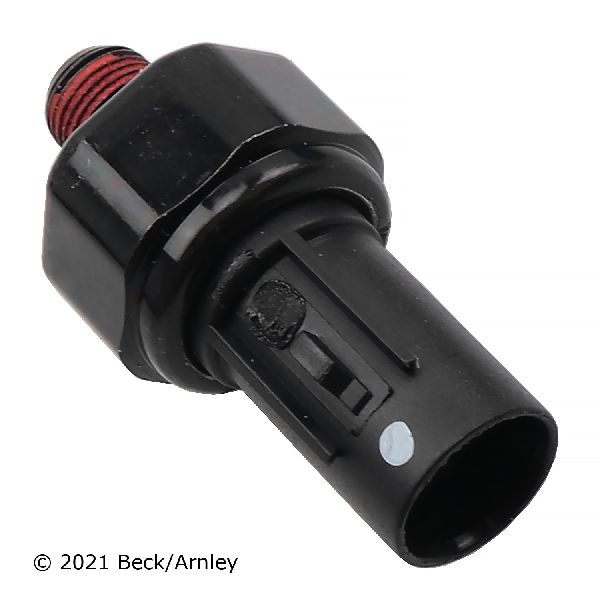
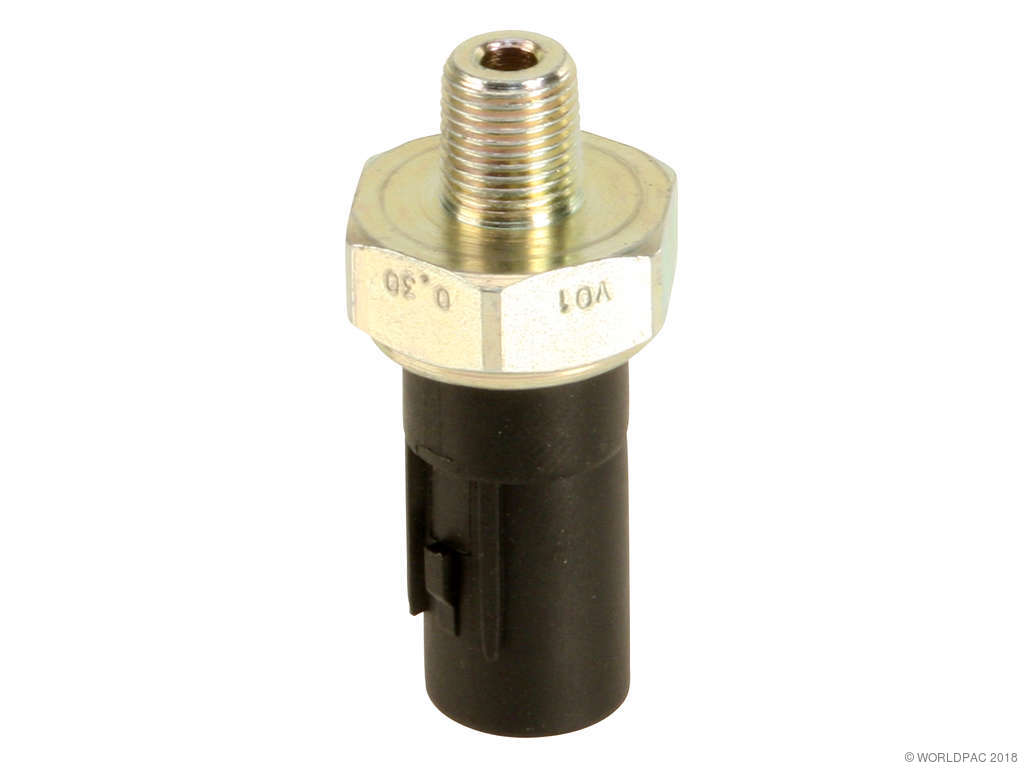
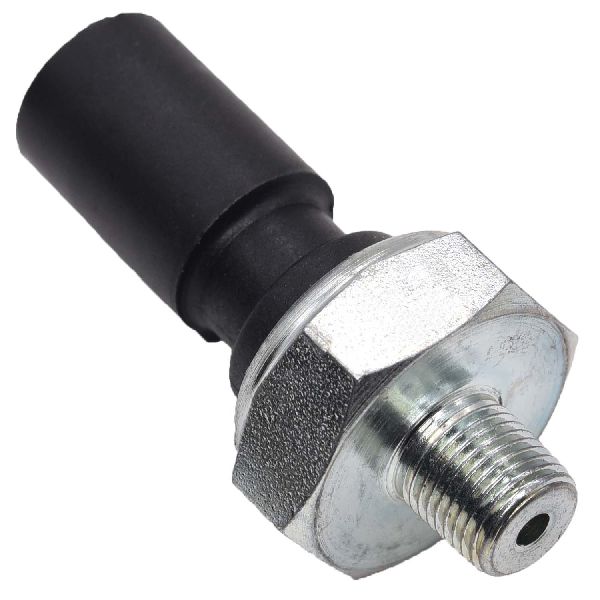
Aftermarket price range: $25-$50 - Oil Pressure Switch (Recommended)
(OEM #94750-3C100)— Located next to the EOT sensor and is a very common point of failure for oil leaks. It is highly advisable to replace it proactively since 95% of the labor is already done. A warranty extension covers this part for leaks.
Trusted brands: Genuine Kia/Hyundai
OEM price range: $20-$35
Aftermarket price range: $10-$20
Technical Service Bulletins (TSBs) & Recalls
- TSB ENG237 (Rev 1): While not for code P0196, this TSB for the 2016-2018 Sorento 3.3L addresses a leaking Oil Pressure Switch in the same location, confirming the difficult access under the intake manifold and the potential for misdiagnosis.
Platform-Specific Known Issues
- The Oil Pressure Switch (OPS) on these engines is also located in the engine valley and is subject to a warranty extension (TSB ENG237) for oil leaks. A leaking OPS can fill the engine valley with oil, which can then run down the back of the transmission, often being misdiagnosed as a rear main seal leak. While diagnosing P0196, it is critical to inspect the adjacent oil pressure switch for leaks, as the disassembly process is the same for both and replacing it at the same time is highly recommended.
Mechanic-Grade Diagnostic Values
- EOT Sensor Resistance (Cold Engine) — expected: 2,000 - 3,000 Ω (2.0 - 3.0 kΩ) at approx. 20°C / 68°F. Failure: Reading is significantly outside this range, open (OL), or shorted (near 0 Ω).
- EOT Sensor Resistance (Hot Engine) — expected: 200 - 400 Ω at approx. 90°C / 194°F. Failure: Resistance does not drop smoothly as the engine warms or stays high when the engine is at operating temperature.
- EOT Sensor Signal Voltage (Cold Engine) — expected: ~2.0V - 3.0V at Key On, Engine Off after sitting for several hours.. Failure: Voltage is near 0V or 5V, or does not match the expected value for the ambient temperature.
- EOT Sensor Signal Voltage (Hot Engine) — expected: ~0.5V at normal operating temperature.. Failure: Voltage does not decrease as the engine warms up, or remains high (e.g., >1.0V) when fully warm.
- EOT Sensor Connector Reference Voltage — expected: 5.0V on one pin with Key On, Engine Off.. Failure: Voltage is significantly lower than 5V or is absent, indicating a wiring or PCM issue.
Scan Tool Commands That Help
- Kia GDS (Global Diagnostic System): DTC Analysis & Repair Guide — When diagnosing a P0196, the GDS software provides a guided diagnostic procedure directly from the factory service manual, including component locations, specifications, and wiring diagrams. This is the dealer-level method for accurately tracing the fault.
Wiring & Ground Locations
- EOT Sensor Circuit — The sensor wiring and connector are located in the engine valley, underneath the upper and lower intake manifolds, next to the oil pressure switch.. This location is a high-heat area prone to oil contamination from the commonly leaking oil pressure switch. Oil saturation of the EOT sensor connector or harness is a primary cause of signal faults that trigger P0196. Physical inspection requires significant engine disassembly.
Real Owner Repair Stories
- Automotive Insight YouTube Channel / General Forum Consensus (2016 Kia Sorento 3.3L V6) — Intermittent oil pressure light and visible oil leak. While this is a symptom of a bad oil pressure switch, the root cause (oil leak in the valley) directly impacts the EOT sensor wiring.
❌ Tried (didn't work) The owner took the vehicle to a dealership which correctly diagnosed the oil pressure switch leak. The vehicle was outside of the 15yr/150k mile warranty extension for the part.
✅ What actually fixed it The oil pressure switch was replaced. This is a critical story for P0196 because the repair requires the same extensive labor (intake manifold removal) and the primary cause of the pressure switch failure—leaking oil—is a direct cause of wiring and connector problems for the adjacent EOT sensor. Technicians report that cleaning the oil-soaked valley and connectors is a mandatory step. Proactively replacing both the oil pressure switch and the EOT sensor during this repair is the master tech's approach to prevent a comeback.
OEM Part Supersession History
39220-3C100→39220-3C100 (current)— No supersession found. This part number appears to be stable and has been used across a wide variety of Hyundai/Kia models for many years.
Diagnostic Flowchart
Other Known Issues on This Vehicle
Issues unrelated to this code that are worth knowing about as an owner of this generation:
- Excessive Oil Consumption 🔴 High — Common across many Kia/Hyundai GDI engines, including the 3.3L V6. Can become noticeable after 60,000-80,000 miles. Kia considers 1 quart per 1,000 miles to be within spec, but owners report higher rates. (Ref: TSB ENG222 (Rev 2) outlines an oil consumption test and combustion chamber cleaning procedure.)
- Timing Chain Tensioner Rattle on Cold Start 🟠 Medium — A rattling or growling noise for 2-3 seconds on a cold start is common, often starting around 100,000 miles. It's typically caused by a hydraulic tensioner that bleeds down oil pressure when sitting. If ignored, it can lead to timing chain failure.
- GDI Intake Valve Carbon Buildup 🟠 Medium — As a Gasoline Direct Injection (GDI) engine, fuel does not wash over the intake valves. This leads to carbon deposits building up over time, which can cause hesitation, misfires, and reduced performance, typically after 80,000+ miles. (Ref: Various TSBs (like ENG222) mention cleaning procedures, though not specifically for preventative maintenance.)
- Leaking Oil Pressure Switch 🔴 High — Very common on the 3.3L V6. The switch, located under the intake manifold, leaks oil into the engine valley. This can be misdiagnosed as a rear main seal leak. (Ref: TSB ENG237 (Rev 1) / Warranty Extension (WTY026) extends coverage for this specific leak to 15 years/150,000 miles.)
- Crankshaft Failure (2017 Models) 🔴 High — A specific recall was issued for some 2017 models with the 3.3L V6 because the crankshaft may not have been properly heat-treated, making it prone to fracture. (Ref: NHTSA Campaign Number: 17V224000)
Used vs. New Parts: Buying Guide for This Vehicle
When a used part is the smart pick: For this specific repair, using a used part is NOT recommended for the sensors (EOT or Oil Pressure Switch). The labor to access the engine valley is extensive and costly (3.5-5.0 hours). The risk of a used sensor failing shortly after installation far outweighs the small cost savings on the part itself.
What to inspect on the donor part:
- N/A - Do not use salvaged electronic sensors for this job.
OEM-only on this vehicle (don't cheap out):
- Oil Pressure Switch (P/N 94750-3C100): Strongly recommend Genuine Kia/Hyundai only. This part has a known high failure rate and is covered by a warranty extension (TSB ENG237). Aftermarket versions are notoriously unreliable.
- Intake Manifold Gaskets: Use high-quality OEM or reputable aftermarket brands like Fel-Pro or Mahle to ensure a proper seal and prevent vacuum leaks.
Aftermarket brands forum-validated for this vehicle:
- NTK
- Standard Motor Products (SMP)
Brands owners have reported issues with on this vehicle:
- Unbranded, low-cost sensors from online marketplaces. Owner and technician experiences show these parts have a high premature failure rate, which is unacceptable given the labor-intensive replacement process.
Real Owner Stories
Aggregated from forums and TSBs cited above. Mileages and costs reflect what owners reported in those sources.
2017 Kia Sorento 3.3L V6
Symptoms: Engine failure issues and concerns regarding repair complexity and costs for the 3.3L V6 platform.
What fixed it: Discussion points toward the complexity of engine-related repairs on this specific V6 architecture.
Source hint: Reddit thread titled '2017 kia sorento v6 33l engine fail not covered'
2016-2018 Kia Sorento 3.3L V6
Symptoms: Oil leaking down the back of the transmission, often misdiagnosed as a rear main seal leak; oil accumulating in the engine valley.
What fixed it: Replacement of the Oil Pressure Switch located under the intake manifold (often performed alongside EOT sensor service due to shared location).
Source hint: TSB ENG237 (Rev 1)
Related OBD-II Codes
Frequently Asked Questions
Does TSB ENG237 apply to my 2016-2018 Kia Sorento 3.3L if I have a P0196 code?
Why does the repair for a simple temperature sensor cost so much in labor for the 3.3L V6?
Can low oil levels on my Sorento cause the P0196 code to trigger?
Is there a warranty extension that covers the oil leaks near the EOT sensor?
My cooling fans are running constantly; could this be related to the EOT sensor?
What should I check if my Sorento is throwing P0196 and shifting harshly?
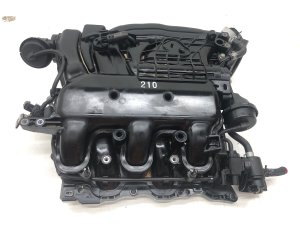
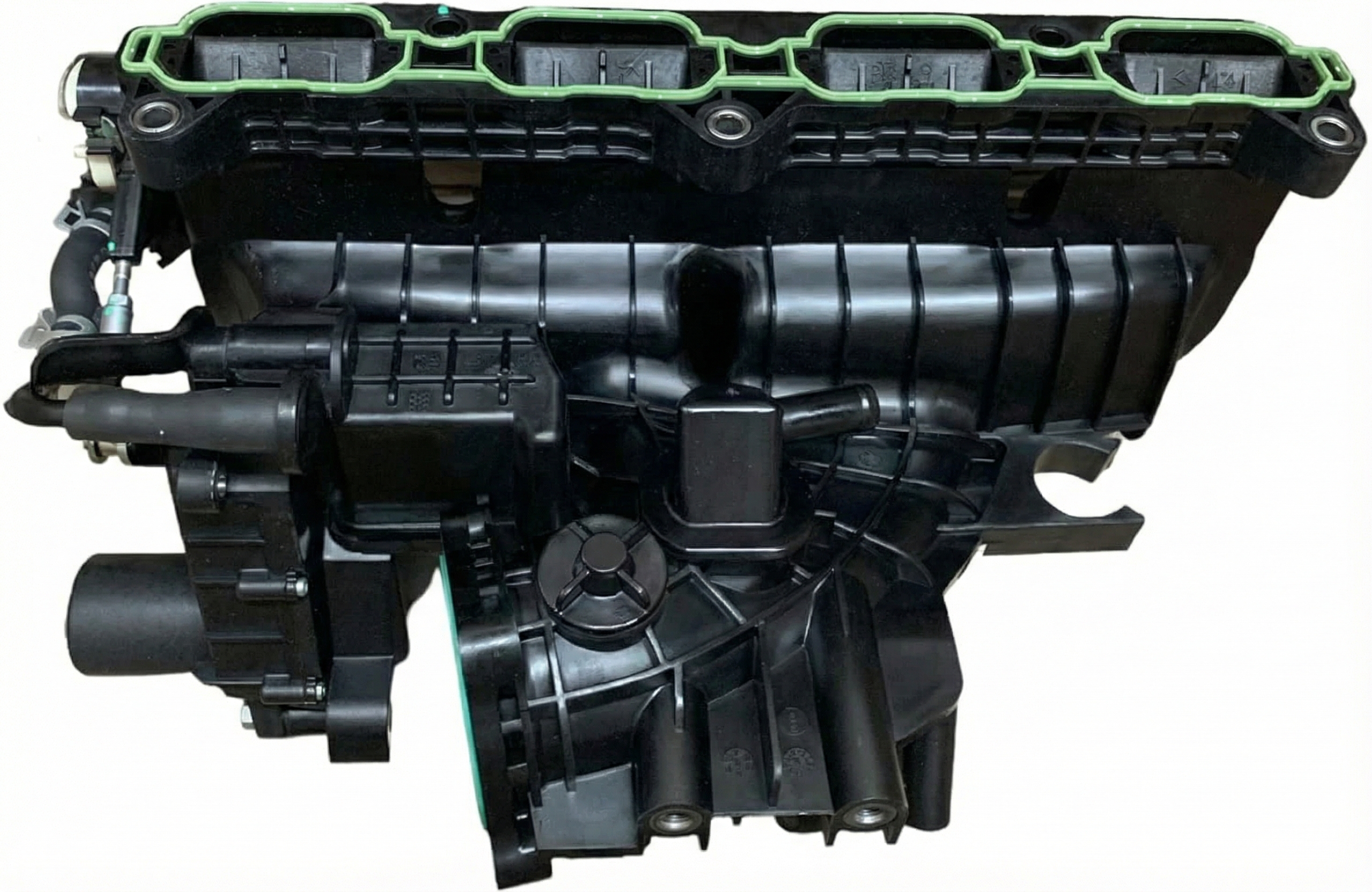
Used OEM Parts in Stock




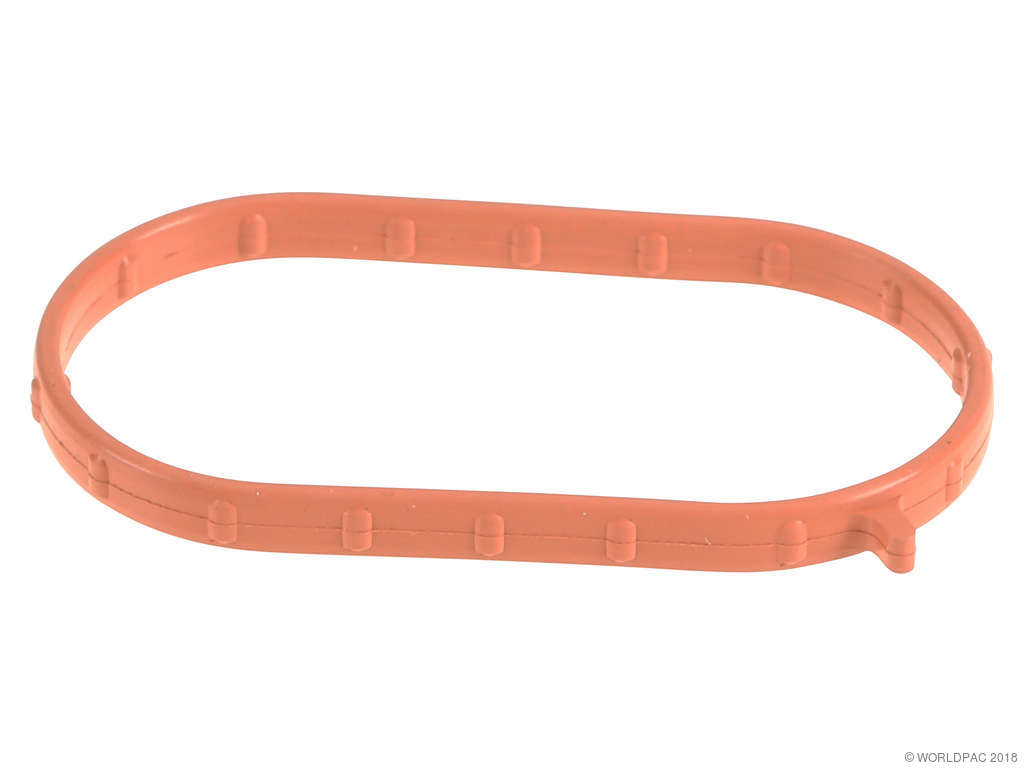
New Aftermarket Parts Available


The information in this article is provided for general reference and educational purposes only. Vehicle specifications, procedures, and part compatibility can vary by production date, trim level, and region. Always consult your vehicle's factory service manual and verify part numbers before purchasing or performing repairs. Safety-critical components such as airbags, seat belts, and braking systems should be installed by a qualified professional.
- Kia Sorento:
- 🛍️ Shop This Part
- What's Unique About the 2016-2020 Kia Sorento
- Symptoms You May Notice
- Most Likely Causes
- Rare But Worth Checking
- Diagnosis Steps
- Parts You'll Likely Need
- Technical Service Bulletins (TSBs) & Recalls
- Platform-Specific Known Issues
- Mechanic-Grade Diagnostic Values
- Scan Tool Commands That Help
- Wiring & Ground Locations
- Real Owner Repair Stories
- OEM Part Supersession History
- Diagnostic Flowchart
- Other Known Issues on This Vehicle
- Used vs. New Parts: Buying Guide for This Vehicle
- Real Owner Stories
- 2017 Kia Sorento 3.3L V6
- 2016-2018 Kia Sorento 3.3L V6
- Related OBD-II Codes
- Frequently Asked Questions
- 🎟️ Get 5% Off