

P0068 on 2012-2017 Kia Sorento 2.4L GDI: Causes, Fixes, and Part Numbers
For the 2012-2017 Kia Sorento 2.4L, code P0068 is most often caused by a faulty Manifold Absolute Pressure (MAP) sensor or a dirty electronic throttle body. Start by cleaning the throttle body and inspecting for vacuum leaks before replacing parts. A failing MAP sensor is the most common part to be replaced for this code on this engine.
- P0068 means your Sorento's computer sees a conflict between the throttle's position and the air pressure in the intake manifold.
- The most common causes on the 2.4L GDI engine are a dirty throttle body, a bad MAP sensor, or a vacuum leak.
- Start with the cheapest fixes: inspect all vacuum hoses and thoroughly clean the throttle body before buying any parts.
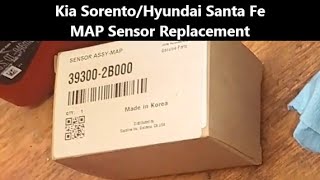
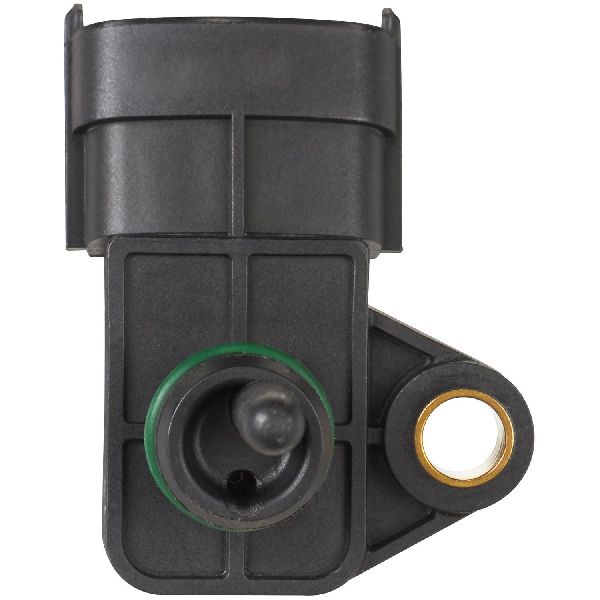
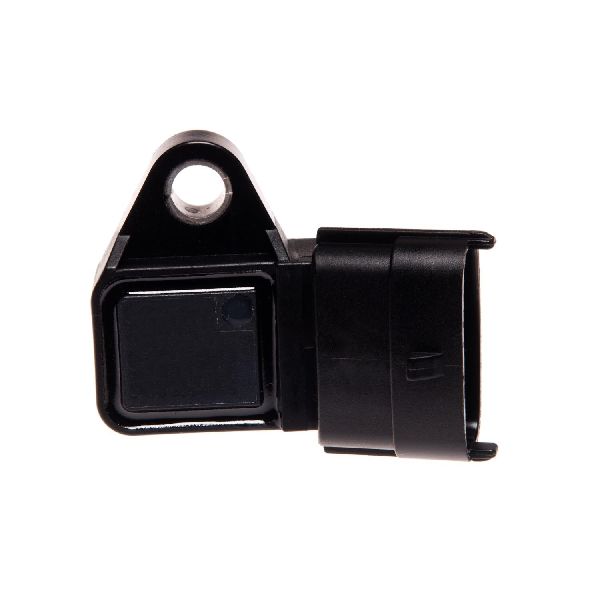
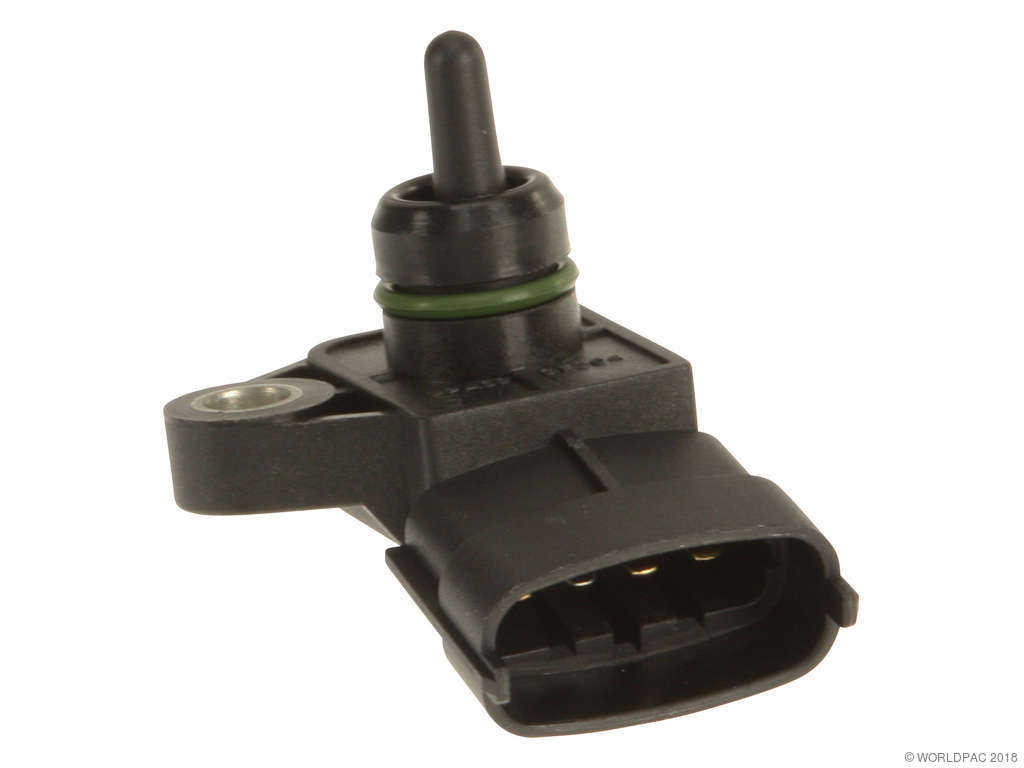
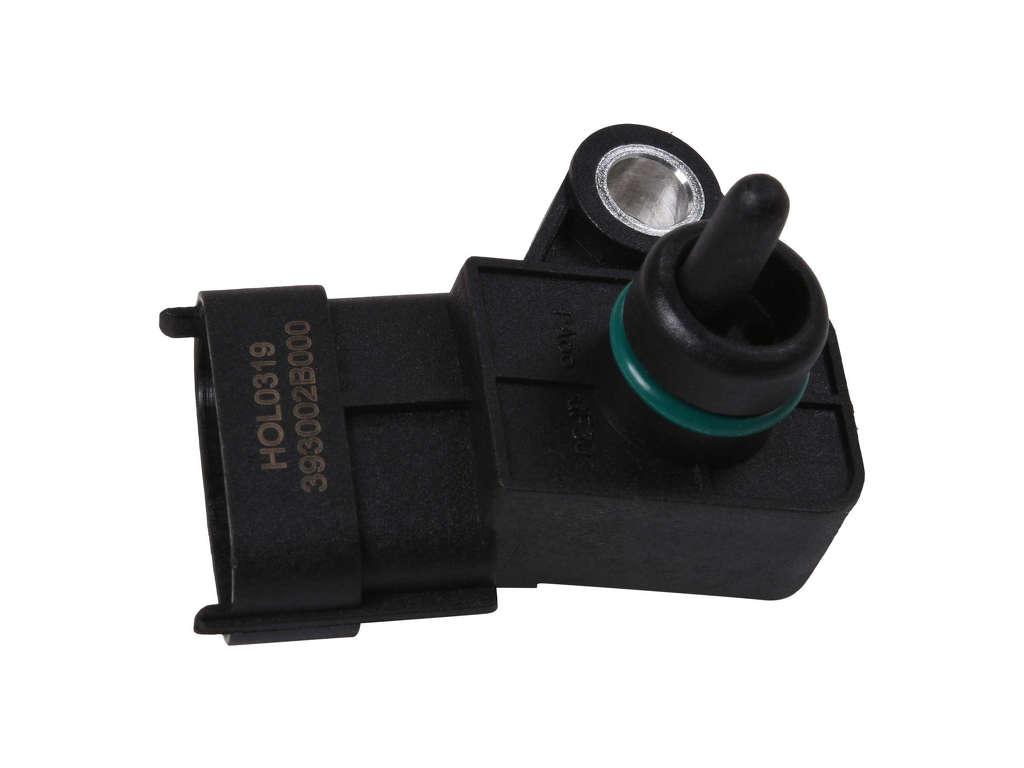
- If cleaning doesn't work, the MAP sensor (Part No. 39300-2B000) is the next most likely part to replace and is a simple DIY job.
- Always clear the code with a scan tool after performing repairs to see if the fix was successful.
What's Unique About the 2012-2017 Kia Sorento
On the 2.4L GDI engine used in this generation of Sorento and its platform mates (like the Hyundai Santa Fe and Kia Optima), this code is extremely common and points directly to a few key areas. Unlike some vehicles, this engine uses a MAP sensor, not a Mass Airflow (MAF) sensor, to measure air intake. Because it's a Gasoline Direct Injection (GDI) engine, it's prone to carbon buildup on the intake valves and throttle body, which can directly cause this correlation error. Owners and technicians frequently report that a simple throttle body cleaning or a new MAP sensor resolves the issue without more complex diagnostics.
Generation note: This year range covers the end of the second generation Sorento (XM, 2012-2015) and the start of the third generation (UM, 2016-2017). Both generations used the 2.4L GDI 'Theta II' engine, and the causes and fixes for code P0068 are consistent across them and their platform mates.
Symptoms You May Notice
- Rough or unstable idle
- Hesitation or stumbling during acceleration
- Reduced engine power or 'limp mode'
- Stalling, especially when coming to a stop or at low RPMs
- Poor fuel economy
- Check Engine Light is on
- Engine may run rich, causing a gasoline smell from the exhaust
- Replacing the oxygen sensors, as they do not directly contribute to a P0068 correlation fault.
- Replacing the throttle body when only a cleaning was needed.
- Replacing the MAF sensor, which this vehicle does not have.
Most Likely Causes
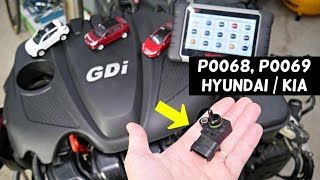
- Faulty Manifold Absolute Pressure (MAP) Sensor 🔴 High Probability The MAP sensor is a critical input for the speed-density calculation on this engine and is a very common failure point across the Hyundai/Kia 2.4L GDI platform. Its location near the front of the engine makes its wiring susceptible to damage from heat or contact with the radiator fan if not secured properly.
How to confirm: The sensor is located on the top of the intake manifold, held by a single 10mm bolt. Check the wiring harness for damage or loose connections. With a scan tool, monitor MAP sensor voltage/pressure. Key On, Engine Off (KOEO) should show atmospheric pressure (around 4.5-4.8V at sea level). At idle, it should show a deep vacuum (low pressure, around 1-1.5V). A faulty sensor may give erratic, stuck, or slow-to-respond readings.
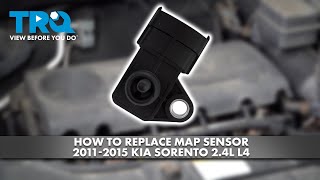
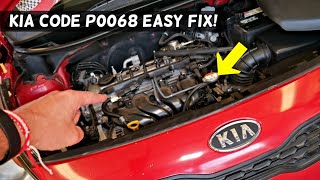
Typical fix: Replace the MAP sensor and its O-ring. Disconnect the battery before replacement. 🎬 Watch: Step-by-step MAP sensor replacement for 2011-2015 Sorento models. The single 10mm bolt makes this a quick repair. Ensure the new sensor is seated correctly to prevent a vacuum leak.
Est. part cost: $20-$75 - Dirty Electronic Throttle Body 🔴 High Probability GDI engines are known for carbon and oil vapor buildup (grime) in the intake system from the PCV system. This buildup can restrict the movement of the throttle plate or create a gap, causing airflow to not match what the throttle position sensor reports, triggering the correlation fault.
How to confirm: Remove the air intake hose leading to the throttle body and visually inspect the throttle plate and bore for a thick, black, greasy layer of carbon. The backside of the plate is often dirtier than the front.
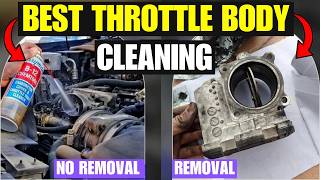
Typical fix: Clean the throttle body using a dedicated throttle body cleaner and a soft brush or microfiber rag. Do not use aggressive carburetor cleaner. To open the plate for cleaning, have a helper turn the ignition to 'ON' (engine off) and press the gas pedal. Replace the throttle body gasket upon reassembly 🎬 See how to clean your throttle body with or without removal. to prevent leaks. Afterwards, a throttle body relearn procedure may be necessary.
Est. part cost: $5-$15 for cleaner and gasket - Vacuum Leak 🟡 Medium Probability Plastic and rubber vacuum lines, especially the PCV hose, can become brittle and crack over time due to engine heat. A common and often overlooked leak source is the O-ring on the MAP sensor itself if it becomes flattened, cracked, or is not re-installed correctly.
How to confirm: Visually inspect all vacuum hoses connected to the intake manifold for cracks or loose connections. Check the air intake hose between the air filter and throttle body for tears. A smoke test is the most effective way to find a hard-to-see leak. You can also carefully spray brake cleaner around suspected areas while the engine is idling; a change in idle RPM indicates a leak.
Typical fix: Replace the cracked hose, faulty gasket (e.g., intake manifold gasket, throttle body gasket), or faulty component (e.g., PCV valve).
Est. part cost: $10-$100 depending on the source of the leak - Faulty Throttle Position Sensor (TPS) ⚪ Low Probability The TPS is integrated into the electronic throttle body assembly on this engine. While the sensor itself can fail, it's far less common than the entire throttle body getting dirty or the MAP sensor failing. A TPS failure usually requires replacing the entire assembly.
How to confirm: Using a scan tool with live data, monitor the throttle position percentage as you slowly press the gas pedal. The reading should be smooth from idle to wide-open throttle with no dropouts or glitches. A failure here usually requires replacing the entire throttle body assembly.
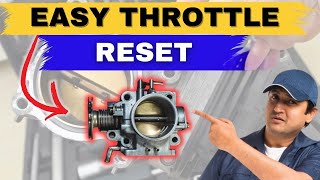
Typical fix: Replace the entire throttle body assembly. A relearn procedure is required after replacement. 🎬 Watch: How to reset your throttle position sensor in seconds.
Est. part cost: $150-$400
Rare But Worth Checking
- Damaged wiring or connector: The wiring for the MAP sensor is located near the radiator fan and can be susceptible to damage. Always inspect the harness for chafing, melting, or corrosion at the connector before replacing sensors. Pulling on the wires instead of the connector body is a common cause of damage.
- Clogged Air Filter: A severely clogged engine air filter can restrict airflow enough to cause a discrepancy between what the MAP sensor reads and what the PCM expects for a given throttle position. This is a simple but sometimes overlooked check.
- Faulty Powertrain Control Module (PCM): This is extremely rare. The PCM should only be considered after all other possibilities, including sensors, wiring, and vacuum leaks, have been exhaustively tested and ruled out.
Diagnosis Steps
- Check for other stored trouble codes to see if they provide more clues. Codes like P0106 or P0069 strongly point towards the MAP sensor circuit.
- Perform a thorough visual inspection of the engine bay. Look for cracked, disconnected, or collapsed vacuum hoses, especially the PCV hose and the main air intake boot.
- Inspect the air intake tube between the air filter box and the throttle body for any rips, tears, or loose clamps.
- Remove the air intake tube from the throttle body. Inspect the throttle plate and bore for heavy carbon buildup. If dirty, clean it thoroughly with throttle body cleaner and perform a relearn procedure if necessary.
- Locate the MAP sensor on the intake manifold. Inspect its electrical connector for a secure fit and check the wiring for any signs of damage, especially near the radiator fan.
- Using a scan tool, observe live data for the MAP sensor and Throttle Position Sensor (TPS). With Key On, Engine Off, the MAP sensor should read atmospheric pressure (e.g., ~14.7 psi or ~4.8V at sea level). At idle, it should show a deep vacuum (e.g., ~5-10 psi or ~1.5V). The TPS reading should move smoothly from ~0% to ~100% as the pedal is pressed.
- If a vacuum leak is suspected but not visible, perform a smoke test to pinpoint the source of the leak.
- If all wiring and vacuum systems are intact and the throttle body is clean, the MAP sensor is the most likely failed component and should be replaced.
Parts You'll Likely Need
- Manifold Absolute Pressure (MAP) Sensor
(OEM #39300-2B000)— This is the most frequent part failure that causes code P0068 on this specific engine. It is a widely used part across many Hyundai and Kia models from 2007-2025.
Trusted brands: Kia/Hyundai (Genuine OEM), Standard Motor Products (SMP), Delphi, NGK/NTK
OEM price range: $70-$105
Aftermarket price range: $20-$85 - Throttle Body Assembly
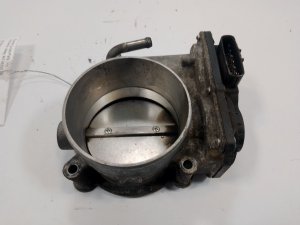
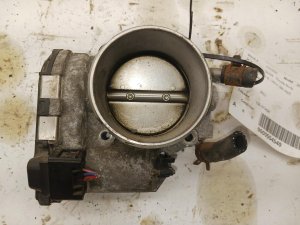
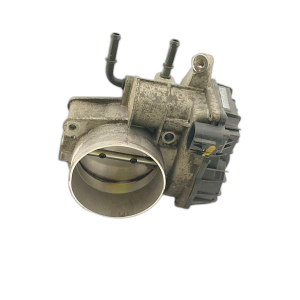
(OEM #35100-2G700)— Required if the integrated Throttle Position Sensor (TPS) has failed or if the throttle body is damaged beyond cleaning. The provided part number is for a 2014 model and must be verified by VIN for other years as variations exist.
Trusted brands: Kia/Hyundai (Genuine OEM), Dorman, Standard Motor Products (SMP)
OEM price range: $325-$570
Related Codes That Often Appear With This One
- P0106 — This code indicates 'MAP/Barometric Pressure Circuit Range/Performance'. It often appears with P0068 because it also points to a problem with the MAP sensor's readings, reinforcing the likelihood of a faulty MAP sensor or a significant vacuum leak.
- P0069 — This code for 'Manifold Absolute Pressure - Barometric Pressure Correlation' can also be triggered by a faulty MAP sensor, as the sensor is responsible for both readings at different times (Baro at KOEO, MAP at KOER).
Technical Service Bulletins (TSBs) & Recalls
- While no specific TSB for the Sorento and P0068 was found, a similar TSB for the Kia Forte (TSB_FUE047) with a different engine points to the logic for this code being sensitive and sometimes requiring a software update. This suggests that if mechanical fixes fail, checking for an ECU update with a dealer is a valid next step. Manufacturer Bulletin #TSB_FUE047 specifically notes that some vehicles equipped with the 2.0L engine may exhibit a MIL with DTC P0101, P0106, and/or P0068.
Platform-Specific Known Issues
- Owner Experience: MAP Sensor Replacement: A 2015 Sorento 2.4L owner on kia-forums.com reported getting P0068 along with a rough idle and stalling. After cleaning the throttle body with no success, they replaced the MAP sensor (part 39300-2B000). The repair took less than 10 minutes, only requiring a 10mm socket, and immediately solved all symptoms. This is a very common repair story for this code.
- Throttle Body Relearn Procedure: After cleaning or replacing the throttle body, a relearn procedure may be needed if the idle is high or unstable. A common manual method involves turning the key to the 'ON' position (engine off) for 15 seconds, then 'OFF' for 15 seconds, and then starting the engine to let it idle and recalibrate. For a more reliable reset, disconnecting the negative battery terminal for 10-15 minutes can clear the adaptive memory. A professional scan tool can also force a relearn.
Mechanic-Grade Diagnostic Values
- MAP Sensor Voltage (Key On, Engine Off) — expected: 4.5V - 5.0V (at sea level, should reflect barometric pressure). Failure: Voltage significantly lower than 4.5V or stuck at 0V.
- MAP Sensor Voltage (Engine Idling) — expected: 1.0V - 1.8V (deep vacuum). Failure: Voltage remains high (near KOEO reading) or is erratic, indicating a leak or faulty sensor.
- Throttle Position Sensor (TPS) Voltage — expected: ~0.5V (closed throttle) to ~4.5V (wide-open throttle). Failure: Voltage that jumps, drops out, or does not change smoothly as the pedal is pressed.
- MAP Sensor Ground Wire Voltage — expected: Close to 0V (e.g., under 30mV or 0.030V). Failure: Any significant voltage reading indicates a bad ground, which can skew sensor readings.
Scan Tool Commands That Help
- Kia GDS (Global Diagnostic System) or compatible bidirectional scanner: ETC (Electronic Throttle Control) Adaptive Values Reset — This function must be used after cleaning or replacing the throttle body. It erases the old learned values for the throttle plate's closed position and forces the ECM to relearn the new correct position, preventing idle and performance issues.
Wiring & Ground Locations
- Engine Ground Wiring Assembly — The main engine ground harness for 2013-2014 Sorento 2.4L models is part number 91860-1U510. While the exact chassis attachment point isn't specified in common literature, it connects the engine block to the chassis to provide a ground path for critical components.. A poor or corroded main engine ground can cause a variety of electrical issues, including erratic and incorrect readings from the MAP and TPS sensors, which could trigger a P0068 code.
- MAP Sensor Connector — On the MAP sensor, located on the top of the intake manifold.. Technicians report that a common mistake is pulling on the wires to disconnect the sensor, which can damage the internal pins or wires, causing an intermittent connection. The harness is also located near the radiator fan, making it susceptible to chafing or melting if not properly secured.
Real Owner Repair Stories
- YouTube video by 'Auto Repair Guys' (2013 Kia Sportage/Sorento with 2.4L GDI engine) — Check Engine Light with codes P0068 and P0069.
❌ Tried (didn't work) The video focuses on direct diagnosis, but warns against overlooking simple issues like vacuum leaks or damaged wiring before replacing parts.
✅ What actually fixed it The video identifies a faulty MAP sensor as the most common cause, stating it accounts for the issue 'seven out of 10 times' in their shop. The fix shown is replacing the MAP sensor, which is held by a single 10mm bolt on the intake manifold. - YouTube video by 'Hyundai Kia Auto Repair' (Hyundai/Kia with 2.4L GDI engine) — Check Engine Light with P0068 or P0069.
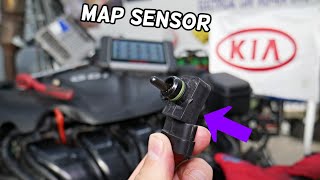
❌ Tried (didn't work) The video highlights that people often damage the MAP sensor connector by pulling on the wires instead of the plastic connector body.
✅ What actually fixed it The video identifies the top three causes as: 1) Damaged wiring/connector from improper handling or contact with the radiator fan, 2) The mounting tab for the harness not being used, letting it fall into the fan, and 3) A bad sensor. The demonstrated fix is the replacement of the MAP sensor. - NHTSA ODI #11390539 — An owner reported that their vehicle was running with a rough idle and the check engine light came on with codes P0108 and P0068. Although the dealer could not initially find the issue, the rough idle persisted.
- NHTSA ODI #11723229 — An owner expressed frustration with recurring engine issues, noting that their vehicle triggered several codes including P0017, P000B, P0068, and P0014.
OEM Part Supersession History
39300-2B000→This part number remains current and is widely used across many Hyundai and Kia models from 2007 to 2025.— N/A - No major supersession noted, indicating a stable design.
Heads up: While the part number is stable, there are other MAP sensors for different Kia engines (e.g., 39300-2M417 for newer turbo models). Always verify fitment with VIN, as using the wrong sensor, even if it physically fits, will cause incorrect readings.
Diagnostic Flowchart
Used vs. New Parts: Buying Guide for This Vehicle
When a used part is the smart pick: A used OEM throttle body assembly can be a cost-effective option if the integrated TPS has failed on your original unit. Since the most common failure mode for a throttle body is carbon buildup, a clean, low-mileage used part can be a reliable replacement.
Donor-vehicle mileage cap: roughly under 80000 miles for the part to have meaningful remaining life.
What to inspect on the donor part:
- Verify the OEM part number (35100-2G700) on the used part matches your original exactly.
- Inspect the electrical connector pins. They must be straight, clean, and free of any corrosion or damage.
- Look inside the throttle bore. While some minor carbon is expected, avoid units with heavy, caked-on sludge.
- Ensure the throttle plate moves smoothly and is not bent or damaged.
OEM-only on this vehicle (don't cheap out):
- Manifold Absolute Pressure (MAP) Sensor. Given the high failure rate and critical function of this sensor, and the availability of reliable OEM and high-quality aftermarket options at a reasonable price, there is little benefit to sourcing a used one.
Aftermarket brands forum-validated for this vehicle:
- For MAP Sensor: Delphi, Standard Motor Products (SMP), Beck/Arnley, and NTK/NGK are reputable aftermarket brands.
- For Throttle Body: Dorman is a common aftermarket supplier, but OEM is often preferred for fit and electronic compatibility.
Brands owners have reported issues with on this vehicle:
- Unbranded, no-name electronic sensors from online marketplaces should be avoided, as their calibration and durability are often questionable and can cause persistent or new diagnostic issues.
Real Owner Stories
Aggregated from forums and TSBs cited above. Mileages and costs reflect what owners reported in those sources.
2015 Sorento 2.4L
Symptoms: Rough idle and stalling.
What fixed it: After cleaning the throttle body with no success, replacing the MAP sensor (part 39300-2B000) immediately solved all symptoms.
Source hint: https://www.kia-forums.com/threads/2015-sorento-2-4-p0068-code.349139/
Related OBD-II Codes
Frequently Asked Questions
Where is the MAP sensor on my 2015 Sorento 2.4L, and is it hard to replace?
I cleaned the throttle body on my Sorento to fix P0068, and now the idle is high. What should I do?
For a P0068 code on this Sorento, what is the most likely cause?
My mechanic wants to do a smoke test. Is that a valid diagnostic step for P0068?
What is the part number for the MAP sensor on the 2012-2017 Sorento 2.4L?
Are there any recalls or TSBs for the P0068 code on my Kia Sorento?
I have a 2016 Hyundai Santa Fe with code P0068. Does this article apply?
Helpful Videos
Used OEM Parts in Stock


New Aftermarket Parts Available


The information in this article is provided for general reference and educational purposes only. Vehicle specifications, procedures, and part compatibility can vary by production date, trim level, and region. Always consult your vehicle's factory service manual and verify part numbers before purchasing or performing repairs. Safety-critical components such as airbags, seat belts, and braking systems should be installed by a qualified professional.
- Kia Sorento:
- 🎬 Helpful Videos
- 🛍️ Shop This Part
- What's Unique About the 2012-2017 Kia Sorento
- Symptoms You May Notice
- Most Likely Causes
- Rare But Worth Checking
- Diagnosis Steps
- Parts You'll Likely Need
- Related Codes That Often Appear With This One
- Technical Service Bulletins (TSBs) & Recalls
- Platform-Specific Known Issues
- Mechanic-Grade Diagnostic Values
- Scan Tool Commands That Help
- Wiring & Ground Locations
- Real Owner Repair Stories
- OEM Part Supersession History
- Diagnostic Flowchart
- Used vs. New Parts: Buying Guide for This Vehicle
- Real Owner Stories
- 2015 Sorento 2.4L
- Related OBD-II Codes
- Frequently Asked Questions
- 🎟️ Get 5% Off