

P0031 on 2002-2007 Saturn Vue: O2 Sensor Heater Circuit Causes and Fixes
This code almost always means the heating element inside the primary oxygen sensor (Bank 1, Sensor 1) has failed. A good sensor heater should have a resistance of around 5-7 ohms; a failed one will read open (infinite resistance). Replacing the sensor is the most common fix. Expect to pay $40-$90 for an aftermarket sensor and $100-$180 for an OEM part. It's a DIY-friendly job for most home mechanics.
- P0031 points to a problem with the heater in the upstream oxygen sensor on Bank 1.
- The most probable cause is a failed oxygen sensor, which is a common wear-and-tear item. A good heater should have 5-10 ohms of resistance.
- Before buying a new sensor, always check the 'EMISS' or 'OXY SEN' 15A fuse and inspect the sensor's wiring for melting or damage.
- Verify your engine (2.2L L61, 3.0L L81, or 3.5L J35A3) before purchasing a replacement sensor, as the parts are different.
- This repair is generally considered DIY-friendly and requires a special O2 sensor socket, which can often be rented from auto p
What's Unique About the 2002-2007 Saturn Vue
The first-generation Saturn Vue (2002-2007) is unique because it used both GM and Honda engines. Vues from 2002-2007 could have the GM 2.2L Ecotec (L61) 4-cylinder. Early models (2002-2003) offered a GM 3.0L V6 (L81), which was replaced from 2004-2007 with a Honda 3.5L V6 (J35A3). This engine diversity means that the correct oxygen sensor part number is highly dependent on your specific engine, so verifying the engine type before purchasing parts is critical.
Symptoms You May Notice
- Check Engine Light is on
- Decreased fuel economy, sometimes by 10-20%
- Rough idle, especially when the engine is cold
- Vehicle may fail an emissions test due to high HC or CO levels
- Engine hesitation or sluggish performance
- Replacing the oxygen sensor without first checking the fuse and wiring. A simple blown fuse or melted wire can mimic the symptoms of a failed sensor.
Most Likely Causes
- Failed Oxygen Sensor Heater Element 🔴 High Probability The internal heating element is a common failure point on oxygen sensors as they age. The constant heating and cooling cycles eventually cause the element to burn out, creating an open circuit.
How to confirm: Disconnect the sensor and measure the resistance between the two heater circuit pins (usually the two wires of the same color). A good sensor should read between 5-10 ohms when cold. A reading of infinite resistance (OL on a multimeter) indicates a burned-out, open heater element. A resistance below 0.8 ohms may indicate a short.
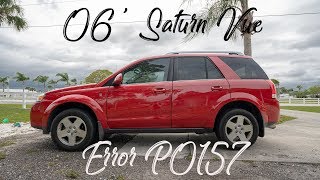
Typical fix: Replace the Bank 1, Sensor 1 oxygen sensor. 🎬 See this walkthrough for replacing the sensor on a Vue.
Est. part cost: $40-$180 - Damaged Wiring or Connector 🟡 Medium Probability The O2 sensor wiring is located near the hot exhaust manifold, making it susceptible to melting, chafing, or corrosion. A GM TSB for a similar issue on other vehicles (24-NA-042) specifically calls out mis-routed harnesses contacting the exhaust as a cause for heater circuit codes.
How to confirm: Visually inspect the wiring harness leading to the sensor for any signs of melting, fraying, or breaks. Check the connector for corrosion or pushed-back pins. Use a multimeter to verify 12V power and a good ground at the harness-side connector with the key on, engine off.
Typical fix: Repair the damaged section of the wiring harness or clean/replace the connector.
Est. part cost: $5-$50 - Blown Fuse ⚪ Low Probability A short circuit in the heater element or its wiring can cause the corresponding fuse to blow, cutting power to the circuit.
How to confirm: Check the fuse box in the engine compartment for a fuse labeled 'EMISS', 'OXY SEN', or 'ENG'. Forum discussions and diagrams for GM vehicles confirm this is often a 15A fuse. Consult your owner's manual for the exact location and rating.
Typical fix: Replace the blown fuse. If it blows again immediately, a short circuit is present and must be diagnosed.
Est. part cost: $1-$5
Rare But Worth Checking
- Faulty Powertrain Control Module (PCM): This is very rare. The PCM's internal driver for the heater circuit can fail, but all other possibilities (sensor, wiring, fuse) should be exhausted before considering PCM replacement.
Diagnosis Steps
- Check for a Blown Fuse: Inspect the under-hood fuse box. Look for a 15A fuse marked for emissions ('EMISS', 'OXY SEN', 'ENG') and verify it is intact.
- Inspect Wiring and Connector: Visually inspect the entire wiring harness for the Bank 1, Sensor 1 O2 sensor. Look for any signs of melting, chafing, or physical damage, especially where it runs close to the exhaust manifold or heat shields. Check that the electrical connector is secure and free of corrosion.
- Test for Power and Ground: Disconnect the sensor. With the ignition key in the 'On' position (engine off), use a multimeter to check for 12-volt power at the harness-side connector. Also, check for a good ground connection on the corresponding pin.
- Test the Sensor's Heater Resistance: Using a multimeter set to Ohms (Ω), measure the resistance across the two heater pins on the sensor itself (these are typically the two wires of the same color, often white or black). A good sensor will read approximately 5-10 ohms. A reading of infinite resistance (OL) confirms the internal heater has failed. A very low resistance (under 1 ohm) indicates a short.
- Replace the Sensor: If the fuse, wiring, power, and ground are all good, but the sensor's heater resistance test fails, the sensor is faulty and needs to be replaced.
- Final Check: If all the above steps check out, the issue may be a rare intermittent wiring problem between the harness and the PCM, or a fault within the PCM itself.
Parts You'll Likely Need
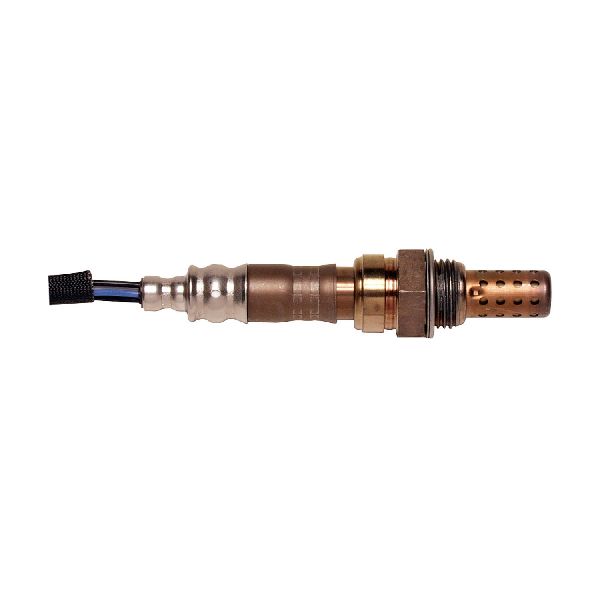
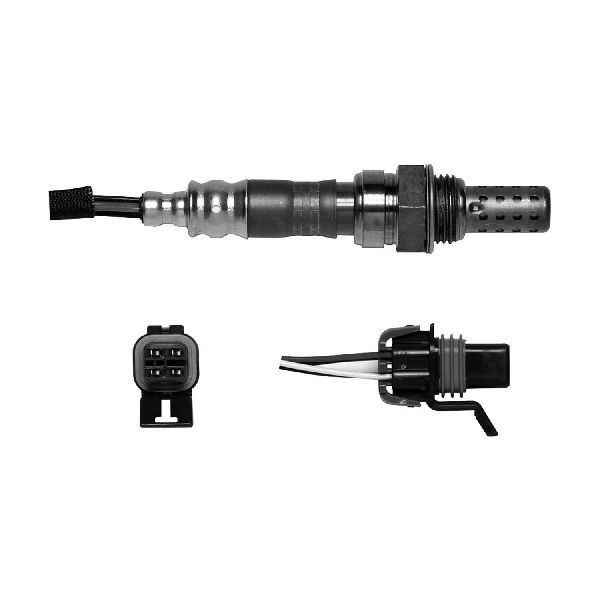
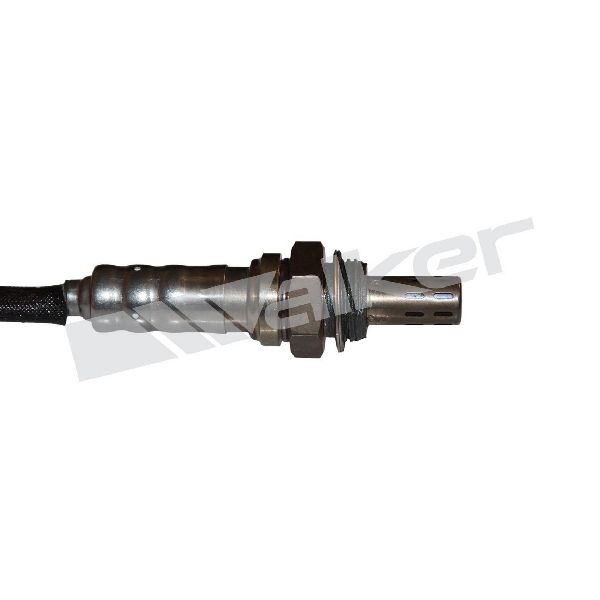
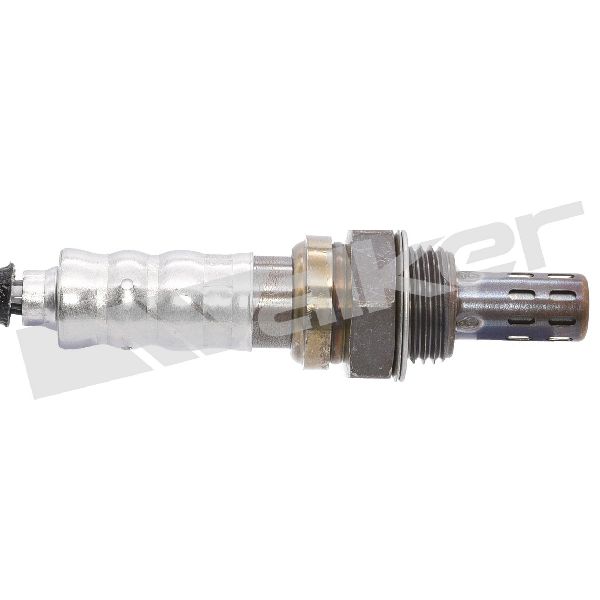
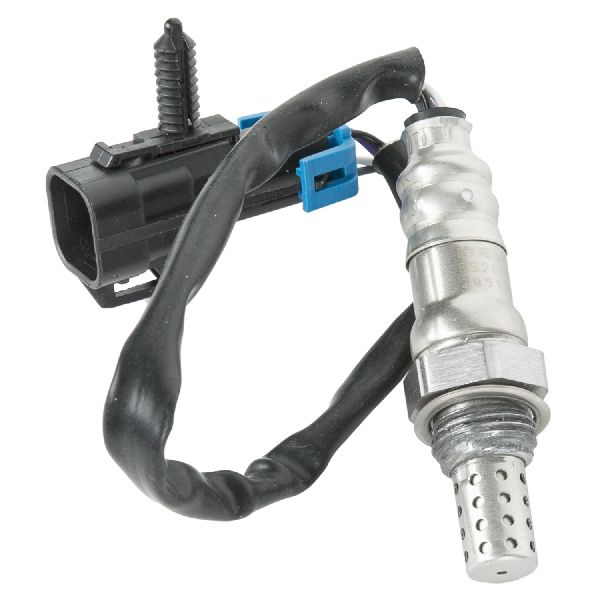
- Oxygen Sensor (Bank 1, Sensor 1)
(OEM #Varies by engine: 2.2L GM (ACDelco 213-2874), 3.0L GM (ACDelco 213-954), 3.5L Honda (Denso 234-5010))— This is the upstream sensor, located before the catalytic converter. Its internal heater is the most common failure point for code P0031.
Trusted brands: ACDelco (for GM engines), Denso (for Honda engine), Bosch, NGK/NTK
OEM price range: $100-$180
Aftermarket price range: $40-$90
Technical Service Bulletins (TSBs) & Recalls
- GM TSB 24-NA-042: While for 2024 models, it highlights a relevant issue where mis-routed O2 sensor wiring contacts the exhaust, causing shorts and triggering heater circuit codes like P0031. This reinforces the importance of inspecting the wiring harness thoroughly on the Vue.
Platform-Specific Known Issues
- Engine Identification is Key: Because GM used its own 2.2L I4 (L61) and 3.0L V6 (L81) alongside a Honda-sourced 3.5L V6 (J35A3), you must identify which engine your Vue has before ordering parts. The VIN is the most reliable way to confirm.
- Bank 1 Location: For the 2.2L Ecotec, there is only one bank. For both the 3.0L and 3.5L V6 engines, Bank 1 is the cylinder bank closer to the firewall (rear of the engine bay).
- Real-World Repair: A user on SaturnFans.com with a 2007 Vue 3.5L reported getting code P0135 (a related heater circuit code), tested the sensor and found 4.5 ohms, and ultimately resolved the issue by replacing the Bank 1 Sensor 1 O2 sensor.
Mechanic-Grade Diagnostic Values
- O2 Sensor Heater Element Resistance — expected: 3 to 15 ohms at ambient temperature.. Failure: A reading of OL (infinite resistance) indicates an open circuit (burned out element). A reading below spec, especially under 1 ohm, indicates a short.
- O2 Sensor Heater Circuit Power Supply — expected: Battery voltage (approx. 12V) at the power supply pin on the harness-side connector with the key on, engine off.. Failure: No voltage indicates a blown fuse, bad relay, or wiring issue upstream of the sensor.
- O2 Sensor Heater Current Draw (Scan Tool) — expected: While idling, the current should be between 0.4 and 1.0 A.. Failure: Current outside this range indicates a fault in the heater or circuit.
Scan Tool Commands That Help
- Tech 2 / High-End Scanner: Heater Circuit Duty Cycle — When the engine is first started, a scan tool can monitor the PCM's command to the heater circuit. The PCM grounds the circuit in pulses (duty cycle) to control heat. Observing if the PCM is attempting to activate the circuit can help differentiate between a control problem and a component/wiring failure.
Wiring & Ground Locations
- EMISS Fuse — In the engine compartment fuse box.. This fuse (often 15A) provides power to the O2 sensor heater circuits. A short in a sensor or wiring can cause this fuse to blow, disabling all O2 heaters powered by it.
- G103 — On the cowl at the left rear of the engine compartment, often near the brake booster.. This is a major ground point for the Body Control Module (BCM) and Instrument Panel Cluster (IPC). While not a direct engine ground, poor grounding here can cause a variety of bizarre electrical issues that could potentially affect sensor readings or PCM communication.
- G105 / G107 — G105 is at the left rear of the engine; G107 is at the rear of the engine (2006 models).. These are primary engine grounds. The PCM relies on a solid ground connection to accurately measure sensor inputs and control outputs. A corroded or loose engine ground can introduce voltage offsets that lead to incorrect diagnoses and codes like P0031.
Real Owner Repair Stories
- Saturn Forum user (2002 Saturn Vue 3.0L V6) — O2 sensor heater circuit codes.
❌ Tried (didn't work) Replacing both O2 sensors., Checking fuses and relays.
✅ What actually fixed it The user reported they ultimately direct-wired the sensor to resolve the issue, suggesting a persistent break or short in the factory harness that was difficult to locate. - Saturn Forum user (Saturn L-Series (similar 3.0L V6 and wiring)) — Heater circuit fault after replacing O2 sensor.
❌ Tried (didn't work) Replacing the O2 sensor.
✅ What actually fixed it The user discovered the heater circuit pin had pushed back inside the harness-side connector, preventing a solid connection. Reseating the pin in the connector fixed the problem.
OEM Part Supersession History
Varies by engine→Varies by engine— Standard part evolution and supplier changes.
Heads up: For the 3.5L V6 (2004-2007), the correct sensor is a 5-wire wideband Air/Fuel Ratio sensor (Denso 234-5010), not a traditional 4-wire O2 sensor. Using the wrong type will not work.
Model Year Variations Within This Range
- 2002-2005 vs 2006-2007: The Saturn Vue received a facelift for the 2006 model year, which included a redesigned interior, new front bumper, and grille. While the core engine options remained, wiring harnesses and component locations may have minor differences. For example, ground point G107 (at rear of engine) is specifically called out for 2006 models.
- 2002-2003 vs 2004-2007 (V6 models): The V6 engine changed from a GM 3.0L (L81) in 2002-2003 to a Honda 3.5L (J35A3) from 2004-2007. This is a critical distinction, as everything from the sensor type (the Honda engine uses a wideband A/F sensor), part numbers, and Bank 1 location are completely different between these two versions.
Diagnostic Flowchart
Used vs. New Parts: Buying Guide for This Vehicle
When a used part is the smart pick: A used wiring harness pigtail from a junkyard is a smart choice if your original connector is melted or damaged. It is not recommended to use a used oxygen sensor itself.
Donor-vehicle mileage cap: roughly under 80000 miles for the part to have meaningful remaining life.
What to inspect on the donor part:
- For a connector pigtail, ensure the plastic is not brittle or cracked.
- Check for any signs of corrosion (green powder) on the metal pins.
- Ensure there is at least 6-8 inches of wiring attached to the pigtail for easier splicing.
OEM-only on this vehicle (don't cheap out):
- While not required, using OEM-lineage brands (ACDelco for GM engines, Denso for the Honda engine) for the oxygen sensor is highly recommended to avoid compatibility issues that are sometimes seen with budget aftermarket sensors.
Aftermarket brands forum-validated for this vehicle:
- Denso
- NGK / NTK
- Bosch
Brands owners have reported issues with on this vehicle:
- Unbranded, no-name parts from online marketplaces should be avoided as their internal heater elements may have incorrect resistance values, causing the code to return.
Real Owner Stories
Aggregated from forums and TSBs cited above. Mileages and costs reflect what owners reported in those sources.
2006 Saturn Vue 4 cyl
Symptoms: Check engine light was on and the vehicle could not pass an emissions test. Codes P0135, P2138, P2122, and P0031 were present.
What fixed it: After replacing the O2 sensor and cleaning a corroded connector with no success, the owner replaced the throttle position sensor, which finally resolved the check engine light.
Source hint: Reddit r/MechanicAdvice
2007 Vue 3.5L
Symptoms: The owner reported getting code P0135, which is a related heater circuit code.
What fixed it: The issue was resolved by replacing the Bank 1, Sensor 1 oxygen sensor.
Source hint: SaturnFans.com
Related OBD-II Codes
Frequently Asked Questions
Where is Bank 1, Sensor 1 located on my Saturn Vue?
How can I tell which engine my 2002-2007 Vue has for ordering the right O2 sensor?
What is the correct resistance for the oxygen sensor's heater element?
Is there a GM Technical Service Bulletin (TSB) that applies to this wiring issue?
Which fuse should I check for the P0031 code?
My Vue has the 3.5L V6. Do other vehicles with this engine have the same problem?
Helpful Videos
We Have This Part in Stock


The information in this article is provided for general reference and educational purposes only. Vehicle specifications, procedures, and part compatibility can vary by production date, trim level, and region. Always consult your vehicle's factory service manual and verify part numbers before purchasing or performing repairs. Safety-critical components such as airbags, seat belts, and braking systems should be installed by a qualified professional.
- Saturn Vue:
- 🎬 Helpful Videos
- 🛍️ Shop This Part
- What's Unique About the 2002-2007 Saturn Vue
- Symptoms You May Notice
- Most Likely Causes
- Rare But Worth Checking
- Diagnosis Steps
- Parts You'll Likely Need
- Technical Service Bulletins (TSBs) & Recalls
- Platform-Specific Known Issues
- Mechanic-Grade Diagnostic Values
- Scan Tool Commands That Help
- Wiring & Ground Locations
- Real Owner Repair Stories
- OEM Part Supersession History
- Model Year Variations Within This Range
- Diagnostic Flowchart
- Used vs. New Parts: Buying Guide for This Vehicle
- Real Owner Stories
- 2006 Saturn Vue 4 cyl
- 2007 Vue 3.5L
- Related OBD-II Codes
- Frequently Asked Questions
- 🎟️ Get 5% Off