

OBD-II Code P0051: Oxygen Sensor Heater Circuit Low
The Ultimate Guide to What P0051 Means, Why It Triggers, and How to Fix It for Good
- Code P0051 indicates a low voltage or short circuit in the Bank 2, Sensor 1 oxygen sensor heater element.
- Always check the 10-15A oxygen sensor heater fuse before spending $150+ on a new sensor to avoid a costly misdiagnosis.
- Driving with an active P0051 code drops fuel economy by 5-10% and guarantees an automatic emissions test failure.
- Ignoring this code for more than a few months forces a rich fuel condition that destroys the catalytic converter, turning a $200 repair into a $2,000 nightmare.
- Check your vehicle's emissions label; CARB-state PZEV warranties often cover oxygen sensor replacements for free up to 15 years or 150,000 miles.
What Does P0051 Mean?

Your car's Powertrain Control Module (PCM) detected a voltage or resistance drop in the Bank 2, Sensor 1 oxygen sensor heater. This heater warms the sensor to 600-800°F (315-427°C) at startup for accurate fuel trim readings. 'Low' means the circuit voltage or resistance is below the expected threshold, indicating a short circuit, excessive current draw, or a burned-out heater element.
Technical definition: HO2S (Heated Oxygen Sensor) Heater Control Circuit Low (Bank 2, Sensor 1). 🎬 Watch: A quick breakdown of the P0051 code and common fixes. This code sets when the Engine Control Module (ECM) detects resistance or voltage in the Bank 2 upstream oxygen sensor heater circuit is below the manufacturer's specified range. This prevents the sensor from reaching operating temperature quickly, forcing the engine to run in an inefficient 'open-loop' state.
Can I Drive With P0051?
Yes, But With Caution. Yes, but limit driving to a few days. Ignoring P0051 causes a 5-10% drop in gas mileage and forces a rich fuel condition. This unburned fuel overheats and permanently destroys your catalytic converter, turning a minor fix into a $2,000 repair.
Common Causes

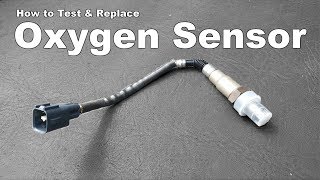
- Faulty Heated Oxygen Sensor (Bank 2, Sensor 1) (Very Common) — The internal heater element within the oxygen sensor burns out 🎬 Watch this step-by-step guide to replacing a Bank 2 upstream sensor. or develops an internal short-circuit from age and extreme heat cycles, causing resistance to drop.
- Blown Heater Circuit Fuse (Common) — The oxygen sensor heater circuit is protected by a 10-15A fuse. If this fuse blows, it cuts power to the heater. A repeatedly blown fuse confirms a persistent short circuit in the wiring or sensor.
- Damaged Wiring or Short Circuit (Common) — The wiring harness or connector melts from exhaust contact, chafes against the chassis, or corrodes from road salt. This shorts the circuit to ground, dropping voltage and triggering the code.
- High Resistance Ground Connection (Uncommon) — Corrosion or a loose connection on the ground side of the circuit causes a voltage drop, which the PCM interprets as a 'low' circuit fault.
- Faulty Powertrain Control Module (PCM) (Rare) — The internal driver circuit within the engine computer that controls the sensor's heater fails. Consider this only after exhaustively ruling out the sensor, fuse, and wiring.
Symptoms
- Check Engine Light is On — The primary and often only immediate symptom noticed by the driver.
- Decreased Fuel Economy — The engine runs rich because the unheated sensor provides delayed data, increasing fuel consumption by 5-10%.
- Rough Idle on Cold Start — The engine idles roughly or stumbles before reaching full operating temperature.
- Failed Emissions Test — The vehicle produces higher emissions during the warm-up phase and automatically fails OBD-II smog checks.
- Visible Black Exhaust Smoke — A significantly rich fuel mixture pushes unburned fuel out the tailpipe as black smoke.
Diagnostic Flowchart
Tap your situation to follow the diagnostic path that matches what you're seeing on this code.
Common Fixes & Costs
- Replace Heated Oxygen Sensor (Bank 2, Sensor 1) — Parts: $40-$180, Labor: $100-$350, ~1.2 hr book time (DIY)
- Replace Blown O2 Sensor Fuse — Parts: $1-$10, Labor: $0-$50, ~0.5 hr book time (DIY)
- Repair Wiring or Connector — Parts: $10-$50, Labor: $100-$200, ~1.5 hr book time (Intermediate)
- Clean or Repair Ground Connection — Parts: $5-$20, Labor: $50-$150, ~1 hr book time (Intermediate)
- Replace Powertrain Control Module (PCM) — Parts: $500-$1000+, Labor: $150-$300, ~1.5 hr book time (Professional)
DIY vs Professional
- Replace Heated Oxygen Sensor — Beginner: Yes. The main challenge is accessing the sensor and breaking it loose from exhaust rust.
Tools: Jack/stands, penetrating oil, 22mm (7/8") slotted oxygen sensor socket, ratchet, torque wrench. - Repair Wiring or Connector — Beginner: No. Poor wiring repairs cause repeat failures.
Tools: Multimeter, wire strippers, soldering iron, heat-shrink tubing, electrical tape. - Replace Blown O2 Sensor Fuse — Beginner: Yes. This is the easiest diagnostic check.
Tools: Owner's manual, fuse puller.
Used vs. New Parts: Buying Guide
When a used part is worth it: Never. Oxygen sensors are sensitive wear items. The risk of installing a degraded used part is too high.
Donor quality checklist:
- Internal degradation and remaining lifespan are invisible.
- Even sensors from low-mileage wrecks are often faulty.
Decision logic:
- If The part is an oxygen sensor → Buy new from a reputable brand (Denso, NTK, Bosch).
- If Budget is extremely tight → A budget aftermarket sensor is still better than a used OEM sensor.
Warranty tradeoff: Used parts offer 30-day warranties; new sensors carry 1-year+ warranties.
Worst-case if a used part fails: 150-300
What Happens If You Wait — Timeline
- 0-1 month: Check Engine Light illuminates. Engine runs rich during cold starts. (MPG impact: 3-5%% · Added cost: $10-25 in wasted fuel)
- 1-4 months: MPG loss hits 10%. Rough idle develops. Vehicle fails emissions testing. (MPG impact: 5-10%% · Added cost: $50-100 in wasted fuel)
- 4-8 months: Catalytic converter substrate coats with unburned fuel and begins overheating. Engine hesitates. (MPG impact: 10-15%% · Added cost: $200-400 in wasted fuel, high risk of catalyst damage)
- 8+ months: Permanent catalytic converter failure. Converter clogs, causing severe power loss. (MPG impact: 15-25%% · Added cost: $1200-2800+ for catalytic converter replacement)
Cost of Not Fixing It
- 0-1 month: Drop in fuel economy (5-10%), rough idle, and failed emissions test. (Added cost: 25-50)
- 1-6 months: Rich fuel condition overheats and damages the catalytic converter. (Added cost: 0)
- 6+ months: Catastrophic failure of the catalytic converter requiring full replacement. (Added cost: 1200-2800)
Diagnosis Steps

- Scan Codes and Review Freeze Frame Data
Confirm P0051 is active. Note any other codes (like P0031 or P0057, which indicate a shared fuse issue) and review freeze frame data to see engine conditions when the fault occurred. Clear the code and test drive to see if it returns instantly.
Tools: OBD-II Scanner (Beginner) - Check the Heater Circuit Fuse
Locate the 10A or 15A fuse for the oxygen sensor heater circuit (labeled 'O2 HTR' or 'A/F SENSOR'). If blown, replace it. If it blows again immediately, you have a dead short in the wiring.
Tools: Fuse Puller, Multimeter (Beginner) - Visually Inspect the Sensor and Wiring
Locate Bank 2, Sensor 1 (upstream, on the bank without cylinder #1). Inspect the sensor, connector, and wiring harness for frayed wires, melted plastic from exhaust contact, or green corrosion in the pins.
Tools: Flashlight, Inspection Mirror (Beginner) - Test Sensor Heater Circuit Resistance
Disconnect the sensor. Set a multimeter to Ohms (Ω). Measure resistance between the two heater pins on the sensor (usually the two same-colored wires). A good sensor reads 2-30 ohms. An infinite reading (OL) or near 0 ohms confirms a dead sensor.
Tools: Multimeter, Service Manual (Intermediate) - Check Voltage and Ground at the Connector
Turn the ignition 'On' (engine off). Set the multimeter to DC Volts. Check the harness connector's power wire for battery voltage (11-12V+). A reading below 9V indicates an upstream wiring or fuse issue. Verify the ground wire has continuity to the chassis.
Tools: Multimeter (Intermediate) - Conduct a Voltage Drop Test (Pro Tip)
Connect the multimeter's red lead to the ground pin on the harness connector and the black lead to a known good chassis ground. With the circuit energized, the reading must be under 100mV (0.1V). Higher readings indicate excessive ground resistance.
Tools: Multimeter (Advanced) - Measure Heater Circuit Current Draw (Pro Tip)
Clamp a low-amp probe around the heater power wire. With the engine running, current draw should be 0.5-2.0 Amps. Readings above 2.0A confirm a short circuit; 0A confirms an open circuit.
Tools: Low-Amp Clamp, Multimeter (Advanced) - Verify PCM Command with a Scope (Pro Tip)
For PCM-controlled grounds, use an oscilloscope on the ground wire with the engine running. You must see a square wave pattern. A flat line at 0V or 12V indicates a failed PCM driver or broken wire.
Tools: Oscilloscope, Advanced Scan Tool (Advanced)
When This Code Triggers (Freeze-Frame Conditions)
- Engine Coolant Temp: 140-210°F (60-99°C) (During or after warm-up phase)
- RPM: 1200-2500 (Steady cruise or light acceleration)
- Engine Load: 20-50% (Maintaining speed on a level road)
- Vehicle Speed: 40-60 mph (64-97 km/h) (Highway or steady-state driving)
Related Codes
- P0031 — Identical 'Heater Circuit Low' fault but for Bank 1, Sensor 1. If both codes appear simultaneously, suspect a shared blown fuse or power relay.
- P0052 — Indicates 'Heater Circuit High' for the same sensor. P0051 is a short to ground; P0052 is an open circuit or short to power.
- P0151 — Refers to the sensor's primary signal circuit being low, not the heater. If P0051 and P0151 appear together, the entire sensor unit has failed.
- P0057 — Heater Circuit Low for the downstream sensor (Sensor 2) on Bank 2. If both appear, look for a wiring issue common to the entire bank.
Climate & Environmental Factors
- Cold Climates: In colder climates, the heater works harder and longer to reach 600°F, accelerating wear and increasing the likelihood of element burnout.
- Road Salt and Humidity: Salty water acts as an electrolyte, accelerating corrosion on connector pins and seeping into cracked wiring insulation, causing dead shorts.
How to Talk to a Mechanic About This Code
Say this: "I have a P0051 code for the Bank 2 Sensor 1 heater circuit. Before replacing the sensor, please test the heater circuit fuse and check for power/ground at the connector."
Directs the technician to perform proper circuit diagnosis, preventing you from paying for a sensor if the issue is a $5 fuse.
Avoid saying:
- 'Just fix whatever's wrong'
- 'My check engine light is on, can you look at it?'
- 'Whatever you recommend'
Questions to ask before authorizing the repair:
- Did you test the heater circuit resistance on my old sensor?
- Was the O2 sensor heater fuse blown?
- Did you confirm 12-volt power and ground at the harness connector?
- What is the warranty on parts and labor?
Where to Take It: Dealer vs Independent vs Chain
- Dealer:
Best for: Vehicles under PZEV emissions warranty, TSBs requiring PCM software updates
Downsides: Highest labor rates., Tendency to recommend expensive module replacements. (Typical cost: +50% vs. baseline) - Independent Shop:
Best fit. A competent independent mechanic easily diagnoses the circuit and replaces the sensor for a fair price.
Best for: Out-of-warranty vehicles., Standard diagnostic procedures.
Downsides: Quality varies; verify ASE certifications. (Typical cost: +0% vs. baseline) - Chain Shop:
Acceptable for a simple sensor swap, but risky if the root cause is electrical.
Best for: Simple parts replacement when sensor failure is confirmed.
Downsides: Technicians struggle with complex wiring or PCM faults. (Typical cost: -10% vs. baseline)
When to Walk Away From the Repair
If the estimated repair cost exceeds 50% of the car's private-party value, sell or trade it in.
- Car worth $4000, fix is $2200: Walk away. The repair cost is over 50% of the car's value.
- Car worth $12000, fix is $450: Fix it. The repair is a small fraction of the vehicle's value.
What Scan Tool You Need for This Code
Minimum: Reads/clears codes and displays live data for O2 sensor voltage.
Basic $20 readers only show the code. Live data confirms if the sensor responds after the repair.
Budget: Motopower MP69033 or Ancel BD310 (~$25-70) — Reads/clears P0051 and shows live O2 sensor voltage streams.
Mid-range: Innova 5610 or BlueDriver Pro (~$100-350) — Offers live data graphing and Mode 6 diagnostics to view O2 heater self-test results.
Professional: Autel MaxiCOM MK808 or XTOOL D7 (~$400-600) — Provides bidirectional control to manually command the O2 heater on/off, definitively testing the PCM and wiring.
Rent vs buy: Borrow a scanner for free from AutoZone's Loan-A-Tool program for a one-time fix. Buy only if you diagnose vehicles regularly.
How to Clear the Code After You Fix It
- Use an OBD-II scan tool to clear the P0051 code
- Perform a complete OBD-II drive cycle to run readiness monitors
Drive cycle (~20 minutes): 1) Cold start (engine off 8+ hours). 2) Idle 3 minutes with A/C on. 3) Drive steady at 55 mph for 5 minutes. 4) Coast to 20 mph without braking. 5) Accelerate to highway speed. This runs the O2 and catalyst self-tests.
Readiness monitors affected: Heated O2 Sensor Monitor, O2 Sensor Monitor, Catalyst Monitor
Watch out for:
- Clearing the code resets monitors to 'Not Ready', causing an automatic emissions failure until the drive cycle completes.
- The code returns instantly if a wiring short was ignored.
Will This Fail Emissions / State Inspection?
Yes — this code typically fails an OBD-II emissions inspection.
- California: An active P0051 is an automatic fail. All readiness monitors must read 'Ready' before re-testing.
- New York: An illuminated Check Engine Light for P0051 causes an automatic failure of the NYS DMV inspection.
- Texas: In emissions-testing counties, P0051 triggers an automatic OBD failure.
Most Commonly Affected Vehicles
- Chrysler/Dodge Town & Country, Grand Caravan, 300 (2005-2021) — Extremely common on the 3.6L V6. Bank 2 Sensor 1 is on the front radiator side. Check for TSBs related to PCM software updates on 2011+ models.
- Ford F-150, Explorer, Mustang (2004-2018) — Common on V6 and V8 engines. Bank 2 is typically on the driver's side. Sensor replacement is the standard fix.
- Chevrolet/GMC Silverado, Tahoe, Sierra (2007-2018) — Inspect the wiring harness for chafing where it routes near the transmission dipstick tube before replacing the sensor.
- Nissan Maxima, Altima, Murano (2009-2017) — Frequent on VQ-series V6 engines. Bank 2 is the front bank, making access straightforward.
- Toyota Camry (V6), Sienna (2007-2012) — Highly sensitive to heater resistance values. Use OEM Denso sensors to prevent the code from returning.
Manufacturer-Specific Notes
- General (PZEV Warranty): In CARB-compliant states, oxygen sensors are often covered under the PZEV extended warranty for 15 years or 150,000 miles. Check your emissions label before paying for a repair.
- Chrysler/Dodge/Jeep: TSB #18-059-16 addresses multiple O2 heater codes on 3.6L engines requiring a PCM software update. TSB #18-050-22 REV. A fixes false P0051 codes on 2021 Pacifica Hybrids.
- Toyota/Lexus: Extremely sensitive to heater circuit resistance. Using non-OEM sensors triggers repeat codes. Always use Denso replacements.
- Subaru: Bank 2 Sensor 1 is labeled an Air/Fuel Ratio (A/F) sensor. The diagnostic process is identical, but the part name differs when ordering.
Real Owner Stories
2006 Toyota Tundra with 150k miles
Check Engine Light and VSC lights illuminated. Code reader showed P0051.
What they tried:
- Replaced the Bank 2, Sensor 1 O2 sensor.
- Cleared the code, but it returned immediately.
- Tested the old sensor's heater resistance and found it was 6.5 ohms (normal).
Outcome: The owner realized the original sensor was fine. The actual fault was a damaged wiring harness failing to deliver power from the ECM.
Lesson: Never assume the sensor is bad. Testing the old sensor's resistance prevents wasting money on unneeded parts. Instant code returns point to wiring or fuse issues.
2014 Nissan Pathfinder
After a 4x4 repair, the check engine light came on with all four O2 heater circuit codes (P0031, P0037, P0051, P0057).
What they tried:
- Suspected a common fuse issue due to simultaneous failures.
- Located the 15A O2 sensor fuse in the IPDM and confirmed it was blown.
Outcome: Replacing the 15A fuse fixed the immediate power loss, but the new fuse blew instantly, confirming a dead short in the wiring caused during the recent 4x4 repair.
Lesson: Multiple simultaneous heater codes guarantee a shared power/ground failure, usually a blown fuse. If a replacement fuse blows instantly, you must locate the wiring short.
Lexus with P0051
Code P0051 persisted after installing a new Denso Bank 2, Sensor 1.
What they tried:
- Tested the brand-new sensor's heater circuit and found it read as an open circuit (OL), meaning it was destroyed.
- Tested the vehicle's harness connector for voltage.
Outcome: A severe short circuit in the vehicle's electrical system was instantly burning out the internal heaters of new sensors the moment the car started.
Lesson: If a new sensor fails immediately, a persistent short circuit exists in the wiring harness. Do not install another sensor until the harness is repaired.
How to Prevent This Code From Triggering
- Replace upstream O2 sensors as a maintenance item (Every 100,000 miles) — O2 sensors degrade over time. Proactive replacement maintains peak fuel efficiency and protects the catalytic converter.
- Use Top Tier gasoline (Every fill-up) — Detergents in high-quality fuel prevent carbon buildup that contaminates the O2 sensor's tip.
- Perform wiring inspections (Every 12,000 miles) — Checking harnesses for chafing or melting prevents the shorts that cause P0051.
- Fix oil and coolant leaks (As needed) — Leaking fluids 'poison' the O2 sensor, destroying its ability to read oxygen levels.
Frequently Asked Questions
What does the heater in an O2 sensor do?
It warms the sensor's ceramic tip to 600°F immediately after a cold start. This allows the engine to enter 'closed-loop' mode faster. Closed-loop mode uses sensor data to precisely control the fuel mixture for better efficiency.
What does Bank 2, Sensor 1 mean?
Bank 2 is the side of a V-style engine that does not contain cylinder #1. Sensor 1 is the 'upstream' sensor located before the catalytic converter. On transverse engines, Bank 2 is usually the side closest to the radiator.
What's the most common mistake when fixing P0051?
The most common mistake is replacing the oxygen sensor without checking the 15A heater circuit fuse first. A blown fuse or a damaged wire causes the exact same code. Always inspect the wiring and test the fuse before buying parts.
Can I fix P0051 myself?
Yes, replacing an oxygen sensor is a straightforward DIY repair. You need basic hand tools and a special 22mm slotted oxygen sensor socket. If the issue is a shorted wire, you need intermediate electrical repair skills.
How much does it cost to fix P0051?
A professional shop charges $200 to $500 to diagnose and replace the sensor. For a DIY repair, an OEM-quality sensor costs $40 to $180. If the fix is just a blown fuse, it costs less than $10.
Will a bad O2 sensor damage my engine?
It won't cause immediate internal engine damage, but it forces the engine to run rich. This excess unburned fuel fouls spark plugs and causes misfires. Eventually, it overheats and destroys the catalytic converter, costing upwards of $2,000.
Can a bad O2 sensor cause a car to not start?
No. The engine computer ignores the O2 sensor during startup (open-loop mode). A no-start condition is caused by fuel, spark, or compression issues, not a faulty oxygen sensor.
Can a bad O2 sensor cause a misfire?
Yes. A faulty sensor provides incorrect oxygen readings, forcing the computer to create an improper air-fuel mixture. This rich or lean imbalance causes engine misfires, rough idling, and hesitation.
I replaced the sensor and the code came back. What now?
The problem is in the wiring, the fuse, or the PCM. Check if the heater fuse blew again, which confirms a dead short in the wiring harness. Perform voltage and ground tests to verify the circuit's integrity.
What happens if you don't fix P0051?
You will experience poor fuel economy and automatically fail state emissions tests. The persistent rich fuel mixture eventually melts the catalytic converter's internal substrate. This turns a $150 sensor replacement into a $2,000 exhaust repair.
Key Takeaways
- Code P0051 indicates a low voltage or short circuit in the Bank 2, Sensor 1 oxygen sensor heater element.
- Always check the 10-15A oxygen sensor heater fuse before spending $150+ on a new sensor to avoid a costly misdiagnosis.
- Driving with an active P0051 code drops fuel economy by 5-10% and guarantees an automatic emissions test failure.
- Ignoring this code for more than a few months forces a rich fuel condition that destroys the catalytic converter, turning a $200 repair into a $2,000 nightmare.
- Check your vehicle's emissions label; CARB-state PZEV warranties often cover oxygen sensor replacements for free up to 15 years or 150,000 miles.
Helpful Videos


The information in this article is provided for general reference and educational purposes only. Vehicle specifications, procedures, and part compatibility can vary by production date, trim level, and region. Always consult your vehicle's factory service manual and verify part numbers before purchasing or performing repairs. Safety-critical components such as airbags, seat belts, and braking systems should be installed by a qualified professional.
- 🎬 Helpful Videos
- What Does P0051 Mean?
- Can I Drive With P0051?
- Common Causes
- Symptoms
- Diagnostic Flowchart
- Common Fixes & Costs
- DIY vs Professional
- Used vs. New Parts: Buying Guide
- What Happens If You Wait — Timeline
- Cost of Not Fixing It
- Diagnosis Steps
- When This Code Triggers (Freeze-Frame Conditions)
- Related Codes
- Climate & Environmental Factors
- How to Talk to a Mechanic About This Code
- Where to Take It: Dealer vs Independent vs Chain
- When to Walk Away From the Repair
- What Scan Tool You Need for This Code
- How to Clear the Code After You Fix It
- Will This Fail Emissions / State Inspection?
- Most Commonly Affected Vehicles
- Manufacturer-Specific Notes
- Real Owner Stories
- 2006 Toyota Tundra with 150k miles
- 2014 Nissan Pathfinder
- Lexus with P0051
- How to Prevent This Code From Triggering
- Frequently Asked Questions
- What does the heater in an O2 sensor do?
- What does Bank 2, Sensor 1 mean?
- What's the most common mistake when fixing P0051?
- Can I fix P0051 myself?
- How much does it cost to fix P0051?
- Will a bad O2 sensor damage my engine?
- Can a bad O2 sensor cause a car to not start?
- Can a bad O2 sensor cause a misfire?
- I replaced the sensor and the code came back. What now?
- What happens if you don't fix P0051?
- Key Takeaways
- 🎟️ Get 5% Off