

P0030 on 2008-2010 Saturn Vue 3.6L: HO2S Heater Circuit Causes and Fixes
This code indicates a failure in the heater circuit of the Bank 1, Sensor 1 oxygen sensor. On the 3.6L V6 Vue, this is the upstream sensor on the firewall side of the engine. The most common fix is replacing the sensor itself, which costs about $30-$70 for an aftermarket part and is moderately difficult to DIY due to its location. Before replacing, verify the associated 'EMISS' fuse is not blown.
- P0030 on a 2008-2010 Vue 3.6L points directly to a problem with the heater in the upstream O2 sensor on the firewall side of the engine.
- The most likely fix is to replace the sensor itself. Don't confuse it with the more accessible sensor at the front of the engine (Bank 2).
- Before buying parts, check the 'EMISS' fuse in the underhood fuse box and inspect the wiring for heat damage or chafing.
- Access is tight. To replace it, you will likely need to remove the engine cover. A 7/8" or 22mm offset O2 sensor socket is highly recommended over a standard wrench.
- This issue is common on many other GM vehicles that use the 3.6L LY7 engine, such as the Chevy Equinox, Pontiac Torrent, and Suzuki XL7.
What's Unique About the 2008-2010 Saturn Vue
The 2008-2010 Saturn Vue uses a transversely mounted 3.6L V6 engine, which places 'Bank 1' against the firewall, making the associated oxygen sensor (Sensor 1) notoriously difficult to access compared to Bank 2 at the front. While the code itself is common across many GM vehicles, the repair on this specific platform is more challenging due to the tight space. The LY7 engine is also widely known for severe timing chain issues, which can present with codes like P0016, P0017, or P0008. It is critical to confirm the code is P0030 and not a timing-related code before proceeding with O2 sensor replacement.
Symptoms You May Notice
- Check Engine Light is on
- Decreased fuel economy
- Rough idle on cold starts
- Failing an emissions test
- Engine may run rich, potentially causing a faint fuel smell
- Replacing the wrong oxygen sensor. Bank 1 is at the firewall (rear), not the radiator (front). Sensor 1 is upstream (before the catalytic converter), not downstream.
- Replacing the O2 sensor when the actual problem is a blown fuse or a damaged wire.
- Confusing P0030 with timing chain codes (e.g., P0016, P0017) which are extremely common on the 3.6L LY7 engine and represent a much more serious issue.
Most Likely Causes
- Failed Oxygen Sensor Heater Element 🔴 High Probability The internal heating element is a common failure point on O2 sensors as they age due to constant thermal cycling. A fault in the element (an open or shorted circuit) is the most frequent trigger for P0030. 🎬 See a breakdown of common causes and fixes for P0030.
How to confirm: Test the resistance of the heater circuit terminals on the sensor itself using a multimeter. The two same-colored wires are for the heater. An infinite resistance (OL) reading indicates an open circuit and a failed sensor. A good sensor typically has a resistance between 2 and 30 ohms, with many GM sensors having a cold resistance of around 6 ohms.
Typical fix: Replace the Bank 1, Sensor 1 oxygen sensor.
Est. part cost: $30 - $120 - Damaged Wiring or Connector 🟡 Medium Probability The wiring harness to the O2 sensor is routed in a high-heat area near the exhaust manifold. Over time, the plastic loom can become brittle and wires can chafe or melt, leading to a poor connection or a break in the circuit. GM has issued TSBs for similar models regarding harness chafing issues.
How to confirm: Visually inspect the wiring harness and connector leading to the Bank 1 O2 sensor for any signs of melting, chafing, or corrosion. Check for 12V power at the heater circuit wire in the connector with the key on, engine off. Also check for pushed-out pins within the connector itself, which is a known issue on some GM vehicles. Check the circuit resistance from the ECM connector to the sensor connector; it should be less than 0.5 ohms.
Typical fix: Repair the damaged section of the wiring harness or replace the connector pigtail. Note: GM service information advises against soldering O2 sensor wiring as it can block the sensor's air reference path.
Est. part cost: $15 - $40 - Blown Fuse ⚪ Low Probability A short circuit in the sensor heater or its wiring can cause the fuse to blow. On many GM vehicles of this era, the O2 sensor heaters are on a shared circuit with other emissions components.
How to confirm: Check the underhood fuse box. For the 2008-2010 Vue, the fuse is often labeled 'EMISS' or similar. A wiring diagram confirms this fuse powers multiple components, so if it's blown, you may have other codes (like for the EVAP purge valve) present as well.
Typical fix: Replace the blown fuse. If the fuse blows again, it indicates a persistent short circuit in the wiring or the sensor that must be diagnosed and fixed.
Est. part cost: $1 - $5
Rare But Worth Checking
- Faulty Engine Control Module (ECM): This is very rare. The ECM's internal driver for the heater circuit can fail. All other possibilities, especially the sensor, wiring, and fuse, should be exhaustively ruled out before considering ECM replacement.
Diagnosis Steps
- Confirm the code with an OBD-II scanner. If P0030 is present and returns immediately after clearing, it strongly suggests a hard electrical fault.
- Check for related fuses. Inspect the 'EMISS' fuse in the underhood fuse block. If it's blown, suspect a short circuit in the O2 sensor heater or another component on that circuit.
- Locate Bank 1, Sensor 1. On the 3.6L V6 Vue, this is the upstream sensor on the exhaust manifold of the cylinder bank closer to the firewall. Access may require removing the engine cover and other components.
- Inspect the wiring and connector. Look for any visible signs of melting, corrosion, or physical damage to the harness leading to the sensor. Ensure the connector is fully seated and the pins are not pushed back.
- Check for power at the connector. With the ignition on and engine off, use a multimeter to verify that one of the heater circuit pins in the harness-side connector has 12V battery voltage.
- Test the old sensor's heater circuit. Unplug the sensor and measure the resistance between the two same-colored wires on the sensor side. A reading of infinite ohms (OL) means the heater element is broken. A normal reading is typically between 2 and 30 ohms, with a cold reading around 6 ohms being common for GM sensors.
- If wiring has power, the fuse is good, and the sensor resistance is within spec, there could be an issue on the ground control side of the circuit from the ECM, though this is less common. Also check main engine grounds like G103, G104, and G107 for corrosion or looseness.
- If all other components check out, the issue may be a rare fault within the Engine Control Module (ECM).
Parts You'll Likely Need
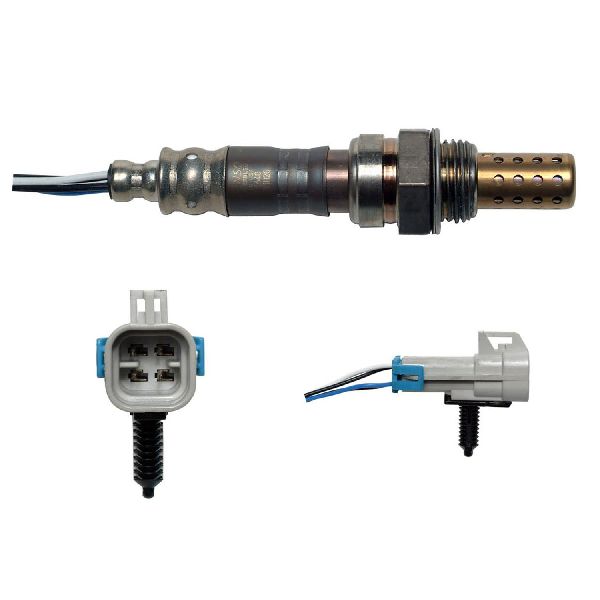
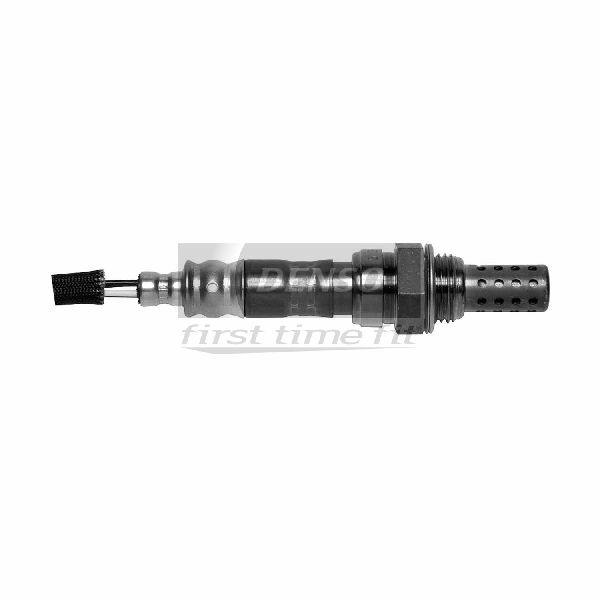
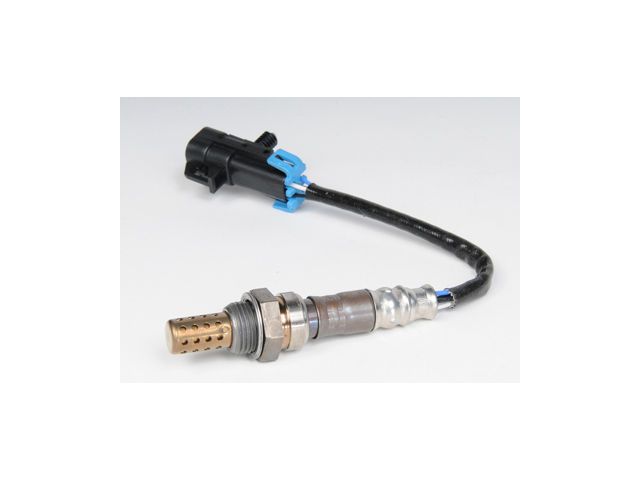
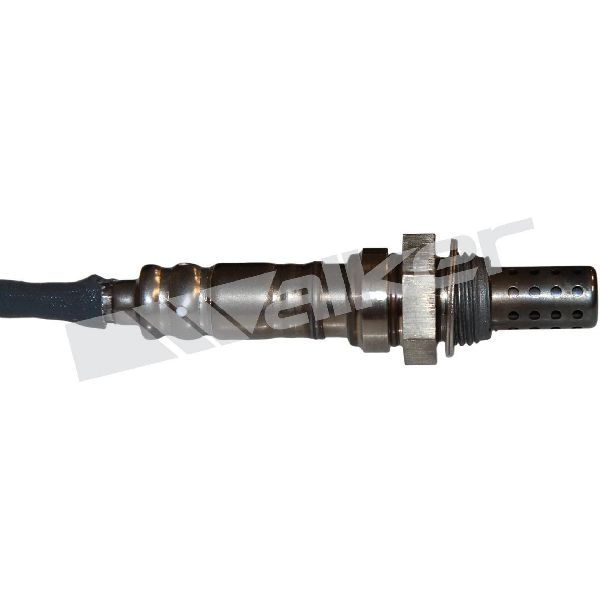
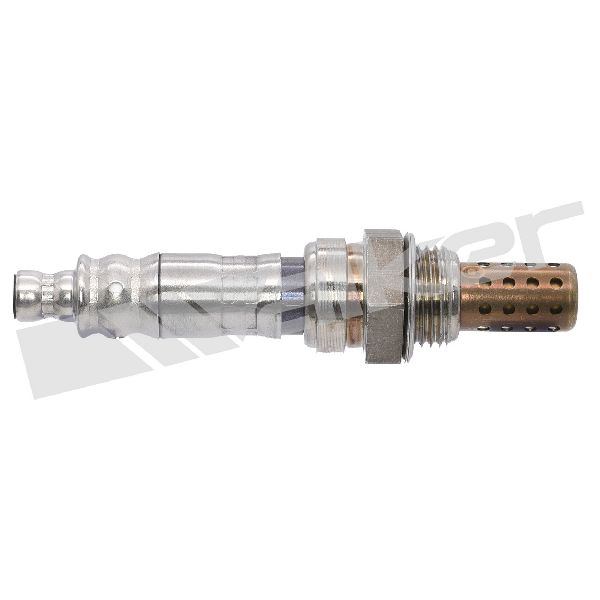
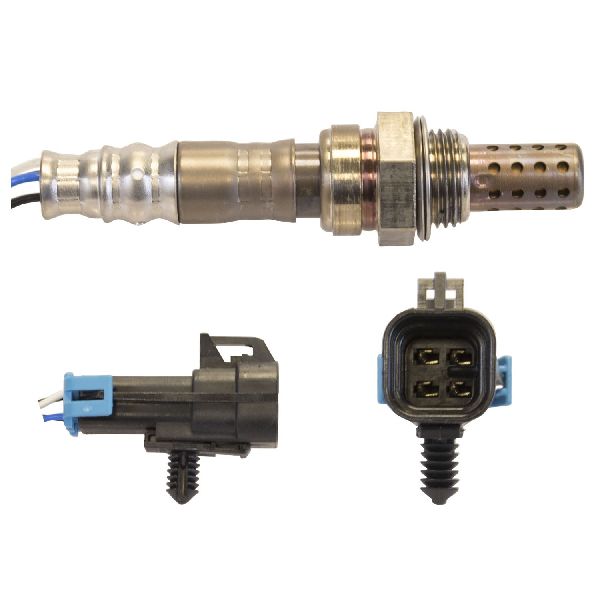
- Upstream Oxygen Sensor (Bank 1)
(OEM #12612459)— The internal heater element of the original sensor is the most common failure point that triggers code P0030.
Trusted brands: ACDelco (GM OE), Denso (Often the OE manufacturer), Bosch, Walker, NTK
OEM price range: $80-$180
Aftermarket price range: $30-$70
Related Codes That Often Appear With This One
- P0443 (EVAP Purge Control Valve Circuit): If the shared 'EMISS' fuse is blown due to a short in any component on the circuit, codes for other components on that same fuse, like the EVAP purge valve, will appear simultaneously.
Technical Service Bulletins (TSBs) & Recalls
- TSB 21-NA-149: While not exclusively for P0030, this GM bulletin from November 2021 addresses a wide range of DTCs, including P0030, that can be caused by engine wire harness chafing on various GM models. It highlights the importance of inspecting the harness for damage, as chafing can lead to shorts or open circuits.
Platform-Specific Known Issues
- Difficult Access to Bank 1 Sensor: The primary challenge of this repair is the location of the sensor. Bank 1 is pressed against the firewall, providing very little room to work. Removing the plastic engine cover and potentially the EVAP purge solenoid valve is necessary to gain better access. A specialized 7/8" or 22mm offset oxygen sensor socket is almost mandatory 🎬 Watch: This walkthrough shows how to replace the Bank 1 sensor. for removal and installation.
Mechanic-Grade Diagnostic Values
- O2 Sensor Heater Element Resistance — expected: Typically 2-30 Ohms; a cold reading of ~6 Ohms is common for these sensors.. Failure: Infinite resistance (OL) indicates an open circuit (failed heater).
- Heater Circuit Wiring Resistance — expected: Less than 0.5 Ohms from the ECM connector to the sensor connector.. Failure: Higher resistance indicates corrosion or a break in the wire.
- Heater Circuit Power Supply — expected: 12 Volts (Battery Voltage) at the harness connector with Key On, Engine Off.. Failure: Less than 12V indicates a problem with the fuse or power supply wiring.
- O2 Sensor Installation Torque — expected: 42 N.m (31 lb ft). Failure: Overtightening can damage threads; undertightening can cause exhaust leaks.
Wiring & Ground Locations
- G103 / G104 — Primary engine grounds, typically located on the rear or top of the cylinder heads, near the bellhousing area.. These are primary grounds for the Engine Control Module (ECM). A loose or corroded connection here can cause a host of erratic electrical issues and false codes, including sensor circuit faults like P0030.
- G107 — Located at the rear of the engine, as per wiring diagrams for the platform.. This is another engine block ground point. All engine grounds should be inspected when diagnosing persistent electrical faults, as the ECM relies on them for a stable reference.
- B1S1 Connector Pinout — The 4-wire connector for the Bank 1 (firewall side) upstream O2 sensor.. The two same-colored wires (often white or black) are for the heater circuit. One pin should have 12V+ with key-on, and the other is the ground-side control wire that is pulsed by the ECM. Knowing this is essential for testing power, ground, and resistance.
Real Owner Repair Stories
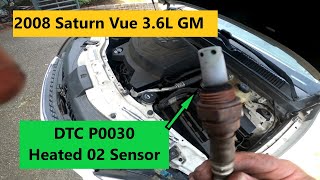
- YouTube channel 'Wrench & Restore' (2008 Saturn Vue with 3.6L V6) — Check Engine Light with code P0030 that would return immediately after being cleared.
❌ Tried (didn't work) The owner did not report trying other fixes first, as the immediate return of the code pointed directly to a hard electrical fault in the sensor itself, rather than a system performance issue.
✅ What actually fixed it Replacing the Bank 1, Sensor 1 (upstream, firewall side) oxygen sensor resolved the code. The video details the difficult access and the need to remove the EVAP purge valve to reach the sensor.
OEM Part Supersession History
12612459→ACDelco 213-4229— Standard part lifecycle update by GM.
Heads up: The replacement ACDelco part 213-4229 is listed by some vendors as requiring 'programming and/or special setup procedures,' which is an unusual but important consideration for what is typically a plug-and-play component.
Diagnostic Flowchart
Real Owner Stories
Aggregated from forums and TSBs cited above. Mileages and costs reflect what owners reported in those sources.
2008 Saturn Vue 3.6L GM
Symptoms: Check engine light was on. The code P0030 for 'heated oxygen sensor bank one sensor one' would come right back on as soon as it was cleared.
What fixed it: Replaced the O2 sensor on bank one sensor one (the upstream sensor on the firewall side).
Source hint: Wrench & Restore YouTube comment
Saturn L-series
Symptoms: Experienced a heater circuit code and had difficulty locating the correct O2 sensor fuse, noting that the fuse was shared with other components.
What fixed it: Discovered and repaired a pushed-back pin in the harness connector, which was the actual cause of the open circuit rather than a failed sensor.
Source hint: SaturnFans.com Forum - O2 Heater Fuse Location Discussion
Related OBD-II Codes
Frequently Asked Questions
Where is Bank 1 Sensor 1 located on my 2008-2010 Saturn Vue 3.6L V6?
Does GM TSB 21-NA-149 apply to my Saturn Vue for code P0030?
Which fuse controls the O2 sensor heater on the 3.6L Vue?
I found a broken wire leading to my Bank 1 O2 sensor. Can I just solder it back together?
What should the resistance be when testing the O2 sensor heater on my LY7 engine?
Why does code P0030 come back immediately after I clear it with my scanner?
Helpful Videos

We Have This Part in Stock

The information in this article is provided for general reference and educational purposes only. Vehicle specifications, procedures, and part compatibility can vary by production date, trim level, and region. Always consult your vehicle's factory service manual and verify part numbers before purchasing or performing repairs. Safety-critical components such as airbags, seat belts, and braking systems should be installed by a qualified professional.
- Saturn Vue:
- 🎬 Helpful Videos
- 🛍️ Shop This Part
- What's Unique About the 2008-2010 Saturn Vue
- Symptoms You May Notice
- Most Likely Causes
- Rare But Worth Checking
- Diagnosis Steps
- Parts You'll Likely Need
- Related Codes That Often Appear With This One
- Technical Service Bulletins (TSBs) & Recalls
- Platform-Specific Known Issues
- Mechanic-Grade Diagnostic Values
- Wiring & Ground Locations
- Real Owner Repair Stories
- OEM Part Supersession History
- Diagnostic Flowchart
- Real Owner Stories
- 2008 Saturn Vue 3.6L GM
- Saturn L-series
- Related OBD-II Codes
- Frequently Asked Questions
- 🎟️ Get 5% Off