

P0030 on 2008-2012 Chevrolet Malibu 2.4L: O2 Sensor Heater Circuit Causes and Fixes
P0030 on a 2008-2012 Malibu most often means the upstream oxygen sensor (Bank 1, Sensor 1) has failed OR a shared fuse has blown. Before replacing any parts, inspect the 10A 'EMISSIONS 1' fuse in slot #6 of the under-hood fuse box. A blown fuse, often caused by a melted wiring harness near the exhaust, is a very common cause for this code, frequently appearing with P0036, P0102, and P0443. A new sensor costs between $40 and $100.
- P0030 points to a problem with the upstream O2 sensor's heater circuit.
- Before replacing any parts, always check the 10A 'EMISSIONS 1' fuse (slot #6) in the fuse box under the hood. This is a very common point of failure.
- If the fuse is blown, inspect the O2 sensor wiring harness for melting or chafing against the exhaust manifold, as this is the likely cause of the short.
- If the fuse and wiring are good, the upstream O2 sensor itself has likely failed and needs to be replaced.
- This is a manageable DIY repair for most home mechanics with basic tools.
What's Unique About the 2008-2012 Chevrolet Malibu
On this generation of Malibu and other GM vehicles with the 2.4L Ecotec engine (like the Pontiac G6 and Saturn Aura), the P0030 code is often part of a larger story. A key design characteristic is that the O2 sensor heaters share a fuse with other emissions components, such as the downstream O2 sensor and the EVAP purge solenoid. As documented in numerous owner forums and mechanic videos, a short circuit in one component's wiring—very often the O2 sensor harness itself melting on the engine block—can blow this shared fuse, triggering a cluster of codes including P0030. Therefore, finding P0030 alongside codes like P0036 (Bank 1 Sensor 2 Heater), P0102 (MAF Sensor), or P0443 (EVAP Purge Solenoid) strongly points to a single blown fuse rather than multiple failed parts.
Symptoms You May Notice
- Check Engine Light is on
- Reduced fuel economy
- Failing a vehicle emissions test
- Potential for rough idle on cold starts
- Vehicle may enter a reduced power or 'limp' mode if multiple related codes are triggered simultaneously.
- Replacing the oxygen sensor without first checking the 'EMISSIONS 1' fuse. If the fuse is blown, a new sensor will not fix the problem and the fuse will likely blow again immediately.
- Replacing the fuse without finding and repairing the shorted wiring that caused it to blow. The new fuse will blow as soon as the key is turned.
Most Likely Causes
- Blown 'EMISSIONS 1' Fuse 🔴 High Probability This fuse (10A, slot #6 in the under-hood fuse block) powers multiple components. A short in the wiring for any of these components, most often the O2 sensor harness melting against the engine or exhaust, will cause it to blow. This is a very common failure pattern for this platform.
How to confirm: Visually inspect the fuse. If it is blown, it confirms a short circuit in the system. The presence of codes P0036, P0102, and P0443 alongside P0030 is a near-certain indicator of this fuse being blown.
Typical fix: Replace the fuse after finding and repairing the short circuit that caused it to blow. Do not simply replace the fuse without finding the root cause, as it will immediately blow again.
Est. part cost: $1-$5 - Damaged Wiring or Connector 🔴 High Probability The O2 sensor wiring harness is routed near the hot exhaust manifold and cylinder head. The protective loom degrades, allowing wires to chafe or melt against hot metal surfaces, causing a short or open circuit. This is the primary reason the shared 'EMISSIONS 1' fuse blows.
How to confirm: Visually inspect the entire wiring harness from the sensor connector back to the main engine harness. Pay extremely close attention to the area behind the engine where the harness passes over the exhaust manifold. Look for melted plastic, exposed copper wire, or corrosion in the connector pins.
Typical fix: Repair the damaged section of wire with a new connector or by splicing, soldering, and heat-shrinking the affected wires. Secure the repaired harness away from the hot surfaces to prevent a repeat failure.
Est. part cost: $10-$30 - Failed Upstream Oxygen Sensor 🟡 Medium Probability The internal heater element is subjected to thousands of heat cycles and is a common wear-and-tear component that eventually burns out.
How to confirm: After confirming the fuse and wiring are intact, test the resistance of the heater circuit pins on the sensor itself with a multimeter. A good heater circuit will have a resistance of a few ohms (typically 3-15 Ohms); an open circuit (infinite resistance) confirms the sensor is bad.
Typical fix: Replace the Bank 1, Sensor 1 (upstream) oxygen sensor.
Est. part cost: $40-$100 - Faulty Engine Control Module (ECM) ⚪ Low Probability
How to confirm: This is a last resort after all other possibilities (sensor, fuse, wiring) have been definitively ruled out. A diagnostic test involves disconnecting the ECM and checking if the short on the fuse circuit disappears. If the fuse only blows when the ECM is connected (and all sensor harnesses are disconnected), it points to an internal short in the ECM's driver circuit.
Typical fix: Replace and reprogram the Engine Control Module.
Est. part cost: $200-$600
Diagnosis Steps
- Scan for all DTCs. If codes P0036, P0102, or P0443 are present with P0030, proceed directly to step 2.
- Locate the under-hood fuse block. Inspect the 10-amp 'EMISSIONS 1' fuse in slot #6. If it's blown, you must find the source of the short circuit. Proceed to step 3.
- Carefully inspect the O2 sensor wiring harnesses (both upstream and downstream) for signs of melting, chafing, or physical damage. The most common location for a short is where the harness runs near the back of the engine and exhaust manifold.
- If the fuse is good, locate the upstream O2 sensor on the back of the engine, on the exhaust manifold.
- Disconnect the sensor. With the key on and engine off, use a multimeter to check for battery voltage (approx. 12V) on the heater power wire at the connector (harness side). This is typically a Pink/Black wire.
- If power is present, switch the multimeter to measure resistance (Ohms) and test the heater circuit pins on the O2 sensor itself. A reading of 3-15 Ohms is typical for a good heater. An open circuit (infinite resistance or 'OL') indicates the heater element has failed and the sensor must be replaced.
- If power is not present at the connector and the fuse is good, there is an open circuit in the wiring between the fuse block and the sensor that must be traced and repaired.
Parts You'll Likely Need
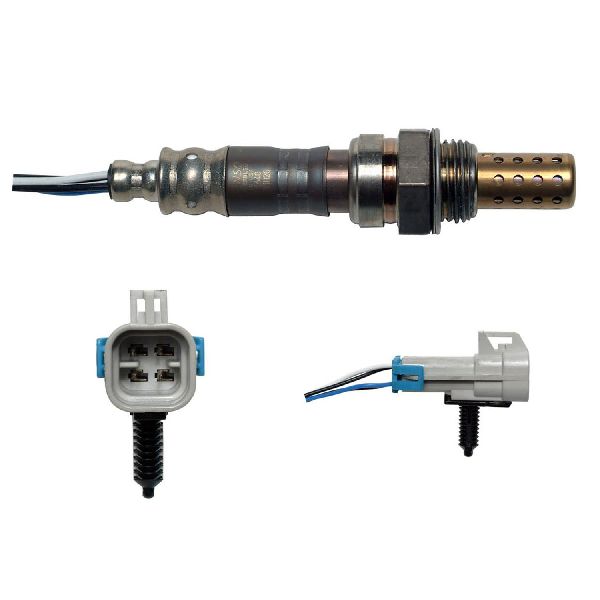
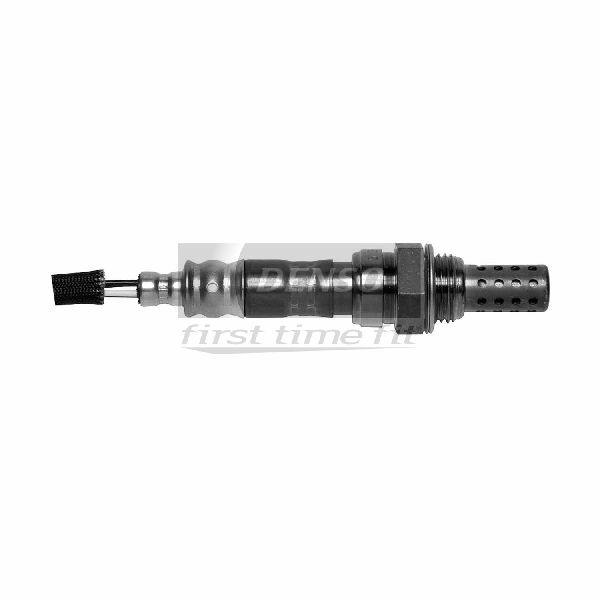
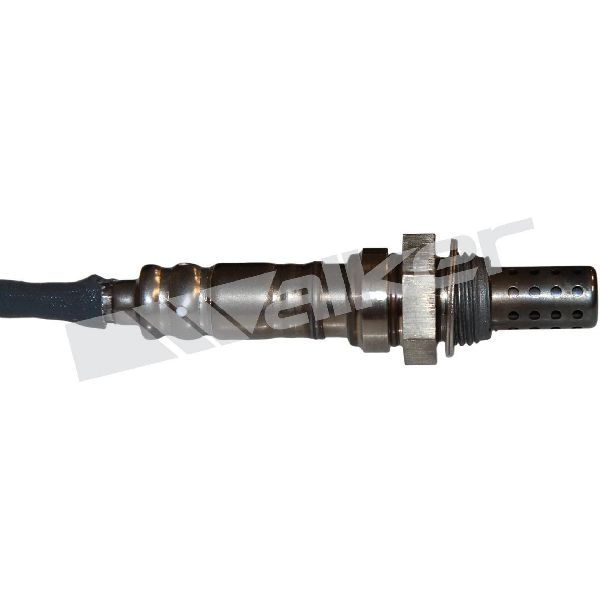
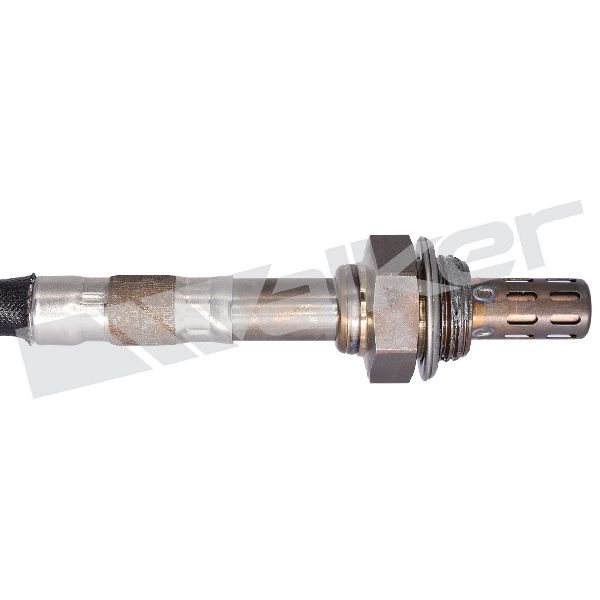
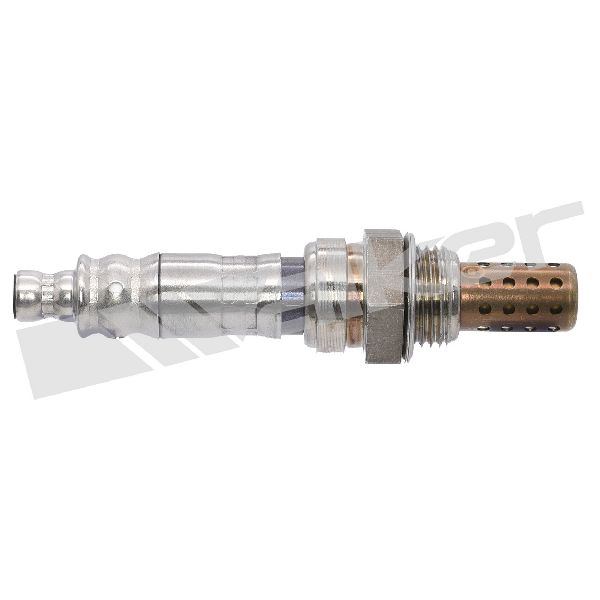
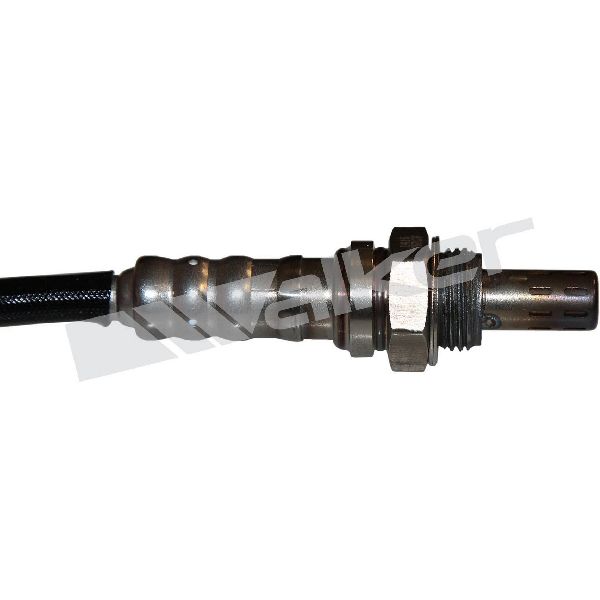
- Upstream Oxygen Sensor (Bank 1, Sensor 1)
(OEM #ACDelco 213-4229 (GM OE #12609457))— This is a common point of failure for an isolated P0030 code, as the internal heater element burns out over time.
Trusted brands: ACDelco (OE), Denso (234-4587), Bosch, NGK/NTK (21555)
OEM price range: $80-$120
Aftermarket price range: $40-$90 - 10 Amp Mini Fuse — Required if the 'EMISSIONS 1' fuse in slot #6 is blown. This is a very common cause of P0030, especially when seen with other codes.
Trusted brands: Bussmann, Littlefuse
OEM price range: $1-$5
Aftermarket price range: $1-$5
Related Codes That Often Appear With This One
- P0135 — This code is for 'HO2S Heater Performance Bank 1 Sensor 1'. It is very similar to P0030 and often appears with it, pointing directly to a failure in the same upstream O2 sensor's heater.
- P0036, P0102, P0443 — These codes relate to the downstream O2 sensor heater, Mass Airflow (MAF) sensor, and EVAP purge solenoid, respectively. Seeing them together with P0030 is a hallmark symptom of a blown shared 'EMISSIONS 1' fuse (10A, slot #6) being the root cause.
Technical Service Bulletins (TSBs) & Recalls
- Bulletin #PIT5336: While for a different GM model, this TSB lists P0030 among a large group of O2 sensor-related codes, confirming its definition within the GM family as a heater circuit fault.
- Bulletin #21-NA-149: This TSB for other GM vehicles lists P0030 as a possible code resulting from a wiring harness chafing issue at the ECM bracket, establishing a pattern of harness damage causing this code across GM products.
Platform-Specific Known Issues
- A recurring issue on this platform is the wiring harness for the O2 sensors rubbing against the hot exhaust manifold or a sharp edge on the cylinder head, causing the wires to melt and short to ground. This short circuit is a primary reason for the 'EMISSIONS 1' fuse blowing, which then triggers P0030 and other related codes. Always inspect the harness carefully when diagnosing this code, even if you plan on replacing the sensor.
Mechanic-Grade Diagnostic Values
- O2 Sensor Heater Circuit Resistance — expected: 3-15 Ohms at ambient temperature. Failure: A reading of infinity (open circuit), near-zero (short circuit), or outside the specified range indicates a failed heater element.
- Heater Circuit Power Supply (KOEO) — expected: Battery Voltage (~12V). Failure: 0V indicates a blown fuse, a break in the wire, or a faulty ECM driver. Test at the sensor connector on the Pink/Black wire.
- Engine Ground Voltage Drop — expected: 50 mV or less. Failure: A reading significantly higher than 50 mV between a ground point (like G107) and the negative battery post indicates a poor ground connection that can cause sensor errors.
Scan Tool Commands That Help
- GDS2 / Tech2: Output Controls / Heater Circuit Test — After confirming the fuse and wiring are good, a dealer-level scan tool can command the O2 sensor heater circuit ON and OFF to verify the ECM driver and the circuit's response, helping to isolate an intermittent fault or confirm ECM functionality.
Wiring & Ground Locations
- Fuse F6 (EMISSIONS 1) — Slot #6 in the under-hood fuse block.. This 10A fuse is the single power source for the heater circuits of both O2 sensors, the MAF sensor, and the EVAP purge solenoid. It is the most common failure point when multiple related codes appear.
- Pink/Black Wire — In the engine harness, leading to both O2 sensors, the MAF, and the EVAP purge solenoid.. This is the power supply wire from the EMISSIONS 1 fuse. A short to ground on this wire anywhere along its path will blow the fuse.
- G107 — On the lower left side of the 2.4L engine block.. This is a primary engine block ground. A poor connection here can cause erratic voltage and sensor readings for components grounded to the block, including the ECM which controls the O2 sensor heater.
- G101 / G106 — G101 is at the left front corner of the engine compartment; G106 is on the left rear of the 2.4L engine.. These are additional grounds for the ECM and engine harness. Verifying they are clean and tight is a crucial step in diagnosing any electrical fault.
Real Owner Repair Stories
- YouTube channel 'a2z auto masters' (2008 Chevrolet Malibu 2.4L) — Check Engine Light with a cluster of codes: P0030, P0036, P0102, P0135, P0141, P0443. Car would sometimes stall.
❌ Tried (didn't work) Replacing the blown 'EMISSIONS 1' fuse without finding the cause; the new fuse blew again.
✅ What actually fixed it The technician located the O2 sensor wiring harness behind the engine and found two wires had rubbed through on the exhaust manifold, melting the insulation and causing a direct short. The wires were repaired, properly secured away from the heat source, and the fuse was replaced. This resolved all codes. - Reddit user in r/AskMechanics (2011 Chevrolet Malibu 2.4L with 210,000 miles) — Multiple codes appeared simultaneously: P0030, P0036, P0102, P0135, P0141, P0443. Car ran poorly.
❌ Tried (didn't work) Replacing the MAF sensor., Replacing the blown fuse, which blew again immediately upon turning the key.
✅ What actually fixed it The owner diagnosed the issue down to the ECM. With all sensors disconnected, the fuse would still blow as soon as the ECM was plugged in. The final diagnosis was an internal short within the Engine Control Module (ECM) itself, requiring ECM replacement.
OEM Part Supersession History
GM #12609457→ACDelco #213-4229— This is the standard GM to ACDelco part number relationship.
Heads up: No known incompatibilities within the specified vehicle range. Denso 234-4587 and NTK 21555 are commonly cited as compatible high-quality aftermarket alternatives.
Model Year Variations Within This Range
- 2008-2012: The 2.4L Ecotec engine came in several versions. The 2008-2012 Malibu primarily used the port-injected LE5 and the E85-compatible LE9 engines. Later GM vehicles used direct-injection versions (LAF, LEA) which have different engine management and fuel systems. The diagnosis for P0030 on the LE5/LE9 is consistent across these years.
Diagnostic Flowchart
Other Known Issues on This Vehicle
Issues unrelated to this code that are worth knowing about as an owner of this generation:
- Excessive Oil Consumption 🔴 High — Widespread issue due to piston ring design. Often becomes apparent between 60,000 and 100,000 miles. Consumption can exceed 1 quart per 2,000 miles. (Ref: TSB #13-06-01-003J / Special Coverage N192291100.)
- Timing Chain Stretch and Failure 🔴 High — Common failure point. Caused by stretched chains, worn guides, or faulty tensioners. Can lead to catastrophic engine damage if not addressed. Often presents as a rattling noise on startup. (Ref: Special Coverage Adjustment #12313C (for balance shaft chain on some models).)
- Cracked Exhaust Manifold 🟠 Medium — The factory exhaust manifold is prone to cracking, causing an exhaust leak, ticking noise, and potentially exhaust fumes in the cabin.
- 4T45-E Transmission Wave Plate Failure 🟠 Medium — The 3-5-R wave plate inside the automatic transmission is a known weak point that can break, leading to loss of 3rd, 5th, and reverse gears.
- Electric Power Steering (EPS) Failure 🟠 Medium — Failures in the EPS motor or torque sensor can cause a sudden loss of power steering assist. Several recalls were issued for this. (Ref: NHTSA Recalls 14V153000, 14E044000, 15V566000)
- Plugged PCV Orifice 🟡 Low — The PCV orifice in the intake manifold can become clogged, especially on engines with high oil consumption. This can lead to increased crankcase pressure and oil leaks, particularly from the rear main seal in cold weather. (Ref: Special Coverage #14882.)
Used vs. New Parts: Buying Guide for This Vehicle
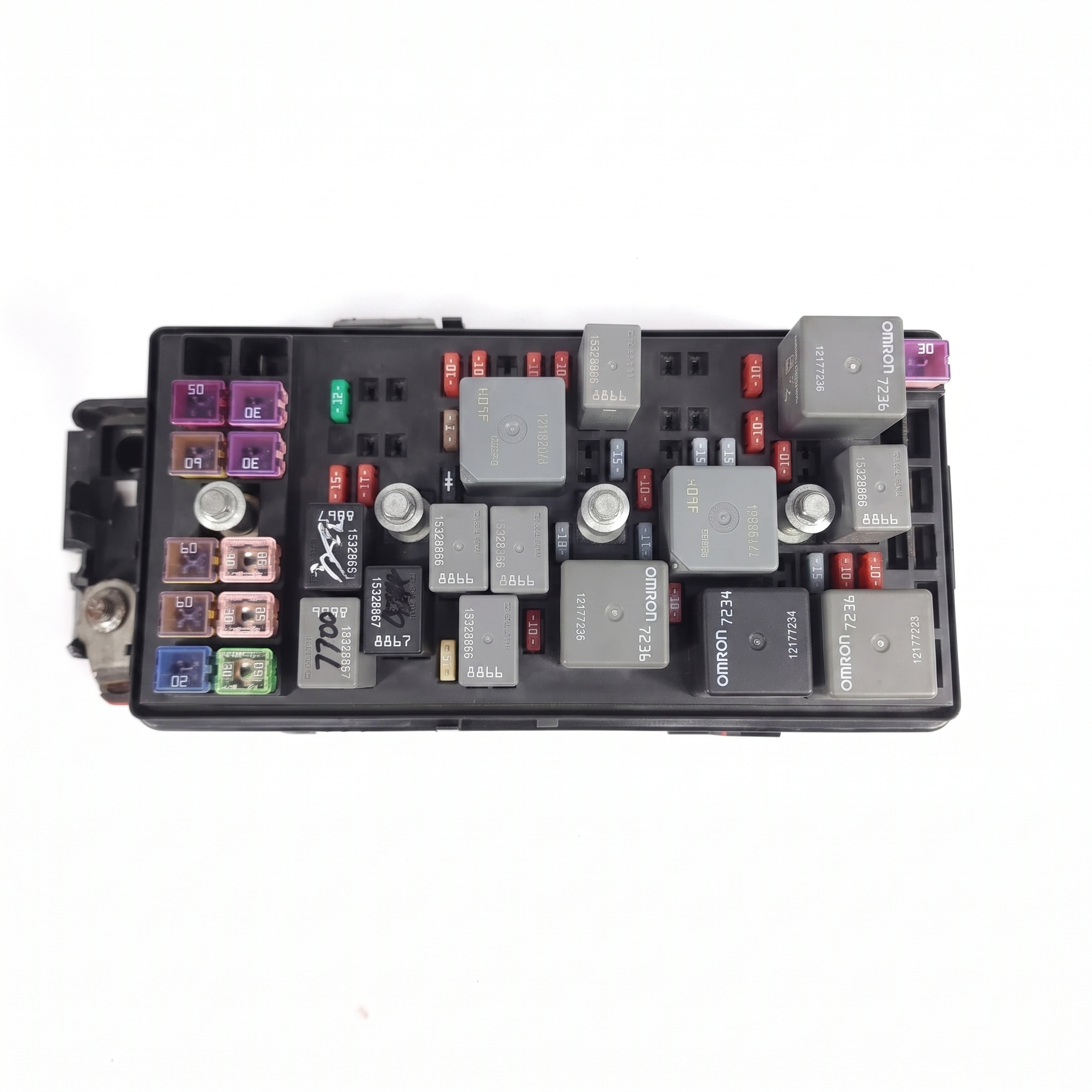
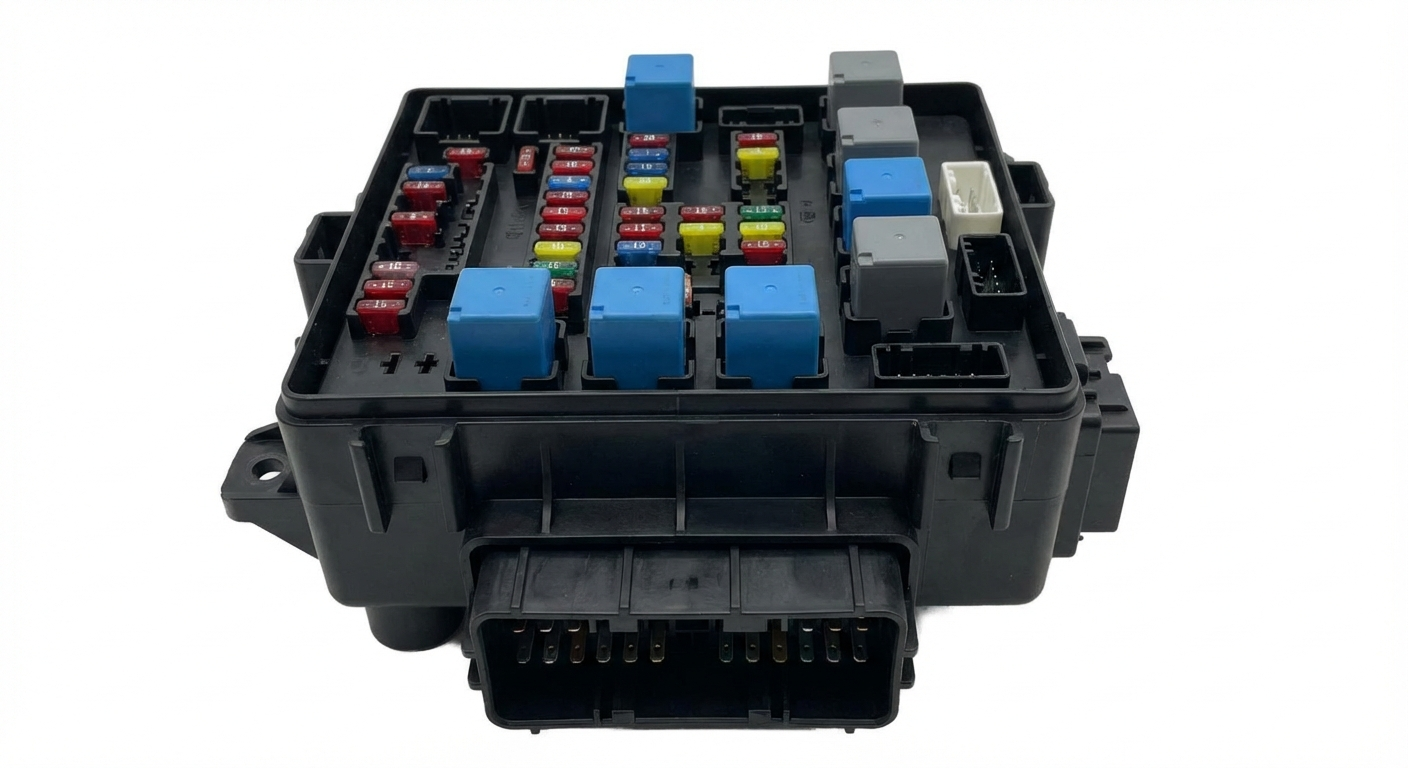
When a used part is the smart pick: A used wiring harness pigtail or a complete under-hood fuse block from a junkyard can be a cost-effective solution if the original part is damaged beyond simple repair. These parts are not high-wear items.
Donor-vehicle mileage cap: roughly under 150000 miles for the part to have meaningful remaining life.
What to inspect on the donor part:
- For a wiring pigtail, inspect for any signs of brittleness, cracking, or previous repair.
- For a fuse block, check for corrosion on the terminals and any signs of melting or heat damage around the fuse slots.
- Ensure the donor vehicle is from the same model year range and has the same engine to ensure compatibility.
OEM-only on this vehicle (don't cheap out):
- While not strictly OEM-only, it is highly advisable to use a new, quality oxygen sensor. A used O2 sensor is not recommended as it is a wear item with a finite lifespan.
Aftermarket brands forum-validated for this vehicle:
- For Oxygen Sensors: Denso, NTK (NGK), and Bosch are widely regarded as reliable alternatives to OEM ACDelco.
Brands owners have reported issues with on this vehicle:
- Avoid unbranded, 'white-box' oxygen sensors from online marketplaces. They often have high failure rates, inaccurate readings, and may not last, causing the code to return.
Real Owner Stories
Aggregated from forums and TSBs cited above. Mileages and costs reflect what owners reported in those sources.
2008 Chevrolet Malibu 2.4L
Symptoms: Check engine light on with codes P0030, P0036, P0102, and P0443.
What fixed it: Found a blown 'EMISSIONS 1' fuse caused by two O2 sensor wires that had melted and shorted together where they rubbed on the exhaust manifold.
Source hint: YouTube - 'a2z auto masters'
2010 Pontiac G6 2.4L
Symptoms: Vehicle entered a reduced power or 'limp' mode with a cluster of codes including P0030, P0036, P0102, and P0443.
What fixed it: Identified as a blown shared fuse caused by a wiring short, a common failure pattern on the Epsilon platform.
Source hint: repairpal.com - '2010 Pontiac G6 Limp Mode'
2009 Chevrolet Malibu 2.4L
Symptoms: Check engine light for codes P0030, P0036, P0443, and P0102.
What fixed it: Replacing the blown #6 'emission 1' fuse in the under-hood fuse box.
Source hint: YouTube - 'DC Auto Enhancement'
Related OBD-II Codes
Frequently Asked Questions
Why is my 2008-2012 Malibu triggering P0030 along with P0102 and P0443 all at once?
Where is the most common place for the O2 sensor wiring to fail on the 2.4L Ecotec Malibu?
Does TSB #21-NA-149 apply to the P0030 code on GM vehicles?
Can I just replace the 'EMISSIONS 1' fuse to fix the P0030 code?
Is there a specific TSB for O2 sensor heater circuit faults like P0030 in the GM family?
What should the resistance be for a healthy upstream O2 sensor heater on my Malibu?
Helpful Videos
Used OEM Parts in Stock


New Aftermarket Parts Available

The information in this article is provided for general reference and educational purposes only. Vehicle specifications, procedures, and part compatibility can vary by production date, trim level, and region. Always consult your vehicle's factory service manual and verify part numbers before purchasing or performing repairs. Safety-critical components such as airbags, seat belts, and braking systems should be installed by a qualified professional.
- Chevrolet Malibu:
- 🎬 Helpful Videos
- 🛍️ Shop This Part
- What's Unique About the 2008-2012 Chevrolet Malibu
- Symptoms You May Notice
- Most Likely Causes
- Diagnosis Steps
- Parts You'll Likely Need
- Related Codes That Often Appear With This One
- Technical Service Bulletins (TSBs) & Recalls
- Platform-Specific Known Issues
- Mechanic-Grade Diagnostic Values
- Scan Tool Commands That Help
- Wiring & Ground Locations
- Real Owner Repair Stories
- OEM Part Supersession History
- Model Year Variations Within This Range
- Diagnostic Flowchart
- Other Known Issues on This Vehicle
- Used vs. New Parts: Buying Guide for This Vehicle
- Real Owner Stories
- 2008 Chevrolet Malibu 2.4L
- 2010 Pontiac G6 2.4L
- 2009 Chevrolet Malibu 2.4L
- Related OBD-II Codes
- Frequently Asked Questions
- 🎟️ Get 5% Off