

P0024 on 2011-2024 Dodge Durango 5.7L Hemi: Causes and Fixes for Camshaft Timing
P0024 on a 5.7L Hemi Durango most often points to a faulty Variable Valve Timing (VVT) solenoid on Bank 2 (driver's side). Low or dirty oil is another primary cause. Replacing the solenoid costs about $40-$120 for the part and is a common DIY fix that often involves removing the intake manifold.
- Always check your engine oil level and condition first. Low or dirty oil is a primary cause of P0024 on the 5.7L Hemi.
- The most likely failed part is the VVT solenoid on the driver's side of the engine. It's relatively inexpensive and easy to replace.
- A simple diagnostic trick is to swap the driver's side (Bank 2) VVT solenoid with the passenger's side (Bank 1) one. If the code changes to P0014, you've confirmed the solenoid is the problem.
- Do not ignore this code. While you can drive the vehicle, it will perform poorly and you risk causing more expensive engine damage over time.
What's Unique About the 2011-2024 Dodge Durango
The 5.7L Hemi V8 uses a Variable Camshaft Timing (VCT) system, which is Dodge's term for VVT. This system relies heavily on clean engine oil of the correct viscosity (SAE 5W-20) to function. Issues with oil pressure or flow are a very common trigger for timing codes like P0024 on these engines. While the components are generally reliable, the VVT solenoids are a known failure point that can get clogged with sludge or fail electronically, making them the first part to suspect after checking the oil. The solenoid is located underneath the intake manifold, requiring its removal for replacement.
Generation note: The 2011-2024 model years all fall within the third generation (WD) of the Dodge Durango. While there have been minor updates, the fundamental design of the 5.7L Hemi V8 and its VVT system remains consistent, making the causes and fixes for P0024 applicable across this entire year range. The 'Eagle' update in 2009 introduced VVT to the 5.7L Hemi, so all engines in this vehicle's year range have this system.
Symptoms You May Notice
- Check Engine Light is on
- Rough or fluctuating idle.
- Reduced engine power and sluggish acceleration.
- Engine hesitation or stalling, especially under load.
- Increased fuel consumption.
- Hard starting condition.
- Ticking or rattling noises from the engine bay.
- Replacing the camshaft position sensor when the actual problem is the VVT solenoid or an oil issue.
- Replacing the cam phaser (an expensive and labor-intensive job) before thoroughly diagnosing the VVT solenoid and checking oil quality.
- Confusing the ticking sound of a failing lifter or an exhaust manifold leak with a VVT system noise.
Most Likely Causes
- Low or Dirty Engine Oil 🔴 High Probability The Hemi's VVT system is hydraulic and extremely sensitive to oil level, viscosity, and cleanliness. Insufficient or contaminated oil directly impacts its ability to function, making it the first and most critical check.
How to confirm: Check the engine oil dipstick for level and inspect the oil's color and consistency. If it's low, black, or sludgy, it needs to be changed.
Typical fix: Top off or perform a complete oil and filter change using the manufacturer-specified oil viscosity (typically SAE 5W-20). This simple step resolves the issue in many cases.
Est. part cost: $40-$80 - Faulty VVT Solenoid (Oil Control Valve) 🔴 High Probability This solenoid, located under the intake manifold, controls oil flow to the cam phaser. It can become clogged with sludge or fail electronically, causing it to stick. The filter screens on the solenoid can also degrade and get ingested, causing the valve to stick.
How to confirm: A good diagnostic step is to swap the Bank 2 (driver's side) VVT solenoid with the Bank 1 (passenger's side) solenoid. Clear the codes and drive. If the code changes to P0014 (the equivalent code for Bank 1), the solenoid is confirmed faulty. You can also test the solenoid's resistance with a multimeter; it should be between 6.9 and 7.9 ohms at 68°F (20°C).
Typical fix: Replace the VVT solenoid on Bank 2. This requires removing the intake manifold.
Est. part cost: $40-$120 - Faulty Camshaft Position Sensor 🟡 Medium Probability The sensor provides the camshaft's position to the ECM. If it sends an incorrect signal, the computer may set a timing code.
How to confirm: Test the sensor's output with a multimeter or oscilloscope; voltage should typically range between 0.5-4.5V. Often, a failing cam sensor will be accompanied by other codes like P0344 or P0349, which more directly point to a sensor circuit fault.
Typical fix: Replace the Bank 2 camshaft position sensor.
Est. part cost: $20-$60
Rare But Worth Checking
- Worn Timing Chain or Failed Cam Phaser: This is a more serious mechanical issue. If the timing chain has stretched or the cam phaser (the gear that the solenoid acts upon) is damaged or stuck, it can cause the cam timing to be physically out of sync. This is usually a higher-mileage concern or can result from severe oil neglect. A rattling noise from the top of the engine is a common symptom.
- Clogged Oil Passages: In engines with a history of infrequent oil changes, sludge can build up and block the small oil passages leading to the VVT system, starving it of the pressure needed to operate correctly. An engine flush may help but can also dislodge debris and cause further issues.
- Faulty Engine Control Module (ECM): In very rare cases, the ECM itself can have a fault in the driver circuit that controls the VVT solenoid, leading it to command an incorrect position. This should only be considered after all other possibilities have been exhausted.
Diagnosis Steps
- Check Engine Oil: Verify the oil level is correct and the oil is clean and of the proper 5W-20 viscosity. If low or dirty, perform an oil and filter change. This simple step resolves the issue in many cases.
- Scan for Other Codes: Use an OBD-II scanner to check for any other pending or active codes that could provide more clues (e.g., P0524, P0349, P0300).
- Inspect Wiring: Check the wiring harness and connector for the VVT solenoid and the camshaft position sensor on Bank 2 (driver's side) for any damage, corrosion, or loose connections.
- Test the VVT Solenoid: The easiest way is to swap the Bank 2 solenoid with the one from Bank 1. This requires removing the intake manifold. Clear the codes and see if the fault moves to Bank 1 (triggering P0014). If it does, the solenoid is bad. Alternatively, test the solenoid's resistance with a multimeter (expect 6.9-7.9 ohms at 68°F/20°C).
- Test the Camshaft Position Sensor: If the solenoid swap doesn't isolate the problem, test the camshaft position sensor using a multimeter to check for proper voltage signals.
- Mechanical Inspection: If all electronic components and oil are good, the next step is to suspect a mechanical issue. This involves a more in-depth diagnosis of the timing chain, tensioners, and cam phaser, which may require professional help.
Parts You'll Likely Need
- Engine Variable Valve Timing (VVT) Solenoid
(OEM #53022338AB)— This is the most common part to fail for this code after ruling out oil issues. It gets stuck or clogged, preventing correct cam timing adjustment. It is located under the intake manifold.
Trusted brands: Mopar, Dorman, Standard Motor Products (SMP)
OEM price range: $80-$120
Aftermarket price range: $40-$75 - Camshaft Position Sensor — If the sensor that reads the camshaft's position is faulty, it can send incorrect data to the ECM, triggering the code.
Trusted brands: Mopar, Bosch, NGK/NTK
OEM price range: $40-$70
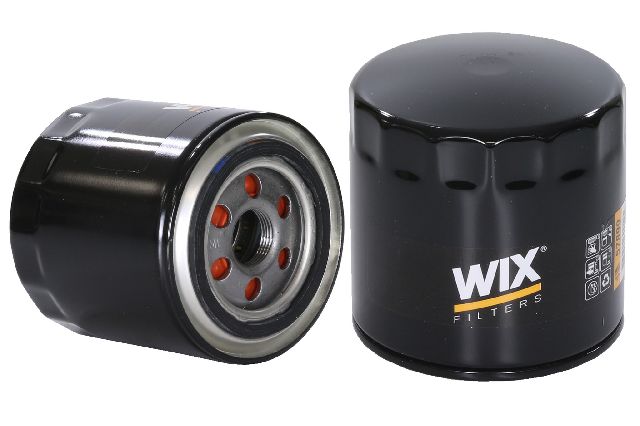
Aftermarket price range: $20-$50 - Engine Oil and Filter — Correct, clean oil is essential for the VVT system to operate. Using the manufacturer-specified 5W-20 oil is critical.
Trusted brands: Pennzoil, Mobil 1, Valvoline
OEM price range: $60-$100
Aftermarket price range: $40-$80
Related Codes That Often Appear With This One
- P0524 — This code indicates 'Engine Oil Pressure Too Low'. Since the VVT system is hydraulic, low oil pressure is a direct cause of VVT-related codes like P0024.
- P0014 — This is the same over-advanced timing code but for Bank 1. Seeing both P0014 and P0024 together might point to a systemic issue like very low/dirty oil or a problem with the oil pump, affecting both banks.
- P0300 — This is a 'Random/Multiple Cylinder Misfire' code. Incorrect cam timing can disrupt the combustion process enough to cause misfires across multiple cylinders. This can also be a symptom of the more serious 'Hemi Tick' lifter failure.
- P0349 — Indicates an intermittent fault in the Bank 2 Camshaft Position Sensor circuit. This points more directly to the sensor or its wiring as a potential cause for the P0024 reading.
Technical Service Bulletins (TSBs) & Recalls
- TSB 9002129: This Technical Service Bulletin is for dealership technicians and advises them not to replace MDS lifters solely based on the visual misalignment of the small disconnecting pinholes, as this can be a normal state. It helps differentiate a non-issue from a true lifter failure.
Platform-Specific Known Issues
- VVT Solenoid Location: On the 5.7L Hemi engine, the VVT solenoid is located in the valley of the engine, underneath the plastic intake manifold. Replacing it requires removing the fuel rails and the intake manifold, making the job more complex than on engines where it is externally accessible.
Mechanic-Grade Diagnostic Values
- VVT Solenoid (Oil Control Valve) Resistance — expected: 6.9 to 7.9 ohms at 68°F (20°C). Some general sources state a wider range of 5-20 ohms is acceptable for VVT solenoids.. Failure: A reading of infinite resistance (OL) indicates an open coil, while a very low reading (near zero) indicates a short. Either requires replacement.
- VVT Solenoid Harness Voltage — expected: Battery voltage should be present on the power supply pin of the harness connector with the ignition on.. Failure: No voltage indicates a problem with the power supply from the main relay or a wiring issue.
- Camshaft Position Sensor Signal Voltage — expected: Typically ranges between 0.5V and 4.5V.. Failure: A flatline voltage or erratic readings when the engine is running can indicate a failed sensor.
- Scan Tool Live Data: Desired vs. Actual Cam Position — expected: The actual cam position should closely track the desired (commanded) position.. Failure: The PCM will set P0024 if the difference between the actual and desired position exceeds a specific threshold, which can be as much as 20 degrees. Watching this data while revving the engine can show the solenoid/phaser being lazy or sticking.
Scan Tool Commands That Help
- Professional Scan Tool (e.g., wiTECH, Autel, Launch): VVT Solenoid Actuator Test / Bidirectional Control — This command allows the technician to manually activate the Bank 2 VVT solenoid while the engine is running. If the solenoid and phaser are working, the engine should hesitate or stall. If there is no change in engine operation, it points to a faulty solenoid, clogged oil passage, or a stuck cam phaser, helping to differentiate between an electrical and mechanical fault.
Wiring & Ground Locations
- Engine Ground Jumper/Strap — There are multiple ground straps for the engine. One specific part number for the 5.7L V8 is 68349162AA. Another is 68606644AA. These typically connect the engine block or cylinder head to the chassis/frame rail in the engine compartment.. A poor engine ground can cause erratic behavior in sensors and actuators, including the camshaft position sensor and VVT solenoid, leading to incorrect readings and fault codes. Ensuring all engine grounds are clean and tight is a crucial step in diagnosing electrical faults.
- Powertrain Control Module (PCM) — On a 2012 Durango, the PCM is located in the right front of the engine compartment.. The PCM controls the VVT solenoid. All wiring for the VVT and cam sensor circuits originates from or terminates at the PCM. Knowing its location is essential for any circuit integrity testing (checking for shorts, opens, or resistance).
- VVT Solenoid Connector — Under the intake manifold, connected to the VVT solenoid in the engine valley.. This connector is the primary point for testing voltage supply to the solenoid and the resistance of the solenoid itself. It has two pins: one for power (from the main relay) and one for the control signal (from the PCM).
Real Owner Repair Stories
- Reddit user on r/MechanicAdvice (2014 Ram 1500 5.7L V8 with 145,000 miles) — Check Engine Light with a cam position code, accompanied by a fluttering/winding noise from the engine under light acceleration. No noise at idle.
❌ Tried (didn't work) The user had not yet attempted repairs but was seeking advice on a shop's diagnosis.
✅ What actually fixed it The shop diagnosed a failing cam phaser (timing chain actuator). Their scan tool showed the 'actual' cam position jumping away from the 'desired' position whenever the noise occurred. The recommended fix was a complete timing system replacement, including the cam phaser, timing chain, tensioner, oil control valve (VVT solenoid), and MDS solenoids for an estimated $3900.
OEM Part Supersession History
53022338AA→53022338AB— Standard part revision by the manufacturer, likely for improved reliability or manufacturing process.
Heads up: The parts are interchangeable. 53022338AB is the current replacement for 53022338AA.
Model Year Variations Within This Range
- 2011-2024 (All): All 5.7L Hemi engines within this vehicle's generation are the post-2009 'Eagle' design, which includes Variable Camshaft Timing (VCT/VVT). Therefore, the causes and diagnostics for P0024 are consistent across the entire 2011-2024 range. Earlier (pre-2009) 5.7L Hemis did not have VVT and would not set this code.
Diagnostic Flowchart
Other Known Issues on This Vehicle
Issues unrelated to this code that are worth knowing about as an owner of this generation:
- MDS Lifter and Camshaft Failure (The 'Hemi Tick') 🔴 High — Common on higher-mileage engines or those with extended idle times. Can occur even before 130k miles but is not universal. Often preceded by a distinct ticking noise that gets faster with engine RPM. (Ref: TSB 9002129 discusses lifter pin misalignment but is not a recall for the failure itself. A class-action lawsuit has been discussed regarding this issue.)
- Cracked Exhaust Manifold Bolts 🟠 Medium — Very common across all 5.7L Hemi applications. Causes a ticking noise, especially on a cold start, that may quiet down as the engine warms up and the metal expands. This sound is often confused with the 'Hemi Tick' from lifter failure.
- Totally Integrated Power Module (TIPM) Failure 🔴 High — Primarily affects 2011-2013 models. Can cause a wide range of electrical issues, including engine stalling, no-start conditions, or the fuel pump running continuously. (Ref: Recalls 14V-530 (P54) and V62 were issued to address failing fuel pump relays within the TIPM.)
- Water Pump Failure 🟠 Medium — A common failure point on the 5.7L Hemi, often occurring between 80,000 and 120,000 miles, leading to coolant leaks and potential overheating.
Used vs. New Parts: Buying Guide for This Vehicle
When a used part is the smart pick: For this specific repair, buying used parts is generally not recommended. The primary failure components are the VVT solenoid and camshaft position sensor, which are electronic and subject to wear and heat cycles. The cost savings of a used part from a junkyard are minimal compared to the risk of receiving a part that is already near the end of its service life.
Donor-vehicle mileage cap: roughly under 60000 miles for the part to have meaningful remaining life.
What to inspect on the donor part:
- For a VVT solenoid, inspect the mesh screens for tears or clogging.
- Check electrical connectors on any part for corrosion, cracks, or bent pins.
- Ask for the donor vehicle's mileage; lower is always better.
- Avoid parts from engines that show visible signs of heavy sludge or poor maintenance.
OEM-only on this vehicle (don't cheap out):
- Cam Phaser: This is a critical timing component. Due to the complexity and high cost of labor to replace it, using a new OEM (Mopar) part is strongly advised to ensure longevity and proper function.
Aftermarket brands forum-validated for this vehicle:
- VVT Solenoid: Dorman, Standard Motor Products (SMP).
- Camshaft Position Sensor: NGK/NTK, Bosch.
Brands owners have reported issues with on this vehicle:
- Avoid unbranded, 'white-box' electronic parts from online marketplaces, as their quality control and longevity are often questionable.
Real Owner Stories
Aggregated from forums and TSBs cited above. Mileages and costs reflect what owners reported in those sources.
2014 Dodge Durango 5.7L Hemi V8 — ~130000 miles
Symptoms: A distinct ticking noise that gets faster with engine RPM, often referred to as the 'Hemi Tick'.
What fixed it: This specific failure often requires replacement of the MDS lifters and camshaft, a significant mechanical repair discussed in relation to a potential class-action lawsuit.
Source hint: Reddit r/Dodge - '5.7 HEMI Camshaft/Lifter Class Action'
2017 Dodge Durango 5.7L Hemi V8
Symptoms: The VVT solenoid became stuck because the original filter screens were ingested into the valve.
What fixed it: Replacement of the VVT solenoid with an updated Mopar part featuring a stronger screen design.
Source hint: Reddit r/Cartalk - '5.7 Hemi VVT failures'
Related OBD-II Codes
Frequently Asked Questions
Where is the VVT solenoid located on my 5.7L Hemi Durango, and is it easy to replace?
I hear a ticking noise from my Durango's engine; does this mean I have a P0024 code or a lifter failure?
Does TSB 9002129 mean I need to replace my MDS lifters if they look misaligned?
What oil should I use in my 2011-2024 Durango 5.7L to prevent VVT codes like P0024?
Is there a known issue with the VVT solenoid design for the Hemi engine?
My 2012 Durango is stalling and won't start; could this be related to the VVT system or something else?
Helpful Videos
We Have This Part in Stock


The information in this article is provided for general reference and educational purposes only. Vehicle specifications, procedures, and part compatibility can vary by production date, trim level, and region. Always consult your vehicle's factory service manual and verify part numbers before purchasing or performing repairs. Safety-critical components such as airbags, seat belts, and braking systems should be installed by a qualified professional.
- Dodge Durango:
- 🎬 Helpful Videos
- 🛍️ Shop This Part
- What's Unique About the 2011-2024 Dodge Durango
- Symptoms You May Notice
- Most Likely Causes
- Rare But Worth Checking
- Diagnosis Steps
- Parts You'll Likely Need
- Related Codes That Often Appear With This One
- Technical Service Bulletins (TSBs) & Recalls
- Platform-Specific Known Issues
- Mechanic-Grade Diagnostic Values
- Scan Tool Commands That Help
- Wiring & Ground Locations
- Real Owner Repair Stories
- OEM Part Supersession History
- Model Year Variations Within This Range
- Diagnostic Flowchart
- Other Known Issues on This Vehicle
- Used vs. New Parts: Buying Guide for This Vehicle
- Real Owner Stories
- 2014 Dodge Durango 5.7L Hemi V8 — ~130000 miles
- 2017 Dodge Durango 5.7L Hemi V8
- Related OBD-II Codes
- Frequently Asked Questions
- 🎟️ Get 5% Off