

P0019 on 2015-2021 Lincoln Navigator: Causes and Fixes for Crank/Cam Correlation
On a 2015-2021 Lincoln Navigator, P0019 is most often caused by a sticking Variable Camshaft Timing (VCT) solenoid on the driver's side exhaust camshaft, usually due to dirty oil or small debris. The most common fix is replacing the VCT solenoid (part HL3Z-6M280-B) and changing the engine oil and filter. The part costs around $40-$100.
- Always check the engine oil level and condition first. A simple oil change can sometimes fix this code.
- The most likely failed part is the Bank 2 (driver's side) exhaust VCT solenoid, which is known to stick.
- A cost-effective diagnostic step is to swap the exhaust and intake VCT solenoids on Bank 2 to see if the code follows the part (changes to P0018).
- Do not assume a costly timing chain replacement is needed without first ruling out the much more common and cheaper VCT solenoid and oil quality issues.
- If replacing a VCT solenoid, it is highly recommended to also perform an oil and filter change to remove the contaminants that likely caused the issue.
What's Unique About the 2015-2021 Lincoln Navigator
The 3.5L EcoBoost V6 engine is known for its complex variable camshaft timing system. Ford and Lincoln have issued multiple Technical Service Bulletins (TSBs), such as SSM 50067, acknowledging that codes like P0019 are frequently caused by small debris in the engine oil, which causes the VCT solenoids to stick. While a stretched timing chain can be a cause, especially at higher mileage (over 100,000 miles), the VCT system's extreme sensitivity to oil condition means that oil-related issues are a much more common and less expensive starting point for diagnosis on this specific platform.
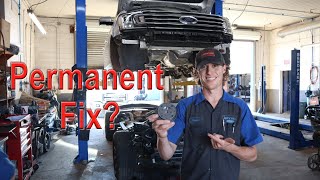
Generation note: The 2015-2021 range covers two generations of the Lincoln Navigator: the third generation (2015-2017, using a Gen 1 EcoBoost) and the fourth generation (2018-2021, using a Gen 2 EcoBoost). Both generations use a version of the 3.5L EcoBoost V6 engine, and the causes and fixes for P0019 are largely the same across these years. The underlying VCT system design and its sensitivity to oil quality are consistent. However, the Gen 2 engine (2018+) has redesigned VCT phasers and is subject to TSB 23-2143 for cold start rattles, 🎬 Watch: See the new updated phasers that fix cold start rattles. which involves replacing the phasers with updated parts.
Symptoms You May Notice
- Check Engine Light is on
- Rough or erratic idle
- Hesitation or poor acceleration
- Reduced fuel economy
- Engine may run rough above idle
- In some cases, the vehicle may enter a 'limp mode' with reduced power and boost
- Audible ticking or clicking from the top of the engine
- Immediately replacing the timing chain without first checking the engine oil and testing/swapping the VCT solenoid. The solenoid is a much cheaper, easier, and more common point of failure for an isolated P0019 code.
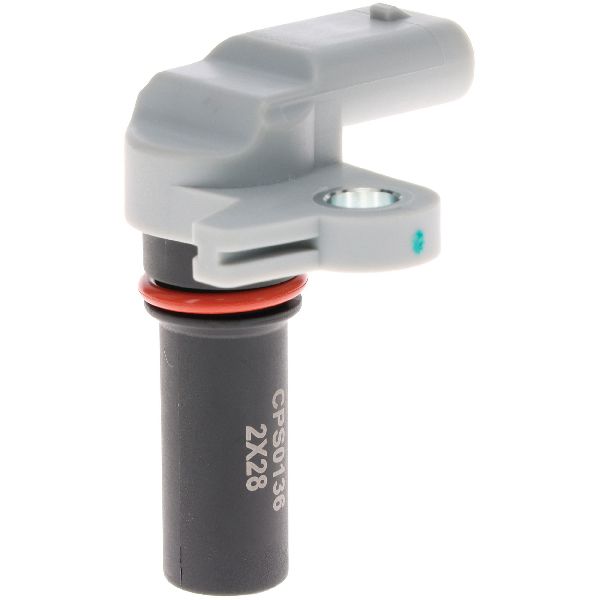
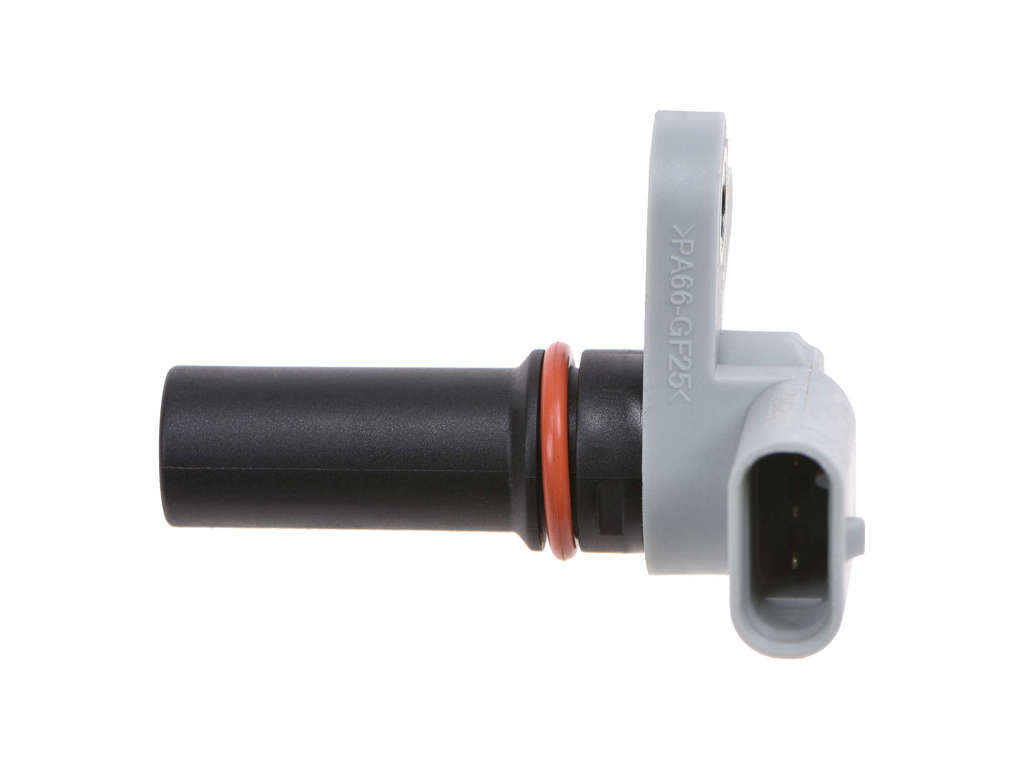
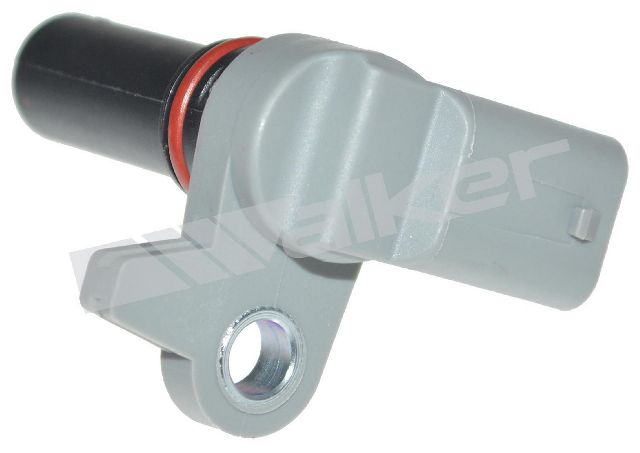
- Replacing the camshaft position sensor without testing it. The sensor is rarely the cause of a correlation code compared to the VCT solenoid.
Most Likely Causes
- Low, Dirty, or Incorrect Viscosity Engine Oil 🔴 High Probability The VCT system uses pressurized oil to adjust cam timing. The oil passages are very narrow. If the oil is low, dirty, past its service interval, or the wrong viscosity, it cannot operate the VCT solenoids and phasers correctly, leading to correlation faults.
How to confirm: Check the oil level on the dipstick and inspect the oil's condition. If it is dark, gritty, or past its service interval, it should be changed. Use only the OEM-specified grade (e.g., SAE 5W-30 Full Synthetic).
Typical fix: Perform an engine oil and filter change using high-quality, OEM-specified oil and filter.
Est. part cost: $50-$120 - Sticking or Failed VCT Solenoid (Bank 2 Exhaust) 🔴 High Probability Multiple Ford/Lincoln TSBs (SSM 50067, 49821, 48423, 47170) confirm that small debris in the oil can easily cause these solenoids to stick or respond slowly, making this the most common failure point for P0019. Manufacturer Bulletin #SSM 54366 further notes that these vehicles may exhibit an illuminated MIL with DTC P0019 due to these VCT issues.
How to confirm: A diagnostic scan tool can command the solenoid to cycle; if it doesn't respond or clicks weakly, it's suspect. A definitive DIY method is to swap the Bank 2 exhaust solenoid with the Bank 2 intake solenoid. Clear the codes and drive. If the code changes to P0018 (Intake Cam, Bank 2), the solenoid is confirmed bad.
Typical fix: Replace the Bank 2 exhaust VCT solenoid and perform an oil and filter change to remove the contaminants that caused the failure.
Est. part cost: $40-$100 - Stretched Timing Chain 🟡 Medium Probability The 3.5L EcoBoost, especially in earlier years or at high mileage (typically over 100,000-120,000 miles), can be prone to timing chain stretch. This creates slack and alters the base mechanical timing between the crank and cams, which the PCM flags as a correlation error.
How to confirm: This is usually suspected after ruling out oil and VCT solenoid issues. A professional diagnosis may involve using an oscilloscope to analyze cam/crank sensor waveforms or requires significant engine disassembly to physically inspect the chain and tensioners. 🎬 Watch: How to diagnose a stretched timing chain on this platform. A persistent P0019 after a timing job often means the timing was set incorrectly by a tooth.
Typical fix: Replace the timing chain, tensioners, guides, and often the cam phasers and water pump at the same time. This is a labor-intensive job, often costing thousands of dollars.
Est. part cost: $500-$1200 - Failed Camshaft Position Sensor (Bank 2 Exhaust) ⚪ Low Probability While possible, the sensor itself is not the most common failure point for this specific code. P0019 indicates a correlation error (a timing relationship problem), not a sensor circuit fault (like P0349).
How to confirm: Swap the Bank 2 exhaust camshaft position sensor with the intake sensor on the same bank. If the code changes to P0018, the sensor is faulty. You can also test the sensor's output with a multimeter or oscilloscope.
Typical fix: Replace the camshaft position sensor.
Est. part cost: $30-$80
Rare But Worth Checking
- Failed Camshaft Phaser (VCT Unit): The phaser is the gear on the end of the camshaft that actually adjusts the timing. It can become clogged with sludge, fail mechanically, or get stuck in one position. This is a common failure point related to the 'cold start rattle' (TSB 23-2143) and is often replaced as part of a full timing chain job.
- Wiring Harness Damage: Damage to the wires leading to the VCT solenoid or the camshaft position sensor can cause intermittent signals. Check for frayed wires, corrosion in the connectors, or loose pins, especially near the front of the valve cover.
- Clogged Oil Passages: In engines with a history of poor maintenance or sludge, the small oil passages feeding the VCT solenoids and phasers in the cylinder head can become blocked. This starves the components of oil pressure and requires extensive cleaning or head replacement.
Diagnosis Steps
- Check Engine Oil: Verify the oil level is correct and the oil is clean. If low, top it off. If dirty, overdue, or of unknown quality, perform an oil and filter change with the correct OEM-spec full synthetic oil (e.g., Motorcraft SAE 5W-30) and a quality filter (e.g., Motorcraft FL-500S). Clear the code and see if it returns.
- Scan for Codes: Use an OBD-II scanner to confirm P0019 and check for any other related codes. Note any pending or stored codes. Bulletin #TSB-16-0093 notes that vehicles with as little as 3,200 km (2,000 miles) may exhibit an illuminated MIL with P0019 stored in the PCM memory.
- Inspect Wiring: Visually inspect the wiring and connector for the Bank 2 (driver's side) exhaust camshaft position sensor and VCT solenoid. Look for any damage, corrosion, or loose connections.
- Attempt TSB Solenoid Cleaning: If you have a capable bidirectional scan tool, follow the procedure in TSB SSM 50067. Command the Bank 2 exhaust VCT solenoid on and off 10-15 times to try and dislodge any debris. Clear codes and re-test.
- Test the VCT Solenoid (Swap Method): If the code returns, swap the Bank 2 exhaust VCT solenoid with the Bank 2 intake VCT solenoid. They are located next to each other on the driver's side valve cover and are identical parts. Clear the codes and drive the vehicle. If the code changes to P0018, the solenoid you moved is faulty and must be replaced. This is the most common outcome.
- Test the Camshaft Position Sensor: If the code remains P0019 after the solenoid swap, you can try swapping the camshaft position sensors between the exhaust and intake positions on Bank 2. If the code changes to P0018, the sensor is the problem. This is a less likely outcome.
- Mechanical Timing Check: If all the above steps fail to resolve the issue, the problem is almost certainly mechanical, such as a stretched timing chain, a failed cam phaser, or incorrect timing from a previous repair. This requires a more in-depth diagnosis by a professional mechanic, likely involving an oscilloscope or engine disassembly.
Parts You'll Likely Need
- Variable Camshaft Timing (VCT) Solenoid
(OEM #HL3Z-6M280-B (Supersedes HL3Z-6M280-A))— This is the most common failure part for P0019 on this engine, as it is prone to sticking from oil debris. HL3Z-6M280-B is the updated part from Ford.
Trusted brands: Motorcraft, Dorman
OEM price range: $60-$90
Aftermarket price range: $40-$70 - Camshaft Position Sensor — Replaced if it fails a swap test or electrical test, but it is a much less common cause than the VCT solenoid.
Trusted brands: Motorcraft, NTK, Bosch
OEM price range: $40-$70
Aftermarket price range: $30-$50 - Timing Chain Kit (Chain, Guides, Tensioners, Phasers) — Required if the timing chain is stretched or phasers have failed. This is a major, labor-intensive repair. It's critical to use OEM (Motorcraft) parts for this job.
Trusted brands: Motorcraft
OEM price range: $500-$1200
Aftermarket price range: $300-$700
Related Codes That Often Appear With This One
- P0018 — This code is for the intake camshaft on the same bank (Bank 2). Seeing P0018 and P0019 together points to an issue affecting the entire bank, like oil supply, a phaser problem, or a secondary timing chain issue. It will also appear after swapping a faulty exhaust VCT solenoid to the intake position for diagnosis.
- P0017 — This is the same correlation error but for the exhaust camshaft on Bank 1 (passenger side). If both P0017 and P0019 appear, it strongly suggests a systemic problem like a stretched primary timing chain or severe oil pressure/quality issues affecting both banks.
- P0016 — This is for the intake camshaft on Bank 1. Seeing multiple timing codes across both banks (e.g., P0016, P0017, P0018, P0019) is a very strong indicator of a base timing issue, such as a severely stretched main timing chain or an incorrectly installed chain.
Technical Service Bulletins (TSBs) & Recalls
- VCT-Related DTCs Due to Debris: Bulletin #SSM 48423 confirms that various timing codes including P0019 on 2015-2020 Ford/Lincoln vehicles can be caused by small debris lodging in a VCT solenoid. Recommends using a scan tool to cycle the solenoid 10 times to attempt to dislodge debris before replacing the part.
- 3.5L EcoBoost - Cold Start Ticking/Tapping/Rattle: The latest TSB addressing the widespread cam phaser rattle on 2017-2020 models. It supersedes many previous bulletins and details the replacement of all four VCT phaser units with updated parts to resolve the noise.
- 10R80 - Harsh Engagement/Harsh Shift/Delayed Shift: Addresses issues with the 10-speed automatic transmission used in 2018-2021 Navigators. The fix may involve overhauling the main control valve body or performing a software update and adaptive learning drive cycle.
- VCT Solenoid Sticking (SSM 47170): A manufacturer service bulletin notes that DTC P0019 may be due to small debris causing the VCT solenoid to stick, and advises against immediate component replacement before attempting to clear the debris.
Platform-Specific Known Issues
- Multiple Technical Service Bulletins (SSM 50067, SSM 48423, SSM 47170) have been issued by Ford/Lincoln for 2015-2021 vehicles. They state that codes like P0019 may be caused by small debris in the engine oil causing the VCT solenoid to stick. The bulletins recommend attempting to cycle the solenoid with a scan tool 10 times to clear the debris before replacing the part.
Mechanic-Grade Diagnostic Values
- VCT Solenoid Internal Resistance — expected: 5.0 - 15.0 Ohms. OEM specification is tighter at 6.9 - 7.9 Ohms @ 68°F (20°C).. Failure: A reading of 0 Ohms (short) or infinite/OL (open) indicates a failed solenoid.
- VCT Solenoid Connector Voltage (KOEO) — expected: Approximately 12V (Battery Voltage) on the power supply pin.. Failure: Low or no voltage points to a wiring, fuse, or PCM power relay issue.
- Camshaft Position Sensor (CMP) Voltage (KOEO) — expected: 3-wire sensor: ~5V on the reference wire, 0V on the ground wire, and ~5V on the signal wire.. Failure: Incorrect voltages point to a wiring issue or a problem with the PCM's 5V reference circuit.
- Scan Tool PID: VCT_EXH_ERR2 (Cam Timing Error Bank 2 Exhaust) — expected: Close to 0 degrees at warm idle.. Failure: A consistent, non-zero value (e.g., stuck at -5 degrees) indicates the camshaft is not at its commanded position.
- Engine Oil Pressure (Hot Idle) — expected: Minimum 15 PSI, but VCT system operates optimally at 25 PSI or higher.. Failure: Pressure below 15 PSI can cause various VCT-related codes, including P0019.
Hidden / Shadow Codes Worth Checking
- Mode 6, TID $53: This Test ID within Mode 6 monitors the VCT system for timing deviations. It can show statistical data that confirms a correlation problem, sometimes before a persistent DTC is set. (see via Requires a scan tool with Mode 6 capabilities, such as Ford's IDS, FORScan, or other professional-grade scanners.)
Scan Tool Commands That Help
- Ford IDS / FORScan: VCT Solenoid On/Off Command (Bidirectional Control) — Use this test at idle to functionally check the VCT solenoid. Commanding the Bank 2 exhaust solenoid 'On' should cause the engine to run rough or stall. If there is no change in engine operation, the solenoid is confirmed to be stuck, clogged, or electrically failed.
Wiring & Ground Locations
- Engine Ground Stud (Driver Side) — Located on the back side of the left (driver's side) cylinder head.. This is a primary grounding point for the engine harness on Bank 2. A loose or corroded connection here can disrupt the ground for the camshaft position sensor (CMP) and VCT solenoid, causing erratic signals and fault codes.
- CMP/VCT Connector Pins — At the VCT solenoid and CMP sensor on the driver's side valve cover.. Testing for 12V power at the VCT connector and 5V reference at the CMP sensor connector are critical steps to rule out wiring issues before replacing components.
Real Owner Repair Stories
- Reddit user in r/f150 (2019 Ford F-150 3.5L EcoBoost (Gen 2, mechanically similar to 2018-2021 Navigator)) — Cam phaser rattle on cold start (a common issue related to timing correlation problems).
❌ Tried (didn't work) Not specified, diagnosis went straight to the known TSB.
✅ What actually fixed it Dealer performed TSB 23-2143, replacing all cam phasers with updated part numbers. The key parts were 2x ML3Z-6256-A (Sprocket) and 2x ML3Z-6C525-A (Cam Phaser/VCT Unit). This confirms the fix for the known Gen 2 phaser issue.
OEM Part Supersession History
HL3Z-6M280-A→HL3Z-6M280-B— Updated design to improve durability and resistance to sticking from oil debris.Unknown (Original Gen 2 phasers)→ML3Z-6C525-A (Phaser) and ML3Z-6256-A (Sprocket)— Redesigned to fix the cold-start rattle and premature wear issue outlined in TSB 23-2143.
Heads up: These are the required replacement parts for 2018-2020 models undergoing the TSB 23-2143 repair.
Model Year Variations Within This Range
- 2018-2020 (built on or before Nov 30, 2019): These Gen 2 EcoBoost engines are subject to TSB 23-2143 for a cold start rattle caused by faulty VCT units (cam phasers). While a P0019 code may not be the primary symptom, a failing phaser can certainly cause it. The repair involves replacing all four phasers with updated parts (ML3Z-6C525-A).
- 2015-2017 vs 2018-2021: The Gen 1 (2015-2017) and Gen 2 (2018-2021) engines have different timing chain and VCT system designs. While the root causes of P0019 are similar (oil, solenoids, chains), the specific part numbers for cam phasers and potentially other components are not interchangeable between generations.
Diagnostic Flowchart
Other Known Issues on This Vehicle
Issues unrelated to this code that are worth knowing about as an owner of this generation:
- Cam Phaser Rattle on Cold Start 🟠 Medium — Very common, especially on 2017-2020 models. Can occur at relatively low mileage (under 50k miles). The rattle lasts for 2-5 seconds after a cold soak. (Ref: TSB 23-2143 (supersedes multiple previous versions like 22-2200, 21-2119). The fix involves replacing all four VCT units (phasers) with updated parts.)
- 10R80 Transmission Harsh/Erratic Shifting 🟠 Medium — Common across many Ford/Lincoln models with the 10-speed automatic, including the 2018-2021 Navigator. Symptoms include harsh shifts, delayed engagement, and clunking. (Ref: TSB 21-2315 addresses these issues, often by overhauling the main control valve body and/or reprogramming the PCM/TCM.)
- Excessive Oil Consumption (5.0L V8 specific, but relevant context) 🔴 High — While not on the 3.5L EcoBoost, this was a major issue on the 5.0L V8 offered in the platform-mate F-150 from 2018-2020, showing Ford's engine troubles in this era. (Ref: TSB 19-2365 was issued for the 5.0L V8.)
- Coolant Leaks at Turbocharger Fittings 🟡 Low — Less common than phaser or transmission issues, but owners report leaks from the turbo coolant lines or fittings, which can be difficult to access for repair.
Used vs. New Parts: Buying Guide for This Vehicle
When a used part is the smart pick: A used VCT solenoid or camshaft position sensor from a verified low-mileage (<75,000 miles) donor vehicle can be a cost-effective tool for diagnosis (i.e., swapping the part to see if the code moves or is resolved). It is not recommended as a long-term repair due to the sensitivity of these parts to oil quality and wear.
Donor-vehicle mileage cap: roughly under 75000 miles for the part to have meaningful remaining life.
What to inspect on the donor part:
- For VCT Solenoids: Inspect the mesh screens for tears, clogging, or heavy sludge.
- For Sensors: Check the plastic housing and connector for cracks, brittleness, or heat damage.
- Verify the donor vehicle did not have timing-related fault codes or symptoms.
OEM-only on this vehicle (don't cheap out):
- Timing Chain
- Cam Phasers (VCT Units)
- Timing Chain Tensioners and Guides
Aftermarket brands forum-validated for this vehicle:
- For VCT Solenoids and Sensors: Dorman is a widely available option, but OEM Motorcraft parts are strongly preferred by professionals for reliability and longevity.
Brands owners have reported issues with on this vehicle:
- Unbranded or 'white-box' timing chain kits and cam phasers. The failure rate is exceptionally high, and a failed timing job can lead to catastrophic engine damage. The cost savings are not worth the immense risk.
Real Owner Stories
Aggregated from forums and TSBs cited above. Mileages and costs reflect what owners reported in those sources.
2014 Lincoln Navigator 3.5L EcoBoost
Symptoms: Initially had P0016 after a timing chain replacement, which was corrected, but then developed a persistent P0019 code.
What fixed it: The owner had to correct the timing which was initially off by two teeth; the story highlights the complexity of ensuring perfect alignment to clear correlation codes.
Source hint: F150 Forum: '2014 3.5l ecoboost p0019, p0016, p0299 codes after timing chain replacement'
3.5L EcoBoost V6
Symptoms: P0019 error remained even after a full timing job was performed.
What fixed it: A professional shop had to replace the cam phasers because the owner had misaligned one during the initial reassembly.
Source hint: Ford Truck Enthusiasts: 'Timing Chain Replacement P0019 error'
3.5L EcoBoost V6
Symptoms: Persistent P0019 code after replacing all timing components and solenoids.
What fixed it: The final diagnosis revealed the exhaust cam was off by one tooth.
Source hint: F150 Forum: 'P0019 after New Timing (3.5 EB)'
Related OBD-II Codes
Frequently Asked Questions
My 2018 Lincoln Navigator has a cold start rattle and now a P0019 code. Does TSB 23-2143 apply to me?
Can I fix P0019 on my Navigator without replacing parts immediately?
What specific oil should I use for my 3.5L EcoBoost to prevent VCT correlation codes?
Is P0019 common on high-mileage Lincoln Navigators?
I just had a timing job done on my Navigator and now I have a P0019. What happened?
My Navigator is also shifting harshly; is this related to the P0019 code?
Helpful Videos
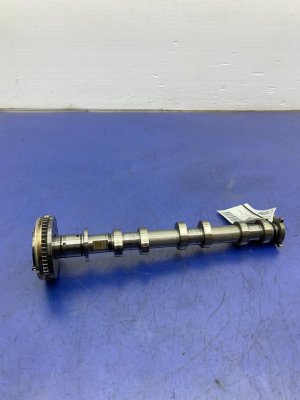
Used OEM Parts in Stock
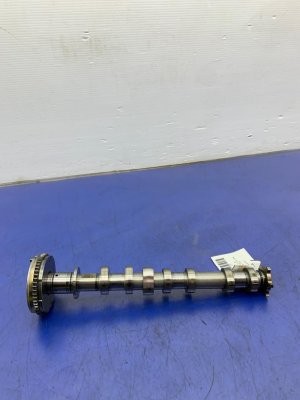
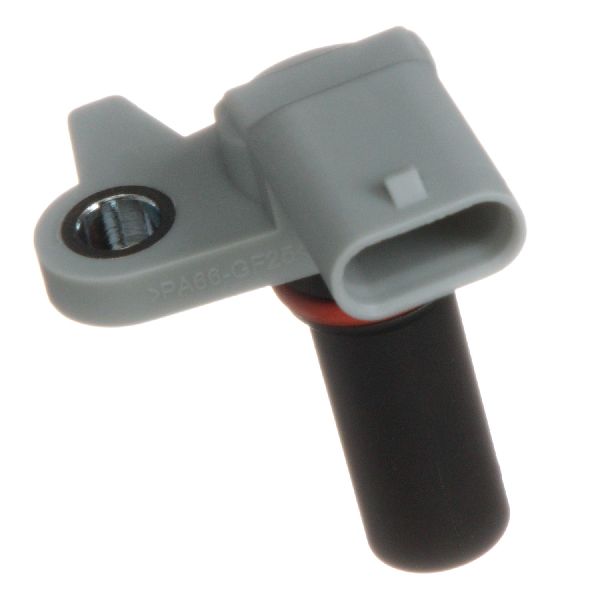
New Aftermarket Parts Available


The information in this article is provided for general reference and educational purposes only. Vehicle specifications, procedures, and part compatibility can vary by production date, trim level, and region. Always consult your vehicle's factory service manual and verify part numbers before purchasing or performing repairs. Safety-critical components such as airbags, seat belts, and braking systems should be installed by a qualified professional.
- Lincoln Navigator:
- 🎬 Helpful Videos
- 🛍️ Shop This Part
- What's Unique About the 2015-2021 Lincoln Navigator
- Symptoms You May Notice
- Most Likely Causes
- Rare But Worth Checking
- Diagnosis Steps
- Parts You'll Likely Need
- Related Codes That Often Appear With This One
- Technical Service Bulletins (TSBs) & Recalls
- Platform-Specific Known Issues
- Mechanic-Grade Diagnostic Values
- Hidden / Shadow Codes Worth Checking
- Scan Tool Commands That Help
- Wiring & Ground Locations
- Real Owner Repair Stories
- OEM Part Supersession History
- Model Year Variations Within This Range
- Diagnostic Flowchart
- Other Known Issues on This Vehicle
- Used vs. New Parts: Buying Guide for This Vehicle
- Real Owner Stories
- 2014 Lincoln Navigator 3.5L EcoBoost
- 3.5L EcoBoost V6
- 3.5L EcoBoost V6
- Related OBD-II Codes
- Frequently Asked Questions
- 🎟️ Get 5% Off