

P0017 on 2011-2019 Hyundai with 2.0L/2.4L Engine: Causes and Fixes
For Hyundai vehicles with the 2.0L Nu or 2.4L Theta II engine, code P0017 is most often caused by a faulty exhaust Oil Control Valve (OCV) due to dirty oil or sludge. An oil change and OCV replacement (~$50-$120 for the part) is the most common fix. If that doesn't resolve it, the issue is likely a more serious mechanical problem like a stretched timing chain or a sheared CVVT phaser pin, both known issues on these engines.
- Always check the oil level and condition first. A simple oil change can sometimes fix this code.
- The most common failed part is the exhaust Oil Control Valve (OCV). It's relatively inexpensive and easy to replace.
- Do not waste money replacing camshaft or crankshaft sensors unless they have been specifically tested and proven faulty.
- If an oil change and new OCV do not fix the code, the problem is almost certainly a more serious mechanical issue with the timing chain or CVVT phaser, requiring a professional mechanic.
- If you have a 2.4L Theta II engine, be aware of the engine failure class-action lawsuit and lifetime warranty. A P0017 code could be an early warning of a problem covered by this warranty.
What's Unique About the 2011-2019 Hyundai Multiple

Both the 2.0L Nu and 2.4L Theta II engines in this era of Hyundai vehicles are highly susceptible to issues related to oil flow and timing components. The Theta II engine, in particular, was subject to a major class-action lawsuit for premature bearing wear and engine seizure, often stemming from oiling problems. This history of oil sludge, excessive oil consumption, and manufacturing defects creates a perfect storm for triggering P0017, as the Continuously Variable Valve Timing (CVVT) system is highly dependent on clean oil and stable oil pressure to function. Consequently, P0017 on these engines is often a precursor to or symptom of a larger mechanical issue, such as a stretched timing chain, a failing CVVT phaser, or the infamous sheared CVVT dowel pin.
Generation note: This guide covers multiple Hyundai models that used the 2.0L Nu and 2.4L Theta II GDI engines, including the Sonata (YF/LF generations), Santa Fe/Santa Fe Sport (AN/TM), Tucson (LM/TL), and Elantra. While the fundamental causes of P0017 are similar, the Theta II engines are more widely known for significant internal problems covered by recalls and warranty extensions related to bearing failure (often triggering code P1326). The 2.0L Nu engine is particularly noted for the CVVT phaser dowel pin shearing issue.
Symptoms You May Notice
- Check Engine Light is on
- Engine is difficult to start or cranks but won't start
- Rough idle or stalling, especially at stops
- Rattling noise from the engine, especially on cold startup
- Poor acceleration and reduced engine power
- Increased fuel consumption
- Engine shaking or vibrating excessively
- Replacing the camshaft and crankshaft position sensors without diagnosing the root cause. Many owners and shops replace these sensors first, only for the code to return because the underlying issue is mechanical (oil quality, OCV, timing chain).
Most Likely Causes

- Low or Dirty Engine Oil 🔴 High Probability The CVVT system, which controls cam timing, is hydraulically operated. These engines are known for high oil consumption and sludge buildup, which restricts oil flow and causes the CVVT system to malfunction. Using non-OEM oil filters can also contribute to pressure issues.
How to confirm: Check the oil level on the dipstick. Inspect the oil for a dark, sludgy consistency or a low level. An oil change is the first and most crucial diagnostic step. The code often appears when an oil change is due.
Typical fix: Perform an oil and filter change using the manufacturer-specified oil viscosity (e.g., 5W-20 or 5W-30) and a genuine Hyundai/Kia oil filter.
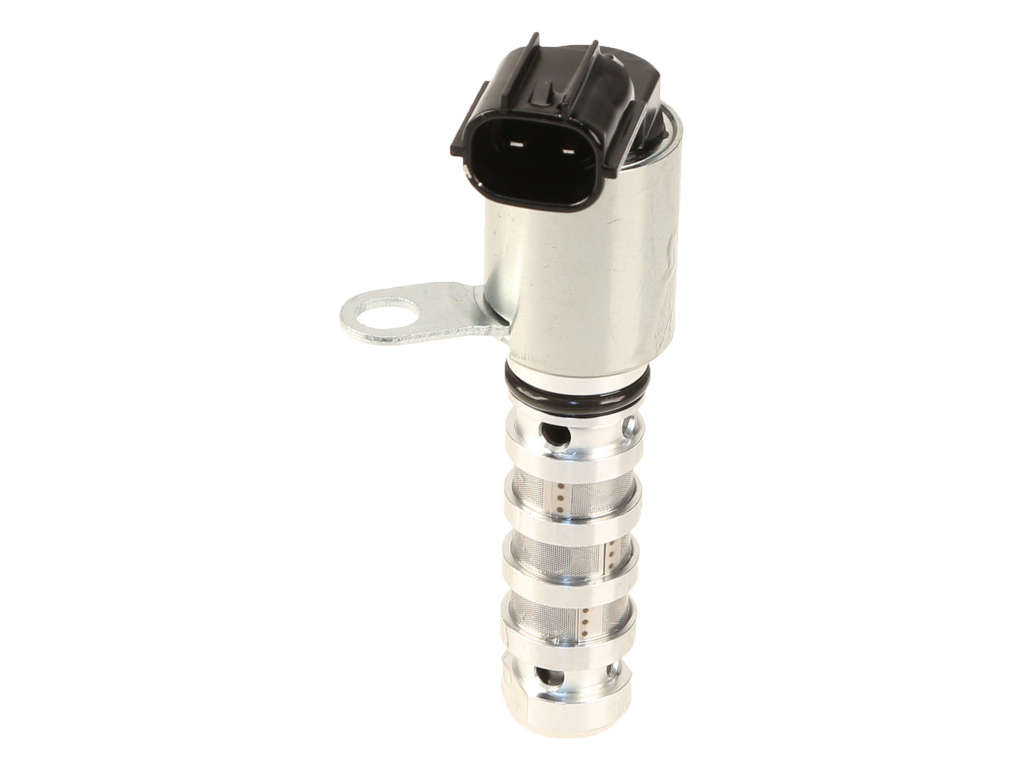
Est. part cost: $40-$80 - Faulty Exhaust Oil Control Valve (OCV) 🔴 High Probability The OCV (also called a VVT solenoid) is the most common part to fail. Its internal screens get clogged with sludge or metallic debris from the oil, causing it to stick open or closed.
How to confirm: Remove the OCV and inspect its screens for debris. A mechanic can command the solenoid with a bi-directional scan tool to check its response or apply 12V power and ground to see if the internal plunger actuates (you should hear a click).
Typical fix: Replace the exhaust OCV. 🎬 Watch: A quick walkthrough on replacing the VVT solenoids. It is often recommended to replace both the intake and exhaust OCVs at the same time. After replacement, some scan tools require a VVT relearn procedure.
Est. part cost: $50-$120 - Stretched Timing Chain or Failed Tensioner 🟡 Medium Probability Timing chains on these engines are a known wear item, often aggravated by poor oil quality. Over time, they can stretch, and the hydraulic tensioner can weaken or fail, causing excessive slack that leads to a correlation error.
How to confirm: This is an invasive check. A mechanic must remove the valve cover and/or timing cover to physically inspect the chain for slack and check if the timing marks on the cams and crank align properly. 🎬 Watch: How to properly align timing marks on the 2.4L engine. An oscilloscope can also be used to compare cam and crank sensor waveforms to definitively diagnose timing issues without major disassembly.
Typical fix: Replace the timing chain, guides, and tensioner. This is a labor-intensive job.
Est. part cost: $150-$400 (for a kit) - Sheared CVVT Phaser Locating Pin 🟡 Medium Probability On some Nu and Theta II engines, the dowel pin that locks the exhaust CVVT phaser (sprocket) to the camshaft can shear off or recess into the camshaft. This allows the phaser to rotate slightly and independently of the camshaft, causing a complete loss of timing correlation. This is a well-documented failure mode.
How to confirm: Requires removing the valve cover. A mechanic will find that the exhaust camshaft phaser can be wiggled or rotated independently of the camshaft itself. The timing marks on the chain and phaser may appear aligned, but the camshaft itself will be out of time.
Typical fix: The CVVT phaser and the camshaft must be replaced, as removing the sheared pin from the camshaft is often impossible or not recommended. This is a major repair.
Est. part cost: $300-$600+
Rare But Worth Checking
- Faulty Camshaft or Crankshaft Position Sensor: While often replaced first, the sensors themselves are not the most common cause for a correlation code. The code indicates a mechanical timing issue, not necessarily a sensor failure. However, a failing sensor can produce an erratic signal, and metallic debris on the magnetic tip can interfere with its reading.
- Clogged Oil Passages: Severe engine sludge can clog the small oil passages leading to the CVVT phaser, starving it of the oil pressure needed to adjust timing correctly. This usually points to a history of neglected oil changes and may require extensive engine cleaning or replacement.
- Incorrectly Installed Camshaft Reluctor Wheel: As per Hyundai TSB #PS731, if the engine or camshaft has been recently replaced, it's possible the camshaft reluctor wheel (pulse wheel) was installed incorrectly, causing the cam sensor to send an erroneous signal even if mechanical timing is perfect.
Diagnosis Steps

- Check engine oil level and condition. If low, dirty, or sludgy, perform an oil and filter change with the correct viscosity oil and an OEM filter. Clear the codes and drive to see if it returns. This resolves the issue a surprising amount of the time.
- Scan the vehicle for any other codes. Codes like P0014 or P1326 provide important diagnostic context.
- Swap the intake and exhaust Oil Control Valves (OCVs). They are often identical and easily accessible on top of the valve cover. If the code changes to P0016 (Intake Cam Correlation), the OCV is confirmed faulty and must be replaced.
- Remove and inspect the exhaust OCV. Check the small filter screens for metallic debris or sludge. If clogged, replace it. You can also test it by applying a 12V source to its pins to see if it actuates.
- Inspect the wiring and connector for the exhaust camshaft position sensor and OCV for any damage, corrosion, or loose pins.
- If the above steps do not resolve the issue, the problem is almost certainly mechanical. The vehicle should be taken to a qualified mechanic.
- A professional will need to remove the valve cover to inspect the timing chain for slack, check timing marks, and verify the integrity of the CVVT phaser and its locating pin. An oscilloscope analysis of the cam and crank sensors is the most definitive way to confirm a timing issue.
Parts You'll Likely Need
- Exhaust Oil Control Valve (VVT Solenoid)
(OEM #24375-2G500 (2.4L Theta II GDI) / 24375-2E100 (2.0L Nu GDI))— This part is the most frequent point of failure. It gets clogged with oil sludge and fails to properly regulate oil flow to the cam phaser.
Trusted brands: Hyundai OE, Aisin, Dorman (e.g., 918-033)
OEM price range: $80-$150
Aftermarket price range: $40-$90 - Timing Chain Kit
Related Codes That Often Appear With This One
- P0014 — 'B' Camshaft Position - Timing Over-Advanced or System Performance (Bank 1). This code is also specific to the exhaust camshaft and often appears with P0017, pointing strongly to a problem with the exhaust OCV or CVVT phaser.
- P1326 — Knock Sensor Detection System Fault. On these specific Hyundai engines, P1326 is a critical code indicating vibrations consistent with rod bearing failure. If P0017 is present with P1326, it suggests severe internal engine damage and oil contamination, which likely caused the timing issue. The vehicle should not be driven.
- P0016 — 'A' Camshaft Position - Crankshaft Position Correlation (Bank 1). This is the equivalent code for the intake camshaft. If you swap the intake and exhaust OCVs and P0017 is replaced by P0016, you have confirmed the OCV is the faulty part.
Technical Service Bulletins (TSBs) & Recalls
- TSB #PS731: Mentions the possibility of an incorrectly installed camshaft reluctor wheel after an engine replacement, which can cause a false P0017 code.
- TSB 21-EM-003H / 23-EM-007H: General guidelines for diagnosing and repairing engine oil consumption, a primary contributor to P0017 issues.
- TSB related to P1326: Multiple TSBs (e.g., 19-EM-003H) exist for the P1326 knock sensor detection issue, which is often linked to the same underlying engine problems that cause P0017.
Platform-Specific Known Issues

- These models are particularly susceptible to the sheared dowel pin on the exhaust CVVT phaser. This failure is often misdiagnosed as a stretched timing chain. The correct repair involves replacing both the camshaft and the CVVT phaser assembly.
- While also affected by timing chain and OCV issues, P0017 on these models should be taken with extra caution due to the widespread engine bearing failure issues. The code can be an early sign of oil contamination or pressure loss resulting from failing bearings. The presence of code P1326 alongside P0017 is a strong indicator of this severe condition.
Mechanic-Grade Diagnostic Values
- Oil Control Valve (OCV) / VVT Solenoid Resistance — expected: 8 to 12 Ohms. Failure: A reading outside of this range, or an open/short circuit, indicates a faulty solenoid coil.
- OCV / VVT Solenoid Control Voltage (at connector) — expected: Battery Voltage (approx. 12V). Failure: A significant voltage drop or no voltage when the key is on (engine off) can indicate a wiring problem between the ECM and the solenoid.
Scan Tool Commands That Help
- Hyundai GDS (Global Diagnostic System) or equivalent professional scan tool: CVVT Solenoid Activation Test — This bidirectional command allows a technician to manually command the OCV to actuate. It's used to verify if the solenoid is mechanically stuck or electrically sound without removing it from the engine. A change in engine idle (or stalling) when activated indicates the solenoid and phaser are responding.
- Hyundai GDS or equivalent: CVVT Adaptive Values Reset/Relearn — After replacing a CVVT phaser, OCV, or timing components, the ECM's learned adaptive values should be reset. This forces the computer to relearn the new components' operational characteristics. While a specific drive cycle can sometimes achieve this, a scan tool reset is the most reliable method.
Wiring & Ground Locations
- ECM Pin 93 (Theta II GDI) — At the main Engine Control Module (ECM) connector, typically located in the engine bay near the battery.. This specific pin provides the control output signal for the exhaust CVVT Oil Control Valve (OCV). Testing for a signal at this pin can confirm if the ECM is commanding the valve to operate, helping to isolate a wiring fault from a failed ECM or OCV.
- ECM Pin 65 (Nu 1.6 T-GDI, similar architecture) — At the main ECM connector.. This pin receives the signal from the exhaust camshaft position sensor (CMPS #2). Verifying the signal waveform at this pin with an oscilloscope is a definitive way to check the sensor's output and compare it against the crankshaft signal for correlation issues.
Real Owner Repair Stories
- Reddit user on r/Hyundai (2015 Hyundai Elantra Sport, 114k miles) — Check engine light with P0017, occasional engine shake for a few seconds on startup.
❌ Tried (didn't work) Replaced intake air sensor, Replaced camshaft and crankshaft position sensors, Replaced engine solenoid (OCV)
✅ What actually fixed it The user was advised that the next logical step, given the list of failed parts, is a mechanical timing issue, likely a stretched timing chain or the infamous dowel pin issue common on Nu engines. - Reddit user on r/Hyundai (Hyundai Elantra (year not specified)) — P0017 and P0014 codes.
❌ Tried (didn't work) Oil and filter change, Replaced VVT solenoids (OCVs), Replaced crankshaft and camshaft position sensors, Replaced timing chain (code returned 24 hours later)
✅ What actually fixed it The final fix was replacing the exhaust camshaft and the CVVT phaser (cam gear). The pin from the cam gear had broken and lodged in the camshaft, throwing off the timing despite the new chain being correctly installed. - YouTube video by 'Junkyard Junkie' (2017 Hyundai Ioniq, 67,000 miles) — P0017 code that needed to be cleared for state inspection.
❌ Tried (didn't work) Replaced exhaust VVT solenoid (OCV), Replaced exhaust camshaft sensor
✅ What actually fixed it The root cause was a stretched timing chain due to a history of neglected oil changes. Replacing the timing chain, guides, and tensioner resolved the code. The video creator noted extreme slack in the old chain. - Reddit user on r/MechanicAdvice (Vehicle with oil consumption issue (model/year not specified but symptoms match Hyundai)) — P0017 code, car ran badly after oil level became very low.
❌ Tried (didn't work) Tested Oil Control Valves (they were functional)
✅ What actually fixed it The timing had jumped 2 teeth. The final repair involved replacing the timing chain, tensioners, both CVVT sprockets, and the exhaust camshaft because the dowel pin had broken off. The code was resolved after these mechanical replacements. - NHTSA ODI #11450502 (Hyundai Elantra) — An owner reported that after an oil change and diagnostic for a Check Engine Light, the code P0017 for cam/crankshaft correlation was found. The code was cleared but returned in less than 50 miles.
- NHTSA ODI #11675752 (Hyundai Elantra) — An owner reported a clanking sound while trying to drive, accompanied by codes P0017 (Crankshaft Position Correlation Bank 1 Sensor B), P0303, and P0302.
When the Usual Fixes Don't Work
- In several documented cases, owners have replaced the timing chain, guides, and tensioners—a very expensive repair—only to have the P0017 code return within a short period. The subsequent, successful repair often involved also replacing the exhaust CVVT phaser and sometimes the entire camshaft. This happens when the original diagnosis correctly identifies a timing issue but fails to pinpoint the sheared dowel pin as the root cause, which is not fixed by a chain replacement alone.
OEM Part Supersession History
221002g520, 416z42gh00→24375-2G500— Standard part evolution and consolidation for the exhaust OCV on 2.0L/2.4L Theta II engines.
Heads up: The listed original part numbers are replaced by 24375-2G500 for service replacement. Using the current number is critical for correct fit and function.
Model Year Variations Within This Range
- 2011-2016: The Nu engines in this earlier period (e.g., 2011-2016 Elantra) used a larger CVVT cam phaser that was attached differently. While dowel pin failure can still occur, some technicians report it as less frequent compared to the 2017-2020 models.
- 2020+: Starting around the 2020 model year, Hyundai began phasing out the Nu and Theta II engines in many models in favor of the new 'Smartstream' engine family (e.g., Smartstream G1.6 DPI, G2.0). These engines have different designs and may not be prone to the same P0017 failure modes, making it crucial to correctly identify the engine before diagnosis.
Documented NHTSA Reports
- NHTSA ODI #11729808: An owner reported recurring P0017 codes despite repeated warranty repairs including the CVVT Assembly-Exhaust and Timing Chain Tensioner, with total expenditures exceeding $7,800.
- NHTSA ODI #11677887: A report describes major engine problems and a P0017 code for crankshaft-camshaft correlation issues, which the owner identifies as a known symptom of an engine defect.
- NHTSA ODI #11499629: An owner reported problems changing gears and receiving code P0017 on a vehicle with only 28,000 miles.
Diagnostic Flowchart
Used vs. New Parts: Buying Guide for This Vehicle
When a used part is the smart pick: For this specific P0017 issue, using used parts is generally not recommended for the key components. However, if a major engine component like the cylinder head or engine block is needed due to catastrophic failure, a low-mileage used unit from a reputable salvage yard could be a cost-effective option, provided it's from a later model year that is less prone to the issue.
Donor-vehicle mileage cap: roughly under 60000 miles for the part to have meaningful remaining life.
What to inspect on the donor part:
- Verify the donor vehicle's VIN to check for accident history and ensure it's not from a flood-damaged car.
- If possible, get records of the donor vehicle's maintenance history, specifically oil changes.
- For an engine assembly, pull the valve cover and oil cap to inspect for any signs of sludge or metal shavings.
- Check the oil on the dipstick of the donor engine; if it's milky, black and gritty, or very low, avoid it.
OEM-only on this vehicle (don't cheap out):
- Oil Control Valve (VVT Solenoid)
- Camshaft/Crankshaft Position Sensors
- Timing Chain and Components (Tensioner, Guides)
- CVVT Cam Phaser
Aftermarket brands forum-validated for this vehicle:
- Aisin (Often an OEM supplier for Japanese and Korean brands)
- Dorman (For some solenoids, but quality can be inconsistent; check reviews for the specific part number)
Brands owners have reported issues with on this vehicle:
- Unnamed, low-cost 'white box' brands from online marketplaces. Forum users and technicians strongly advise against using cheap aftermarket electronic sensors and solenoids for Hyundai/Kia, as they have a high failure rate and can cause persistent diagnostic headaches.
Real Owner Stories
Aggregated from forums and TSBs cited above. Mileages and costs reflect what owners reported in those sources.
Hyundai Elantra 2.0L Nu
Symptoms: A persistent P0017 code returned even after the owner replaced the OCVs, sensors, and the entire timing chain.
What fixed it: The final repair that resolved the code was replacing the exhaust camshaft and the CVVT phaser due to a broken dowel pin.
Cost: $1400-$1400
Source hint: Reddit: r/Hyundai - Elantra P0017 Woes
Kia (model with 2.0L Nu or 2.4L Theta II engine)
Symptoms: Owner had a P0017 code, and cleaning the sensor and OCV did not fix it. The dealership quoted an entire engine replacement.
What fixed it: The likely actual cause, as suggested by others, was the known issue of a sheared CVVT dowel pin, a repair that does not require a full engine replacement.
Cost: $8000-$8000
Source hint: Reddit: r/kia - Got told by Kia dealership to replace entire engine over a camshaft sensor code
Hyundai/Kia (model with 2.0L Nu or 2.4L Theta II engine)
Symptoms: The vehicle had an oil consumption issue which led to jumped timing and a P0017 code.
What fixed it: The owner replaced the timing chain, tensioners, CVVT sprockets, and the exhaust camshaft because of the sheared dowel pin. The car ran well afterward, but the code remained, suggesting a potential PCM or sensor relearn issue was still present.
Source hint: Reddit: r/MechanicAdvice - P0017 code still on after I changed timing components
Hyundai Elantra 2.0L Nu
Symptoms: An intermittent P0017 code kept appearing.
What fixed it: Replacing the VVT solenoid (OCV) only provided a temporary fix as the code returned, leading to the conclusion that the next step was to inspect the timing chain for stretching.
Source hint: Reddit: r/MechanicAdvice - Intermittent P0017 code Hyundai Elantra
Related OBD-II Codes
Frequently Asked Questions
I have a P0017 and a P1326 code on my 2.4L Sonata. Is this serious?
My mechanic replaced the timing chain for P0017 on my Elantra, but the code came back. What's the likely cause?
How can I easily test the Oil Control Valve (OCV) before buying a new one?
Is it really necessary to use a genuine Hyundai/Kia oil filter to prevent P0017?
What is the absolute first thing I should do if my Hyundai gets a P0017 code?
Helpful Videos
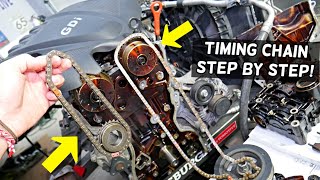
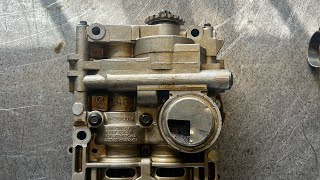
![How to Fix P0017 Engine Code in 6 Minutes [4 DIY Methods / Only $6.81]](https://img.youtube.com/vi/Vcj-f_J2hyo/mqdefault.jpg)

We Have This Part in Stock

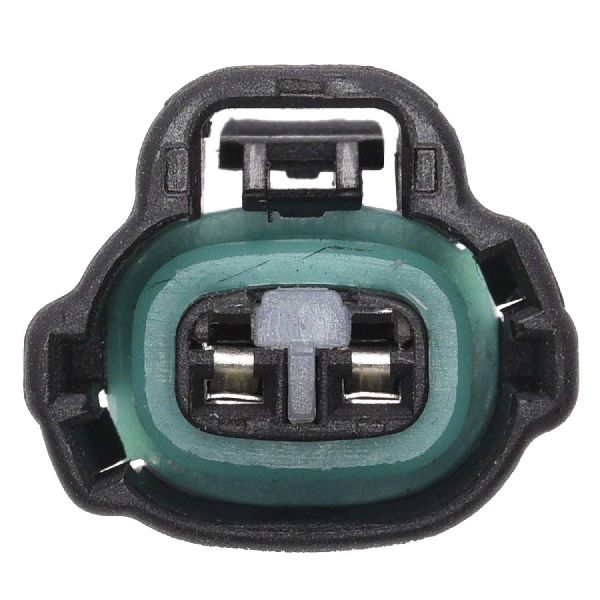
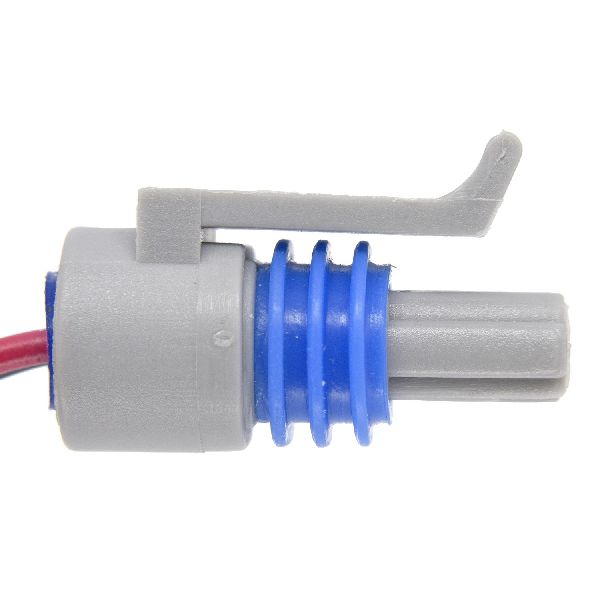

The information in this article is provided for general reference and educational purposes only. Vehicle specifications, procedures, and part compatibility can vary by production date, trim level, and region. Always consult your vehicle's factory service manual and verify part numbers before purchasing or performing repairs. Safety-critical components such as airbags, seat belts, and braking systems should be installed by a qualified professional.
- Hyundai Multiple:
- 🎬 Helpful Videos
- 🛍️ Shop This Part
- What's Unique About the 2011-2019 Hyundai Multiple
- Symptoms You May Notice
- Most Likely Causes
- Rare But Worth Checking
- Diagnosis Steps
- Parts You'll Likely Need
- Related Codes That Often Appear With This One
- Technical Service Bulletins (TSBs) & Recalls
- Platform-Specific Known Issues
- Mechanic-Grade Diagnostic Values
- Scan Tool Commands That Help
- Wiring & Ground Locations
- Real Owner Repair Stories
- When the Usual Fixes Don't Work
- OEM Part Supersession History
- Model Year Variations Within This Range
- Documented NHTSA Reports
- Diagnostic Flowchart
- Used vs. New Parts: Buying Guide for This Vehicle
- Real Owner Stories
- Hyundai Elantra 2.0L Nu
- Kia (model with 2.0L Nu or 2.4L Theta II engine)
- Hyundai/Kia (model with 2.0L Nu or 2.4L Theta II engine)
- Hyundai Elantra 2.0L Nu
- Related OBD-II Codes
- Frequently Asked Questions
- 🎟️ Get 5% Off