

P0017 on 2011-2023 Dodge Charger 3.6L: Crank-Cam Correlation Causes and Fixes
On a 3.6L Pentastar, P0017 is often caused by low/dirty oil, a failing VVT solenoid, or a stretched timing chain. Start by checking your oil. Replacing a VVT solenoid is around $50-$100 for the part and is a common DIY fix. A timing chain replacement is a major repair costing over $1,500.
- P0017 on your Charger points to a timing mismatch on the passenger-side exhaust camshaft.
- Always check your engine oil level and condition first; low or dirty oil is a primary cause.
- A faulty VVT solenoid is a common and relatively inexpensive fix to try before suspecting a major mechanical failure.
- If you hear a rattling noise from the engine, a stretched timing chain is a high probability, which is a significant and costly repair.
- Do not ignore this code. Driving with a P0017 can lead to stalling, poor performance, and potentially severe engine damage.
What's Unique About the 2011-2023 Dodge Charger
The 3.6L Pentastar V6 is a modern dual overhead cam (DOHC) engine that relies heavily on clean, correct-viscosity engine oil to operate its Variable Valve Timing (VVT) system. Unlike simpler engines, issues like a slightly stretched timing chain, a clogged oil passage, or a lazy VVT solenoid can easily trigger this code. A widely-reported issue on this specific engine family involves oil gallery plugs located under the valve covers that can loosen, causing a drop in oil pressure to the top end and triggering cam/crank correlation codes like P0017. This pressure loss can starve the cam phasers of oil, preventing them from adjusting timing correctly. Therefore, oil pressure and flow are especially critical on this platform.
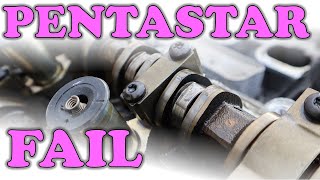
Generation note: The 2011-2023 Dodge Charger is all part of the LD generation. The 3.6L Pentastar V6 has been a consistent engine option throughout this period. While there have been minor updates to the engine over the years, the causes and fixes for code P0017 are generally consistent. However, early models (2011-2013) were susceptible to a left cylinder head defect (TSB 09-002-14 REV. B) which, while primarily causing misfire codes, highlights the mechanical sensitivities of early Pentastars. 🎬 Watch: Why Pentastar engines fail and common issues to avoid. Later models are more known for rocker arm bearing failures which can also lead to timing-related codes.
Symptoms You May Notice
- Check Engine Light is on
- Rough or unstable idle
- Engine stalling, especially when coming to a stop
- Reduced engine power and poor acceleration
- Difficulty starting the engine, extended cranking time
- Rattling or ticking noise from the front of the engine, especially on startup
- Increased fuel consumption
- Replacing the camshaft or crankshaft position sensor first. While these sensors can fail, the P0017 code is more often caused by a mechanical or hydraulic issue (oil, timing chain, VVT solenoid) rather than a sensor failure.
Most Likely Causes

- Low, Old, or Incorrect Viscosity Engine Oil 🔴 High Probability The Pentastar's VVT system uses hydraulic pressure from engine oil to adjust cam timing. If the oil is low, dirty, or the wrong type (e.g., thicker than the specified 5W-20), the VVT phasers and solenoids cannot function correctly. Using non-OEM spec oil filters is also known to cause oil pressure issues.
How to confirm: Check the oil dipstick for level and inspect the oil's color and consistency. If it's low or looks like dark sludge, this is your first step. An oil change is the cheapest and easiest first step.
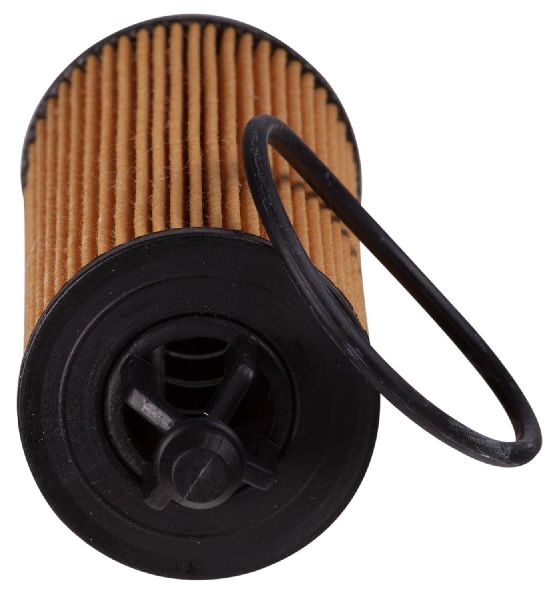
Typical fix: Perform an oil and filter change using the manufacturer-specified full synthetic oil (e.g., 5W-20) and a quality OEM-style cartridge filter like Mopar MO-349.
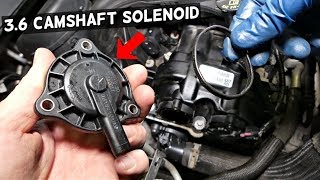
Est. part cost: $40-$80 - Failed VVT Solenoid (Oil Control Valve) 🟡 Medium Probability The VVT solenoid is an electronic part that can get clogged with oil sludge or fail electrically. It's a common failure point in VVT systems and a frequent cause of P0017.
How to confirm: You can test the solenoid's resistance with a multimeter or apply 12V to see if it actuates. A simpler method is to swap the Bank 1 exhaust solenoid with another one (e.g., the intake solenoid on the same bank). Clear the codes and drive. If the code changes to P0016 (Intake Cam Correlation), the solenoid is confirmed faulty.
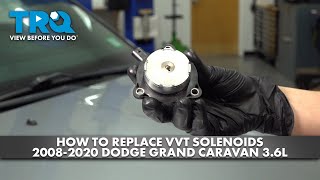
Typical fix: Replace the VVT solenoid for Bank 1 Exhaust. It is located on the front of the passenger-side cylinder head. 🎬 Watch: Step-by-step VVT solenoid and phaser replacement guide.
Est. part cost: $40-$100 - Stretched Timing Chain 🟡 Medium Probability Timing chains can stretch over time from normal wear, especially with extended oil change intervals. A stretched chain creates slack, altering the mechanical timing between the crank and cams enough to set a correlation code.
How to confirm: This requires significant disassembly to physically inspect the chain, tensioners, and guides. A mechanic may use a lab scope to compare the crankshaft and camshaft sensor signals against a known-good waveform. A stretched chain will show the cam signal retarded (shifted to the right) relative to the crank signal.
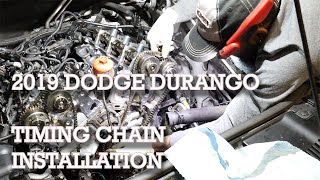
Typical fix: Replace the timing chains, tensioners, and guides. This is a labor-intensive job. 🎬 See a complete timing chain replacement walkthrough on this engine.
Est. part cost: $300-$600 - Failed Camshaft Phaser ⚪ Low Probability The phaser is the mechanical gear on the end of the camshaft that actually rotates to change timing. It can fail mechanically, get clogged with debris, or its internal locking pin can fail.
How to confirm: Diagnosis is difficult without ruling out the solenoid and oil issues first. A professional will use a scan tool to command phaser movement and watch the response. Physical inspection during a timing chain job is definitive.
Typical fix: Replace the Bank 1 exhaust camshaft phaser. This is typically done during a timing chain replacement.
Est. part cost: $100-$250
Rare But Worth Checking
- Loose Oil Gallery Plugs: A known issue on the 3.6L Pentastar engine is that oil gallery plugs under the valve covers can back out, causing a significant oil pressure drop to the VVT system and cam phasers. If you have the valve cover off for other service (like a rocker arm inspection), it is wise to inspect these plugs and torque them to specification.
- Failed Rocker Arms: The 3.6L Pentastar is notorious for rocker arm bearing failure, which creates a distinct 'ticking' sound. While this typically leads to misfire codes, severe valvetrain slack or damage to the camshaft lobe can sometimes contribute to timing correlation codes like P0017, especially after a repair attempt.
- Failed Camshaft Position Sensor: While possible, it's less common for the sensor itself to cause a correlation code without also setting a sensor circuit code (like P0349). The Pentastar uses a single dual-read sensor for each bank, so a failure might affect both intake and exhaust cam signals. Using non-OEM sensors is a common cause of repeat failures.
- Failed Crankshaft Position Sensor: A failing crankshaft sensor can cause a variety of timing-related codes and running issues. It's a less likely cause for a single-bank camshaft correlation code but should be considered if other symptoms are present or if multiple bank timing codes appear.
- Damaged Camshaft Reluctor Wheel/Tone Ring: The tone ring on the end of the camshaft, which the sensor reads, can be damaged or slip, causing incorrect readings. This is rare but can happen, especially if the camshaft has been mishandled during service.
Diagnosis Steps

- Check Engine Oil: Verify the oil level is full and the oil is clean and of the correct viscosity (typically 5W-20). Ensure a quality, OEM-style oil filter is installed. If in doubt, perform an oil and filter change. Clear the code and see if it returns.
- Scan for Other Codes: Check for any other pending or active codes that could provide more clues (e.g., P0016, P06DD, P03xx misfire codes). The presence of P06DD strongly suggests an oil pressure problem is the root cause.
- Inspect Wiring: Visually inspect the wiring and connector for the Bank 1 (passenger side) camshaft position sensor and VVT solenoid for any signs of damage, corrosion, or oil contamination.
- Test the VVT Solenoid: Swap the Bank 1 exhaust VVT solenoid with the Bank 1 intake solenoid. Clear the codes and drive the vehicle. If the code changes to P0016, the solenoid is faulty and needs to be replaced. This is a very effective and common diagnostic step.
- Check Oil Pressure: If P06DD is present or an oiling issue is suspected, test the engine oil pressure with a mechanical gauge to verify it meets specifications. Low pressure points to a failing oil pump, clogged passages, or internal leaks (like the gallery plugs).
- Advanced Diagnostics (Mechanical): If the above steps do not resolve the issue, the problem is likely mechanical. A professional technician will need to use a scan tool to monitor cam/crank data in real-time. The next step is removing the passenger-side valve cover to inspect for failed rocker arms and loose oil gallery plugs before committing to a full timing chain job.
- Inspect Timing Components: This is the most involved step. Remove the engine front cover
Parts You'll Likely Need

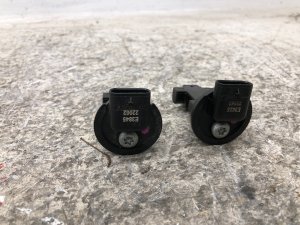
- VVT Solenoid / Oil Control Valve (Bank 1 Exhaust)
(OEM #5184101AG, 5184101AF)— This solenoid is a frequent failure point, getting stuck or clogged, and is a relatively easy and inexpensive part to replace as a first step.
Trusted brands: Mopar, Dorman, Standard Motor Products (SMP) #VVT284, Santech #VT0017 - Engine Oil Filter
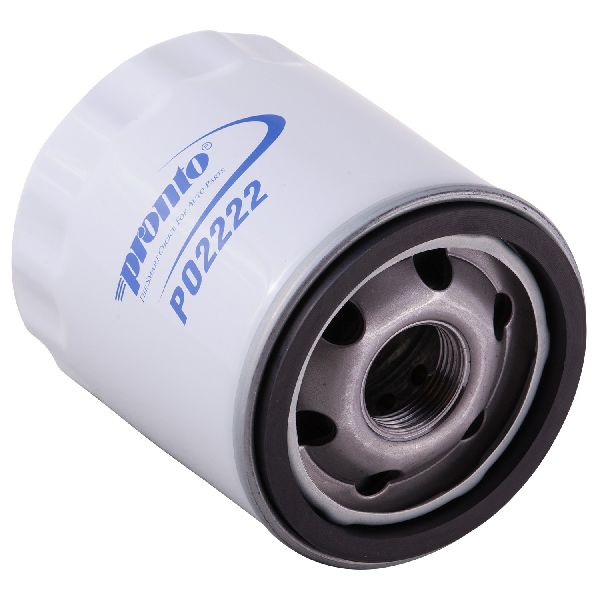
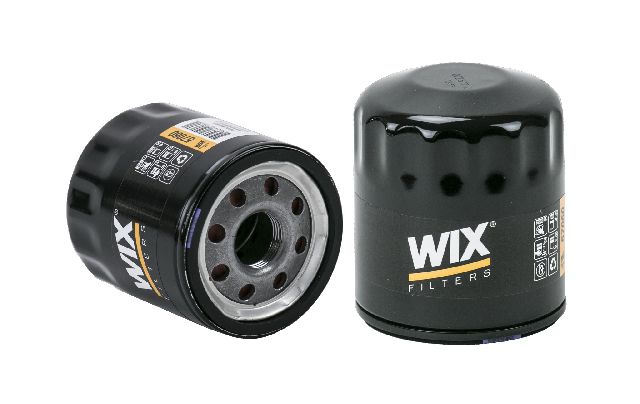
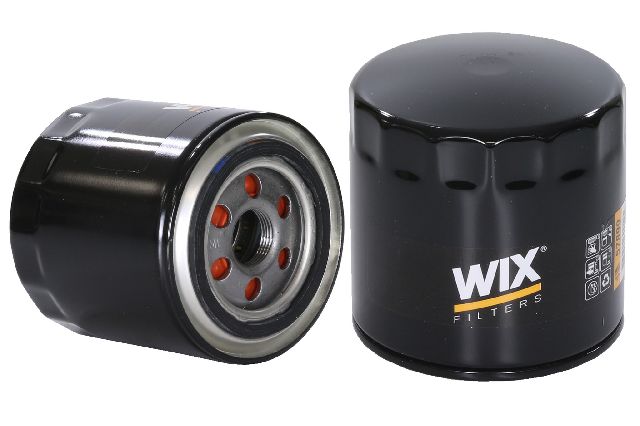
(OEM #Mopar MO-349)— Using a non-compliant or collapsed aftermarket oil filter is a known cause of oil pressure issues and VVT-related codes on the 3.6L Pentastar.
Trusted brands: Mopar - Timing Chain Kit — If the timing chain has stretched, a complete kit including chains, guides, and tensioners is required for a proper repair.
Trusted brands: Mopar, Cloyes, Melling - Camshaft Position Sensor
(OEM #5149141AF)— Though less common to be the cause of a correlation code, the sensor can fail. Using an OEM part is highly recommended to avoid compatibility issues.
Trusted brands: Mopar, NTK, Delphi
Related Codes That Often Appear With This One
- P0016 — P0016 is the same correlation error but for the Bank 1 Intake camshaft. Seeing P0016 and P0017 together strongly suggests a base timing issue on Bank 1, like a stretched timing chain, a failed phaser on that bank, or a significant oil pressure problem affecting the entire bank (like a loose oil gallery plug).
- P0018 / P0019 — These are the equivalent correlation codes for Bank 2 (driver's side). Seeing codes for both banks simultaneously points towards a problem affecting the entire engine, such as a primary timing chain issue, severe oil pressure loss from the oil pump, or a failing crankshaft sensor.
- P06DD — This code indicates 'Engine Oil Pressure Control Circuit Stuck Off'. It is a very common companion code on the 3.6L Pentastar and strongly points to an oil delivery problem (like a failing dual-stage oil pump or clogged passages) as the root cause of the VVT/timing codes.
Technical Service Bulletins (TSBs) & Recalls
- TSB 09-002-14 REV. B: Pertains to 2011-2013 3.6L engines for a defective left cylinder head causing misfires (P0300, P0302, P0304, P0306). While not directly for P0017, it's a critical TSB for early Pentastars and shows the engine's mechanical sensitivity. Diagnosis involves a cylinder leak-down test.
- TSB Bulletin #09-009-16: Notes that the engine may run rough and a technician may find Diagnostic Trouble Code P0017 (Crankshaft/Camshaft Timing Misalignment - Bank 1 Sensor 2) set in the PCM, often appearing alongside P0019 and P000A.
Mechanic-Grade Diagnostic Values
- VVT Solenoid (Oil Control Valve) Resistance — expected: 7.0 to 8.0 Ohms at 68°F (20°C). Failure: A reading of infinity (OL) indicates an open circuit. A reading near 0 Ohms indicates a short circuit. Readings outside the expected range indicate a faulty solenoid.
- Engine Oil Pressure (Hot Idle) — expected: Approximately 25-35 PSI. Failure: Consistently lower pressure, especially if accompanied by code P06DD, points to a failing oil pump, clogged pickup tube, or internal leaks.
- Engine Oil Pressure (Cold Start or >3000 RPM) — expected: 60-99 PSI. Failure: The dual-stage oil pump should switch to high pressure mode when cold or under high RPM/load. Failure to produce high pressure can indicate a faulty pump or control solenoid.
- Camshaft Position Sensor Signal Voltage — expected: The sensor receives a 5V reference. The signal wire should switch between 5V and 0V as the magnetic reluctor wheel on the camshaft rotates past it.. Failure: A constant 0V or 5V, or no signal, indicates a failed sensor or a wiring issue.
Hidden / Shadow Codes Worth Checking
- Cam/Crank Position Difference (PID): This is not a trouble code, but a live data Parameter ID (PID) viewable on a professional scan tool. It shows the difference in degrees between the desired camshaft position and the actual measured position. The P0017 code is typically set when this value exceeds a threshold, often around 10-11 degrees. (see via Professional scan tool with live data capability (e.g., wiTECH) monitoring engine PIDs.)
Scan Tool Commands That Help
- wiTECH or equivalent professional scan tool: VVT Solenoid Actuation Test — This bidirectional command allows the technician to manually command the VVT solenoid on and off to verify its mechanical operation and its effect on engine timing, helping to isolate a sticky or failed solenoid from a wiring or PCM issue.
- wiTECH or equivalent professional scan tool: Monitor Cam/Crank Actual vs. Desired PIDs — This is the primary data-driven diagnostic step. Observing the actual and desired cam angle PIDs while running the engine reveals if the phaser is responding to commands, if it's over-retarded (stretched chain), or stuck. A large, steady deviation often confirms a mechanical timing issue.
Wiring & Ground Locations
- G101 — Right front of the engine compartment.. This is a primary engine bay ground point. A poor connection here can introduce electrical noise or incorrect voltages to sensor circuits, including the camshaft and crankshaft position sensors, potentially causing false correlation codes.
- G901a — Left front of the engine compartment.. Similar to G101, this is another critical engine bay ground. Ensuring it is clean and tight is a crucial step in diagnosing any electronic engine control issue.
- Engine Block to Chassis/K-Member Ground Strap — Varies slightly by year, but typically runs from the lower engine block or a motor mount bracket to the vehicle's subframe (K-member) or chassis.. This is the main ground path for the entire engine block. The alternator, starter, and many sensors rely on the block itself for a ground reference. A corroded or loose strap can cause a myriad of bizarre electrical issues, including erratic sensor readings that could trigger a P0017.
- Bank 1 Camshaft Position Sensor Connector — On the top of the passenger-side valve cover, towards the rear (transmission side) of the engine.. This is the direct connection point for the sensor providing the signal in question. The connector and its wiring are susceptible to oil contamination, heat damage, and vibration, making it a primary inspection point for circuit-related issues.
"I Checked Everything" — The Actual Cause
- A common scenario for P0017 is when all external electrical tests on the cam/crank sensors and VVT solenoids pass, yet the code persists. The 'hidden' cause is often an internal oil pressure issue. Before tearing down the timing cover, a technician should remove the valve cover to inspect for loose oil gallery plugs, which are a known issue on the 3.6L Pentastar. These plugs backing out will cause a localized drop in oil pressure to the cam phasers on that bank, preventing them from operating correctly and triggering the correlation code, even though the oil pump and main pressure may be fine.
OEM Part Supersession History
5184101AG→5184101AH— Standard part revision, likely for improved reliability or manufacturing process.
Model Year Variations Within This Range
- 2011-2015: These models feature the first-generation 3.6L Pentastar with a 10.2:1 compression ratio and a standard Variable Valve Timing (VVT) system. Diagnostics are focused on oil pressure, VVT solenoids, phasers, and timing chain wear.
- 2016-2023: These models use the 'Pentastar Upgrade' engine. Key differences include a higher 11.3:1 compression ratio, the addition of a two-stage Variable Valve Lift (VVL) system alongside VVT, and cooled EGR. This adds complexity, with more solenoids and control logic involved in the valvetrain. While the root causes of P0017 are similar, the diagnostic process may involve additional steps to rule out issues with the VVL system.
Diagnostic Flowchart

Real Owner Stories
Aggregated from forums and TSBs cited above. Mileages and costs reflect what owners reported in those sources.
Jeep Wrangler JL 3.6L Pentastar V6
Symptoms: Ticking noise from the engine.
What fixed it: Diagnosed as a failed rocker arm and damaged camshaft, requiring replacement of the affected valvetrain components.
Source hint: JL Wrangler Forums (jlwranglerforums.com) - Thread 'Failed Rocker Arm & Camshaft Replacement'
2015 Chrysler 300 3.6L Pentastar V6
Symptoms: Code P0017 appeared immediately after a major timing and rocker arm job.
What fixed it: Traced to incorrect timing assembly during the previous major repair.
Source hint: Reddit (r/AskMechanics) - Thread 'Code p0017 after rocker arm replacement and oil change'
Jeep Wrangler JL/JLU 3.6L Pentastar V6
Symptoms: Misfiring, rough idle, stalling, and multiple codes including P0017, P0019, P000C, and P000A.
What fixed it: Replaced a failed check valve in the oil filter housing that was causing the cam phaser to malfunction.
Source hint: Jeep Wrangler Forums (JL / JLU) - Thread 'P0017 P0019 P000C P000A - Misfiring / Rough Idle / Stalling'
Related OBD-II Codes
Frequently Asked Questions
Does TSB 09-002-14 REV. B apply to my P0017 code on my 2011-2013 Charger?
What type of oil and filter should I use to prevent P0017 on my 3.6L Pentastar?
I have a P0017 and a P06DD code on my Charger. What does this mean?
How can I easily test if the VVT solenoid is causing the P0017 code?
Can a failed rocker arm cause a P0017 on the 3.6L Pentastar?
My Charger has a ticking noise on startup and a P0017 code. What is the likely cause?
Helpful Videos


Used OEM Parts in Stock



New Aftermarket Parts Available


The information in this article is provided for general reference and educational purposes only. Vehicle specifications, procedures, and part compatibility can vary by production date, trim level, and region. Always consult your vehicle's factory service manual and verify part numbers before purchasing or performing repairs. Safety-critical components such as airbags, seat belts, and braking systems should be installed by a qualified professional.
- Dodge Charger:
- 🎬 Helpful Videos
- 🛍️ Shop This Part
- What's Unique About the 2011-2023 Dodge Charger
- Symptoms You May Notice
- Most Likely Causes
- Rare But Worth Checking
- Diagnosis Steps
- Parts You'll Likely Need
- Related Codes That Often Appear With This One
- Technical Service Bulletins (TSBs) & Recalls
- Mechanic-Grade Diagnostic Values
- Hidden / Shadow Codes Worth Checking
- Scan Tool Commands That Help
- Wiring & Ground Locations
- "I Checked Everything" — The Actual Cause
- OEM Part Supersession History
- Model Year Variations Within This Range
- Diagnostic Flowchart
- Real Owner Stories
- Jeep Wrangler JL 3.6L Pentastar V6
- 2015 Chrysler 300 3.6L Pentastar V6
- Jeep Wrangler JL/JLU 3.6L Pentastar V6
- Related OBD-II Codes
- Frequently Asked Questions
- 🎟️ Get 5% Off