

P0017 on 2012-2017 Buick Verano 2.4L: Exhaust Cam Correlation Causes and Fixes
P0017 on a 2.4L Verano most often means the timing chain has stretched, a serious issue common to this engine, often accelerated by oil consumption. Before assuming the worst, check your oil level and consider replacing the much cheaper exhaust VVT solenoid, as this is another frequent cause. If the code persists after a timing chain replacement, a rare but known cause is a spun camshaft reluctor ring.
- P0017 on this car is a serious code. Do not drive the vehicle, as a timing chain failure can destroy the engine.
- ALWAYS check the engine oil level and condition before buying any parts. An oil change may be a simple fix or reveal a severe oil consumption problem.
- The most likely cause is a stretched timing chain, an expensive repair. A faulty exhaust VVT solenoid is a less likely but much cheaper and easier potential fix to investigate first.
- If you hear a rattling noise from the engine on startup, it is almost certainly the timing chain.
- If codes P0016 and P0017 appear together, the probability of a stretched timing chain is extremely high.
What's Unique About the 2012-2017 Buick Verano
The 2.4L Ecotec engine used in the Buick Verano and its platform mates (like the Chevy Equinox and GMC Terrain) has a well-documented history of premature timing chain stretching, which is the most common cause for P0017. This problem is often made worse by another known issue with this engine: excessive oil consumption due to piston ring design flaws, as detailed in GM TSB #13-06-01-003J. Low oil levels or dirty oil starves the timing chain tensioner and VVT system of the hydraulic pressure needed to operate correctly, accelerating wear and leading to this correlation fault.
Symptoms You May Notice
- Check Engine Light is on
- Engine running rough or idling poorly
- Rattling or buzzing noise from the passenger side of the engine, especially on a cold start
- Reduced engine power or hesitation
- Engine stalling unexpectedly
- Difficulty starting the engine, or engine cranks but won't start
- Poor fuel economy
- Engine knocking sounds
- Replacing the camshaft position sensor or crankshaft position sensor without first checking the oil level/condition or inspecting the timing components. The sensors are often just reporting the problem, not the cause of it.
- Replacing only the VVT solenoids when the root cause is a stretched timing chain. While a cheap first step, if chain rattle is present, this will not fix the issue.
- Assuming the timing is correct after a chain replacement when P0017 returns. The actual cause could be a spun reluctor ring on the camshaft, which requires further diagnosis beyond checking chain alignment.
Most Likely Causes
- Stretched Timing Chain and/or Failed Tensioner/Guides 🔴 High Probability The 2.4L Ecotec engine family is known for premature timing chain wear. The issue is often exacerbated by excessive oil consumption, which reduces the hydraulic pressure on the chain tensioner. The plastic guides can also become brittle, break, and fall into the oil pan, potentially clogging the oil pickup tube.
How to confirm: A persistent rattling noise from the side of the engine on startup is a strong indicator. The definitive test is to use an oscilloscope to compare camshaft and crankshaft sensor signals to find a timing discrepancy. Physical inspection for chain slack, which requires removing the valve cover and/or timing cover, is the final confirmation.
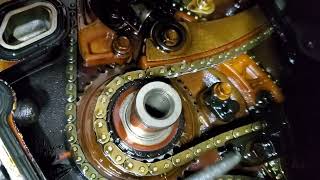
Typical fix: Replace the timing chain, guides, and tensioner as a complete kit. It is also recommended to replace the balance shaft chain and guides at the same time. Many mechanics also replace the water pump during this service. 🎬 Watch: Full timing chain and water pump replacement walkthrough
Est. part cost: $150-$400 - Low or Dirty Engine Oil 🔴 High Probability This engine is subject to GM Technical Service Bulletin #13-06-01-003J for excessive oil consumption, making it likely to run low on oil between changes. The VVT system is entirely dependent on clean oil at the correct pressure to function; sludge can clog passages in the solenoids and phasers.
How to confirm: Physically check the oil level on the dipstick and inspect its condition. If the level is low or the oil is very dark and sludgy, this is a likely contributor. Note that due to the dipstick design, no oil may appear if the level is 1.25 quarts low or more.
Typical fix: Perform an oil and filter change using a full synthetic oil that meets GM's dexos1 specification. An engine flush may be beneficial if sludge is suspected. Clear the codes and see if they return. The long-term fix for the oil consumption itself requires piston and ring replacement.
Est. part cost: $40-$80 - Faulty Exhaust Camshaft Position Actuator Solenoid (VVT Solenoid) 🟡 Medium Probability Oil sludge and debris from failing timing chain guides can clog the fine mesh screens on the solenoid, causing it to stick or respond slowly. It can also fail electrically. Using non-OEM solenoids is known to cause repeat failures.
How to confirm: Swap the exhaust solenoid (rear, often with a black connector) with the intake solenoid (front, often gray). If the code changes to P0016 (intake correlation), the solenoid is bad. You can also test its resistance with a multimeter; it should be between 8 and 12 ohms.
Typical fix: Replace the exhaust VVT solenoid. It is located on top of the valve cover and held by a single 10mm bolt, making it an easy DIY job. It is highly recommended to use an ACDelco/GM Genuine part.
Est. part cost: $30-$80
Rare But Worth Checking
- Spun Camshaft Reluctor Ring: GM issued TSB PIP4548F for this issue. The reluctor ring (or tone ring) that the camshaft sensor reads is press-fit and can spin on the camshaft, often due to an overheat condition. This causes a timing correlation fault even with a new, perfectly aligned timing chain. The fix requires replacing the entire exhaust camshaft as the ring cannot be repositioned.
- Faulty Camshaft or Crankshaft Position Sensor: While these sensors can fail, they are often replaced unnecessarily when the actual problem is mechanical (timing chain) or hydraulic (oil pressure). Owners report that this platform is sensitive to aftermarket sensors, and only OEM/ACDelco parts should be used if a sensor is confirmed bad. If other causes are ruled out, testing the sensor's signal with an oscilloscope is the proper diagnostic step.
Diagnosis Steps
- Check Engine Oil Level and Condition: This is the most critical first step. If the oil is low, top it off, clear the codes, and re-test. If the oil is old or dirty, perform an oil and filter change. This engine is known to consume oil, so don't skip this step.
- Listen for Engine Noises: Start the engine when it's cold. A distinct rattling or chain-slap noise from the passenger side of the engine for a few seconds strongly suggests a loose timing chain or bad tensioner.
- Scan for Other Codes: Check if other codes like P0016, P0014, or fuel pressure codes (P0089/P228D) are present, 🎬 Watch: Diagnosing multiple codes and StabiliTrak warnings on Ecotec engines as they can help pinpoint the root cause.
- Test the VVT Solenoids: The easiest way to test is to swap the intake and exhaust VVT solenoids. They are easily accessible on top of the engine. Clear the codes and run the engine. If the code changes to P0016, you have a bad solenoid. Inspect the solenoid screens for metal debris, which indicates timing guide failure.
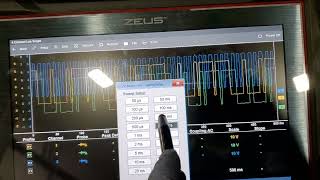
- Advanced Diagnostics (Oscilloscope): If the above steps don't resolve the issue, professional diagnosis is needed. This involves using an oscilloscope to compare the live signal patterns from the crankshaft and camshaft position sensors to look for a timing discrepancy. This is the definitive way to confirm a stretched chain without engine disassembly.
- Physical Inspection: If scope patterns confirm a timing issue, or if a scope is unavailable, the next step is to remove the valve cover and/or timing cover to physically inspect the timing chain, guides, and tensioner for wear and slack.
- Inspect Camshaft Reluctor Ring: If P0017 persists after a timing chain replacement, inspect the exhaust camshaft reluctor ring for any signs that it has spun on the camshaft, per TSB PIP4548F. 🎬 See how a spun reluctor ring causes persistent timing codes
Parts You'll Likely Need
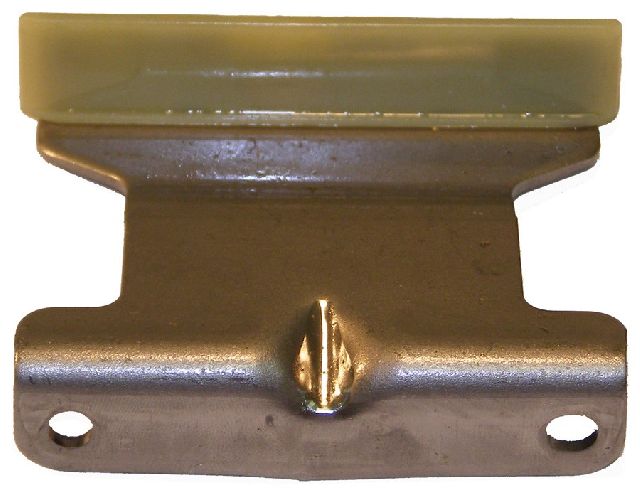
- Timing Chain Kit — This is the most probable root cause of P0017 on the 2.4L Ecotec. A complete kit ensures all worn components (chain, guides, tensioner, sprockets) are replaced.
Trusted brands: ACDelco, Cloyes
OEM price range: $250-$400
Aftermarket price range: $150-$250 - Exhaust Camshaft Position Actuator Solenoid
(OEM #12655421 (may be superseded by 12679100))— A common failure item due to oil sludge or electrical faults. It's an inexpensive and easy part to replace as a primary diagnostic step. Strongly recommend OEM part.
Trusted brands: ACDelco, Delphi
OEM price range: $45-$90
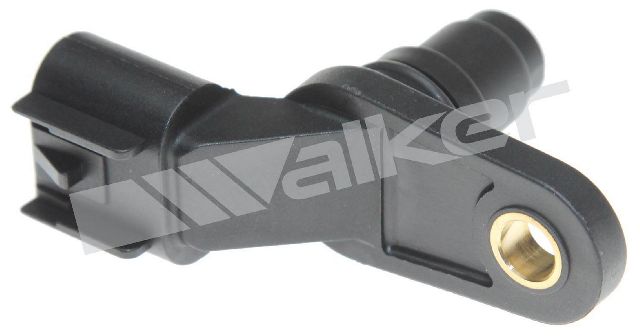
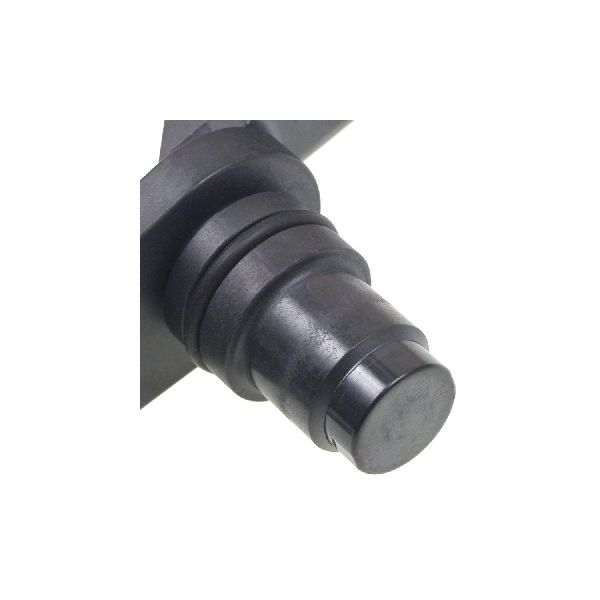
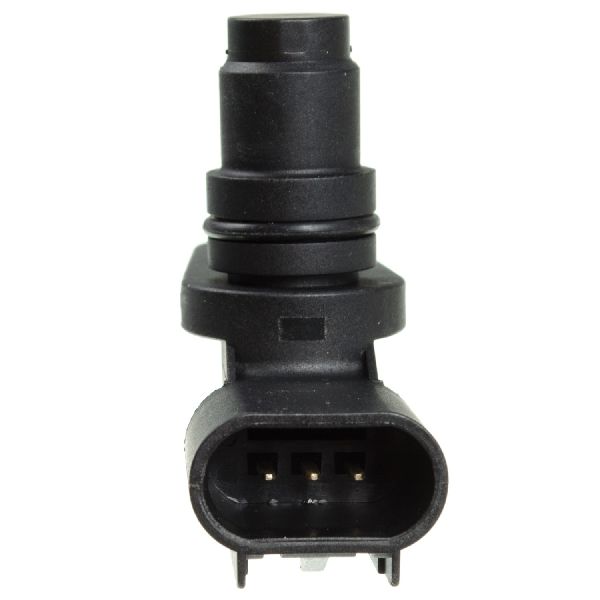
Aftermarket price range: $28-$60 - Camshaft Position Sensor
(OEM #12674704)— Replaced if confirmed faulty through testing, but it is not a common cause of this code compared to mechanical or hydraulic issues.
Trusted brands: ACDelco
OEM price range: $25-$50
Aftermarket price range: $15-$35
Related Codes That Often Appear With This One
- P0016 — This is the correlation code for the intake camshaft. Seeing P0016 and P0017 together strongly indicates a base timing issue, like a stretched timing chain affecting both cams.
- P0014 — This code means 'Exhaust Camshaft Position Timing - Over-Advanced'. It often points to a problem with the exhaust VVT solenoid or the camshaft phaser, which can cause the P0017 correlation fault.
- P0089/P228D — These are fuel pressure regulator performance codes. On the 2.4L engine, the high-pressure fuel pump is driven by a lobe on the intake camshaft. If the cam timing is off due to a stretched chain, it can directly affect fuel pump operation and trigger fuel pressure codes.
Technical Service Bulletins (TSBs) & Recalls
- PIP4548F: Addresses DTCs P0016 and/or P0017 that set on a properly timed engine. Instructs technicians to inspect the camshaft reluctor ring to see if it has spun on the camshaft. If it has, the entire camshaft must be replaced.
- 13-06-01-003J: Details the procedure for an oil consumption test and the eventual fix of replacing pistons and piston rings on engines that consume more than 1 quart of oil every 2,000 miles.
- 14159D / 15285C: Special Coverage Adjustments related to the 2.4L Ecotec's excessive oil consumption, extending warranty coverage for piston and ring replacement for certain model years of platform mates like the GMC Terrain and Chevy Equinox.
Platform-Specific Known Issues
- This engine is known for excessive oil consumption due to piston ring issues, as noted in GM TSB #13-06-01-003J. This directly contributes to the failure of timing components and VVT solenoids by causing low oil pressure and sludge buildup. The rate can be as high as 1 quart per 2,000 miles or less.
- The plastic timing chain guides are a known weak point. They can become brittle from heat cycles and lack of lubrication (due to oil consumption), breaking apart and causing chain slack.
- The camshaft reluctor ring is not keyed to the shaft and is only press-fit. An engine overheat can cause this ring to spin, leading to a persistent P0017 code even after a timing chain service, as documented in TSB PIP4548F.
Mechanic-Grade Diagnostic Values
- Exhaust VVT Solenoid Resistance — expected: 8 to 12 Ohms. Failure: A reading of 'OL' (open), near zero (short), or a wildly fluctuating/unstable reading indicates a faulty solenoid.
- Camshaft Position Sensor Connector Voltage (Key On, Engine Off) — expected: Power Wire: ~5V; Signal Wire: ~5V; Ground Wire: ~12.6V (when measured against the positive battery terminal).. Failure: Any reading outside of these ranges points to a wiring or ECM issue, not a sensor failure.
- Camshaft Position Sensor Dynamic Signal — expected: Using a multimeter on the signal wire, the voltage should switch crisply between ~5V and 0V as a ferrous metal object is passed in front of the sensor tip.. Failure: If the voltage does not change or is stuck at 0V or 5V, the sensor is bad.
- ECM DTC Set Condition (from Scan Tool Data) — expected: The code sets when the ECM sees the exhaust valve closing timing is faster than -15 degrees or slower than +15 degrees After Top Dead Center (ATDC) for 10 seconds, while engine speed is between 594-1500 RPM.. Failure: This data confirms the ECM is correctly identifying a mechanical timing deviation.
Scan Tool Commands That Help
- GDS2 / Professional Bidirectional Scanner: Camshaft Position Actuator Solenoid Control — With the engine at idle, a technician can command the exhaust VVT solenoid on and off. A functional solenoid and phaser will cause a noticeable change in engine RPM, or may cause the engine to stumble or stall, confirming the hydraulic/mechanical parts are responding to commands.
Wiring & Ground Locations
- VVT Solenoid Connectors — On top of the valve cover.. For diagnostic swapping, it's critical to know that the exhaust VVT solenoid (related to P0017) has a black electrical connector and is located at the rear of the engine, near the firewall. The intake solenoid has a gray connector and is at the front.
Real Owner Repair Stories
- YouTube user/mechanic, 'GM 2.4L P0017 strange fix' (GM vehicle with 2.4L Ecotec, 160,000 miles) — Poor running, audible timing chain noise, P0017 code.
❌ Tried (didn't work) Replaced entire timing set (chains, guides, sprockets, tensioners)., Replaced VVT solenoids., Replaced exhaust camshaft position sensor., Verified all wiring using AllData., Disassembled and re-verified timing marks three separate times.
✅ What actually fixed it Discovered the reluctor ring (tone wheel) had spun on the original exhaust camshaft. Replacing the exhaust camshaft was the ultimate fix. - Chevy Equinox Forum user (2015 Chevrolet Equinox 2.4L, 140,000 miles) — P0017 code persisted after major timing work.
❌ Tried (didn't work) Swapping camshaft position sensors., Swapping VVT solenoids., Swapping camshaft phasers (actuators).
✅ What actually fixed it The reluctor ring on the exhaust camshaft had spun. The user posted a picture comparing the old cam to the new one, showing the misalignment. Replacing the exhaust camshaft resolved the code. - Go-Parts article compilation (2014 Chevy Equinox 2.4L) — P0016 and P0017 codes present.
❌ Tried (didn't work) Replacing the timing chain., Replacing the crankshaft position sensor., Replacing both VVT solenoids.
✅ What actually fixed it The final fix was to remove and meticulously reset the timing for BOTH the primary timing chain and the balance shaft chain. This implies a subtle error during the initial timing job, where incorrect balance shaft timing affected the perceived crankshaft position.
"I Checked Everything" — The Actual Cause
- The equivalent for this code is 'Timing marks align perfectly, but the code remains.' In this scenario, the most likely hidden cause is a spun reluctor ring on the exhaust camshaft. Mechanics confirm the timing chain is installed correctly per service manual procedures, yet the P0017 code returns immediately because the sensor is reading the out-of-position reluctor ring, not the camshaft lobe position.
OEM Part Supersession History
12655421→12679100— Standard part revision and improvement by the manufacturer.
Heads up: The new part number, 12679100, is a direct replacement for the older numbers, including 12578518, 12628348, and 12646784. No known incompatibilities.
Model Year Variations Within This Range
- 2012-2017: The 2.4L Ecotec engine used in the Verano is the LEA variant, a direct-injection, flex-fuel capable version of the Gen II Ecotec family. However, the core design and its associated problems (high oil consumption, timing chain stretch, VVT system faults) are consistent across this entire model year range and its platform mates (Equinox/Terrain) using the same engine. No significant diagnostic changes for P0017 are noted within this specific year range.
Diagnostic Flowchart
Real Owner Stories
Aggregated from forums and TSBs cited above. Mileages and costs reflect what owners reported in those sources.
Chevrolet Equinox 2.4L Ecotec
Symptoms: Experienced a recurring P0017 code even after replacing the timing chain. Noted issues with unreliable non-ACDelco sensors.
What fixed it: Used an oscilloscope to definitively check the engine timing and diagnose the issue, highlighting the need for OEM sensors.
Source hint: GMTNation forum thread titled 'P0017 on Equinox 2.4L'
2015 GMC Terrain 2.4L
Symptoms: Vehicle was consuming oil and threw multiple timing codes including P0011, P0014, P0016, and P0017.
What fixed it: Advised to check the VVT solenoid screens for metal debris, which indicates a failing timing chain that requires a complete replacement.
Source hint: Reddit r/AskMechanics thread '2015 GMC Terrain 2.4L with multiple timing codes'
GM 2.4L Ecotec
Symptoms: Had a persistent P0017 code that remained even after replacing the entire timing set.
What fixed it: Discovered the exhaust camshaft reluctor ring had spun out of alignment on the shaft (as per TSB PIP4548F). Manually rotated it back into position as a temporary fix.
Source hint: YouTube video 'GM 2.4L P0017 strange fix' by user 'IRV'
Related OBD-II Codes
Frequently Asked Questions
Does the excessive oil consumption TSB apply to my 2.4L Ecotec engine?
I replaced the timing chain on my Verano but the P0017 code came back. What else could it be?
Can I use aftermarket VVT solenoids to fix this code?
How can I easily test if the exhaust VVT solenoid is causing my P0017?
Why do I hear a rattling noise from the passenger side of my engine on cold starts?
Are there any extended warranties for the oil consumption issue causing my timing chain failure?
Helpful Videos

We Have This Part in Stock


The information in this article is provided for general reference and educational purposes only. Vehicle specifications, procedures, and part compatibility can vary by production date, trim level, and region. Always consult your vehicle's factory service manual and verify part numbers before purchasing or performing repairs. Safety-critical components such as airbags, seat belts, and braking systems should be installed by a qualified professional.
- Buick Verano:
- 🎬 Helpful Videos
- 🛍️ Shop This Part
- What's Unique About the 2012-2017 Buick Verano
- Symptoms You May Notice
- Most Likely Causes
- Rare But Worth Checking
- Diagnosis Steps
- Parts You'll Likely Need
- Related Codes That Often Appear With This One
- Technical Service Bulletins (TSBs) & Recalls
- Platform-Specific Known Issues
- Mechanic-Grade Diagnostic Values
- Scan Tool Commands That Help
- Wiring & Ground Locations
- Real Owner Repair Stories
- "I Checked Everything" — The Actual Cause
- OEM Part Supersession History
- Model Year Variations Within This Range
- Diagnostic Flowchart
- Real Owner Stories
- Chevrolet Equinox 2.4L Ecotec
- 2015 GMC Terrain 2.4L
- GM 2.4L Ecotec
- Related OBD-II Codes
- Frequently Asked Questions
- 🎟️ Get 5% Off