

P0016 on 2013-2019 Subaru Outback 2.5L: Crank/Cam Correlation Causes and Fixes
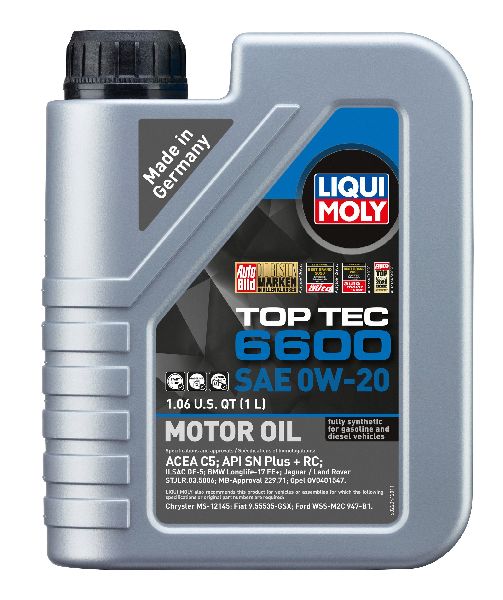
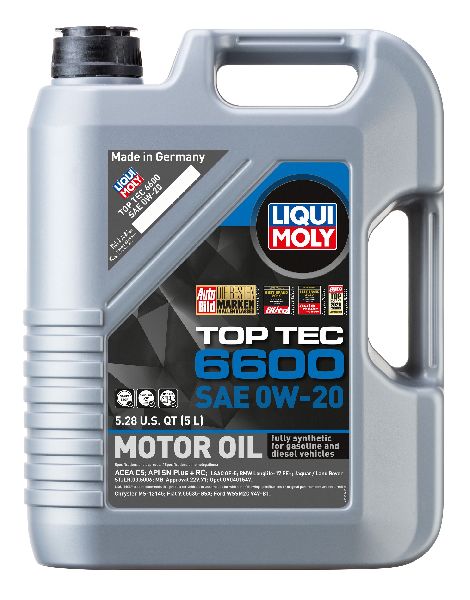
On a 2013-2019 Subaru Outback with the 2.5L engine, code P0016 is most often caused by low or dirty engine oil. Before buying parts, check your oil level and condition, ensuring you use 0W-20 synthetic. The next most likely cause is a faulty passenger-side intake Oil Control Valve (OCV). A common DIY test is to swap it with the driver's side OCV; if the code changes to P0018, the valve is bad. The OCV part costs about $70-$180 and is a straightforward replacement.
- Always check your engine oil level and condition first. Low or dirty oil is the #1 cause of P0016 on this Subaru.
- The second most likely fix is replacing the passenger-side intake Oil Control Valve (OCV), part number 10921AA231.
- Do not immediately assume you need a new timing chain. This is a less common cause and should only be addressed after ruling out oil and OCV issues.
- If you replace a part and the code comes back instantly, the ECM may need a special memory reset that can be performed by a well-equipped independent shop or a dealer.
What's Unique About the 2013-2019 Subaru Outback
The FB25B engine in this generation of Outback is known for being highly sensitive to oil level and condition. The AVCS (Subaru's term for variable valve timing) uses oil pressure to adjust cam timing, and these engines can consume oil between changes. As a result, even slightly low or degraded 0W-20 synthetic oil can starve the system and trigger a P0016 code before a more serious mechanical issue occurs. This is the most common cause across all platforms with VVT.
Generation note: This range covers the end of the fourth generation (2013-2014) and the full fifth generation (2015-2019) of the Subaru Outback. Both generations use the FB25B 2.5L engine, and the causes and diagnostic procedures for code P0016 are consistent across them. No significant differences have been noted for this specific issue.
Symptoms You May Notice
- Check Engine Light is on
- Traction control and cruise control lights may illuminate
- Rough or unstable idle
- Reduced engine power and poor acceleration
- Engine may hesitate or stall
- Decreased fuel economy
- Engine cranks but may not start in severe cases
- Engine knocking or tapping noises
- Replacing the camshaft or crankshaft position sensors. These sensors are usually accurately reporting a real mechanical or hydraulic problem, and sensor failure is not a common cause for this specific code on this platform. The code indicates a correlation *problem*, not necessarily a sensor failure.
Most Likely Causes
- Low or Dirty Engine Oil 🔴 High Probability The FB25B engine's AVCS system is hydraulically actuated and highly sensitive to oil pressure and cleanliness. These engines are also known to consume oil, making low oil levels a frequent issue that can trigger VVT-related codes.
How to confirm: Check the engine oil dipstick. The oil should be at the full mark and have a clean, amber appearance. If it is low, black, or sludgy, this is the likely cause. Ensure the correct 0W-20 viscosity is being used.
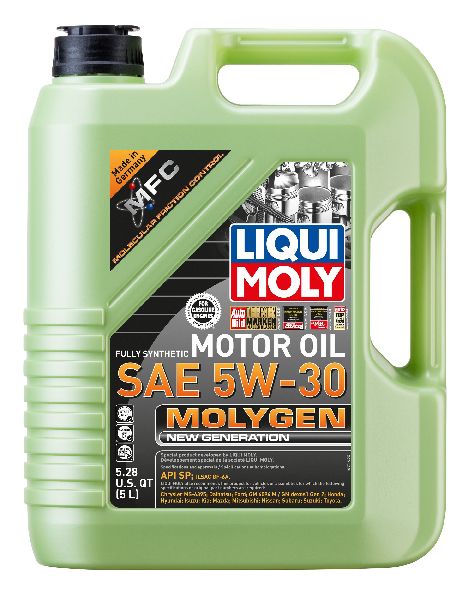
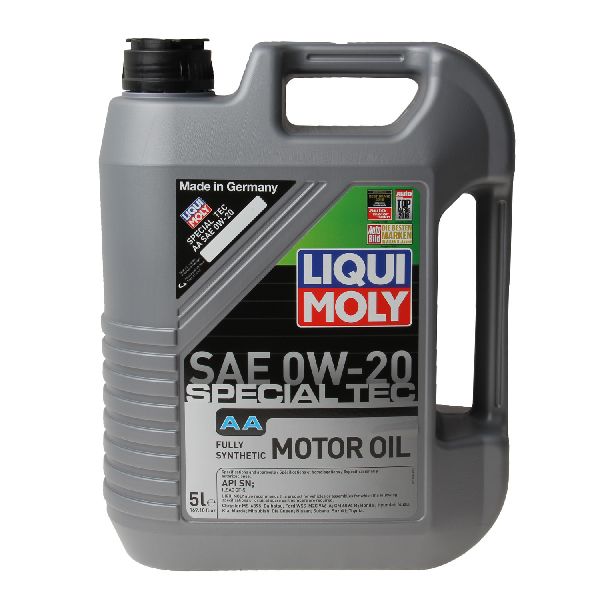
Typical fix: Top off the oil to the correct level or perform a complete oil and filter change using the manufacturer-specified 0W-20 full synthetic oil. This is the first and most important diagnostic step.
Est. part cost: $40-$80 - Failing Oil Control Valve (OCV) / VVT Solenoid 🟡 Medium Probability The OCV for the Bank 1 (passenger side) intake camshaft can become clogged with sludge from old oil or fail electrically, causing it to stick. It is a very common failure point on FB engines.
How to confirm: A common and effective diagnostic technique is to swap the Bank 1 (passenger side) intake OCV with the Bank 2 (driver side) intake OCV. They are identical parts. Clear the codes and drive the vehicle. If the code changes to P0018 (the equivalent code for Bank 2), the OCV is confirmed to be faulty. Resistance should be 6.9-7.9 ohms when tested with a multimeter.
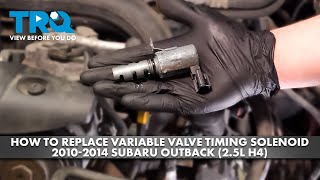
Typical fix: Replace the faulty Oil Control Valve. It is located on the front of the engine on the passenger side, held by a single bolt. 🎬 Watch: See how to replace the VVT solenoid yourself.
Est. part cost: $70-$180 - Stretched Timing Chain or Failed Tensioner ⚪ Low Probability While less common than oil-related issues, the timing chain can stretch over time, especially on engines with over 100,000 miles or a history of poor oil maintenance. This creates slack and changes the mechanical timing between the crank and cams.
How to confirm: This requires a more advanced diagnosis. A technician can use a scan tool to check the 'VVT Adv. Ang. Amount' at idle with the OCVs disconnected, as per TSB 02-163-16R. A value greater than +/- 10 degrees from the reference of 0 degrees suggests a stretched or jumped chain, as each tooth represents 10 degrees of rotation.
Typical fix: Replace the timing chain, tensioners, and guides. This is a labor-intensive job, with one owner on a forum being quoted around $2100 for parts alone at a dealership.
Est. part cost: $400-$800
Rare But Worth Checking
- Faulty Camshaft Phaser / AVCS Sprocket: The sprocket on the end of the camshaft can fail internally, preventing it from locking or changing timing correctly. This is an expensive repair and should only be considered after all other causes are ruled out.
- Clogged OCV Filter Screens: Small filter screens protect the OCVs from debris. On FB series engines, these mesh filters are integrated into the body of the Oil Control Valve itself and are not a separate, serviceable part. If the engine has significant sludge, the entire OCV assembly can become clogged.
- Persistent ECM Learned Values: In some instances, after a mechanical repair like an OCV replacement, the ECM retains old corrective values and continues to set the code. A specialized scan tool (like Autel or Thinkdiag) is needed to enter 'Test Mode' and perform a VVT learning value reset, which is a more comprehensive reset than simply clearing DTCs. This procedure is discussed in forums as a way to avoid unnecessary ECM replacement. 🎬 Watch: How to perform a VVT learning value reset.
Diagnosis Steps
- Check Engine Oil: Verify the oil level is full and the oil condition is good. Use 0W-20 synthetic oil. If low or dirty, perform an oil change, clear the code, and drive to see if it returns. This is the most critical first step.
- Scan for Other Codes: Check for any other related DTCs that could point to a specific component failure.
- Inspect Wiring: Visually inspect the wiring and connectors for the Bank 1 intake OCV and the camshaft and crankshaft position sensors for any damage, corrosion, or oil contamination in the connectors.
- Test the Oil Control Valve (OCV): Swap the Bank 1 (passenger side) intake OCV with the Bank 2 (driver side) intake OCV. Clear the codes and drive. If code P0018 appears, the OCV is bad and must be replaced.
- Check for Timing Chain Stretch: If the OCV is not the cause, a more advanced check is needed. Following the procedure in TSB 02-163-16R, use a Subaru-capable scan tool to monitor the 'VVT Adv. Ang. Amount' with the OCVs unplugged. A significant deviation from 0 degrees at idle points to a stretched chain.
- Inspect Timing Components: If a stretched chain is suspected, the final step is to remove the timing cover for a visual inspection of the chain, guides, and tensioner. This is a significant job best left to a professional.
- Check for Persistent ECM Memory: If the code returns immediately after a mechanical fix, consult a shop with an advanced scan tool (e.g., Autel, Launch) to perform a 'Test Mode' VVT learning value reset to clear the ECM's memory.
Parts You'll Likely Need
- Engine Oil Control Valve (OCV) / VVT Solenoid
(OEM #10921AA231 (superseded by 10921AA23B))— This solenoid is the most common part to fail after oil issues are ruled out. It gets clogged or fails electrically, disrupting the AVCS system's ability to control cam timing. Part number 10921AA231 was replaced by 10921AA23A, which was then replaced by 10921AA23B.
Trusted brands: Subaru (OEM), Denso, Dorman
OEM price range: $120-$180
Aftermarket price range: $70-$120 - Engine Oil and Filter
(OEM #15208AA15A (Filter))— Low or incorrect viscosity oil is the number one cause of P0016 on the FB25B engine. An oil change is the first and most important diagnostic step.
Trusted brands: Idemitsu (OEM supplier), Mobil 1, Pennzoil Platinum
OEM price range: $15-$25 (Filter only)
Aftermarket price range: $8-$15 (Filter only)
Related Codes That Often Appear With This One
- P0018 — This is the identical correlation code but for Bank 2 (driver's side). It may appear if a faulty OCV is swapped from Bank 1 to Bank 2 for diagnosis, or if a systemic issue like low oil or a stretched chain is affecting the whole engine.
- P0011 — This code for 'Camshaft Position Timing Over-Advanced' on Bank 1 can appear with P0016 if the OCV is stuck or the cam phaser has failed.
Technical Service Bulletins (TSBs) & Recalls
- TSB 02-163-16R: This technical service bulletin provides a detailed diagnostic procedure for a technician to follow for various AVCS-related codes, including P0016. It specifically details how to test for a stretched timing chain using a scan tool by disconnecting the OCVs and monitoring the 'VVT Adv. Ang. Amount' PID at idle.
- TSB Bulletin #09-120-24R: This bulletin announces the availability of new reprogramming files for the Engine Control Module (ECM) specifically developed to remedy DTC P0016 (Crankshaft Position - Camshaft Position Correlation Bank 1 Sensor A) and P0017.
Platform-Specific Known Issues
- Early FB25 engines (including those in 2013-2014 models) were part of a class-action lawsuit for higher-than-average oil consumption due to piston ring design. This known issue increases the likelihood of the engine running low on oil and triggering this code. Subaru issued TSB 02-157-14R which updated the repair from piston ring replacement to a full short block replacement for confirmed cases under warranty.
Mechanic-Grade Diagnostic Values
- Oil Control Valve (OCV) / VVT Solenoid Resistance — expected: 6.9 - 7.9 Ω (Ohms) at 68°F (20°C). Failure: A reading outside of this range indicates an electrical failure within the solenoid coil.
- Scan Tool Live Data: 'VVT Adv. Ang. Amount' (Bank 1) — expected: 0° at idle with OCVs disconnected. Failure: A value greater than +/- 10° at idle indicates a jumped or stretched timing chain. Each tooth of misalignment typically equals 10° of deviation.
- Scan Tool Live Data: AVCS Learned Value (Bank 1 Intake) — expected: Min: 52, Max: 72 (for similar FA20 engine, values are indicative). Failure: A value outside this range (e.g., a minimum of 46) after a repair can indicate the ECM has retained old, incorrect data and needs a VVT relearn procedure.
Hidden / Shadow Codes Worth Checking
- Mode $06, MID $35, TID $8B-$8E: This is not a shadow code, but raw test data from the ECM's last self-test of the AVCS system. It can be used to verify a repair has been successful before the ECM completes a full drive cycle to clear the Check Engine Light. (see via A professional scan tool with Mode $06 capability, such as the Subaru Select Monitor (SSM) or high-end Autel/Launch scanners.)
Scan Tool Commands That Help
- Autel, Launch, Thinkdiag2, or similar advanced aftermarket scanner: Special Function -> Test Mode Change -> Clear Fault Memory — This is critical when a P0016 code returns immediately after a mechanical fix (like replacing an OCV or timing components). Subaru's TSB sometimes suggests ECM replacement for this condition, but this procedure can clear the 'burned in' AVCS learned values from the ECM's memory without needing a new ECM.
Wiring & Ground Locations
- Engine Control Unit (ECU) Ground — The ECU grounds through the intake manifold. The manifold itself must have a clean, solid connection to the engine block and chassis.. A poor ground connection at the intake manifold can cause a host of strange electrical issues, including erratic sensor readings that could potentially contribute to correlation codes. This is especially a risk if TGV deletes or phenolic spacers have been installed, as they can isolate the manifold from its ground path.
- Main Engine Ground — Typically a heavy gauge wire from the engine block to the chassis, often near the alternator or starter.. While less specific to this code, a weak main engine ground can affect the performance of all sensors and actuators, including the crank/cam sensors and OCVs.
Real Owner Repair Stories
- YouTube user 'ThePracticalMechanic' and Reddit user comments (2016 Subaru Crosstrek (uses a similar FB-series engine and ECM logic)) — Persistent P0016 and P0017 codes after replacing timing components and a faulty cam phaser.
❌ Tried (didn't work) Replacing all mechanical timing components., Verifying correct mechanical timing with an oscilloscope., Simply clearing the DTCs with a standard code reader.
✅ What actually fixed it The ECM had stored old, incorrect AVCS learned values. The fix was to use an aftermarket scan tool (ThinkDiag 2) to put the car in 'Test Mode' (by installing a fuse in the test port), then using the 'Clear Fault Memory' special function. This procedure successfully reset the learned values, and the code did not return after 1,000 miles of driving.
OEM Part Supersession History
10921AA230→10921AA231, then 10921AA23A, and finally 10921AA23B— Likely internal design and material improvements to increase reliability and prevent sticking or electrical failure.
Model Year Variations Within This Range
- 2013-2014: These earlier FB25B engines were more susceptible to the oil consumption issue addressed by a class-action lawsuit. This makes low oil level an even more probable primary cause for P0016 in these specific model years.
Diagnostic Flowchart
Other Known Issues on This Vehicle
Issues unrelated to this code that are worth knowing about as an owner of this generation:
- Excessive Oil Consumption 🔴 High — More common in early FB25 engines (2011-2014 models). Caused by piston ring design. Subaru considers up to 1 quart per 1,200 miles 'acceptable'. (Ref: TSB 02-157-14R outlines the diagnosis and a repair involving a short block replacement for verified cases.)
- CVT Transmission Failure/Hesitation 🔴 High — Widespread enough that Subaru extended the CVT warranty for many models. Symptoms include shuddering, hesitation, and stalling. (Ref: Subaru extended the CVT warranty to 10 years/100,000 miles for many vehicles, including 2010-2015 Outbacks.)
- Starlink Infotainment System Delamination / 'Ghost Touch' 🟠 Medium — Very common across many 2018+ models. The screen develops bubbles/delamination, causing phantom screen presses that make the unit unusable. (Ref: No specific recall, but multiple class-action lawsuits have been filed. Repair is typically a full head unit replacement.)
- Wheel Bearing Failure 🟠 Medium — A commonly reported failure item, often occurring between 60,000 and 100,000 miles. Symptoms include a loud humming or grinding noise that changes with vehicle speed.
- Cam Carrier Oil Leak 🟠 Medium — A known leak point on FB engines where the cam carrier is sealed to the cylinder head with liquid gasket. It is a labor-intensive and expensive repair, often costing over $2,000.
Used vs. New Parts: Buying Guide for This Vehicle
When a used part is the smart pick: Given the relatively low cost and high failure rate of electronic components like the Oil Control Valve (OCV), buying a used one from a junkyard is generally not recommended. The savings are minimal compared to the risk of getting another failing part. A used timing chain cover or other simple mechanical hardware would be acceptable.
Donor-vehicle mileage cap: roughly under 80000 miles for the part to have meaningful remaining life.
What to inspect on the donor part:
- For any used part, verify the donor vehicle was not in a severe front-end collision.
- If considering a used engine component, ask for the vehicle's service history to check for regular oil changes.
- Avoid parts from engines that show heavy external oil leaks or signs of significant sludge under the oil cap.
OEM-only on this vehicle (don't cheap out):
- Timing Chain and Tensioners: Due to the critical nature of these parts, using OEM or a highly reputable OEM-supplier kit is strongly advised to ensure longevity and correct timing.
- Camshaft Phasers (AVCS Sprockets): These are complex parts; aftermarket versions may not meet the precise tolerances required, leading to persistent codes. Stick with OEM if replacement is necessary.
Aftermarket brands forum-validated for this vehicle:
- Denso (for Oil Control Valves - often the OEM supplier)
- Idemitsu (for engine oil - the OEM supplier for Subaru)
Brands owners have reported issues with on this vehicle:
- Unnamed, 'white-box' electronic sensors and solenoids from online marketplaces. While cheap, they have a very high failure rate and can make diagnosis more difficult.
Real Owner Stories
Aggregated from forums and TSBs cited above. Mileages and costs reflect what owners reported in those sources.
2012 Subaru Impreza FB20 — 170000 miles
Symptoms: P0016 code triggered on a high-mileage engine.
What fixed it: Diagnosis following TSB 02-163-16R, specifically focusing on the AVCS system's sensitivity to oil and performing the OCV swap test.
Source hint: Reddit r/subaru - p0016 code on 2012 impreza
2017 Subaru WRX FA20DIT — ~100000 miles
Symptoms: P0016 code; owner was quoted a high price for a full timing job at a dealership.
What fixed it: Using an Autel or Thinkdiag2 scanner to perform a 'Test Mode' reset for VVT learning values, which cleared the code without replacing the ECM or timing components.
Cost: $2100-$2100
Source hint: Reddit r/WRX - Important information on code P0016 for the FA20DIT
Related OBD-II Codes
Frequently Asked Questions
My 2014 Outback is burning a lot of oil; could this be why I have a P0016 code?
How can I tell if the Oil Control Valve (OCV) is the problem on my FB25B engine?
Does TSB 02-163-16R apply to my P0016 diagnosis?
What oil should I use in my 2013-2019 Outback to prevent VVT issues?
I fixed the mechanical issue but P0016 won't go away. Do I need a new ECM?
Is a stretched timing chain common on the 2.5L Outback?
Helpful Videos
We Have This Part in Stock


The information in this article is provided for general reference and educational purposes only. Vehicle specifications, procedures, and part compatibility can vary by production date, trim level, and region. Always consult your vehicle's factory service manual and verify part numbers before purchasing or performing repairs. Safety-critical components such as airbags, seat belts, and braking systems should be installed by a qualified professional.
- Subaru Outback:
- 🎬 Helpful Videos
- 🛍️ Shop This Part
- What's Unique About the 2013-2019 Subaru Outback
- Symptoms You May Notice
- Most Likely Causes
- Rare But Worth Checking
- Diagnosis Steps
- Parts You'll Likely Need
- Related Codes That Often Appear With This One
- Technical Service Bulletins (TSBs) & Recalls
- Platform-Specific Known Issues
- Mechanic-Grade Diagnostic Values
- Hidden / Shadow Codes Worth Checking
- Scan Tool Commands That Help
- Wiring & Ground Locations
- Real Owner Repair Stories
- OEM Part Supersession History
- Model Year Variations Within This Range
- Diagnostic Flowchart
- Other Known Issues on This Vehicle
- Used vs. New Parts: Buying Guide for This Vehicle
- Real Owner Stories
- 2012 Subaru Impreza FB20 — 170000 miles
- 2017 Subaru WRX FA20DIT — ~100000 miles
- Related OBD-II Codes
- Frequently Asked Questions
- 🎟️ Get 5% Off