

P0016 on 2009-2012 Audi A4 3.2L V6: Timing Chain, Sensor Causes, and Fixes
On the 2009-2012 Audi A4 with the 3.2L V6 engine, code P0016 almost always indicates a stretched timing chain or failed tensioners. This is a major, engine-out repair costing between $4,000 and $7,000. A rattling noise from the rear of the engine on cold starts is the key warning sign. Ignoring this can lead to catastrophic engine failure.
- P0016 on a 3.2L Audi A4 is a serious code that should be addressed immediately.
- A rattling noise on cold starts is the tell-tale sign of the most common cause: failing timing chain tensioners.
- Do not continue to drive the vehicle, as you risk the chain jumping time and destroying the engine.
- The repair is one of the most expensive for this vehicle, with costs often exceeding $4,000 due to the engine-out labor required.
- While a faulty sensor is possible, it's a low-probability cause. The primary issue is almost always mechanical timing.
What's Unique About the 2009-2012 Audi A4

The Audi 3.2L FSI V6 (engine code: CALA) is known for premature timing chain and tensioner failure. Unlike many engines where the timing components are at the front, this engine's four timing chains are located at the rear, against the firewall. This design makes replacement exceptionally labor-intensive, as it requires removing the engine or separating it from the transmission. The most common point of failure is the upper timing chain tensioners, which are hydraulic and lose their ability to hold pressure when the engine is off. This allows the chain to slap against its guides on cold starts, creating a distinct rattle.
Symptoms You May Notice
- Loud rattling or clattering noise from the back of the engine for 2-10 seconds on a cold start.
- Check Engine Light is illuminated.
- Rough or unstable idle, sometimes described as 'hunting' for idle.
- Noticeable loss of engine power and sluggish acceleration, especially at low RPMs.
- Reduced fuel economy.
- Engine may crank but fail to start in severe cases.
- Misfire codes (P0300-P0303) may accompany P0016.
- Replacing only the camshaft or crankshaft position sensors without first investigating the timing system. While a sensor can be the cause, it's far more likely to be a symptom of the underlying mechanical timing issue on this specific engine.
- Replacing only the upper timing chain tensioners. While this is a common failure point and can be done without removing the engine (with great difficulty), it often doesn't solve the problem if the chains themselves have stretched. A complete timing job is the only guaranteed fix.
Most Likely Causes

- Stretched Timing Chains and/or Failed Timing Chain Tensioners 🔴 High Probability The original upper timing chain tensioners are a known weak point on this engine. They are hydraulic and can fail to hold pressure, leading to chain slack. The chains themselves can also stretch over time, exacerbated by long oil change intervals or harsh driving conditions.
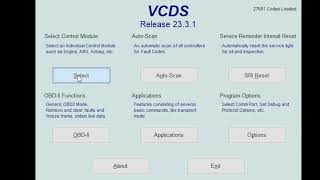
How to confirm: Listen for a distinct rattle from the rear of the engine on cold starts. A mechanic can use a scan tool (like VCDS) to check camshaft phase deviation in measuring block 093; a deviation of more than +/- 5 degrees at warm idle typically confirms a mechanical timing issue. Some forum users report values of -8 to -10 degrees being definitive indicators. Definitive confirmation requires physical inspection of the tensioners and guides, which is a major job.
Typical fix: Complete replacement of all four timing chains, all plastic guides, and all hydraulic tensioners. This is an engine-out service. It is critical to use updated tensioner parts to prevent a repeat failure.
Est. part cost: $800-$1800 - Low or Dirty Engine Oil 🟡 Medium Probability The timing chain tensioners and camshaft adjusters are hydraulically operated by engine oil. Incorrect oil viscosity, a low oil level, or oil sludge from neglected oil changes can starve these components of pressure, preventing them from functioning correctly and accelerating wear on the timing system.
How to confirm: Check the oil level on the dipstick and review vehicle service history. If the oil is low, black, or sludgy, or if oil changes have been neglected, this is a likely contributor. An oil change with a manufacturer-approved synthetic oil (VW 502.00 spec) is a cheap first step.
Typical fix: Perform an engine oil and filter change. If the code returns or the startup rattle persists, the damage to the timing components is likely already done and they will require replacement.
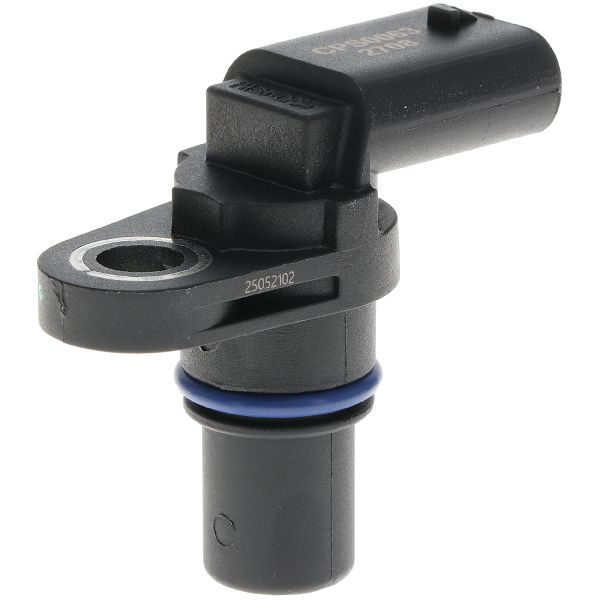
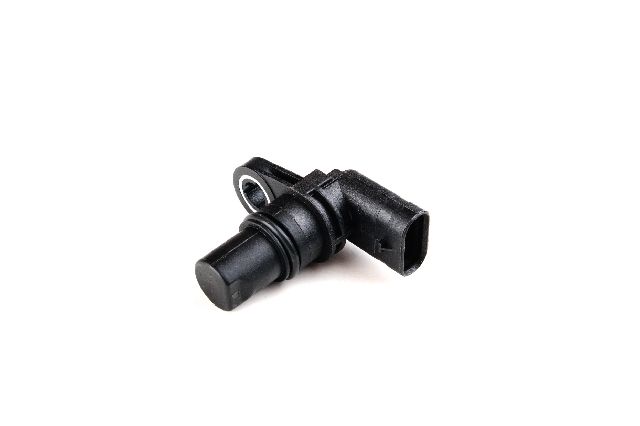
Est. part cost: $80-$150 - Faulty Bank 1 Intake Camshaft Position Sensor (G40) ⚪ Low Probability
How to confirm: A mechanic can swap the Bank 1 intake sensor with the Bank 2 intake sensor. If the code changes to P0018 (Bank 2 Correlation), the sensor is faulty. The sensor's output can also be tested with a multimeter or oscilloscope. However, this is rarely the root cause on this engine; it's usually a correct reading of a mechanical problem.
Typical fix: Replace the faulty camshaft position sensor. The OEM part is often made by Bosch.
Est. part cost: $40-$100
Rare But Worth Checking
- Faulty Camshaft Adjuster Solenoid (N205): This solenoid controls the oil flow to the camshaft phaser. If it gets stuck due to sludge or fails electronically, it can cause a correlation fault. Audi issued a TSB (15-09-04) suggesting to inspect and potentially swap the solenoid with the other bank to see if the fault code follows. Some forum users have fixed intermittent P0016 codes by cleaning or replacing this solenoid.
- Faulty Crankshaft Position Sensor (G28): While it's possible for the crankshaft sensor to fail, it is much less common for it to cause a single-bank correlation code than a timing chain or camshaft sensor issue. A failing G28 sensor often causes stalling or no-start issues along with timing codes.
Diagnosis Steps
- Check engine oil level and condition. Top up or change if necessary, using only Audi-specified oil (VW 502.00).
- Scan the vehicle with an advanced scan tool (like VCDS or OBDeleven) to confirm P0016 and check for any other codes.
- Listen carefully to the rear of the engine during a cold start for the characteristic chain rattle.
- Using the scan tool, access Measuring Value Block 093 and observe the camshaft phase adaptation values at warm idle. Values greater than +/- 5 degrees are a strong indicator of a mechanical timing problem. Values approaching -8 degrees or more are considered definitive proof of a stretched chain.
- If phase values are normal, proceed with testing the Bank 1 intake camshaft adjuster solenoid (N205). Check its wiring and connector, or swap it with the Bank 2 sensor to see if the fault migrates to P0018.
- If the solenoid is good, test the camshaft position sensor (G40) in a similar fashion by swapping it with the Bank 2 sensor.
- If all electronic components test good and the phase deviation is high, the final step is to prepare for a physical inspection and replacement of the timing chains, tensioners, and guides. This is a major disassembly job. An oscilloscope can also be used to compare cam and crank sensor waveforms to a known-good pattern to confirm the timing is off without disassembly.
Parts You'll Likely Need
- Timing Chain Kit
(OEM #06E109465BCKT (example kit P/N))— This is the definitive fix for the most common cause. A complete kit ensures all worn components (chains, guides, tensioners) are replaced at once.
Trusted brands: INA, Iwis, FCP Euro (Kit), Genuine Audi
OEM price range: $1200-$2000
Aftermarket price range: $700-$1100 - Upper Timing Chain Tensioner (Bank 1, Right)
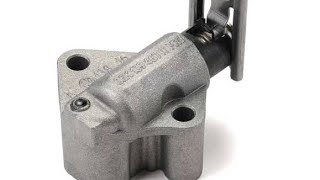
(OEM #06E109218H (older), 06E109218AP (updated))— The upper tensioners are the most frequent individual failure point. The part has been superseded multiple times. Ensure you are buying the latest revision (e.g., 06E109218AP). Some may attempt to replace only these, though it is still very labor-intensive.
Trusted brands: INA, Genuine Audi
OEM price range: $200-$250
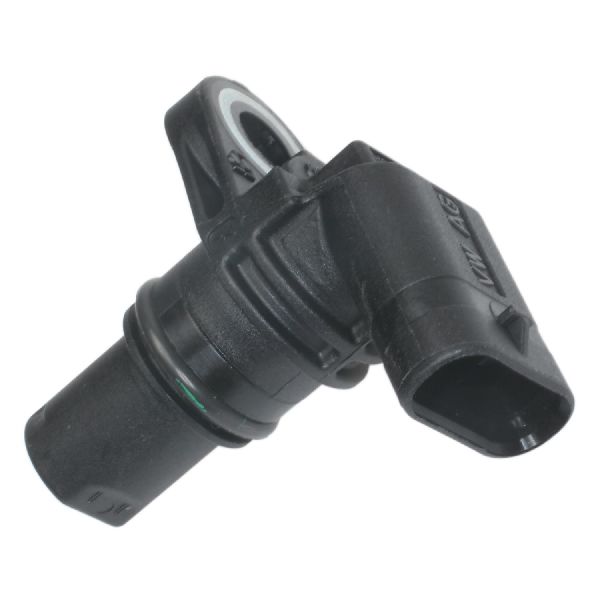
Aftermarket price range: $150-$200 - Camshaft Position Sensor
(OEM #06C905163B)— Replaced when diagnosis confirms the sensor itself is faulty, which is a less common cause of this code.
Trusted brands: Bosch, Genuine Audi
OEM price range: $70-$110
Aftermarket price range: $40-$80
Related Codes That Often Appear With This One
- P0017 — Crankshaft Position - Camshaft Position Correlation Bank 1 Sensor B (Exhaust). Often appears with P0016 if the timing is off enough to affect both cams on Bank 1.
- P0018 / P0019 — These are the correlation codes for Bank 2. If all four codes (P0016, P0017, P0018, P0019) are present, it strongly points to a base timing issue, like a jumped main timing chain, a problem with the crankshaft sensor signal, or severe chain stretch affecting both banks.
- P0300, P0301, P0302, P0303 — Random or specific misfire codes for Bank 1 cylinders. Incorrect cam timing disrupts the combustion process, leading to misfires on the affected bank.
Technical Service Bulletins (TSBs) & Recalls
- TSB 15-09-04: Addresses MIL on with DTCs P0016, P0017, P0018, or P0019. It suggests the cause may be a contaminated cam adjuster solenoid and provides a diagnostic procedure to swap the solenoid to another bank to confirm the fault.
Platform-Specific Known Issues
- The 3.2L FSI engine's timing components are located at the rear of the engine, making service extremely difficult and costly compared to engines with front-mounted timing systems.
Mechanic-Grade Diagnostic Values

- Engine Oil Pressure at idle (warm engine) — expected: At least 1.2 bar (17.4 psi). Failure: Pressure below 1.2 bar can indicate worn bearings or oil pump issues, starving the hydraulic tensioners.
- Engine Oil Pressure at 2000 RPM (warm engine) — expected: At least 1.5 bar (21.75 psi). Failure: Pressure below this threshold under load suggests insufficient oil flow to operate camshaft adjusters and tensioners correctly.
- Camshaft Adjuster Solenoid (N205) Resistance — expected: 6.9 to 7.9 Ohms at 68°F (20°C). Failure: No reading or a reading outside this range indicates a faulty solenoid.
- Camshaft Position Sensor (G40) Harness Voltage — expected: 5 Volts between the outer two pins of the 3-pin connector with ignition on.. Failure: No voltage indicates a wiring or ECU problem, not a sensor failure. If 5V is present and the code persists, the sensor is likely faulty.
Wiring & Ground Locations
- Engine Harness Chafe Points — General areas to inspect include where the harness crosses the camshaft carrier cover, near the generator bracket, and around the left front coil spring stud.. While not specific to the 3.2L FSI in the search results, harness chafing is a common issue on many platforms that can cause intermittent and incorrect signals from the G40 (Camshaft) and G28 (Crankshaft) sensors, potentially triggering a P0016 code before a complete sensor failure.
- G40 / G28 Sensor Connectors — The G40 (Camshaft Position Sensor) is on the top of the valve cover. The G28 (Crankshaft Position Sensor) is on the lower front of the engine, often near the timing cover.. Damaged or corroded connectors and brittle wiring insulation are common on older Audis and can cause the implausible signals that lead to a P0016 code. Verifying connector integrity is a key step before replacing sensors.
Real Owner Repair Stories
- AudiWorld Forums (2009 A4 B8 2.0T (CAEB engine, but same P0016 code and timing principles apply)) — Intermittent P0016 code (incorrect correlation), sometimes the car would start and run with no low-end power, other times it would not start at all.
❌ Tried (didn't work) Clearing the code (it would return).
✅ What actually fixed it The user confirmed that the issue is characteristic of timing chain tensioner failure or chain stretch. A subsequent post by another user on a similar issue confirmed a full timing chain and tensioner replacement resolved the P0016 code.
OEM Part Supersession History
06E109218H, 06E109218AC, 06E109218AJ→06E109218AP— The upper timing chain tensioners were redesigned to improve durability and prevent premature failure of the hydraulic tensioning mechanism.
Heads up: Using older revisions (H, AC, AJ) is not recommended as they are prone to the same failure. Always install the latest part number (AP or newer if available).
Model Year Variations Within This Range
- 2009: The 3.2L FSI V6 engine was only offered in the Audi A4 B8 sedan for the 2009 model year in North America. Later models used a 2.0L turbocharged four-cylinder as the primary engine.
Diagnostic Flowchart
Other Known Issues on This Vehicle
Issues unrelated to this code that are worth knowing about as an owner of this generation:
- Intake Valve Carbon Buildup 🟠 Medium — Common on all FSI (direct injection) engines, typically requires cleaning every 60,000-80,000 miles. Causes rough idle, misfires, and reduced power.
- Upper and Lower Control Arm Bushing Failure 🟠 Medium — Front control arm bushings are a very common wear item, often failing around 60,000-90,000 miles. Results in clunking noises over bumps, poor handling, and uneven tire wear.
- Thermostat and Water Pump Failure 🔴 High — The water pump and thermostat housing, often made of plastic, are known to crack and leak. This is a common failure point across many Audi models of this era.
- Secondary Air Injection Port Clogging 🟡 Low — Carbon can also build up in the secondary air injection ports in the cylinder heads, triggering a check engine light. This is a different issue from intake valve carbon buildup and can be expensive to clean. (Ref: There was an extended warranty for this issue, but it has likely expired for most vehicles.)
Used vs. New Parts: Buying Guide for This Vehicle
When a used part is the smart pick: For this specific P0016 repair, sourcing used parts is strongly discouraged for any core timing components. Given the high labor cost, using new, updated parts is the only sensible path. Used parts may be considered for external, unrelated components that must be removed during the repair, such as intake manifold, engine covers, or accessories, provided they are in good physical condition.
Donor-vehicle mileage cap: roughly under 50000 miles for the part to have meaningful remaining life.
What to inspect on the donor part:
- For any considered used part, verify there is no physical damage, cracking, or warping.
- Check service history of the donor vehicle if possible, specifically for regular oil changes.
- Avoid parts from a donor vehicle that had a collision near the component in question.
OEM-only on this vehicle (don't cheap out):
- Timing Chains
- Timing Chain Tensioners
- Timing Chain Guides
- Camshaft Adjuster Solenoids (N205)
- Camshaft/Crankshaft Position Sensors
Aftermarket brands forum-validated for this vehicle:
- INA (often the OEM supplier for tensioners and guides)
- Iwis (often the OEM supplier for chains)
- FCP Euro / ECS Tuning (Kits that bundle OEM-supplier parts like INA and Iwis)
Brands owners have reported issues with on this vehicle:
- Unnamed, low-cost kits from eBay or Amazon. The quality of the plastic guides and tensioner hydraulics is critical, and failure of a cheap component will lead to a repeat of a catastrophic, multi-thousand-dollar repair.
Real Owner Stories
Aggregated from forums and TSBs cited above. Mileages and costs reflect what owners reported in those sources.
2008 Audi A4 3.2L FSI V6
Symptoms: VCDS data in block 91 showed a large deviation between specified and actual cam timing.
What fixed it: Mechanical timing adjustment/repair following confirmation of deviation via VCDS.
Source hint: Ross-Tech Forums - '2008 Audi A4 p0016'
2009-2012 Audi A4 3.2L FSI V6
Symptoms: Intermittent P0016 that would sometimes prevent the car from starting; symptoms of a timing issue just on the edge of failure.
What fixed it: The source describes the 'dreaded' timing issue requiring major mechanical attention.
Source hint: AudiWorld Forums - 'Dreaded p0016'
2005-2011 Audi A6 3.2L FSI V6
Symptoms: Upper timing chain tensioner failure and chain rattle.
What fixed it: Replacement of the upper timing chain tensioners (process performed without removing the engine in this specific DIY case).
Source hint: AudiWorld Forums - 'DIY - A6 3.2 Upper Timing Chain Tensioner Replacement'
Related OBD-II Codes
Frequently Asked Questions
Is there a TSB for the P0016 code on my 2009-2012 Audi A4 3.2L?
What VCDS values confirm a timing chain failure on the 3.2L FSI engine?
Can I just replace the camshaft sensor (G40) to fix P0016?
Why is the repair for P0016 so expensive on the Audi A4 3.2L?
What oil should I use to prevent timing tensioner issues?
Does the cold start rattle mean my timing chain is failing?
Helpful Videos


We Have This Part in Stock


The information in this article is provided for general reference and educational purposes only. Vehicle specifications, procedures, and part compatibility can vary by production date, trim level, and region. Always consult your vehicle's factory service manual and verify part numbers before purchasing or performing repairs. Safety-critical components such as airbags, seat belts, and braking systems should be installed by a qualified professional.
- Audi A4:
- 🎬 Helpful Videos
- 🛍️ Shop This Part
- What's Unique About the 2009-2012 Audi A4
- Symptoms You May Notice
- Most Likely Causes
- Rare But Worth Checking
- Diagnosis Steps
- Parts You'll Likely Need
- Related Codes That Often Appear With This One
- Technical Service Bulletins (TSBs) & Recalls
- Platform-Specific Known Issues
- Mechanic-Grade Diagnostic Values
- Wiring & Ground Locations
- Real Owner Repair Stories
- OEM Part Supersession History
- Model Year Variations Within This Range
- Diagnostic Flowchart
- Other Known Issues on This Vehicle
- Used vs. New Parts: Buying Guide for This Vehicle
- Real Owner Stories
- 2008 Audi A4 3.2L FSI V6
- 2009-2012 Audi A4 3.2L FSI V6
- 2005-2011 Audi A6 3.2L FSI V6
- Related OBD-II Codes
- Frequently Asked Questions
- 🎟️ Get 5% Off