

P0015 on 2011-2018 Ram 1500 5.7L Hemi: Exhaust Cam Timing Causes and Fixes
P0015 on a 5.7L Hemi Ram most often means the VVT solenoid has failed. This part is located under the intake manifold, making replacement a labor-intensive job. Always check your oil level and condition first, as low or dirty oil is another common cause. Using the correct 5W-20 oil and high-quality filter is critical for the VVT system's health.
- Before any repairs, check your engine oil. Low or dirty oil is a primary cause of P0015.
- On the 5.7L Hemi, Bank 1 is the DRIVER'S side.
- The most likely failed part is the VVT solenoid, OEM part number 53022338AB.
- Be aware that replacing the VVT solenoid is a labor-intensive job as it requires removing the entire intake manifold.
- When the intake manifold is removed, you must also replace the intake manifold gaskets.
What's Unique About the 2011-2018 Ram 1500
On the 5.7L Hemi engine from this era, the Variable Valve Timing (VVT) solenoid is a very common failure point that triggers this code. Unlike many other engines where this part is easily accessible on the outside of the engine, the Hemi's VVT solenoid is located in the valley of the V8, underneath the entire intake manifold. This design turns a simple and inexpensive part replacement into a much more involved repair requiring several hours of labor and the replacement of intake manifold gaskets.
🎬 Watch this step-by-step Ram 1500 VVT solenoid replacement guideSymptoms You May Notice
- Check Engine Light is on
- Rough or erratic idle
- Engine stalling, especially at low speeds or when stopping
- Noticeable loss of engine power and hesitation during acceleration
- Increased fuel consumption
- Rattling or knocking noise from the engine
- Replacing the camshaft position sensor when the actual fault is with the VVT solenoid or low/dirty oil.
- Replacing the cam phaser before properly diagnosing a faulty VVT solenoid, leading to unnecessary expense.
- Confusing a ticking noise from a broken exhaust manifold bolt (the 'Hemi Tick') with a valvetrain problem related to the P0015 code.
Most Likely Causes
- Low or Dirty Engine Oil 🔴 High Probability The Hemi VVT system is operated by oil pressure. If the oil level is low, the oil is dirty, sludgy, or the wrong viscosity, it cannot properly operate the VVT components, including the phasers and solenoids. The Multi-Displacement System (MDS) can also contribute to faster oil breakdown.
How to confirm: Check the engine oil dipstick for level and examine the oil's color and consistency. If it is low, very dark/gritty, or past its service interval, this is your first step. Many owners on forums report fixing the code with a simple oil and filter change.
Typical fix: Top off or perform an engine oil and filter change using the manufacturer-specified oil weight (typically 5W-20) and a high-quality filter. Clear the codes and drive to see if the issue returns.
Est. part cost: $40-$80 - Failed VVT Solenoid (Oil Control Valve) 🔴 High Probability The solenoid is a known failure point. It can get clogged with debris from the oil or fail electronically, causing it to stick. Its location under the intake manifold makes it susceptible to heat soak.
How to confirm: After ruling out oil issues, this is the next logical step. Diagnosis can involve testing the solenoid's resistance with a multimeter (should be 6.9-7.9 ohms at 68°F). However, due to the labor required to access it, many owners and shops proceed with replacement based on the code and symptoms alone.
Typical fix: Replace the VVT solenoid. This requires removing the intake manifold to gain access. The intake manifold gaskets must also be replaced. 🎬 Watch a video walkthrough of the Hemi VVT solenoid job
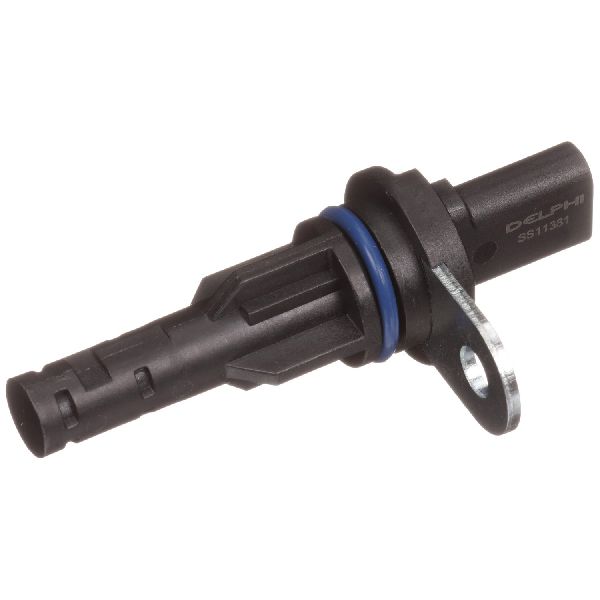
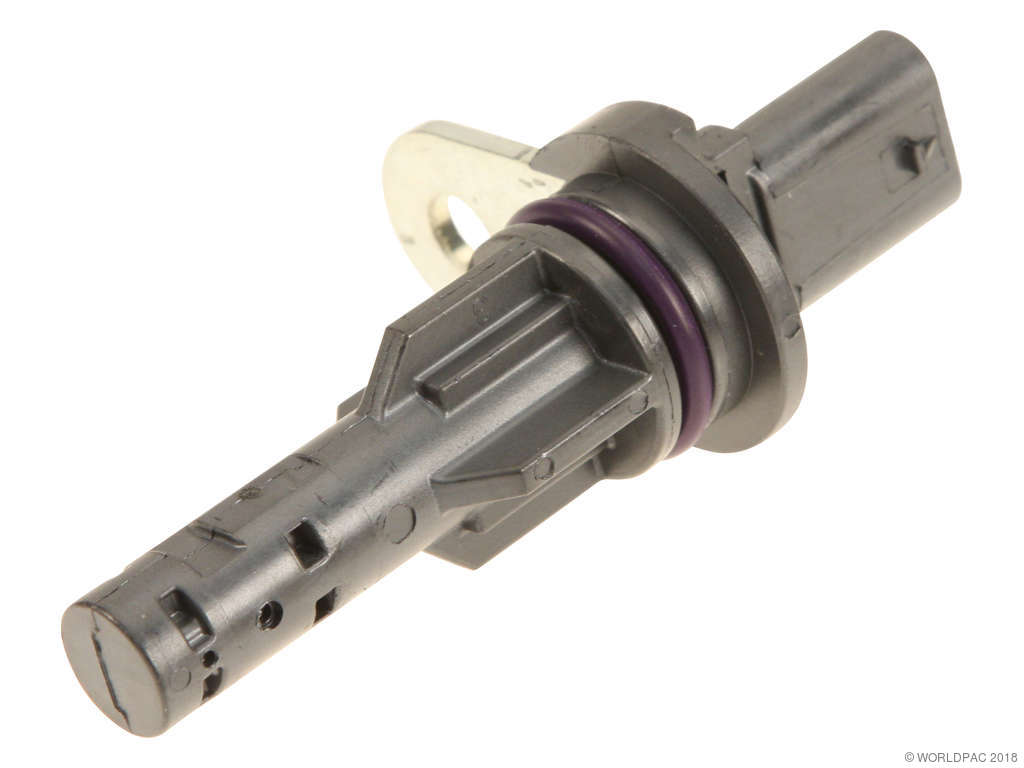
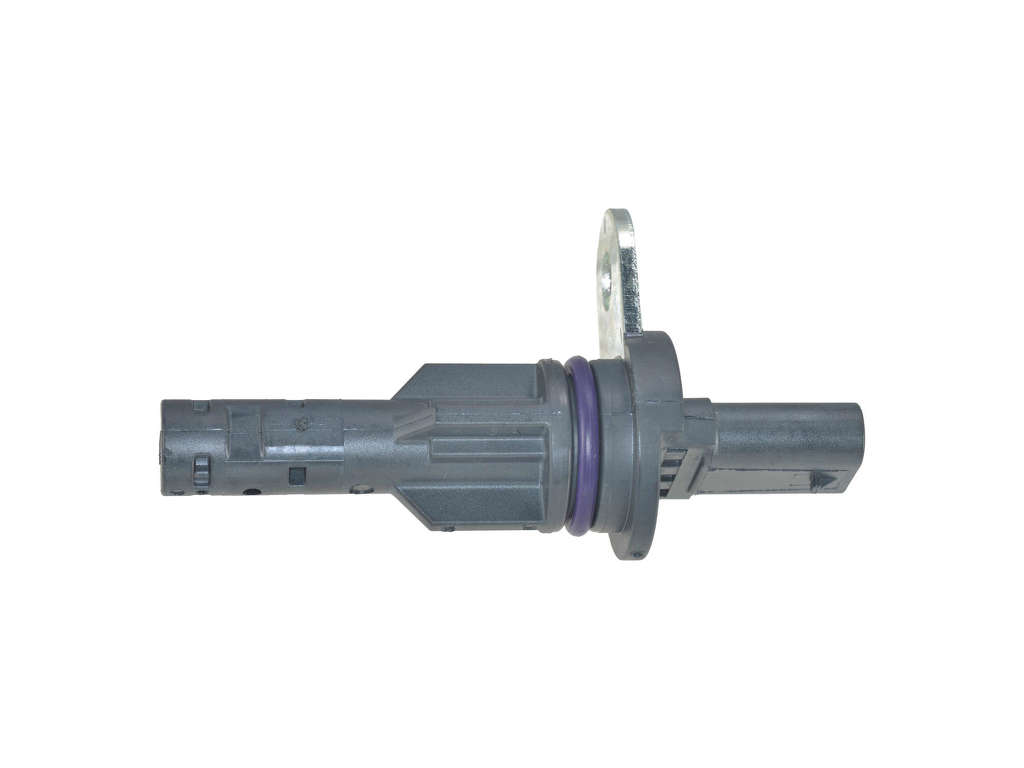
Est. part cost: $40-$100 - Failed Camshaft Position Sensor (Bank 1 Exhaust) ⚪ Low Probability
How to confirm: The sensor can be tested for a proper signal using an oscilloscope or multimeter. A practical DIY test is to swap it with the corresponding sensor from Bank 2 (passenger side) and see if the trouble code follows (e.g., changes to a Bank 2 code like P0019).
Typical fix: Replace the camshaft position sensor for Bank 1 exhaust. This is much easier to access than the VVT solenoid.
Est. part cost: $25-$60
Rare But Worth Checking
- Failed Camshaft Phaser: If the VVT solenoid is replaced and the issue persists, the mechanical phaser unit on the camshaft itself may be stuck or broken. This is a much more complex and expensive repair that requires removing the timing cover.
- Stretched Timing Chain: While not as common as on other engines, a stretched timing chain can cause the camshaft timing to be out of sync with the crankshaft, triggering this code. This is usually accompanied by rattling noises from the front of the engine on startup.
- Clogged Oil Passages: In engines with a history of poor maintenance or long oil change intervals, sludge can block the small oil passages leading to the VVT solenoid and cam phaser, starving them of the oil pressure needed to function.
- Wiring Harness Issues: The wiring or connector for the VVT solenoid or camshaft position sensor can become damaged from heat, oil saturation, or chafing, leading to an open or short circuit that triggers the code.
Diagnosis Steps
- Verify the engine oil level and condition. If low, dirty, or not the specified 5W-20 viscosity, change the oil and filter, clear the code, and re-test. 🎬 See how to diagnose and fix the P0015 code This simple step solves the problem in many cases.
- Scan the computer for any other related trouble codes, particularly misfire codes (P030X) or codes for the opposite bank.
- Inspect the wiring harness and connector for the Bank 1 exhaust camshaft position sensor and the main engine harness leading to the VVT solenoid for any visible damage, oil contamination, or loose connections.
- If accessible, test the camshaft position sensor. A more practical step for many is to swap the Bank 1 and Bank 2 sensors to see if the code moves.
- If the code remains and oil is good, the VVT solenoid is the most likely culprit. Due to its location under the intake manifold, direct testing is difficult. Replacement is the common next step.
- If a new VVT solenoid does not fix the issue, investigate more serious mechanical problems like the cam phaser, timing chain, or clogged oil passages. This level of diagnosis often requires professional tools and expertise.
Parts You'll Likely Need
- Engine Variable Valve Timing (VVT) Solenoid
(OEM #53022338AB)— This is the most common component to fail and directly cause the P0015 code on this engine. It is also called an 'Oil Control Valve'.
Trusted brands: Mopar, Dorman, NTK
OEM price range: $60-$100
Aftermarket price range: $40-$80 - Intake Manifold Gaskets
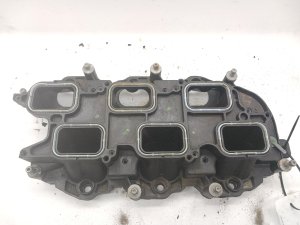
(OEM #53032983AD)— These must be replaced when the intake manifold is removed to access the VVT solenoid. They are a one-time use part.
Trusted brands: Mopar, Fel-Pro, Mahle
OEM price range: $30-$50
Aftermarket price range: $20-$40 - Camshaft Position Sensor
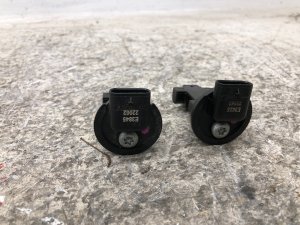
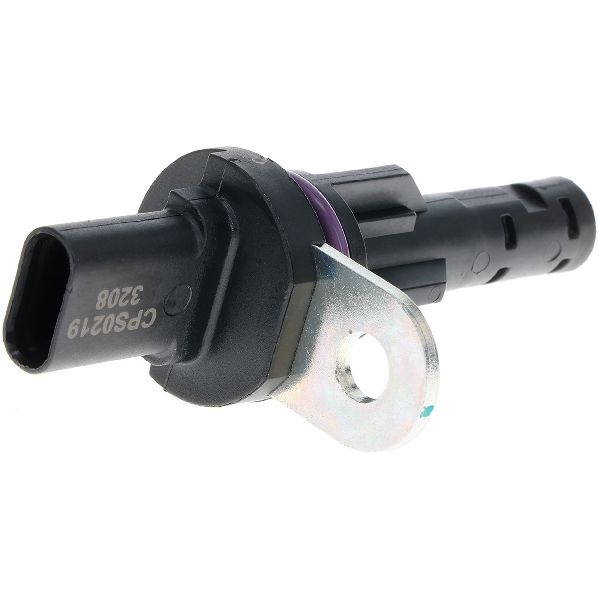
(OEM #5149141AF)— Though less common than the solenoid, this sensor can fail and is a potential cause of the code.
Trusted brands: Mopar, Bosch, Standard Motor Products (SMP)
OEM price range: $40-$70
Aftermarket price range: $25-$50
Related Codes That Often Appear With This One
- P0014 — P0014 is for 'B' Camshaft Position - Timing Over-Advanced (Bank 1). Seeing both could indicate an erratic VVT solenoid or a wiring issue causing inconsistent readings.
- P0300 — A random/multiple cylinder misfire code can be triggered because the incorrect cam timing is disrupting the engine's combustion process across multiple cylinders.
- P0301, P0303, P0305, P0307 — Misfire codes for the cylinders on Bank 1 (driver's side) may appear due to the incorrect exhaust valve timing on that bank.
Technical Service Bulletins (TSBs) & Recalls
- TSB 09-011-22: Addresses a 'Cold Engine Ticking Noise From Exhaust Manifold Area' by replacing the exhaust manifolds with an updated kit. This is relevant as the noise can be misdiagnosed as an internal engine problem.
- TSB 11-002-11: An older TSB for 2009 models that involves replacing exhaust manifold bolts for cylinders 7 and 8 with stronger stainless steel bolts to fix a cold start tick.
Platform-Specific Known Issues
- The primary issue for this code on the 5.7L Hemi is the location of the VVT solenoid. It is located under the intake manifold, requiring significant labor to access and replace. This makes the DIY difficulty high and shop labor costs a significant part of the total repair bill.
Mechanic-Grade Diagnostic Values
- VVT Solenoid (Oil Control Valve) Resistance — expected: 6.9 - 7.9 Ohms at 68°F (20°C). Failure: A reading outside this range, or an open circuit (no reading), indicates a failed solenoid.
- Camshaft Position Sensor Connector Voltage (Key On, Engine Off) — expected: One outer pin should have ~5V (signal), the other outer pin should have ~5V (reference), and the center pin should be ground.. Failure: Missing voltage or ground indicates a wiring or PCM issue, not a sensor failure.
- Camshaft Position Sensor Signal (while cranking or running) — expected: Using an oscilloscope or a multimeter on DC volts, the signal wire should rapidly switch between ~5V and 0V as the camshaft rotates.. Failure: A signal that is stuck high, stuck low, or shows a weak/erratic pattern points to a faulty sensor.
Scan Tool Commands That Help
- Professional Scan Tool (e.g., wiTECH, Autel): VVT System Test / VTC Actuator Test — This bidirectional command allows the technician to manually activate the VVT solenoid while monitoring the 'Commanded' vs. 'Actual' camshaft position PIDs. If the solenoid is commanded to advance or retard the timing and the actual angle doesn't change, it confirms a fault in the solenoid, phaser, or oil pressure delivery. This is a definitive test to perform before removing the intake manifold if the scan tool is available.
Wiring & Ground Locations
- VVT/MDS Main Harness Connector — On the back of the driver's side cylinder head. The harness runs across from one cylinder head to the other.. This connector is a known common point for moisture intrusion and corrosion, which can cause an intermittent short or open circuit for the VVT solenoid control, triggering the P0015 code even if the solenoid itself is good.
- F70 Fuse — In the underhood fuse block (Power Distribution Center), typically a 30-amp fuse.. This is the fuel pump fuse. It should be removed before starting the VVT solenoid replacement to depressurize the fuel rail, which must be disconnected to remove the intake manifold.
Real Owner Repair Stories
- RamForum.com user 'buckwheat12n' and 'Fast69Mopar' (2011 Ram 1500 5.7L Hemi) — Recurring P0016 & P000B codes (related to camshaft position and VVT control).
❌ Tried (didn't work) Replacing the VVT solenoid. The fix would only last for about 5 months before the code returned., Taking it to a mechanic who also diagnosed and replaced the VVT solenoid, with the same temporary result.
✅ What actually fixed it The final fix was not posted by the original user, but another user detailed the likely underlying cause: debris in the oil passages that repeatedly clogs the new solenoid's screens. The user emphasized that a cheap oil filter with a faulty anti-drainback valve can cause oil starvation on startup, and that debris forced past the filter's bypass valve can lead to recurring VVT issues. The recommendation was to perform an engine flush, use a high-quality oil filter (specifically citing Motorcraft FL820-S as a good alternative to Mopar), and then replace the solenoid again.
OEM Part Supersession History
53022338AA→53022338AB— Standard part revision by the manufacturer.
Diagnostic Flowchart
Other Known Issues on This Vehicle
Issues unrelated to this code that are worth knowing about as an owner of this generation:
- "Hemi Tick" (MDS Lifter/Camshaft Failure) 🔴 High — Common, especially on engines with over 75,000 miles. Often starts as a light tick on cold starts that goes away when warm, but can progress to a constant tick, indicating permanent damage. (Ref: While no specific recall exists for this, numerous lawsuits have been filed. The issue is widely documented in owner forums and by mechanics.)
- Broken Exhaust Manifold Bolts 🟠 Medium — Extremely common across all 5.7L Hemi applications. Heat cycles cause the stock bolts to break, especially the rear-most ones, leading to an exhaust leak that sounds like a 'tick', particularly when the engine is cold. (Ref: TSB 09-011-22 and TSB 09-019-23 address this issue for later model years by providing updated manifold kits. An earlier TSB, 11-002-11, addressed it for 2009 models.)
- Air Suspension System Failures 🟠 Medium — Common on models equipped with the optional four-corner air suspension. Failures include leaking air springs and failing compressors, often resulting in the truck being stuck at one ride height.
- Excessive Oil Consumption 🟡 Low — Some owners report consuming up to a quart of oil every 1,500-2,000 miles, which some dealers claim is 'normal'. This can be related to the PCV system or piston rings.
Used vs. New Parts: Buying Guide for This Vehicle
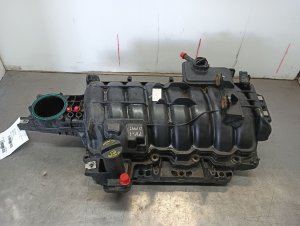
When a used part is the smart pick: For this repair, using a salvaged part is generally not recommended for the electronic components. A used intake manifold assembly would be acceptable if the original is damaged during removal, but the critical parts causing the code should be new.
Donor-vehicle mileage cap: roughly under 80000 miles for the part to have meaningful remaining life.
What to inspect on the donor part:
- If sourcing a used intake manifold, ensure there are no cracks, especially around bolt holes.
- Check that all threaded inserts are intact.
- Avoid parts from engines that show heavy external oil leaks or signs of overheating.
OEM-only on this vehicle (don't cheap out):
- VVT Solenoid
- Camshaft Position Sensor
Aftermarket brands forum-validated for this vehicle:
- Fel-Pro (for Intake Manifold Gaskets)
- Mahle (for Intake Manifold Gaskets)
Brands owners have reported issues with on this vehicle:
- Dorman (for electronic components like sensors and solenoids, based on forum user feedback reporting higher failure rates)
Real Owner Stories
Aggregated from forums and TSBs cited above. Mileages and costs reflect what owners reported in those sources.
2011-2018 Ram 1500 5.7L Hemi — ~75000 miles
Symptoms: A light tick on cold starts that goes away when warm, which can progress to a constant tick indicating permanent damage.
What fixed it: Replacement of MDS lifters and camshaft due to 'Hemi Tick' failure.
Source hint: Known Issues section regarding 'Hemi Tick' (MDS Lifter/Camshaft Failure)
2011-2018 Ram 1500 5.7L Hemi
Symptoms: Check engine light appearing under certain conditions; discussion of the intermittent nature of the code and drivability concerns.
What fixed it: Resetting the code and monitoring, though the source notes it often returns if the underlying oil or solenoid issue isn't addressed.
Source hint: Reddit r/MechanicAdvice - How long can I drive with a P0015 code that was just reset?
2011-2018 Ram 1500 5.7L Hemi
Symptoms: Exhaust leak sounds like a 'tick', particularly when the engine is cold, caused by heat cycles breaking the rear-most stock bolts.
What fixed it: Replacing exhaust manifolds with an updated kit or replacing broken bolts with stronger stainless steel bolts.
Source hint: TSB 09-011-22 and Reddit r/ram_trucks discussion on 'header bolts'
Related OBD-II Codes
Frequently Asked Questions
My 2011 Ram 1500 has a cold start tick; could this be related to P0015?
What oil should I use in my 5.7L Hemi to prevent VVT codes like P0015?
Is the VVT solenoid easy to replace on a Ram 1500 5.7L?
Can I test the camshaft position sensor before replacing the expensive VVT solenoid?
Does TSB 09-011-22 apply to my P0015 code?
Why is my Ram 1500 stalling at stoplights with this code?
Helpful Videos
Used OEM Parts in Stock



New Aftermarket Parts Available


The information in this article is provided for general reference and educational purposes only. Vehicle specifications, procedures, and part compatibility can vary by production date, trim level, and region. Always consult your vehicle's factory service manual and verify part numbers before purchasing or performing repairs. Safety-critical components such as airbags, seat belts, and braking systems should be installed by a qualified professional.
- Ram 1500:
- 🎬 Helpful Videos
- 🛍️ Shop This Part
- What's Unique About the 2011-2018 Ram 1500
- Symptoms You May Notice
- Most Likely Causes
- Rare But Worth Checking
- Diagnosis Steps
- Parts You'll Likely Need
- Related Codes That Often Appear With This One
- Technical Service Bulletins (TSBs) & Recalls
- Platform-Specific Known Issues
- Mechanic-Grade Diagnostic Values
- Scan Tool Commands That Help
- Wiring & Ground Locations
- Real Owner Repair Stories
- OEM Part Supersession History
- Diagnostic Flowchart
- Other Known Issues on This Vehicle
- Used vs. New Parts: Buying Guide for This Vehicle
- Real Owner Stories
- 2011-2018 Ram 1500 5.7L Hemi — ~75000 miles
- 2011-2018 Ram 1500 5.7L Hemi
- 2011-2018 Ram 1500 5.7L Hemi
- Related OBD-II Codes
- Frequently Asked Questions
- 🎟️ Get 5% Off