

P0015 on 2012-2016 Mazda 3 SKYACTIV: Exhaust Cam Timing Causes & Fixes
On a 2012-2016 Mazda 3 with a SKYACTIV engine, code P0015 is almost always caused by low/dirty engine oil or a faulty exhaust Oil Control Valve (OCV). Start by checking your oil. If the oil is fine, the OCV is the next most likely part to replace, costing around $70-$150 for the part. This issue is well-documented by Mazda in service bulletins.
- Always check your engine oil level and condition first. An oil change with 0W-20 synthetic oil might fix the issue.
- This code is very frequently accompanied by P0524 (Low Oil Pressure), which is a major clue pointing to an oil system problem, not a bad sensor.
- The most common failed part is the exhaust Oil Control Valve (OCV), part number PE01-14-420A.
- If oil pressure is confirmed to be low, Mazda has a specific repair that involves dropping the oil pan and replacing the oil strainer with an updated part.
What's Unique About the 2012-2016 Mazda 3
Mazda's SKYACTIV engines are direct-injection and feature a high compression ratio (up to 13.0:1) to maximize efficiency. This design includes a variable valve timing (VVT) system that is highly sensitive to engine oil pressure and cleanliness. Mazda has issued multiple Technical Service Bulletins (TSBs) for this exact issue on these vehicles. The TSBs confirm that P0015 is frequently caused by a temporary drop in oil pressure due to debris in the oil system, often appearing alongside the P0524 (Engine Oil Pressure Too Low) code. This makes checking the oil level, condition, and pressure the most critical first step, before suspecting more expensive component failures.
Generation note: This range covers the end of the second generation (2012-2013) and the beginning of the third generation (2014-2016) Mazda 3. The SKYACTIV engine and the root causes of P0015 are common to both generations within this period, as confirmed by Mazda TSBs that cover the entire 2012-2016 model year range.
Symptoms You May Notice
- Rough idle
- Reduced engine power and poor acceleration
- Decreased fuel economy
- Engine may hesitate or stall, especially at idle
- Check Engine Light is on
- Rattling noise on startup, which may get progressively worse
- Replacing the Camshaft Position Sensor. The sensor is usually doing its job correctly by reporting the timing discrepancy. The fault typically lies within the oil-actuated mechanical system, not the sensor itself. 🎬 See this breakdown of common causes and fixes for P0015.
Most Likely Causes
- Low, Dirty, or Incorrect Viscosity Engine Oil 🔴 High Probability The SKYACTIV VVT system relies on clean oil at the correct pressure. Sludge, fuel dilution from short trips, or low oil levels directly impact the system's ability to adjust cam timing.
How to confirm: Check the oil level on the dipstick and inspect the oil's color and consistency. If it's low, smells of gasoline, or looks like dark sludge, it needs to be changed. An overdue oil change is a very common trigger for this code.
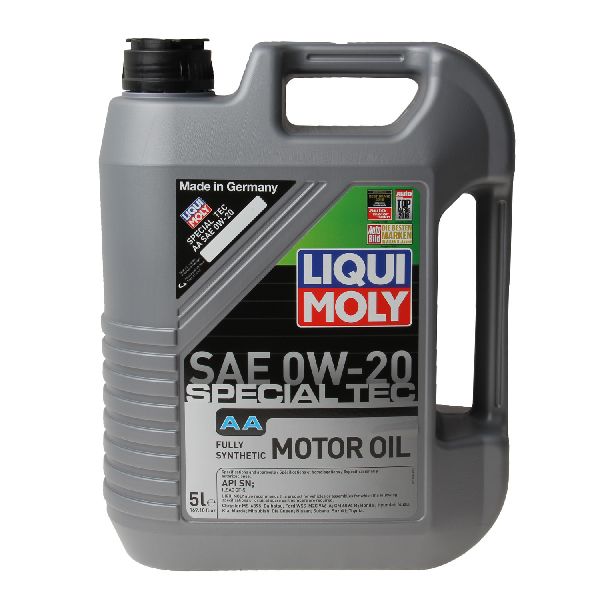
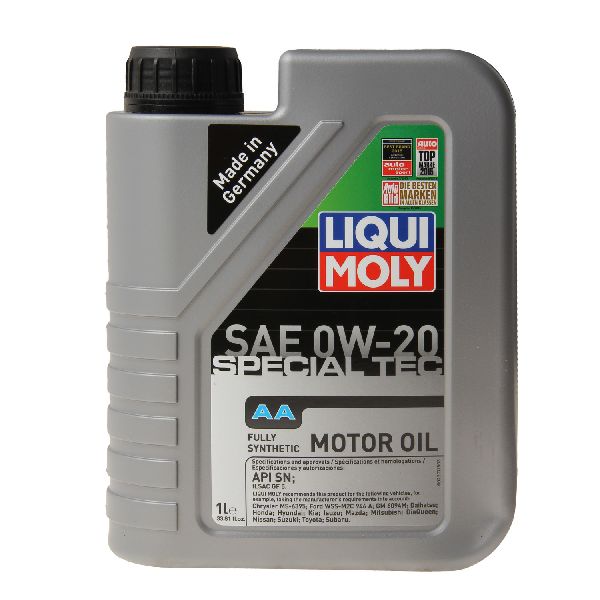
Typical fix: Perform an engine oil and filter change using the manufacturer-recommended full synthetic 0W-20 oil.
Est. part cost: $40-$80 - Faulty Exhaust Oil Control Valve (OCV) / VVT Solenoid 🔴 High Probability The OCV can become clogged with debris from the oil or fail electrically, causing it to get stuck. This is a very common failure point for this code, often recommended as the first part to replace after an oil change.
How to confirm: After confirming oil is good, you can test the solenoid's resistance with a multimeter (should be 6.9-7.9 ohms). A common diagnostic trick is to swap the identical intake and exhaust OCVs; if the code changes to P0011 (Intake Camshaft Position), the solenoid is confirmed bad.
Typical fix: Replace the exhaust Oil Control Valve. It is located on the front of the valve cover.
Est. part cost: $70-$150 - Low Engine Oil Pressure Due to Debris 🟡 Medium Probability Mazda TSBs identify that debris can get stuck in the oil pump's pressure relief valve or clog the oil pickup tube strainer, causing a system-wide drop in oil pressure.
How to confirm: This is often accompanied by code P0524. A mechanical oil pressure test is required to confirm low pressure. The TSB also suggests revving the engine to 4,000+ RPM 10 times to try and dislodge debris.
Typical fix: If pressure is low, the fix involves dropping the oil pan, cleaning it, and replacing the oil strainer with an updated, modified part as per the TSB. In some cases, the oil pump itself may need replacement.
Est. part cost: $30-$60 for the strainer, plus oil and sealant. - Stretched Timing Chain or Faulty Camshaft Phaser ⚪ Low Probability While less common than oil issues, mechanical wear on high-mileage vehicles can cause the timing chain to stretch or the phaser to fail, preventing correct timing. This is usually a last resort after all other causes are ruled out.
How to confirm: This is a diagnosis of exclusion after all oil-related issues and the OCV have been ruled out. It requires significant disassembly to physically inspect the timing components for slack or damage.
Typical fix: Replace the timing chain, guides, tensioner, and potentially the camshaft phaser.
Est. part cost: $300-$600 for a full kit.
Diagnosis Steps
- Check the engine oil level and condition. If low, dirty, or overdue for a change, replace the oil and filter with full synthetic 0W-20 oil. Clear the code and drive to see if it returns.
- If the oil is fine, try the TSB debris-clearing procedure: With the engine warm, clear the code, then rev the engine to 4,000 RPM or higher 10 times to attempt to dislodge any stuck debris in the oil passages or OCV. 🎬 Watch: Two quick DIY methods to clear the P0015 code.
- If the code returns, locate the intake and exhaust Oil Control Valves (OCVs). They are identical and located on the front of the valve cover. Swap their positions. Clear the codes and drive. If the code changes to P0011 (Intake side), you have confirmed a bad OCV.
- If the code remains P0015 after the swap, the OCV is likely not the issue. The next step is to perform a mechanical oil pressure test to verify if the engine has proper oil pressure according to manufacturer specifications.
- If oil pressure is low, the oil pan must be removed to inspect and replace the oil pickup tube strainer with the updated part.
- If oil pressure is good and the OCV is good, the issue may be a clogged camshaft phaser or a stretched timing chain, which requires more in-depth mechanical inspection.
Parts You'll Likely Need
- Engine Oil Control Valve (OCV) / VVT Solenoid
(OEM #PE01-14-420A)— This is the most common component to fail or clog with debris, directly causing the timing issue. It is the same part for both intake and exhaust camshafts.
Trusted brands: Mazda (OEM), Dorman, Hitachi
OEM price range: $120-$180
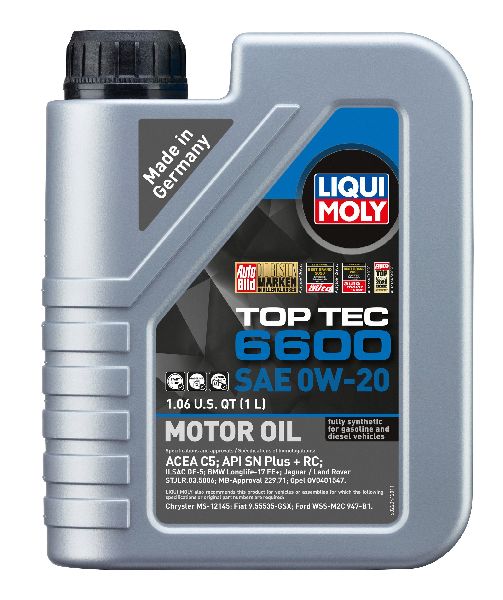
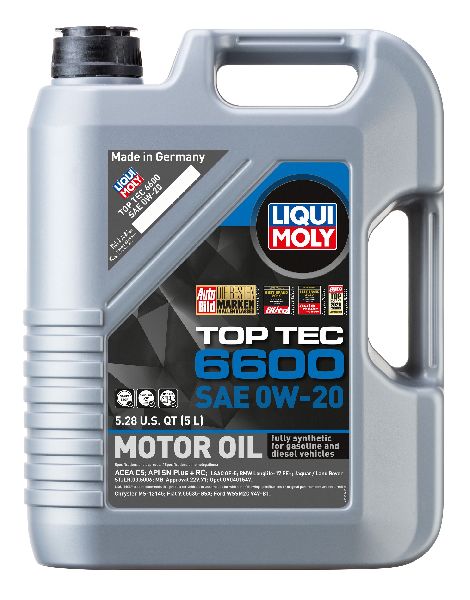
Aftermarket price range: $70-$120 - Engine Oil and Filter — Low, dirty, or incorrect oil is the leading cause of this code on SKYACTIV engines. Use full synthetic 0W-20. Mazda explicitly warns against using engine oil flushes.
Trusted brands: Mobil 1, Castrol, Valvoline, Pennzoil
OEM price range: $60-$90
Aftermarket price range: $40-$70 - Oil Pump Strainer (Pickup Tube)
(OEM #PEY1-14-240 or PE01-14-240A)— Mazda TSBs recommend replacing the original strainer with this modified part if low oil pressure is confirmed, as the original could be prone to clogging. The part number may have been superseded.
Trusted brands: Mazda (OEM)
OEM price range: $30-$60
Aftermarket price range: $20-$40
Related Codes That Often Appear With This One
- P0524 — Stands for 'Engine Oil Pressure Too Low'. Mazda TSBs explicitly state that P0015 and P0524 often appear together, strongly indicating the root cause is a lack of oil pressure affecting the VVT system.
Technical Service Bulletins (TSBs) & Recalls
- 01-009/16: MULTI-MODEL (WITH SKYACTIV) - ROUGH IDLE WITH CHECK ENGINE LIGHT ON AND DTC P0015 / P0524. This TSB covers the 2012-2016 Mazda3 and details the diagnostic procedure for an oil-pressure related P0015 code.
- 01-028/12: 2012-2013 MAZDA3 AND 2013 CX-5 2.0L SKYACTIV - ROUGH IDLE WITH MIL ON AND DTC P0015 / P0524. An earlier version of the TSB with the same diagnosis, later superseded by 01-009/16.
- Bulletin #01-016-19-3627: This manufacturer bulletin notes that some vehicles may experience a rough idle with the check engine light on and DTC P0015 / P0524 stored in memory, caused by a drop in engine oil pressure.
Platform-Specific Known Issues
- Mazda has issued multiple TSBs (e.g., 01-028/12, 01-009/16) regarding P0015, often paired with P0524, on SKYACTIV engines. The cause is documented as a drop in oil pressure from debris lodging in the oil pump relief valve or OCV.
Mechanic-Grade Diagnostic Values
- Oil Control Valve (OCV) Solenoid Resistance — expected: 6.9 – 7.9 Ohms at 20°C (68°F). Failure: A reading of 0 ohms (short), infinite/O.L. (open), or a value significantly outside the expected range indicates a faulty solenoid.
- Mechanical Engine Oil Pressure (Hot Engine, >90°C/194°F) — expected: At 1,500 RPM: 16.0 - 25.3 psi (110-175 kPa). At 4,500 RPM: 43.6 - 62.3 psi (300-430 kPa).. Failure: Readings below these specifications confirm a low oil pressure condition, which could be caused by a faulty oil pump, clogged strainer, or internal leaks.
- Scan Tool Live Data: Commanded vs. Actual Exhaust Cam Angle — expected: The difference between desired (VT_EX_DES) and actual (VT_EX_ACT) should be less than 5 degrees at various RPMs.. Failure: A deviation greater than 5 degrees indicates the phaser is not achieving its commanded position, pointing to a hydraulic or mechanical issue (OCV, phaser, chain).
Scan Tool Commands That Help
- Mazda M-MDS (or equivalent professional scanner): Monitor PIDs: VT_EX_DES (Desired Exhaust VVT Angle) and VT_EX_ACT (Actual Exhaust VVT Angle) — This is a critical step after confirming oil pressure is good. It allows you to see in real-time if the camshaft is failing to meet the PCM's commanded position. A large deviation confirms a VVT system fault (likely OCV or phaser) rather than a sensor glitch.
- Mazda M-MDS (or equivalent professional scanner): Active Command: OCV Duty Cycle Control — This bidirectional test allows a technician to manually command the OCV solenoid to operate. By monitoring the actual cam angle (VT_EX_ACT) while commanding the solenoid, you can confirm if the OCV is responding electrically and if the phaser is reacting mechanically. This can isolate a stuck OCV from a failed phaser.
Wiring & Ground Locations
- Engine Ground Strap — A primary ground strap typically connects the engine block or transmission case to the vehicle's chassis frame rail, often near the passenger side motor mount or on the transmission.. While not a primary cause, a poor engine ground can cause erratic behavior in sensors and actuators. A user on a Mazda forum reported high resistance on their engine ground, and while troubleshooting a different issue, noted key grounding points are from the battery to the strut tower, and from there to the engine block. Ensuring a clean, tight ground connection is a good practice during any electrical diagnosis.
- OCV Connector — The connector plugs directly into the top of the Oil Control Valve (OCV), which is located on the front of the valve cover, easily accessible on the top of the engine.. This is the direct electrical connection for the component most likely to be at fault. The two pins in this connector are where you would test for resistance (6.9-7.9 Ohms) across the solenoid. Inspecting this connector for oil contamination, corrosion, or pushed-out pins is a crucial, simple check.
Real Owner Repair Stories
- Reddit user @brandonprime (2016 Mazda 3) — A weird rattling sound and struggling to start, which got progressively worse over three months, eventually triggering the P0015 code and power loss.
❌ Tried (didn't work) The user was initially advised online that the issue could be the oil or the VVT solenoid.
✅ What actually fixed it The final repair was replacing the oil pump. The owner suspects a dealership oil change was done incorrectly (wrong weight or overfilled), leading to the pump's failure.
OEM Part Supersession History
PE0114420→PE01-14-420A— Standard part revision by the manufacturer. Reasons are not publicly documented but typically involve minor improvements in materials, design, or manufacturing process for better reliability.
Model Year Variations Within This Range
- 2012-2013 vs 2014+: While the root cause and primary components are the same, some TSBs make a distinction in repair procedures. For example, TSB 01-009/16 notes that for a SKYACTIV-G 2.0 (except 2012-13 Mazda3), the oil strainer should be replaced, whereas for the 2012-13 Mazda3 2.0L, cleaning the existing strainer is the specified procedure if replacing the oil pump is not required. This suggests a possible design change in the oil strainer after the 2013 model year.
Diagnostic Flowchart
Other Known Issues on This Vehicle
Issues unrelated to this code that are worth knowing about as an owner of this generation:
- Infotainment 'Ghost Touch' or Delamination 🟠 Medium — Very common on 2014-2016 models. The screen registers phantom touches, making the system unusable. Often worsens in heat. (Ref: Mazda issued a warranty extension program (SSP B6) for certain 2014-2016 Mazda3 vehicles to replace the center display for this issue.)
- Intake Valve Carbon Buildup 🟠 Medium — Inherent to all SKYACTIV-G direct injection engines. Symptoms like rough idle or hesitation may appear after 60,000-100,000 miles. Severity is considered less than on some competing GDI engines.
- Premature Manual Clutch Wear 🟡 Low — More prevalent on 2010-2013 models, but some reports exist for this generation. Clutches may wear out sooner than expected, under 50,000 miles in some cases.
- Leaking Belt Tensioner 🟡 Low — The hydraulic tensioner for the serpentine belt can start to leak oil, sometimes as early as 60,000 km. This can cause belt noise and eventually lead to belt slippage.
- Leaking Oil Pressure Switch 🟡 Low — A known issue, especially in cold climates, where the oil pressure switch can fail and seep oil. Mazda issued TSB 01-007/16 for this, covering 2012-2015 Mazda3s, among others. (Ref: TSB 01-007/16)
Used vs. New Parts: Buying Guide for This Vehicle
When a used part is the smart pick: For this specific repair, sourcing a used Oil Control Valve (OCV) from a low-mileage donor vehicle at a junkyard can be a cost-effective diagnostic step. Since the intake and exhaust OCVs are identical, a known-good used part can help confirm if the OCV is the problem before spending on a new OEM part.
Donor-vehicle mileage cap: roughly under 60000 miles for the part to have meaningful remaining life.
What to inspect on the donor part:
- Check the donor vehicle's history for regular oil changes if possible.
- Inspect the OCV's mesh screens for any tears, debris, or heavy sludge.
- Test the resistance of the used solenoid with a multimeter before purchase; it should be within the 6.9-7.9 ohm specification.
OEM-only on this vehicle (don't cheap out):
- Oil Pump Strainer: Given that Mazda issued updated/modified parts to address clogging issues, it is critical to use the new OEM part and not a used original-design strainer.
- Timing Chain Components: Due to the critical nature of timing components and the relatively low cost of aftermarket kits, using used chains, guides, or tensioners is not recommended.
Aftermarket brands forum-validated for this vehicle:
- Hitachi: Often cited as the original equipment manufacturer (OEM) for Nissan and other Japanese brands, Hitachi VVT solenoids are considered a reliable alternative to dealer parts.
Brands owners have reported issues with on this vehicle:
- Generic/No-Name (e.g., from Amazon/eBay): While tempting due to low cost, many forum users report issues with cheap, unbranded solenoids failing quickly or being out-of-spec from the start, causing the code to return.
- Dorman: While a major aftermarket brand, some direct comparisons show differences in casting and screen quality compared to OEM or Hitachi, leading some mechanics to prefer the latter for VVT components.
Real Owner Stories
Aggregated from forums and TSBs cited above. Mileages and costs reflect what owners reported in those sources.
2016 Mazda 3
Symptoms: A startup rattle that got progressively worse over several months, which eventually triggered the P0015 code.
What fixed it: The ultimate fix was replacing the oil pump, which was allegedly damaged due to a dealer oil service error.
Source hint: Reddit r/AskAMechanic - 'Need help with Code p0015 on mazda 3 2016'
2016 Mazda 3
Symptoms: The P0015 code appeared intermittently and caused the engine to stall.
What fixed it: The owner admitted to being far behind on their oil change, which is a very common trigger for this code. The code reportedly cleared itself after the stall.
Source hint: Reddit r/MechanicAdvice - ''16 Mazda 3 P0015 Code Cleared itself After stall.'
2015 Mazda 3 — 100000 miles
Symptoms: Check Engine Light with code P0015 and a noticeable increase in fuel consumption.
What fixed it: After an oil change did not resolve the issue, the community and an auto parts store recommended replacing the VVT solenoid (OCV) as the next logical step.
Source hint: Reddit r/MechanicAdvice - '2015 Mazda 3 100k miles on code P0015'
Related OBD-II Codes
Frequently Asked Questions
I have a P0015 code on my 2014 Mazda 3. Is there a Technical Service Bulletin (TSB) for this issue?
What kind of oil should I use in my SKYACTIV Mazda 3 to help prevent code P0015?
My mechanic wants to replace the timing chain for P0015. Is this the most likely cause?
How can I test the Oil Control Valve (OCV) without special tools?
I have P0015 and a rattling noise when I start the engine. Are these related?
The TSB mentions a procedure to clear debris. What is it?
Helpful Videos
![How to Fix P0015 Engine Code in 4 Minutes [2 DIY Methods / Only $6.62]](https://img.youtube.com/vi/kO0eG5jKmzg/mqdefault.jpg)

Used OEM Parts in Stock

New Aftermarket Parts Available

The information in this article is provided for general reference and educational purposes only. Vehicle specifications, procedures, and part compatibility can vary by production date, trim level, and region. Always consult your vehicle's factory service manual and verify part numbers before purchasing or performing repairs. Safety-critical components such as airbags, seat belts, and braking systems should be installed by a qualified professional.
- Mazda 3:
- 🎬 Helpful Videos
- 🛍️ Shop This Part
- What's Unique About the 2012-2016 Mazda 3
- Symptoms You May Notice
- Most Likely Causes
- Diagnosis Steps
- Parts You'll Likely Need
- Related Codes That Often Appear With This One
- Technical Service Bulletins (TSBs) & Recalls
- Platform-Specific Known Issues
- Mechanic-Grade Diagnostic Values
- Scan Tool Commands That Help
- Wiring & Ground Locations
- Real Owner Repair Stories
- OEM Part Supersession History
- Model Year Variations Within This Range
- Diagnostic Flowchart
- Other Known Issues on This Vehicle
- Used vs. New Parts: Buying Guide for This Vehicle
- Real Owner Stories
- 2016 Mazda 3
- 2016 Mazda 3
- 2015 Mazda 3 — 100000 miles
- Related OBD-II Codes
- Frequently Asked Questions
- 🎟️ Get 5% Off