

P0013 on 2014-2018 Mazda 3 Skyactiv: Exhaust Cam Actuator Circuit Causes & Fixes
On a 2014-2018 Mazda 3, code P0013 is almost always caused by a failed exhaust VVT solenoid (oil control valve). Because the solenoid is under the valve cover, the repair is more complex than on other cars and requires replacing the valve cover gasket. Expect to pay around $300-$400 for an OEM solenoid. It is an electrical fault code, not a mechanical one.
- P0013 on a Skyactiv Mazda 3 points to an electrical fault with the exhaust VVT solenoid.
- The most common fix is to replace the VVT solenoid (Part #: PE01-14-420A).
- This is not a simple repair: the solenoid is under the valve cover, so the valve cover gasket (Part #: PY01-10-235) must also be replaced.
- Always check your oil level and condition first, but expect the solenoid to be the ultimate culprit.
- Do not confuse the VVT solenoid (actuator) with the camshaft position sensor; they are different parts.
- When testing, the solenoid should have a resistance of 6.9-7.5 ohms.
What's Unique About the 2014-2018 Mazda 3
The key challenge with this code on the 2.0L and 2.5L Skyactiv-G engine is the location of the VVT solenoid. Unlike many engines where the solenoids are externally mounted for easy access, Mazda placed them under the valve cover. This significantly increases the labor and complexity of the repair, as the entire valve cover must be removed and its gasket replaced to access the faulty part. This turns a potentially 15-minute job into a 1-2 hour one. It's also critical to note that on this engine, the intake camshaft is controlled by an electric motor, while the exhaust side uses this oil-pressure solenoid; this is why P0013 specifically points to the exhaust side.
Symptoms You May Notice
- Check Engine Light is on
- Rough or unstable idle
- Reduced engine power and sluggish acceleration
- Decreased fuel economy
- Engine hesitation or stalling
- Rattling noise from the engine
- Replacing the camshaft position *sensor*. P0013 is a circuit code for the actuator *solenoid*, which is a different part. A bad sensor would typically set a code like P0340 or P0365.
- Replacing the VVT actuator/phaser. The phaser is the mechanical gear on the camshaft. P0013 points to an electrical fault with the solenoid that controls the phaser, not the phaser itself.
Most Likely Causes
- Failed Exhaust VVT Solenoid (Oil Control Valve) 🔴 High Probability This is the most common electrical failure point in the VVT circuit. The solenoid's internal coil can develop an open or short, triggering the P0013 code.
How to confirm: After removing the valve cover, test the solenoid's resistance with a multimeter. The specified resistance is 6.9–7.5 ohms at 20°C (68°F). Some sources state a slightly wider range up to 7.9 ohms. A reading of infinity (open) or near-zero (short) indicates a failed solenoid. Note that temperature can affect readings. You can also swap the exhaust and intake solenoids (they are the same part) and see if the code changes to P0010 (intake circuit fault).
Typical fix: Replace the exhaust VVT solenoid. Since the valve cover must be removed, you must also replace the valve cover gasket and any associated seals to prevent leaks.
Est. part cost: $280-$400 - Damaged Wiring or Connector 🟡 Medium Probability The wiring harness inside the valve cover is subjected to heat and oil vapor, which can degrade insulation over time, leading to shorts or breaks.
How to confirm: Visually inspect the wiring and connector leading to the solenoid for any signs of damage, corrosion, or loose pins. Perform a continuity test on the wires from the PCM to the solenoid connector.
Typical fix: Repair the damaged section of wiring or replace the connector pigtail.
Est. part cost: $10-$50 - Low or Dirty Engine Oil ⚪ Low Probability While P0013 is an electrical code, severely low oil levels or sludgy, contaminated oil can cause the VVT system to malfunction hydraulically, sometimes leading to related circuit codes. The Skyactiv-G engine's VVT system is sensitive to oil quality and pressure.
How to confirm: Check the oil level on the dipstick and inspect its condition. If it's low or very dirty, this could be a contributing factor.
Typical fix: Perform an oil and filter change using the correct viscosity oil (Mazda specifies full-synthetic 0W-20). This is a good first step before performing more complex repairs.
Est. part cost: $40-$80
Rare But Worth Checking
- Failed Powertrain Control Module (PCM): This is extremely rare. The PCM's internal driver for the VVT circuit can fail, but all other possibilities should be exhaustively ruled out before considering PCM replacement.
Diagnosis Steps
- Check the engine oil level and condition. Ensure it is clean and filled with 0W-20 synthetic oil. Top up or change the oil if necessary.
- Scan for other codes to see if P0013 is part of a larger problem.
- Remove the engine cover and valve cover to access the VVT solenoids.
- Inspect the wiring and connector for the exhaust VVT solenoid for any visible damage, brittleness, or oil contamination.
- Disconnect the solenoid and test its resistance with a multimeter. A reading between 6.9 and 7.5 ohms is expected. A significantly different reading confirms a bad solenoid.
- If the resistance is good, you can swap the exhaust solenoid with the identical intake solenoid. Reassemble (you can temporarily reuse the old gasket for this test), clear the codes, and run the engine. If the code changes to P0010 (Intake 'A' Camshaft Position Actuator Circuit), the solenoid is confirmed to be the fault.
- If the code remains P0013 after the swap, the problem is in the wiring or the PCM. Test the wiring harness for continuity and check for voltage at the connector with the key on.
- If wiring and solenoid are confirmed good, suspect a rare PCM fault.
Parts You'll Likely Need
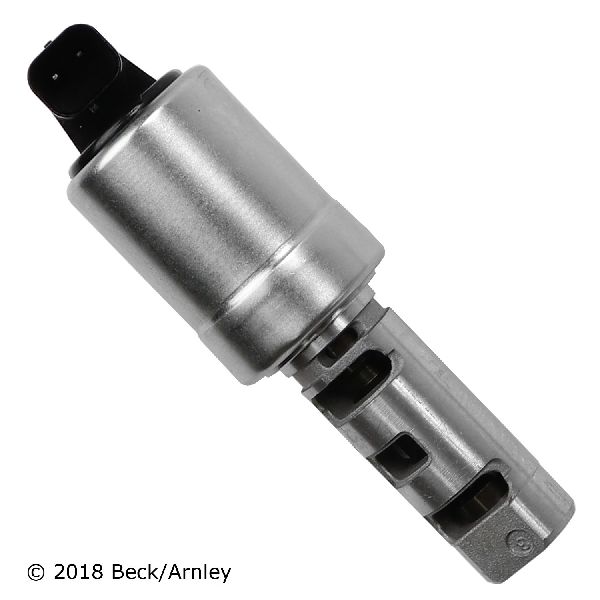
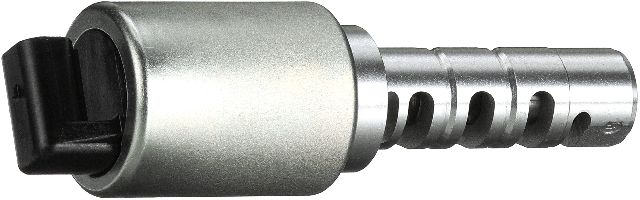
- Engine VVT Solenoid / Oil Control Valve
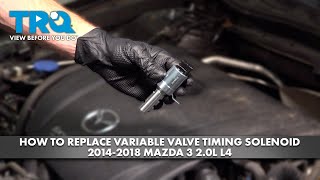
(OEM #PE01-14-420A)— This is the component that fails electrically, causing the P0013 circuit code. 🎬 See how to diagnose and fix a P0013 code step-by-step Both intake and exhaust solenoids are the same part number.
Trusted brands: Mazda (OEM), Dorman, Standard Motor Products (SMP), Beck/Arnley
OEM price range: $280-$400
Aftermarket price range: $80-$150 - Valve Cover Gasket
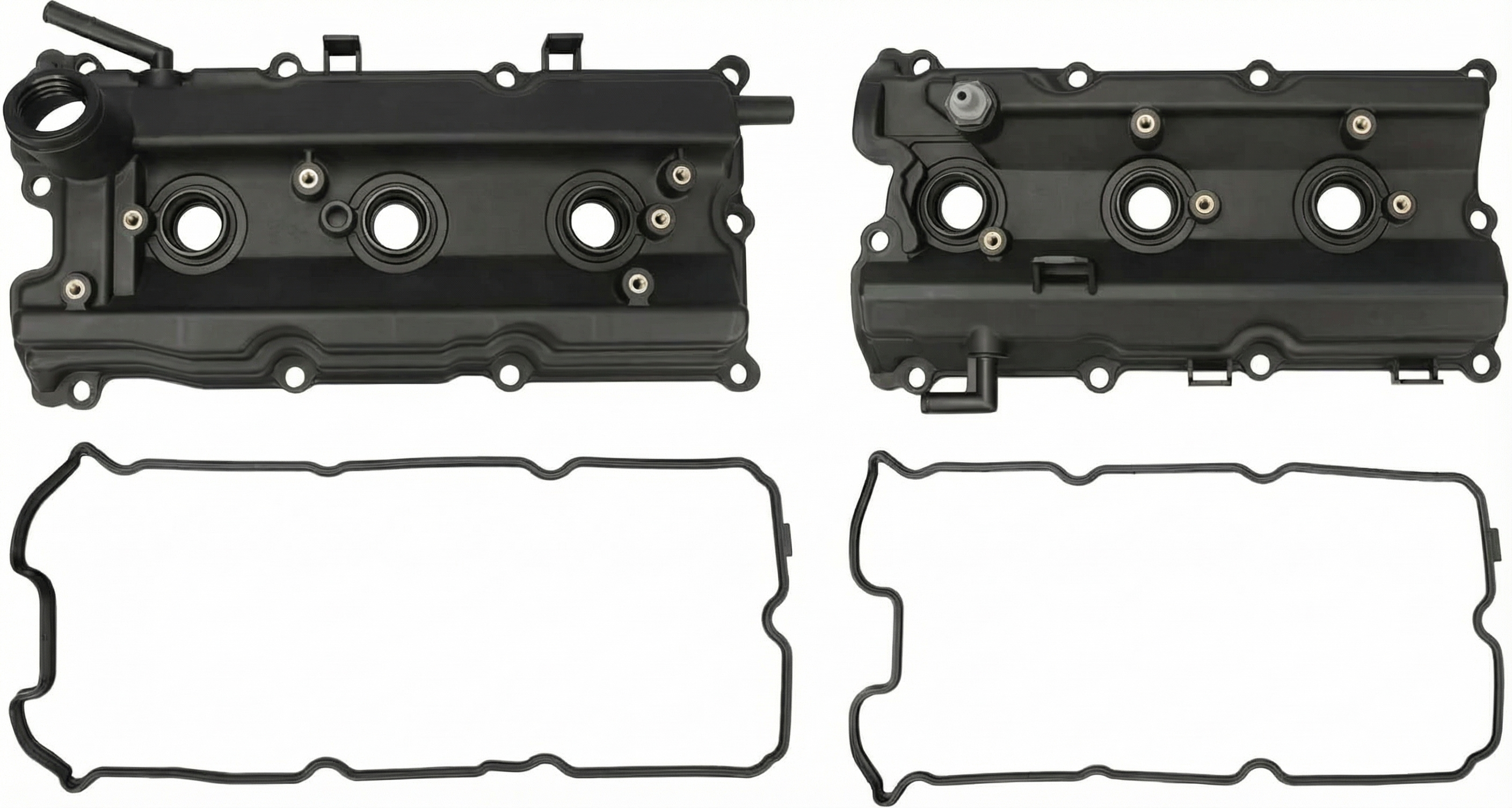
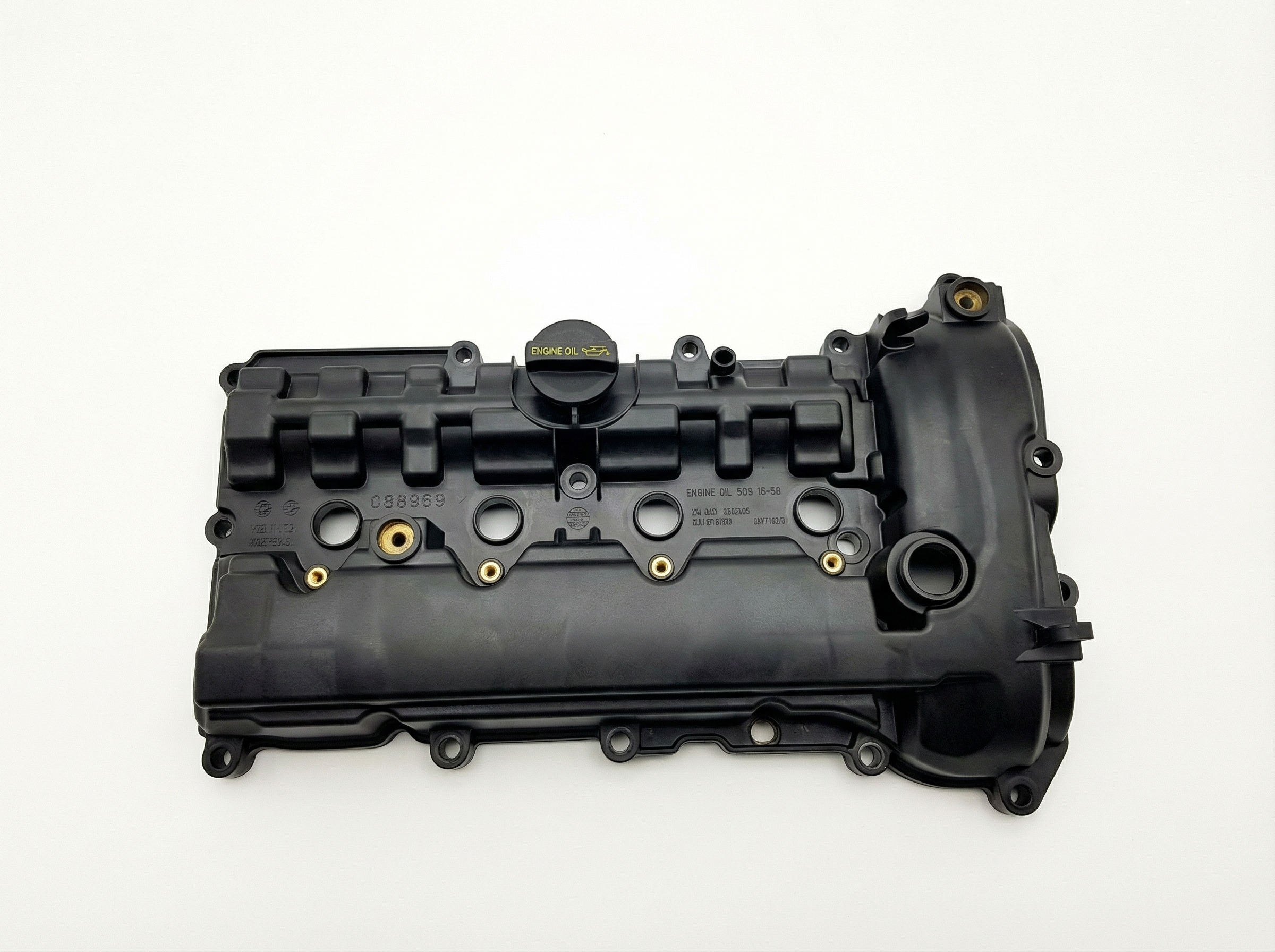
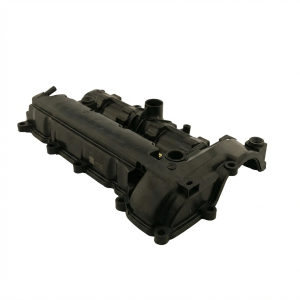
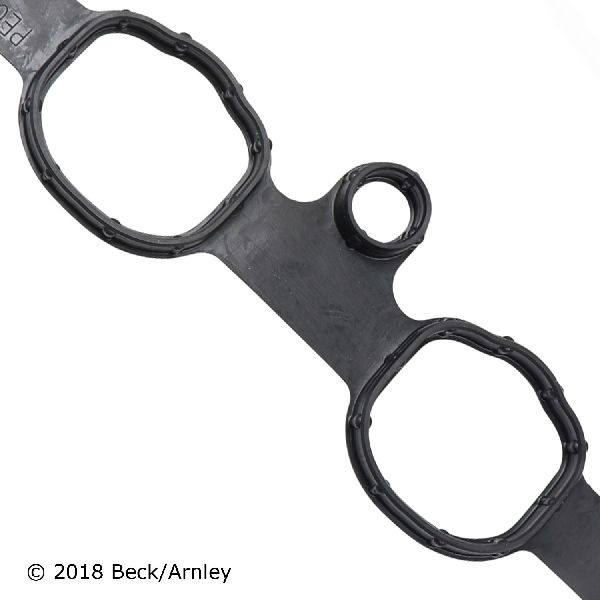
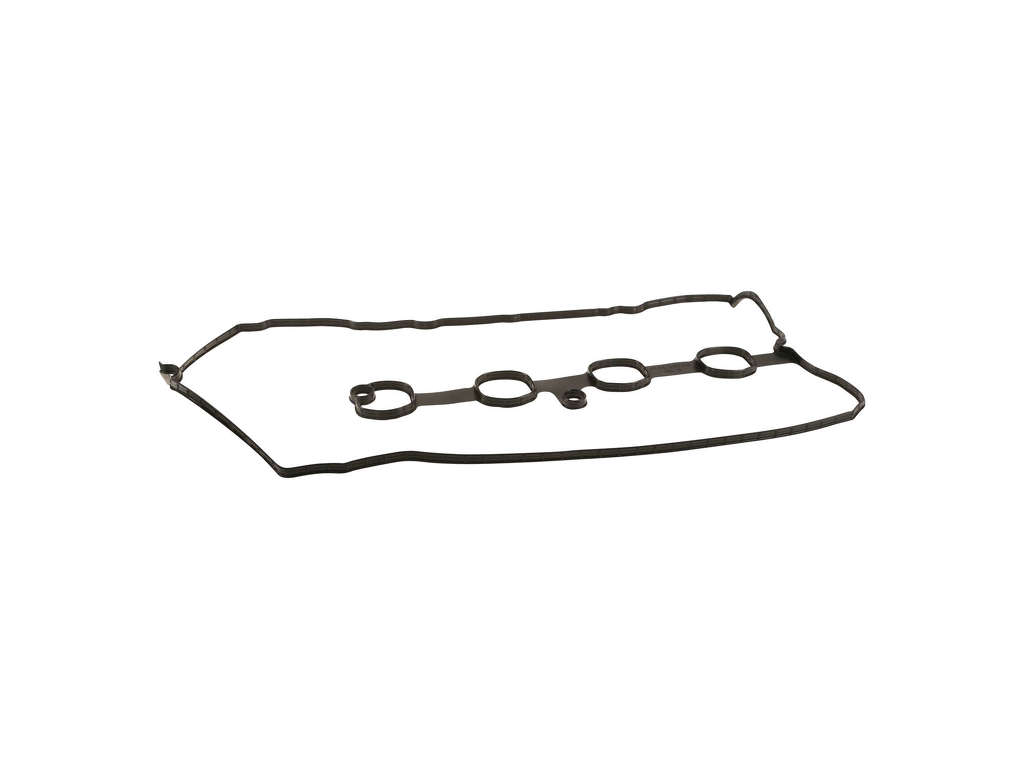
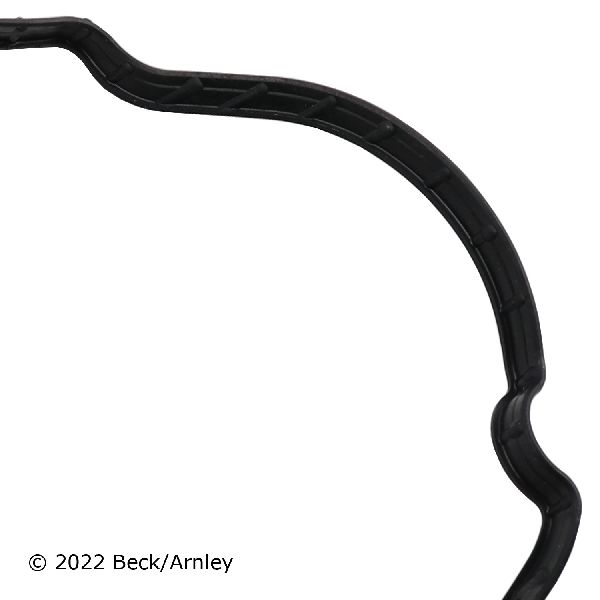
(OEM #PY01-10-235)— This gasket is a single-use item and must be replaced anytime the valve cover is removed to access the VVT solenoids. Reusing the old gasket will cause an oil leak.
Trusted brands: Mazda (OEM), Fel-Pro, Mahle
OEM price range: $30-$50
Aftermarket price range: $15-$30
Technical Service Bulletins (TSBs) & Recalls
- TSB 01-015/15: While this TSB is for codes P0011/P0012 on some 2015 Mazda 6 models, it highlights that mechanical VVT actuator issues are a known possibility for this engine family, making it relevant context.
- TSB 01-011/22: Issued for some Skyactiv engines with high oil consumption. While not directly for P0013, it's relevant because critically low oil levels can cause VVT system faults.
Platform-Specific Known Issues
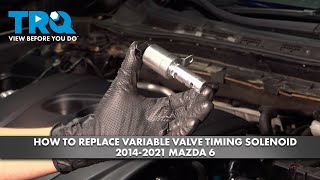
- Faulty Replacement Parts: In at least one documented case for a Mazda 6 with the same engine, an owner replaced the VVT solenoid with a new part, which caused severe running issues and a no-start condition. Reinstalling the original (cleaned) part resolved the symptoms, indicating the new replacement part was defective out of the box. 🎬 Watch a video walkthrough on a similar Mazda Skyactiv platform
Mechanic-Grade Diagnostic Values
- Exhaust Oil Control Valve (OCV) Resistance — expected: 6.9 - 7.5 Ohms at 20°C (68°F). Some sources cite up to 7.9 Ohms.. Failure: A reading of infinity (open circuit) or near-zero (short circuit).
- Exhaust OCV Power Supply Voltage — expected: Battery voltage (approx. 12V) with ignition on, engine off.. Failure: Low or no voltage indicates a problem with the wiring or power supply circuit, not the solenoid itself.
- Exhaust OCV Control Signal at PCM — expected: This is a duty-cycled signal from the PCM. Voltage will vary depending on engine conditions. Direct measurement is best done with an oscilloscope.. Failure: No signal or a flat-line voltage when the engine is running and RPMs are varied.
Hidden / Shadow Codes Worth Checking
- Mode $06: Mode $06 is not a code, but a diagnostic mode that provides access to the results of the PCM's self-tests for various components, including the VVT system. Before a hard fault code like P0013 is set, the system may be failing or running close to the allowable limit. (see via A professional scan tool with Mode $06 capability. A technician can view the test values for the VVT monitor (TID/CID) to see if it is passing or how close it is to the failure threshold, helping to diagnose intermittent issues or verify a repair's effectiveness.)
Scan Tool Commands That Help
- Mazda M-MDS or FORScan: Active Command / Actuator Test for the Oil Control Valve (OCV) — This bidirectional test allows the technician to manually command the PCM to activate the exhaust VVT solenoid with the engine running. If the engine idle becomes rough or stalls when the command is sent, it confirms the PCM driver and wiring are functional, strongly suggesting the solenoid itself is the point of failure.
Wiring & Ground Locations
- PCM Connector Pin 1AR — On the main wiring harness connector at the Powertrain Control Module (PCM).. This is the specific terminal for the 'Engine oil control valve' signal. A technician can test for continuity from this pin to the OCV connector in the engine bay to confirm the wiring harness is intact.
- Engine Block / Cylinder Head Grounds — Multiple points on the engine block, cylinder head, and transmission bell housing bolt to the chassis.. While P0013 is a specific circuit fault, a poor main engine ground can cause a variety of unpredictable electrical issues. Verifying the main ground straps are clean and tight is a fundamental step in any electrical diagnosis.
Real Owner Repair Stories
- YouTube - Click and Learn (Vehicle with P0013 code (model not specified, but demonstrates a universal cause)) — Check Engine Light with code P0013.
❌ Tried (didn't work) Clearing the code with a scanner did not resolve the issue.
✅ What actually fixed it The vehicle's drive belt was damaged and had partially come off, physically striking and damaging the wiring connector for the VVT solenoid. The final fix was repairing the broken wire at the connector and replacing the damaged drive belt.
OEM Part Supersession History
pe0114420→PE01-14-420A— Standard part revision or manufacturer change.
Heads up: No known incompatibilities; PE01-14-420A is the correct service part.
Diagnostic Flowchart
Other Known Issues on This Vehicle
Issues unrelated to this code that are worth knowing about as an owner of this generation:
- Infotainment 'Ghost Touch' and Reboots 🟠 Medium — Very common on 2014-2016 models. The screen may register phantom touches or reboot randomly. (Ref: Mazda issued a warranty extension program (not a recall) to address this. For 2014-2016 models, TSB SSPB6 and NHTSA communication 11021502 apply, though the 7-year coverage period has likely expired for most vehicles.)
- Direct Injection Carbon Buildup 🟠 Medium — A long-term issue inherent to all Skyactiv-G direct injection engines, typically becoming noticeable after 80,000-120,000 miles. Can cause rough idle, hesitation, and misfires.
- Premature Rear Brake Wear 🟡 Low — Some owners report needing to replace rear brake pads, rotors, and sometimes calipers more frequently than expected.
- Cracked Cylinder Head (2.5T Engine) 🔴 High — Primarily affects the turbocharged 2.5T Skyactiv-G engine (not standard on the 2014-2018 Mazda 3 but a known issue in the engine family), causing coolant leaks around the exhaust manifold. (Ref: A class-action lawsuit was filed regarding this issue for other Mazda models.)
- Accessory Drive Belt Tensioner Failure 🟠 Medium — The hydraulic tensioner for the serpentine belt is a common failure point, leading to leaking fluid and eventually a noisy or thrown belt.
Used vs. New Parts: Buying Guide for This Vehicle
When a used part is the smart pick: A used OEM solenoid from a low-mileage donor vehicle can be a cost-effective option for a DIY repair, provided it can be tested before purchase. A used wiring connector pigtail is also a very practical choice if only the connector is damaged.
Donor-vehicle mileage cap: roughly under 75000 miles for the part to have meaningful remaining life.
What to inspect on the donor part:
- Ask for the VIN to check the donor vehicle's history for regular oil changes, if possible.
- Inspect the solenoid's mesh screens; they must be perfectly clean and free of any sludge or metallic particles.
- Test the resistance of the used solenoid with a multimeter before buying. It must be within the 6.9-7.9 ohm specification.
OEM-only on this vehicle (don't cheap out):
- Engine VVT Solenoid / Oil Control Valve
Aftermarket brands forum-validated for this vehicle:
- Denso (often the original equipment manufacturer)
- A-Premium
Brands owners have reported issues with on this vehicle:
- Generic 'white-box' or unbranded solenoids have a high failure rate. While Dorman is a major brand, some mechanics and forum users report inconsistent quality for VVT components and prefer OEM for this specific part.
Real Owner Stories
Aggregated from forums and TSBs cited above. Mileages and costs reflect what owners reported in those sources.
2012 Mazda 3 2.0L Skyactiv-G — 120000 miles
Symptoms: Check engine light persisted after a transmission drain and fill and removing the air intake housing; codes P2090, P0013, and P0014 appeared.
What fixed it: The owner was troubleshooting the VVT solenoid and camshaft-related codes after engine work.
Source hint: Reddit r/MechanicAdvice
2014-2021 Mazda 6 2.5L Skyactiv-G
Symptoms: P0013 code triggered; owner noted the solenoid is located under the valve cover.
What fixed it: Replacement of the VVT solenoid (Part PE01-14-420A) and the valve cover gasket.
Source hint: Vertex AI Search Result - 'P0013 on 2014-2021 Mazda 6 2.5L'
Related OBD-II Codes
Frequently Asked Questions
Can I swap the VVT solenoids to test if the exhaust solenoid is actually bad on my Mazda 3?
What is the correct resistance for the VVT solenoid on a 2.0L/2.5L Skyactiv-G engine?
Does TSB 01-015/15 apply to my P0013 code?
Do I need to replace the valve cover gasket when fixing P0013?
Could low oil cause a P0013 code on my Skyactiv engine?
Is there a risk with using aftermarket VVT solenoids for this repair?
Helpful Videos

Used OEM Parts in Stock

New Aftermarket Parts Available


The information in this article is provided for general reference and educational purposes only. Vehicle specifications, procedures, and part compatibility can vary by production date, trim level, and region. Always consult your vehicle's factory service manual and verify part numbers before purchasing or performing repairs. Safety-critical components such as airbags, seat belts, and braking systems should be installed by a qualified professional.
- Mazda 3:
- 🎬 Helpful Videos
- 🛍️ Shop This Part
- What's Unique About the 2014-2018 Mazda 3
- Symptoms You May Notice
- Most Likely Causes
- Rare But Worth Checking
- Diagnosis Steps
- Parts You'll Likely Need
- Technical Service Bulletins (TSBs) & Recalls
- Platform-Specific Known Issues
- Mechanic-Grade Diagnostic Values
- Hidden / Shadow Codes Worth Checking
- Scan Tool Commands That Help
- Wiring & Ground Locations
- Real Owner Repair Stories
- OEM Part Supersession History
- Diagnostic Flowchart
- Other Known Issues on This Vehicle
- Used vs. New Parts: Buying Guide for This Vehicle
- Real Owner Stories
- 2012 Mazda 3 2.0L Skyactiv-G — 120000 miles
- 2014-2021 Mazda 6 2.5L Skyactiv-G
- Related OBD-II Codes
- Frequently Asked Questions
- 🎟️ Get 5% Off