

P0012 on 2022-2024 Subaru BRZ: FA24D Camshaft Timing Causes and Fixes
On a 2022-2024 Subaru BRZ, P0012 is almost always caused by low or dirty engine oil. Before buying parts, check your oil level and condition. If an oil change doesn't fix it, the passenger-side intake Oil Control Valve (OCV) is the next likely culprit, costing around $90-$135 for the OEM part.
- P0012 means the passenger-side intake camshaft timing is lagging, most likely due to an oil-related issue.
- Always check your engine oil level and condition first. An oil change with 0W-20 synthetic is the cheapest and most common fix.
- If oil doesn't fix it, the passenger-side intake Oil Control Valve (OCV) is the next part to inspect and likely replace.
- Do not immediately replace the camshaft position sensor; it is rarely the cause of this code.
- Ignoring this code can lead to poor performance, bad fuel economy, and potential engine damage over time.
What's Unique About the 2022-2024 Subaru BRZ

The 2022-2024 BRZ uses the modern FA24D engine, shared with the Toyota GR86. While P0012 is a common code on all Subarus, this specific platform is not yet known for a single, widespread design flaw causing it. This means the problem is most often due to universal factors like oil maintenance rather than a specific part failing prematurely. However, it's worth noting that some FA24 engines have been discussed in owner forums for having excess RTV sealant in the oil pan from the factory, which could potentially clog oil passages and lead to oil pressure-related codes like P0012. While the RTV issue is a known concern, forum discussions suggest oil starvation during high-G cornering on a track is a more debated cause of engine issues than the RTV itself.
Symptoms You May Notice
- Check Engine Light is on
- Rough or unstable idle
- Engine hesitation or stumbling on acceleration
- Reduced engine power
- Poor fuel economy
- Engine may stall, especially at low RPM
- Hard starting
- Replacing the camshaft position sensor. This sensor's job is to report the camshaft's position. It is usually doing its job correctly by reporting the timing is retarded. The problem is typically the hydraulic/mechanical system (oil or OCV) that controls the timing, not the sensor itself.
Most Likely Causes


- Low, Dirty, or Incorrect Viscosity Engine Oil 🔴 High Probability The Subaru AVCS (VVT) system is hydraulic and extremely sensitive to oil pressure and cleanliness. Small passages in the Oil Control Valves (OCVs) and cam phasers can be blocked by sludge or debris from old oil, preventing proper operation. This is the most common cause for this code across all vehicles with VVT.
How to confirm: Check the engine oil level on the dipstick and examine its color and consistency. If the level is low, the oil is dark black/sludgy, or it's past its service interval, this is the likely cause.
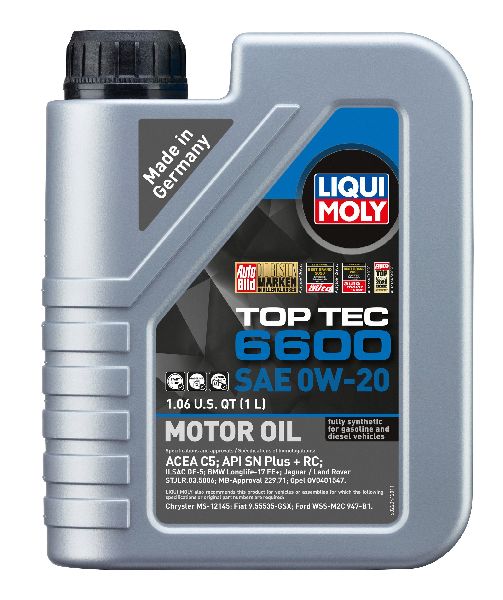
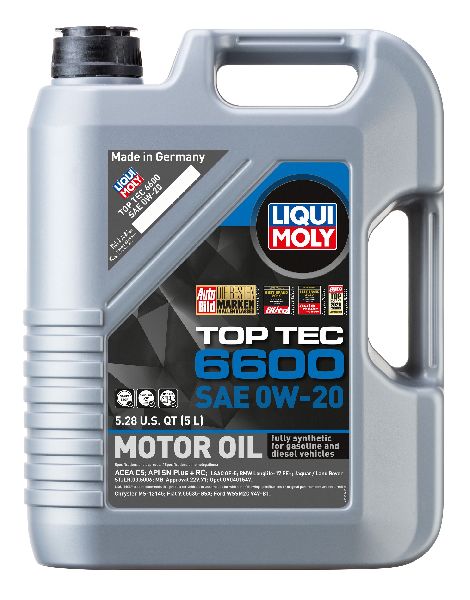
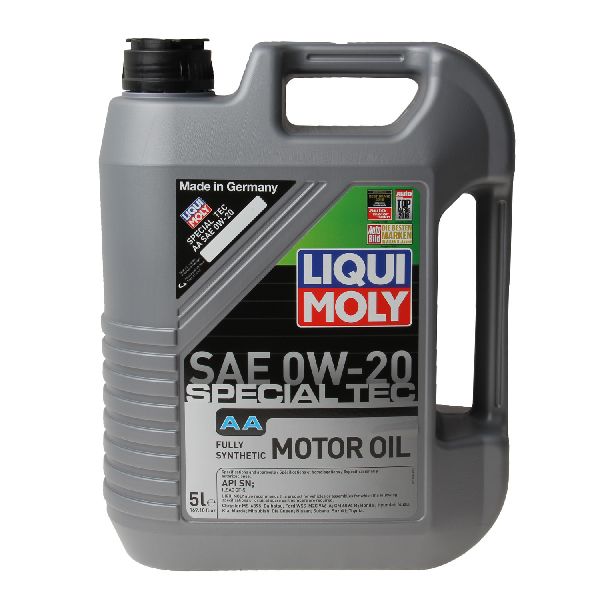
Typical fix: Perform an engine oil and filter change using the correct full synthetic 0W-20 oil specified for the FA24D engine. Clear the code and drive to see if it returns.
Est. part cost: $50-$100 - Failing Intake Oil Control Valve (OCV) - Bank 1 🟡 Medium Probability The OCV (also called a VVT solenoid) can get stuck, become clogged with debris, or fail electrically. This prevents it from correctly directing oil pressure to the camshaft phaser to adjust timing. On prior generation Subaru engines, oil wicking past the OCV's internal seal into the wiring harness was a known issue that could cause electrical problems.
How to confirm: After confirming the oil is clean and full, swap the Bank 1 (passenger side) intake OCV with the Bank 2 (driver's side) intake OCV. They are identical parts. Clear the codes and drive. If the code returns as P0022 (for Bank 2), the OCV you moved is faulty. The Bank 1 intake OCV is the top-most solenoid on the passenger side of the engine's front timing cover.
Typical fix: Replace the faulty Oil Control Valve. There are four identical OCVs on the engine; ensure you are replacing the intake OCV on Bank 1 (passenger side). The OEM part number is 10921AA231.
Est. part cost: $90-$135
Rare But Worth Checking
- Clogged Oil Pickup Tube Screen: The FA24D engine has had documented cases of excess RTV (sealant) applied at the factory, which can break off and clog the oil pickup tube in the oil pan. This starves the engine of oil, causing a drop in pressure that can trigger AVCS codes like P0012. This would likely be accompanied by other oil pressure warnings or more severe symptoms.
- Stretched Timing Chain or Failed Guide/Tensioner: While not common on a newer vehicle, significant timing chain stretch or a failure in the tensioning system can cause the base camshaft timing to be incorrect, which the AVCS system cannot overcome. This is a major mechanical repair and would likely be preceded by rattling noises from the front of the engine.
- Faulty Camshaft Phaser (AVCS Sprocket): The phaser itself, located on the end of the camshaft, can become stuck or fail internally. This is less common than an OCV failure and more difficult to replace. A failure here might be accompanied by other correlation codes like P0016 or P0018.
Diagnosis Steps

- Check Engine Oil: Verify the oil level is full and the oil is clean. If it's low, dirty, or the wrong type, perform an oil and filter change with full synthetic 0W-20 oil. This is the most common and cheapest fix.
- Scan for Other Codes: Check if any other codes, especially U0100, P0016, or P0018 are present. A Subaru TSB links P0012 and U0010. Correlation codes may point to a more severe mechanical timing issue.
- Inspect OCV Wiring: Visually inspect the wiring and connector for the Bank 1 (passenger side) intake OCV. Look for damage, corrosion, or oil contamination. Oil wicking into the harness was an issue on prior generations.
- Swap the Oil Control Valves: Swap the intake OCV from Bank 1 (passenger) with the intake OCV from Bank 2 (driver). They are identical parts. Clear the codes and drive the vehicle. If the trouble code changes to P0022 (Bank 2 Over-Retarded), the OCV is confirmed to be the faulty part. This is the most definitive DIY test for a bad OCV.
- Test the OCV (Optional): If you have a multimeter, you can test the OCV's resistance. It should typically be between 6.9 and 7.9 ohms at 68°F (20°C). You can also briefly apply 12V to see if the internal plunger clicks, but the swap test is more definitive.
- Advanced Diagnostics: If the OCV is not the issue, the problem is likely more serious, such as a clogged oil passage, a failing camshaft phaser (sprocket), or a timing chain issue. This level of diagnosis is best left to a professional technician with access to Subaru-specific diagnostic tools.
Parts You'll Likely Need

- Engine Oil Control Valve (OCV) / VVT Solenoid
(OEM #10921AA231)— This valve controls the oil flow that adjusts cam timing. It is the most common mechanical part to fail or clog, causing code P0012 after an oil issue has been ruled out. Multiple sources confirm this part number fits the 2022-2024 BRZ.
Trusted brands: Subaru (OEM), Denso
OEM price range: $90-$135
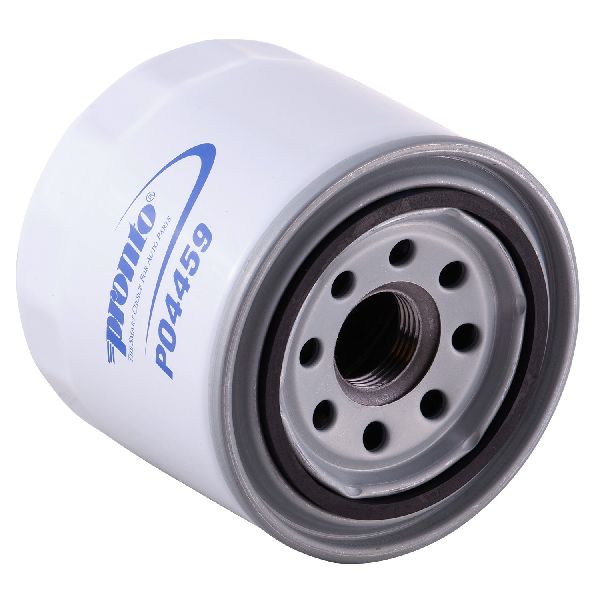
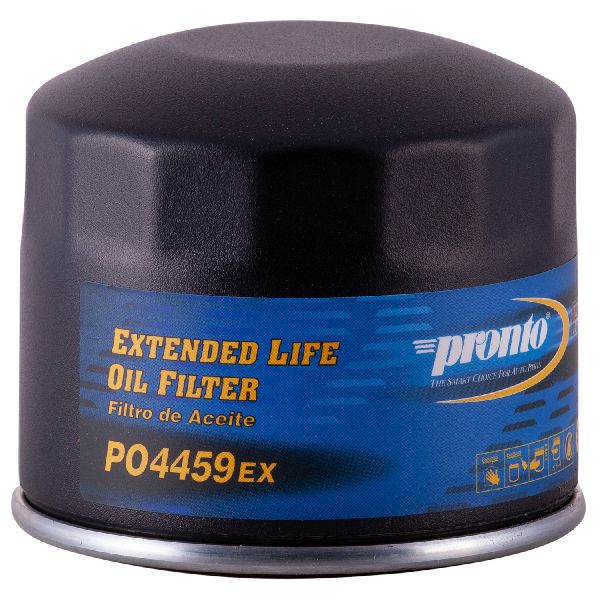
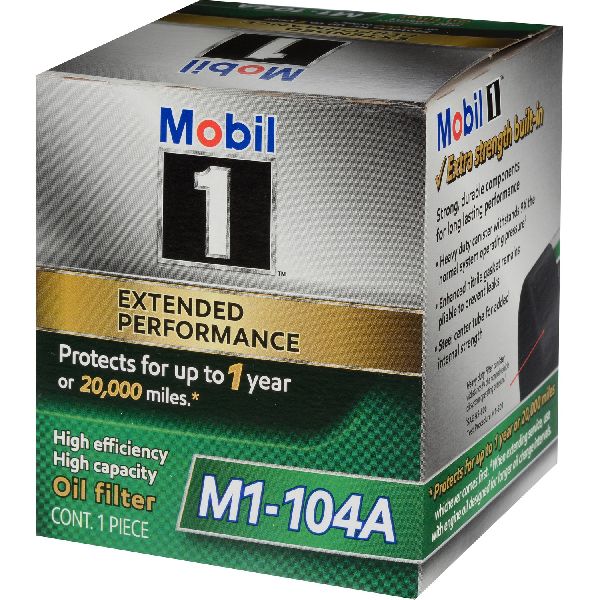
Aftermarket price range: $50-$90 - Engine Oil and Filter — Low or dirty oil is the number one cause of this code. Always start with an oil and filter change using the correct 0W-20 synthetic oil.
Trusted brands: Idemitsu, Mobil 1, Pennzoil
Aftermarket price range: $50-$100
Related Codes That Often Appear With This One
- U0100 — Subaru TSB #09-128-24R directly links U0100 (Lost Communication with ECM) with camshaft timing codes like P0012 on the 2022 BRZ. An underlying timing fault can sometimes trigger this network code. Diagnosis of the P0012 should be performed first.
- P0011 — This code is for 'Timing Over-Advanced' on the same camshaft. It's possible to see this code if the OCV is sticking intermittently, causing the timing to be erratic in both directions, or if multiple OCVs are failing.
- P0016, P0018 — These are crankshaft-camshaft correlation codes. If they appear with P0012, it could point to a more serious mechanical issue like a jumped timing chain, as the engine is detecting a discrepancy between the crank's rotation and the cam's base position.
Technical Service Bulletins (TSBs) & Recalls
- 09-128-24R / 09-128-24: Mentions P0012 for the 2022 BRZ but with a likely definition error. Also links the code to U0100. Manufacturer service bulletin #09-128-24 specifically lists P0012 as "A" Camshaft Position - Timing Over-Advanced or System Performance Bank 2.
- 02-163-16R: Provides detailed inspection and repair procedures for AVCS-related DTCs on various Subaru models with FA/FB engines, including the BRZ.
Platform-Specific Known Issues
- Subaru Technical Service Bulletins #09-128-24 and #09-128-24R mention code P0012 for the 2022 BRZ, but they contain a widely-believed typo, incorrectly defining the code as 'Timing Over-Advanced' and for 'Bank 2'. The standard SAE definition of Over-Retarded for Bank 1 is correct.
- TSB #02-163-16R provides a comprehensive diagnostic flowchart for AVCS-related codes on BRZ models, which is a valuable resource for technicians. It emphasizes checking oil condition first before proceeding to more complex mechanical or electrical tests.
Mechanic-Grade Diagnostic Values
- Oil Control Valve (OCV) Solenoid Resistance — expected: 6.9 - 7.9 Ohms at 68°F (20°C). Failure: A reading outside this range, or an open/short circuit, indicates a failed solenoid.
- Base Camshaft Timing (OCV Unplugged) — expected: Close to 0° at idle. Failure: A value of approximately +/- 10° or more indicates a potential timing chain jump of one tooth.
- Scan Tool Live Data Comparison — expected: The 'AVCS In Right' (actual) value should closely track the 'AVCS Intake Target' (commanded) value during operation.. Failure: A significant lag between the actual and target values indicates a problem in the AVCS system.
Hidden / Shadow Codes Worth Checking
- Mode $06 'AVCS diagnostic value': This is not a standard DTC but a manufacturer-specific diagnostic value that indicates the result of the ECM's internal AVCS system test after a drive cycle. (see via Subaru Select Monitor (SSM) or an equivalent professional scan tool capable of reading manufacturer-specific Mode $06 data.)
Scan Tool Commands That Help
- Subaru Select Monitor (SSM) or equivalent: Live Data Monitoring ('Current Data Display') — Used to monitor and compare the commanded intake cam angle ('AVCS Intake Target') versus the actual angle ('AVCS In Right') to confirm a performance lag in real-time.
- Aftermarket Professional Scan Tool: Reset ECM Learned Values / VVT Learned Position Reset — In rare cases where the ECM has stored an incorrect learned value for the camshaft's base position, this function can clear it. According to a technician, this function may not be available on the dealer-level Subaru Select Monitor, making it a unique capability of some aftermarket tools.
Wiring & Ground Locations
- Engine Block to Chassis Grounds — There are typically three main engine ground straps: one on each side of the front bottom of the engine connecting to the frame rails, and one from the passenger-side top-rear of the engine/transmission to the firewall/transmission tunnel.. A poor ground connection can cause erratic behavior in sensors and solenoids, including the OCVs and camshaft position sensors, leading to timing-related fault codes.
- ECU Ground — The main ground reference for the ECU and its sensors is often located on the top of the intake manifold.. This is the most critical ground for engine management. A loose or corroded connection here can cause a wide range of difficult-to-diagnose issues, including AVCS faults.
Real Owner Repair Stories
- FT86Club Forum User 'BAMF86' (First Generation (2013-2020) FR-S/BRZ) — P0016 (Crank-Cam Correlation) and later P000B (Exhaust Cam Slow Response), idle dip.
❌ Tried (didn't work) Initial diagnosis was inconclusive. The dealer first replaced the EGI control unit which seemed to fix the P0016 issue temporarily.
✅ What actually fixed it When a new code (P000B) appeared months later, the dealer swapped the OCVs between banks and the code followed the valve. The faulty OCV was found to be melted or contaminated with particles, causing a slow response. Replacing the specific OCV resolved the issue, and the car ran well for over six months afterward.
OEM Part Supersession History
10921AA220, 10921AA230→10921AA231— The newer part number likely contains internal revisions, such as an improved internal oil seal to prevent oil from wicking into the wiring harness, which was a known issue on some Subaru models.
Model Year Variations Within This Range
- 2022-2024: There are no documented mechanical changes to the FA24D engine, AVCS system, or related components within this model year range that would alter the causes or diagnosis of code P0012. The main updates were the introduction of the tS trim (suspension/brakes) and the standardization of the EyeSight safety suite for manual transmission models in 2024.
Diagnostic Flowchart
Real Owner Stories
Aggregated from forums and TSBs cited above. Mileages and costs reflect what owners reported in those sources.
Subaru BRZ / Toyota 86 platform
Symptoms: Experienced a laundry list of AVCS-related codes including P0011, P0016, and P0018.
What fixed it: Diagnosed the Oil Control Valves and found that 3 out of the 4 OCVs on the engine were bad. Replacing the faulty valves resolved the codes.
Source hint: FT86Club Forum thread titled 'P0018, P0016, P0011' (https://www.ft86club.com/forums/showthread.php?t=141819)
Related OBD-II Codes
Frequently Asked Questions
Does TSB #09-128-24 apply to my 2022 BRZ for code P0012?
What is the OEM part number for the Bank 1 Intake Oil Control Valve on the FA24D?
Could the known RTV sealant issue on the FA24 engine cause this P0012 code?
How can I test if the Bank 1 intake OCV is bad on my BRZ?
Is there a specific diagnostic flowchart for AVCS codes on the BRZ?
I have code P0012 and U0100 on my 2022 BRZ. Are they related?
We Have This Part in Stock

The information in this article is provided for general reference and educational purposes only. Vehicle specifications, procedures, and part compatibility can vary by production date, trim level, and region. Always consult your vehicle's factory service manual and verify part numbers before purchasing or performing repairs. Safety-critical components such as airbags, seat belts, and braking systems should be installed by a qualified professional.
- Subaru BRZ:
- 🛍️ Shop This Part
- What's Unique About the 2022-2024 Subaru BRZ
- Symptoms You May Notice
- Most Likely Causes
- Rare But Worth Checking
- Diagnosis Steps
- Parts You'll Likely Need
- Related Codes That Often Appear With This One
- Technical Service Bulletins (TSBs) & Recalls
- Platform-Specific Known Issues
- Mechanic-Grade Diagnostic Values
- Hidden / Shadow Codes Worth Checking
- Scan Tool Commands That Help
- Wiring & Ground Locations
- Real Owner Repair Stories
- OEM Part Supersession History
- Model Year Variations Within This Range
- Diagnostic Flowchart
- Real Owner Stories
- Subaru BRZ / Toyota 86 platform
- Related OBD-II Codes
- Frequently Asked Questions
- 🎟️ Get 5% Off