

P0012 on 2014-2018 Mazda 3 SkyActiv-G: Causes and Fixes for Over-Retarded Intake Cam Timing
On a 2014-2018 Mazda 3, code P0012 is almost always caused by a failing electric intake VVT actuator or its motor, not a simple oil solenoid. Check for TSBs first: TSB 01-007/15 affects certain 2014 models with faulty actuators, and TSB 01-014/19 points to a required PCM software update for some 2018 models. Expect to pay $400-$700 to replace the actuator (phaser), but be aware the separate electric motor can also fail.
- P0012 on a SkyActiv-G engine is not a typical oil pressure solenoid issue; it points to the unique electric intake VVT actuator.
- Always check for TSBs first. A 2014 model may have a known faulty actuator (TSB 01-007/15), while a 2018 model may only need a software update (TSB 01-014/19).
- The most likely repair is replacing the electric VVT actuator (phaser), which is a moderately difficult DIY job (4/5) requiring valve cover removal.
- Do not waste time or money replacing the exhaust oil control valve (OCV), as it is unrelated to the intake timing system on this engine.
What's Unique About the 2014-2018 Mazda 3

Unlike most engines that use oil pressure-driven solenoids (OCVs) to adjust both camshafts, the 2.0L and 2.5L SkyActiv-G engines use a unique hybrid system. The exhaust camshaft is controlled by a conventional oil-pressure system, but the intake camshaft—the one referenced by code P0012—is controlled by a sophisticated electric VVT actuator motor. This means that common fixes for P0012 on other vehicles, like cleaning or replacing an intake oil control valve, do not apply here. Diagnosis must focus on this specific electric actuator, its separate drive motor, and the possibility of a software glitch.
Symptoms You May Notice
- Check Engine Light is on
- Rough idle or stalling
- Poor acceleration and loss of power (may enter 'limp mode')
- Decreased fuel economy
- Difficulty starting the engine
- Hesitation or bucking when accelerating from low RPM.
- Replacing the exhaust VVT oil control valve (OCV). P0012 on this engine is for the intake side, which uses an electric motor, not an OCV. The exhaust OCV has no effect on this code.
- Replacing the camshaft position sensor. While a sensor failure can cause timing-related codes, it is not a common cause for P0012 on this platform, which is heavily linked to the mechanical/electrical actuator system.
Most Likely Causes

- Faulty Electric VVT Actuator (Phaser) 🔴 High Probability Mazda issued TSB 01-007/15 for 2014 Mazda 3 models with VINs from JM1BM**177872 to 196206 (produced Jan 31, 2014 to Mar 21, 2014) due to VVT actuator spring shaft fatigue, causing the part to fail and get stuck. This is the most common mechanical failure point for this code across the entire 2014-2018 year range.
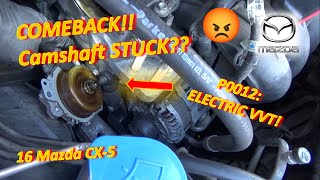
How to confirm: A mechanic can use a scan tool to command the intake cam timing (PID: VT IN_DES) and watch if the actual position (PID: VT IN_ACT) follows. If it's stuck near zero or responds sluggishly, and other issues are ruled out 🎬 Watch: Diagnostic walkthrough of a stuck electric VVT actuator, the actuator is the likely culprit. Physical inspection requires removing the valve cover.
Typical fix: Replace the electric variable valve timing actuator assembly (the phaser gear itself). This part is located under the valve cover, so the valve cover gasket must also be replaced.
Est. part cost: $300-$500 - Outdated PCM Software (False Error Detection) 🟡 Medium Probability Mazda TSB 01-014/19 identifies that on some 2018 models (specifically CX-5 and Mazda6, but the logic applies to the Mazda 3 with the same engine), improper PCM logic can falsely trigger a P0012 code when no mechanical fault exists. This applies to vehicles with a Mitsubishi-made PCM.
How to confirm: A Mazda dealership can check your vehicle's VIN against TSB 01-014/19. For the related Mazda 6, this applied to VINs lower than JM1GL**336737. If it applies, a software update is the first step before any parts are replaced.
Typical fix: Reprogram the Powertrain Control Module (PCM) with updated software. This must be done by a dealer or a properly equipped independent shop.
Est. part cost: $0 (if under warranty) - $200 - Low or Dirty Engine Oil ⚪ Low Probability While the intake VVT system is electric, the entire engine relies on clean oil for lubrication and operation of other components like the timing chain tensioner. Extremely low oil levels can cause a drop in oil pressure, which can affect the timing system enough to trigger a fault, even if it's not the primary control method for the intake cam.
How to confirm: Check the oil level on the dipstick and inspect its condition. If the oil is below the minimum level, very dark, or gritty, this is the first thing to address.
Typical fix: Perform an engine oil and filter change using the correct full-synthetic 0W-20 oil specified for SkyActiv-G engines.
Est. part cost: $40-$80
Rare But Worth Checking
- Stretched Timing Chain: On higher mileage engines (typically over 100,000 miles), the timing chain can stretch. This alters the base timing enough that the VVT system cannot compensate, triggering the code. This is usually accompanied by a brief rattling noise on cold starts and may be seen with code P0016.
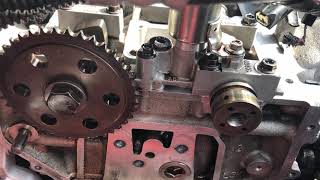
- Failed Electric VVT Adjust Motor: Separate from the actuator (phaser), the electric motor that drives it can fail. This is a less common but significant possibility. If the actuator is replaced and the code persists, the motor (Part # PE01-12-4Z0C) is the next logical component to inspect and replace. 🎬 See this video for a deep dive into the VVT motor Manufacturer TSB #SA-033-25 notes that a malfunction in the intake EVVT motor can prevent it from accurately regulating the intake camshaft, potentially triggering P0010, P0011, and P0012.
Diagnosis Steps
- Check the engine oil level and condition. Top up or change the oil and filter if it's low or dirty, using 0W-20 synthetic oil. Clear the code and see if it returns. 🎬 Watch: A quick DIY guide for fixing P0012 timing codes
- Check for applicable Technical Service Bulletins (TSBs). For 2014 models, check for TSB 01-007/15 (VINs JM1BM**177872 to 196206). For 2018 models, inquire about TSB 01-014/19 regarding a PCM update. Follow TSB instructions if your vehicle is included.
- Connect an advanced OBD-II scanner and monitor the PIDs for desired intake cam angle (VT IN_DES) and actual intake cam angle (VT IN_ACT).
- While monitoring the PIDs, rev the engine up to 3,000 RPM and back to idle several times. The actual angle should closely follow the desired angle.
- If the actual angle is stuck at or near zero and does not change, the problem is likely with the VVT actuator or its motor.
- Inspect the wiring and connector for the electric VVT motor for any damage or corrosion.
- If wiring is good and a PCM update is not applicable, the next step is to replace the electric VVT actuator (phaser). This requires removing the valve cover. If the problem persists, suspect the VVT adjust motor itself.
Parts You'll Likely Need

- Electric VVT Actuator (Phaser)
(OEM #PE01-12-4X0C)— This is the mechanical gear on the camshaft that physically adjusts the timing. It is the most common failure point identified in Mazda's TSB 01-007/15 for code P0012 due to spring fatigue. The TSB originally specified part PE01-12-4X0B, which has been superseded.
Trusted brands: Mazda (OEM)
OEM price range: $300-$500
Aftermarket price range: $200-$350 - Electric VVT Adjust Motor
(OEM #PE01-12-4Z0C)— This electric motor drives the VVT actuator. It can fail electrically or mechanically, preventing cam timing adjustment. Part number PE01-12-4Z0C supersedes older versions PE01-12-4Z0A and PE01-12-4Z0B. It is a separate part from the phaser and is significantly more expensive.
Trusted brands: Mazda (OEM)
OEM price range: $600-$850
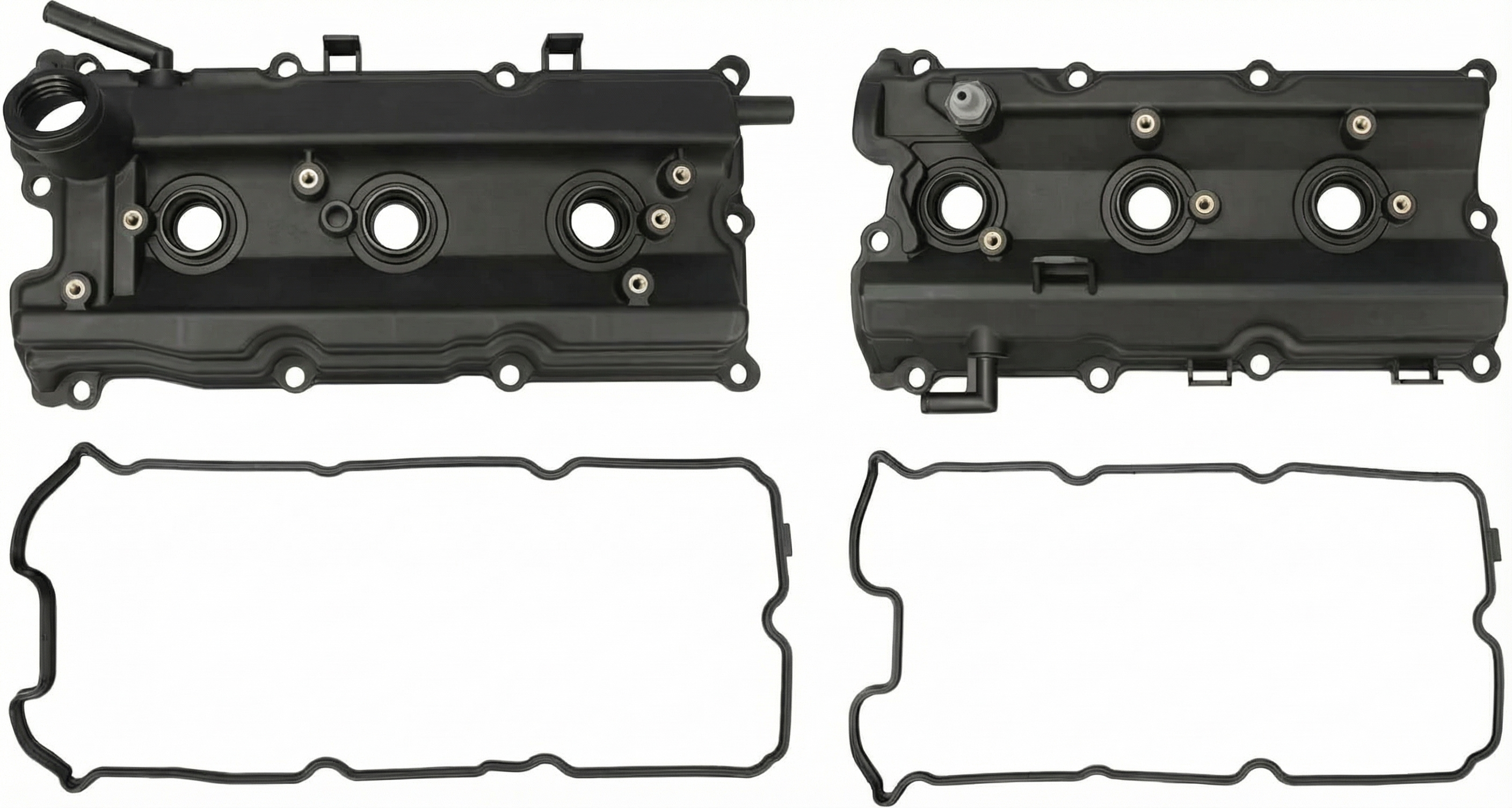
Aftermarket price range: $300-$500 - Valve Cover Gasket
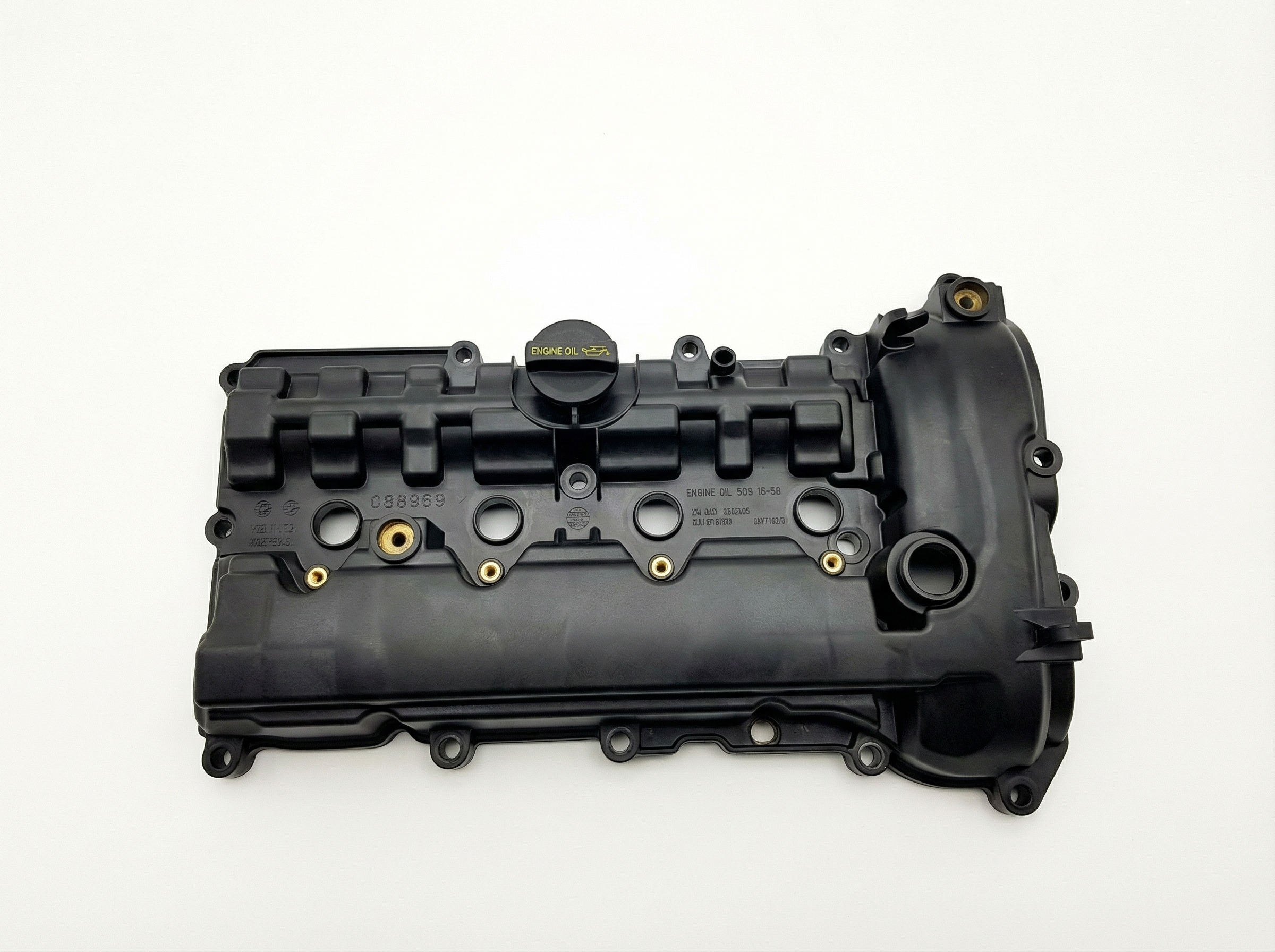
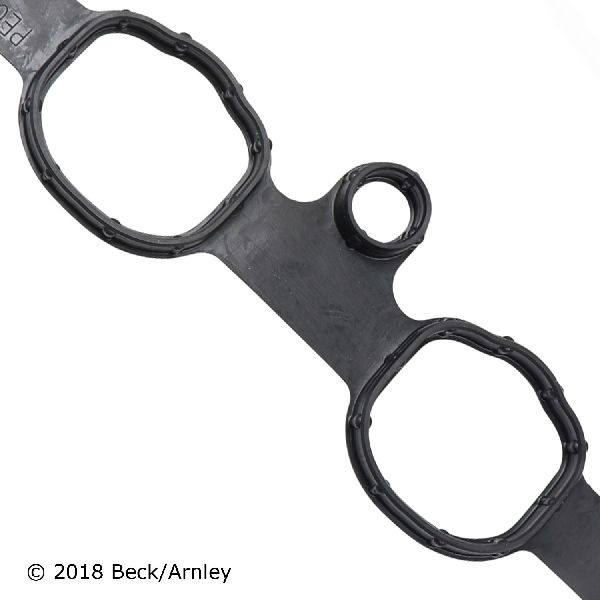
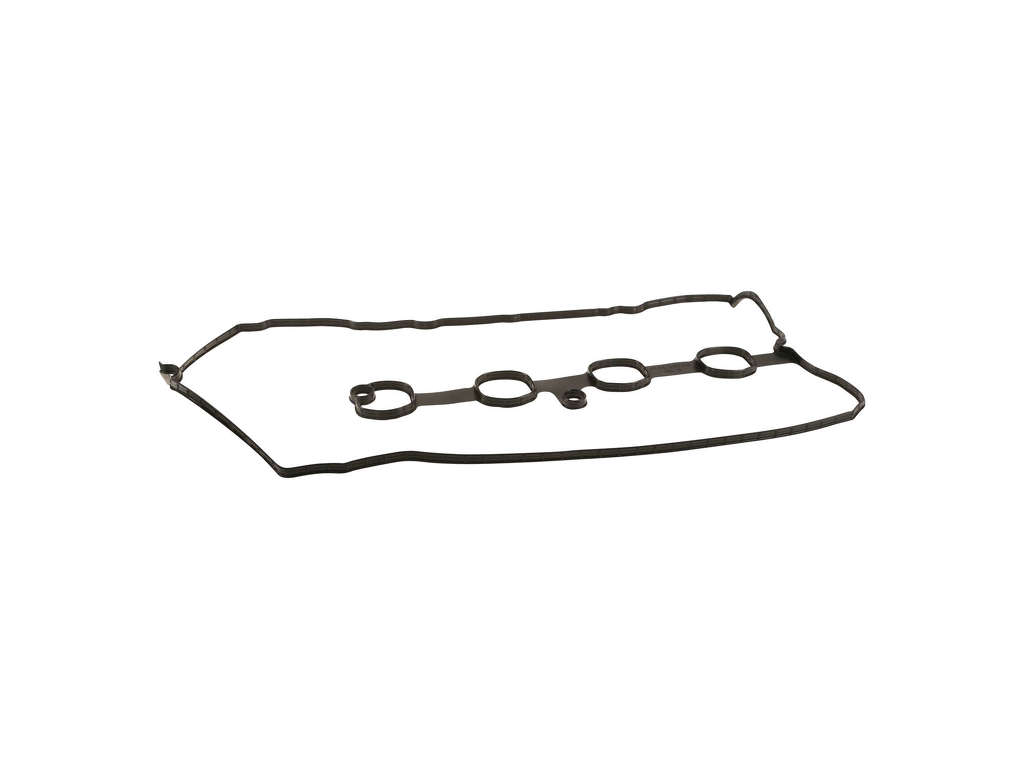
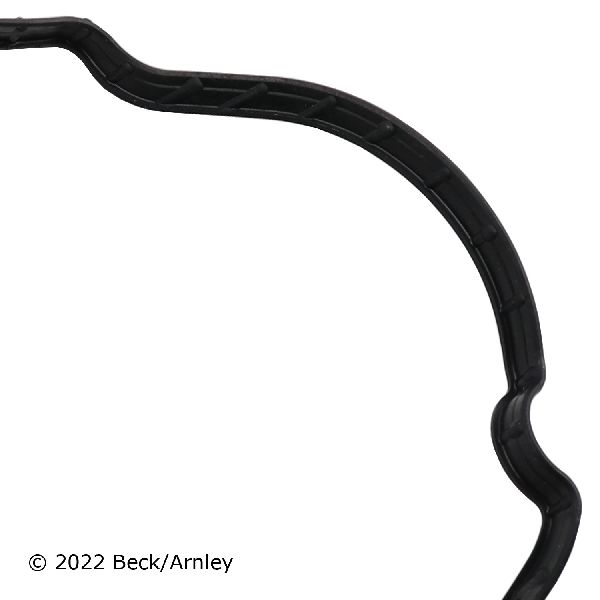
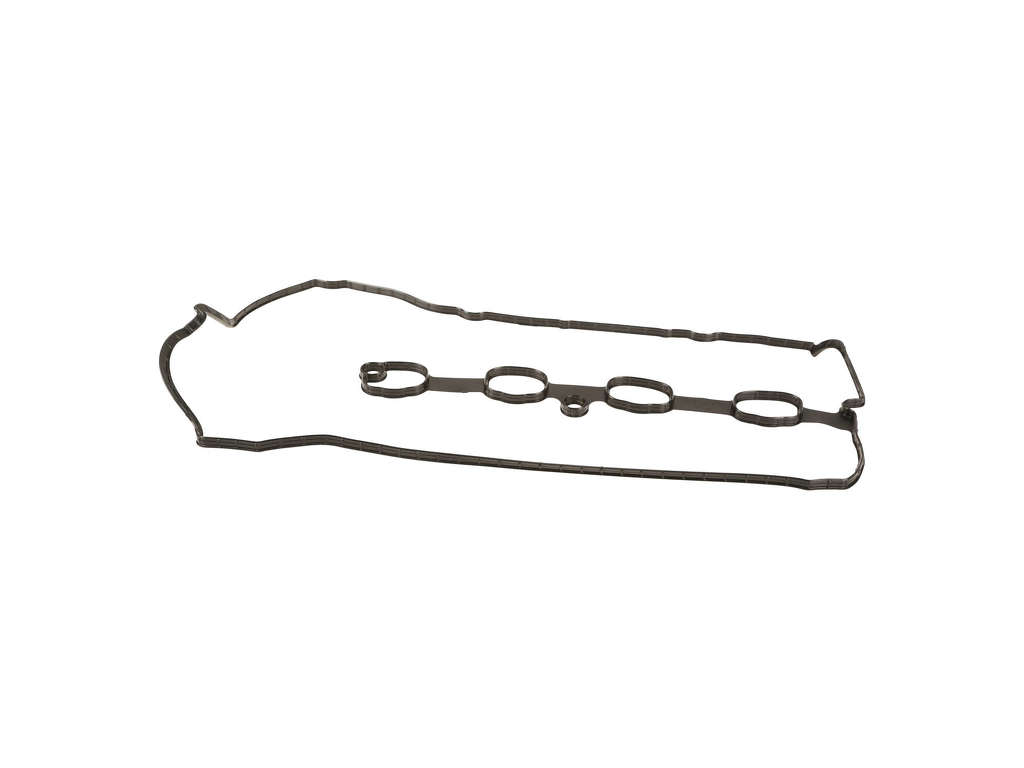
(OEM #PY01-10-235)— The VVT actuator is located under the valve cover. The gasket is a one-time-use part and must be replaced whenever the cover is removed to prevent oil leaks.
Trusted brands: Mazda (OEM), Fel-Pro, Mahle
OEM price range: $30-$50
Aftermarket price range: $20-$40
Related Codes That Often Appear With This One
- P0011 — This code for 'Timing Over-Advanced' can be caused by the same failing VVT actuator, as noted in TSB 01-007/15. The actuator can fail by getting stuck in any position, causing either an over-advanced or over-retarded condition.
- P0016 — This code indicates a 'Crankshaft Position - Camshaft Position Correlation' error. It can appear with P0012 if the timing is off due to a jumped tooth or a significantly stretched timing chain.
- P0300 — A 'Random Misfire' code can be triggered because the incorrect cam timing leads to inefficient combustion and engine instability.
Technical Service Bulletins (TSBs) & Recalls
- 01-007/15: Addresses a Check Engine Light with DTC P0011 and/or P0012 on certain 2014 Mazda 3s (VINs JM1BM**177872 to 196206), pointing to VVT actuator spring shaft fatigue and recommending actuator replacement.
- 01-014/19: Notes that some 2018 models (specifically Mazda6 and CX-5, but with the same engine/PCM) can throw a false P0012 due to improper PCM logic, requiring a software update. This applies to vehicles with a Mitsubishi-made PCM.
- Bulletin #01-021-19-3649: Confirms that some customers may experience the Check Engine light with DTC P0012:00 (Electric variable valve timing control system: Over-retarded) stored in PCM memory, specifically on vehicles with certain PCMs.
- Bulletin #01-014-19-3618: Describes instances where the check engine light illuminates with DTC P0012:00 (Electric variable valve timing control system: Over-retarded) stored in PCM memory.
- Bulletin #01-007-15-3025A: Reports that some vehicles may experience a Check Engine light with DTCs P0011:00 (Over-advanced) and/or P0012:00 (Over-retarded) stored in memory.
- Bulletin #SA-033-25: Notes that a malfunction in the intake EVVT motor can prevent accurate regulation of the intake camshaft, leading to DTCs P0012, P0011, and possibly P0010.
Platform-Specific Known Issues
- Persistent P0012 After Multiple Part Replacements: A user on the Mazdaspeeds.org forum reported a persistent P0012 code even after replacing the OCV (incorrectly), camshaft, VVT actuator, and re-doing the timing. This highlights that in rare cases, the issue can be extremely difficult to diagnose and may point towards wiring issues or deeper mechanical problems like a damaged cam journal causing an internal oil pressure leak to the actuator.
Mechanic-Grade Diagnostic Values

- Intake Cam Timing Deviation Threshold — expected: Actual timing (VT IN_ACT) should be within 5 degrees of desired timing (VT IN_DES).. Failure: The P0012 code can be set when the actual timing is over-retarded by more than 5 degrees for a specified period.
- Exhaust VVT Oil Control Valve (OCV) Resistance — expected: 6.9 - 7.9 ohms. Failure: A reading outside this range indicates a faulty exhaust OCV. Note: This part is for the EXHAUST cam and is a common misdiagnosis for the intake-related P0012 code on this engine.
Hidden / Shadow Codes Worth Checking
- PID: Camshaft and Crankshaft position actual differential without adaptation: This is a specific, dealer-level data parameter (PID) that can be monitored with an advanced scan tool. It shows the raw timing difference between the cam and crank before the PCM applies learned adjustments. A consistently high or erratic value can indicate a stretched timing chain, even before a standard correlation code like P0016 is set. (see via Advanced scan tool with Mazda-specific software (e.g., MDARS/IDS) capable of viewing manufacturer-specific live data PIDs.)
Scan Tool Commands That Help
- Manual Test / Any OBD-II Scanner: VVT Motor Circuit Integrity Check — To quickly verify the wiring harness between the PCM and the electric VVT motor. With the key on, engine off, unplug the VVT motor's main electrical connector. A P0010 code ('Intake 'A' Camshaft Position Actuator Circuit') should be set immediately. If it is, the wiring is likely intact, pointing the diagnosis towards the motor or actuator itself. If no code sets, there is a problem in the wiring or PCM.
- Manual Procedure: Timing Chain Calibration/Reset — After replacing a timing chain or related components, the PCM's learned values for chain stretch must be reset. This procedure forces the PCM to relearn the base timing. It involves jumping a specific pin in the engine bay fuse box to ground, starting the engine, and then pressing the brake pedal 5 times within 5 seconds. The glow plug light (on diesel models, or another indicator on gas models) will flash to confirm success.
Wiring & Ground Locations
- G08 — Located on the left rear of the engine.. This is a primary engine ground point. A poor connection here can cause erratic behavior or complete failure of engine sensors and actuators, including the electric VVT motor system.
- G01 — Located near the left (driver's side in US) headlight assembly.. This is a major chassis and engine compartment ground. The PCM and other modules rely on this ground path. Corrosion or looseness can lead to intermittent and hard-to-diagnose electrical issues, including timing codes.
- EVVT Fuse — Located in the engine compartment fuse box. It is typically a 20A fuse.. This fuse supplies power to the electric variable valve timing relay and motor. If this fuse is blown, the entire intake VVT system will be inoperative, immediately setting a P0012 code.
- VVT Motor Connector — On the front of the engine, connected to the electric VVT motor assembly.. This connector provides power, ground, and four PCM control wires to the motor. It is a critical point for checking power, ground, and signal integrity during diagnosis before condemning an expensive motor or actuator.
Real Owner Repair Stories
- YouTube: Pine Hollow Auto Diagnostics (2016 Mazda CX-5 2.5L SkyActiv-G (same engine/VVT system)) — Limp mode, Check Engine Light with code P0012.
❌ Tried (didn't work) The initial fix of manually freeing the stuck phaser by removing the electric motor and turning the actuator by hand worked, but only for about 1,000 miles before the code returned.
✅ What actually fixed it The root cause was diagnosed as the mechanical VVT actuator (phaser) itself physically binding at its most retarded position. The temporary fix proved the electrical motor and controls were working, but the mechanical part was seizing. The permanent fix is the replacement of the VVT actuator. - Mazdas247 Forum (2016 Mazda 6 2.5L) — Intermittent Check Engine Light, significant loss of power, difficulty driving uphill.
❌ Tried (didn't work) The official Mazda service performed extensive diagnostics, checking wires, timing marks, sensors, and oil pressure, but could not isolate a single faulty component.
✅ What actually fixed it The dealership replaced 'all parts of the fuel distribution system' (understood to be the VVT actuator/phaser and possibly motor). This resolved the issue, suggesting the fault was within the actuator assembly but was not easily identifiable through standard electrical tests.
Diagnostic Flowchart
Other Known Issues on This Vehicle
Issues unrelated to this code that are worth knowing about as an owner of this generation:
- Infotainment 'Ghost Touch' and Delamination 🟠 Medium — Very common on 2014-2016 models. The screen registers phantom touches or becomes unresponsive. Less frequent on 2017-2018 but still occurs. (Ref: Mazda issued a warranty extension program (SSP B6) for 2014-2016 models, extending coverage to 7 years with no mileage limit for this specific issue. TSB SA-001-23 also addresses repair kits for this.)
- Parking Brake Caliper Corrosion/Failure 🔴 High — Common enough to trigger a safety recall, especially in regions with road salt. Water can enter the caliper boot, causing corrosion and failure of the parking brake to hold. (Ref: NHTSA Recall 1217F was issued for 2014-2016 Mazda 3s. It involves inspecting and, if corroded, replacing the rear brake calipers.)
- Cylinder Deactivation PCM Logic Fault 🔴 High — Affects some 2018-2019 models with cylinder deactivation. Can cause a rocker arm to dislodge when switching between modes, leading to misfires and potential engine stall. (Ref: Safety Recall 3719F was issued to reprogram the PCM with updated software to prevent the issue.)
- Carbon Buildup on Intake Valves 🟡 Low — A general issue for all direct-injection (GDI) engines, including SkyActiv-G. Over time (typically 80k+ miles), carbon deposits can cause misfires (P0300-P0304), especially during cold starts. (Ref: TSB 01-012/19 addresses this for earlier SkyActiv engines, recommending a cleaning procedure.)
- Prematurely Worn Motor Mounts 🟡 Low — Some owners report the passenger-side hydraulic motor mount failing earlier than expected, leading to increased vibration at idle.
Used vs. New Parts: Buying Guide for This Vehicle
When a used part is the smart pick: For this specific repair, using used parts is generally not recommended for the core components. However, if the failure is confirmed to be ONLY the electric VVT motor and not the actuator/phaser, a used motor from a low-mileage, verified running and driving donor vehicle could be a cost-saving option.
Donor-vehicle mileage cap: roughly under 60000 miles for the part to have meaningful remaining life.
What to inspect on the donor part:
- Verify the donor vehicle was not in a severe front-end collision.
- Ask for maintenance records if possible, specifically looking for regular oil changes with the correct 0W-20 oil.
- Inspect the area around the valve cover on the donor engine for any signs of major oil leaks.
OEM-only on this vehicle (don't cheap out):
- Electric VVT Actuator (Phaser): This part is a known failure item with a TSB related to spring fatigue. A used part has a very high risk of either being already faulty or failing shortly after installation. Given the labor involved, OEM is the only reliable choice.
- Electric VVT Adjust Motor: While a used part is a possibility, the high cost of labor to access it makes a new OEM part a much safer investment to avoid repeat repairs.
Brands owners have reported issues with on this vehicle:
- Unbranded or 'white box' VVT actuators and motors from online marketplaces. The precision required for this system is high, and forum consensus strongly favors OEM parts to ensure compatibility and longevity.
Real Owner Stories
Aggregated from forums and TSBs cited above. Mileages and costs reflect what owners reported in those sources.
2014 Mazda 3 2.0L/2.5L SkyActiv-G
Symptoms: Check Engine Light on with DTC P0011 and/or P0012.
What fixed it: Replacement of the VVT actuator due to spring shaft fatigue.
Source hint: TSB 01-007/15
2018 Mazda 3 2.5L SkyActiv-G
Symptoms: False P0012 code triggered by improper PCM logic.
What fixed it: Reprogramming the Powertrain Control Module (PCM) with updated software.
Source hint: TSB 01-014/19
Mazda 3 SkyActiv-G
Symptoms: Persistent P0012 code even after replacing the OCV, camshaft, and VVT actuator; timing was also re-done but the code remained.
What fixed it: The issue was identified as a rare mechanical problem, potentially a damaged cam journal causing an internal oil pressure leak to the actuator or wiring issues.
Source hint: Mazdaspeeds.org forum report cited in vehicle_specific_issues
Related OBD-II Codes
Frequently Asked Questions
My 2014 Mazda 3 has a VIN starting with JM1BM and ends in 185000. Does TSB 01-007/15 apply to me?
I have a 2018 Mazda 3 with a P0012 code. Should I replace the VVT actuator immediately?
Can I use standard 5W-30 oil in my SkyActiv-G engine to fix this code?
Is the P0012 code on my Mazda 3 related to the Oil Control Valve (OCV)?
Will the P0012 code cause my Mazda 3 to lose power?
Does the 'Ghost Touch' infotainment issue have anything to do with my P0012 engine code?
Helpful Videos

Used OEM Parts in Stock
New Aftermarket Parts Available



The information in this article is provided for general reference and educational purposes only. Vehicle specifications, procedures, and part compatibility can vary by production date, trim level, and region. Always consult your vehicle's factory service manual and verify part numbers before purchasing or performing repairs. Safety-critical components such as airbags, seat belts, and braking systems should be installed by a qualified professional.
- Mazda 3:
- 🎬 Helpful Videos
- 🛍️ Shop This Part
- What's Unique About the 2014-2018 Mazda 3
- Symptoms You May Notice
- Most Likely Causes
- Rare But Worth Checking
- Diagnosis Steps
- Parts You'll Likely Need
- Related Codes That Often Appear With This One
- Technical Service Bulletins (TSBs) & Recalls
- Platform-Specific Known Issues
- Mechanic-Grade Diagnostic Values
- Hidden / Shadow Codes Worth Checking
- Scan Tool Commands That Help
- Wiring & Ground Locations
- Real Owner Repair Stories
- Diagnostic Flowchart
- Other Known Issues on This Vehicle
- Used vs. New Parts: Buying Guide for This Vehicle
- Real Owner Stories
- 2014 Mazda 3 2.0L/2.5L SkyActiv-G
- 2018 Mazda 3 2.5L SkyActiv-G
- Mazda 3 SkyActiv-G
- Related OBD-II Codes
- Frequently Asked Questions
- 🎟️ Get 5% Off