

P0012 on 2011-2013 Kia Sorento 3.5L V6: Causes and Fixes for Over-Retarded Camshaft Timing
On a 2011-2013 Sorento 3.5L, P0012 is most often caused by low or dirty engine oil, or a failing Bank 1 (rear) intake Oil Control Valve (OCV). Start by checking your oil; if it's clean and full, the OCV is the next likely part to replace, costing around $70-$150 for the part.
- First, check your engine oil. Low or dirty oil is the most common cause of P0012 on this engine.
- If the oil is fine, the next most likely culprit is the Bank 1 (rear) intake Oil Control Valve (OCV).
- Bank 1 on this V6 is the cylinder head against the firewall, which can be harder to access than Bank 2 (front).
- Do not immediately assume a major timing chain failure. Address the simple and common oil-related causes first.
What's Unique About the 2011-2013 Kia Sorento
The Kia 3.5L Lambda II V6 engine relies heavily on clean, correct-viscosity engine oil to operate its Continuous Variable Valve Timing (CVVT) system. These engines can be sensitive to oil level and condition, and neglecting oil changes can quickly lead to sludge that clogs the small passages in the Oil Control Valves (OCVs) and the CVVT system. While no TSB directly addresses P0012 for this specific model, a major recall (SC147) for potential engine bearing failure on some 2012-2014 models was linked to restricted oil flow from manufacturing debris, highlighting how critical the oiling system is to this engine's health. Furthermore, a 2024 ODI investigation noted that for the 2011 Sorento 3.5L, future engine issues are more likely linked to lax oil change maintenance rather than inherent design flaws, underscoring the importance of oil quality for this code.
Symptoms You May Notice
- Check Engine Light is illuminated
- Rough or unstable engine idle
- Engine may hesitate or stumble during acceleration
- Noticeable decrease in fuel economy
- Difficulty starting the engine, especially when cold
- Engine may stall at low speeds or when stopping
- Engine knocking or rattling sounds
- Replacing the camshaft position sensor when the actual fault is with the oil control valve (OCV) or low engine oil.
- Replacing the crankshaft position sensor, which is rarely the cause for a single-bank camshaft timing code.
- Immediately assuming a stretched timing chain without first diagnosing oil pressure, OCV, and filter screen issues.
Most Likely Causes
- Low or Dirty Engine Oil 🔴 High Probability The CVVT system is hydraulic and highly dependent on oil pressure and cleanliness. Sludge from extended oil change intervals can easily clog the system, and these engines are known for this sensitivity.
How to confirm: Check the engine oil dipstick. The oil should be at the 'FULL' mark and have a clear, amber color. Dark, thick, or gritty oil is a problem. A low oil level is a primary suspect.
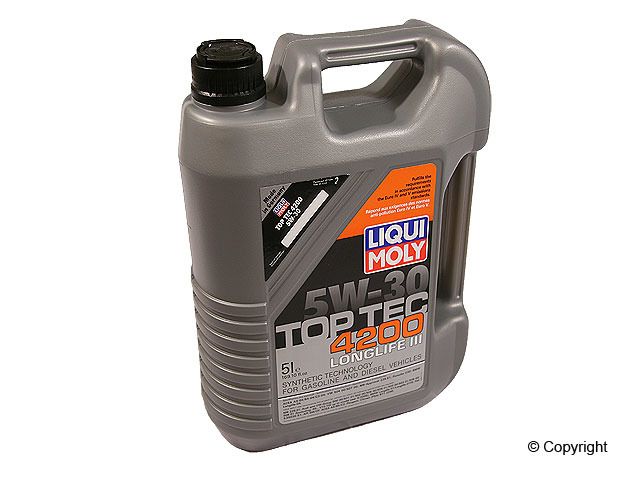
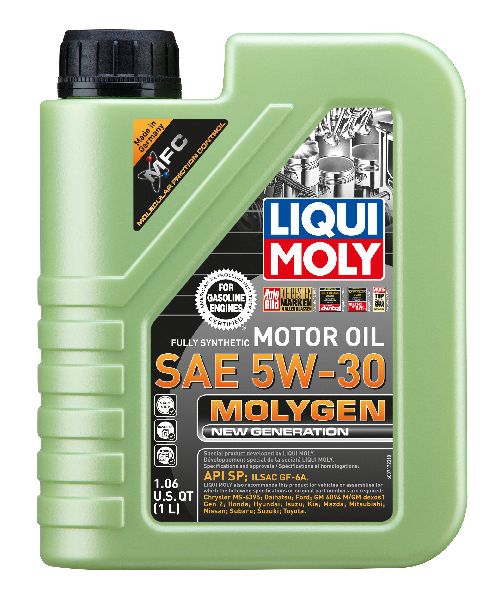
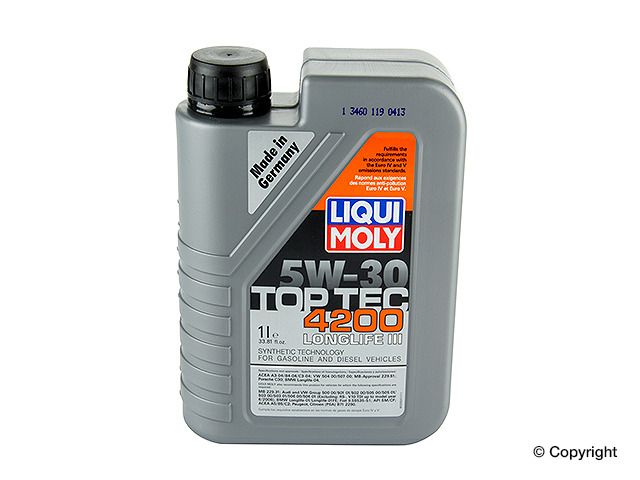
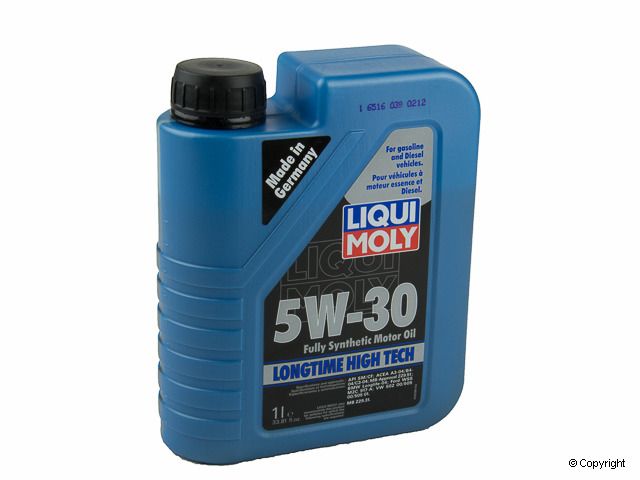
Typical fix: Perform an engine oil and filter change using a quality 5W-30 synthetic oil. This is the first and most crucial step.
Est. part cost: $40-$80 - Faulty Bank 1 Intake Oil Control Valve (OCV) 🟡 Medium Probability This solenoid is the most active part of the CVVT system and is prone to failure from electrical issues or clogging from dirty oil. Its screens can become blocked, restricting oil flow.
How to confirm: The OCV can be removed and inspected for sludge on its small screens. It can also be tested with a multimeter; resistance should be within a specific range (typically 9.4-10.4 ohms at 68°F/20°C). You can also briefly apply 12V power to see if the internal plunger clicks, a common DIY test.
Typical fix: Replace the Bank 1 (rear bank) intake OCV. It is located on the valve cover of the rear cylinder head. In some cases, cleaning the valve with brake cleaner may temporarily restore function, but replacement is the recommended long-term solution.
Est. part cost: $70-$150 - Clogged CVVT Oil Filter Screen Low-To-Medium Probability In addition to the screens on the OCV itself, there is a small, cylindrical filter screen in the oil passage leading to the CVVT system. This can become clogged with debris, starving the system of oil pressure. This is a known, though less common, culprit discussed in owner forums.
How to confirm: This requires locating and removing the filter plug, which is often difficult to access. On the 3.5L V6, it is located on the rear of the engine. Once removed, the screen can be inspected for sludge and debris.
Typical fix: Remove and clean or replace the filter screen. This is often done at the same time as an OCV replacement.
Est. part cost: $15-$30 - Stretched Timing Chain or Failed Tensioner ⚪ Low Probability While the timing chains are designed to last the life of the engine, poor maintenance, high mileage, or chronic low oil pressure can cause them to stretch or the hydraulic tensioners to weaken, leading to incorrect base timing.
How to confirm: This is a complex diagnosis. A common symptom is a brief rattling noise from the front of the engine on a cold start. Confirmation requires removing the timing cover to physically inspect the chain for slack and check timing marks. This is best left to a professional.
Typical fix: Replace the timing chains, guides, and tensioners. This is a labor-intensive job.
Est. part cost: $400-$800
Rare But Worth Checking
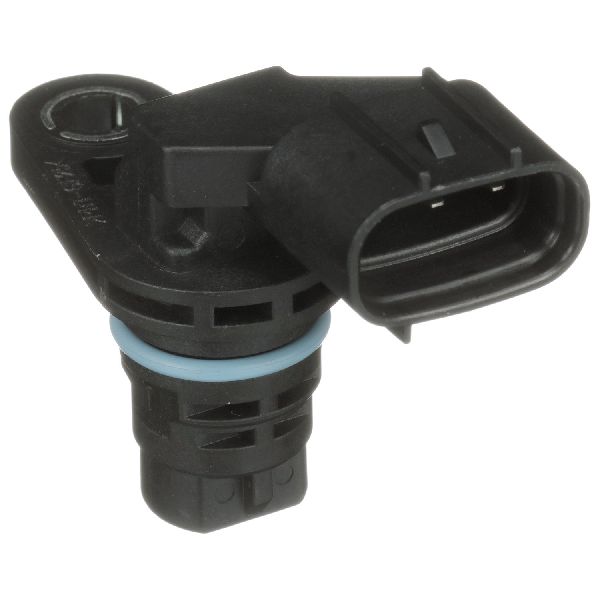
- Failed Camshaft Position Sensor: The sensor that reads the camshaft's position can fail, sending incorrect data to the PCM. It's less common than an OCV failure for this code but is relatively easy to replace as a diagnostic step.
- Failed Camshaft Phaser (CVVT Actuator): The gear itself on the end of the camshaft can fail mechanically, getting stuck in one position. This is an expensive and labor-intensive repair, so all other causes should be ruled out first. A rattling noise from the phaser is a key symptom.
Diagnosis Steps
- Step 1: Check Engine Oil Level and Condition. Pull the dipstick. If the oil is low, top it off. If it is dark, gritty, or overdue for a change, replace the oil and filter with the correct 5W-30 viscosity oil. Clear the code and drive to see if it returns. This is the most common and cheapest fix.
- Step 2: Inspect the Bank 1 Intake Oil Control Valve (OCV). Bank 1 is the rear cylinder head, closer to the firewall. The intake OCV is located on the valve cover. Disconnect the electrical connector and inspect for damage or corrosion.
- Step 3: Test the OCV. Remove the single bolt holding the OCV and pull it out. Inspect the mesh screens for sludge or debris. You can test its resistance with a multimeter (check for a specification of 9.4-10.4 ohms at 68°F/20°C). You can also carefully apply 12V from the battery to its terminals to see if the internal solenoid clicks.
- Step 4: Locate and Inspect the CVVT Oil Filter. While less common, a clogged inline oil filter for the CVVT system can cause this code. It is a small, difficult-to-access part that can be removed, cleaned, and reinstalled. One owner on a forum fixed their P0012 by cleaning this small filter.
- Step 5: Test the Camshaft Position Sensor (CMP). If the OCV and oil systems seem fine, you can test the Bank 1 intake CMP sensor. It is also located on the rear valve cover. Check for a consistent signal using an oscilloscope or replace it as a less-expensive diagnostic step.
- Step 6: Inspect Mechanical Timing. If all electrical components and oil are good, the issue may be mechanical. This involves checking the timing chain for stretching or damage, which is a significant job requiring removal of the engine's timing cover. This step is usually best performed by a professional mechanic.
Parts You'll Likely Need
- Engine Oil Control Valve (VVT Solenoid)
(OEM #24355-3CAB2)— This solenoid controls oil flow to the cam phaser and is a frequent failure point, either by getting clogged with sludge or failing electrically. This is for the Bank 1 (Right/Rear) Intake camshaft.
Trusted brands: Genuine Kia/Hyundai, Dorman, Standard Motor Products (SMP)
OEM price range: $150-$230
Aftermarket price range: $70-$120 - Camshaft Position Sensor
(OEM #39318-3C100)— While less common, a failing sensor can send incorrect position data to the computer, triggering the code. It's a potential cause if the OCV and oil are known to be good.
Trusted brands: Genuine Kia/Hyundai, Bosch, Delphi, NGK/NTK
OEM price range: $60-$90
Aftermarket price range: $30-$50 - Engine Oil and Filter — Low or dirty oil is the number one cause of this code. An oil change is the first and most important diagnostic and repair step.
Trusted brands: Pennzoil, Mobil 1, Castrol
OEM price range: N/A
Aftermarket price range: $40-$80
Related Codes That Often Appear With This One
- P0011 — This code is for 'Camshaft Position 'A' - Timing Over-Advanced (Bank 1)'. Seeing it with P0012 can indicate an erratic OCV or a more serious mechanical timing issue.
- P0300 — This is a 'Random Misfire Detected' code. Incorrect cam timing can disrupt the engine's combustion process, leading to misfires across multiple cylinders.
- P0016 / P0018 — These codes indicate a Crankshaft-Camshaft correlation issue. If seen with P0012, it points more strongly towards a base timing problem like a stretched chain rather than just a sticky OCV.
Technical Service Bulletins (TSBs) & Recalls
- SC147 - Theta II Engine Inspection and/or Replacement: A major safety recall for 2012-2014 Sorento models (with 2.0L/2.4L engines) due to manufacturing debris causing bearing wear from restricted oil flow. While not for the 3.5L V6, it highlights the platform's sensitivity to oiling issues.
- ENG219 - Maintenance Reminder Feature: A TSB instructing dealers on how to set the service interval reminder, encouraging more frequent oil changes to prevent sludge-related engine problems.
- CS1603 - Front Door Latch Customer Satisfaction Program: A program to address failing exterior door latches on 2011 Sorentos by installing a spacer or replacing the latch assembly.
Platform-Specific Known Issues
- This engine family (Lambda II) is known to be sensitive to oil maintenance. TSB ENG219 was issued to encourage dealers to set more frequent service interval reminders for customers, implying that the original factory recommendations may not be sufficient to prevent oil-related issues.
- Safety Recall SC147 addressed premature connecting rod bearing wear in some 2012-2014 models due to manufacturing debris restricting oil flow. While this recall was for the 2.4L and 2.0T engines, it underscores the brand's issues with oiling systems during this period. The 3.5L V6 was not part of this specific recall, but the emphasis on oil flow is relevant.
- A user on the ScannerDanner forum with a P0012 code on a Kia ultimately fixed the issue by cleaning a small, secondary oil filter screen located beneath the main VVT solenoid, highlighting a lesser-known but valid cause.
Mechanic-Grade Diagnostic Values
- CVVT Oil Control Valve (OCV) Coil Resistance — expected: 9.4 ~ 10.4 Ohms at 20°C (68°F). Failure: Resistance significantly outside this range, or an open/short circuit, indicates a failed solenoid coil.
- Scan Tool - Commanded vs. Actual Camshaft Angle (Bank 1 Intake) — expected: The actual angle should closely follow the commanded angle as engine RPM and load change.. Failure: A significant and persistent lag between the commanded and actual angle values confirms the over-retarded condition.
Scan Tool Commands That Help
- Kia GDS (Global Diagnostic System) or equivalent professional scanner: Intake Valve Control Solenoid Actuation Test — This bidirectional command allows a technician to manually command the OCV to operate. It is used to verify if the solenoid is mechanically sticking or has an electrical fault without having to remove it from the engine. If the engine's idle changes or stumbles when the solenoid is commanded, it proves the solenoid and phaser are capable of functioning.
Wiring & Ground Locations
- Engine Ground Points — On the Lambda II 3.5L engine, primary ground points for the engine control harness are typically found bolted to the cylinder heads and the engine block itself. A key ground is often located near the thermostat housing and another on the transmission bell housing.. A poor engine ground can cause erratic voltage signals from the Camshaft Position Sensor (CMP) and incorrect operation of the Oil Control Valve (OCV), leading to timing codes. Verifying these grounds are clean and tight is a crucial step in diagnosing electrical faults.
- Bank 1 Intake OCV Connector — On the rear valve cover, closer to the firewall. It is a 2-pin connector.. This is the direct connection to the faulty component. Technicians will test for 12V power and a PWM ground signal from the PCM at this connector's pins to diagnose wiring issues between the PCM and the solenoid.
Real Owner Repair Stories
- Kia-Forums user (2012 Kia Sorento 3.5L V6) — Check engine light with code P0012, rough idle, and engine rattling noise.
❌ Tried (didn't work) Multiple oil changes., Replacing both Bank 1 OCVs (intake and exhaust).
✅ What actually fixed it The timing chain tensioner for Bank 1 had failed, causing slack in the chain and leading to the retarded timing. The final repair involved replacing the timing chains, guides, and tensioners.
OEM Part Supersession History
221103CAB0, 221103CAB0A, 504R53CA00→24355-3CAB2— Part number consolidation and potential minor revisions to the component.
Heads up: The newer part number 24355-3CAB2 is the correct and current replacement for the older numbers on this vehicle.
Model Year Variations Within This Range
- 2011-2013: The 3.5L Lambda II V6 engine (G6DC) and its CVVT system were consistent throughout this period for the Sorento. There are no significant known variations in parts or diagnosis for the P0012 code within this specific model year range.
Diagnostic Flowchart
Other Known Issues on This Vehicle
Issues unrelated to this code that are worth knowing about as an owner of this generation:
- Failing Exterior Door Latches 🟠 Medium — Very common on 2011 models. The door fails to open from the outside handle. (Ref: Customer Satisfaction Program CS1603 / Warranty Extension.)
- Engine Failure (Theta II Engines) 🔴 High — Extremely common on 2.4L and 2.0L Turbo models, less so on the V6. The 2011-2014 model years are frequently cited for engine problems. (Ref: Safety Recall SC147 (for 4-cyl engines).)
- Intermittent Headlamp Failure 🟠 Medium — A notable number of complaints for 2011-2013 models where low beams suddenly turn off. Investigated by NHTSA. (Ref: NHTSA Investigation PE20-008, Service Campaign SC149.)
- Hydraulic Electronic Control Unit (HECU) Fire Risk 🔴 High — Affects multiple Kia models of this era. An electrical short in the HECU can cause an engine compartment fire while parked or driving. (Ref: NHTSA Recall 23V-877 (and others).)
Used vs. New Parts: Buying Guide for This Vehicle
When a used part is the smart pick: For this repair, buying a used part is generally not recommended. The primary failure parts, the Oil Control Valve (OCV) and Camshaft Position Sensor, are relatively inexpensive new and their failure is often due to internal wear or sludge contamination that is not visible. A used part carries a high risk of having the same issue or a short remaining lifespan.
Donor-vehicle mileage cap: roughly under 60000 miles for the part to have meaningful remaining life.
What to inspect on the donor part:
- If considering a used OCV, insist on seeing the donor vehicle's maintenance history to verify regular oil changes.
- Inspect the mesh screens on a used OCV; any visible sludge or debris is a major red flag.
- For any used electronic part, check for corrosion on the electrical pins.
OEM-only on this vehicle (don't cheap out):
- While not strictly 'OEM-only', using a Genuine Kia/Hyundai OCV is highly recommended by mechanics over budget aftermarket options, which have a higher reported failure rate.
Aftermarket brands forum-validated for this vehicle:
- Dorman (often provides design improvements over OEM)
- Standard Motor Products (SMP)
- Hitachi (often an OEM supplier)
Brands owners have reported issues with on this vehicle:
- Unbranded, 'white-box' solenoids and sensors from online marketplaces like Amazon or eBay are frequently cited in forums as being defective out of the box or failing shortly after installation.
Real Owner Stories
Aggregated from forums and TSBs cited above. Mileages and costs reflect what owners reported in those sources.
2011-2013 Kia Sorento 3.5L V6
Symptoms: The owner experienced a P0012 code and attempted to fix it with an engine flush and new oil, but the code persisted.
What fixed it: Cleaning a small, secondary oil filter screen located beneath the main VVT solenoid.
Source hint: ScannerDanner Forum - '[FIXED] p0012 intake camshaft position over retarded'
2011-2013 Kia Sorento 3.5L V6
Symptoms: Check Engine Light with codes P0012, P0016, and P0018.
What fixed it: Correcting an extremely low engine oil level.
Source hint: YouTube - 'Kia Sorento 3.5 Oil Control Valve Test DTC p0012 p0016 p0018'
2011 Kia Forte
Symptoms: P0012 code present; owner replaced the camshaft sensor but the light remained on.
What fixed it: The source notes that replacing the sensor was a misdiagnosis and did not resolve the P0012 code.
Source hint: Car Talk Community - 'P0012 code ,kia forte'
Related OBD-II Codes
Frequently Asked Questions
Does the major engine recall SC147 apply to my 2012 Kia Sorento with the 3.5L V6?
What oil should I use in my 2011-2013 Sorento 3.5L to prevent P0012?
Is there a TSB for the 3.5L Lambda II V6 regarding oil maintenance?
Where is the Bank 1 Intake Oil Control Valve located on my Sorento V6?
Can I just replace the Camshaft Position Sensor to fix P0012?
What is the specific resistance I should look for when testing the OCV on my 3.5L Sorento?
Helpful Videos
![How to Fix P0012 Engine Code in 4 Minutes [2 DIY Methods / Only $6.86]](https://img.youtube.com/vi/Pu-PR3uhV5Q/mqdefault.jpg)
Used OEM Parts in Stock

New Aftermarket Parts Available

The information in this article is provided for general reference and educational purposes only. Vehicle specifications, procedures, and part compatibility can vary by production date, trim level, and region. Always consult your vehicle's factory service manual and verify part numbers before purchasing or performing repairs. Safety-critical components such as airbags, seat belts, and braking systems should be installed by a qualified professional.
- Kia Sorento:
- 🎬 Helpful Videos
- 🛍️ Shop This Part
- What's Unique About the 2011-2013 Kia Sorento
- Symptoms You May Notice
- Most Likely Causes
- Rare But Worth Checking
- Diagnosis Steps
- Parts You'll Likely Need
- Related Codes That Often Appear With This One
- Technical Service Bulletins (TSBs) & Recalls
- Platform-Specific Known Issues
- Mechanic-Grade Diagnostic Values
- Scan Tool Commands That Help
- Wiring & Ground Locations
- Real Owner Repair Stories
- OEM Part Supersession History
- Model Year Variations Within This Range
- Diagnostic Flowchart
- Other Known Issues on This Vehicle
- Used vs. New Parts: Buying Guide for This Vehicle
- Real Owner Stories
- 2011-2013 Kia Sorento 3.5L V6
- 2011-2013 Kia Sorento 3.5L V6
- 2011 Kia Forte
- Related OBD-II Codes
- Frequently Asked Questions
- 🎟️ Get 5% Off