

P0012 on 2019-2024 Genesis G70 3.3T: Causes and Fixes for Over-Retarded Camshaft Timing
On a 2019-2024 Genesis G70 3.3T, code P0012 is almost always caused by low or dirty engine oil, or a failing passenger-side intake Oil Control Valve (OCV). First, check your oil level and condition. If it's full and clean, the OCV is the next likely fix, costing about $50-$80 for an OEM part. This issue is frequently linked to the recall for a leaking turbo oil feed pipe (NHTSA #24V191000), which causes oil loss.
- Before buying any parts, check your engine oil level and condition. A simple oil and filter change using OEM parts often resolves P0012 on this engine.
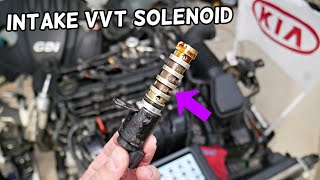
- The most likely failed part is the passenger-side intake Oil Control Valve (OCV), OEM part number 24355-3L100.
- A no-cost way to confirm a bad OCV is to swap it with the driver-side intake OCV. If the code moves to the other bank (P0022), you've found the faulty part.
- Ensure TSB 24-01-032G for the turbo oil feed pipe has been addressed by a dealer to prevent oil leaks that are a known cause of this code.
- Do not replace the Camshaft Position Sensor; it is almost never the cause of this specific code on this engine.
What's Unique About the 2019-2024 Genesis G70
The Genesis G70's Lambda II 3.3T V6 engine's CVVT system is highly sensitive to oil level and cleanliness. A key issue for this platform is a recall for a leaking driver-side turbo oil feed pipe, which can cause a vehicle-wide low oil level and trigger this P0012 code on the passenger side. Unlike platforms where timing chain failure is a common cause for timing codes, P0012 on this engine is most often traced back to simple oil maintenance or a faulty Oil Control Valve (OCV).
Generation note: The 2019-2024 model years cover the first generation (IK) of the Genesis G70. A significant facelift occurred for the 2022 model year, but the Lambda II 3.3T GDi V6 powertrain remained the same, so the causes and fixes for P0012 are consistent across this entire range.
Symptoms You May Notice
- Check Engine Light is on
- Rough idle or stalling, especially at low speeds
- Poor acceleration and reduced engine power
- Decreased fuel economy
- Difficulty starting the engine
- Engine rumbling or running roughly immediately after a cold start, which may clear after restarting the engine.
- Replacing the Camshaft Position Sensor (CPS). The CPS reports the timing, but it rarely causes a performance code like P0012. The issue is typically with the mechanical or hydraulic components that *control* the timing, not the sensor that measures it. Forum users frequently warn against replacing the CPS first.
Most Likely Causes
- Low or Dirty Engine Oil 🔴 High Probability A recall (NHTSA #24V191000 / Genesis Recall 019G) for a leaking driver-side turbo oil feed pipe makes unexpected low oil levels a known and critical issue on this platform. The CVVT system is hydraulic and highly sensitive to oil pressure and volume.
How to confirm: Turn off the engine, wait 5-10 minutes for the oil to settle, and check the dipstick. The level should be between 'F' and 'L'. Check if the oil is excessively dark, thick, or sludgy. An oil change is the first and most important diagnostic step.
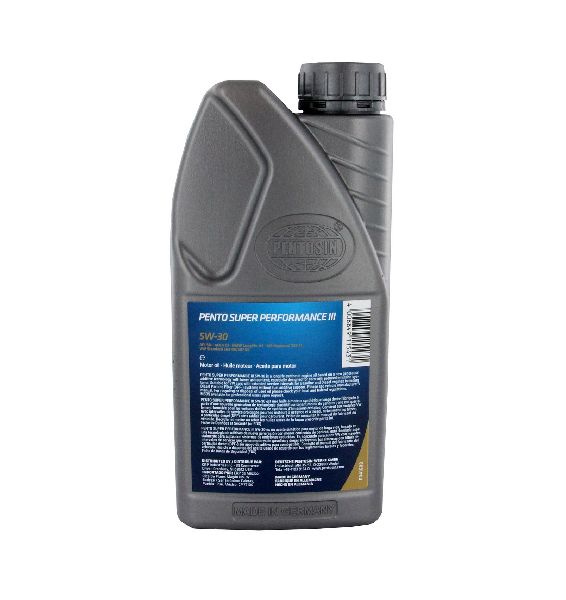
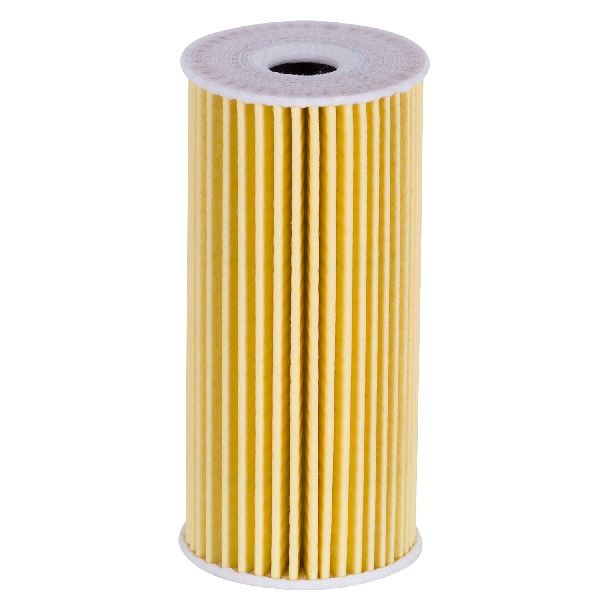
Typical fix: Perform an engine oil and filter change using a high-quality full-synthetic 5W-30 oil and a genuine Hyundai/Genesis OEM oil filter (Part #26320-3LTA0). Forum users have anecdotally linked some aftermarket filters to CVVT problems.
Est. part cost: $50-$100 - Faulty Bank 1 Intake Oil Control Valve (OCV) 🔴 High Probability The OCV (also called a VVT solenoid) can become clogged with oil sludge or fail electronically over time. It is the most common component failure for this code if the oil level is correct.
How to confirm: A simple diagnostic is to swap the Bank 1 (passenger side) intake OCV with the Bank 2 (driver side) intake OCV. Clear the codes and drive. If the code changes to P0022 (Bank 2), the OCV is confirmed to be faulty. This is a widely accepted diagnostic method in owner forums.
Typical fix: Replace the Bank 1 intake Oil Control Valve. This is a straightforward repair for DIYers, typically requiring only basic hand tools to access the valve on the top of the engine.
Est. part cost: $50-$80 - Clogged CVVT Oil Passages ⚪ Low Probability Can occur if oil change intervals are severely neglected, leading to sludge buildup that can't be cleared by a simple oil change.
How to confirm: This is a diagnosis of exclusion. If a new OCV and fresh oil do not resolve the code, and there are no timing chain noises, clogged passages are the next logical cause.
Typical fix: Perform a professional engine oil flush or have a technician manually clean the oil passages and OCV filter screens.
Est. part cost: $20-$40 (for flush chemicals)
Rare But Worth Checking
- Stretched Timing Chain or Failed Tensioner: While less common on these newer models, it's possible, especially on higher-mileage examples. A key symptom is a distinct rattling noise from the front of the engine during cold starts that lasts for a few seconds.
- Failed CVVT Cam Phaser: The mechanical gear itself can fail, getting stuck in the retarded position. This is an expensive, labor-intensive repair and is usually accompanied by a persistent rattling or ticking noise from the valve cover area.
- Faulty Main Engine Ground: A loose or corroded main engine ground wire can cause erratic voltage to sensors and actuators, including the OCVs, potentially triggering false timing codes. This is a rare but possible electrical cause to investigate if hydraulic and mechanical causes are ruled out.
Diagnosis Steps
- Read the code with an OBD-II scanner to confirm P0012 is the active fault.
- Check Engine Oil Level and Condition: This is the most critical first step. Turn off the engine, wait 5-10 minutes, and check the dipstick. Ensure the level is correct and the oil is clean.
- Perform an Oil Change: If the oil is low, old, or dirty, perform an oil and filter change with OEM-spec 5W-30 synthetic oil and an OEM filter. Clear the code and drive to see if it returns.
- Inspect for Leaks: Visually inspect the engine bay, particularly around the left-hand (driver's side) turbocharger for any signs of oil leakage, which would point to the issue addressed by Recall 019G.
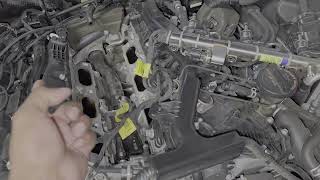
- Inspect OCV Wiring: Locate the intake OCV on the passenger-side valve cover. Inspect its electrical connector and wiring for any visible damage, corrosion, or oil contamination.
- Swap the Intake OCVs: A definitive, no-cost test is to swap the passenger-side (Bank 1) intake OCV with the driver-side (Bank 2) intake OCV. They are identical parts. Clear the codes and drive. If the fault code changes to P0022 (Bank 2), you have confirmed the OCV is the problem.
- Replace the OCV: If the previous step confirmed a bad OCV, replace the faulty unit with a new one.
- Check for Timing Chain Noise: If the code persists, listen for a rattling sound from the front of the engine on a cold start. A rattle that lasts 2-3 seconds points towards a potential timing chain or tensioner issue, which requires professional diagnosis.
Parts You'll Likely Need
- Engine Oil Control Valve (VVT Solenoid), Intake
(OEM #24355-3L100)— This solenoid is the most common part to fail for this code after ruling out oil issues. It gets clogged with debris or fails electrically, preventing proper control of the cam phaser. Note: This is the INTAKE OCV. The EXHAUST OCV is a different part number (e.g., 24360-3CAB2) and they are not interchangeable.
Trusted brands: Hyundai/Genesis (OEM)
OEM price range: $50-$80
Aftermarket price range: $30-$60 - Engine Oil and Filter
(OEM #Filter: 26320-3LTA0)— Low or dirty oil is a primary cause of P0012. Using the correct full-synthetic 5W-30 oil and an OEM filter is critical for the proper function of the CVVT system.
Trusted brands: Hyundai/Genesis (OEM Filter)
OEM price range: $50-$100
Aftermarket price range: $40-$80
Related Codes That Often Appear With This One
- P0011 — This code is for 'A' Camshaft Position - Timing Over-Advanced (Bank 1). Seeing both P0011 and P0012 intermittently can point to an erratic OCV or severe oil sludge issues causing the phaser to move uncontrollably.
- P0022 — This is the same 'over-retarded' fault but for Bank 2 (driver's side). If you swap the OCVs for diagnosis and this code appears, it confirms the original OCV was the problem.
- P0524 — Indicates 'Engine Oil Pressure Too Low'. This code directly supports P0012, as the CVVT system requires stable oil pressure to function. It strongly suggests checking for oil leaks (especially the recalled turbo line) or a failing oil pump.
- P0300, P0301, P0303, P0305 — These are random and specific misfire codes for Bank 1. Incorrect camshaft timing on Bank 1 can disrupt the air/fuel mixture and ignition timing, leading to misfires on the cylinders of that bank.
Technical Service Bulletins (TSBs) & Recalls
- TSB 24-01-032G / NHTSA #24V191000 / Recall 019G: Addresses a potentially leaking turbocharger oil feed pipe on 2019-2022 models which can cause oil loss and lead to this code. The remedy is dealer replacement of the left turbocharger oil feed pipe.
Platform-Specific Known Issues
- A recall/TSB (NHTSA #24V191000 / Genesis Recall 019G / TSB 24-01-032G) was issued for a leaking left-hand (driver side) turbocharger oil feed pipe on 2019-2022 G70s. The recall states the pipe can crack from heat exposure, leak oil onto the exhaust manifold, and increase fire risk. This leak also causes a significant loss of engine oil, leading to low oil pressure that triggers CVVT codes like P0012.
Mechanic-Grade Diagnostic Values
- Bank 1 Intake Oil Control Valve (OCV) Coil Resistance — expected: 6.9 - 7.9 Ohms at 68°F (20°C). Failure: A reading of infinity (open circuit) or near-zero (short circuit) indicates a failed solenoid coil.
- OCV Connector Voltage (Key On, Engine Off) — expected: ~12V (Battery Voltage) on the power supply pin.. Failure: No voltage suggests a wiring issue, blown fuse, or problem with the power supply relay, rather than a faulty OCV itself.
- Scan Tool Live Data: CVVT Actual vs. Desired Angle (Bank 1) — expected: At idle, the actual and desired angles should be very close to each other, typically within a few degrees.. Failure: A large, persistent deviation between the actual and desired angle, especially where the actual angle is significantly lower (more retarded) than the desired angle, confirms the fault condition.
Scan Tool Commands That Help
- Hyundai GDS (Global Diagnostic System): Active Test: CVVT Oil Control Valve — This bidirectional command allows a technician to manually cycle the Bank 1 intake OCV on and off while the engine is idling. A corresponding change in engine sound and live cam angle data on the scanner confirms the valve is mechanically responding and that the wiring from the ECM is intact. It helps differentiate between a stuck/clogged OCV and an electrical/control problem.
Wiring & Ground Locations
- Bank 1 Intake OCV Connector — On the front of the passenger's side (Bank 1) valve cover, connected to the intake CVVT solenoid.. This 2-pin connector provides the power and control signal from the ECM to the OCV. Damage, corrosion, or oil contamination in this connector can interrupt the signal and prevent the OCV from functioning, mimicking a failed OCV. Checking for battery voltage (~12V) at this connector with the key on is a critical diagnostic step.
- Main Engine Ground — Typically a heavy gauge wire bolted from the engine block or cylinder head to the chassis, often near the alternator or starter.. As noted in Pass 2, a poor engine ground can cause a host of floating electrical issues. For P0012, it could lead to insufficient voltage or erratic signals at the OCV, causing it to malfunction. If electrical tests at the OCV show low or unstable voltage, inspecting this ground connection for tightness and corrosion is a valid next step.
Real Owner Repair Stories
- Aggregated from stingerforum.org and genesisowners.com (2018+ Kia Stinger GT / Genesis G70 3.3T) — Check Engine Light with code P0012 or the Bank 2 equivalent, P0022.
❌ Tried (didn't work) Replacing the Camshaft Position Sensor (CPS)., Performing an oil change when the OCV was the actual point of failure.
✅ What actually fixed it In numerous documented cases, the issue was resolved by first swapping the intake OCV from the affected bank to the opposite bank. When the code followed the solenoid (e.g., P0012 changed to P0022), replacing the faulty OCV with a new OEM part (24355-3L100) permanently cleared the code. - Reddit user in r/GenesisG70 (2019 Genesis G70 3.3T, ~93k miles) — Oil pressure light coming on at idle/low RPMs, which can be a precursor or related symptom to oil-pressure-related codes like P0012.
❌ Tried (didn't work) Initial diagnosis was unclear.
✅ What actually fixed it The issue was a faulty oil pressure sending unit (sensor). In some cases, the sensor itself fails; in others, it develops a tiny leak that allows oil to seep into the wiring harness, causing erratic readings. Replacing the oil pressure switch and the affected jumper harness resolved the issue.
OEM Part Supersession History
24355-3L100→No supersession found. This part number appears to be consistent for the specified vehicle range.— N/A
Model Year Variations Within This Range
- 2019-2024: The Genesis G70 received a significant facelift for the 2022 model year, including updated exterior styling and a larger infotainment screen. However, the Lambda II 3.3T GDi V6 engine and its associated CVVT system components remained mechanically unchanged. Therefore, the causes, diagnostic procedures, and parts (like the OCV) for a P0012 code are identical across the entire 2019-2024 range.
Diagnostic Flowchart
Other Known Issues on This Vehicle
Issues unrelated to this code that are worth knowing about as an owner of this generation:
- Leaking Left Turbocharger Oil Feed Pipe 🔴 High — Common enough to trigger a major safety recall (NHTSA #24V191000) affecting 2019-2022 models. (Ref: Recall 019G / TSB 24-01-032G)
- Prematurely Warped Brake Rotors 🟠 Medium — Frequently reported by owners on forums, often occurring under 25,000 miles, causing steering wheel vibration under braking.
- Sunroof / Headliner Rattle 🟡 Low — A common complaint across multiple Genesis models. Owners report creaking and rattling noises from the headliner/sunroof area, especially in warm weather. A TSB exists for some models to install shims. (Ref: TSB exists (number varies by model/year))
- Jerky Low-Speed Transmission Shifts 🟡 Low — Some owners report harsh or jerky downshifts from the 8-speed automatic transmission, particularly when coming to a stop (3-2 and 2-1 shifts). (Ref: TSB 24-AT-003G addresses related sensor DTCs but not all shift quality complaints.)
- High Pressure Fuel Pump (HPFP) Failure 🟠 Medium — Can cause stalling, rough idle, and loss of power. More prevalent on the 2.0T engine, but also reported on the 3.3T. A warranty extension (Z05G) was issued for the 2.0T. (Ref: Warranty Extension Z05G (for 2.0T))
Used vs. New Parts: Buying Guide for This Vehicle
When a used part is the smart pick: For this specific repair, using a used part is generally not recommended. The primary failure parts are the Oil Control Valve (OCV) and potentially the oil pressure sensor. Both are relatively inexpensive new and are highly susceptible to failure from sludge and internal wear, which would be impossible to verify on a used part.
Donor-vehicle mileage cap: roughly under 30000 miles for the part to have meaningful remaining life.
What to inspect on the donor part:
- If forced to use a junkyard OCV for emergency diagnosis, pull it from the lowest-mileage, most recent model year vehicle possible.
- Visually inspect the screen on the used OCV for any metallic debris or heavy sludge, though a clean screen does not guarantee internal function.
OEM-only on this vehicle (don't cheap out):
- Oil Control Valve (OCV): Given the sensitivity of the CVVT system and anecdotal forum reports, using a genuine Hyundai/Genesis OEM part (24355-3L100) is strongly advised to ensure correct operation and longevity.
- Oil Filter: It is critical to use the OEM Hyundai/Genesis oil filter (26320-3LTA0) as some aftermarket filters have been linked to oil pressure issues that can cause CVVT-related codes.
Aftermarket brands forum-validated for this vehicle:
- For this specific repair, no aftermarket brands have demonstrated a consistent track record on owner forums to be recommended over the OEM parts.
Brands owners have reported issues with on this vehicle:
- Unbranded or 'white-box' OCVs from online marketplaces should be avoided. The risk of premature failure or incorrect calibration is high and can lead to re-doing the repair or even engine performance issues.
Real Owner Stories
Aggregated from forums and TSBs cited above. Mileages and costs reflect what owners reported in those sources.
2019 Genesis G70 3.3T V6
Symptoms: Check engine light with code P0012. The owner noted the issue was resolved after a standard maintenance step and a specific part replacement.
What fixed it: Resolved after an oil change and subsequent dealer replacement of the Bank 1 intake OCV.
Source hint: genesisowners.com/genesis-g70-forum/ - 'Maintenance, Warranty Issues & Trouble' section
2019-2024 Genesis G70 3.3T V6
Symptoms: Symptoms of P0012 correlated with an oil pressure switch/sensor issue where the sensor itself leaked oil onto the wiring harness.
What fixed it: Repairing/replacing the oil pressure switch/sensor.
Source hint: reddit.com/r/GenesisG70
2018-2023 Kia Stinger GT (3.3T)
Symptoms: P0012 code on the shared 3.3T engine; owners confirmed the OCV swap was an effective diagnostic tool.
What fixed it: Replacing the Bank 1 intake OCV (Part #24355-3L100).
Source hint: stingerforum.org
Related OBD-II Codes
Frequently Asked Questions
Is there a recall for my 2019-2022 Genesis G70 that could cause the P0012 code?
Which specific Oil Control Valve (OCV) should I replace for a P0012 code on the 3.3T engine?
Can I use an aftermarket oil filter on my G70 3.3T?
How can I confirm if the OCV is actually bad without buying a new part first?
What type of oil should I use to prevent CVVT issues like P0012?
My G70 rumbles immediately after a cold start but clears after a restart; is this related to P0012?
Helpful Videos
We Have This Part in Stock


The information in this article is provided for general reference and educational purposes only. Vehicle specifications, procedures, and part compatibility can vary by production date, trim level, and region. Always consult your vehicle's factory service manual and verify part numbers before purchasing or performing repairs. Safety-critical components such as airbags, seat belts, and braking systems should be installed by a qualified professional.
- Genesis G70:
- 🎬 Helpful Videos
- 🛍️ Shop This Part
- What's Unique About the 2019-2024 Genesis G70
- Symptoms You May Notice
- Most Likely Causes
- Rare But Worth Checking
- Diagnosis Steps
- Parts You'll Likely Need
- Related Codes That Often Appear With This One
- Technical Service Bulletins (TSBs) & Recalls
- Platform-Specific Known Issues
- Mechanic-Grade Diagnostic Values
- Scan Tool Commands That Help
- Wiring & Ground Locations
- Real Owner Repair Stories
- OEM Part Supersession History
- Model Year Variations Within This Range
- Diagnostic Flowchart
- Other Known Issues on This Vehicle
- Used vs. New Parts: Buying Guide for This Vehicle
- Real Owner Stories
- 2019 Genesis G70 3.3T V6
- 2019-2024 Genesis G70 3.3T V6
- 2018-2023 Kia Stinger GT (3.3T)
- Related OBD-II Codes
- Frequently Asked Questions
- 🎟️ Get 5% Off