

P0011 on 2005-2009 Subaru Outback: Causes and Fixes for Over-Advanced Cam Timing
On a 2005-2009 Subaru Outback, P0011 is almost always caused by low or dirty engine oil, or a failing passenger-side Oil Control Valve (OCV). Always check your oil level and condition first. If the oil is fine, the OCV is the next most likely part to fail. Another common culprit is a clogged mesh filter in the AVCS oil line banjo bolt. Replacing the OCV costs between $100 and $180 for an OEM part.
- P0011 on this Outback is almost always an oil-related problem. Your first and cheapest step is to check the oil level and quality.
- The second most likely culprit is the passenger-side Oil Control Valve (OCV), which can be diagnosed by swapping it with the driver's side valve.
- Check for clogged mesh filters in the AVCS oil feed banjo bolts; cleaning or removing these is a common, Subaru-specific fix.
- Do not immediately assume you have a major timing belt/chain issue. Diagnose the simple, common oil flow problems first.
What's Unique About the 2005-2009 Subaru Outback
Subaru's AVCS is highly sensitive to oil pressure and cleanliness. A unique and well-documented issue on this platform is the presence of small, removable mesh filters inside the banjo bolts that supply oil to the AVCS solenoids. While this is a notorious failure point on turbocharged models leading to turbo failure, the naturally aspirated EJ253 and EZ30 engines also have these filters. These screens can become clogged with sludge or even disintegrate, starving the AVCS system of oil and triggering a P0011 code even if the oil level is correct and the OCV is functional. Many owners and mechanics recommend removing these filters as a preventative measure.
Symptoms You May Notice
- Check Engine Light is on
- Flashing cruise control light (a common Subaru trait when a CEL is present)
- Rough or unstable idle
- Engine hesitation or stumbling on acceleration
- Stalling, especially at low RPM
- Reduced fuel economy
- Rattling or ticking noise from the engine bay, particularly on startup
- Difficulty starting the engine
- Replacing the camshaft position sensor. This sensor is what reports the problem to the ECM, but it is rarely the cause of the problem itself. The issue is typically mechanical or hydraulic.
- Assuming a major timing job is needed before checking oil, OCVs, and banjo bolt filters. The problem is most often a simple fix related to oil flow.
Most Likely Causes
- Low or Dirty Engine Oil 🔴 High Probability The AVCS system is hydraulically operated and extremely sensitive to oil volume, pressure, and viscosity. Older Subaru engines, particularly the EJ253, can have higher oil consumption, making low oil levels a common issue.
How to confirm: Check the engine oil dipstick. The level should be between the two marks. Inspect the oil's color and consistency; if it is black, thick, or gritty, it is overdue for a change. Some owners report the code appearing only in extreme cold, which can be exacerbated by incorrect oil viscosity.
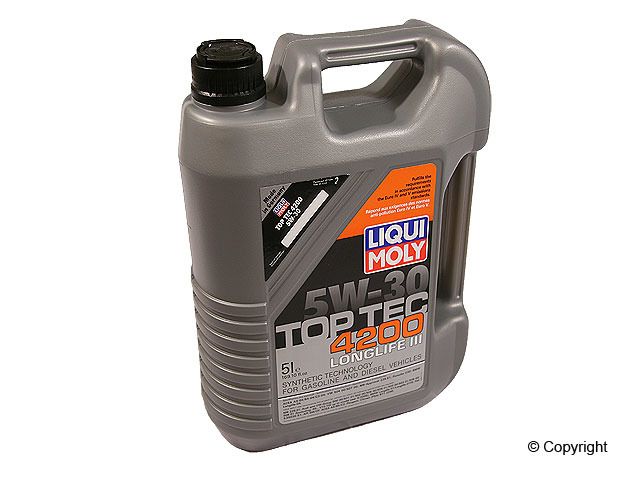
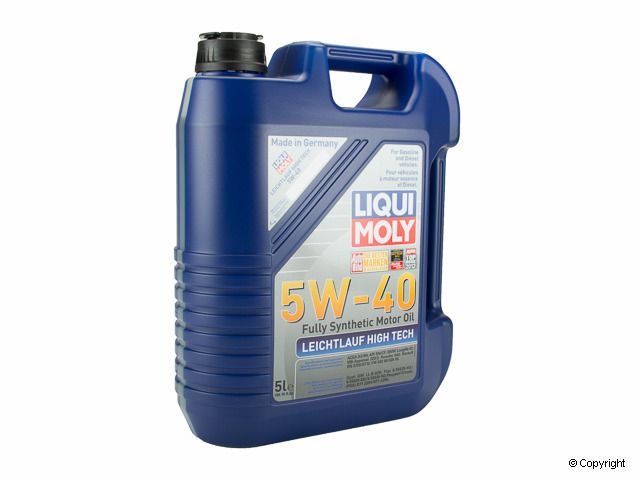
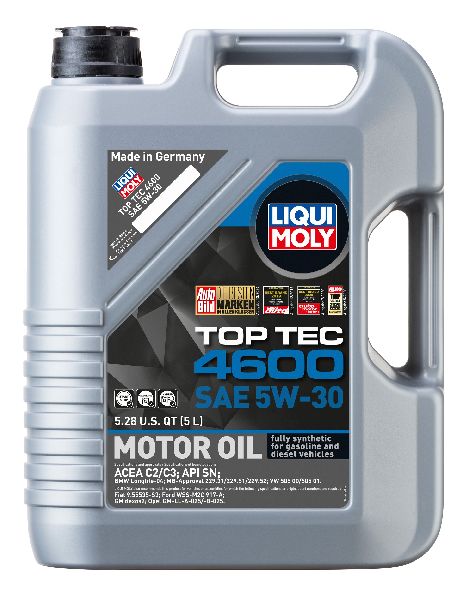
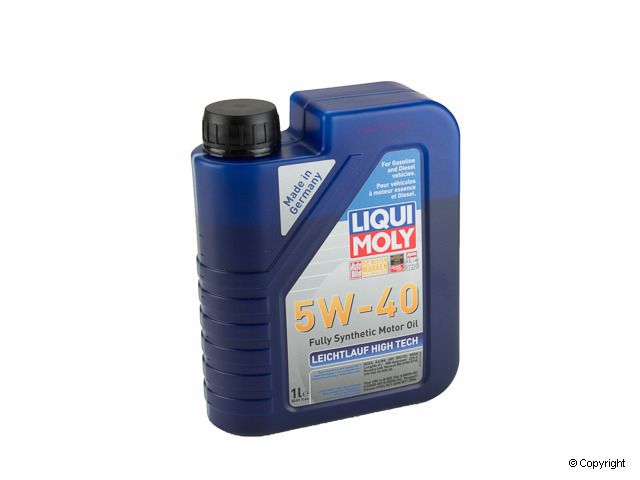
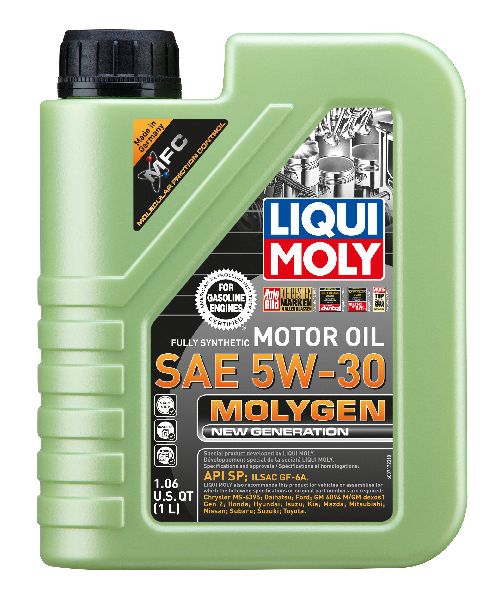
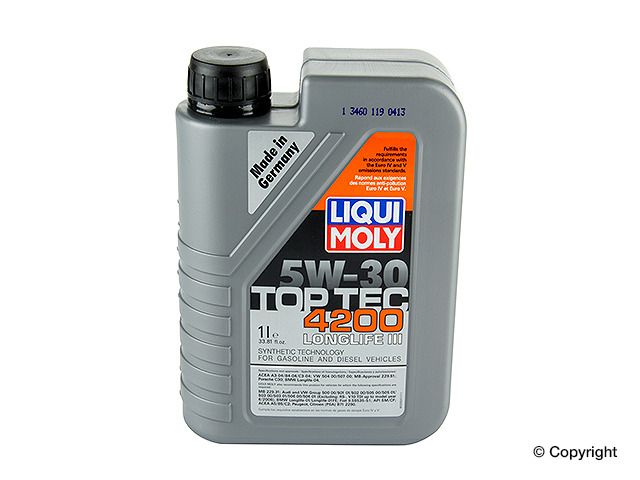
Typical fix: Top off the oil if low. If the oil is old or dirty, perform a complete oil and filter change using a quality filter and the manufacturer-recommended oil weight (typically 5W-30).
Est. part cost: $40-$80 - Faulty Bank 1 Oil Control Valve (OCV) 🔴 High Probability The OCV is a solenoid that can become clogged with oil sludge or fail electronically over time, causing it to stick in one position and not properly regulate oil flow to the cam phaser.
How to confirm: After confirming oil is good, the easiest test is to swap the Bank 1 (passenger side) and Bank 2 (driver side) OCVs. Clear the codes and drive. If the code returns as P0021 (the Bank 2 equivalent), the OCV is faulty. You can also test 🎬 See these simple steps to diagnose and repair the code. the solenoid's resistance with a multimeter (typically 6-12 ohms) or apply 12V to see if it actuates (clicks).
Typical fix: Replace the faulty Oil Control Valve. It is located on the front of the cylinder head on the passenger side. Ensure you use the correct part number for your specific engine (EJ253 vs. EZ30).
Est. part cost: $70-$180 - Clogged AVCS Banjo Bolt Filter 🟡 Medium Probability Subaru placed small mesh filters in the banjo bolts for the AVCS oil feed lines to protect the solenoids. These filters are prone to clogging with debris and sludge, restricting oil flow. In some cases, the filter screen can disintegrate, sending metal and plastic debris into the OCV or cam phaser.
How to confirm: Locate the banjo bolt for the Bank 1 AVCS oil line on the passenger-side cylinder head. On the EJ253, there may be two filters to check on that side. Remove the bolt(s) and inspect for a small mesh filter inside. Check if it is clogged, damaged, or missing. Be prepared with new crush washers before removal.
Typical fix: Clean the filter thoroughly with brake cleaner. However, a widely accepted practice and the subject of a TSB for turbo models (02-106-08R) is to remove the filter screen entirely and reinstall the banjo bolt to prevent future clogging. Many owners report 🎬 Watch: How to remove the AVCS banjo bolt screen. finding the filters missing, having been removed by a previous owner or shop.
Est. part cost: $5-$20 (for new crush washers) - Incorrect Engine Timing ⚪ Low Probability On the EJ253 engine, the timing belt can stretch and jump a tooth, especially if maintenance is overdue. On the EZ30, the timing chain can stretch over many miles (150k+), or a tensioner can fail, affecting cam/crank correlation.
How to confirm: This requires a physical inspection of the timing marks on the camshaft sprockets and crankshaft. This is an involved diagnostic step, usually performed after ruling out oil and OCV issues.
Typical fix: If the timing has jumped, a full timing belt service (for EJ253) or timing chain service (for EZ30) is required to reset the timing and replace worn components like the belt/chain, tensioner, and idlers/guides.
Est. part cost: $200-$600
Rare But Worth Checking
- Failing AVCS Cam Sprocket (Phaser): The hydraulic actuator/phaser on the camshaft itself can fail internally, getting stuck in an advanced position. This is usually a last resort after all other causes have been ruled out, as it is an expensive and labor-intensive repair.
- Wiring or ECM Issue: Damage to the wiring harness for the OCV (chafing, corrosion) or a fault within the Engine Control Module (ECM) can cause this code, but it is very uncommon. Manufacturer TSB #09-104-23R notes that reprogramming files for the ECM may be available to address rare cases of P0011 and P0021.
Diagnosis Steps
- Check Engine Oil: Verify the oil level is full and the oil condition is good. If low, dirty, or the wrong viscosity, perform an oil change with a quality filter (e.g., Subaru OEM), clear the code, and see if it returns. This is the most common and cheapest fix.
- Inspect OCV Wiring: Check the electrical connector and wiring to the Bank 1 (passenger side) OCV for any visible damage, oil saturation, or corrosion.
- Test the Oil Control Valve (OCV): Swap the Bank 1 and Bank 2 OCVs. They are typically identical and interchangeable. Clear the codes and drive. If the fault moves to the other side and triggers a P0021, you have confirmed a bad OCV.
- Inspect the Banjo Bolt Filter(s): Locate and remove the banjo bolt for the AVCS oil feed line on Bank 1. Have new copper crush washers on hand (Part #803912040 is often cited). Check for a small mesh filter inside. If it is present and clogged, clean or (more commonly) remove it entirely. Reinstall with new crush washers.
- Check Mechanical Timing: If the above steps do not resolve the issue, the engine's base timing needs to be checked. For the EJ253, this involves inspecting the timing belt. For the EZ30, it involves the timing chain. Look for jumped teeth or excessive slack.
- Suspect AVCS Cam Gear: If all other possibilities are exhausted, the AVCS cam gear itself may be faulty and require replacement. This is the least likely and most expensive cause.
Parts You'll Likely Need
- Oil Control Valve (OCV) / VVT Solenoid
(OEM #EJ253 (2.5L): 10921AA080 (supersedes older numbers). EZ30 (3.0L): 10921AA020 or 10921AA050 (Verify with VIN).)— This solenoid is the most common mechanical failure point. It gets clogged with sludge or fails electronically, preventing proper control of oil flow to the cam phaser.
Trusted brands: Subaru (Genuine), Denso, Dorman
OEM price range: $150-$180
Aftermarket price range: $70-$120 - Engine Oil and Filter — Low or contaminated engine oil is the leading cause of P0011, as the entire AVCS system relies on clean oil at the correct pressure to function.
Trusted brands: Subaru (Genuine), Mobil 1, Castrol, Valvoline
OEM price range: $50-$90
Aftermarket price range: $40-$80 - Banjo Bolt Crush Washers
(OEM #803912040)— These are single-use items and must be replaced anytime a banjo bolt is loosened or removed to prevent oil leaks. It's critical to have these on hand before inspecting the AVCS filters.
Trusted brands: Subaru (Genuine)
OEM price range: $2-$5 per washer
Aftermarket price range: $1-$3 per washer
Related Codes That Often Appear With This One
- P0021 — This is the identical code for Bank 2 (driver's side). If both P0011 and P0021 appear together, it strongly points to a systemic oil issue like very low oil level, severe sludge, or low oil pressure affecting both banks.
Technical Service Bulletins (TSBs) & Recalls
- TSB 02-106-08R: While officially for 2.5L turbocharged engines (EJ255/EJ257), it documents the issue of clogged banjo bolt filters causing oil starvation and recommends their removal. This logic is widely applied to non-turbo engines by the community.
- TSB 02-117-13R: Revises diagnostic procedures for various AVCS-related trouble codes, including P0011. It instructs technicians to inspect the OCVs and oil passages for debris, underscoring the importance of oil cleanliness in the AVCS system.
- Bulletin #02-132-12R: Provides specific diagnosis and repair instructions for AVCS-related DTCs including P0011, P0014, P0021, and P0024.
- Bulletin #09-128-24R: Lists P0011 and P0012 as codes related to "A" Camshaft Position - Timing Over-Advanced or System Performance on Bank 1.
Platform-Specific Known Issues
- The small mesh filters inside the oil feed banjo bolts for the AVCS system are a significant point of failure. A TSB for turbo models (02-106-08R) advises removing the filter for the turbo oil feed. Many owners and mechanics apply the same logic to the AVCS filters on both turbo and non-turbo models, removing them to prevent oil starvation.
- A newer TSB, 02-117-13R, revises diagnostic procedures for AVCS codes, emphasizing checking base timing by monitoring cam angle with the OCV unplugged before condemning mechanical parts.
Mechanic-Grade Diagnostic Values
- Oil Control Valve (OCV) Solenoid Resistance — expected: 6.0 - 12.0 Ohms. Failure: A reading outside of this range indicates an electrical failure within the solenoid coil.
- Live Data: AVCS Advance Angle (Bank 1) — expected: Should be near 0 degrees at idle. The ECM's 'commanded' angle and the sensor's 'actual' angle should closely match during operation.. Failure: If the actual angle is significantly higher than the commanded angle, or if it is stuck at a high value (e.g., >10 degrees) at idle, it confirms the over-advanced condition.
- Live Data: Camshaft Position Sensor Value (with OCV unplugged) — expected: Close to 0 degrees at idle.. Failure: If the value is stuck at +/- 10 degrees (or a multiple), it indicates the base mechanical timing has jumped by one tooth on the 36-tooth cam sprocket.
Scan Tool Commands That Help
- Subaru Select Monitor (SSM) or equivalent professional scan tool: AVCS Actuation Test / Duty Cycle Control — This bidirectional command allows a technician to manually command the OCV solenoid to operate. You can force the duty cycle to advance or retard timing while monitoring the 'Actual' vs 'Commanded' cam angle PIDs. If the angle doesn't change when commanded, it points to a stuck OCV, clogged oil passage, or faulty AVCS gear.
Real Owner Repair Stories
- YouTube user 'Smeedia' (2005 Subaru STI (EJ257 Turbo, similar AVCS system)) — Persistent P0011 code, very rough running, sounded 'cammed' due to severe misfiring on all cylinders.
❌ Tried (didn't work) Checking banjo bolt filters (were already removed), Replacing the Oil Control Valves (OCVs)
✅ What actually fixed it The intake AVCS cam gear had been installed incorrectly during a previous repair. The dowel pin on the camshaft was mistakenly aligned with an oil passage hole in the gear instead of the correct alignment pin hole. This caused the cam timing to be physically incorrect and blocked oil flow to the phaser. Replacing the cam gear and setting the timing correctly resolved the issue. - Reddit user on r/subaru (Subaru with EJ-series engine) — P0011 and P0021 codes.
❌ Tried (didn't work) Initial diagnosis pointed towards turbo failure or OCV issues.
✅ What actually fixed it The timing belt was found to be off by two teeth, causing the cam timing to be physically advanced beyond the ECM's ability to compensate. A full timing belt service to correct the alignment fixed the codes. - Reddit user on r/subaru (2005 Outback XT (Turbo EJ255)) — P0011 code appeared.
❌ Tried (didn't work) The owner went to inspect and remove the banjo bolt filters, assuming they were clogged.
✅ What actually fixed it The banjo bolt filters had already been removed by a previous owner. The post does not have a final resolution, but highlights that assuming the filters are present can be a misstep in diagnosis. The next logical step for the owner would be the OCV.
Documented NHTSA Reports
- NHTSA ODI #11428911: An owner reported a flashing cruise control light and Check Engine Light. Upon reading the codes, P0011 and P0021 were present, though a dealership initially struggled to find the problem.
- NHTSA ODI #11683546: A report mentions that the ECM was not loaded with current software, leading to P0011. The owner noted there are multiple Subaru bulletins regarding ECM updates and these specific codes.
OEM Part Supersession History
Various older numbers→10921AA080— Updated design for reliability.
Heads up: 10921AA080 is the correct part for most 2006-2009 2.5L models. However, there was a production split in 2010 models; cars built on or after Jan 6, 2010 use a different part. Always verify with VIN.10917AA060 / 10917AA070 (Full Assembly)→10921AA020 (Solenoid Only)— Cost-saving repair. On some models, Subaru sells the OCV as a complete assembly with a cast aluminum holder for over $250. The solenoid itself (10921AA020) can often be purchased separately for much less and installed into the original holder.
Heads up: This is a known mechanic's trick, not an official supersession. The solenoid 10921AA020 is officially for the intake side of an older '04-'06 STI, but is physically identical and functionally compatible with the solenoids in the more expensive exhaust-side assemblies on later models.
Model Year Variations Within This Range
- 2005: The 2005 EJ253 engine may have a slightly different AVCS implementation (or AVLS - Active Valve Lift System) compared to the 2006-2009 models. While the P0011 code's root causes (oil, OCV) are similar, part numbers for the OCV may differ. The 2005 EJ253 is closer in design to the earlier EJ251 with drive-by-wire added.
Diagnostic Flowchart
Other Known Issues on This Vehicle
Issues unrelated to this code that are worth knowing about as an owner of this generation:
- EJ253 Head Gasket Failure 🔴 High — Very common, typically between 100,000 and 150,000 miles. Results in external oil and/or coolant leaks.
- Rattling Exhaust Heat Shields 🟡 Low — Extremely common across all mileages. The thin metal shields rust at the welds and break loose, causing a metallic rattle at idle or low RPMs.
- Front Lower Control Arm Bushings Failure 🟠 Medium — Common after 80,000 miles. The large, fluid-filled rear bushing on the front control arm tears, causing clunking noises over bumps and poor alignment.
- EZ30 Timing Chain Tensioner Wear 🟠 Medium — Occurs at high mileage (150,000+ miles). The hydraulic tensioners can weaken, causing a brief chain rattle on cold starts.
- Torn CV Axle Boots 🟠 Medium — Common, especially on lifted vehicles or after 100,000 miles. The rubber boots crack, slinging grease and leading to CV joint failure if not replaced promptly.
Used vs. New Parts: Buying Guide for This Vehicle
When a used part is the smart pick: A used Oil Control Valve (OCV) can be a cost-effective option if sourced from a low-mileage, reputable wrecker. Since it's an external, easily-swapped part, the risk is relatively low. A used AVCS cam gear (phaser) is also a possibility if your original has a confirmed mechanical failure, as they are very expensive new.
Donor-vehicle mileage cap: roughly under 80000 miles for the part to have meaningful remaining life.
What to inspect on the donor part:
- For OCVs: Inspect the electrical connector for corrosion or oil saturation. Check the small filter screens on the valve body; they should be intact and free of metallic debris.
- For AVCS Gears: Look for any signs of being dropped or mishandled. Ask the seller if the engine it came from had any timing-related codes or bottom-end failure (bearing material can contaminate the gear).
- Verify the donor vehicle did not have a P0011/P0021 code or signs of oil sludge.
- Prefer parts from vehicles that have documented service histories if possible.
OEM-only on this vehicle (don't cheap out):
- AVCS Cam Gear (Phaser): While expensive, a new OEM gear is the safest bet if you suspect a failure. Aftermarket options are limited and not well-vetted in forums. The risk of engine damage from a faulty used or cheap aftermarket phaser is high.
- Timing Belt/Chain Components: Always use high-quality OEM or OEM-supplier (e.g., Gates for belts) components for timing jobs. The cost of failure is catastrophic.
Aftermarket brands forum-validated for this vehicle:
- Denso (for OCVs): Denso is a major OEM supplier to Subaru, and their aftermarket OCVs are generally considered to be of equal quality to Genuine Subaru parts, often at a lower price.
- Dorman (for OCVs): Dorman is a common aftermarket option that is widely available and generally acceptable, though most forum veterans show a preference for OEM or Denso if the price difference is small.
Brands owners have reported issues with on this vehicle:
- Unbranded/"No-Name" eBay/Amazon OCVs: Many owners report issues with ultra-low-cost solenoids failing quickly or being dead-on-arrival. The savings are not worth the risk of having to do the job twice.
Real Owner Stories
Aggregated from forums and TSBs cited above. Mileages and costs reflect what owners reported in those sources.
2005-2009 Subaru Outback 2.5L / 3.0L
Symptoms: Owners on subaruoutback.org report common symptoms including oil level/condition issues and the need for OCV replacement or banjo filter removal to resolve the P0011 code.
What fixed it: Swapping or replacing the Oil Control Valve (OCV) and removing the small mesh filters from the banjo bolts.
Source hint: subaruoutback.org - Multiple threads discussing P0011
2005-2009 Subaru Legacy GT (Platform Mate)
Symptoms: Clogged AVCS and turbo oil feed line filters causing oil restriction and potential starvation.
What fixed it: Complete removal of all mesh banjo bolt filters to prevent future clogging and oil flow issues.
Source hint: LegacyGT.com - How to Remove All Banjo Filters - Walkthrough
2005-2009 Subaru Outback 2.5L
Symptoms: Check engine light with P0011 code; community advice focused on oil maintenance and solenoid testing.
What fixed it: Checking oil levels and testing the OCV (solenoid) as the primary diagnostic path.
Source hint: Reddit r/subaru - P0011 code discussion
2005-2009 Subaru Outback EZ30 3.0L H6 — ~150000 miles
Symptoms: Engine hesitation, stalling at low RPM, and potential timing chain stretch or tensioner failure affecting cam/crank correlation.
What fixed it: Timing chain service to reset timing and replace worn components like the chain, tensioner, and guides.
Source hint: Article Context - Common Causes: Incorrect Engine Timing
Related OBD-II Codes
Frequently Asked Questions
Does TSB 02-106-08R regarding banjo bolt filters apply to my non-turbo 2.5L Outback?
How can I tell if the P0011 code is caused by a bad Oil Control Valve or just dirty oil?
Why is my cruise control light flashing along with the Check Engine Light?
What is the specific part number for the crush washers needed to check the AVCS banjo bolts?
Does TSB 02-117-13R change how my mechanic should diagnose this code?
Can cold weather cause a P0011 code on my 2005-2009 Outback?
Helpful Videos
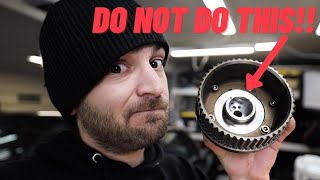
![How to Fix P0011 Engine Code in 4 Minutes [2 DIY Methods / Only $6.95]](https://img.youtube.com/vi/Il4J5NOlYPg/mqdefault.jpg)
We Have This Part in Stock

The information in this article is provided for general reference and educational purposes only. Vehicle specifications, procedures, and part compatibility can vary by production date, trim level, and region. Always consult your vehicle's factory service manual and verify part numbers before purchasing or performing repairs. Safety-critical components such as airbags, seat belts, and braking systems should be installed by a qualified professional.
- Subaru Outback:
- 🎬 Helpful Videos
- 🛍️ Shop This Part
- What's Unique About the 2005-2009 Subaru Outback
- Symptoms You May Notice
- Most Likely Causes
- Rare But Worth Checking
- Diagnosis Steps
- Parts You'll Likely Need
- Related Codes That Often Appear With This One
- Technical Service Bulletins (TSBs) & Recalls
- Platform-Specific Known Issues
- Mechanic-Grade Diagnostic Values
- Scan Tool Commands That Help
- Real Owner Repair Stories
- Documented NHTSA Reports
- OEM Part Supersession History
- Model Year Variations Within This Range
- Diagnostic Flowchart
- Other Known Issues on This Vehicle
- Used vs. New Parts: Buying Guide for This Vehicle
- Real Owner Stories
- 2005-2009 Subaru Outback 2.5L / 3.0L
- 2005-2009 Subaru Legacy GT (Platform Mate)
- 2005-2009 Subaru Outback 2.5L
- 2005-2009 Subaru Outback EZ30 3.0L H6 — ~150000 miles
- Related OBD-II Codes
- Frequently Asked Questions
- 🎟️ Get 5% Off