

P0011 on 2016-2020 Kia Optima 2.4L: Causes and Fixes for Camshaft Timing Over-Advanced
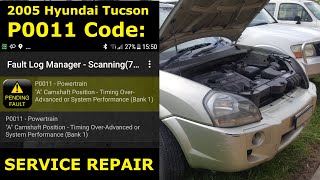
On the 2016-2020 Kia Optima with the 2.4L engine, code P0011 is most often caused by low or dirty engine oil due to the engine's tendency to consume oil. If the oil level is correct, the next most likely cause is a faulty Oil Control Valve (OCV), which costs about $50-$100 for the part. This code can be a serious early warning for the engine's well-documented internal failures.
- Immediately check your engine oil level. The 2.4L Theta II engine is known for high oil consumption, and low oil is the most common cause of P0011.
- If the oil level is correct, the next most likely culprit is the intake Oil Control Valve (OCV), which is a relatively inexpensive and accessible part to replace.
- Do not replace the camshaft position sensor first; it is rarely the cause of this code.
- This code should be taken seriously on this specific engine. It can be an early symptom of the severe oiling and internal engine problems that have led to widespread recalls and engine failures for this platform.
- Check if your vehicle has any open recalls or service campaigns, especially related to the engine (SC147, KSDS update) or E-CVVT system (SA305).
What's Unique About the 2016-2020 Kia Optima

The 2.4L Theta II GDI engine has a well-documented history of severe issues, including high oil consumption and catastrophic connecting rod bearing failures, which led to numerous recalls, class-action lawsuits, and a $1.3 billion settlement. The bearing failures are often caused by metallic debris from the manufacturing process restricting oil flow. Because the CVVT system is entirely dependent on clean oil at the correct pressure, a P0011 code on this specific engine is often the first symptom of a more serious underlying problem like oil starvation or sludge buildup. Owners must be extremely diligent about checking the oil level between changes, as these engines are known to burn through a quart of oil in as little as 1,000 miles, and low oil is the number one cause of this code.
Symptoms You May Notice
- Check Engine Light is on
- Rough or unstable idle, sometimes idling as high as 2000 RPM
- Sluggish performance and poor acceleration
- Engine stalling, sometimes losing power while driving
- Decreased fuel economy
- Rattling or knocking noise from the engine
- Vehicle feels 'jolty' and is hard to brake smoothly
- Replacing the Camshaft Position Sensor (CMP). P0011 is a mechanical correlation code, meaning the timing is actually off. A faulty sensor would typically set a sensor-specific circuit code (like P0340).
Most Likely Causes

- Low or Dirty Engine Oil 🔴 High Probability The Theta II engine is notorious for excessive oil consumption, sometimes burning a quart every 1,000 miles. The CVVT system is hydraulic and highly sensitive to oil level and cleanliness. Sludge buildup from infrequent oil changes can clog passages.
How to confirm: Check the oil dipstick for level and clarity. 🎬 Watch: Why you should check your oil before replacing parts. If the oil is low, black, or gritty, this is the likely cause. The oil light may flicker during sharp turns or hard braking when the level is low.
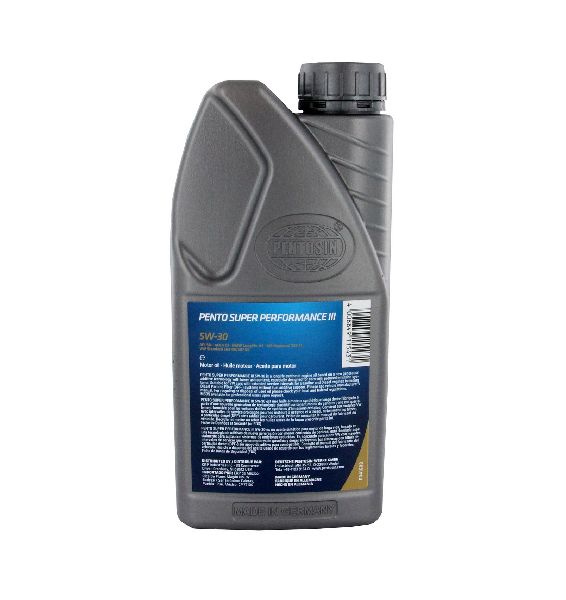
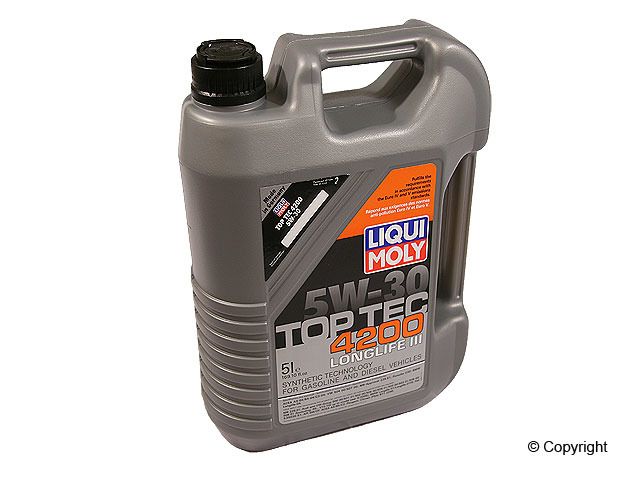
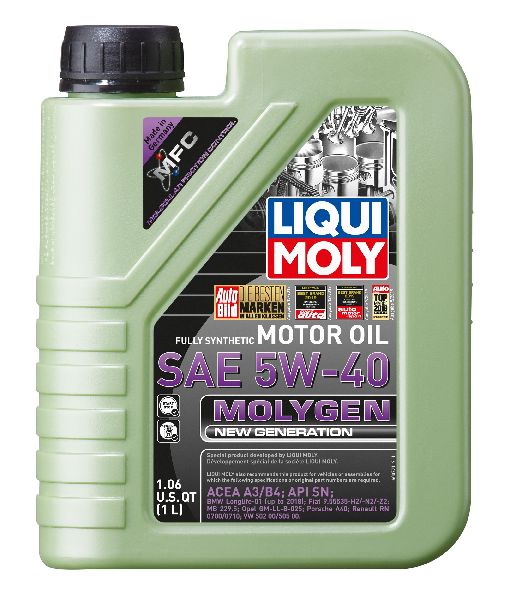
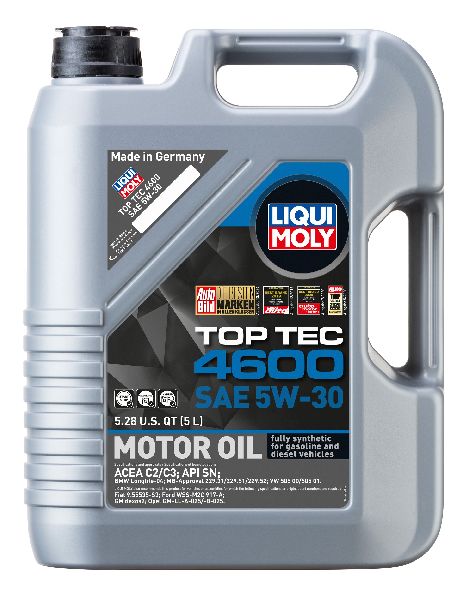
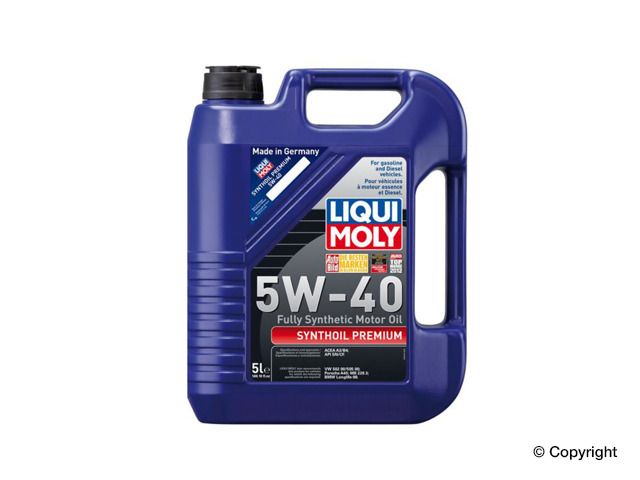
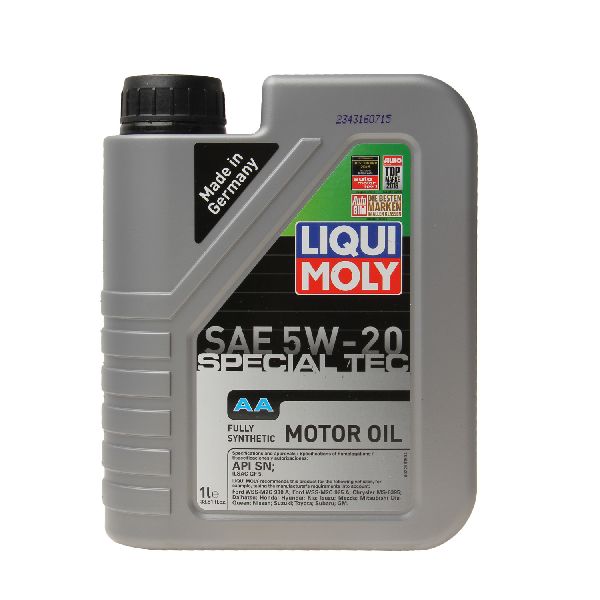
Typical fix: Top off or change the engine oil and replace the oil filter. Use the manufacturer-recommended oil viscosity (e.g., 5W-30) and a high-quality, preferably OEM, oil filter to ensure correct pressure.
Est. part cost: $30-$70 - Faulty Intake Oil Control Valve (OCV) 🔴 High Probability The OCV (or VVT solenoid) is a common failure point. It can become clogged with sludge or metallic debris from the engine's known manufacturing defects, or it can fail electrically, causing it to get stuck.
How to confirm: You can test the solenoid with a multimeter for correct resistance (typically 6.9-7.9 ohms at 68°F). A scan tool can also command the solenoid to check for response. Swapping the intake and exhaust OCVs (if identical) and seeing if the code changes to P0014 is a common diagnostic trick.
Typical fix: Replace the intake Oil Control Valve. Cleaning is sometimes attempted but often not a permanent solution.
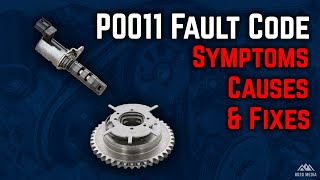
Est. part cost: $50-$120 - Failing CVVT Cam Phaser / Actuator 🟡 Medium Probability The phaser is a mechanical gear that can fail internally, getting stuck in an advanced position. Some 2016+ models use an electronic CVVT (E-CVVT) on the intake side which has known failure points with its internal brush set and seals, sometimes causing a P0011 code.
How to confirm: This is a more advanced diagnosis. If a new OCV and clean oil do not resolve the code, the phaser is the next suspect. A mechanic may need to inspect it physically by removing the valve cover.
Typical fix: Replace the intake CVVT cam phaser. This is an involved job that requires removing the valve cover and timing components.
Est. part cost: $150-$400 - Stretched Timing Chain ⚪ Low Probability While less common than oil-related issues, timing chains can stretch over time, especially on higher mileage engines or those run with low/dirty oil, causing timing correlation issues.
How to confirm: Requires removing the valve cover to inspect for chain slack or checking timing marks. A rattling noise on startup is a common symptom. This is typically a professional diagnosis.
Typical fix: Replace the timing chain, guides, and tensioner.
Est. part cost: $200-$500
Rare But Worth Checking
- Clogged Oil Passages: Severe engine sludge or metallic debris from the engine's known manufacturing defects can block the small oil passages that feed the CVVT system, even if the OCV itself is functional. This often requires significant engine cleaning or, in worst cases, engine replacement.
- Clogged OCV Filter Screen: Some Theta II engines have a small, separate filter screen in the cylinder head oil passage leading to the OCV. This screen can become clogged with sludge, starving the OCV of oil pressure even if the OCV itself is good. It is often overlooked and difficult to access.
Diagnosis Steps

- Check engine oil level and condition. This is the most critical first step. Top off or change oil if necessary. Many owners report the issue resolves temporarily after an oil change.
- Scan for any other OBD-II codes to see if P0011 is part of a larger problem, especially P0014, P0010, or P1326.
- Using a capable scan tool, observe the desired vs. actual intake camshaft position angles. A large discrepancy confirms the timing issue.
- Inspect the wiring and connector for the intake Oil Control Valve (OCV) for any damage or corrosion.
- Test the OCV. You can swap it with the exhaust OCV (if they are identical) to see if the code changes to P0014. Alternatively, remove it, inspect the screen for debris, and apply 12V power to see if the internal plunger moves. 🎬 See how to clean and test a VVT solenoid. Check resistance with a multimeter (should be 6.9-7.9 ohms).
- If the OCV and oil are good, the next step is to inspect for more serious mechanical issues like a failing CVVT phaser or a stretched timing chain. This may require professional assistance.
- If the engine is consuming excessive oil, contact a Kia dealer to perform an oil consumption test, as this may lead to an engine replacement under the extended warranty.
Parts You'll Likely Need

- Intake Oil Control Valve (VVT Solenoid)
(OEM #24355-2G500)— This solenoid is the most common part to fail after low/dirty oil has been ruled out. It gets clogged with sludge or metallic debris, or fails electrically, causing incorrect oil flow to the cam phaser.
Trusted brands: Kia (OEM), Hyundai (OEM), Denso, Dorman
OEM price range: $80-$140
Aftermarket price range: $40-$80 - Engine Oil and Filter — Low or dirty oil is the number one cause of P0011 on this engine due to its high oil consumption and the CVVT system's reliance on oil pressure. Using an OEM filter is often recommended to ensure proper pressure.
Trusted brands: Pennzoil, Mobil 1, Castrol, Kia/Hyundai (OEM Filter)
OEM price range: $50-$90
Aftermarket price range: $30-$70
Related Codes That Often Appear With This One
- P0014 — This code is for 'B' Camshaft Position - Timing Over-Advanced (Bank 1), which refers to the exhaust camshaft. If both appear, it could point to a systemic issue like low oil pressure or a timing chain problem affecting both cams.
- P0010 — This code indicates an electrical circuit issue with the intake camshaft position actuator ('A' Camshaft). If seen with P0011, it strongly suggests a problem with the OCV solenoid or its wiring. TSB SA305 addresses this for some models.
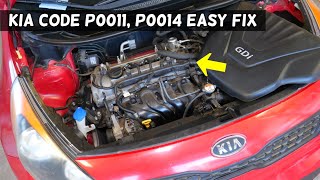
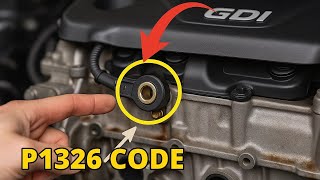
- P1326 — This is a Kia-specific code for the Knock Sensor Detection System (KSDS). It is often triggered on Theta II engines as a direct result of the internal engine bearing damage that also causes oiling problems leading to P0011. Seeing P0011 can be an early warning before the P1326 code puts the car in limp mode, signaling imminent engine failure. 🎬 Watch: Understanding the P1326 code and Theta II bearing failure.
Technical Service Bulletins (TSBs) & Recalls
- SA305: E-CVVT Cover Inspection and Motor Plug Replacement for some 2016-2017 Optima 2.4L GDI models, which could exhibit a MIL with DTC P001000 and/or oil leakage in the E-CVVT motor plug.
- SC147: Theta II Engine Inspection and/or Replacement. This safety recall addresses premature connecting rod bearing wear due to metal debris from manufacturing restricting oil flow. While for earlier models, the underlying defect is relevant. This recall led to an extended engine warranty of 15 years/unlimited mileage for affected vehicles.
Platform-Specific Known Issues
- Engine Oil Consumption: The 2.4L Theta II GDI is widely known for excessive oil consumption, which can lead to low oil levels that trigger P0011. Owners must check oil frequently, as often as every 1,000 miles.
- Engine Failure/Recalls: These engines were subject to massive recalls (like SC147) and a class-action settlement for connecting rod bearing failure due to manufacturing debris restricting oil flow. A P0011 code can be an early warning of oil starvation related to these larger, well-documented engine defects, potentially leading to a full engine replacement covered under an extended lifetime warranty.
Mechanic-Grade Diagnostic Values
- Intake Oil Control Valve (OCV) Resistance — expected: 6.9 - 7.9 Ohms at 68°F (20°C). Some Kia TSBs list slightly different ranges for other suppliers (e.g., Siemens 6.8-8.0 Ω).. Failure: A reading of infinity (open circuit), zero (short circuit), or a value significantly outside the specified range indicates a faulty solenoid coil.
- Intake Oil Control Valve (OCV) Function Test — expected: An audible 'click' should be heard as the internal plunger moves when 12V is briefly applied to the solenoid's terminals.. Failure: No click or movement indicates the solenoid is mechanically stuck or electrically burned out. Do not apply voltage for more than 5 seconds to avoid overheating the coil.
- Live Data: Desired vs. Actual Camshaft Angle — expected: At idle, the desired and actual angles should be very close to 0 degrees. Under load, they should track each other closely as the ECM commands adjustments.. Failure: A large, persistent deviation between the desired and actual angle, especially an actual angle that is significantly higher (more advanced) than the desired angle, confirms the fault condition.
Scan Tool Commands That Help
- Kia GDS (Global Diagnostic System) or equivalent professional scan tool: CVVT Solenoid Activation Test / Actuation Test — This is a critical bidirectional control used to diagnose the OCV. With the engine running at idle, a technician can command the intake OCV to activate. If the valve and oil passages are working, the engine should stumble, hesitate, or stall because the cam timing is being forced into an advanced state. If there is no change in engine operation, it strongly points to a clogged or failed OCV, a blocked oil passage, or a wiring issue.
Wiring & Ground Locations
- Intake OCV Connector — On top of the valve cover, typically the front-most of the two similar solenoids on the 2.4L engine.. This is the connection point for testing the OCV's resistance and for checking for voltage from the ECM. The two pins are for power (PWM signal from ECM) and ground. A visual inspection for corrosion or damage is a key step.
Real Owner Repair Stories
- Reddit user in r/kia (2016 Kia Optima LX, ~108k miles) — Engine code P0011, intermittent high idle (up to 2000 RPM), car becomes 'jolty' and hard to brake, excessive oil consumption (burns 1 quart every ~1,000 miles).
❌ Tried (didn't work) Multiple trips to a mechanic who repeatedly just topped off the engine oil, which only temporarily resolved the symptoms for a few days. The mechanic was hesitant to perform a VVT service, citing Kia's advice against it at that mileage.
✅ What actually fixed it The user's post highlights the direct link between the P0011 code and the engine's severe oil consumption. The final resolution wasn't a single part replacement, but the realization that the code is a symptom of the larger, well-documented Theta II oil pressure and consumption problem, which often requires dealer intervention for an oil consumption test and potential engine warranty claim. - NHTSA ODI #11241077 — An owner reported hearing engine noise and discovered multiple codes including P0011 (A Camshaft Position Timing Over Advanced), P0014 (B Camshaft Position Timing Over Advanced), and P1326 (Engine Damage Alert).
OEM Part Supersession History
Multiple older numbers→24355-2G500— Part revision and consolidation.
Heads up: Part number 24355-2G500 is listed as a replacement for older numbers including 22100-2G700 and 22100-2G521. When ordering, using the vehicle's VIN is the best way to ensure the correct, most current part is supplied.
Model Year Variations Within This Range
- 2018-2020: A mid-cycle refresh for the 2018 model year introduced revised styling and new standard features like a 7-inch touchscreen and driver aids. A new 'S' trim was also introduced with the 2.4L engine. However, the underlying 2.4L Theta II GDI engine and its associated CVVT system and potential faults (like P0011) remained consistent through the 2016-2020 model years.
Diagnostic Flowchart
Other Known Issues on This Vehicle
Issues unrelated to this code that are worth knowing about as an owner of this generation:
- Catastrophic Engine Failure (Rod Bearing Failure) 🔴 High — Very common across the entire Theta II GDI engine family for these model years. Can occur at various mileages, often before 100k miles. (Ref: Recall SC147, numerous class-action lawsuits, and subsequent lifetime engine warranty extension for affected VINs.)
- Excessive Oil Consumption 🔴 High — Extremely widespread. Many owners report consuming 1+ quart of oil every 1,000-3,000 miles. This is a primary symptom leading to other failures. (Ref: Related to the engine failure lawsuits; dealers perform consumption tests to qualify for warranty engine replacement.)
- Knock Sensor Detection System (KSDS) Activation (P1326) 🔴 High — Common result of the rod bearing wear. The KSDS software update was pushed to detect failure, but its activation means the engine is already failing and the car will enter limp mode. (Ref: Software update campaigns (e.g., SC200) and related engine warranty extensions.)
- Starter Motor Failure 🟠 Medium — Frequently reported by owners, often leading to a no-start condition. Not as severe as engine failure but a common annoyance.
- Peeling Paint / Clear Coat Failure 🟡 Low — Reported by many owners, especially on white and other light-colored vehicles. The clear coat begins to peel in large sheets.
- Electrical Issues (Infotainment/Backup Camera) 🟡 Low — Owners report issues like the infotainment system freezing, the backup camera failing, or random warning lights appearing on the dash.
Used vs. New Parts: Buying Guide for This Vehicle
When a used part is the smart pick: For this specific repair, using used parts is generally not recommended. The primary failure components (OCV, timing components, engine itself) are known weak points. A used OCV from a junkyard likely has the same sludge/wear issues that caused the original to fail.
Donor-vehicle mileage cap: roughly under 40000 miles for the part to have meaningful remaining life.
What to inspect on the donor part:
- If considering a major used component like an engine, demand proof of the donor vehicle's VIN to check for maintenance history and recall compliance.
- Inspect the oil fill cap and look inside the valve cover of a donor engine for signs of heavy sludge or varnish, which indicates poor maintenance and a high likelihood of CVVT problems.
- Drain a small amount of oil from a donor engine to check for metallic 'glitter', a sign of terminal bearing failure.
OEM-only on this vehicle (don't cheap out):
- Engine Oil Filter: Many Kia/Hyundai specialists and forums strongly recommend using an OEM oil filter to ensure the correct internal bypass valve pressure and flow characteristics, which are critical for the CVVT system.
- Complete Engine Assembly: Due to the widespread manufacturing defects in the Theta II engine, purchasing a used engine is a significant gamble. A new or professionally remanufactured long block from a reputable source that addresses the original flaws is a much safer investment.
Aftermarket brands forum-validated for this vehicle:
- Denso (for VVT Solenoid/OCV): Denso is an original equipment manufacturer for many brands and is generally considered a high-quality alternative to dealer parts.
Brands owners have reported issues with on this vehicle:
- Unnamed/white-box online marketplace brands: For a critical component like an OCV that relies on precise internal tolerances and clean manufacturing, ultra-cheap, no-name parts from online marketplaces are a high-risk purchase that often fail quickly.
Real Owner Stories
Aggregated from forums and TSBs cited above. Mileages and costs reflect what owners reported in those sources.
2016 Kia Optima 2.4L — 79000 miles
Symptoms: Check engine light for P0011 appeared shortly after a P1326 code (knock sensor) was addressed. The oil light was also flickering during turns only 2,500 miles after the last oil change.
What fixed it: The issue was identified as a direct symptom of the engine's known excessive oil consumption and underlying manufacturing defects.
Source hint: reddit.com/r/MechanicAdvice - 2016 Optima P0011 DTC (79k miles)
2016 Kia Optima LX 2.4L — 108000 miles
Symptoms: Intermittent high idle at 2000 RPM, jolty feeling when braking, and burning a quart of oil every 1,000 miles.
What fixed it: Mechanic repeatedly topped off the oil, but the problem was tied to larger oil pressure and engine failure issues inherent to the Theta II.
Source hint: reddit.com/r/kia - 2016 Kia Optima LX P0011 Code (108k miles)
2016 Kia Optima 2.4L
Symptoms: Check engine light with P0011 code.
What fixed it: Replacement of the E-CVVT camshaft actuator, which is a common failure point on this specific motor.
Source hint: reddit.com/r/kia - Need help learning about what kia optima motors are bad
Related OBD-II Codes
Frequently Asked Questions
Does TSB SA305 apply to my 2016 Kia Optima 2.4L regarding the P0011 code?
Could my P0011 code be related to the major Kia engine recalls?
How often should I check the oil on my 2016-2020 Optima to avoid timing codes?
Is there an extended warranty that might cover my P0011 issue?
Can I just clean the Intake Oil Control Valve (OCV) to fix this?
What is the specific resistance I should look for when testing the OCV on a 2.4L Theta II?
Helpful Videos
Used OEM Parts in Stock

New Aftermarket Parts Available

The information in this article is provided for general reference and educational purposes only. Vehicle specifications, procedures, and part compatibility can vary by production date, trim level, and region. Always consult your vehicle's factory service manual and verify part numbers before purchasing or performing repairs. Safety-critical components such as airbags, seat belts, and braking systems should be installed by a qualified professional.
- Kia Optima:
- 🎬 Helpful Videos
- 🛍️ Shop This Part
- What's Unique About the 2016-2020 Kia Optima
- Symptoms You May Notice
- Most Likely Causes
- Rare But Worth Checking
- Diagnosis Steps
- Parts You'll Likely Need
- Related Codes That Often Appear With This One
- Technical Service Bulletins (TSBs) & Recalls
- Platform-Specific Known Issues
- Mechanic-Grade Diagnostic Values
- Scan Tool Commands That Help
- Wiring & Ground Locations
- Real Owner Repair Stories
- OEM Part Supersession History
- Model Year Variations Within This Range
- Diagnostic Flowchart
- Other Known Issues on This Vehicle
- Used vs. New Parts: Buying Guide for This Vehicle
- Real Owner Stories
- 2016 Kia Optima 2.4L — 79000 miles
- 2016 Kia Optima LX 2.4L — 108000 miles
- 2016 Kia Optima 2.4L
- Related OBD-II Codes
- Frequently Asked Questions
- 🎟️ Get 5% Off