

P2764 on 2014-2021 Dodge Charger: TCC Solenoid Circuit Low Causes and Fixes
Code P2764 on a 2014-2021 Dodge Charger typically indicates a failed Torque Converter Clutch (TCC) solenoid. On these cars, the solenoid is integrated into the transmission's mechatronics unit (valve body), which is an expensive part and complex repair. Expect symptoms like stalling at stops, harsh shifting, and potential transmission overheating.
- P2764 on a 2014-2021 Charger is a serious transmission code, most often caused by a failed TCC solenoid.
- The most common symptom is the engine stalling when you come to a complete stop.
- On this specific vehicle, the solenoid is part of the larger, more expensive mechatronics/valve body unit.
- This is not a simple DIY repair; it requires specialized tools, knowledge of transmission service, and electronic relearn procedures.
- Do not confuse diagnostic information for other Dodge vehicles (with different transmissions) with the procedure for the Charger's 8-speed automatic.
What's Unique About the 2014-2021 Dodge CHARGER
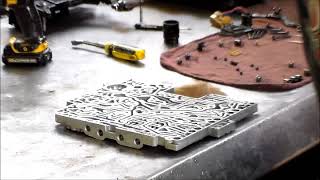
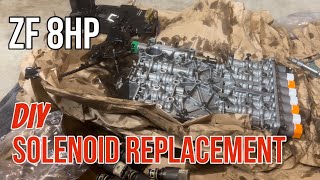
Unlike many other Dodge/Chrysler vehicles that use the 62TE transmission (like the Dodge Journey or Town & Country), the 2014-2021 RWD Dodge Charger uses more advanced ZF-designed 8-speed automatic transmissions (the 845RE for V6 models and the 8HP70 for V8 models). On these 8-speed units, the individual solenoids are not easily or separately replaceable. They are integrated into a complex mechatronics unit, which combines the valve body and the transmission control module (TCM). Therefore, a P2764 code on a Charger often necessitates the replacement of the entire expensive mechatronics assembly, 🎬 See this detailed walkthrough of a ZF8HP valve body overhaul. making the repair significantly more involved and costly than on platforms with discrete, accessible solenoids.
Diagnostic Flowchart
Tap your situation to follow the diagnostic path that matches what you're seeing on this vehicle.
Symptoms You May Notice
- Check Engine Light is on
- Vehicle stalls when coming to a stop, as if driving a manual car and not using the clutch
- Harsh or erratic shifting, including abrupt downshifts when slowing down
- Vehicle may enter "Limp Mode," limiting engine power and gears
- Shuddering or vibration, especially during moderate acceleration, which may feel like driving over a rumble strip
- Increased fuel consumption
- Sensation of transmission slipping (engine RPMs rise without a corresponding increase in speed)
- Transmission overheating, potentially indicated by a warning light or a burning smell
- Replacing the entire transmission when only the mechatronics unit (valve body) is faulty.
- Replacing the torque converter when the root cause is an electrical issue with the solenoid or wiring.
- Applying information or TSBs from different Dodge vehicles (like those with the 62TE transmission) to the Charger's unique 8-speed transmission.
- Failing to perform a TCM software update, which could resolve erratic shifting behavior that mimics a hardware fault.
Most Likely Causes
- Failed TCC Solenoid / Mechatronics Unit 🔴 High Probability On the ZF-designed 8-speed transmissions used in these Chargers, the solenoids are integrated into the mechatronics (valve body) unit. These solenoids can fail electrically or become clogged/stuck due to contaminated fluid, which is a common failure point.
How to confirm: A professional scan tool can attempt to command the TCC solenoid and monitor its circuit voltage and resistance. If the external circuit tests good, the failure is internal to the mechatronics unit. Resistance values outside of the manufacturer's specification confirm a failed solenoid. The expected resistance for the TCC solenoid is approximately 5.0-5.5 Ohms.
Typical fix: Replacement of the entire valve body/mechatronics assembly, followed by a fluid refill and a transmission relearn or quick-learn procedure using a compatible scan tool like wiTECH.
Est. part cost: $800-$2000 - Low or Contaminated Transmission Fluid 🟡 Medium Probability The ZF 8-speed is sensitive to fluid condition. Degraded fluid loses its lubricating properties and can contain fine metallic particles from normal wear, which can clog the small passages in the valve body and cause solenoids to stick or fail.
How to confirm: Check the transmission fluid level and condition according to the manufacturer's procedure. The fluid should be clean, have a specific amber/brown color (not bright red like older ATFs), and not smell burnt. Many shops can analyze the fluid for contaminants.
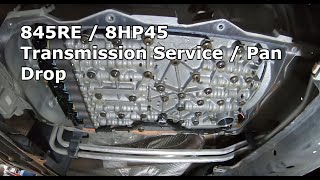
Typical fix: Perform a transmission fluid and filter change using the correct Mopar 8&9 Speed ATF or ZF-Lifeguard 8 fluid. 🎬 Watch: Step-by-step guide for a proper ZF 8-speed transmission service. This is often done as a first step before replacing expensive hardware.
Est. part cost: $150-$300 - Damaged Wiring or Connectors ⚪ Low Probability While not specific to the platform, the wiring harness leading to the transmission is exposed to road debris and heat, which can cause issues over time.
How to confirm: Visually inspect the transmission wiring harness for any signs of damage, corrosion, or loose connections, particularly at the main connector to the transmission. A multimeter can be used to check for continuity and shorts to ground in the TCC solenoid circuit between the TCM and the transmission connector.
Typical fix: Repair or replace the damaged section of the wiring harness or the connector.
Est. part cost: $50-$250
Rare But Worth Checking
- Failed Torque Converter: While the TSB provided in the prompt (9004009) points to this on 62TE transmissions, it's a less common cause for a 'circuit low' code on the Charger's 8-speed. However, a failing TCC solenoid can cause torque converter damage (and vice-versa), so the two issues can be related. A worn lock-up clutch inside the converter can shed debris that contaminates the entire system.
- Faulty Powertrain Control Module (PCM) or Transmission Control Module (TCM): This is a rare cause. Since the TCM is integrated into the mechatronics unit on the 8-speed, a faulty TCM is resolved by replacing the entire unit. An external PCM issue is less likely but should be considered after all other possibilities (solenoid, wiring, fluid) have been definitively ruled out.
- Outdated Transmission Software: In some cases, shift quality issues and related codes can be caused by software glitches. Chrysler has released several TSBs for the 845RE and 8HP70 transmissions to improve shift performance and fix bugs. Checking for available software updates is a crucial diagnostic step.
Diagnosis Steps
- Scan the TCM for P2764 and any other related codes. Note any accompanying codes like P0740 or P0700.
- Check for any available Technical Service Bulletins (TSBs) related to transmission shifting or software updates for your specific year and model. TSBs like 21-012-14 may apply.
- Check the transmission fluid level and condition. Ensure it is full and not burnt or contaminated.
- Using a professional scan tool, monitor the live data for the TCC solenoid command, feedback signals, and transmission fluid temperature.
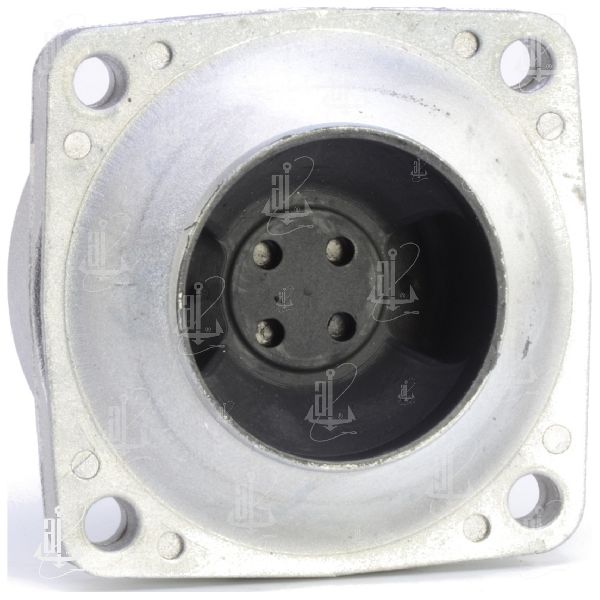
- Inspect the main transmission electrical connector for corrosion, fluid intrusion, or pushed-out pins. A common issue on ZF transmissions is a leaking connector sleeve.
- If the external connector and wiring appear intact, test the TCC solenoid circuit for a short to ground or open using a multimeter at the transmission connector.
- If the external wiring tests good, the fault is likely internal to the transmission, pointing to the TCC solenoid itself.
- Drop the transmission pan and inspect the internal wiring and the mechatronics unit. Look for debris in the pan, which could indicate a more severe mechanical failure.
- If all wiring is confirmed good, the mechatronics unit (which contains the faulty solenoid) must be replaced.
Parts You'll Likely Need
- Transmission Mechatronics Unit / Valve Body Assembly
(OEM #68233747AA (example, verify by VIN))— This assembly contains the TCC solenoid, which is the most common point of failure for code P2764 on this platform. The TCM is also integrated into this unit.
Trusted brands: Mopar, ZF
OEM price range: $1200-$2000
Aftermarket price range: $800-$1500 - Automatic Transmission Fluid
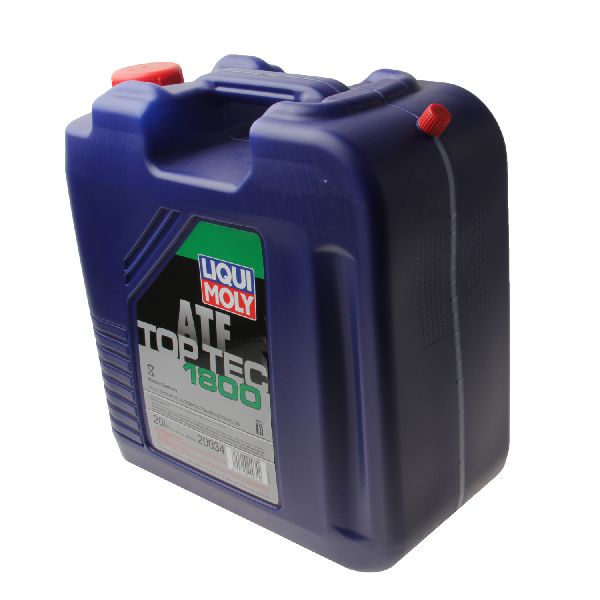
(OEM #Mopar 68218925AA (8&9 Speed ATF))— Fluid must be replaced when servicing the mechatronics unit. Using the correct fluid is critical for ZF 8-speed transmission function.
Trusted brands: Mopar 8&9 Speed ATF, ZF Lifeguard 8
OEM price range: $25-$40 per liter
Aftermarket price range: $20-$30 per liter - Transmission Pan with Integrated Filter
(OEM #68225344AA (example, verify by VIN))— The pan and filter are typically replaced during this service as a single unit. The filter is integrated into the plastic pan.
Trusted brands: Mopar, ZF
OEM price range: $150-$250
Aftermarket price range: $100-$200 - Mechatronics Sealing Sleeve Kit — The electrical connector sleeve is a common leak point and should be replaced whenever the mechatronics unit is serviced to prevent future fluid intrusion and electrical faults.
Trusted brands: Mopar, ZF
OEM price range: $25-$50
Aftermarket price range: $15-$30
Related Codes That Often Appear With This One
- P0740 — This code indicates 'TCC Circuit Malfunction,' which is a closely related fault often triggered by the same underlying issues as P2764.
- P0700 — This is a generic transmission fault code that simply tells the PCM to turn on the Check Engine Light. It indicates that a more specific transmission code, like P2764, is stored in the TCM.
- U0100 — This code indicates 'Lost Communication With ECM/PCM'. In some cases, electrical issues that trigger P2764 can also cause intermittent communication problems between modules.
Technical Service Bulletins (TSBs) & Recalls
- While no TSBs directly matching P2764 for the 2014-2021 Charger were found, related TSBs for shift quality are highly relevant. For example, TSB 21-004-15 involves reprogramming the TCM on 2014 models with the 845RE transmission to address various shift enhancements.
- TSB 21-017-16 REV. A provides similar TCM software updates for 2016 models with 845RE and 8HP70 transmissions to improve drivability. Always check with a dealer for the latest applicable software for your vehicle's VIN.
- It's critical to distinguish this platform from others. For example, TSB #9004009, which is cited for P2764, applies to vehicles with the 62TE transmission and is not relevant to the RWD Charger in this year range.
Platform-Specific Known Issues
- The primary issue for the 2014-2021 Charger is the use of ZF-derived 8-speed transmissions (845RE, 8HP70) where the TCC solenoid is not sold separately. It is part of the integrated mechatronics unit, making the repair more complex and costly than on older models.
- Owners on forums frequently report the classic symptom of the car stalling or feeling like it will stall when coming to a complete stop, which is a hallmark of the TCC failing to disengage.
- Software updates are a common theme for these transmissions. Chrysler has issued several TSBs to address shift quality and drivability concerns, which can sometimes be misdiagnosed as mechanical failures.
Mechanic-Grade Diagnostic Values
- TCC Solenoid (and other VFS solenoids) resistance — expected: 5.0 to 5.5 Ohms at 20°C (68°F). Failure: A reading significantly higher (open circuit) or lower (short circuit) than the specified range indicates a failed solenoid coil.
- Voltage at TCC solenoid connector (harness side) — expected: Approximately 12V (+/- 0.5V) with ignition on. Failure: Voltage below 9V indicates a low-voltage condition in the supply circuit, likely due to a wiring or TCM driver issue.
- Resistance between solenoid ground strap and chassis — expected: Below 0.1 Ohms. Failure: Values above 0.1 Ohms suggest a poor ground connection that can cause erratic solenoid operation and trigger low voltage codes.
Scan Tool Commands That Help
- wiTECH 2.0 (Dealer Tool): Transmission Adaptation Learn Procedure — This procedure is mandatory after replacing the transmission, the mechatronics/valve body assembly, or clearing the adaptation memory cells. It allows the TCM to relearn clutch fill times and pressures for smooth shifting.
- wiTECH 2.0 (Dealer Tool): Bidirectional Solenoid Actuation Test — To actively command the TCC solenoid on and off while monitoring circuit voltage. If the TCM commands the solenoid but the voltage doesn't respond correctly, it helps isolate the fault to the wiring or the solenoid itself, rather than the TCM's logic.
- wiTECH 2.0 or compatible professional scanner: Restore Vehicle Configuration — After replacing the mechatronics unit (which includes the TCM), this function ensures the new module is programmed with the correct vehicle options and VIN.
Wiring & Ground Locations
- Main Transmission Connector — On the right side of the transmission case, where the main vehicle harness connects to the mechatronics unit.. This is the primary point for testing the TCC solenoid circuit externally. The connector sleeve is a known leak point, and fluid intrusion can cause shorts and corrosion, leading to a P2764 code.
- G100 / G101 — G100 is at the left front of the engine compartment; G101 is at the right front.. These are primary chassis ground points. While not directly for the TCM, a poor main ground can introduce electrical noise and voltage drops throughout the vehicle's systems, potentially affecting sensor and module readings.
- Engine Block to Chassis Ground — A factory 4-gauge wire runs from the engine block to the chassis, often near the motor mounts.. The transmission case is grounded through the engine block. If this primary ground strap is corroded or loose, the transmission's electronic components, including the solenoids, may not have a stable ground reference, leading to erratic behavior and fault codes.
Model Year Variations Within This Range
- 2017+: Uconnect infotainment systems were upgraded, with 2017+ models receiving a newer system. Models from 2018 onwards offered support for Apple CarPlay and Android Auto, which earlier models lacked.
- 2019+: R/T models received the SRT-style front grille and bumper. Hemi-equipped Chargers also received a standard 2.75" active exhaust system.
Helpful Videos
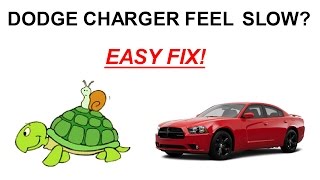
Used OEM Parts in Stock


New Aftermarket Parts Available
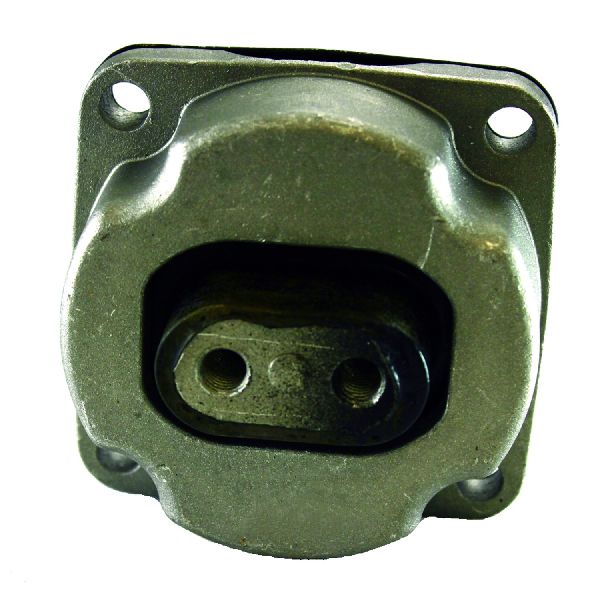
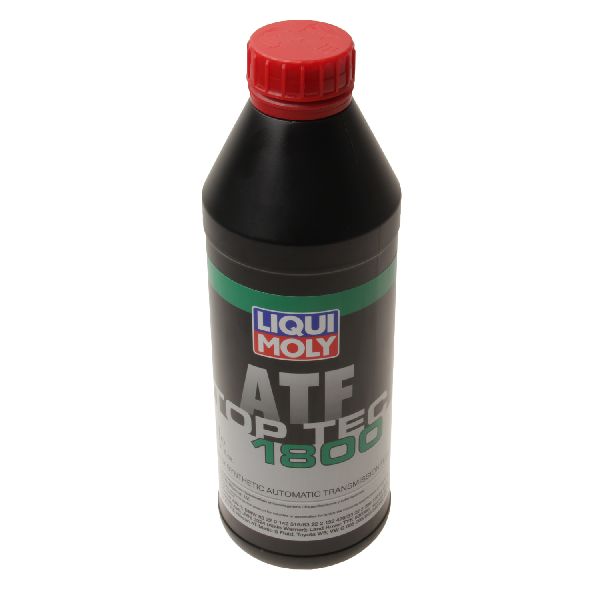
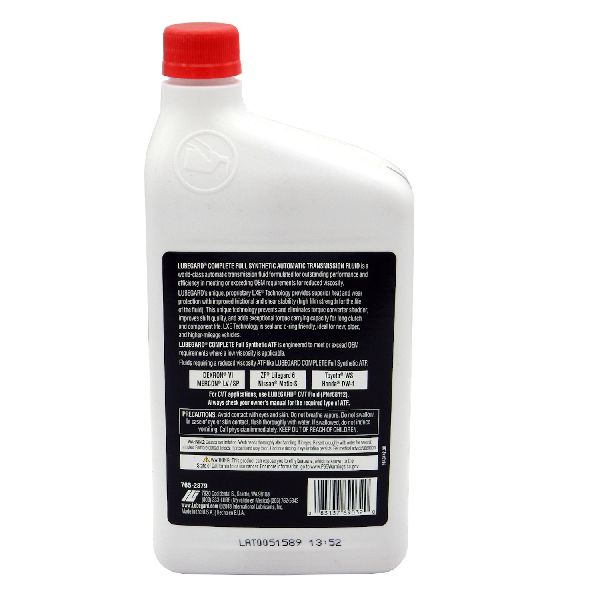

The information in this article is provided for general reference and educational purposes only. Vehicle specifications, procedures, and part compatibility can vary by production date, trim level, and region. Always consult your vehicle's factory service manual and verify part numbers before purchasing or performing repairs. Safety-critical components such as airbags, seat belts, and braking systems should be installed by a qualified professional.
- Dodge CHARGER:
- 🎬 Helpful Videos
- 🛍️ Shop This Part
- What's Unique About the 2014-2021 Dodge CHARGER
- Diagnostic Flowchart
- Symptoms You May Notice
- Most Likely Causes
- Rare But Worth Checking
- Diagnosis Steps
- Parts You'll Likely Need
- Related Codes That Often Appear With This One
- Technical Service Bulletins (TSBs) & Recalls
- Platform-Specific Known Issues
- Mechanic-Grade Diagnostic Values
- Scan Tool Commands That Help
- Wiring & Ground Locations
- Model Year Variations Within This Range
- 🎟️ Get 5% Off