

P2702 on 2020-2023 Ford Explorer: Transmission Friction Element 'C' Apply Time Fixes
This code on a 2020-2023 Explorer almost always points to a known issue with the 10-speed (10R60/10R80) transmission's main control valve body or, in some cases, the CDF clutch drum. Ford has issued multiple superseding Technical Service Bulletins (TSBs) for this problem, which causes harsh or delayed shifts. The fix typically involves a PCM/TCM software update, followed by inspection and often replacement of the valve body or repair of the CDF drum.
- P2702 on a 2020-2023 Explorer is very likely caused by a faulty main control valve body in the 10-speed transmission, a known issue covered by multiple Ford TSBs.
- Symptoms include harsh or delayed shifting, clunking noises, and the check engine light.
- Do not ignore these symptoms. Continued driving can lead to more severe and expensive internal transmission damage.
- The standard repair involves inspecting and likely replacing the valve body assembly. This is not a typical DIY job and should be handled by a professional.
- Before any repair, ensure a technician checks for the latest PCM/TCM software updates, as this is Ford's recommended first step.
What's Unique About the 2020-2023 Ford EXPLORER
The 2020-2023 Explorer uses a 10-speed automatic transmission (the 10R60 or 10R80) which was co-developed with General Motors. This specific platform is known to have issues with harsh shifting and delayed engagements. Ford has released a series of superseding Technical Service Bulletins (TSBs), most notably TSB 23-2250, acknowledging that sticking valves within the main control valve body and/or axial movement of the CDF clutch cylinder sleeve are primary causes of these problems. As a result, a P2702 code on this specific vehicle is much more likely to be related to these known mechanical defects than to random sensor failures or wiring issues.
Diagnostic Flowchart
Tap your situation to follow the diagnostic path that matches what you're seeing on this vehicle.
Symptoms You May Notice
- Harsh, jerky, or delayed shifts, especially between lower gears.
- Loud clunking or bumping sounds during shifting, especially when slowing down.
- Transmission slipping or feeling like it's momentarily in neutral before slamming into gear. 🎬 See a real-world example of this transmission failure in action.
- Delayed or harsh engagement when shifting from Park into Drive or Reverse. 🎬 Watch: A professional diagnosis of delayed reverse on this platform.
- Illuminated Malfunction Indicator Lamp (Check Engine Light).
- Powertrain malfunction warning message on the dashboard.
- Vehicle may feel like it skips gears, such as shifting from 1st to 3rd.
- A feeling of being pushed or bumped from behind when coming to a stop.
- Replacing only the input or output speed sensors without diagnosing the hydraulic circuit. While sensor failure can cause shifting issues, the pattern of failure on this platform points strongly to the valve body or internal hydraulic leaks.
- Assuming a simple transmission fluid change will fix the problem. If the valve body is sticking or the CDF drum sleeve has shifted, new fluid alone will not resolve the underlying mechanical or hydraulic issue.
- Replacing the valve body without checking for the CDF drum issue. Some owners have reported needing a second major repair because the root cause was the drum, not the valve body.
Most Likely Causes
- Sticking Valves in the Main Control Valve Body 🔴 High Probability This is a well-documented issue on the 10R60/10R80 transmission, as cited in multiple Ford TSBs (including the latest, TSB 23-2250). Debris or design issues can cause the intricate valves to stick, delaying or preventing proper hydraulic pressure to the clutch packs. Ford's official procedure often involves attempting a software 'break-in' routine before authorizing a valve body overhaul or replacement.
How to confirm: A technician will follow the diagnostic procedure outlined in TSB 23-2250, which involves checking for PCM/TCM software updates, performing a 'Transmission Accelerated Main Control Break In' routine with Ford's FDRS tool, and if the issue persists, overhauling or replacing the valve body.
Typical fix: The fix can range from a PCM reprogram to a complete replacement of the main control valve body assembly. In many cases, the entire valve body is replaced to ensure all updated components are present.
Est. part cost: $700-$1200 - CDF Clutch Drum Sleeve Failure 🟡 Medium Probability A known design flaw in the 10R80 transmission involves a sleeve/bushing inside the C-D-F (Clutch D-F) drum that can walk or slide out of position over time due to heat cycles. This movement misaligns fluid passages, cutting off hydraulic pressure and shredding the Teflon ring seals, leading to erratic shifting and multiple friction element codes, including P2702. Ford has released updated parts to address this.
How to confirm: This is a major internal repair. If a valve body replacement does not fix the issue, or if significant debris is found, the transmission must be disassembled to inspect the CDF drum. A tell-tale sign is a migrated bushing and damaged Teflon seals.
Typical fix: The transmission must be removed and partially disassembled to replace the CDF clutch drum with the updated part. Some aftermarket solutions involve machining a groove to install a snap ring to retain the sleeve. This is often a full transmission rebuild scenario.
Est. part cost: $300-$600 for the drum, but labor is extensive. - Low or Contaminated Transmission Fluid 🟡 Medium Probability While not unique to this platform, low fluid levels can cause a variety of shifting problems by preventing proper hydraulic pressure. Some 2020 Explorers were also subject to recalls for transmission cooler line issues that could cause leaks. Contaminated fluid, often with fine metallic particles from internal wear (like the CDF drum issue), can clog valve body passages and cause solenoids to stick.
How to confirm: Check the transmission fluid level and condition according to the manufacturer's procedure. The fluid should be at the correct level and not appear dark, burnt, or contain excessive metallic particles. The correct fluid is Motorcraft MERCON ULV.
Typical fix: If the fluid is low, the source of the leak must be found and repaired before refilling with Motorcraft MERCON ULV fluid. If the fluid is heavily contaminated, a simple fluid flush is insufficient as it indicates a more serious internal problem like a valve body or CDF drum failure.
Est. part cost: $50-$200 - Software/Calibration Issue ⚪ Low Probability Ford TSBs consistently list reprogramming the PCM/TCM as the very first diagnostic step to rule out software glitches before replacing hardware. TSB 23-2250 explicitly states the cause may be software, solenoid strategy, or hardware, requiring a specific diagnostic order.
How to confirm: A Ford dealership or qualified shop with access to Ford's Diagnostic and Repair System (FDRS) can check if a newer calibration is available for the Powertrain Control Module (PCM) or Transmission Control Module (TCM).
Typical fix: Reprogramming the module with the latest software update, followed by an adaptive learning drive cycle.
Est. part cost: $0-$250
Rare But Worth Checking
- Failed Shift Solenoid: While the entire valve body is the more common failure point, it is possible for an individual shift solenoid responsible for clutch 'C' to fail. TSBs list many solenoid performance codes (P0751, P0756, etc.) alongside P2702. Diagnosis would involve testing the specific solenoid's resistance and function, but the fix is typically a full valve body replacement as recommended by the TSB.
- Internal Mechanical Failure: In severe cases, especially if the vehicle was driven for a long time with symptoms, the friction material on the clutch pack itself could be worn out, or there could be damage to the CDF clutch drum. If significant metal shavings are found in the transmission pan, this is a likely cause and requires a full transmission rebuild.
Diagnosis Steps
- Verify the code with a quality OBD-II scanner.
- Check for any Technical Service Bulletins (TSBs) related to the vehicle's VIN. TSB 23-2250 is the most current and supersedes many previous versions like 22-2428 and 22-2102.
- Using an advanced scan tool (preferably Ford's FDRS), check for software updates for the PCM/TCM. Reprogramming is the first step recommended by Ford.
- If reprogramming is done or not available, perform the PCM - Transmission Accelerated Main Control Break In routine using FDRS, as detailed in TSB 23-2250.
- Perform the adaptive learning drive cycle as specified in the workshop manual.
- If symptoms persist, check the transmission fluid level and condition. The fluid should be clean, at the proper level, and free of debris or a burnt smell. The correct fluid is MERCON ULV.
- If fluid is low, identify and repair any leaks. A known issue on some models is a leaking transmission cooler line.
Parts You'll Likely Need
- Transmission Main Control Valve Body Assembly
(OEM #L1MZ-7A100-C (For 10R80 Hybrid), HL3Z-7A100-B)— This is the most common point of failure for this code on the 2020-2023 Explorer, as identified in multiple Ford TSBs. Sticking valves within this assembly cause the delayed clutch application.
Trusted brands: Motorcraft
OEM price range: $700-$1200
Aftermarket price range: $500-$900 - CDF Clutch Cylinder (Drum) — A common secondary failure point. A bushing inside the drum can migrate, causing hydraulic leaks and catastrophic shifting behavior. This requires a transmission rebuild to replace.
Trusted brands: Motorcraft
OEM price range: $300-$600
Aftermarket price range: $250-$500 - Transmission Fluid
(OEM #XT-12-QULV)— The fluid must be drained and replaced when the valve body or other internal components are serviced. Only MERCON ULV is acceptable.
Trusted brands: Motorcraft MERCON ULV
OEM price range: $10-$15 per quart
Aftermarket price range: $8-$12 per quart - Transmission Filter
(OEM #L1MZ-7A098-A (10R80), LP5Z-7A098-A (10R60))— Should always be replaced when the transmission pan is removed for service.
Trusted brands: Motorcraft
OEM price range: $30-$50
Aftermarket price range: $20-$40
Related Codes That Often Appear With This One
- P2700 — Relates to Friction Element 'A', indicating a similar timing issue with a different clutch pack. TSB 23-2250 lists this code as part of the same family of issues.
- P2701 — Relates to Friction Element 'B', indicating a similar timing issue with a different clutch pack. Both often stem from the same root cause in the valve body or CDF drum.
- P0751 — Relates to Shift Solenoid 'A' Performance. This and other solenoid codes are frequently listed alongside P2702 in Ford TSBs for this transmission issue.
- P0731 - P0736 — These codes indicate incorrect gear ratios. They can be triggered when a clutch fails to apply correctly (as in P2702), causing the transmission to slip and the gear ratio to be wrong.
- P07F7 — Indicates 'Unable to Engage Gear 10'. This can occur when the CDF drum bushing fails, causing widespread pressure loss that affects multiple gears.
Technical Service Bulletins (TSBs) & Recalls
- TSB 26-2046: Mentions P2702 in a list of DTCs related to transmission issues.
- TSB 25-2302: Also lists P2702 among many other transmission codes for similar issues.
- TSB 24-2254: Cites P2702 with symptoms of harsh/delayed shifts.
- TSB 22-2102: Specifically identifies 'sticking valves in the main control valve body' as a potential cause for P2702 and other related codes.
- TSB 22-2428: Supersedes previous bulletins and again lists P2702 as a possible DTC for harsh/delayed shift conditions due to valve body or internal transmission issues.
Platform-Specific Known Issues
- Ford has issued a series of superseding Technical Service Bulletins for the 10R60/10R80 transmission. The most current is TSB 23-2250, which replaces TSB 22-2428, 22-2102, and others. It addresses harsh/delayed shifts and a host of DTCs including P2702.
- The diagnostic procedure in the TSBs is very specific: it starts with a software update/relearn, then moves to a valve body overhaul/replacement, and may finally lead to internal inspection for issues like the CDF drum failure.
- Owner forums are filled with reports of these transmission issues. Many owners report dealers initially claiming the behavior is 'normal' before a TSB is finally applied.
Mechanic-Grade Diagnostic Values
- Shift Solenoid Resistance — expected: 5.0 - 5.4 Ohms at 68°F (20°C). Failure: A reading outside of this range indicates a faulty solenoid coil.
- Transmission Fluid Temperature for Level Check — expected: 206°F - 215°F (96°C - 101°C). Failure: Checking the fluid level outside this temperature range will result in an inaccurate reading, potentially masking a low-fluid condition.
Hidden / Shadow Codes Worth Checking
- Corrupt/Missing Solenoid Body Strategy: The TCM stores a 13-digit numeric strategy file that is unique to the specific valve body installed. If this file becomes corrupt, is missing after a module programming event, or does not match the physical part, it can cause severe shifting issues. The scan tool will show the field as blank. (see via This is viewed using the Ford Diagnostic and Repair System (FDRS) or IDS under the 'Transmission Characterization / Solenoid IDN' function.)
Scan Tool Commands That Help
- Ford FDRS (or IDS for older models): Transmission Characterization / Solenoid IDN — Use this function to read the 12-digit solenoid body ID and 13-digit strategy number from the TCM. This must be compared to the physical tag on the transmission case to ensure they match, especially after a TCM or valve body replacement.
- Ford FDRS: PCM - Transmission Accelerated Main Control Break In — This is a key diagnostic step outlined in TSBs. It runs the transmission through a specific procedure to attempt to free up sticking valves in the main control body before authorizing hardware replacement.
- Ford FDRS: Adaptive Learning Drive Cycle — This procedure must be performed after any software update, valve body replacement, or internal transmission repair to allow the TCM to relearn shift points and clutch apply pressures. Failure to do so will result in continued poor shift quality.
Wiring & Ground Locations
- C168A — The main electrical connector at the transmission case.. This is the primary interface for all solenoid commands and sensor feedback between the TCM and the transmission. Corrosion or damage to pins in this connector can directly cause apply time faults.
- GD123 — A ground point located on the left front fender.. This is a chassis ground point. While not directly for the TCM, poor grounds in the engine bay can introduce electrical noise and voltage drops that affect module performance.
- GD115 — A ground point located on the cross-car beam behind the dashboard.. This is an interior ground point. The Powertrain Control Module (PCM) and other related modules rely on clean grounds like this to operate correctly.
- TCCM Location — Under the driver's seat, beneath the carpet and an HVAC vent on 2020-2021 models.. This is the Transfer Case Control Module, not the main Transmission Control Module. However, it's often accessed during powertrain diagnosis and its location under the carpet makes it susceptible to water damage, which could cause network communication issues that might be confused with a primary transmission fault.
Real Owner Repair Stories
- Explorer ST Forum user 'jrgoffin' (2020 Ford Explorer ST, 55,000 miles) — Harsh shifting.
❌ Tried (didn't work) Initial TSB procedures (drive cycle, re-flash).
✅ What actually fixed it The dealer pulled the valve body and discovered metal shavings in the transmission. The issue was escalated, and a complete transmission replacement was required to fix the problem. - Explorer ST Forum user 'flhx06' (2021 Ford Explorer ST) — Bucking, sputtering, and unusual shifting.
❌ Tried (didn't work) Replacement of the valve body and solenoid.
✅ What actually fixed it The story was ongoing, but the key takeaway is that the valve body and solenoid replacement did *not* solve the transmission problems, indicating a deeper internal issue like the CDF drum. - Reddit user 'finefinethatsfine' (Ford F-150 with 10R80, 73,000 miles) — Transmission failure.
❌ Tried (didn't work) Initial diagnosis did not specify.
✅ What actually fixed it A transmission rebuild that included the updated CDF drum was the final fix. The user noted that Ford updating the part in the rebuild kit is an admission of the original design's fault.
"I Checked Everything" — The Actual Cause
- The transmission equivalent of this pattern is when a valve body replacement fails to resolve the shifting issues. Multiple owner reports confirm this scenario. The vehicle presents with harsh shifts and codes like P2702, the TSB-directed repair of replacing the valve body is performed, but the symptoms return shortly after. The actual root cause is frequently found to be the CDF clutch drum sleeve migrating out of position, a problem that is not fixed by a new valve body. In fact, a technical article notes that changing the valve body can sometimes make the issue worse if the CDF drum is the real problem.
OEM Part Supersession History
HL3Z-7H351-A, JL3Z-7H351-A→JL3Z-7H351-B— The original CDF clutch drum design had an inner sleeve/bushing that could 'walk' or migrate out of position, uncovering fluid passages and causing pressure loss. The updated part (JL3Z-7H351-B) features a machined lip on the drum that acts as a physical stop, preventing the sleeve from moving.
Heads up: The older parts are prone to failure and should always be replaced with the latest 'B' revision during a rebuild.HL3Z-7A100-A (example)→HL3Z-7A100-B (example)— Valve bodies are frequently updated to address sticking valves, improve solenoid performance, and refine hydraulic circuits. Ford has released multiple TSBs that culminate in replacing the valve body with an updated assembly.
Heads up: When replacing a valve body, it is critical to also update the TCM with the correct software and solenoid strategy file that corresponds to the new part using FDRS.
Model Year Variations Within This Range
- 2020 - Mid-2022: Vehicles built before approximately August 16, 2022, are more likely to have the original CDF clutch drum design that is prone to sleeve migration and subsequent shifting issues.
- Mid-2022 - 2023: Vehicles built after August 16, 2022, should have the updated CDF clutch drum (part JL3Z-7H351-B or later) from the factory, which has a machined lip to prevent the common sleeve failure. While not immune to all transmission issues, this specific, common point of failure should be resolved.
- 2020-2023: The Explorer ST model primarily uses the 10R60 transmission, which has a lower torque rating (600 Nm) than the 10R80 (800 Nm) found in some other Ford applications. While sharing the same core design and many of the same faults (valve body, CDF drum), internal components like clutch packs and software tuning may differ.
Helpful Videos
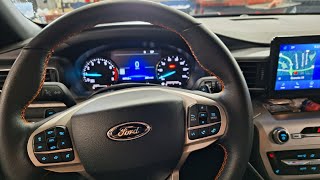

Used OEM Parts in Stock


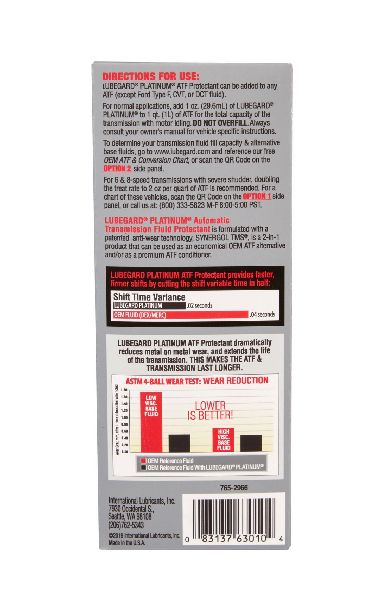
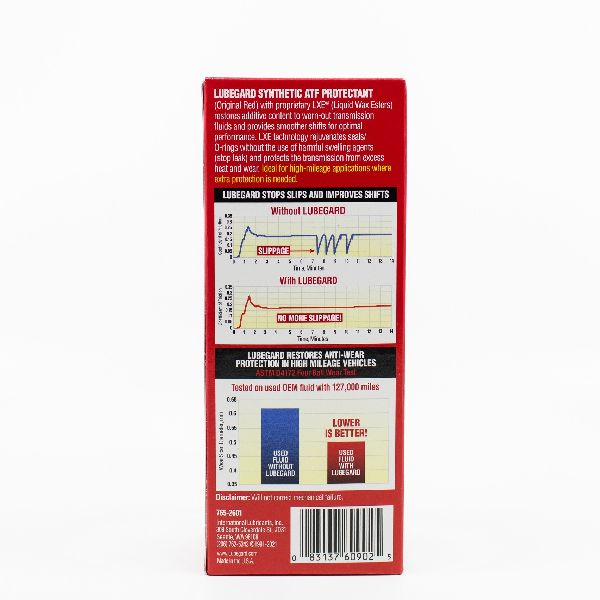
New Aftermarket Parts Available


The information in this article is provided for general reference and educational purposes only. Vehicle specifications, procedures, and part compatibility can vary by production date, trim level, and region. Always consult your vehicle's factory service manual and verify part numbers before purchasing or performing repairs. Safety-critical components such as airbags, seat belts, and braking systems should be installed by a qualified professional.
- Ford EXPLORER:
- 🎬 Helpful Videos
- 🛍️ Shop This Part
- What's Unique About the 2020-2023 Ford EXPLORER
- Diagnostic Flowchart
- Symptoms You May Notice
- Most Likely Causes
- Rare But Worth Checking
- Diagnosis Steps
- Parts You'll Likely Need
- Related Codes That Often Appear With This One
- Technical Service Bulletins (TSBs) & Recalls
- Platform-Specific Known Issues
- Mechanic-Grade Diagnostic Values
- Hidden / Shadow Codes Worth Checking
- Scan Tool Commands That Help
- Wiring & Ground Locations
- Real Owner Repair Stories
- "I Checked Everything" — The Actual Cause
- OEM Part Supersession History
- Model Year Variations Within This Range
- 🎟️ Get 5% Off