

P2700 on 2020-2023 Ford Explorer: Transmission Apply Time Fault Causes and Fixes
On 2020-2023 Ford Explorers, code P2700 almost always points to an internal issue with the 10-speed automatic transmission (10R60 or 10R80), specifically a sticking valve in the main control valve body. This is a known issue documented in multiple Ford Technical Service Bulletins (TSBs). The primary fix requires replacing the valve body, a complex and expensive repair best left to a professional. In some cases, related internal issues like a failing CDF clutch drum may also be present.
- P2700 on a 2020-2023 Explorer is a serious transmission code indicating a clutch is not applying at the correct speed.
- The most likely cause is not the clutch itself, but a faulty main control valve body, a known issue backed by multiple Ford TSBs.
- Do not ignore this code. While the vehicle may be drivable, continued use can lead to severe, more expensive transmission damage.
- This is not a simple DIY fix. Repair involves replacing a major internal transmission component and should be handled by a qualified technician.
- Always check for related transmission codes. The presence of other shift solenoid or gear ratio codes makes the valve body diagnosis even more certain.
What's Unique About the 2020-2023 Ford EXPLORER

The 2020-2023 Ford Explorer uses a 10-speed automatic transmission, either the 10R60 (with the 2.3L EcoBoost) or the 10R80 (with the 3.0L EcoBoost and 3.3L Hybrid). This specific platform has a well-documented history of issues related to the main control valve body. Ford has released numerous Technical Service Bulletins (TSBs) acknowledging that sticking valves within this component can cause harsh/delayed shifts and trigger a wide array of transmission codes, including P2700. Another known issue that can cause similar symptoms is a failure in the CDF clutch drum assembly, where a bushing can move out of place, causing pressure loss. This makes a faulty valve body the primary suspect, often investigated alongside potential CDF drum issues.
Diagnostic Flowchart

Tap your situation to follow the diagnostic path that matches what you're seeing on this vehicle.
Symptoms You May Notice
- Harsh or delayed shifts, sometimes described as a 'clunk' or 'slam' between gears.
- Delayed engagement when shifting from Park to Drive or Reverse, which can take several seconds.
- Transmission slipping or flaring (engine RPMs rise without an increase in speed) between shifts.
- Illuminated Malfunction Indicator Lamp (Check Engine Light).
- Wrench light may appear on the dashboard.
- Vehicle may enter 'limp mode', locking it in a single gear.
- Noticeable 'bump' or harsh downshift when coming to a stop.
- Vehicle may feel like it's engine braking excessively during downshifts.
- Replacing a single shift solenoid instead of the entire valve body assembly. The TSBs point to issues with the valve body itself or internal contamination, not typically an individual solenoid.
- Replacing the transmission speed sensors. While sensor faults can cause shifting issues, P2700 is specifically about the apply time of a clutch, which is a hydraulic function controlled by the valve body.
- Performing only a fluid change when heavy contamination is present. This is a temporary fix at best, as the contamination is a symptom of an ongoing mechanical failure (valve body, CDF drum, or clutches) that will continue to generate debris.
Most Likely Causes

- Sticking Valves in the Main Control Valve Body 🔴 High Probability This is a widely documented issue for the 10R60/10R80 transmissions in this vehicle, as confirmed by multiple Ford TSBs (e.g., TSB 22-2102, TSB 22-2428). 🎬 Watch: A breakdown of Ford's harsh shifting TSB for 10-speeds. Contamination or manufacturing tolerances can cause valves to stick, leading to incorrect hydraulic pressure and delayed clutch application.
How to confirm: A professional technician will use a high-level scan tool to monitor transmission parameters. The presence of multiple related transmission codes alongside P2700, combined with the TSBs, strongly indicates a faulty valve body.
Typical fix: Replacement of the entire main control valve body assembly. In some cases, a dealer may first attempt a PCM reflash or a specific break-in procedure.
Est. part cost: $350-$700 - Low or Contaminated Transmission Fluid 🟡 Medium Probability While not unique to this vehicle, contaminated fluid (often with clutch material) can be a symptom of the valve body or CDF drum issue, rather than the root cause itself. Low fluid levels will impact hydraulic pressure and cause shifting problems.
How to confirm: Check the transmission fluid level and condition. The fluid should be at the correct level, red in color, and not smell burnt. Dark, dirty, or burnt-smelling fluid indicates a problem and likely internal wear.
Typical fix: Perform a transmission fluid and filter change. If the fluid is very contaminated, this is a strong indicator of a larger internal failure requiring further diagnosis.
Est. part cost: $100-$250 - Faulty Transmission Control Module (TCM) or Software ⚪ Low Probability Ford has issued software updates to address harsh shifting. Sometimes, a software re-flash can resolve the issue by adjusting the adaptive learning strategy, but it is often a precursor to a mechanical fix if symptoms persist.
How to confirm: After ruling out mechanical and hydraulic issues, the TCM's software should be checked for updates. A technician can re-flash the module with the latest calibration. If the problem persists, the module itself may be faulty.
Typical fix: Update or reprogram the TCM/PCM. In rare cases, the TCM needs to be replaced.
Est. part cost: $500-$1200
Rare But Worth Checking
- Worn or Failing CDF Clutch Drum Assembly: A known issue on the 10RXX transmission family is the bushing inside the CDF (Clutch 'C', 'D', and 'F') drum migrating out of position. This allows hydraulic pressure to leak, causing erratic shifts, clutch slippage, and can trigger a variety of codes including P2700. TSB 22-2428 mentions this as a possible cause alongside the valve body. This is a major internal repair. Ford introduced a revised CDF drum in production after December 23, 2022, to correct this. 🎬 See how the CDF clutch drum fails and causes issues.
- Worn Internal Clutch Pack ('Friction Element A'): While the code directly names the friction element, it's more often a hydraulic control issue (valve body, CDF drum) than the clutch pack itself wearing out, especially on newer vehicles. However, severe contamination in the fluid could point to clutch material breakdown as a result of the control problem.
- Damaged Wiring Harness or Connectors: A visual inspection of the wiring going to the transmission should be performed to rule out any obvious damage, corrosion, or loose connections that could interrupt signals between the TCM and the transmission solenoids.
Diagnosis Steps
- Verify the transmission fluid level and condition. Top off or change if necessary. Note any signs of heavy contamination (dark color, burnt smell, metal particles).
- Use an OBD-II scanner to read all codes from the PCM and TCM. Note all present codes and freeze frame data.
- Check for applicable Technical Service Bulletins (TSBs). For this vehicle, TSB 22-2428 is a comprehensive bulletin that supersedes many previous ones and mentions sticking valves and CDF drum issues as causes.
- Inspect the transmission external wiring harness and connectors for any signs of damage, corrosion, or looseness.
- With an advanced scan tool, monitor live data for transmission solenoid commands, clutch apply times, and line pressure.
- If symptoms are present, a dealer will likely follow the diagnostic path in TSB 22-2428, which may involve software updates, an 'Accelerated Main Control Break In' routine, or proceeding directly to mechanical inspection.
- If symptoms persist, fluid is good, and TSBs point to it, the next logical step is the replacement of the main control valve body. 🎬 Watch: A step-by-step walkthrough of the valve body replacement process. If significant metal debris is found in the pan during this service, further teardown to inspect the CDF drum and clutches is warranted.
Parts You'll Likely Need
- Main Control Valve Body
(OEM #L1MZ-7A100-F (supersedes L1MZ-7A100-B for 10R60))— This is the most common cause of P2700 and related codes on this platform, as identified by Ford's own TSBs. It contains the solenoids and hydraulic valves that control shifting. Part number L1MZ-7A100-B has been superseded by L1MZ-7A100-F.
Trusted brands: Motorcraft (OEM)
OEM price range: $350-$700 (plus a core charge of ~$200)
Aftermarket price range: $350-$600 - Transmission Fluid
(OEM #Motorcraft XT-12-QULV (MERCON ULV))— The correct type and amount of fluid is critical for transmission function. This specific Ultra-Low Viscosity (ULV) fluid is required for the 10R60/10R80 transmissions and will need to be replaced when the valve body is serviced.
Trusted brands: Motorcraft
OEM price range: $10-$15 per quart
Aftermarket price range: $8-$12 per quart
Related Codes That Often Appear With This One
- P0751, P0756, P0761, P0766, P0771 — These are codes for other shift solenoids (A, B, C, D, E). Their presence alongside P2700 reinforces the likelihood of a systemic hydraulic control issue, like a faulty valve body, rather than a single component failure.
- P0729, P0731-P0736 — These codes indicate incorrect gear ratios. When a clutch fails to apply correctly (P2700), the transmission may not achieve the correct gear ratio, triggering these related codes.
- P2701, P2702, P2703, P2704, P2705 — These are codes for the other friction elements (B, C, D, E, F). Seeing multiple friction element codes strongly points to a common cause like the main valve body or a widespread hydraulic pressure problem.
Technical Service Bulletins (TSBs) & Recalls

- TSB 26-2046: Mentions P2700 in a long list of DTCs related to MIL illumination.
- TSB 25-2302: Similar to above, lists P2700 among many other transmission codes.
- TSB 24-2254: Connects P2700 with harsh/delayed engagements and shifts.
- TSB 22-2102: Directly attributes P2700 and other codes to 'sticking valves in the main control valve'.
- TSB 22-2428: A comprehensive, superseding TSB that lists sticking valves and CDF clutch cylinder sleeve movement as primary causes for a host of codes including P2700.
Platform-Specific Known Issues

- Ford has issued multiple TSBs regarding the 10-speed (10R60/10R80) transmission. TSB 22-2102 explicitly states that codes like P2700 may be due to 'sticking valves in the main control valve body'.
- The comprehensive TSB 22-2428, which supersedes several previous bulletins, outlines a diagnostic procedure that includes software updates, a main control break-in routine, and potential mechanical repairs for the valve body or CDF clutch cylinder.
Mechanic-Grade Diagnostic Values
- Shift Solenoid Resistance — expected: 5.0 - 5.4 Ohms at 20°C (68°F). Failure: A resistance reading outside of this range indicates a faulty solenoid.
Hidden / Shadow Codes Worth Checking
- P163E: Transmission Control Module (TCM) Programmable Parameters - Transmission Solenoid Identification Not Programmed (see via This code may appear after replacing the main control valve body if the programming procedure is done incorrectly. Specifically, it can be triggered if the 12-digit solenoid body identification is entered when the system only requires the 13-digit solenoid body strategy.)
Scan Tool Commands That Help
- Ford IDS, FORScan: Transmission Characterization / Solenoid Strategy Programming — This is a mandatory procedure any time the transmission assembly, main control valve body, or TCM/PCM is replaced. The scan tool is used to write the 13-digit solenoid strategy number from the new part into the vehicle's control module to ensure proper operation.
- Ford IDS: Accelerated Main Control Break In Routine — This is a service procedure outlined in TSB 22-2428 that may be performed before mechanical repairs. The tool commands the transmission through a sequence to help seat or free up potentially sticking valves in the main control body.
- Ford IDS, FORScan: Adaptive Learning Drive Cycle / Clear Adaptive Tables — This must be performed after any transmission repair, including valve body replacement or reprogramming. The procedure involves clearing the old learned values and then performing a specific drive cycle (light acceleration, specific shift RPMs, braking, and gear selections) multiple times to allow the TCM to learn the characteristics of the new/repaired components for smooth shifting.
Real Owner Repair Stories
- Explorer ST Forum (2020 Ford Explorer ST, 55,000 miles) — Harsh shifting, eventually found metal shavings in transmission.
❌ Tried (didn't work) A drive cycle relearn, A PCM/TCM re-flash
✅ What actually fixed it The dealer found significant metal shavings when the valve body was pulled for inspection, leading to a complete transmission replacement. - Explorer ST Forum (2020 Ford Explorer, ~55,000 miles) — Grinding noise, failure to downshift when accelerating up an entrance ramp.
✅ What actually fixed it The dealer diagnosed the issue and ordered a new valve body separator plate to fix the problem. - Explorer ST Forum (2021 Ford Explorer ST, 11,000 miles) — Harsh downshifting.
❌ Tried (didn't work) The dealer replaced the main control valve body assembly and performed an adaptive learning drive cycle, but the symptoms returned shortly after.
✅ What actually fixed it The issue was not resolved on the first visit; the vehicle needed to return to the dealer for further diagnosis, indicating the valve body was not the root cause or the replacement was also faulty. - Explorer Forum (2020 Ford Explorer, 59,000 miles) — Loud clunking, car would not move, reverse did not work, code P0772 (Shift Solenoid E Stuck On).
❌ Tried (didn't work) Owner considered having a second shop inspect the valve body.
✅ What actually fixed it The owner ultimately had the entire transmission replaced at a cost of nearly $5,000.
When the Usual Fixes Don't Work
- While a faulty main control valve body is the most common diagnosis, multiple owner reports show that replacing it is not a guaranteed fix. In one case, a 2021 Explorer ST had the valve body replaced, but the harsh shifting symptoms returned, requiring a second trip to the dealer. In another instance with a 2020 Explorer ST, a valve body and solenoid replacement did not solve the transmission problems. In a more severe case, a technician discovered significant metal shavings in the transmission pan only after removing the valve body, indicating a deeper mechanical failure that necessitated a full transmission replacement. These stories highlight that while the valve body is a primary suspect, it can also be a misdiagnosis for a more severe underlying problem like clutch or drum failure.
OEM Part Supersession History
L1MZ-7A100-B→L1MZ-7A100-F— Updated part to address performance and durability issues, likely related to the sticking valve problems outlined in TSBs.
Model Year Variations Within This Range
- Late 2023 and newer: Vehicles produced after December 23, 2022, likely have a revised CDF clutch drum from the factory, which was redesigned to prevent a common bushing failure that causes pressure loss and shifting issues. This makes the CDF drum a less likely cause on later models compared to earlier ones.
- 2020-2022 (and early 2023): TSB 22-2428 specifically targets 10R60 transmissions built on or before 23-Dec-2022 and 10R80 transmissions built on or before 15-Aug-2022 for issues with harsh shifts and engagements, indicating that vehicles built before these dates are most susceptible to the valve body and software issues described.
Helpful Videos
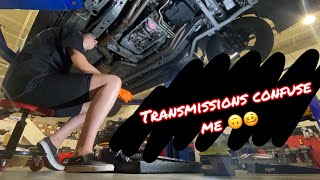
Used OEM Parts in Stock


New Aftermarket Parts Available
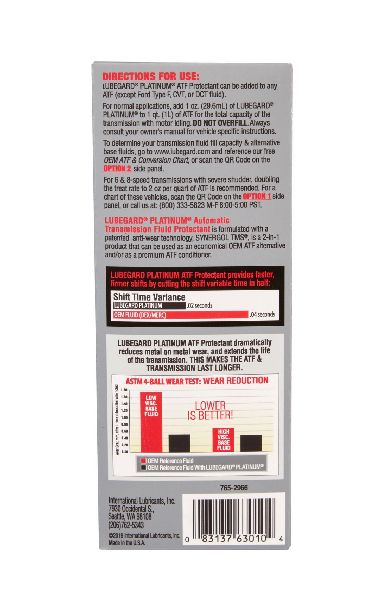
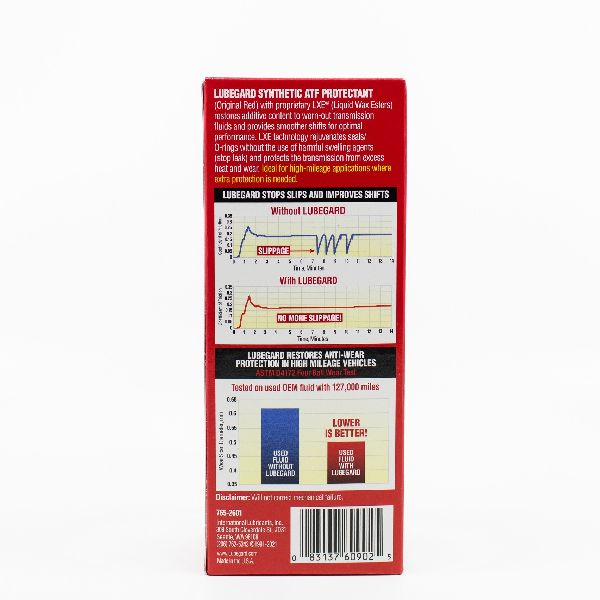


The information in this article is provided for general reference and educational purposes only. Vehicle specifications, procedures, and part compatibility can vary by production date, trim level, and region. Always consult your vehicle's factory service manual and verify part numbers before purchasing or performing repairs. Safety-critical components such as airbags, seat belts, and braking systems should be installed by a qualified professional.
- Ford EXPLORER:
- 🎬 Helpful Videos
- 🛍️ Shop This Part
- What's Unique About the 2020-2023 Ford EXPLORER
- Diagnostic Flowchart
- Symptoms You May Notice
- Most Likely Causes
- Rare But Worth Checking
- Diagnosis Steps
- Parts You'll Likely Need
- Related Codes That Often Appear With This One
- Technical Service Bulletins (TSBs) & Recalls
- Platform-Specific Known Issues
- Mechanic-Grade Diagnostic Values
- Hidden / Shadow Codes Worth Checking
- Scan Tool Commands That Help
- Real Owner Repair Stories
- When the Usual Fixes Don't Work
- OEM Part Supersession History
- Model Year Variations Within This Range
- 🎟️ Get 5% Off