

P2507 on 2015-2019 Ford Transit 3.2L Diesel: ECM/PCM Power Input Signal Low Causes and Fixes
This code indicates the engine's main computer (PCM) is receiving low voltage. The most common causes are a weak or failing battery, corroded battery terminals, or a poor ground connection, particularly the main ground under the driver's seat. Also, consider a parasitic draw from a faulty Body Control Module (BCM). Expect to spend $150-$400 for a new battery, or less if it's just cleaning or tightening connections.
- P2507 means the engine computer has low voltage.
- Start your diagnosis with the simplest and most likely culprits: the battery, its terminals, and ground connections.
- Do not assume the PCM is bad. It is the least likely cause and the most expensive part to replace.
- Driving with this code is risky due to the potential for the engine to stall at any time.
What's Unique About the 2015-2019 Ford Transit
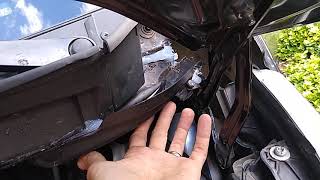
For the 3.2L Power Stroke diesel in the Transit, this code is a straightforward electrical issue. Unlike some vehicles where this code can be ambiguous, Ford's own documentation for this engine clearly defines the voltage threshold. The primary challenges on these work vans are often related to heavy use, leading to battery degradation, and potential corrosion on wiring and ground points due to exposure to the elements. Specific to the Transit, issues like parasitic draw from the Body Control Module (BCM) and poor main ground connections under the driver's seat are known weak points that can directly cause this code. Additionally, a known design flaw allows water from the windscreen to drip 🎬 Watch: How to fix water leaking into the engine bay directly onto the PCM and its connectors, causing corrosion and shorts.
Symptoms You May Notice
- Check Engine Light is on
- Engine may stall unexpectedly, either while driving or at idle
- No-start or no-crank condition
- Reduced engine power or erratic behavior
- Other warning lights like 'Immobiliser Active' or 'Power Steering Fault' may appear, often due to communication loss with the BCM/PCM.
- Loss of communication with the scan tool if system voltage is too low
- Headlights or other electronics behaving erratically (e.g., staying on), indicating a possible BCM or wiring short issue.
- Replacing the PCM first. A PCM failure is rare; the problem is almost always in the power supply to the PCM, not the module itself.
- Replacing the battery without checking for a parasitic draw. If a faulty BCM or other module is draining the battery, a new battery will also fail prematurely.
Most Likely Causes
- Weak or Failing Battery 🔴 High Probability High electrical demands from accessories, frequent start-stop cycles in commercial use, and potential parasitic draws can wear out batteries faster. The PCM requires a stable voltage (typically above 9V) to function correctly.
How to confirm: Test the battery with a multimeter. A healthy, fully charged battery should read around 12.6V with the engine off. With the engine running, it should be between 13.7V and 14.7V. Perform a load test to check the battery's health under stress. A battery that passes a simple voltage test may still fail under load.
Typical fix: Replace the vehicle's battery. Ensure the Battery Management System (BMS) is reset after replacement, if equipped.
Est. part cost: $150 - $350 - Corroded or Loose Battery Terminals/Cables 🔴 High Probability The battery is located under the driver's seat, where connections can be disturbed or overlooked. Corrosion buildup creates resistance and lowers the voltage reaching the PCM.
How to confirm: Visually inspect the battery terminals, cable ends, and main ground connections for corrosion (white or greenish powder) or looseness. Perform a voltage drop test across the cables to check for high resistance.
Typical fix: Clean the battery terminals and cable ends thoroughly with a wire brush. Ensure all connections are tight. The OEM positive battery cable is part number WC-96400 if replacement is needed.
Est. part cost: $5 - $20 for cleaning, $50 - $150 for a new cable. - Poor Ground Connection 🟡 Medium Probability Chassis grounds can corrode or become loose over time. On the Transit, a key ground point is from the battery to the seat mount box/van floor, and another is from the gearbox to the inner wing. These are known spots for corrosion.
How to confirm: Locate the main engine-to-chassis and battery-to-chassis ground straps. The Ford Body & Equipment Mounting Manual (BEMM) shows key ground points. Inspect them for corrosion, damage, or looseness. A voltage drop test from the engine block to the negative battery terminal should show less than 0.2V.
Typical fix: Remove, clean, and re-secure the ground connections. A popular forum thread on FordTransitUSAForum.com shows diagrams of multiple earth strap locations that should be checked.
Est. part cost: $15 - $50 - Failing Alternator ⚪ Low Probability While not the most common cause, a failing alternator won't properly charge the battery, leading to low system voltage, especially under heavy electrical load.
How to confirm: With the engine running, check the voltage at the battery terminals. A reading below 13.2V indicates a potential charging system problem. Most auto parts stores can test an alternator for free.
Typical fix: Replace the alternator.
Est. part cost: $250 - $600
Rare But Worth Checking
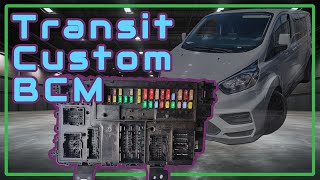
- Faulty Body Control Module (BCM): A known issue on Ford Transits is a faulty BCM causing a parasitic 🎬 See this walkthrough on replacing and programming a faulty BCM battery drain. This slowly kills the battery, which in turn triggers the P2507 code when the PCM gets low voltage on startup. The root cause is the BCM, not the PCM or battery itself.
- Faulty PCM Power Relay: The relay that supplies power to the engine computer can fail intermittently, causing a sudden loss of voltage. On some Transit models, this may be relay R17 in the engine bay fuse box.
- Damaged Wiring Harness: A wire in the harness that provides power to the PCM could be chafed, broken, or corroded. Common chafe points on Ford vehicles are where the harness rubs against A/C lines, brackets, or the valve cover. On Transits specifically, water ingress down the windscreen can short connectors behind the dash.
- Internal PCM Failure: This is the least likely cause. The PCM itself could have an internal fault. This is often caused by external factors like water damage, as documented in a case where water running down the windscreen shorted the ECU on a Transit-based motorhome. This should only be considered after all other possibilities have been exhausted.
Diagnosis Steps
- Verify the P2507 code is present using an OBD-II scanner.
- Visually inspect the battery, battery terminals, and cable ends for any signs of corrosion, swelling, or damage. The battery is under the driver's seat. Clean and tighten as necessary.
- With the engine off, measure the battery voltage using a multimeter. It should be approximately 12.6 volts. If it is below 12.4 volts, charge the battery and re-test.
- Perform a battery load test to ensure it can hold a charge under load.
- Start the engine and measure the voltage at the battery terminals. It should be between 13.7 and 14.7 volts. If not, the alternator or charging system has a fault.
- Perform a parasitic draw test if the battery is draining overnight. A draw over 50-85mA after the modules go to sleep is excessive. Pull fuses one by one to isolate the circuit; pay close attention to BCM-related fuses.
- Inspect the main ground connections. Check the battery-to-chassis ground under the driver's seat and the engine/gearbox-to-chassis ground strap. Ensure they are clean, tight, and free of corrosion.
- If all the above checks out, inspect the wiring and connectors going to the PCM for any visible damage, especially in known chafe areas or where water might intrude behind the dashboard.
- Check the PCM power relay (R17 in the engine bay fuse box). You can often swap it with an identical relay from a non-critical circuit to see if the problem resolves.
- If the problem persists, a more advanced diagnosis involving a voltage drop test on the PCM power supply circuit is necessary to pinpoint high resistance in a wire or connector.
Parts You'll Likely Need
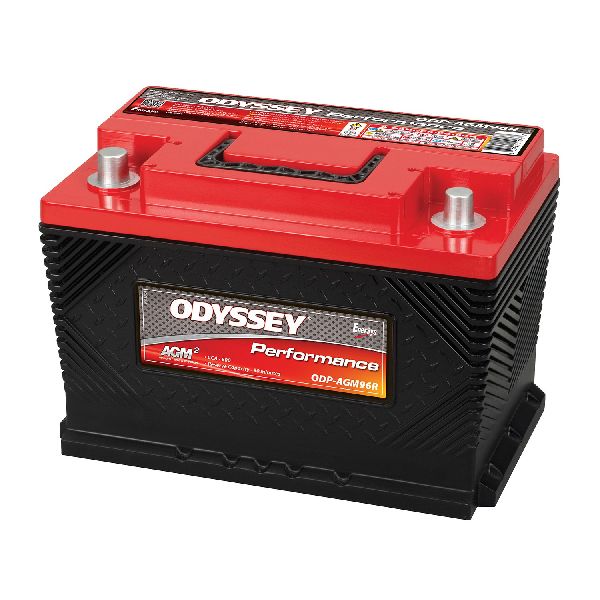
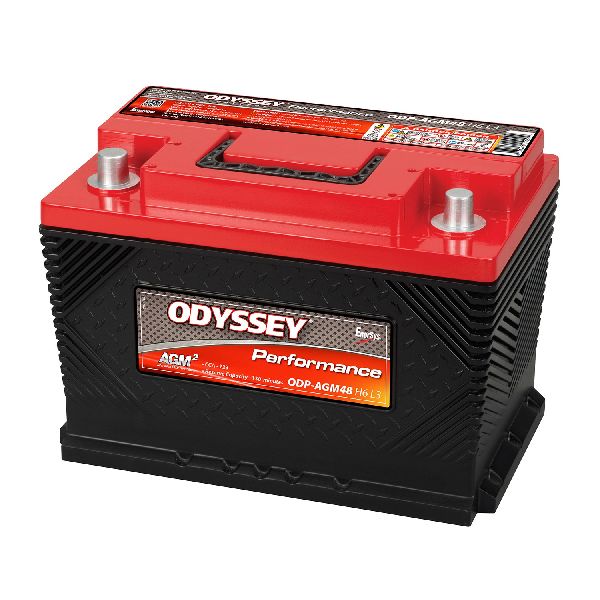
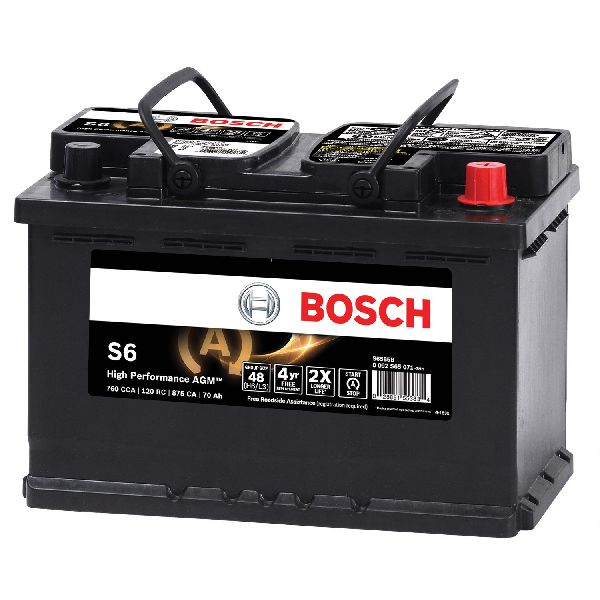
- Battery
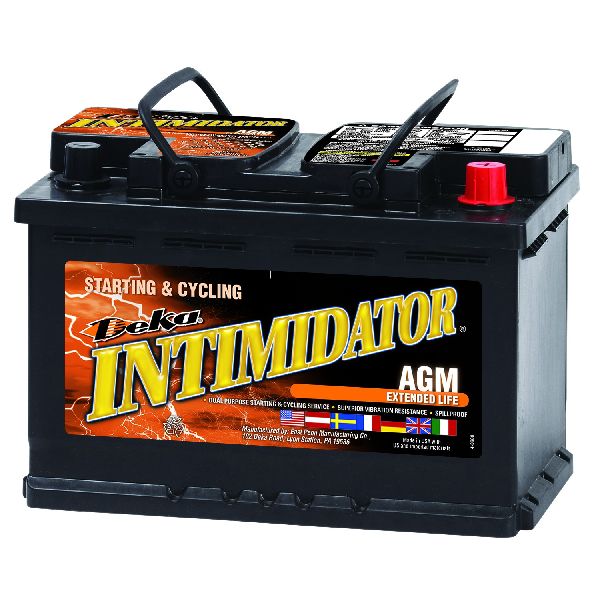
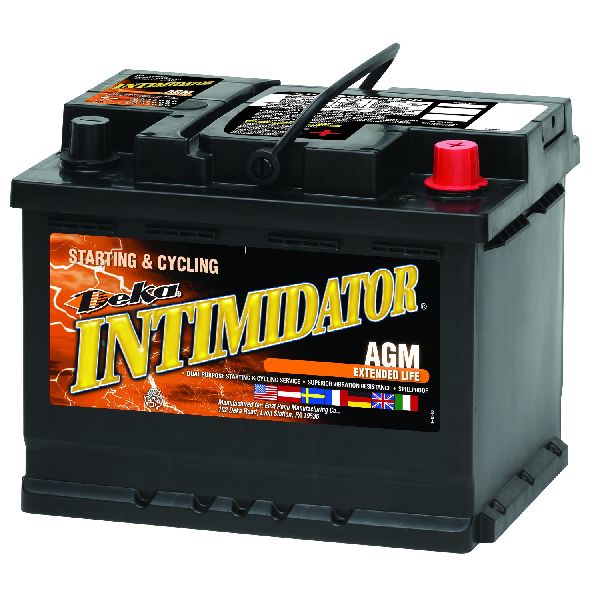
(OEM #BXT-48H6-610 (Standard) or BAGM-48H6-760 (AGM for Dual Battery/Heavy Duty))— The most frequent cause is a weak or old battery that can no longer supply the stable voltage required by the PCM.
Trusted brands: Motorcraft, Interstate, DieHard
OEM price range: $200-$300
Aftermarket price range: $150-$250 - Battery Terminals / Cable Ends
(OEM #WC-96400 (Positive Cable Assembly))— Corrosion on the terminals is a very common source of voltage drop, preventing full power from reaching the electrical system.
Trusted brands: Motorcraft, Dorman, Standard Motor Products
OEM price range: $50-$150
Aftermarket price range: $10-$50
Related Codes That Often Appear With This One
- U0100 (Lost Communication With ECM/PCM)
- U0140 (Lost Communication With Body Control Module)
- Various other 'U' (network) codes if the low voltage condition is affecting the entire CAN bus.
Technical Service Bulletins (TSBs) & Recalls
- While no specific TSB for P2507 on this platform is widely documented, the diagnostic principles from TSBs on other Ford models regarding wiring harness chafing (e.g., SSM 17522) are relevant. Technicians should inspect common chafe points near engine components and where the harness passes through the bulkhead.
Platform-Specific Known Issues
- BCM-Induced Parasitic Battery Drain: A significant number of Transit owners have reported experiencing a dead battery due to a parasitic draw caused by a faulty Body Control Module (BCM). The BCM fails to go to 'sleep' properly, continuing to draw power and draining the battery. This leads to a low voltage condition on startup, triggering P2507. A diagnostic parasitic draw test is required to confirm. In some cases, a dealer reprogram of the BCM may resolve it, but often the BCM needs to be replaced.
- Water Ingress Shorting ECU/Connectors: Particularly noted on Transit-based motorhome conversions, but applicable to all vans, is a design issue where water from the windscreen scuttle can drain directly onto the PCM/ECU and its associated connectors in the engine bay. This causes corrosion on the connector pins and can lead to internal ECU failure, triggering P2507 and other communication faults. Owners have fashioned shields to deflect water as a preventative measure.
Mechanic-Grade Diagnostic Values
- Parasitic Current Draw — expected: Less than 50-85 mA after all modules enter sleep mode (approx. 40-75 minutes).. Failure: A sustained draw above 85 mA indicates a module is not sleeping or a short exists. Some technicians report seeing draws as high as 170-185 mA on 2017 Transits that are considered normal, but the official spec is lower.
- PCM Power Supply Voltage at Connector C175B — expected: Battery voltage (approx. 12.6V KOEO) should be present at Pin 47 (GY-RD wire) of connector C175B at the PCM.. Failure: Voltage significantly lower than battery voltage, or no voltage, indicates a problem in the wiring, fuse, or power relay between the battery and the PCM.
- PCM Power Relay Check — expected: The PCM Power Relay is R17 in the engine compartment fuse box. With the relay removed, there should be battery voltage at two of the pin sockets in the fuse box (one for the coil, one for the switched power).. Failure: Missing voltage at the power-in sockets points to a fuse or wiring issue upstream. If power is present but the relay doesn't function when commanded, the relay itself is faulty.
Scan Tool Commands That Help
- FORScan or Ford IDS: Battery Monitoring System (BMS) Reset — This function must be used after replacing the vehicle's battery. It tells the charging system the age and type of the new battery, ensuring correct charging strategy. Failure to reset the BMS can lead to undercharging or overcharging the new battery, shortening its life and potentially causing voltage-related codes like P2507 to return.
- Ford IDS: Module Programming (BCM/PCM) — When replacing a Body Control Module (BCM) or Powertrain Control Module (PCM), the new module must be programmed to the vehicle. For a used BCM, the vehicle identification number (VIN) and security data from the old module must be cloned to the replacement unit to ensure all functions like central locking and immobilizer work correctly.
- Ford IDS: Datalogger — To diagnose intermittent voltage drops, a technician can use the IDS datalogger to record the PCM voltage PID (Parameter ID) while driving or performing a wiggle test on the harness. This can capture a momentary voltage drop that is too quick to see with a standard multimeter.
Wiring & Ground Locations
- PCM Power Relay — Relay R17 in the engine compartment fuse box.. This relay supplies the main operating power to the PCM. A faulty or intermittent relay will directly cause a low voltage condition at the PCM, triggering P2507.
- PCM Power Fuse — Fuse F35 (15A) in the engine compartment fuse box.. This fuse protects the main power supply circuit for the PCM. If it's blown or has high resistance, the PCM will not receive adequate power.
- PCM Connector C175B — The forward-most large electrical connector on the Powertrain Control Module, located in the engine bay near the passenger side headlight.. This connector contains the main power input pin for the PCM. For the 3.2L Diesel, Pin 47 (Gray-Red wire) is the key power supply pin to test for voltage. This area is also highly susceptible to water ingress from the windscreen scuttle.
- Main Battery Ground — Under the driver's seat, connecting the negative battery terminal to the seat support structure/chassis.. This is the primary ground return path for the entire vehicle's electrical system. Corrosion or looseness here creates high resistance for the entire system, causing widespread low voltage issues.
- Engine/Gearbox Ground Strap — Typically runs from the transmission case or engine block to the chassis frame rail or inner wing.. This ground ensures the engine block and its sensors are at the same electrical potential as the chassis and battery negative. A poor connection here can cause erratic sensor readings and PCM faults.
Real Owner Repair Stories
- Ford Transit Forum user 'deno 1' (Ford Transit (year not specified, but within generation)) — Recurring ECU faults, powdery corrosion on ECU and connectors.
❌ Tried (didn't work) Initial diagnosis focused on individual component failures.
✅ What actually fixed it The root cause was discovered to be water ingress. A mechanic found water sitting in the electrical connectors around the ECU and corroded earth clamps in the same area. The water was traced back to a poor design in the windscreen scuttle that allows water to drain directly into the engine bay onto the electronics. The fix involved drying out all connectors, cleaning the corrosion, and creating a shield to prevent future water intrusion.
OEM Part Supersession History
BK2T-14A073-AG→Later revisions like BK2T-14B476-xx— BCM part numbers are frequently updated to address hardware or software issues. When replacing, it's critical to match the part number exactly or use a service that can clone the original module's data to a compatible used unit.
Heads up: A used BCM is not plug-and-play. It must be programmed to the vehicle's VIN and have the immobilizer keys matched using Ford IDS or equivalent tools. Services exist that can 'virginize' a used BCM (reset to factory state) or clone the data from the original.
Model Year Variations Within This Range
- 2016-2019: Vehicles in this range may experience a specific issue where the PCM becomes unresponsive to scan tools. Ford released SSM 47673 describing a workaround procedure involving cycling the PCM power relay to re-establish communication, advising against immediate PCM replacement.
Diagnostic Flowchart
Used vs. New Parts: Buying Guide for This Vehicle
When a used part is the smart pick: Used parts are a viable option for wiring harnesses, ground cables, and fuse boxes, provided they come from a vehicle in a dry climate with no signs of corrosion or water damage. A used Body Control Module (BCM) can also be a cost-effective choice, but ONLY if you use a programming service to clone your original BCM's data onto the used unit.
Donor-vehicle mileage cap: roughly under 100000 miles for the part to have meaningful remaining life.
What to inspect on the donor part:
- For wiring/connectors: Check for intact insulation, no brittleness, and clean, uncorroded pins.
- For a BCM: Ensure the part number matches exactly. Inspect the case for any signs of water intrusion or physical damage.
- Source vehicle should ideally be from a non-salt-belt region to minimize corrosion risk.
OEM-only on this vehicle (don't cheap out):
- PCM Power Relay: While aftermarket relays exist, the cost of an OEM Motorcraft relay is low, and its quality is critical for stable PCM operation. Given the low cost, OEM is the safest bet.
- Powertrain Control Module (PCM): If the PCM is truly faulty (a rare event), using a reputable remanufacturer that pre-programs the unit to your VIN is better than a junkyard part. Water damage is a common failure mode, making used units risky.
Aftermarket brands forum-validated for this vehicle:
- Alternator: Denso (often an OEM supplier), Bosch, and AC Delco are reputable brands for replacement alternators if needed.
- Battery: Motorcraft (OEM), Interstate, DieHard, and other major brands are reliable choices.
Brands owners have reported issues with on this vehicle:
- Unbranded/white-box electrical components (relays, modules) from online marketplaces can have high failure rates and are best avoided for critical systems.
Real Owner Stories
Aggregated from forums and TSBs cited above. Mileages and costs reflect what owners reported in those sources.
2015-2019 Ford Transit
Symptoms: The van had a persistent no-start condition and a battery that would drain repeatedly. Multiple dealers were unable to find the source of the parasitic draw.
What fixed it: A diagnostic technician performed a parasitic draw test and traced the fault to a defective Body Control Module (BCM) that was not going to sleep. Replacing the BCM resolved the battery drain and the no-start issue.
Source hint: Car Wizard - 'Four DEALERS Couldn't Find the Battery Drain! How I Track Down the Draw'
Ford Transit Motorhome
Symptoms: The owner experienced a flat battery and various electrical faults, particularly after rainfall. The issue was a massive battery drain.
What fixed it: The cause was found to be water ingress from the windscreen area, which was shorting out an ECU connector located behind the dashboard. The fix involved repairing the water damage and creating a shield to prevent future water intrusion.
Source hint: Motorhome Matt - 'The flat battery issue plaguing Ford Transit owners | FIXED'
2022 Ford Transit
Symptoms: The owner reported classic battery drain problems, requiring frequent jump starts.
What fixed it: The issue was temporarily resolved after a dealer reprogrammed one of the vehicle's modules, suggesting the parasitic draw was caused by a software or firmware issue within the Body Control Module (BCM).
Source hint: Reddit r/Ford - '2022 Ford transit battery problems and Ford pass'
Ford Transit
Symptoms: The owner was experiencing electrical issues consistent with a poor ground, such as a no-start condition or flickering lights, leading to a P2507 code.
What fixed it: The problem was resolved by locating, removing, cleaning, and re-securing the main chassis ground straps. Key locations identified were the gearbox-to-inner wing and battery-to-seat mount box grounds.
Source hint: Ford Transit Forum - 'Earth Strap/s location'
Related OBD-II Codes
Frequently Asked Questions
My Ford Transit is a motorhome conversion and I only get the P2507 code after it rains. Is there a known issue?
I replaced the battery on my Transit but the P2507 code came back. What could I have missed?
Where are the most important ground straps to check for P2507 on a 2015-2019 Transit?
My mechanic says the Body Control Module (BCM) is causing a parasitic draw. Is this common on the 3.2L Power Stroke Transit?
My scan tool won't connect to the van, and I have a P2507 code stored. Are these problems related?
I need to replace the positive battery cable. Is there a specific OEM part number I should look for?
Besides the check engine light, what other warning lights might appear with a P2507 code?
Helpful Videos
We Have This Part in Stock


The information in this article is provided for general reference and educational purposes only. Vehicle specifications, procedures, and part compatibility can vary by production date, trim level, and region. Always consult your vehicle's factory service manual and verify part numbers before purchasing or performing repairs. Safety-critical components such as airbags, seat belts, and braking systems should be installed by a qualified professional.
- Ford Transit:
- 🎬 Helpful Videos
- 🛍️ Shop This Part
- What's Unique About the 2015-2019 Ford Transit
- Symptoms You May Notice
- Most Likely Causes
- Rare But Worth Checking
- Diagnosis Steps
- Parts You'll Likely Need
- Related Codes That Often Appear With This One
- Technical Service Bulletins (TSBs) & Recalls
- Platform-Specific Known Issues
- Mechanic-Grade Diagnostic Values
- Scan Tool Commands That Help
- Wiring & Ground Locations
- Real Owner Repair Stories
- OEM Part Supersession History
- Model Year Variations Within This Range
- Diagnostic Flowchart
- Used vs. New Parts: Buying Guide for This Vehicle
- Real Owner Stories
- 2015-2019 Ford Transit
- Ford Transit Motorhome
- 2022 Ford Transit
- Ford Transit
- Related OBD-II Codes
- Frequently Asked Questions
- 🎟️ Get 5% Off