

P2198 on 2011-2014 Ford F-150 3.7L: Causes and Fixes for O2 Sensor Stuck Rich
This code means the driver's side oxygen sensor (Bank 2) is stuck reading rich. The most common cause on the 3.7L V6 is a faulty EVAP purge valve stuck open, a relatively inexpensive part to replace. If both P2196 and P2198 are present, this is the most likely culprit.
- P2198 means the driver's side O2 sensor is stuck reading rich.
- Before replacing the O2 sensor, test the EVAP purge valve; it's a very common failure on this engine and an easy, cheap fix.
- If you have both P2198 and P2196 (both banks rich), the purge valve or an incorrect fuel composition reading are the most likely culprits.
- Driving with this code can ruin your catalytic converter, turning a cheap fix into an expensive one.
- A simple diagnostic step is to check for vacuum on the purge valve port at idle; there should be none.
What's Unique About the 2011-2014 Ford F-150
On the Ford 3.7L V6 engine, P2198 is frequently not an issue with the oxygen sensor itself, but rather a symptom of another problem. This engine family is well-known for having the EVAP purge valve fail and stick open, which allows un-metered fuel vapor into the intake and causes a rich condition. This is a very common failure on many Ford vehicles from this era. Additionally, as a Flex Fuel capable engine, it can sometimes incorrectly 'learn' a high ethanol content in the fuel, causing the computer to inject too much gasoline and trigger rich codes for both engine banks.
Symptoms You May Notice
- Check Engine Light illuminated
- Reduced fuel economy
- Rough or unstable idle
- Hesitation during acceleration
- Strong smell of gasoline from the exhaust
- In severe cases, extended cranking or difficulty starting, especially after refueling 🎬 Watch: Diagnosing a hard start or long crank issue
- Immediately replacing the oxygen sensor without checking for other causes. The O2 sensor is often just accurately reporting a problem that originates elsewhere, such as the EVAP system.
Most Likely Causes
- EVAP Canister Purge Valve Stuck Open 🔴 High Probability This is a very common failure part on many Ford vehicles from this era, including the 3.7L V6. It allows fuel tank vapors into the engine when not commanded (especially at idle), creating a rich condition that often sets codes for both banks (P2196 & P2198).
How to confirm: With the engine idling, disconnect the vapor line from the purge valve. Place your finger over the port on the valve itself. If you feel any suction or vacuum, the valve is stuck open and has failed. The valve should only be open at cruising speeds, not at idle.
Typical fix: Replace the EVAP canister purge valve. It is typically mounted on the engine and is a straightforward replacement held on by two 8mm bolts. The Motorcraft OEM part number is often cited as CX-2695. 🎬 Watch: How to test and replace the purge valve
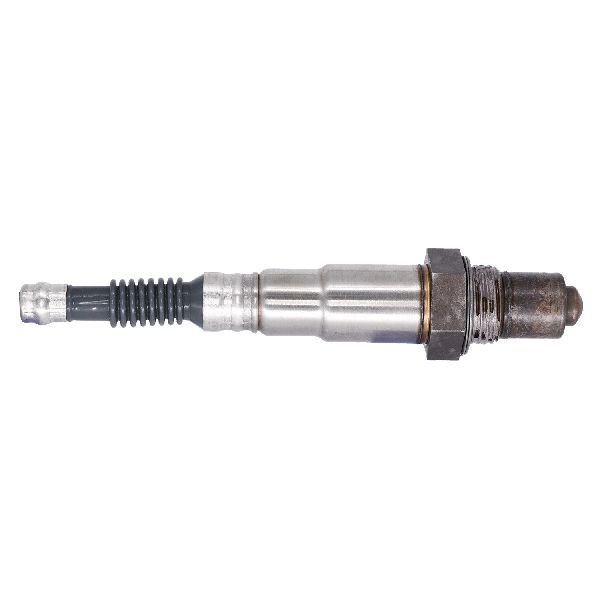
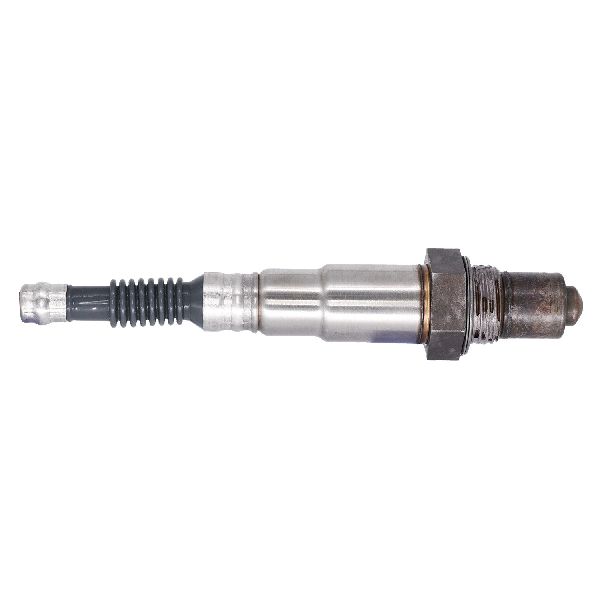
Est. part cost: $30-$60 - Faulty Bank 2, Sensor 1 Oxygen Sensor 🟡 Medium Probability Oxygen sensors are wear items and can fail over time due to contamination from oil, coolant, or carbon, causing the sensor's voltage signal to get stuck.
How to confirm: Use a scan tool to observe the live data for the Bank 2, Sensor 1 O2 sensor. A healthy sensor's voltage should fluctuate rapidly between approximately 0.1V and 0.9V. If the voltage is stuck high (e.g., above 0.8V) and does not change, the sensor is likely faulty.
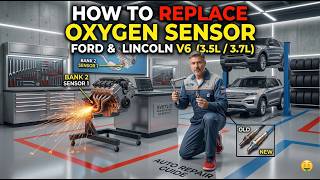
Typical fix: Replace the Bank 2, Sensor 1 (upstream, driver's side) oxygen sensor. Using a special O2 sensor socket is recommended. The Motorcraft OEM part number is BL3Z-9G444-A, also sold under part number DY-1184. 🎬 See this step-by-step upstream O2 sensor replacement guide
Est. part cost: $50-$100 - Incorrectly Learned Fuel Ethanol Content 🟡 Medium Probability As a Flex Fuel vehicle, the PCM infers the ethanol percentage in the fuel. Sometimes this learned value can become corrupted (e.g., reading 64% ethanol when only 10% is present), causing the PCM to command excessive fuel injection. This typically sets codes for both banks (P2196 and P2198) and can cause a no-start or extended crank condition.
How to confirm: Use an advanced scan tool (like FORScan) to view the 'Fuel Ethanol Percentage' or similar PID. If the value is inaccurately high for the fuel in the tank, this is the cause.
Typical fix: Perform a Keep Alive Memory (KAM) reset. This can be attempted by disconnecting the battery for 30 minutes, but the preferred method is to use a Ford-specific scan tool to reset the fuel composition and fuel trim adaptive tables.
Est. part cost: $0 - Leaking Fuel Injector(s) on Bank 2 ⚪ Low Probability
How to confirm: This is more difficult to confirm. A mechanic can perform a fuel injector balance test. Another indicator is to check the spark plugs on Bank 2 (cylinders 4, 5, 6); a wet, fuel-fouled plug can point to a leaking injector in that cylinder. A user on f150forum.com with a 3.7L V6 reported these rich codes along with a crank-no-start issue that was ultimately traced to faulty fuel injectors.
Typical fix: Replace the faulty fuel injector(s) on Bank 2. It is often recommended to replace them as a set for that bank.
Est. part cost: $40-$80 per injector
Rare But Worth Checking
- Damaged O2 Sensor Wiring or Connector: Exhaust heat and road debris can damage the wiring harness leading to the O2 sensor, causing a short to voltage that mimics a rich signal. Always inspect the wiring before replacing the sensor.
- High Fuel Pressure: A failing fuel pressure regulator or fuel pump can cause excessive pressure in the fuel rail, leading to a rich condition across all cylinders. This usually triggers codes for both banks.
Diagnosis Steps
- Check for other DTCs. If P2196 is also present, prioritize causes that affect both banks, especially the EVAP purge valve and fuel composition.
- Test the EVAP Purge Valve: With the engine at idle, disconnect the hose from the intake manifold side of the valve. Check for any vacuum suction with your finger. If suction is present, the valve is faulty and must be replaced.
- (If Flex Fuel) Check Inferred Ethanol Percentage: Use a scan tool to view the ethanol percentage PID. If it's incorrectly high for the fuel you are using, perform a KAM reset or fuel composition reset.
- Analyze O2 Sensor Live Data: Using a scan tool, graph the voltage for the Bank 2 Sensor 1 O2 sensor. If the voltage is stuck high (above 0.8V) and not fluctuating, the sensor is likely bad or there is a true, severe rich condition.
- Inspect for Rich Condition Causes: If the sensor appears to be correctly reporting a rich condition, investigate the cause. Check fuel pressure to ensure it's within spec. Inspect the spark plugs on Bank 2 for signs of fuel fouling, which could indicate a leaking injector.
- Inspect Wiring: Visually inspect the wiring harness and connector for the Bank 2 Sensor 1 O2 sensor. Look for any signs of melting, chafing, or corrosion.
- Replace the O2 Sensor: If all other causes have been ruled out and the sensor signal is stuck, replace the Bank 2, Sensor 1 oxygen sensor.
Parts You'll Likely Need
- EVAP Canister Purge Valve
(OEM #CX-2695, AU5Z-9C915-B)— This is the most frequent cause of P2198 (especially when paired with P2196) on this engine due to a high failure rate.
Trusted brands: Motorcraft, Bosch, Standard Motor Products, Dorman
OEM price range: $40-$70
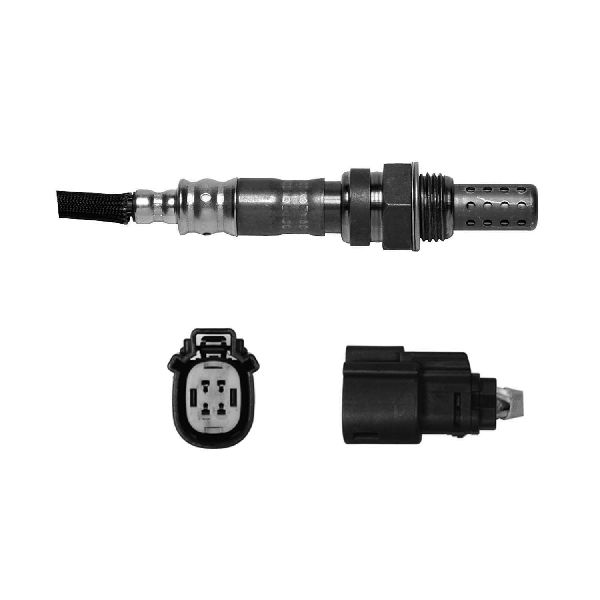
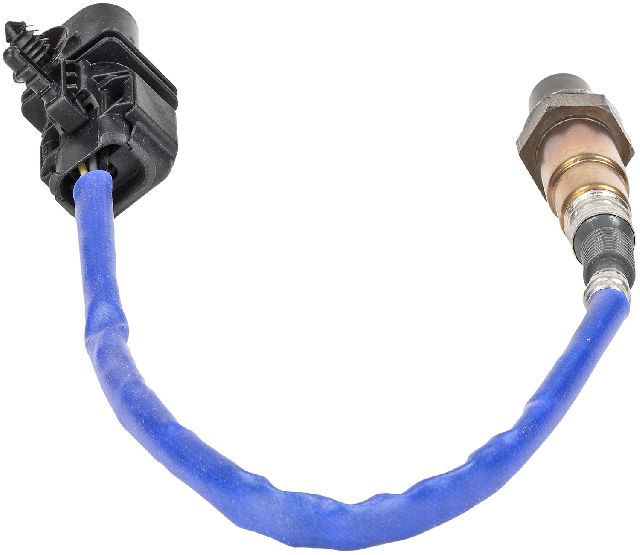
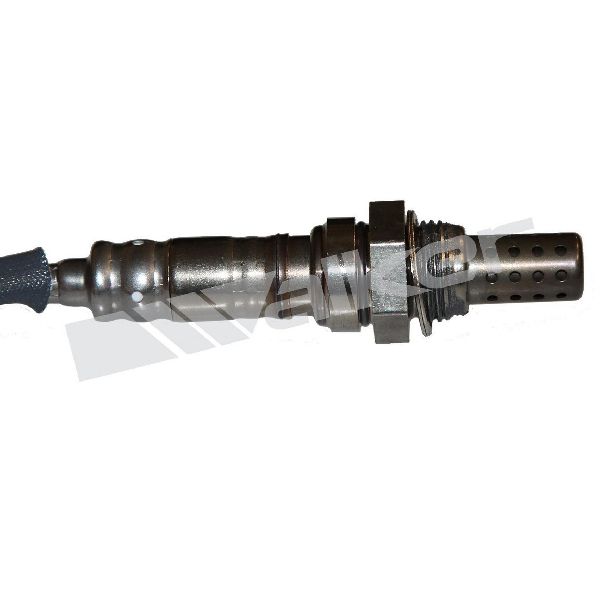
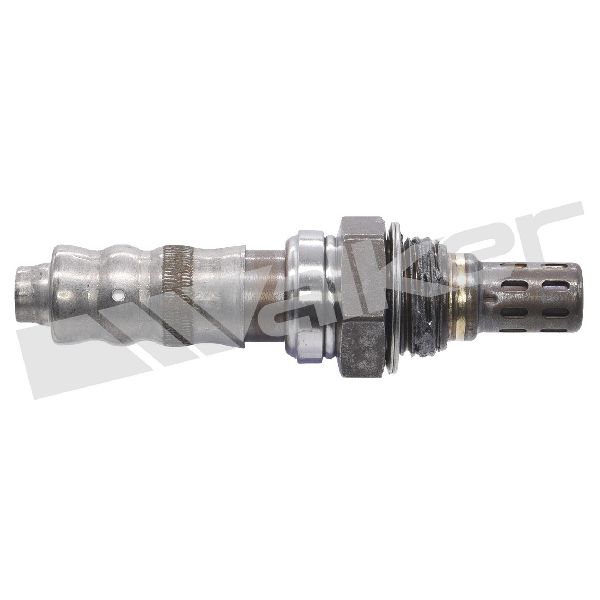
Aftermarket price range: $30-$50 - Oxygen Sensor (Bank 2, Sensor 1)
(OEM #BL3Z-9G444-A / DY-1184)— If the sensor itself has failed and is stuck on a high voltage reading, it will need to be replaced. This is the second most likely part to fail.
Trusted brands: Motorcraft, Bosch, Denso, NGK/NTK
OEM price range: $80-$120
Aftermarket price range: $50-$100
Related Codes That Often Appear With This One
- P2196 — This is the identical 'Stuck Rich' code but for Bank 1 (passenger side). If both P2196 and P2198 appear together, it strongly points to a single cause affecting the entire engine, like a stuck EVAP purge valve or an incorrect fuel composition reading.
- P0175 — This is the general code for 'System Too Rich Bank 2'. P2198 is more specific, indicating the sensor signal is not just rich, but completely stuck. They point to the same underlying issue.
- P0456 — This code indicates a small leak in the EVAP system. It can appear alongside P2198 if a faulty purge valve is the root cause. A user on f150forum.com reported seeing P0456 along with P2196 and P2198.
- P0457 — This code indicates a large leak in the EVAP system, often interpreted as a loose or missing fuel cap. It can appear alongside P2198 if a faulty purge valve is the root cause of both issues.
Mechanic-Grade Diagnostic Values
- EVAP Canister Purge Valve Solenoid Resistance — expected: 15 to 30 Ohms. Failure: A reading near 0 Ohms (short circuit) or infinite/OL (open circuit) indicates a failed solenoid coil.
- Fuel Pressure (KOER - Key On Engine Running) — expected: 58.7 to 64 PSI. Failure: Significantly higher or lower pressure indicates a problem with the fuel pump or pressure regulator.
- Injector Pulse Width at Idle (Warm Engine) — expected: 2.0 - 4.0 milliseconds (ms). Failure: Consistently high values on all cylinders can indicate a vacuum leak; a high value on one cylinder may indicate a problem with that specific injector or cylinder.
- Upstream O2 Sensor (HO2S B2S1) Voltage — expected: Rapidly fluctuating between ~0.1V (lean) and ~0.9V (rich). Failure: Voltage stuck high (above 0.8V) for an extended period.
Hidden / Shadow Codes Worth Checking
- Mode $06, Test ID $81: This is not a shadow code, but a test result within Mode $06 that monitors O2 sensor response time. A technician can view the raw data from the PCM's self-test to see if the sensor is becoming slow or biased before it's bad enough to set a continuous DTC like P2198. (see via A professional-grade OBD-II scan tool with Mode $06 capability is required.)
Scan Tool Commands That Help
- FORScan / Ford IDS: KAM (Keep Alive Memory) Reset — This should be performed after replacing a component that affects fuel delivery (like an O2 sensor or fuel injector) or after resolving an incorrect fuel composition reading. It clears all learned fuel trim and adaptive tables, forcing the PCM to relearn from scratch.
- FORScan / Ford IDS: Fuel Composition Reset — Use this specific reset if you have confirmed the 'Fuel Ethanol Percentage' PID is incorrectly high. This directly resets the learned ethanol value in the PCM, which is a common cause for dual rich codes (P2196/P2198) on Flex Fuel models.
- FORScan / Ford IDS: Purge Valve Duty Cycle Command — This is a bidirectional test to verify the EVAP purge valve's operation. A technician can command the valve to open and close while monitoring fuel trims or listening for a click. This is a more definitive test than simply checking for vacuum at idle.
Wiring & Ground Locations
- G106 — Bottom right side of the engine block.. This is a primary engine ground. A poor or corroded connection here can introduce noise or incorrect offsets into sensor readings, including the O2 sensors, potentially leading to false codes.
- G107 / G108 — Located on the right side of the engine compartment, near the Powertrain Control Module (PCM).. These are critical grounds for the PCM itself and its associated sensors. Looseness or corrosion at these points can cause a wide range of difficult-to-diagnose electronic issues, including phantom rich or lean codes.
- PCM Connector C175B — The PCM is located on the right rear of the engine compartment (firewall). C175B is one of the main connectors.. Technicians may need to test for voltage, continuity, and resistance at the PCM connector pins for the Bank 2 O2 sensor circuit to rule out a wiring issue between the sensor and the PCM. A wiring diagram is essential for identifying the correct pins.
Technical Service Bulletins (TSBs) & Recalls
Manufacturer service bulletins highlight that P2198 is often part of a broader set of codes. Bulletin #TSB 21-2045 and Bulletin #TSB 20-2324 both note that vehicles may experience an illuminated MIL with P2198 and P2196 stored in the PCM, sometimes accompanied by misfire codes (P0300-P0306) or fuel trim codes (P0172, P0175). Similarly, Bulletin #TSB 18-2310 describes instances where these rich codes appear alongside P219A/B. In some cases, such as those described in Bulletin #SSM 48957, the MIL may illuminate with P2198 without any noticeable drivability concerns while engineering works on a solution.
Real Owner Repair Stories
- YouTube video 'Mastering the Fix for P2196 & P2198 Codes in Your Ford F150!' (2012 Ford F-150 3.7L V6) — P2196 and P2198 codes, extended/long crank, no start, flooding the engine with fuel.
❌ Tried (didn't work) Replacing the O2 sensors would not have fixed the issue, as they were accurately reporting a rich condition.
✅ What actually fixed it The root cause was an incorrectly learned fuel ethanol percentage. The scan tool showed the PCM believed the fuel was 64% ethanol when it was actually 10%. Performing a 'Fuel Composition Reset' with a scan tool corrected the fuel mixture calculations and resolved the codes and starting issues. - Reddit r/MechanicAdvice user comment (Ford F-150 (likely 3.5L EcoBoost, but principle applies to 3.7L)) — P1450, P2196, and P2198 codes with ridiculous fuel trims.
❌ Tried (didn't work) Replacing the Canister Purge Valve (CPV) alone did not fix the problem; fuel trims remained high.
✅ What actually fixed it The engine oil had become contaminated with gasoline due to the excessive rich condition caused by the original faulty purge valve. The fuel-saturated oil was creating vapors in the crankcase that were being ingested by the engine, continuing the rich condition. An oil change followed by a KAM reset finally returned the fuel trims to normal. - NHTSA ODI #11650362 — An owner reported that their check engine light was on with codes P2196 and P2198 present. The dealer suspected the purge valve was causing the problem, replaced it, and reset the codes to resolve the issue.
When the Usual Fixes Don't Work
- While the EVAP purge valve and incorrect ethanol learning are extremely common culprits, a notable counter-example comes from a Reddit user whose truck continued to run rich even after replacing the purge valve. The actual fix required an oil change to remove fuel-saturated oil, followed by a KAM reset. This highlights a secondary effect of the primary failure: the initial problem (stuck purge valve) can create a new, persistent problem (fuel-contaminated oil) that won't be solved by fixing the original part alone.
OEM Part Supersession History
AU5Z-9C915-B→AU5Z-9C915-E (also sold as Motorcraft CX-2695)— Standard part revision and consolidation by Ford.
Heads up: The newer part numbers (like -E) are backward compatible with vehicles that used the older -B, -C, or -D revisions.
Model Year Variations Within This Range
- 2011-2014: The core engine and emissions components related to this code (O2 sensors, EVAP purge valve, fuel injectors) remained consistent throughout the 2011-2014 model years for the 3.7L V6. No significant mid-cycle changes affecting this specific diagnosis have been noted.
Diagnostic Flowchart
Other Known Issues on This Vehicle
Issues unrelated to this code that are worth knowing about as an owner of this generation:
- 6R80 Transmission Molded Lead Frame Failure 🔴 High — Common enough to trigger recalls and extended warranty programs (19N01). Can occur at various mileages, often between 60k-120k miles. (Ref: Recall 19S07, Customer Satisfaction Program 19N01. Causes sudden downshifting to 1st gear, loss of speedometer, and various transmission-related codes (P0720, P0722).)
- Fuse 27 (Fuel Pump) Relocation 🔴 High — Affects many 2009-2014 F-150s. The fuse terminal can overheat, melt the fuse box, and cause a crank-no-start or stalling condition. (Ref: TSB 15-0137. The official fix is to install a relocation kit (Part No. EL3Z-14293-A) that moves the fuel pump circuit to a more robust location in the fuse box.)
- Internal Water Pump Failure (Transverse Applications) 🔴 High — This is a major issue for transverse-mounted 3.7L engines (like in the Edge/MKX), but NOT the RWD F-150. The F-150 has a reliable, external water pump. It's a critical distinction for the platform. (Ref: None. This is a design characteristic of the transverse engine layout. Failure can cause coolant to mix with engine oil, leading to catastrophic engine failure.)
- 4WD Integrated Wheel End (IWE) Actuator Failure 🟠 Medium — Common on 4x4 models. A loss of vacuum to the hubs causes them to partially engage, resulting in a grinding or clicking noise from the front wheels, especially during light acceleration. (Ref: No specific recall, but a well-documented issue. Often caused by a faulty IWE solenoid, check valve, or cracked vacuum lines.)
Used vs. New Parts: Buying Guide for This Vehicle
When a used part is the smart pick: For this repair, buying a used part is generally not recommended. The primary failure components are wear-and-tear items (O2 sensor) or parts with known high failure rates (EVAP purge valve). The cost savings are minimal compared to the risk of getting a part that has already failed or is near the end of its life.
Donor-vehicle mileage cap: roughly under 80000 miles for the part to have meaningful remaining life.
What to inspect on the donor part:
- If considering a used EVAP purge valve, ensure it comes from a vehicle that was not in a front-end collision.
- For any used electronic part, check connectors for corrosion, bent pins, or cut wires.
- Avoid parts from vehicles that show signs of flood damage or excessive engine bay corrosion.
OEM-only on this vehicle (don't cheap out):
- EVAP Canister Purge Valve - While aftermarket options exist, the Motorcraft OEM part has the highest rate of success and longevity for Ford vehicles. The cost difference is often small enough to justify the OEM part's reliability.
- Oxygen Sensor - While good aftermarket brands exist, using a Motorcraft sensor eliminates any potential for compatibility issues with the Ford PCM.
Aftermarket brands forum-validated for this vehicle:
- Bosch (for O2 sensors and purge valves)
- Denso (for O2 sensors)
- NGK/NTK (for O2 sensors)
- Standard Motor Products (SMP)
Brands owners have reported issues with on this vehicle:
- No-name, unbranded parts from online marketplaces. These often have high failure rates, incorrect resistance values, or use materials that do not hold up to engine heat and vapors.
Real Owner Stories
Aggregated from forums and TSBs cited above. Mileages and costs reflect what owners reported in those sources.
2012 Ford F-150 3.7L V6
Symptoms: Crank-no-start issue along with codes P2196, P2198, P0172, and P0175.
What fixed it: Replacement of faulty fuel injectors.
Source hint: f150forum.com Thread: 'Crank No Start - 2012 F150 3.7L V6'
2011-2014 Ford F-150 3.7L V6
Symptoms: Check engine light with codes P2196 and P2198 appearing together, particularly noticed after refueling.
What fixed it: Replacing the EVAP canister purge valve.
Source hint: f150forum.com Thread: 'engine code P2196 and P2198'
2011-2014 Ford F-150 3.7L V6
Symptoms: Rich codes on both banks (P2196 and P2198).
What fixed it: Replacing the purge valve.
Source hint: Reddit r/MechanicAdvice
Related OBD-II Codes
Frequently Asked Questions
My 2012 F-150 3.7L is throwing P2198 and P2196 together. Is there one part that causes both?
I'm seeing P2198 and having trouble starting my truck after I get gas. What should I check?
Could my F-150's Flex Fuel system be causing the P2198 code?
What is the specific O2 sensor I need to replace for a P2198 code on the 3.7L V6?
Is there a TSB for the fuel pump issues that might coincide with these rich codes?
How can I tell if my purge valve is actually bad without a scan tool?
Helpful Videos
Used OEM Parts in Stock
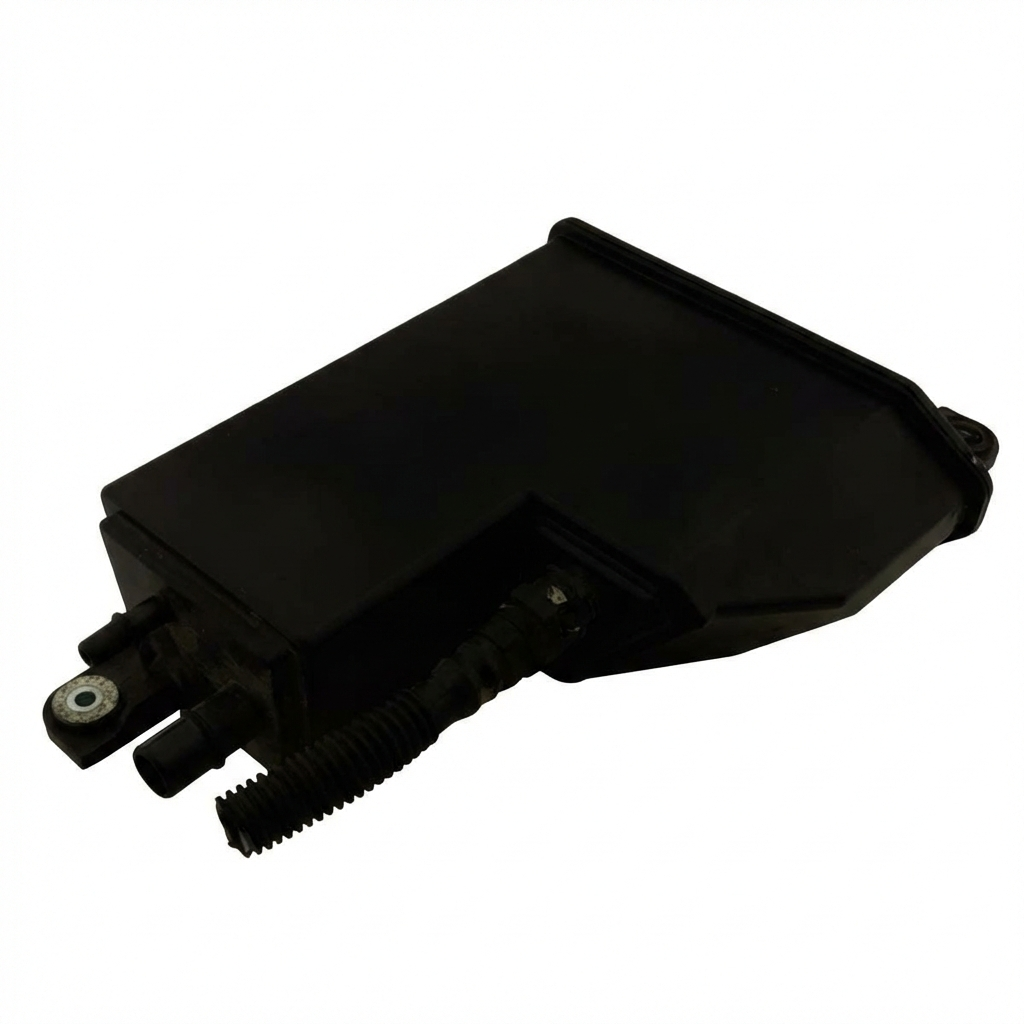
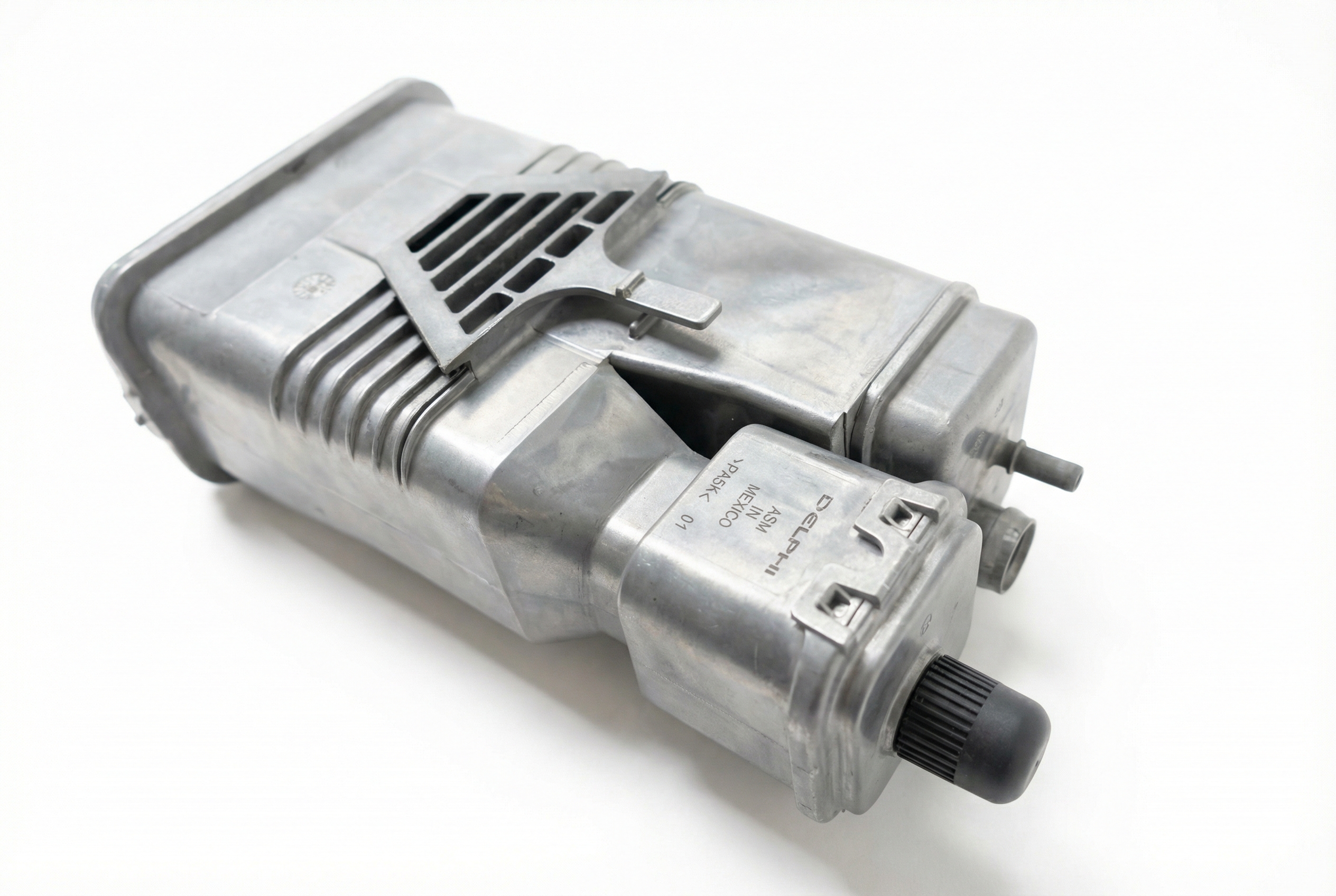
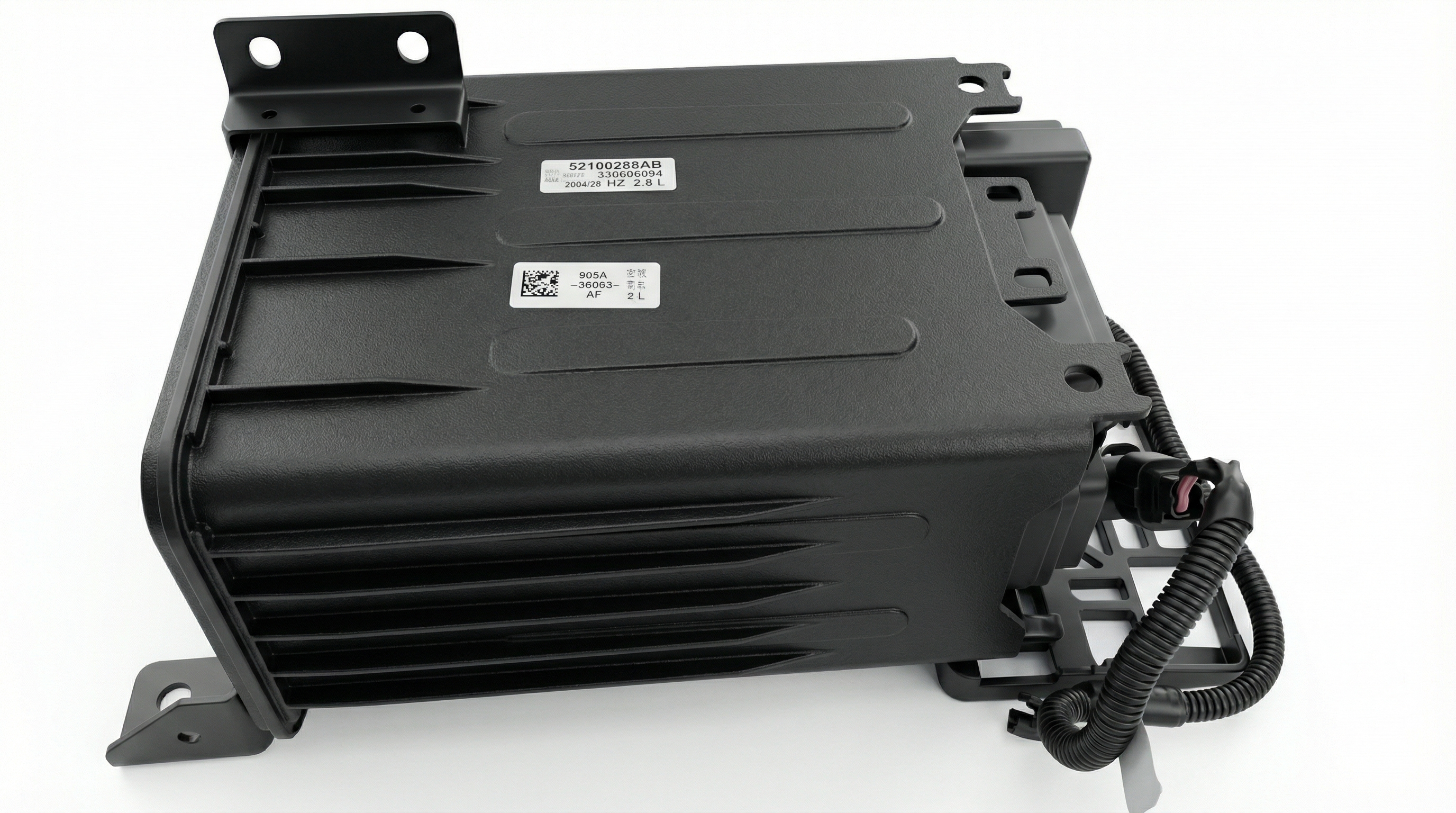
New Aftermarket Parts Available

The information in this article is provided for general reference and educational purposes only. Vehicle specifications, procedures, and part compatibility can vary by production date, trim level, and region. Always consult your vehicle's factory service manual and verify part numbers before purchasing or performing repairs. Safety-critical components such as airbags, seat belts, and braking systems should be installed by a qualified professional.
- Ford F-150:
- 🎬 Helpful Videos
- 🛍️ Shop This Part
- What's Unique About the 2011-2014 Ford F-150
- Symptoms You May Notice
- Most Likely Causes
- Rare But Worth Checking
- Diagnosis Steps
- Parts You'll Likely Need
- Related Codes That Often Appear With This One
- Mechanic-Grade Diagnostic Values
- Hidden / Shadow Codes Worth Checking
- Scan Tool Commands That Help
- Wiring & Ground Locations
- Technical Service Bulletins (TSBs) & Recalls
- Real Owner Repair Stories
- When the Usual Fixes Don't Work
- OEM Part Supersession History
- Model Year Variations Within This Range
- Diagnostic Flowchart
- Other Known Issues on This Vehicle
- Used vs. New Parts: Buying Guide for This Vehicle
- Real Owner Stories
- 2012 Ford F-150 3.7L V6
- 2011-2014 Ford F-150 3.7L V6
- 2011-2014 Ford F-150 3.7L V6
- Related OBD-II Codes
- Frequently Asked Questions
- 🎟️ Get 5% Off