

P2172 on 2017-2020 Hyundai Elantra 2.0L: Sudden High Airflow Causes & Fixes
This code indicates a sudden rush of unexpected air into the engine. On the 2017-2020 Elantra, this is most commonly caused by a significant vacuum leak (like a cracked intake hose or bad gasket) or a failing electronic throttle body. A smoke test is the best way to find a leak before replacing more expensive parts.
- P2172 means your Elantra's computer has detected a large, unmetered air leak.
- Do not immediately assume the throttle body is bad; always perform a smoke test to check for cheaper-to-fix vacuum leaks first.
- The most common vacuum leak sources are the main intake air hose and the PCV system.
- If no leaks are found, the electronic throttle body is the next most likely cause of failure.
- This code indicates a serious issue that can cause stalling and is unsafe to ignore. Address it promptly.
What's Unique About the 2017-2020 Hyundai Elantra
For the sixth-generation Elantra with the 2.0L Nu engine, the P2172 code points strongly towards two primary suspects: a major vacuum leak or a faulty electronic throttle body. While vacuum leaks are a common cause for this code on any vehicle, owner and technician forums frequently highlight the throttle body itself as a common failure point on this platform. Unlike the previous generation Elantra (2011-2016) where the intake manifold gasket was a primary suspect, this generation sees more issues with the throttle body and the main intake air duct.
Symptoms You May Notice
- Check Engine Light is on.
- Engine stalls, especially at idle or when coming to a stop.
- Reduced engine power ('limp mode').
- Rough, unstable, or surging idle.
- Hesitation or stumbling during acceleration.
- Vehicle may not start.
- Loud hissing or whistling sound from the engine bay.
- Replacing the Mass Airflow (MAF) sensor without proper diagnosis. The 2.0L Nu MPI engine does not use a MAF sensor; it uses a MAP (Manifold Absolute Pressure) sensor. Replacing a non-existent part is a common error for those unfamiliar with this specific engine.
- Replacing the throttle body before confirming there are no vacuum leaks. A smoke test is a crucial step to avoid replacing expensive parts unnecessarily.
Most Likely Causes
- Vacuum Leak (Intake Air Hose, PCV System, Gaskets) 🔴 High Probability The flexible rubber and plastic components of the intake system are exposed to constant engine heat and vibration, causing them to become brittle and crack over time. A stuck-open PCV valve is also a common failure that creates a large vacuum leak.
How to confirm: The most reliable method is a smoke test, which involves injecting pressurized smoke into the intake system to see where it escapes. 🎬 See how to find vacuum leaks using a smoke machine You can also perform a careful visual inspection of the intake air boot between the air filter and throttle body, as well as all connected vacuum hoses, for obvious cracks or disconnections. Listening for a hissing sound with the engine running can also help pinpoint the leak's location.
Typical fix: Replace the specific hose, tube, or gasket that is found to be leaking. A stuck PCV valve should be replaced.
Est. part cost: $20-$150 - Faulty Electronic Throttle Body (ETB) 🟡 Medium Probability The internal electronic sensors or the motor controlling the throttle plate can fail, causing the plate to be in a different position than what the PCM has commanded. This is a frequently reported failure on this platform after vacuum leaks are ruled out.
How to confirm: After ruling out vacuum leaks, use a scan tool to monitor commanded vs. actual throttle position in the live data stream. If the values don't match or are erratic, the throttle body is likely faulty. Cleaning a dirty throttle body can be a temporary fix, but if the code returns, the electronic components have likely failed.
Typical fix: Replacement of the entire electronic throttle body assembly is required. The OEM part number is 35100-2E000.
Est. part cost: $150-$350 - Dirty or Sticking Throttle Body ⚪ Low Probability Carbon and oil vapor from the PCV system can build up around the throttle plate, preventing it from closing completely. This allows more air than commanded to enter at idle.
How to confirm: Remove the intake hose from the throttle body and visually inspect for heavy carbon buildup. Manually check if the throttle plate moves smoothly without sticking.
Typical fix: Clean the throttle body bore and plate with a dedicated throttle body cleaner and a soft cloth. A throttle position relearn procedure may be necessary afterward, which can sometimes be accomplished by disconnecting the battery for 15-30 minutes.
Est. part cost: $5-$15 (for cleaner)
Rare But Worth Checking
- Faulty Manifold Absolute Pressure (MAP) Sensor: A MAP sensor that is sending incorrect data to the PCM could theoretically cause this code, but it would typically set its own specific trouble codes as well.
- Powertrain Control Module (PCM) Software Issue: In some cases, the PCM's software logic may be too sensitive. Check for any available Technical Service Bulletins (TSBs) regarding an ECM update before considering PCM replacement. While no specific TSB for P2172 on this platform was found, software updates for other issues are common.
Diagnosis Steps
- Retrieve all stored codes and freeze-frame data with a quality OBD-II scanner. Note the conditions under which P2172 was set.
- Perform a thorough visual inspection of the entire air intake tract, from the air filter housing to the throttle body. Look for any cracks, tears, or loose connections in the main intake boot.
- Inspect all vacuum hoses connected to the intake manifold, paying close attention to the PCV valve and hose.
- Perform a smoke test. This is the most effective way to locate hard-to-find vacuum leaks in hoses, the intake manifold gasket, or other seals.
- If no vacuum leaks are found, remove the intake boot from the throttle body and inspect it for heavy carbon buildup. Clean it if necessary.
- With the key on and engine off, have a helper slowly press the accelerator pedal while you observe the throttle plate for smooth operation. It should not stick or hesitate.
- If the problem persists, use a scan tool with live data to compare the 'Commanded Throttle Position' with the 'Actual Throttle Position'. If they do not track each other closely, the throttle body assembly is the likely culprit.
- Check for any available Technical Service Bulletins (TSBs) for an ECM software update that might address this code before replacing any major components.
Parts You'll Likely Need
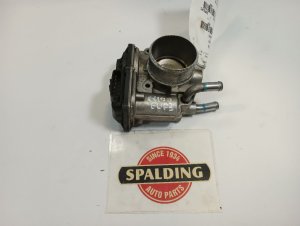
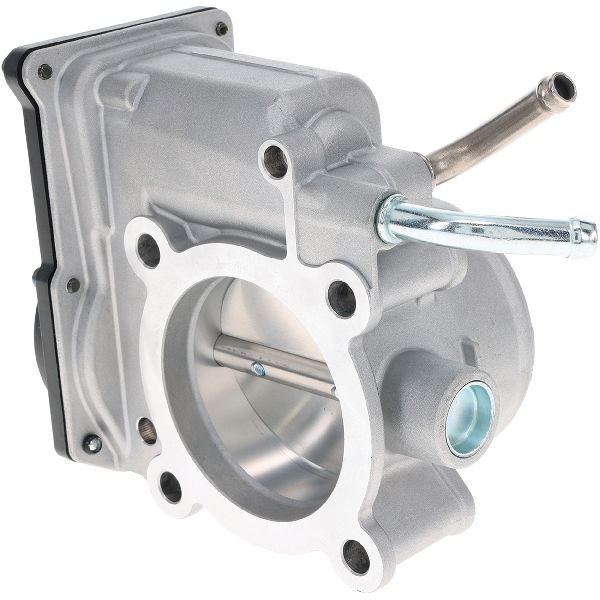
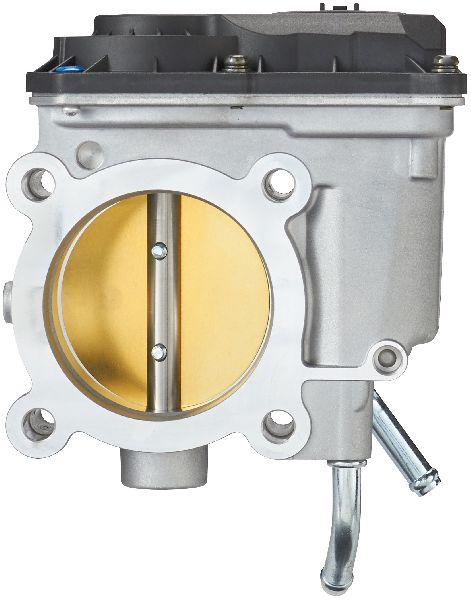
- Electronic Throttle Body Assembly
(OEM #35100-2E000)— This is the most common component to fail electronically or mechanically, leading directly to the P2172 code after vacuum leaks have been ruled out. This part number fits a wide range of Hyundai/Kia vehicles from 2011-2021.
Trusted brands: Hyundai (OEM), Bosch, SKP, Dorman
OEM price range: $250-$400
Aftermarket price range: $100-$250 - Intake Air Duct / Boot
(OEM #28138-F2000)— This flexible hose is a common source of vacuum leaks due to cracking from age and heat, causing the 'sudden high airflow' condition.
Trusted brands: Hyundai (OEM)
OEM price range: $50-$100
Aftermarket price range: $30-$60 - PCV Valve
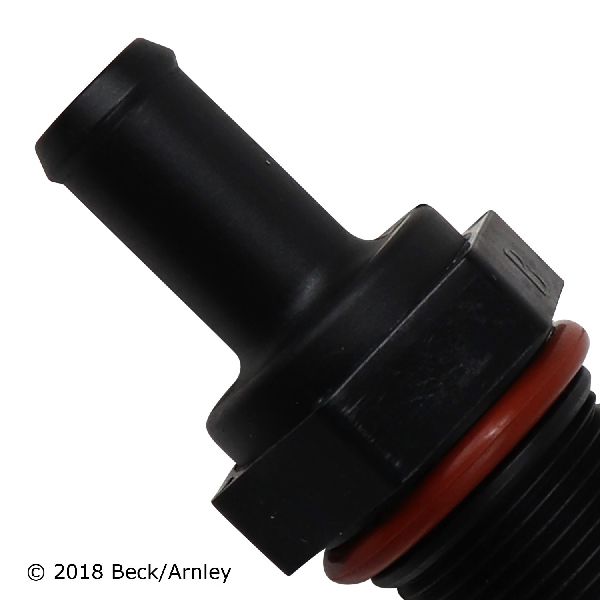
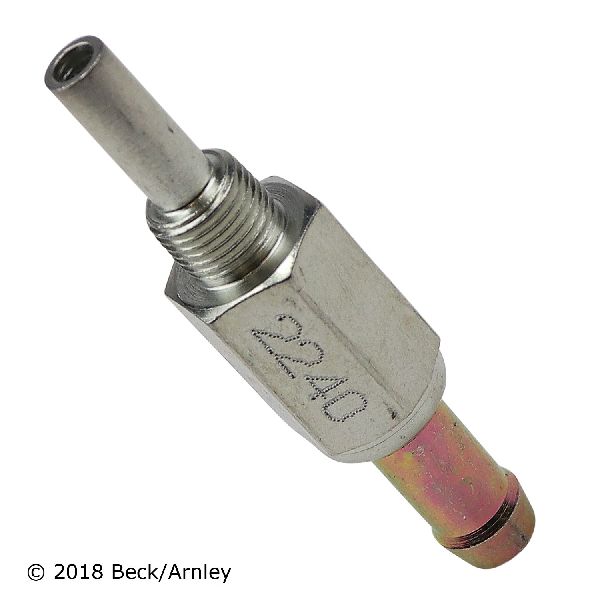
(OEM #26740-2G000)— A PCV valve that is stuck open can create a significant vacuum leak, which is a potential cause for this code. It's an inexpensive and common maintenance item.
Trusted brands: Hyundai (OEM)
OEM price range: $15-$30
Aftermarket price range: $10-$20
Related Codes That Often Appear With This One
- P2101 — This code indicates a performance issue with the throttle actuator control motor itself. It can appear if the throttle body is sticking or failing electronically, causing a mismatch between commanded and actual positions.
- P2110 — This code means the PCM has forced the engine into a limited RPM mode ('limp mode'). It's a direct consequence of the fault detected by P2172, as the computer tries to prevent unintended acceleration. 🎬 Watch: Understanding the P2172 code causes and fixes
Technical Service Bulletins (TSBs) & Recalls
- NHTSA ID: 21V301000 (Recall 203): While not for code P2172 directly, this is a critical safety recall for 2019-2020 Elantras with the 2.0L Nu MPI engine. Improperly heat-treated piston oil rings can cause excessive oil consumption, engine damage, stalling, and potential fires. This underlying engine health issue can sometimes manifest in various performance-related codes.
- TSB 20-01-008H: This TSB provides an ECM software update to optimize the cylinder imbalance learning logic for misfire detection (DTCs P0300-P0304) on 2018-2019 Elantras with the 2.0L engine. While not directly for P2172, ensuring the PCM software is current is a crucial step before replacing hardware.
Mechanic-Grade Diagnostic Values
- Long/Short-Term Fuel Trims (LTFT/STFT) at Idle — expected: Within +/- 10% of 0. Failure: Sustained positive values greater than +25% strongly indicate the PCM is compensating for a large vacuum leak.
- Throttle Position Sensor (TPS) Voltage at Closed Throttle — expected: 0.2V to 0.8V (Key On, Engine Off). Failure: Voltage is outside this range, indicating a miscalibrated or faulty sensor.
- Throttle Position Sensor (TPS) Voltage at Wide-Open Throttle — expected: 4.3V to 4.8V (Key On, Engine Off). Failure: Voltage does not reach at least 4.0V or the reading is erratic during the sweep.
- Manifold Absolute Pressure (MAP) Sensor Voltage at Idle — expected: 1.0V to 1.5V. Failure: Voltage remains high (near KOEO reading of ~4.5V) or is stuck low, suggesting a sensor or circuit fault.
- Manifold Absolute Pressure (MAP) Sensor Voltage (Key On, Engine Off) — expected: ~4.5V to 5.0V (at sea level). Failure: Voltage is stuck low (e.g., below 0.5V), indicating a failed sensor or a short in the signal wire.
- Throttle Actuator Motor Resistance — expected: ~4.3 Ω (at 20°C / 68°F). Failure: A reading that is significantly higher, lower, or open (infinite resistance) indicates a failed motor.
Scan Tool Commands That Help
- Hyundai GDS (or equivalent professional scanner): Actuator Test Mode / Bidirectional Control for Throttle Body — After confirming no vacuum leaks, this command allows a technician to directly command the throttle plate to open and close. It's used to verify if the throttle motor and position sensors are responding correctly to PCM commands, isolating a faulty throttle body from a wiring or PCM issue.
- Hyundai GDS (or equivalent professional scanner): Throttle Position Sensor Reset / Learning Value Reset — This function should be used after cleaning or replacing the throttle body to clear the old learned values and force the PCM to recalibrate to the new closed-throttle position. This is the dealer-level alternative to the manual key-cycle or battery-disconnect relearn methods.
Wiring & Ground Locations
- Throttle Body Connector (C429-C) — Directly on the electronic throttle body assembly, where the engine wiring harness connects.. This 6-pin connector provides power, ground, and signal lines for the two internal throttle position sensors (TPS1, TPS2) and the throttle actuator motor. A loose connection, corrosion, or damaged wire at this specific connector can cause erratic throttle behavior and trigger P2172 or related codes.
- MAP Sensor Connector (C430) — On the intake manifold, near the throttle body.. This connector provides the 5V reference, ground, and signal return for the MAP sensor. A fault here can cause incorrect airflow readings, which could potentially contribute to or be misdiagnosed as a P2172 fault.
- Main Engine Ground — Typically a large gauge wire bolted from the negative battery terminal or chassis directly to the engine block or transmission case.. A poor main engine ground can cause floating voltages and erratic behavior in all engine sensors, including the throttle body and MAP sensor. Verifying this ground is clean and tight is a crucial preliminary step in diagnosing any electronic fault.
Real Owner Repair Stories
- Reddit user comment (2018 Hyundai Elantra 2.0L) — Recent decrease in gas mileage, no specific codes mentioned but dealership recommended throttle body service.
✅ What actually fixed it The owner performed a DIY cleaning of the throttle body and a simple relearn procedure (battery disconnect or key-on-engine-off cycle), which resolved the issue. - Go-Parts Repair Database entry (2017 Hyundai Elantra 2.0L, ~100,000 miles) — Significant carbon buildup visible on the throttle plate and bore.
✅ What actually fixed it Cleaning the throttle body and performing a specific relearn procedure: turning the key to ON for 10 seconds, then OFF for 10 seconds, and repeating before starting the engine.
Model Year Variations Within This Range
- 2019-2020: The Elantra received a significant cosmetic facelift for the 2019 model year, with new headlights, grille, and trunk design. However, the standard 2.0L Nu MPI engine and its associated control systems (throttle body, MAP sensor, PCM) remained the same as the 2017-2018 models. Therefore, the diagnosis for P2172 is identical across the entire 2017-2020 range.
Diagnostic Flowchart
Other Known Issues on This Vehicle
Issues unrelated to this code that are worth knowing about as an owner of this generation:
- Excessive Oil Consumption & Piston Ring Failure 🔴 High — Common enough to trigger a major safety recall (NHTSA 21V301000) for 2019-2020 models. Owners of all years in this generation report high oil consumption. (Ref: Recall 203 (NHTSA 21V301000))
- Engine Knocking / Seizure 🔴 High — This is the ultimate result of the piston ring failure and subsequent oil starvation. While the recall targets specific years, knocking has been reported across the engine family. (Ref: Recall 203 (NHTSA 21V301000), Hyundai Engine II Class Action Settlement)
- Ignition Coil Failure 🟠 Medium — Reported in owner forums as a common cause for misfires. Tends to occur between 50,000 and 90,000 miles.
- Peeling/Bubbling Paint 🟡 Low — Multiple owners report issues with paint durability, especially on the hood and door handles, with problems appearing after a few years.
- HVAC System Malfunction (No Heat) 🟠 Medium — A notable number of complaints for the 2017 model year specifically involve the heater failing to produce heat, often traced to a faulty thermostat or other cooling system issues.
Used vs. New Parts: Buying Guide for This Vehicle
When a used part is the smart pick: A used intake air duct/boot or PCV hose from a low-mileage donor vehicle is a reasonable choice, as these are simple mechanical parts. Failure is typically due to age and heat, so a newer, more flexible part is a good value.
Donor-vehicle mileage cap: roughly under 50000 miles for the part to have meaningful remaining life.
What to inspect on the donor part:
- For intake boots/hoses: Squeeze the rubber. It should be pliable and flexible, not hard, stiff, or crunchy. Inspect thoroughly for any hairline cracks, especially in the accordion sections and near the clamp points.
- For PCV valves: Shake the valve. You should hear a distinct rattle. If it's silent or sounds muffled, it's likely stuck with oil sludge and should be avoided.
- For throttle bodies: Check the connector pins for any signs of corrosion or damage. Look down the bore for excessive carbon buildup that might suggest a poorly maintained engine.
OEM-only on this vehicle (don't cheap out):
- Electronic Throttle Body Assembly: While aftermarket options exist, the electronic sensors within the throttle body are sensitive. Given its criticality to engine operation and safety (limp mode), using a new OEM (Hyundai) or a reputable OEM supplier (like Bosch) part is strongly recommended to avoid compatibility issues or premature failure.
Aftermarket brands forum-validated for this vehicle:
- Bosch (for throttle body, if available)
- SKP (for throttle body)
- Dorman (for throttle body)
Brands owners have reported issues with on this vehicle:
- Unbranded, no-name electronic throttle bodies from online marketplaces are a significant risk. These often have lower quality internal electronics that can fail quickly or have incorrect calibration, leading to the code returning.
Real Owner Stories
Aggregated from forums and TSBs cited above. Mileages and costs reflect what owners reported in those sources.
2017-2020 Hyundai Elantra 6th Gen 2.0L — ~70000 miles
Symptoms: Owners reported ignition coil failures causing misfires and significant oil burning issues on the 2.0L Nu engine.
What fixed it: Replacement of ignition coils and monitoring for oil consumption related to the piston ring issues.
Source hint: reddit.com/r/Hyundai thread titled 'What are all the different problems you've had with your 6th gen Hyundai Elantra's? (2017-2020)'
2017-2020 Hyundai Elantra 2.0L
Symptoms: The vehicle experienced a large vacuum leak, specifically involving the intake boot, or required a throttle body replacement to clear the code.
What fixed it: Finding and repairing a large vacuum leak in the intake boot or replacing the electronic throttle body.
Source hint: hyundai-forums.com threads regarding P2172 resolution
Related OBD-II Codes
Frequently Asked Questions
Is there a recall for my 2019-2020 Hyundai Elantra 2.0L that could be related to engine stalling?
What is the specific OEM part number if I need to replace the throttle body on my Elantra?
My 2018 Elantra is showing misfire codes; is there a software update available?
Can I just clean the throttle body on my 2.0L Nu MPI engine to fix P2172?
How can I confirm a vacuum leak is causing P2172 on my Hyundai?
Does the P2172 code affect other similar Hyundai or Kia models?
Helpful Videos
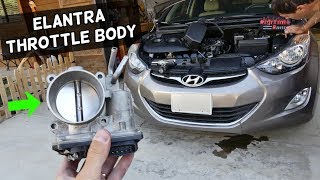
Used OEM Parts in Stock
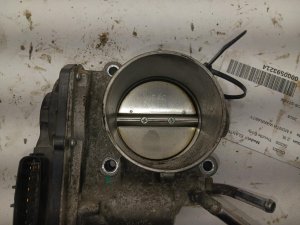


New Aftermarket Parts Available



The information in this article is provided for general reference and educational purposes only. Vehicle specifications, procedures, and part compatibility can vary by production date, trim level, and region. Always consult your vehicle's factory service manual and verify part numbers before purchasing or performing repairs. Safety-critical components such as airbags, seat belts, and braking systems should be installed by a qualified professional.
- Hyundai Elantra:
- 🎬 Helpful Videos
- 🛍️ Shop This Part
- What's Unique About the 2017-2020 Hyundai Elantra
- Symptoms You May Notice
- Most Likely Causes
- Rare But Worth Checking
- Diagnosis Steps
- Parts You'll Likely Need
- Related Codes That Often Appear With This One
- Technical Service Bulletins (TSBs) & Recalls
- Mechanic-Grade Diagnostic Values
- Scan Tool Commands That Help
- Wiring & Ground Locations
- Real Owner Repair Stories
- Model Year Variations Within This Range
- Diagnostic Flowchart
- Other Known Issues on This Vehicle
- Used vs. New Parts: Buying Guide for This Vehicle
- Real Owner Stories
- 2017-2020 Hyundai Elantra 6th Gen 2.0L — ~70000 miles
- 2017-2020 Hyundai Elantra 2.0L
- Related OBD-II Codes
- Frequently Asked Questions
- 🎟️ Get 5% Off