

P2101 on 2008-2011 Subaru Impreza 2.5L: Throttle Actuator Failure Causes and Fixes
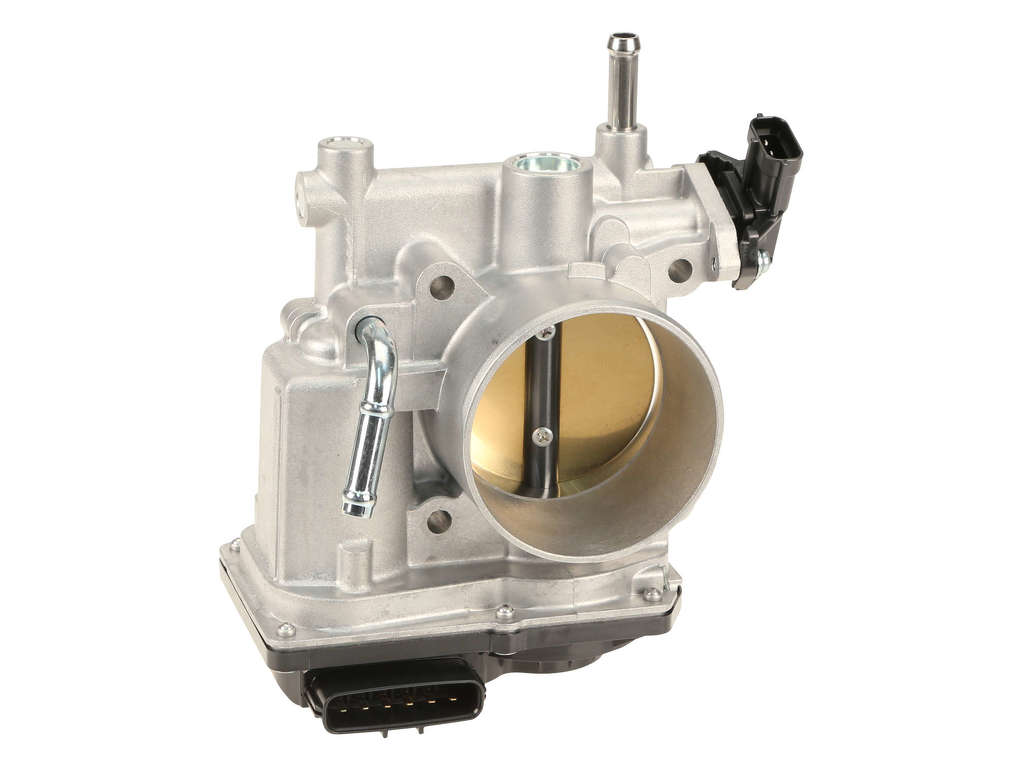
This code almost always points to a failing or dirty electronic throttle body. The car will enter a 'limp mode' with severely reduced power. Cleaning the throttle body and performing an idle relearn procedure is the first step. If that fails, replacing the throttle body assembly is the most common fix, costing around $150-$350 for an aftermarket part or more for OEM.
- P2101 on a 2008-2011 Impreza means your car is in 'limp mode' due to a throttle control problem.
- The most likely culprit is a faulty electronic throttle body assembly.
- Before replacing the throttle body, try cleaning it thoroughly and performing a specific, multi-step idle relearn procedure by disconnecting the battery.
- If you replace the part, the OEM part number is 16112-AA180, which has been superseded by 16112AA300.
- This is a DIY-friendly repair for those with basic tools, with a difficulty of 2 out of 5.
What's Unique About the 2008-2011 Subaru Impreza
On this generation of Impreza with the EJ253 engine, the electronic throttle body assembly is a frequent failure point leading to code P2101. While wiring can be a cause, the throttle body unit itself is the primary suspect. After cleaning or replacing the throttle body, Subarus require a specific 'idle relearn' procedure to function correctly. This involves a sequence of disconnecting the battery, turning the key to the 'ON' position for a set time, and idling for specific intervals to allow the ECU to recalibrate.
Symptoms You May Notice
- Solid Check Engine Light
- Flashing 'CRUISE' light on the dashboard
- Vehicle enters 'limp mode' (drastically reduced engine power and acceleration)
- Engine RPM is limited, often to around 2,000-3,000 RPM
- Hesitation or jerky acceleration before limp mode activates.
- Unresponsive throttle pedal.
- Car may stall when coming to a stop or idle erratically.
- In some cases, the issue is intermittent and temporarily clears after restarting the engine, only to return later.
- Replacing the accelerator pedal (gas pedal) sensor first. This is rarely the cause for an isolated P2101 code.
- Replacing the Mass Airflow (MAF) sensor. While a dirty MAF can cause performance issues, it is not directly linked to the throttle actuator circuit.
Most Likely Causes
- Faulty Electronic Throttle Body Assembly 🔴 High Probability The internal electric motor or integrated position sensors within the throttle body assembly are known to wear out or fail over time on this platform, causing a discrepancy between the commanded and actual throttle plate angle.
How to confirm: After ruling out wiring issues and cleaning the throttle body, the most definitive test is to replace the unit. A scan tool can monitor commanded vs. actual throttle position in live data, often showing a discrepancy that triggers the code.
Typical fix: Replace the entire electronic throttle body assembly. An idle relearn procedure is required after replacement.
Est. part cost: $150-$550 - Dirty or Obstructed Throttle Body 🟡 Medium Probability Carbon and oil vapor from the PCV system can build up in the throttle body, causing the throttle plate to stick and preventing it from moving smoothly as commanded by the ECM.
How to confirm: Remove the intake hose from the throttle body and visually inspect the throttle plate and bore for black, sticky deposits. Manually (with ignition off) check if the plate moves smoothly or binds.
Typical fix: Clean the throttle body thoroughly with a dedicated throttle body cleaner and a soft cloth or brush. Be careful not to spray cleaner directly into the electronic components or damage the throttle plate coating.
Est. part cost: $5-$15 - Wiring Harness or Connector Issue ⚪ Low Probability Engine vibration and heat can cause wires to fray or pins in the connector at the throttle body to become loose, corroded, or backed-out over time.
How to confirm: Visually inspect the wiring harness leading to the throttle body for any signs of damage, chafing, or melting. Unplug the connector and check for corrosion or backed-out pins. A multimeter can be used to check for proper voltage (typically 5V reference and 12V motor supply) and ground at the connector with the key on.
Typical fix: Repair the damaged section of wiring or clean/replace the electrical connector.
Est. part cost: $10-$50
Rare But Worth Checking
- Failing Powertrain Control Module (PCM/ECM): This is very rare. The PCM should only be considered after all other possibilities, including the throttle body and wiring, have been exhaustively ruled out.
- Faulty Accelerator Pedal Position (APP) Sensor: A bad APP sensor usually triggers its own specific codes (like P2138 or P2135) before or alongside P2101. It's an uncommon cause for P2101 alone.
- Faulty Electronic Throttle Body Relay: On some Subaru models, a dedicated relay supplies power to the throttle body. A failure of this relay can cause low voltage codes (like P2102) or performance codes like P2101. On a 2006 Impreza, this relay is located in the passenger side kick panel.
Diagnosis Steps
- Scan for any other trouble codes. If codes for the accelerator pedal sensor (e.g., P2135, P2138) are present, investigate those first.
- Visually inspect the wiring harness and electrical connector at the throttle body for any signs of damage, corrosion, or loose pins.
- Remove the air intake duct from the throttle body. Inspect the throttle bore and plate for heavy carbon buildup. A sticking plate is a common cause.
- If dirty, clean the throttle body thoroughly using a dedicated throttle body cleaner and a soft rag. Do not spray harsh chemicals directly into the electronics.
- Perform a detailed 'idle relearn' procedure. A common method is: 1) Disconnect the negative battery terminal for 30 minutes. 2) Reconnect the battery. 3) Turn the key to 'ON' (without starting) for 10-15 seconds. 4) Start the engine and let it idle for 10 minutes with NO accessories on (no AC, lights, radio). Do not touch the throttle. 5) Turn the engine off for 20+ seconds. 6) Turn key to 'ON' again for 10-15 seconds. 7) Start the engine and let it idle for another 5 minutes. 8) Turn off, wait 20+ seconds, then test drive.
- If the code returns after cleaning and a relearn, the throttle body assembly is very likely faulty and should be replaced.
- After replacement, perform the idle relearn procedure again to calibrate the new part.
Parts You'll Likely Need
- Electronic Throttle Body Assembly
(OEM #16112-AA180 (Superseded by 16112AA300))— This is the most common failure item for code P2101 on this vehicle. The internal motor or sensors fail, requiring replacement of the whole unit.
Trusted brands: Subaru (Genuine), Hitachi (OEM Manufacturer), Duralast, Standard Motor Products
OEM price range: $450-$700
Aftermarket price range: $150-$350
Related Codes That Often Appear With This One
- P2110 — This code, 'Throttle Actuator Control System - Forced Limited RPM,' is often set along with P2101 to indicate that the ECM has actively put the engine into limp mode as a result of the P2101 fault.
- P2102 — 'Throttle Actuator Control Motor Circuit Low' can accompany P2101 if there is a wiring issue, a failing motor, or a bad relay causing a voltage drop to the throttle body.
Technical Service Bulletins (TSBs) & Recalls
- While not directly for P2101, Service Program Bulletin WVI-19 addresses frequent P0420 (Catalyst System Efficiency Below Threshold) codes on this era of Subaru by extending the catalytic converter warranty and providing an ECM reprogram. This is a notable related issue for owners.
Platform-Specific Known Issues
- A user on the NASIOC forums with a 2008 Impreza 2.5i experienced P2101 along with a flashing cruise light and limp mode. After cleaning the throttle body didn't work, they replaced the entire throttle body assembly which resolved the issue. This points to the electronic failure of the unit being more common than just being dirty.
Mechanic-Grade Diagnostic Values
- Throttle Position Sensor (TPS) Voltage — expected: 0.5V - 1.0V at idle, 4.0V - 4.5V at wide-open throttle. Failure: Voltage that is erratic, stuck, or does not change smoothly as the throttle is opened.
- Throttle Actuator Motor Current Draw — expected: 0A - 10A (Varies during operation). Failure: An unusually high current draw may indicate a sticking throttle plate, while no draw could mean a failed motor or open circuit.
- Throttle Actuator Motor Circuit Resistance — expected: Typically 1-10 Ohms (check service manual for exact spec). Failure: Infinite resistance (open circuit) or very low resistance (short circuit) across the motor terminals.
- Voltage Drop Test on Motor Circuit — expected: Less than 0.5V. Failure: A voltage drop greater than 0.5V between the PCM supply and the motor connector suggests high resistance in the wiring or a bad connector.
Scan Tool Commands That Help
- Subaru Select Monitor (SSM) or equivalent professional scan tool: Current Data Display / Throttle Actuator Test — This function allows a technician to command the throttle plate to open and close while observing live data for commanded vs. actual position. It is the primary method for confirming if the actuator motor is responding to ECM commands, helping to isolate a faulty throttle body from a wiring or ECM issue.
- Subaru Select Monitor (SSM) or equivalent professional scan tool: Idle Learn Reset / Throttle Adaptation Reset — After cleaning or replacing the throttle body, a scan tool can force the ECU to perform the idle relearn procedure. This is a more direct and reliable method than the manual battery-disconnect procedure.
Wiring & Ground Locations
- Main Engine to Chassis Ground — A large ground strap connecting the engine block to the chassis, often near the starter or alternator.. A poor engine ground can cause a voltage differential between the engine sensors (including the throttle body) and the chassis-mounted ECU, leading to erratic sensor readings and fault codes.
- ECU Grounds on Intake Manifold — On many EJ-series engines, the ECU's primary ground reference points are bolted directly to the top of the intake manifold.. Since the ECU controls and monitors the throttle body, a poor ground connection at the intake manifold can directly cause communication errors, voltage discrepancies, and codes like P2101. This is a critical and often overlooked check point.
- Throttle Body Connector — A 6-pin electrical connector directly on the electronic throttle body assembly.. This is the single point of connection for motor control and position sensor feedback. Corrosion, backed-out pins, or wire damage at this connector will immediately cause throttle control faults.
Real Owner Repair Stories
- YouTube video by 'Subaru Impreza electronic throttle body relay location repair' (2006 Subaru Impreza 2.5L (non-turbo)) — Check Engine Light with code P2102 (Throttle Actuator Control Motor Circuit Low), which is closely related to P2101.
❌ Tried (didn't work) Initial diagnosis pointed towards the throttle body itself.
✅ What actually fixed it The problem was a faulty electronic throttle body relay, located in the passenger side kick panel. Replacing the relay (a black Denso relay) resolved the code.
OEM Part Supersession History
16112-AA180→16112AA300— Standard part number update/revision by Subaru.
Heads up: The parts are fully interchangeable for the specified vehicle application.
Model Year Variations Within This Range
- 2008-2011: The 2008-2011 Impreza 2.5i uses the EJ253 SOHC engine. This is distinct from the next generation (2012+) which switched to the 2.0L FB-series engine, making parts like the throttle body incompatible between these generations.
Diagnostic Flowchart
Other Known Issues on This Vehicle
Issues unrelated to this code that are worth knowing about as an owner of this generation:
- Head Gasket Failure (External Oil/Coolant Leaks) 🔴 High — Very common, typically between 100,000 and 150,000 miles. The SOHC EJ253 engine in this generation is known for external leaks, whereas earlier DOHC engines had internal failures.
- Catalytic Converter Inefficiency (P0420) 🟠 Medium — Common enough that Subaru issued warranty extensions for some models. Often occurs after 80,000 miles. (Ref: Subaru offered warranty extensions for certain vehicles, sometimes up to 10 years/100,000 miles.)
- Rear Stabilizer Bar Mount Failure 🟡 Low — The factory sheet metal for the sway bar mounts is thin and known to flex or crack, especially with spirited driving or when fitting an upgraded rear sway bar.
- Oily Mass Airflow (MAF) Sensor from Oiled Air Filters 🟡 Low — Owners using reusable, oiled air filters (like K&N) report that excess oil can contaminate the MAF sensor, leading to running issues. Sticking to dry paper filters is often recommended.
Used vs. New Parts: Buying Guide for This Vehicle
When a used part is the smart pick: A used OEM throttle body from a low-mileage donor car can be a cost-effective option, as the failure is electronic wear rather than a guaranteed defect at a certain mileage. It is often preferable to a new, unproven aftermarket part.
Donor-vehicle mileage cap: roughly under 80000 miles for the part to have meaningful remaining life.
What to inspect on the donor part:
- Check for a clean throttle plate and bore, indicating good engine health in the donor car.
- Ensure the electrical connector pins are straight and free of corrosion.
- Ask for the VIN of the donor car to verify mileage and confirm it's from a non-turbo EJ253 model.
Aftermarket brands forum-validated for this vehicle:
- Hitachi: Hitachi is a known OEM supplier for Subaru electronic parts, and their aftermarket throttle bodies are considered a top-tier alternative to Genuine Subaru parts.
Brands owners have reported issues with on this vehicle:
- No-name or unbranded throttle bodies from online marketplaces should be avoided, as their internal electronics and sensor calibration may be poor, leading to persistent issues or premature failure.
Real Owner Stories
Aggregated from forums and TSBs cited above. Mileages and costs reflect what owners reported in those sources.
2008 Impreza 2.5i
Symptoms: P2101 along with a flashing cruise light and limp mode.
What fixed it: After cleaning the throttle body didn't work, they replaced the entire throttle body assembly which resolved the issue.
Source hint: NASIOC forums
2008-2011 Subaru Impreza
Symptoms: Limp mode with a flashing cruise light.
What fixed it: The most common successful repair is replacing the throttle body assembly after a cleaning attempt fails.
Source hint: NASIOC (North American Subaru Impreza Owners Club)
Subaru Impreza (similar platform)
Symptoms: Intermittent P2101 that would trigger on startup and could be cleared by restarting the engine.
What fixed it: The report highlighted the electronic and intermittent nature of the fault, but did not specify the final repair.
Source hint: Reddit r/MechanicAdvice
Related OBD-II Codes
Frequently Asked Questions
My 2009 Impreza is in 'limp mode' and the 'CRUISE' light is flashing. Is this a typical symptom for code P2101?
I cleaned the throttle body on my Impreza, but the P2101 code came back. What should I do next?
Is there a special procedure required after replacing the throttle body on my 2008-2011 Impreza?
How likely is a wiring problem to be the cause of P2101 on this vehicle?
Is this P2101 throttle body issue common on other Subarus from this era?
I also have a P0420 code. Is that related to the P2101 problem?
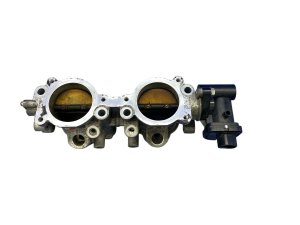
Used OEM Parts in Stock


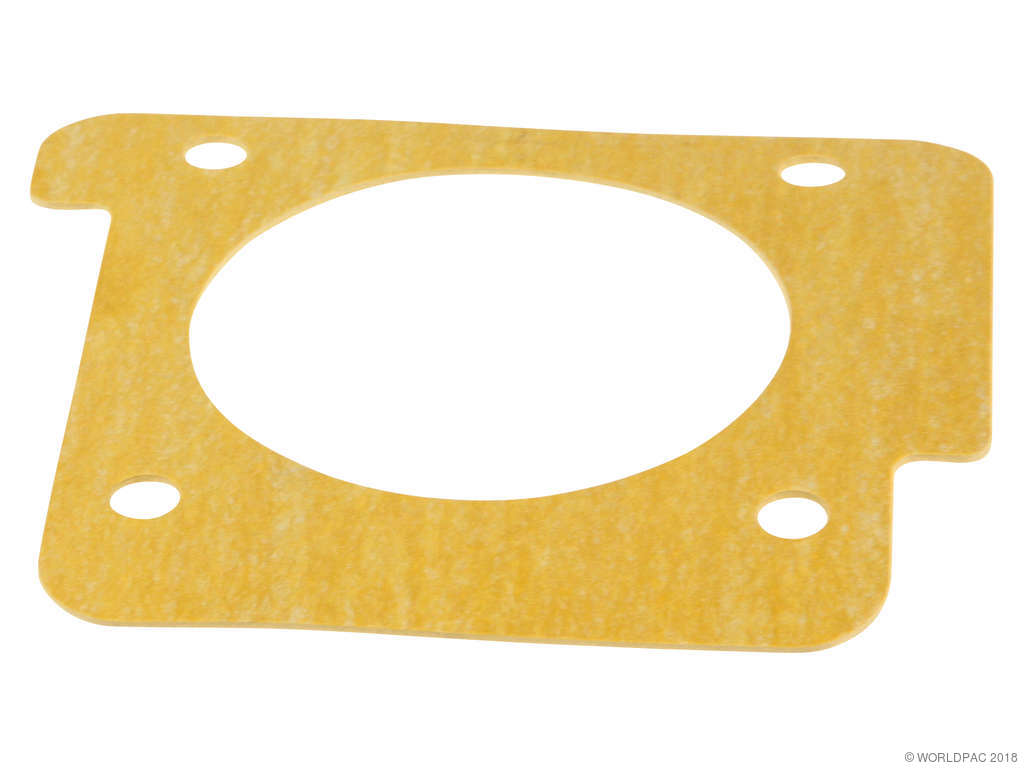
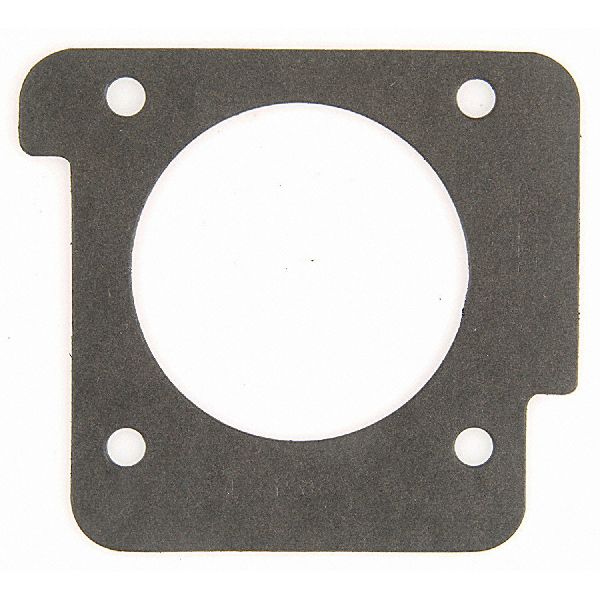
New Aftermarket Parts Available


The information in this article is provided for general reference and educational purposes only. Vehicle specifications, procedures, and part compatibility can vary by production date, trim level, and region. Always consult your vehicle's factory service manual and verify part numbers before purchasing or performing repairs. Safety-critical components such as airbags, seat belts, and braking systems should be installed by a qualified professional.
- Subaru Impreza:
- 🛍️ Shop This Part
- What's Unique About the 2008-2011 Subaru Impreza
- Symptoms You May Notice
- Most Likely Causes
- Rare But Worth Checking
- Diagnosis Steps
- Parts You'll Likely Need
- Related Codes That Often Appear With This One
- Technical Service Bulletins (TSBs) & Recalls
- Platform-Specific Known Issues
- Mechanic-Grade Diagnostic Values
- Scan Tool Commands That Help
- Wiring & Ground Locations
- Real Owner Repair Stories
- OEM Part Supersession History
- Model Year Variations Within This Range
- Diagnostic Flowchart
- Other Known Issues on This Vehicle
- Used vs. New Parts: Buying Guide for This Vehicle
- Real Owner Stories
- 2008 Impreza 2.5i
- 2008-2011 Subaru Impreza
- Subaru Impreza (similar platform)
- Related OBD-II Codes
- Frequently Asked Questions
- 🎟️ Get 5% Off