

P1607 on 2002-2006 Honda CR-V: PCM Internal Failure Causes and Fixes
P1607 on a 2002-2006 Honda CR-V almost always means the main engine computer (PCM) has failed. The most common fix is replacing the PCM and having it programmed to your vehicle's keys, which is a critical step. The issue is famously triggered by cold weather.
- P1607 on a 2002-2006 CR-V is a serious code that points directly to a failed engine computer (PCM).
- Do not continue to drive the vehicle, as it can stall at any time, creating a significant safety risk.
- Before replacing the expensive PCM, always check the battery, charging system, main relay, and ground connections first, as these can sometimes trigger the code.
- If the PCM is replaced, it MUST be reprogrammed to your vehicle's keys by a dealer or a qualified locksmith with the proper tools. The car will not start otherwise.
- The problem is often more frequent during cold weather, which can be a key clue in diagnosing the issue.
What's Unique About the 2002-2006 Honda CR-V
On this generation of Honda CR-V, as with many Hondas from this era, the P1607 code is notoriously specific and often points directly to a true PCM failure, rather than being a misleading code for another component. A common owner experience is for the problem to appear only during cold starts (e.g., below 25°F / -4°C), as temperature changes can affect failing electronic components or cracked solder joints inside the module. The issue might seem to resolve itself once the vehicle warms up, only to return on the next cold soak, often putting the car into a 'limp mode' with a 3,000 RPM limit.
Symptoms You May Notice
- Check Engine Light is on
- Engine will not start, or cranks but fails to turn over
- Engine stalls unexpectedly while driving
- Noticeable loss of engine power or poor acceleration
- Vehicle enters 'limp mode', often limiting RPMs to 3,000
- Rough or erratic idling
- Harsh or incorrect automatic transmission shifting, or being stuck in one gear
- Symptoms are worse or only appear when the engine is cold
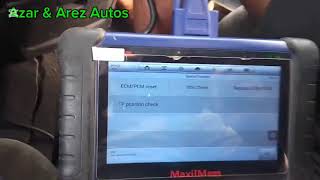
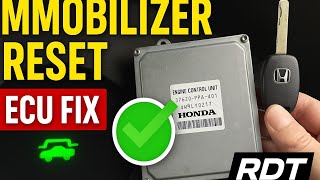
- Green key light on the dashboard flashes continuously when trying to start, indicating an immobilizer issue 🎬 Watch: How to relink the immobilizer and fix the green key light. after a failed PCM swap.
- Replacing transmission solenoids or sensors. While PCM failure can cause shifting problems, people may mistakenly blame the transmission components first, when the root cause is the computer controlling them.
- Replacing ignition system components. A no-start condition might lead one to suspect spark plugs or coils, but if P1607 is present, the PCM's inability to control the ignition is the more likely culprit.
Most Likely Causes
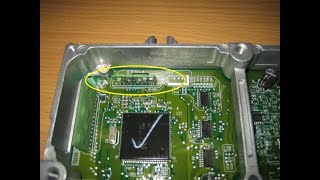
- Internal PCM Failure 🔴 High Probability On Honda vehicles of this vintage, P1607 is a very direct indicator of 🎬 Watch: A quick breakdown of P1607 causes and symptoms. an internal hardware failure within the PCM. This is often due to age, heat cycles, or vibration causing microscopic cracks in solder joints or on the circuit board itself. When cold, the components contract, opening the circuit; as the car warms up, they expand and may make contact again, temporarily resolving the symptom.
How to confirm: After verifying the battery, grounds, and PCM power relay are good, clear the code. If P1607 returns immediately upon turning the key or after a short drive cycle, the PCM is condemned. The diagnostic procedure is brutally simple: if the code comes back, the PCM is faulty.
Typical fix: Replace the Powertrain Control Module (PCM). The new or used unit MUST be reprogrammed to the vehicle's immobilizer system with a Honda-specific scan tool or by a qualified locksmith. The PCM is located behind the right side of the glove box.
Est. part cost: $100-$300 for a used PCM, $800+ for a new one.
Rare But Worth Checking
- Weak or Failing Battery / Poor Charging System: Low voltage can cause a variety of unpredictable electronic issues, including memory corruption in the PCM that can trigger a P1607 code. A dead battery requiring a jump start has been anecdotally linked to the code appearing.
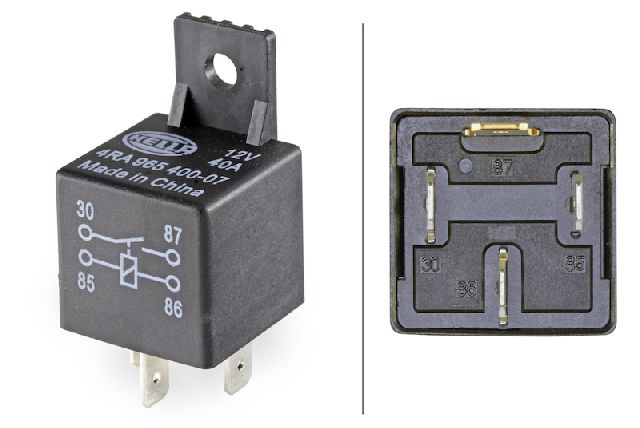
- Faulty PCM Power Relay (PGM-FI Main Relay): The relay that supplies power to the PCM can fail or have corroded contacts, cutting off power and tricking the PCM into setting a fault code. It's a cheap part to check and replace before moving to the PCM itself. A visual inspection may reveal corrosion on the relay's terminals.
- Poor Ground Connections: A loose or corroded main ground strap for the engine or PCM can cause erratic voltage and trigger this code. A visual inspection and cleaning of major ground points is a wise diagnostic step. A voltage drop of more than 0.5V between the battery negative and the PCM ground could indicate a problem.
- Oil or Water Intrusion into PCM Connectors: In some cases, oil from a leaking sensor (like a VTEC pressure switch) can wick through the wiring harness and contaminate the PCM connectors, causing shorts. Similarly, water leaks into the cabin can lead to corrosion on the PCM itself or its connectors. It is worth unplugging and inspecting the connectors for any signs of fluid or corrosion.
Diagnosis Steps
- Scan for codes to confirm P1607 is present.
- Check the Battery and Charging System: Use a multimeter to verify the battery has at least 12.4V with the engine off. With the engine running, voltage should be between 13.5V and 14.5V. Have the battery load-tested to ensure it's healthy under load.
- Inspect Fuses and the PGM-FI Main Relay: Check the fuses related to the ECU/ECM/PCM in the under-hood and interior fuse boxes. Locate and inspect the PGM-FI main relay for corrosion or damage. Consider swapping it with a known good relay as a test.
- Inspect PCM Connectors and Grounds: Unplug the PCM connectors (located behind the glove box) and inspect for any signs of corrosion, moisture, or oil contamination. Check the main engine and chassis ground straps to ensure they are clean, tight, and free of corrosion.
- Reset and Re-evaluate: If all external checks are good, clear the P1607 code with a scanner. Turn the ignition off, then on again.
- Confirm PCM Failure: If the P1607 code returns quickly (often immediately without even starting the engine), the PCM has an internal fault and needs to be replaced.
- Replace and Reprogram PCM: Install a new or known-good used PCM. The vehicle will not start until the replacement PCM is programmed to the car's immobilizer system using a specialized scan tool. This process pairs the keys' transponder chips to the new computer.
Parts You'll Likely Need
- Powertrain Control Module (PCM)
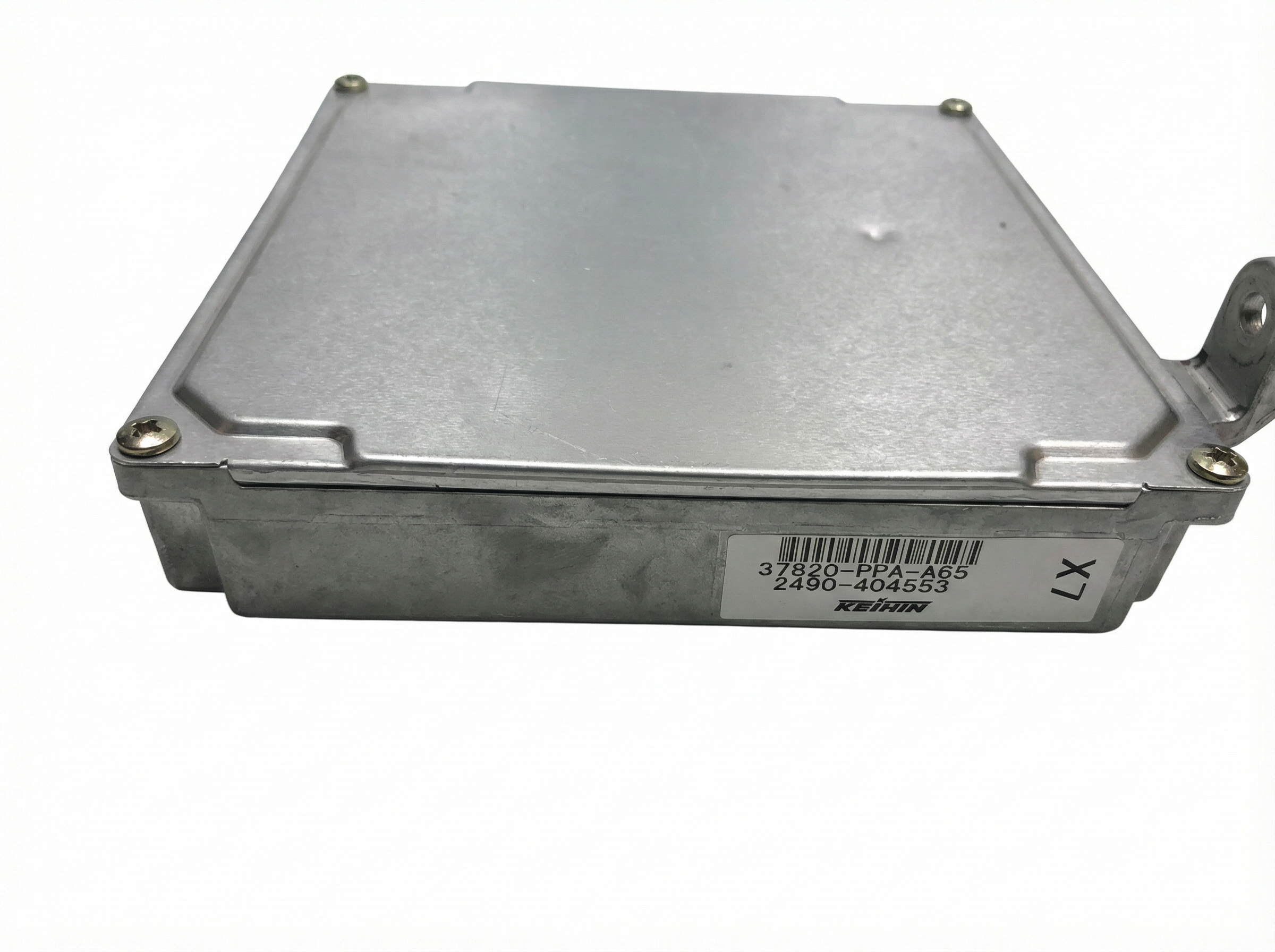
(OEM #37820-PPA-A51 through A58 (AWD/AT), 37820-PPA-A61 through A68 (FWD/AT), 37820-PPL-A04 (MT). Note: Many variations exist. Match the part number exactly from your original unit.)— This is the direct cause of the P1607 code in the vast majority of cases for this vehicle.
Trusted brands: Honda (OEM), Cardone (Remanufactured)
OEM price range: $800-$1000+
Aftermarket price range: $100-$400 (Used or Remanufactured)
Technical Service Bulletins (TSBs) & Recalls
- Honda Service Bulletin 01-026: While not specific to P1607, this bulletin outlines the official procedure for updating or reprogramming control modules, including the PCM, using Honda's diagnostic tools. It is referenced in many other TSBs that require a software update as part of a repair.
Platform-Specific Known Issues
- Cold Weather Trigger: The most reported owner experience is the code P1607 appearing only on cold starts, often accompanied by limp mode. This points to failing internal electronics contracting and breaking a circuit.
- PCM Location: The PCM is located behind the glove compartment on the right side of the passenger footwell. It is held in by two bolts.
- Immobilizer Handshake: The PCM, immobilizer control unit, and the transponder chip in the ignition key are all part of a security system. When replacing the PCM, this system must be re-initialized ('re-flashed') so the components recognize each other, otherwise the fuel system will be disabled and the car will not run.
Mechanic-Grade Diagnostic Values
- PCM Power and Ground Verification — expected: Using a wiring diagram, verify correct voltage at all PCM power input pins and continuity to ground (less than 1.0 ohm) on all ground pins.. Failure: Missing voltage or high resistance on a ground pin indicates a problem in the harness, fuse, or relay, not necessarily the PCM itself. This must be checked before condemning the PCM.
Scan Tool Commands That Help
- Honda HDS / i-HDS: Immobilizer Setup Tool -> Replace ECM/PCM — This function is mandatory after installing a new or used PCM. It guides the technician through the process of registering the new PCM with the vehicle's immobilizer control unit and keys. Without this step, the engine will not start.
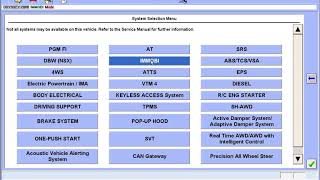
- Autel IM608 (or similar advanced aftermarket tool): IMMO -> Honda -> System Selection -> ECM Replacement — Used as a dealer alternative to program a replacement PCM to the vehicle's immobilizer system. The tool communicates with the immobilizer module to learn the existing key data and write it to the new PCM, allowing the car to start.
Wiring & Ground Locations
- G101 — Left rear of the engine compartment. This is a primary engine and PCM ground point.. A corroded or loose G101 ground can cause a variety of erratic electrical issues, including intermittent or false PCM fault codes like P1607. Verifying this ground is clean and tight is a critical step before replacing the PCM.
- G201 — Right rear of the engine compartment.. Serves as another crucial grounding point for various engine components and sensors that provide data to the PCM. A fault here can lead to incorrect sensor readings and potential PCM misdiagnosis.
- PCM Connectors (A, B, C, D) — Behind the glove box, plugged into the PCM.. These connectors must be inspected for corrosion, moisture, or backed-out pins. Oil wicking from a failed sensor can travel through the harness and contaminate these connectors, causing shorts that can damage the PCM or trigger a P1607 code.
Real Owner Repair Stories
- Honda-Tech Forum User (2000 Honda Odyssey (Symptoms and fix are identical for the CR-V of the era)) — Check engine light on with P1607, poor acceleration (limp mode), especially when cold. Problem would temporarily resolve after the engine warmed up and was restarted.
❌ Tried (didn't work) Clearing the code (it would always return on the next cold start).
✅ What actually fixed it The user replaced the PCM with a used unit from a salvage yard with a matching part number. The vehicle then had to be taken to a Honda dealership to have the replacement PCM reprogrammed to the vehicle's immobilizer system. After reprogramming, the car started and the P1607 code was resolved. - YouTube Creator 'JVFIX' (2002 Honda Accord (Demonstrates process applicable to CR-V)) — P1607 'PCM Internal Failure Circuit' code present, Check Engine Light on. The code could not be erased with a scan tool, immediately indicating a hard internal fault.
❌ Tried (didn't work) Attempting to erase the DTC with an Autel scanner; the code would not clear.
✅ What actually fixed it The mechanic replaced the PCM with a used unit. After installation, the green immobilizer key light flashed, and the car would not start. Using an Autel IM608, he performed the 'ECM Replacement' function in the immobilizer menu. This programmed the used PCM to the car's keys, the key light went out, and the car started and ran without the P1607 code.
Model Year Variations Within This Range
- 2005-2006: For the 2005-2006 model years, some CR-Vs were built in England. These models require a specific PCM and are identified by a VIN that begins with the letter 'S'. Using a PCM from a Japanese-built CR-V (VIN starts with 'J') will not work. It is critical to verify the VIN before sourcing a replacement PCM for these years.
Diagnostic Flowchart
Used vs. New Parts: Buying Guide for This Vehicle
When a used part is the smart pick: A used PCM from a salvage yard is an extremely smart and common choice for this repair, as a new OEM unit is prohibitively expensive (often over $800) and offers no significant advantage. The failure is electronic and not wear-related, so a used part from a non-crashed vehicle is generally reliable.
Donor-vehicle mileage cap: roughly under 200000 miles for the part to have meaningful remaining life.
What to inspect on the donor part:
- CRITICAL: The part number on the donor PCM MUST exactly match the part number on your original PCM.
- Inspect the connectors on the donor unit for any signs of corrosion, bent pins, or water damage.
- Ask the salvage yard about the donor vehicle's history if possible (e.g., was it a front-end collision vs. a flood vehicle). Avoid parts from flood-damaged cars.
- If buying online, purchase from a reputable seller with a return policy in case the unit is also faulty.
OEM-only on this vehicle (don't cheap out):
- Powertrain Control Module (PCM) - While a used OEM part is recommended, avoid no-name, unverified aftermarket 'clones'. Stick to original Honda parts, whether new, remanufactured by a known company like Cardone, or used.
Aftermarket brands forum-validated for this vehicle:
- Cardone (for remanufactured units)
Brands owners have reported issues with on this vehicle:
- Unbranded, generic PCMs from online marketplaces with no warranty or return policy.
Real Owner Stories
Aggregated from forums and TSBs cited above. Mileages and costs reflect what owners reported in those sources.
Honda Odyssey
Symptoms: P1607 code with a cold-weather failure mechanism, pointing to cracked solder joints inside the PCM.
What fixed it: Replaced the faulty unit with a used PCM and had it reprogrammed to the vehicle.
Source hint: Honda-Tech - 'Engine Code P1607' (2011): A detailed thread about a Honda Odyssey with P1607.
2002 Honda Accord
Symptoms: P1607 code appeared along with transmission shifting problems.
What fixed it: The thread confirmed the diagnostic procedure: the code returned immediately after a reset, condemning the PCM. The implied fix is PCM replacement.
Source hint: Honda-Tech - 'P1607 + transmission issue' (2019): A user with a 2002 Accord experiences P1607 and transmission problems.
Related OBD-II Codes
Frequently Asked Questions
Where is the PCM located on my 2002-2006 Honda CR-V?
My CR-V only shows P1607 and goes into limp mode when it's cold. Does this still mean the PCM is bad?
I replaced the PCM, but now the engine cranks but won't start and the green key light is flashing. What's wrong?
How can I be 100% sure the PCM is the problem before buying a new one?
Should I buy a new or a used PCM for this repair?
Can I use a PCM from a Honda Accord or Element in my CR-V?
Does Honda Service Bulletin 01-026 provide a fix for code P1607?
Helpful Videos
![What is P1607 Engine Code [Quick Guide]](https://img.youtube.com/vi/YMGVToEF7Cw/mqdefault.jpg)
Used OEM Parts in Stock


New Aftermarket Parts Available


The information in this article is provided for general reference and educational purposes only. Vehicle specifications, procedures, and part compatibility can vary by production date, trim level, and region. Always consult your vehicle's factory service manual and verify part numbers before purchasing or performing repairs. Safety-critical components such as airbags, seat belts, and braking systems should be installed by a qualified professional.
- Honda CR-V:
- 🎬 Helpful Videos
- 🛍️ Shop This Part
- What's Unique About the 2002-2006 Honda CR-V
- Symptoms You May Notice
- Most Likely Causes
- Rare But Worth Checking
- Diagnosis Steps
- Parts You'll Likely Need
- Technical Service Bulletins (TSBs) & Recalls
- Platform-Specific Known Issues
- Mechanic-Grade Diagnostic Values
- Scan Tool Commands That Help
- Wiring & Ground Locations
- Real Owner Repair Stories
- Model Year Variations Within This Range
- Diagnostic Flowchart
- Used vs. New Parts: Buying Guide for This Vehicle
- Real Owner Stories
- Honda Odyssey
- 2002 Honda Accord
- Related OBD-II Codes
- Frequently Asked Questions
- 🎟️ Get 5% Off