

P1607 on 2015-2017 Chrysler 200 2.4L: PCM Shutdown Timer Causes and Fixes
On a 2015-2017 Chrysler 200, code P1607 is almost always caused by a software bug in the engine computer (PCM). The correct fix is a PCM software update (reflash) at a dealership, which typically costs $150-$250 and is addressed by a specific Technical Service Bulletin (TSB). Before assuming any hardware has failed, this software update and the battery's health must be checked.
- P1607 on your Chrysler 200 is almost certainly a software glitch, not a failed part.
- Your first step should be to contact a Chrysler dealer with your VIN to check for open TSBs, specifically TSB 18-023-16 REV. C.
- Do not replace the PCM or any sensors before the software update is performed and the battery is professionally load-tested.
- The fix requires a trip to a dealer or qualified shop with Chrysler's wiTECH software and costs around $150-$250.
What's Unique About the 2015-2017 Chrysler 200
The 2015-2017 Chrysler 200 (UF generation) and its platform mates like the Dodge Dart, Jeep Cherokee (KL), and Ram ProMaster City are well-known for setting P1607 due to factory software calibration issues, not hardware failure. Chrysler issued multiple Technical Service Bulletins (TSBs) acknowledging that this code, often appearing with a cluster of other seemingly unrelated codes, is fixed by a software update. This makes it critical to check for software updates before assuming any expensive part has failed, as the issue is a documented software anomaly across the FCA (now Stellantis) lineup using this engine.
Symptoms You May Notice
- Check Engine Light is on
- Engine stalling, especially when coming to a stop, making a low-speed turn, or idling.
- Hard starting, extended cranking, or a complete no-start condition.
- Rough or unstable idle, sometimes accompanied by an engine flare on startup.
- Hesitation or surge while driving.
- Vehicle may enter 'limp mode' with reduced power.
- Replacing the Powertrain Control Module (PCM) before performing a software update. This is a costly mistake, as the reflash costs under $250 while a new PCM can be over $800.
- Replacing individual sensors, such as the crankshaft position sensor (for code P0335) or an O2 sensor (for code P0133), when they appear alongside P1607, as TSB 18-023-16 REV. C indicates the software update resolves these codes as well.
Most Likely Causes
- Outdated Powertrain Control Module (PCM) Software 🔴 High Probability This is a well-documented factory software issue confirmed by multiple Chrysler TSBs for the 2.4L engine in this specific vehicle generation and its platform mates.
How to confirm: Contact a Chrysler dealer with your VIN to see if TSB #18-023-16 REV. C (or a superseding version) is open for your vehicle. The presence of a cluster of other codes like P0335, P0133, P0456, P2610, or U0402 strongly suggests the software issue.
Typical fix: Reprogram (reflash) the PCM with the latest software version using the wiTECH scan tool. 🎬 Watch: A step-by-step guide on how to fix code P1607. The TSB also requires updating the Transmission Control Module (TCM) at the same time.
Est. part cost: $0 - Weak or Failing Battery 🟡 Medium Probability The vehicle's electronics, particularly the Body Control Module (BCM) and PCM, are highly sensitive to voltage irregularities. A weak battery providing less than 12.4V at rest or failing a load test can disrupt the PCM's shutdown sequence and internal timers, causing this code.
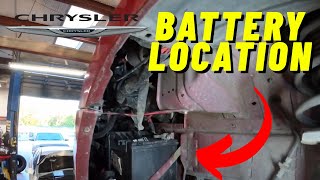
How to confirm: Test the battery with a professional load tester; a simple multimeter voltage check is often insufficient. Resting voltage should be above 12.4V, and it should not drop below 10V during cranking. The correct battery is typically a Group Size H6 or H7 AGM. 🎬 Watch: How to locate and replace the battery on your Chrysler 200.
Typical fix: Replace the vehicle's battery with a high-quality AGM battery of the correct group size (H6 or H7).
Est. part cost: $200-$350 - Faulty PCM Power Relay ⚪ Low Probability While not specific to this platform, relay failure is a common automotive fault. On related FCA platforms like the Dodge Journey, a corroded PCM power relay has been documented as the specific cause of a P1607 code.
How to confirm: Locate the PCM relay in the under-hood fuse box (Totally Integrated Power Module). On a similar platform, it was in position K5. Swap it with an identical relay from a non-critical system (like the horn) to see if the problem resolves. A visual inspection for corroded pins is also recommended.
Typical fix: Replace the PCM power relay.
Est. part cost: $15-$40
Rare But Worth Checking
- Failing Powertrain Control Module (PCM): This is extremely rare for this specific code on this vehicle. The PCM should only be considered for replacement after a software update has been performed and all power/ground circuits (including the main engine ground strap) and relays have been thoroughly tested and confirmed good.
- Poor Ground Connection: A corroded or loose main ground connection between the engine/transmission and the chassis can cause intermittent voltage drops, confusing the PCM and triggering various electrical codes, including P1607. This has been a documented fix on the platform-mate Dodge Dart.
Diagnosis Steps
- Scan the PCM for any other trouble codes. Note all codes present, as a cluster of codes (like P0335, P0133, P0456, P2610) makes a software issue the most likely cause.
- Check for Technical Service Bulletins (TSBs). This is the most critical step. Contact a Chrysler dealer with your VIN or use an online service to check for TSB #18-023-16 REV. C or any newer versions.
- If an applicable TSB is found, schedule an appointment to have the PCM and TCM software updated. This is the definitive fix in most cases. Ensure the shop has a stable power supply connected during the flash process.
- If no TSB applies or the update does not fix the code, perform a professional load test on the battery. Do not rely on a simple voltage check. A weak battery is the next most likely culprit.
- If the battery is weak, replace it. If the battery is good but the problem persists, perform a parasitic draw test to check for modules that are not shutting down correctly and are draining the battery overnight.
- Inspect the PCM power relay. Locate it in the under-hood fuse box, check for corrosion, and swap the relay with a known good one from a different circuit to see if the code clears.
- Inspect the wiring and connectors at the PCM for any signs of corrosion, damage, or loose pins. Check the main engine-to-chassis ground straps for tightness and corrosion.
- If all other steps fail, a faulty PCM is a remote possibility that requires professional diagnosis and replacement.
Parts You'll Likely Need
- PCM Software Update — This is not a physical part, but a service. It is the manufacturer-recommended fix for a known software bug that causes P1607.
OEM price range: $150-$250
Aftermarket price range: N/A - Automotive Battery
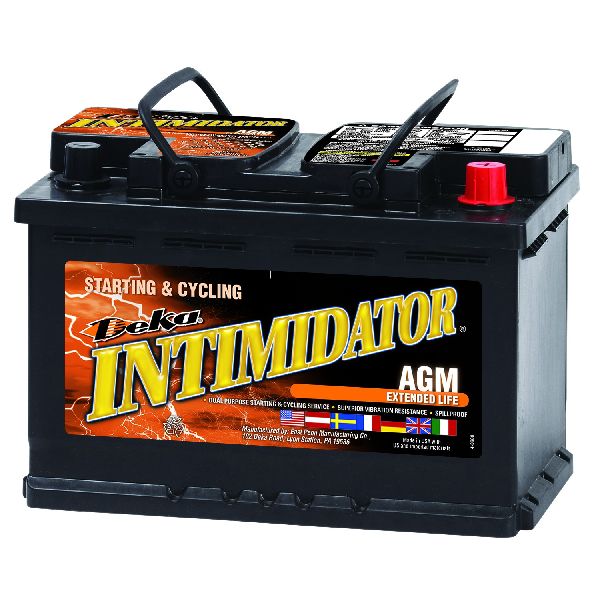
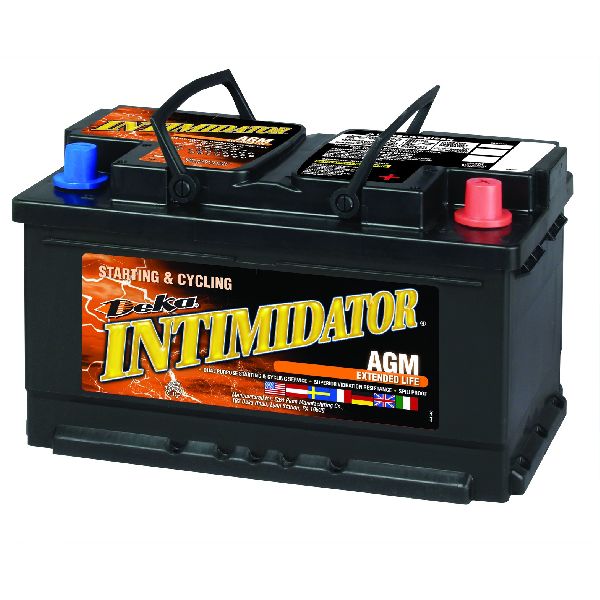
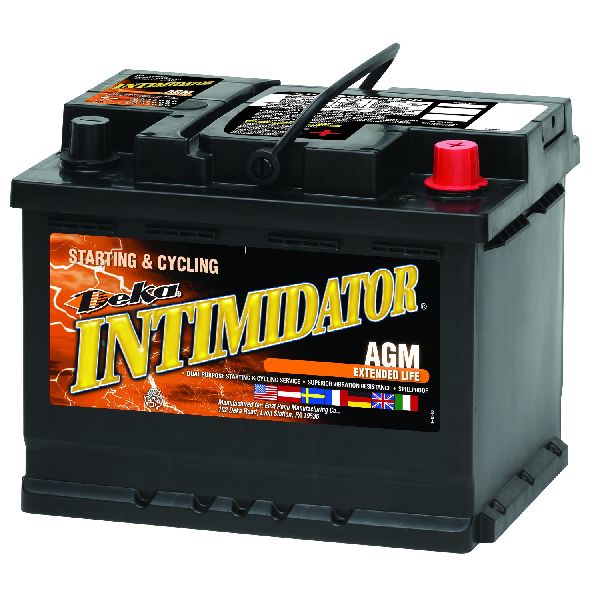
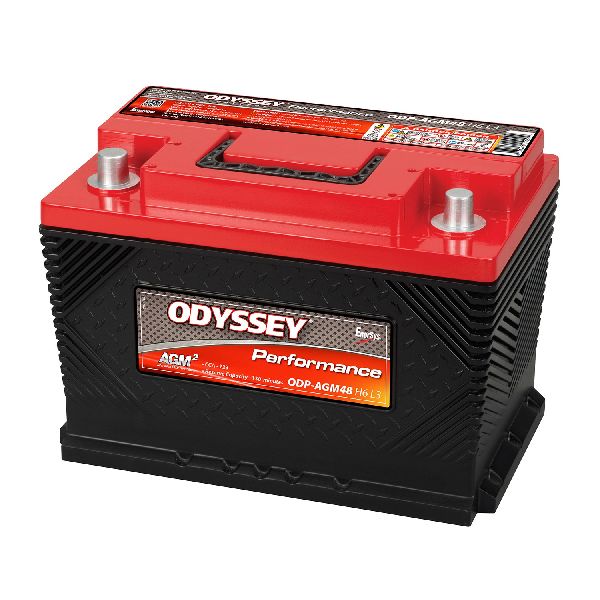
(OEM #Mopar BBH70800AA (Group H7 AGM, 800 CCA))— A weak or failing battery is the most common hardware cause, as unstable voltage can disrupt the PCM's internal timers. This vehicle requires an AGM battery.
Trusted brands: DieHard Platinum AGM (H6/H7), Deka Intimidator AGM, Optima YellowTop (DH6/DH7)
OEM price range: $250-$400
Aftermarket price range: $200-$350
Related Codes That Often Appear With This One
- P2610 — PCM Internal Engine Off Timer Performance. This is a very similar code that points directly to a PCM timer issue and is explicitly listed in the same TSBs as P1607, to be fixed by the same software update.
- P0335 — Crankshaft Position Sensor Circuit. TSB 18-023-16 REV. C explicitly lists this code as being resolved by the same PCM software update.
- P0133 — O2 Sensor 1/1 Slow Response. This is another code frequently cited in the same TSB, indicating the PCM's interpretation of sensor data is affected by the software bug.
- P0456 — EVAP System Small Leak. This code is also listed in the TSB as being part of the group of faults fixed by the PCM reflash, likely because the faulty shutdown timer prevents the EVAP monitor from running correctly.
- U0402 — Implausible Data Received From TCM. This indicates a communication issue with the Transmission Control Module, which can also be caused by the PCM software fault. The TSB requires a TCM flash along with the PCM flash.
- P050D — Cold Start Rough Idle. Also listed in TSB 18-023-16 REV. C, indicating the software update addresses cold-start performance.
Technical Service Bulletins (TSBs) & Recalls
- 18-023-16 REV. C: The primary TSB for this issue. It involves reprogramming the PCM and TCM with the latest software to fix P1607 and a list of other DTCs on 2015 Chrysler 200s with the 2.4L engine.
Platform-Specific Known Issues
- Chrysler issued TSB #18-023-16 REV. C specifically to address code P1607 (and a long list of others) on 2015 Chrysler 200 models with the 2.4L engine (Sales Codes ED6 or ED8) via a PCM software update.
- Owners on chryslerforum.com have reported intermittent stalling when stopped, which was resolved after a PCM reprogramming was performed under warranty, corroborating the TSB.
Mechanic-Grade Diagnostic Values
- Battery Voltage (Resting, Engine Off) — expected: 12.4V - 12.7V. Failure: Below 12.4V indicates a discharged or weak battery that can cause spurious electrical codes like P1607.
- Charging System Voltage (Engine Running) — expected: 13.5V - 14.5V. Failure: Voltage outside this range points to a faulty alternator or regulator, which can cause the unstable voltage that triggers a P1607.
- PCM Flashing Voltage (Maintained by Battery Charger) — expected: Stable voltage between 13.2V and 13.5V. Failure: Dropping below 13.2V or exceeding 13.5V during the reflash process can cause the update to fail or corrupt the PCM.
- PCM Power Relay Coil Resistance — expected: Approximately 150 Ohms or more. Failure: Significantly less than 150 Ohms or an open circuit (infinite resistance) indicates a failed relay.
Scan Tool Commands That Help
- wiTECH Diagnostic Application: Reprogram PCM with latest software — This is the primary repair step outlined in TSB #18-023-16 REV. C to fix the root software bug causing P1607 and its associated codes.
- wiTECH Diagnostic Application: Verify TCM is programmed with latest software — After flashing the PCM, the TSB requires ensuring the TCM is also updated to maintain software compatibility between the two modules.
- wiTECH Diagnostic Application: Restore Vehicle Configuration — This function is critical if a used PCM was incorrectly installed, causing a VIN mismatch with other modules like the Wireless Control Module (WCM). It realigns the vehicle's configuration data to the correct original VIN.
- wiTECH or equivalent J2534 tool: Check PCM VIN / Write VIN — This is used when installing a new (blank) or properly unlocked used PCM to write the vehicle's correct VIN into the module.
Wiring & Ground Locations
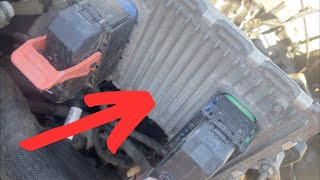
- Powertrain Control Module (PCM) — Located on the right side of the engine compartment, under the hood, near the battery. It is mounted with three bolts and has two large harness connectors.. This is the module that sets the code. Its connectors and grounds are key inspection points if a software update and battery check do not resolve the issue.
- PCM Power Relay — Located in the under-hood fuse box (Totally Integrated Power Module - TIPM). On similar platforms like the Dodge Journey, it is in the K5 position.. This relay supplies main power to the PCM. A faulty or corroded relay can interrupt power, causing the PCM's internal timers to malfunction and trigger P1607.
- Main Battery Ground Connection — The main negative battery cable connects to a grounding point on the vehicle's chassis near the battery's location in the right front wheel well area.. A poor main ground can cause system-wide voltage instability, which is a known trigger for PCM logic codes like P1607.
Model Year Variations Within This Range
- 2015: TSB 18-023-16 REV. C, the primary bulletin for fixing P1607 with a software flash, specifically lists the 2015 Chrysler 200 with the 2.4L engine. While the issue is common on 2016-2017 models, this specific TSB is for the 2015 model year.
- 2016-2017: While not mentioning P1607 directly, other TSBs for powertrain enhancements on later models (e.g., 18-016-17 REV. C for 2017 models) show that software updates continued to be issued to fix clusters of DTCs. A dealer checking the VIN with wiTECH is the only way to know for sure if a software update for a 2016 or 2017 model addresses the P1607 logic.
Diagnostic Flowchart
Used vs. New Parts: Buying Guide for This Vehicle
When a used part is the smart pick: A used part is a reasonable choice for the under-hood fuse box (TIPM) or individual relays. These components are generally not VIN-locked and can be sourced from a donor vehicle with matching specifications.
Donor-vehicle mileage cap: roughly under 80000 miles for the part to have meaningful remaining life.
What to inspect on the donor part:
- For a TIPM/fuse box, inspect for any signs of water intrusion, corrosion on the terminals, or melted plastic.
- Check that the part number on the used TIPM matches the original exactly.
- Ensure the donor vehicle was not involved in a front-end collision that could have damaged the component.
OEM-only on this vehicle (don't cheap out):
- Powertrain Control Module (PCM): A used PCM is extremely difficult to use. It is VIN-locked to the original vehicle. While specialty tools like AlfaOBD can sometimes write a new VIN, it is a complex process. Swapping a used PCM without proper reprogramming will cause a no-start condition due to a security mismatch with other modules. A new OEM module or a professionally refurbished and unlocked unit is the only reliable option.
Aftermarket brands forum-validated for this vehicle:
- Battery: DieHard Platinum AGM, Deka Intimidator AGM, Optima YellowTop
Brands owners have reported issues with on this vehicle:
- Avoid non-AGM (Absorbed Glass Mat) batteries, as the vehicle's electrical system is designed for the stable power delivery of an AGM battery.
Real Owner Stories
Aggregated from forums and TSBs cited above. Mileages and costs reflect what owners reported in those sources.
2010 Dodge Journey SE 2.4L
Symptoms: Check Engine Light with code P1607 (PCM shutdown timer). Other codes were also present.
What fixed it: Replaced the PCM power relay (position K5 in the fuse box). The old relay was tested and did not click.
Source hint: YouTube - How to Fix Code P1607 – Step-by-Step (from Fix it Angel comment)
Dodge Dart
Symptoms: Hard start issue and P1607 code.
What fixed it: Replaced an old battery that had low voltage.
Source hint: DodgeForum.com
Dodge Dart 2.4L
Symptoms: P1607 and P2610 codes appeared after replacing the battery.
What fixed it: A PCM reflash at the dealership resolved the codes.
Source hint: dodge-dart.org
2015 Chrysler 200 V6
Symptoms: Intermittent stalling when stopped and a struggle to restart.
What fixed it: The issue was resolved after a PCM reprogramming was performed under warranty.
Source hint: chryslerforum.com
Related OBD-II Codes
Frequently Asked Questions
I have a 2015 Chrysler 200 2.4L with code P1607. Is there a specific TSB for this?
My car is stalling when I come to a stop. Is this a known symptom for P1607 on the Chrysler 200?
I have other codes like P0335 and P2610 along with P1607. What does this mean?
I replaced the battery but the P1607 code came back. What's the next step?
What kind of battery does my 2015 Chrysler 200 need? I heard it's sensitive.
I have a Dodge Dart with the same 2.4L engine and P1607. Is the problem the same?
Helpful Videos
Used OEM Parts in Stock


New Aftermarket Parts Available


The information in this article is provided for general reference and educational purposes only. Vehicle specifications, procedures, and part compatibility can vary by production date, trim level, and region. Always consult your vehicle's factory service manual and verify part numbers before purchasing or performing repairs. Safety-critical components such as airbags, seat belts, and braking systems should be installed by a qualified professional.
- Chrysler 200:
- 🎬 Helpful Videos
- 🛍️ Shop This Part
- What's Unique About the 2015-2017 Chrysler 200
- Symptoms You May Notice
- Most Likely Causes
- Rare But Worth Checking
- Diagnosis Steps
- Parts You'll Likely Need
- Related Codes That Often Appear With This One
- Technical Service Bulletins (TSBs) & Recalls
- Platform-Specific Known Issues
- Mechanic-Grade Diagnostic Values
- Scan Tool Commands That Help
- Wiring & Ground Locations
- Model Year Variations Within This Range
- Diagnostic Flowchart
- Used vs. New Parts: Buying Guide for This Vehicle
- Real Owner Stories
- 2010 Dodge Journey SE 2.4L
- Dodge Dart
- Dodge Dart 2.4L
- 2015 Chrysler 200 V6
- Related OBD-II Codes
- Frequently Asked Questions
- 🎟️ Get 5% Off